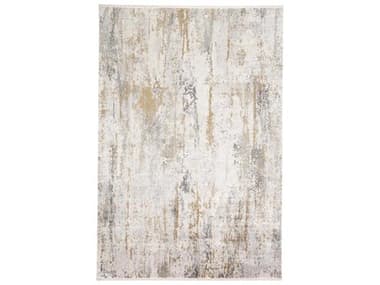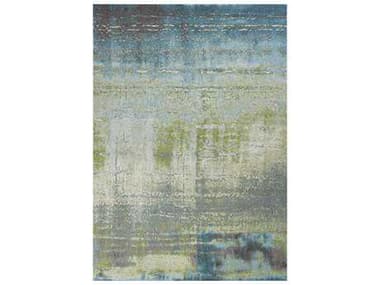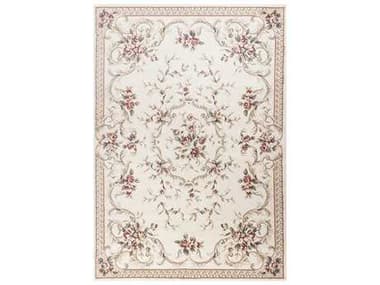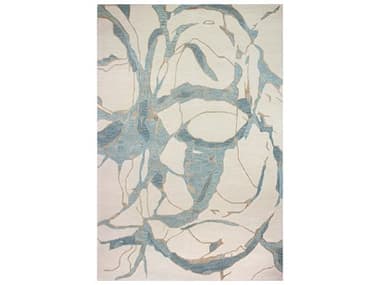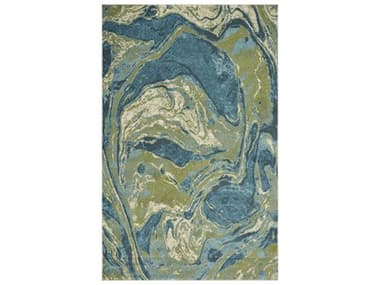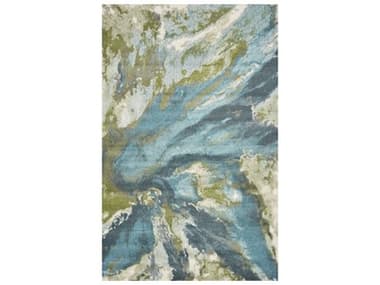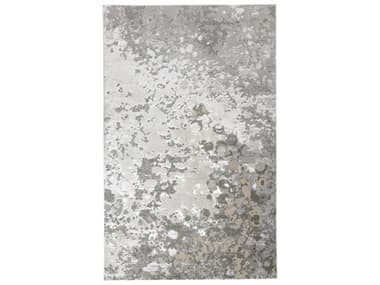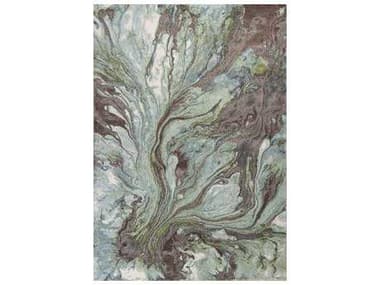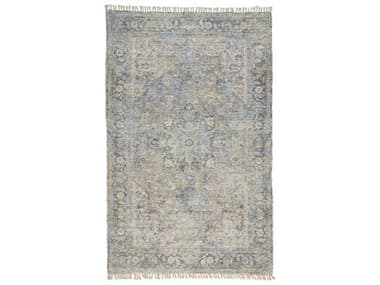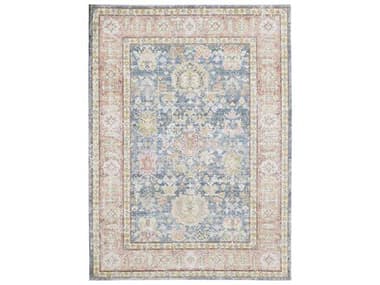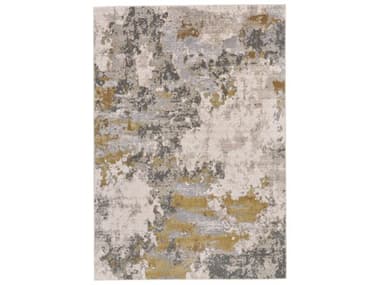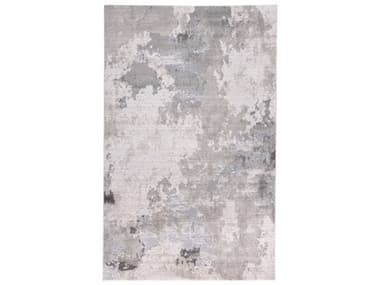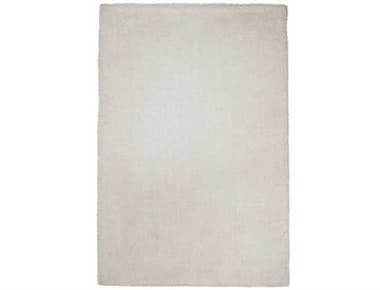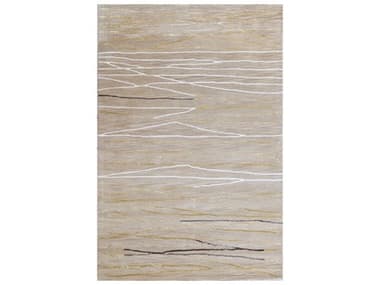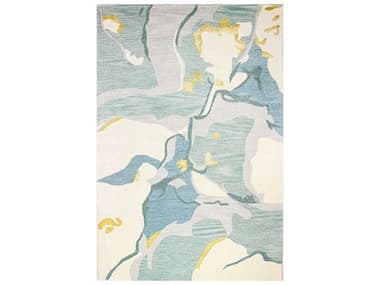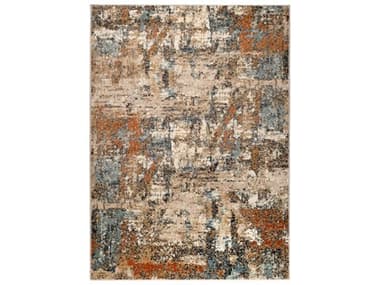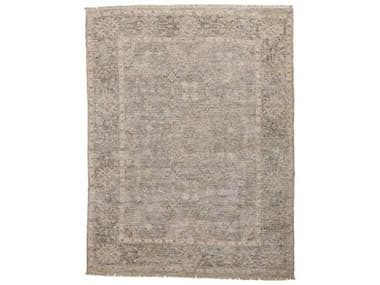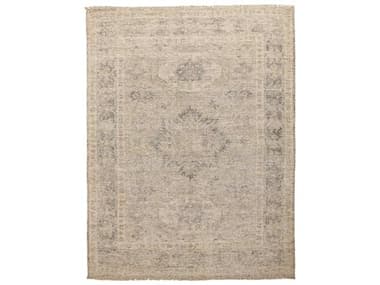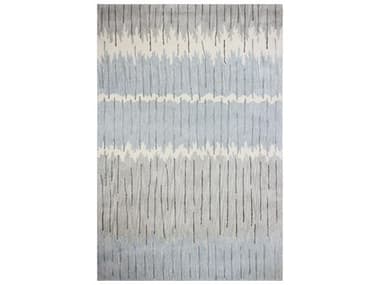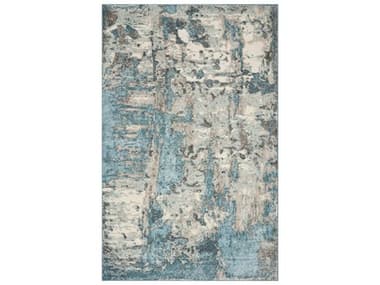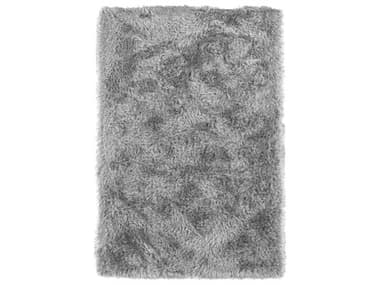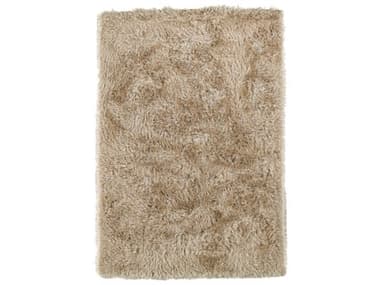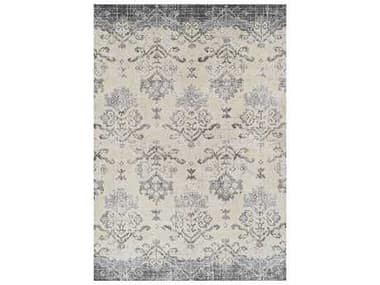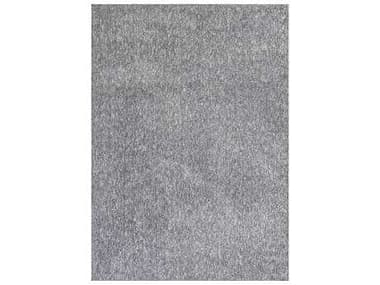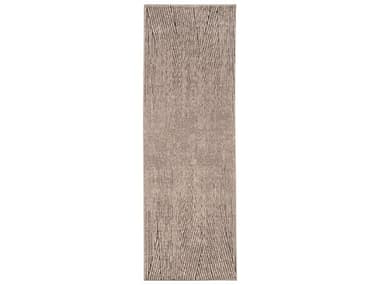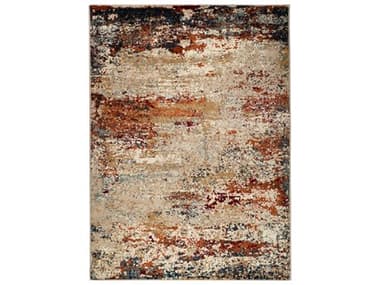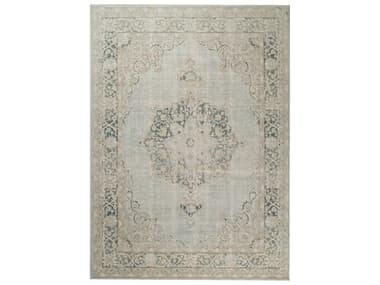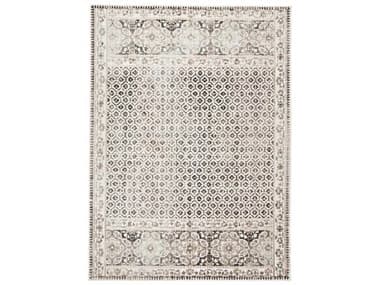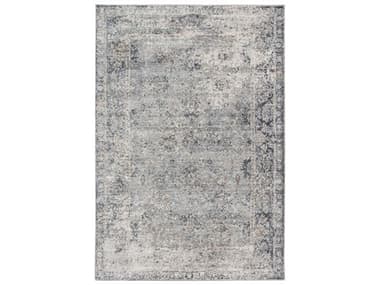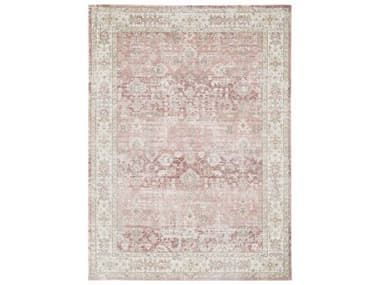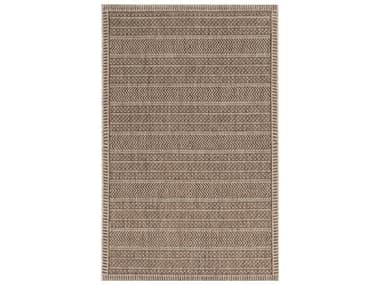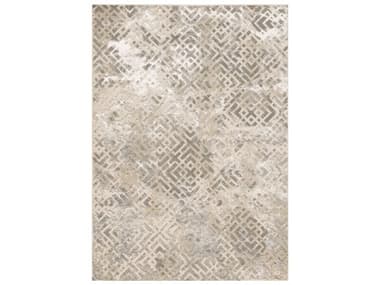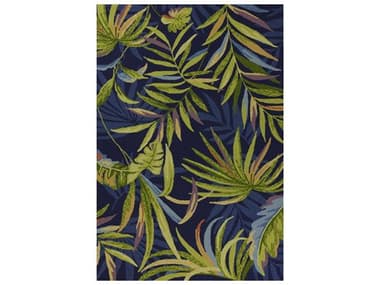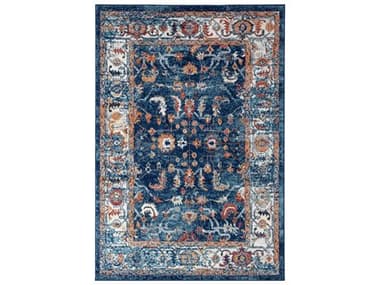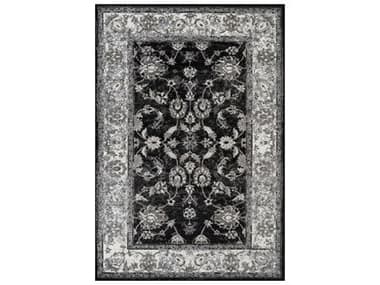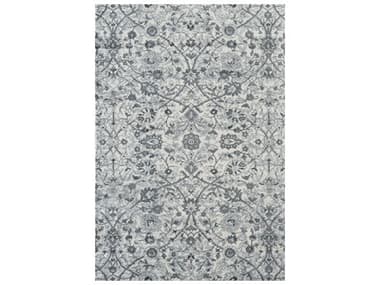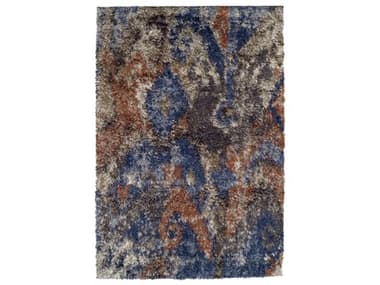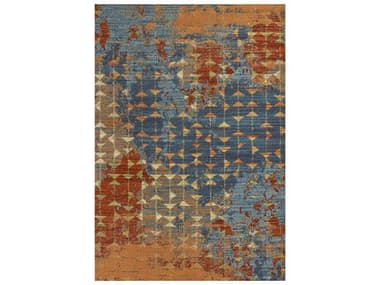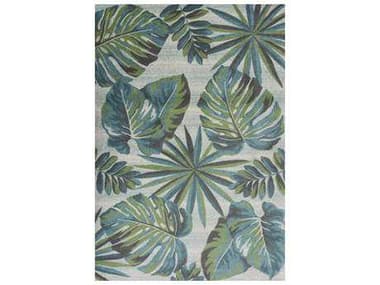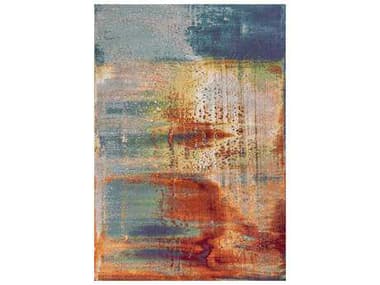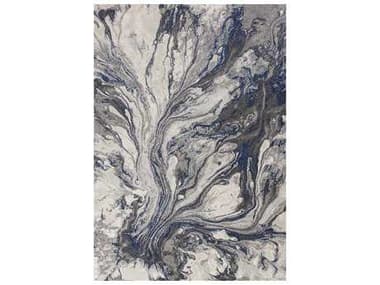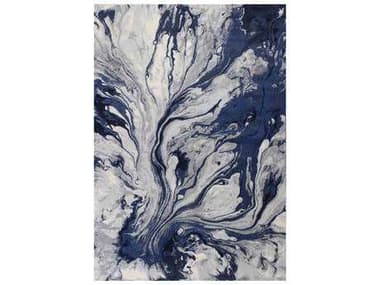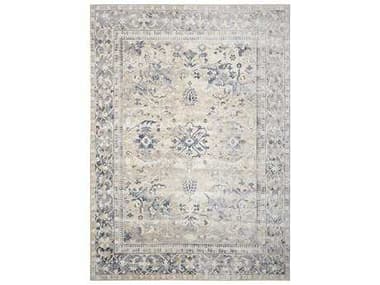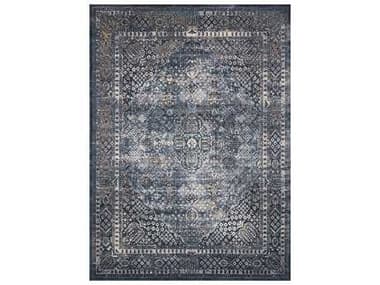


Synthetic area rugs can pull a room together perfectly. Whether you are adding one to the dining room, bedroom, or living area, area rugs can brighten a room and define your design strategy.
There are countless types of area rugs made from natural materials. However, these tend to be pricey and less resistant to damage over time. Synthetic rugs can mimic the natural beauty of natural materials, but last longer and are easier to clean. One of the features that make a synthetic rug desirable is that some of these rugs are hypoallergenic, which means they are great for those who suffer from seasonal allergies.
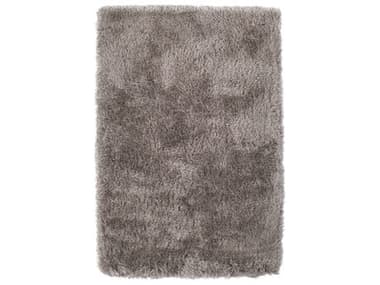
Rug piling refers to how thick the materials of the rug are. High pile rugs are more luxurious underfoot and feel amazing on bare feet. They are a type of rug you can really sink your feet into. However, these rugs are more demanding when it comes to maintenance and cleaning. You cannot simply vacuum them, or beat them with a broom. Instead, most high pile rugs require specialized cleaning.
On the other hand, low pile rugs are really ideal for families with pets and kids. These rugs are easily cleaned with a vacuum and carpet cleaner. They are also durable, which means they can be beaten with a broom. Because of their durability, low pile rugs tend to last longer and retain their new look for a much longer time period. Many synthetic rugs are stain resistance, and some are even hypoallergenic.
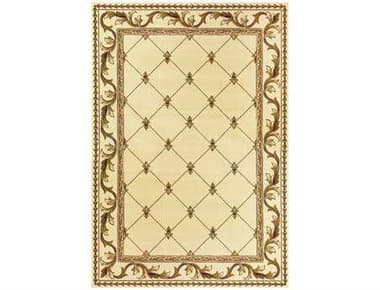
Synthetic materials have come a long way in the past several decades. Not only that, but rugs made of these materials tend to be cheaper, but equally as durable as those made of natural materials. Synthetic rugs are also available in countless colors and designs, making them valued among interior designers and home renovators alike.
Related Categories
Synthetic Rectangular Area Rugs | Synthetic Square Area Rugs | Synthetic Round Area Rugs | Synthetic Oval Area Rugs