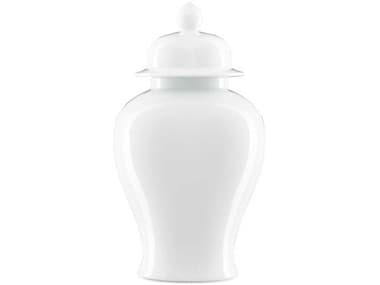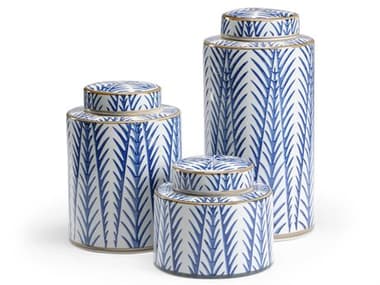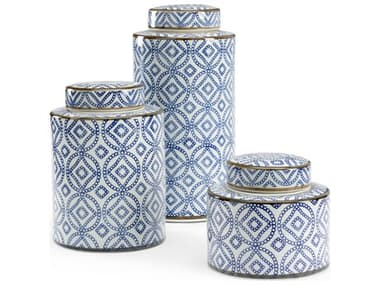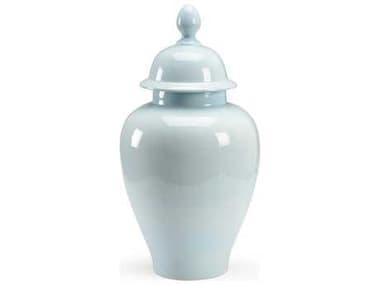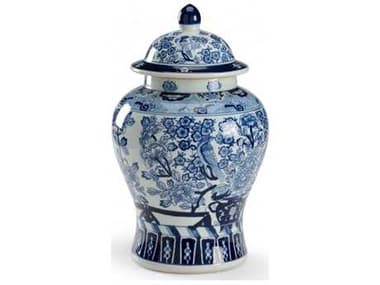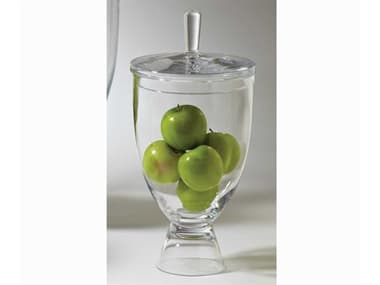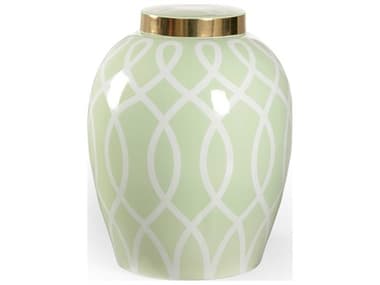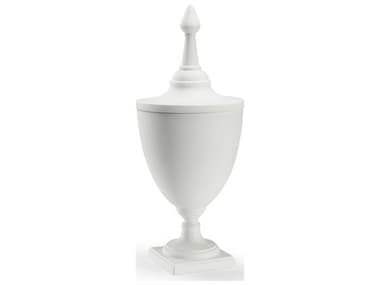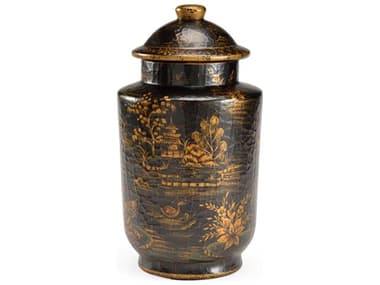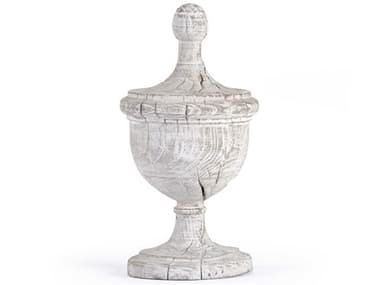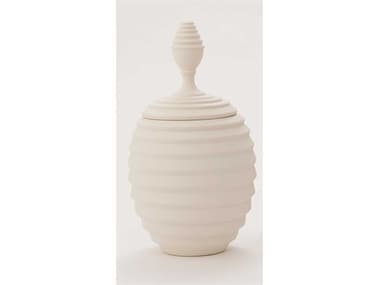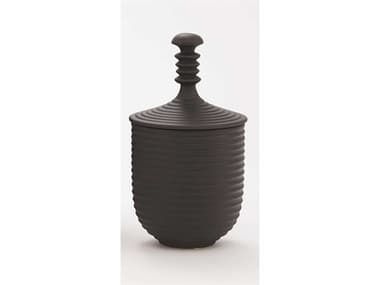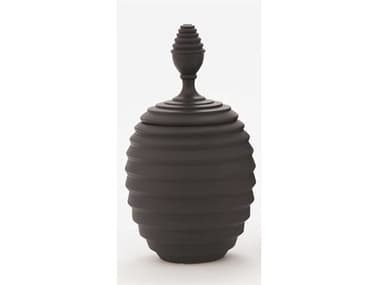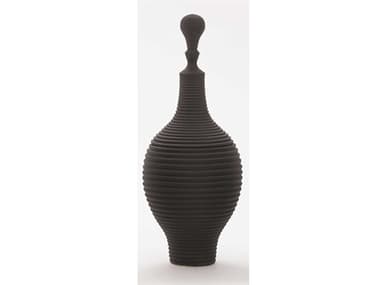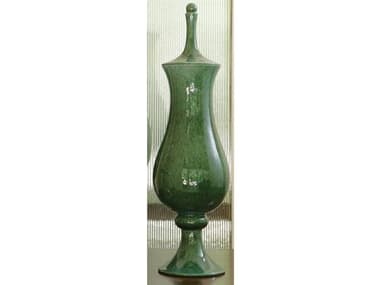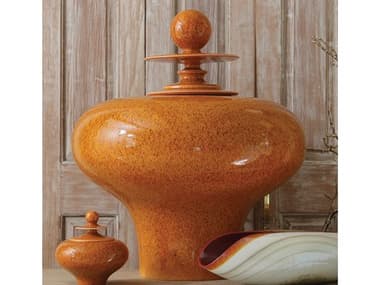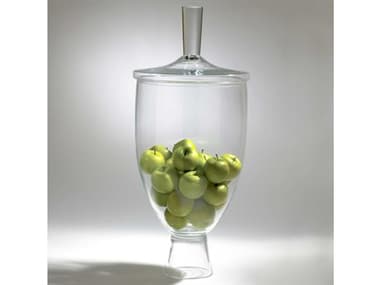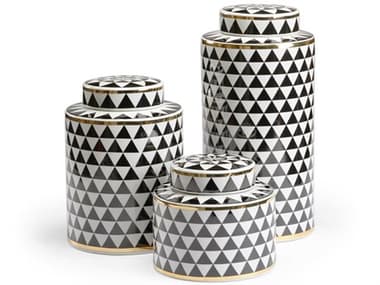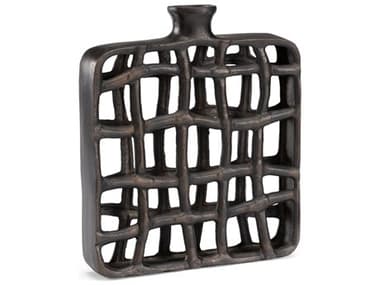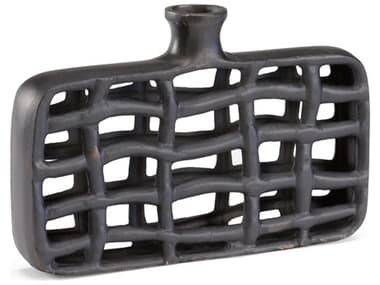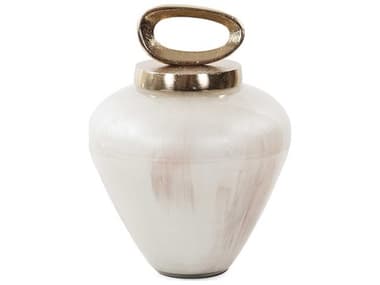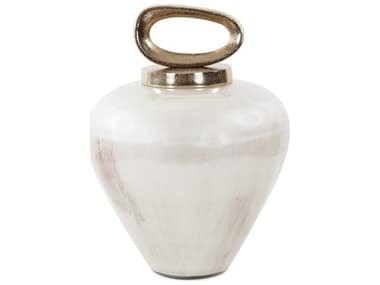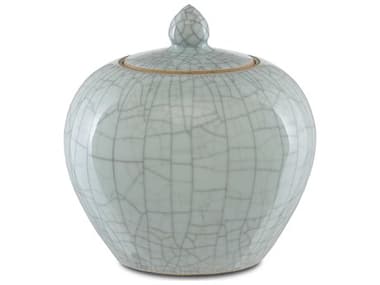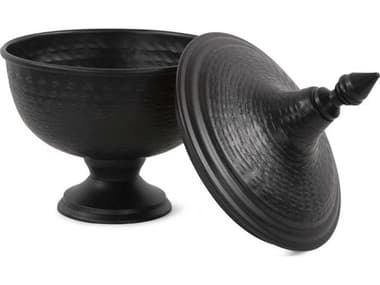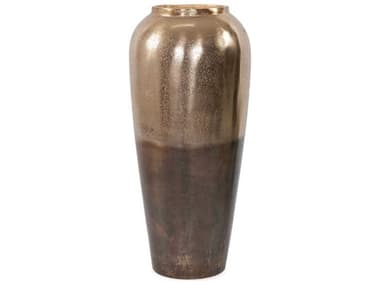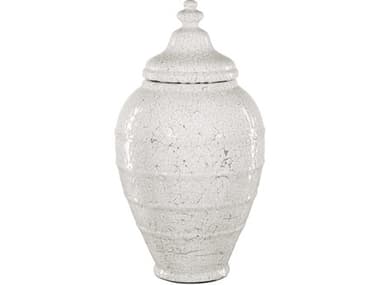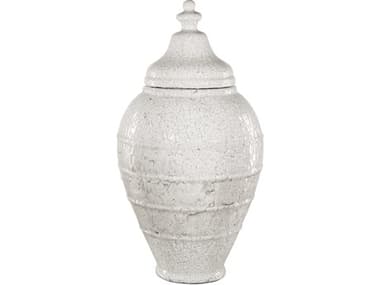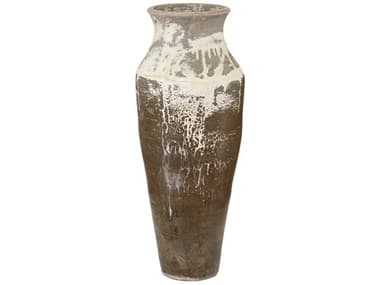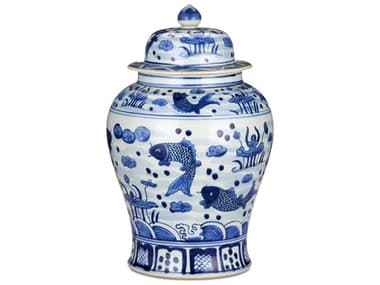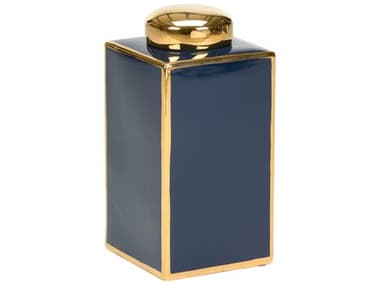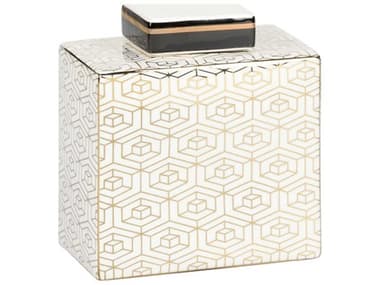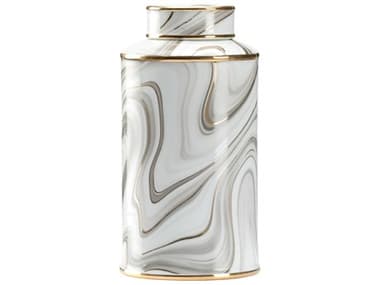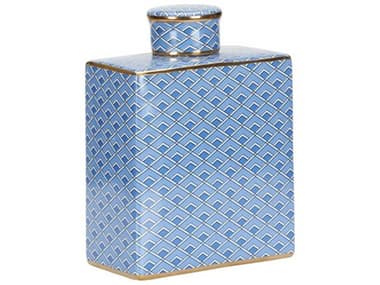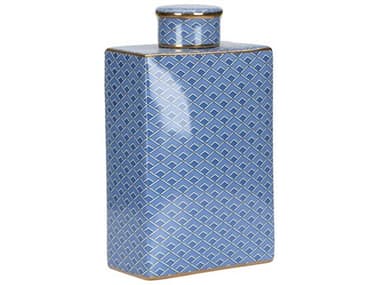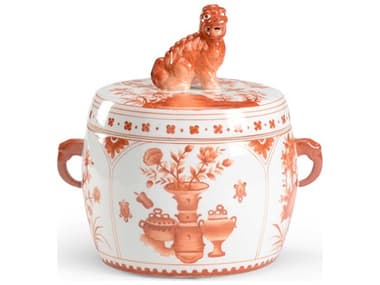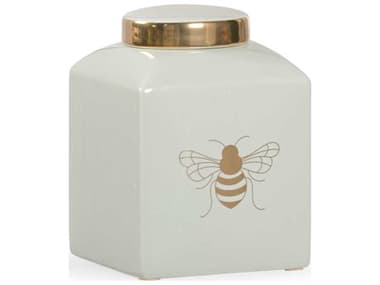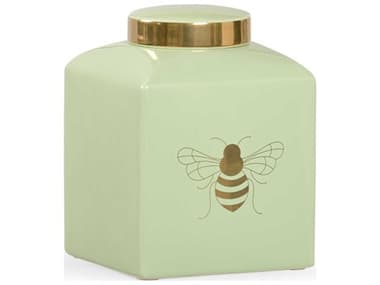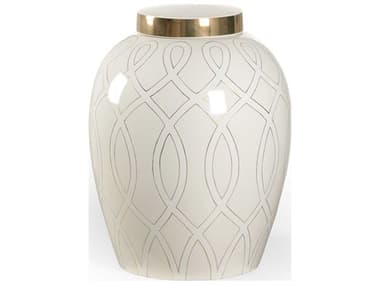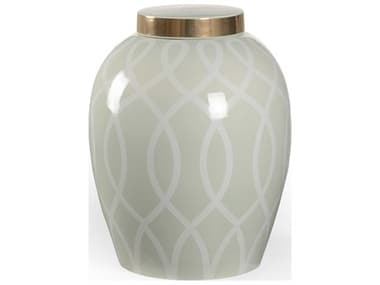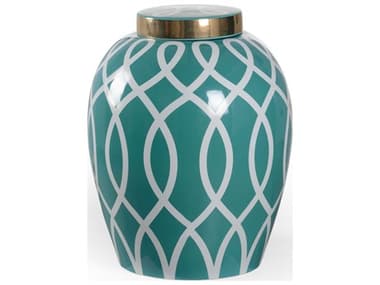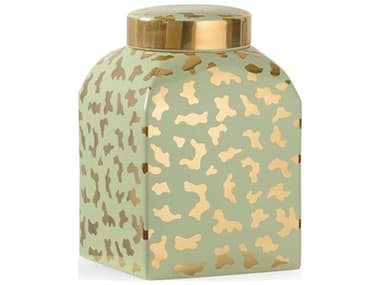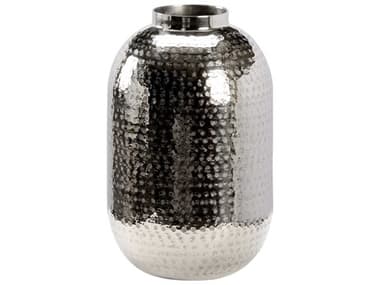
Urns are used as decorative items or for storing a loved one's cremated ashes. A tight-fitting lid on an urn is the distinction between it and a vase. Dating back 7,000 years, some urns are also collector items, made of pottery. Whether an urn has a sentimental connection or is used as an artistic piece, decorative urns and vases are a lovely way to accent your living space.
Special thought should go into buying your new urn. You will want your piece to have a permanent home wherever it’s placed. Here are a few things to think about before making that purchase:
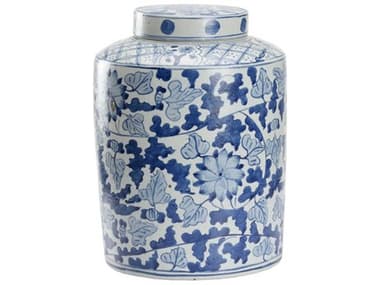
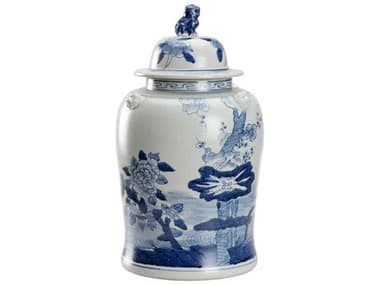
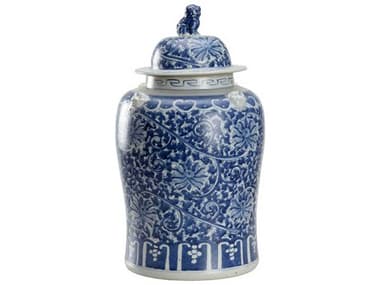
Not all urns are formed in the shape of a vase. Jugs, jars, urn planters, and decanters are other shapes you can find. Decorative square wooden urns may be carved to represent a love of country or animals. Urns can also take on any style that your home offers. Some people think that an urn should be designed with bamboo leaves, peacock lotus, or dragon motifs, but this is just a cultural representation of different designs on popular ceramic jars.
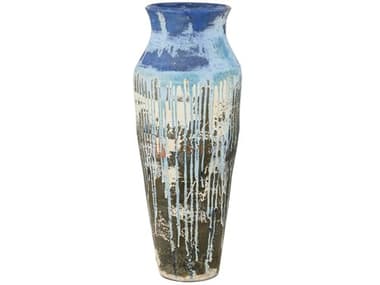
A deep blue decorative urn made of ceramic may stand 48" tall and be used as an umbrella stand or hold pampas grass or river cane in an entryway. On the other hand, a wooden box with farm designs may hold a loved one's ashes. Decorative wooden urns may be more suitable for masculine types that prefer sustainable wood to delicate porcelain or glass. As long as the vessel is appropriate for display and/or sealed for ashes, an urn can take on different images and meanings.
Graceful outdoor urns are mostly made of terra cotta to withstand constant exposure to the weather. Used as planters or placed on columns to announce an arrival, they are beautiful, even when weathered. The older the urn, the more intriguing they are. Some people use chemicals or other treatment methods to make terra cotta urns look ancient for a classic and rustic look.
Related Categories
Statues And Sculptures | Bookends | Picture Frames | Jewelry Boxes | Decorative Accents | Decorative Plates | Serving Trays