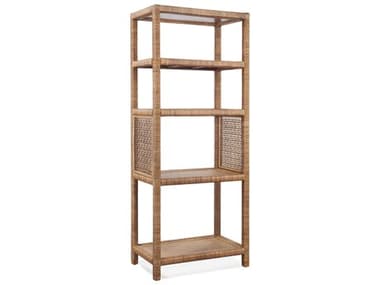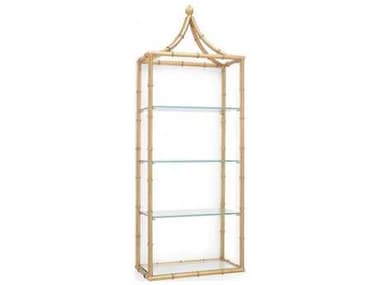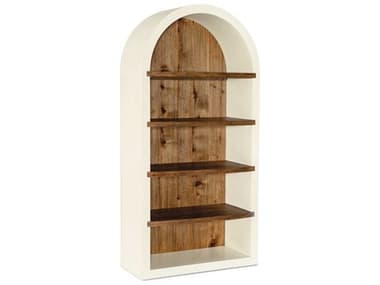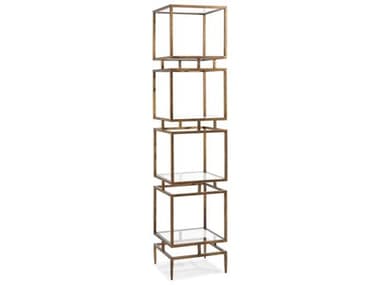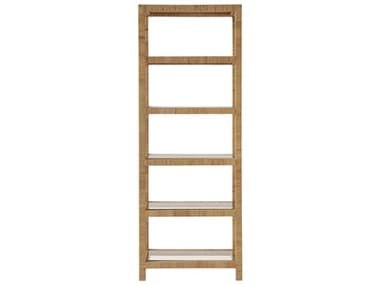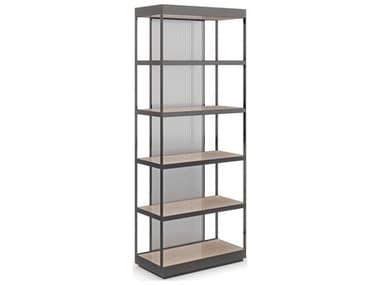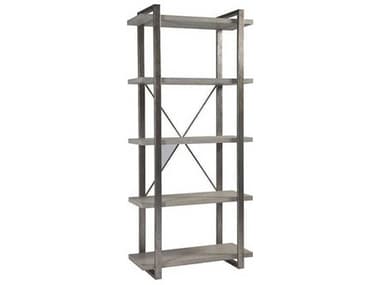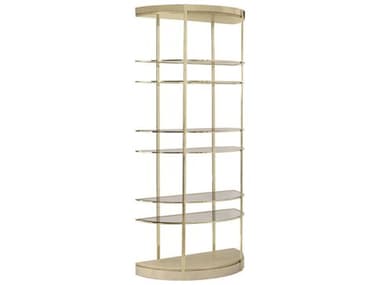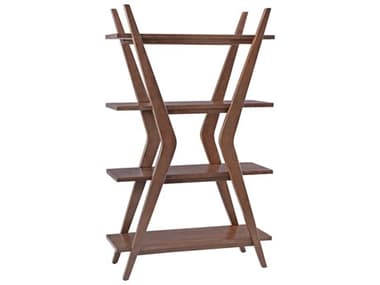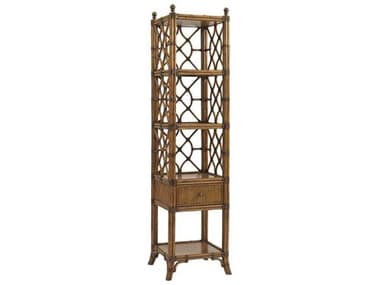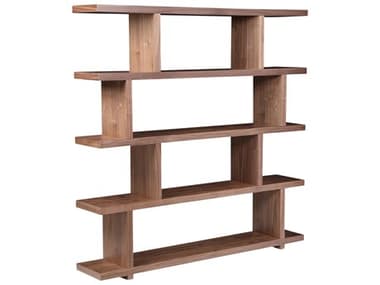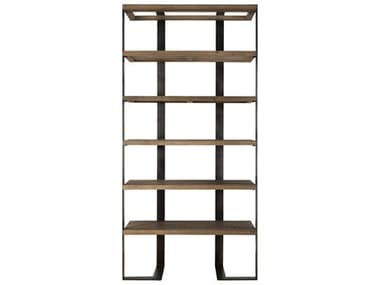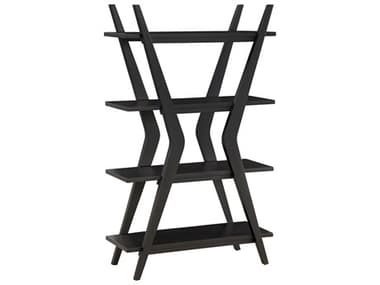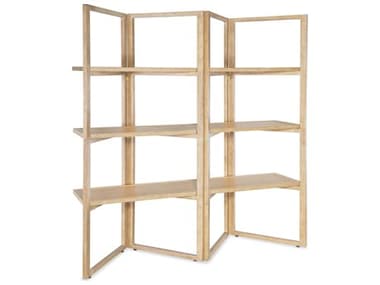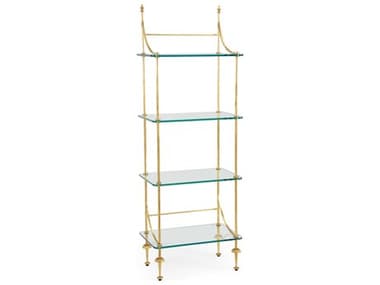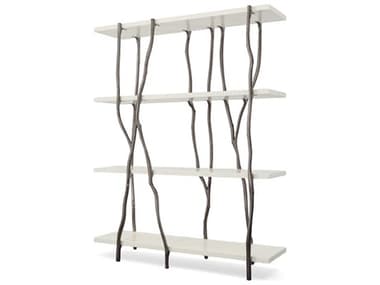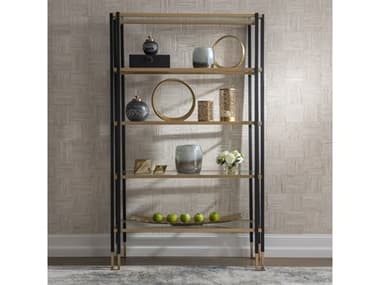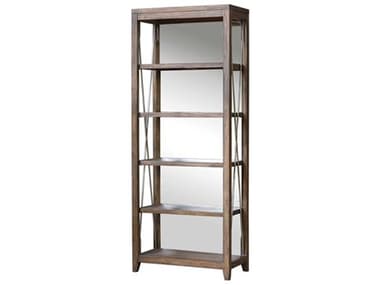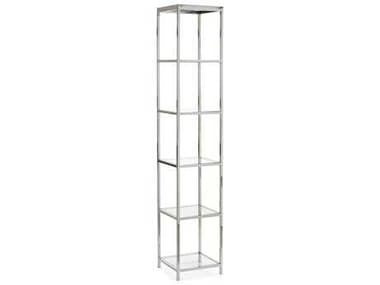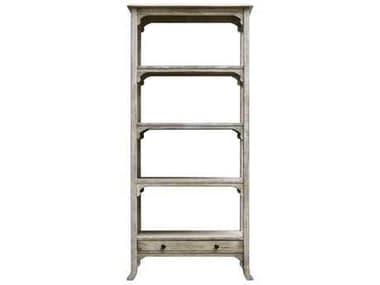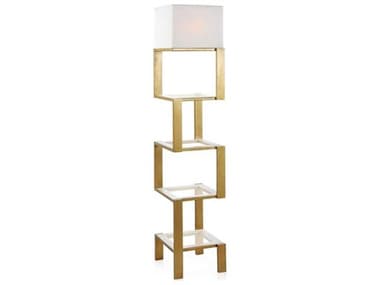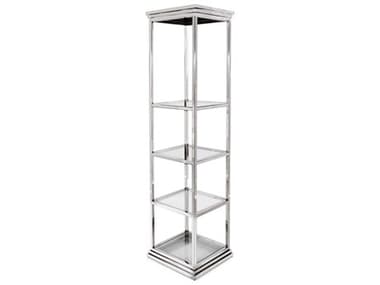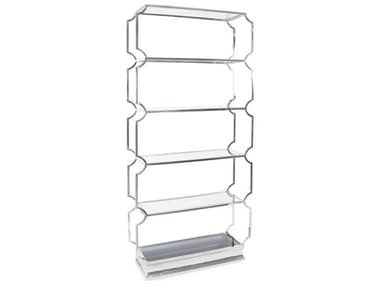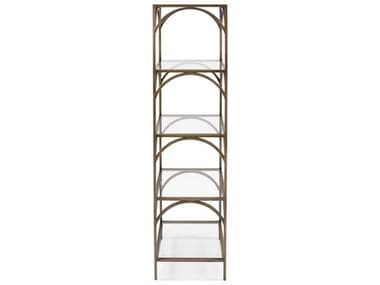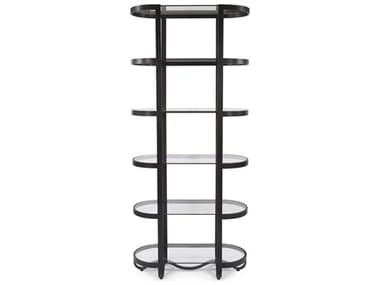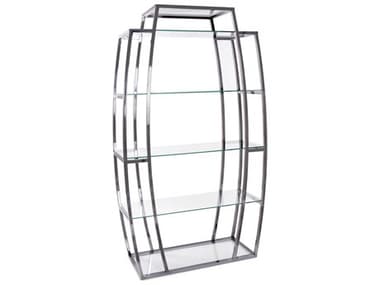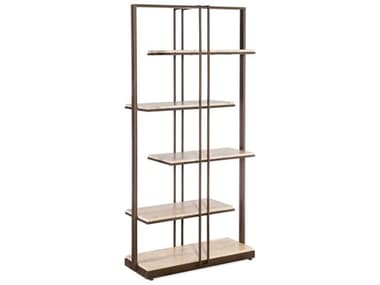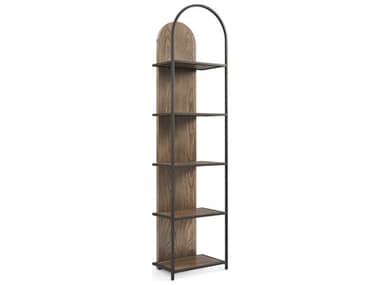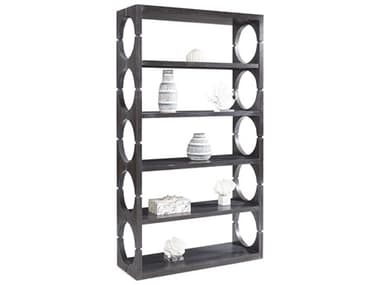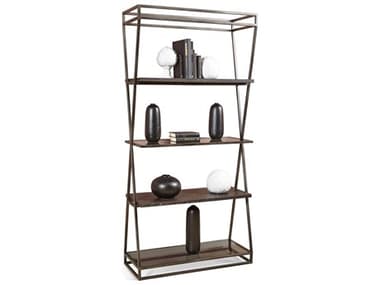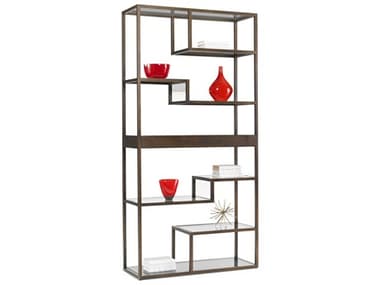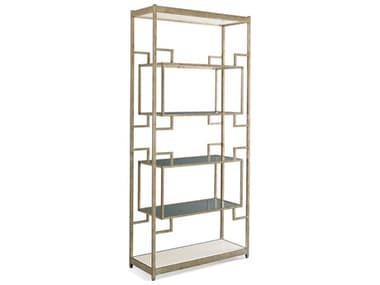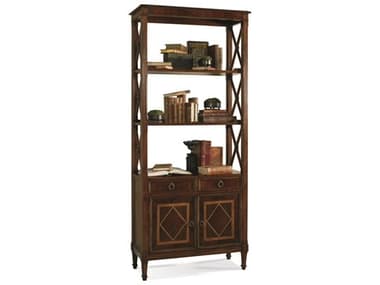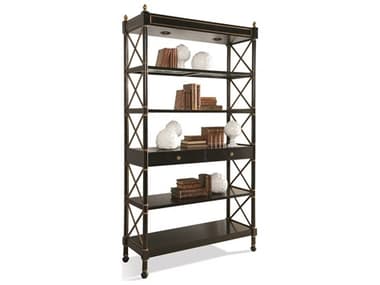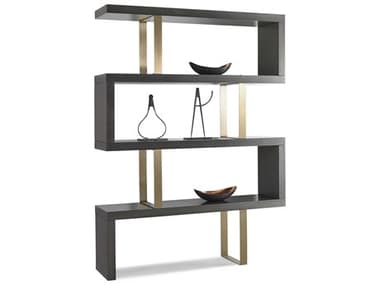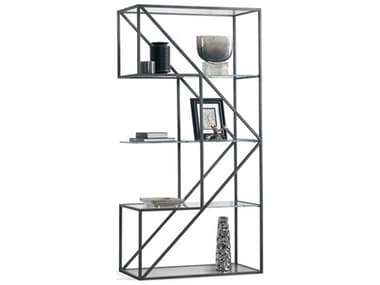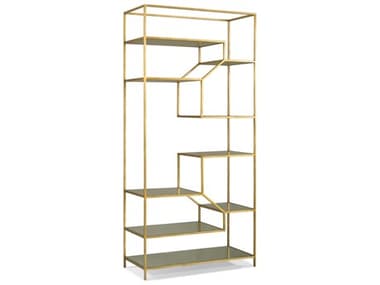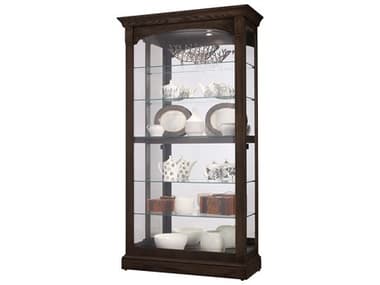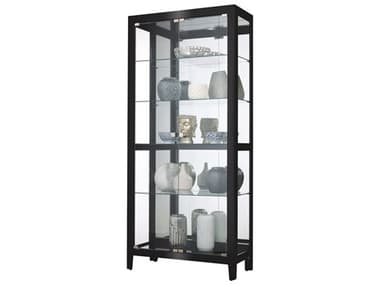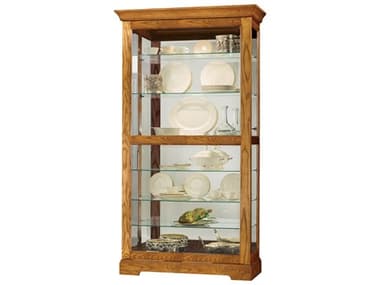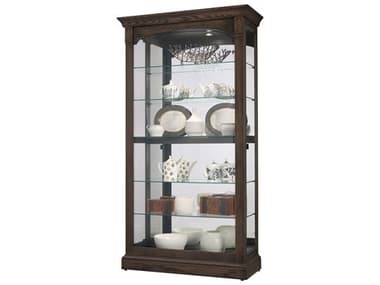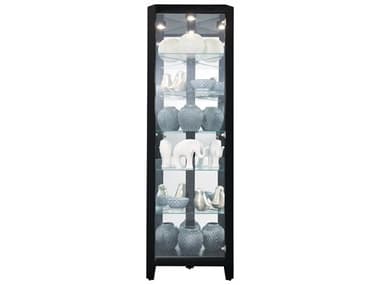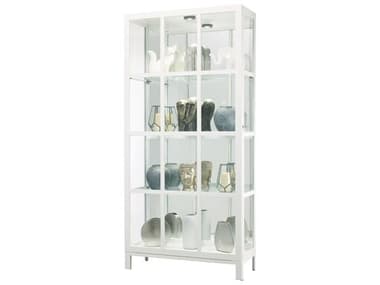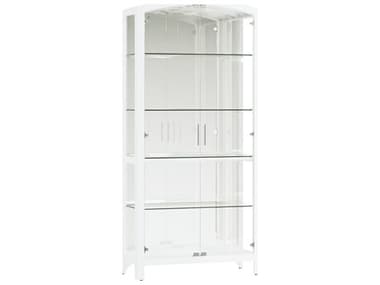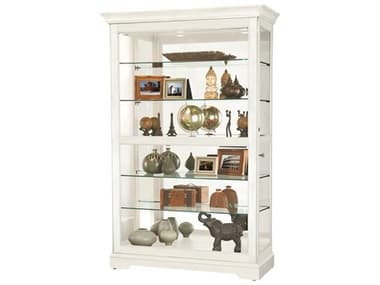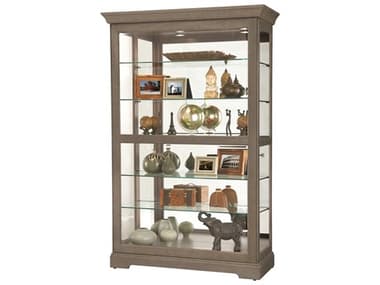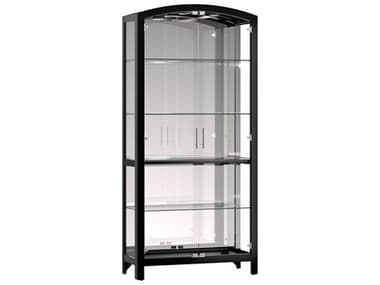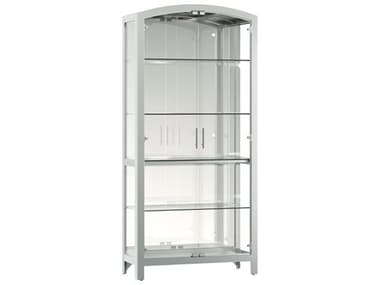
An etagere vintage shelf or stand lets you display your favorite collectibles in plain sight, viewable from multiple angles thanks to its open-sided design. Your etagere may or may not also have an enclosed base. As a French word, you pronounce it, "ay tah jhair." Whether you want your etagere gold at its edges or you prefer a sleek, black and gold etagere to fit in with your modern glass and metal furniture, you will discover everything you need at Luxe Decor.
Consider where you intend to place your chosen etagere. If you put it in a high-traffic area, your trinkets and decorations will wow more people. Unfortunately, that also means more opportunities to bump into your precious items as people walk past. Especially if you select a glass etagere, secure it to the floor or wall.
Preferably, when securing an etagere, use wall anchors for floating versions or small L-shaped angle brackets for those with a base. Available in brass, black steel, brushed nickel, and other metals, these corner braces screw into the bottom of your etagere or its shelves and the wall or floor. Securing your etagere using angle brackets prevents tipping or overturning when people, pets, or children brush against it.
If you decide on a freestanding corner etagere, you may not need to secure it. However, you will need to measure the height of surrounding furniture to ensure that all its shelves will be visible to seated guests. You might also decide upon an etagere floor lamp or a backlit etagere-inspired bookcase instead if you need additional light in that corner.
Avoid using metal when selecting a bathroom etagere. A brass etagere will almost certainly tarnish in the humidity of a bathroom environment and should remain in a living room, dining room, or bedroom. However, a bamboo etagere will not. An elegant wicker etagere will also serve you better in your bathroom.
If mold or mildew ever becomes a concern, take the etagere outside and spray it with peroxide or bleach-based cleaner. Next, scrub all surfaces gently with a bristle brush and rinse thoroughly. Finally, allow the etagere to dry in a well-lit area.
Etagere melamine finishes also work well when selecting a bathroom etagere over toilet tanks. Using the same design in every bathroom in the home makes replacing a cracked shelf or missing fastener simpler while creating a common design theme.
Most etagere modern designs lend themselves best to use in kitchens, dining areas, rumpus rooms, and bedrooms. Unfortunately, rain or excess humidity can tarnish or rust their brass, gold, or metal frames. Classic wooden frames, however, should hold up just fine when used outdoors.
Kitchen etageres need to suit their intended purpose. Measure the height, weight, and thickness of the items you intend to arrange on them. Select an etagere with a solid base for use as open pantry shelves. The fixed frame, rope twist posts, and three fixed shelves of our Hooker Furniture Alfresco Oyster Etagere will complement your collection of restaurant-sized cans of tomato products, fancy oils, olives, or other items associated with the Mediterranean or Italian Bistro-themed kitchen.
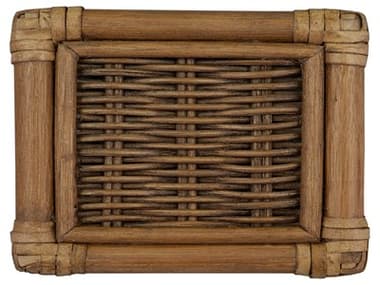
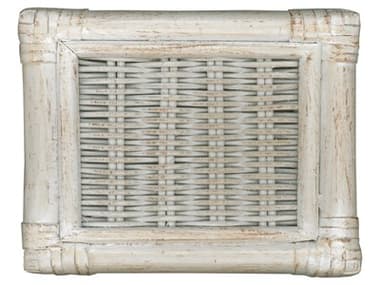
On the other hand, floating shelves will suffice for a group of souvenir spoons, mugs, or small teapots. Spices and herbs will also remain safe on floating shelves as long as you secure them with angle brackets. Nevertheless, unless you do not use your displayed herbs and spices often, constantly moving them on and off the shelves could cause a floating etagere to fall to the floor. For storing your most-used herbs and spices, try our Braxton Culler Edgewater Etagere instead. Its wicker/rattan frame and ten color choices allow you to customize it to blend into any kitchen design as if built with the home.
Sturdy, floor-based etageres work best in homes with pets and children. Select an etagere that compliments your chosen style. For example, pair modern selections such as our Uttermost Matte Black Etagere with side chairs angled toward your sofa, creating a conversation pit.
If your decorative good fortune includes a breakfast nook, hang floating etageres on the closest walls. Fill them with a cookbook collection or a selection of jelly jars, syrup servers, or gravy boats. To hold fine china collections, select a solid-based floor model with deep, wide shelves, such as our Braxton Culler Calusa. Include the height and depth of the plate holders you intend to use when deciding which etagere suits your needs.
An etagere that includes subdued lighting might serve as a headboard. Make sure you measure your favorite books so that they fit on the shelves. For a peaceful ambiance, floating shelves with electric tea lights and a sprinkling of dried lavender or roses in pretty vases will help lull you to sleep.
Etageres provide flexibility when you wish to display collections or seasonal decorations while keeping them out of reach of children and pets. The Luxe Decor online catalog offers nearly 230 etagere choices in glass, brass, metal, bamboo, wood, and wicker in floor-based, floating, and floor lamp styles that suit whichever decor you prefer.
You can use etageres indoors or outside to create an illusion of privacy, provide interest and intimacy in areas where you entertain, or indulge in seasonal whimsy by displaying favorite childhood toys or holiday decorations. So many choices!
Related Categories
Coat Racks | Magazine Racks | Indoor Umbrella Stands | Storage Bins