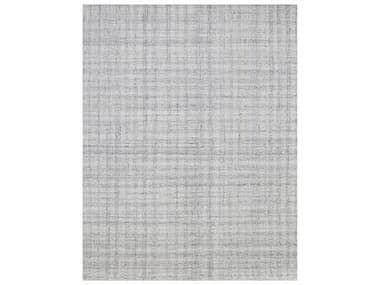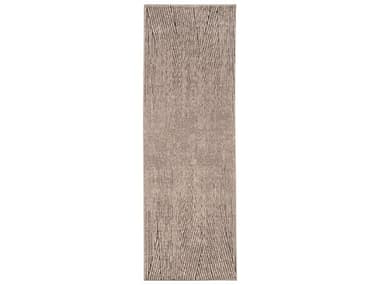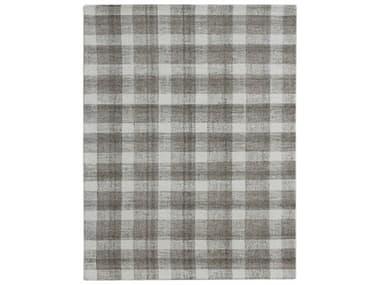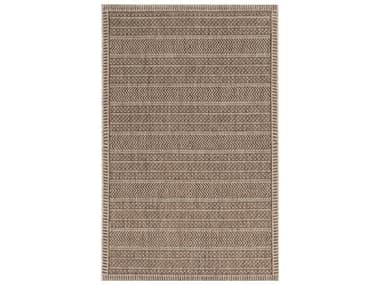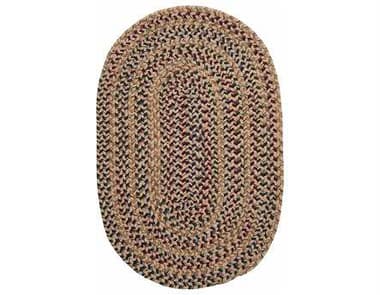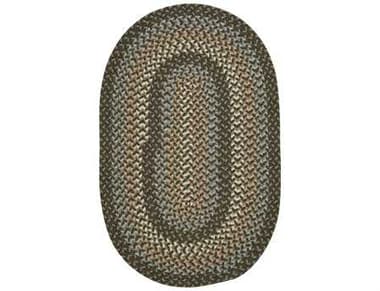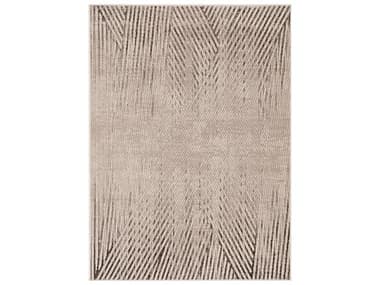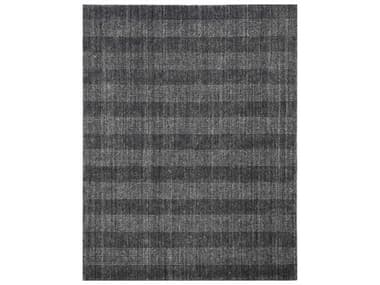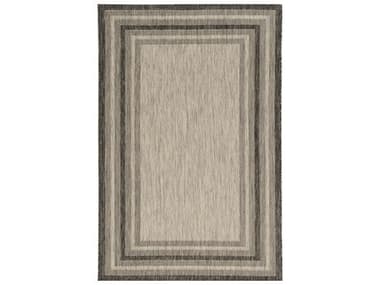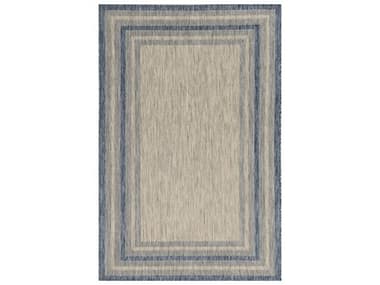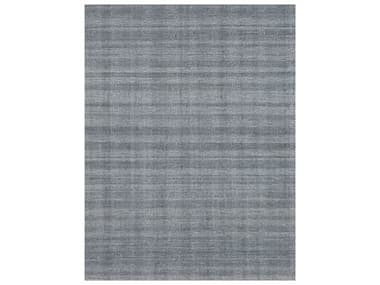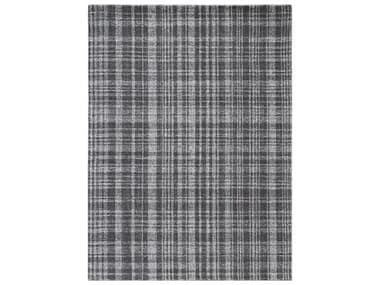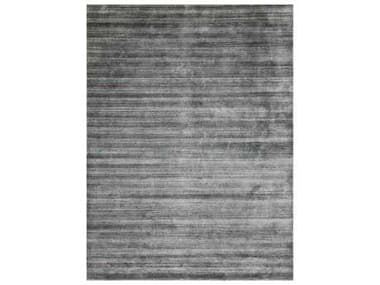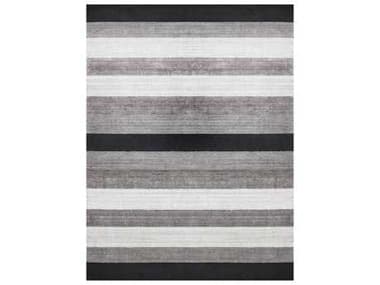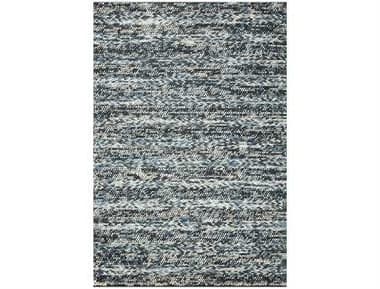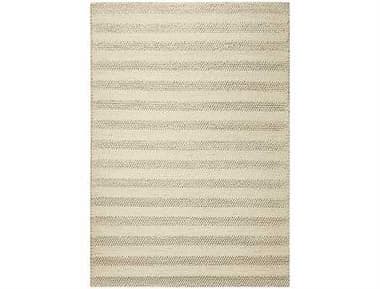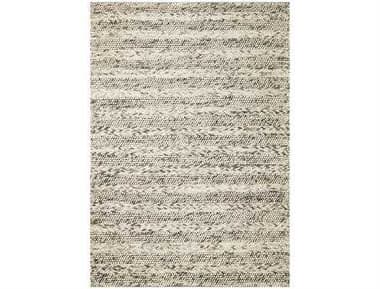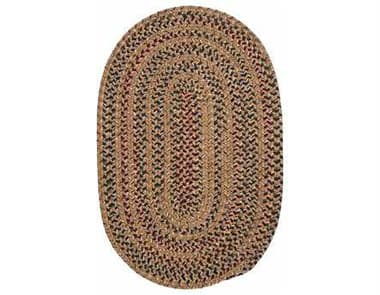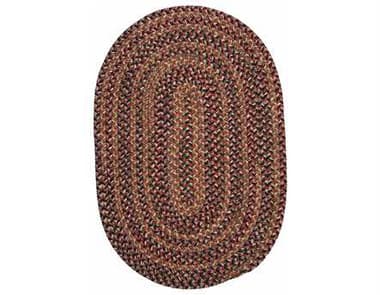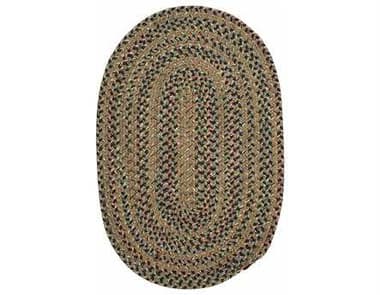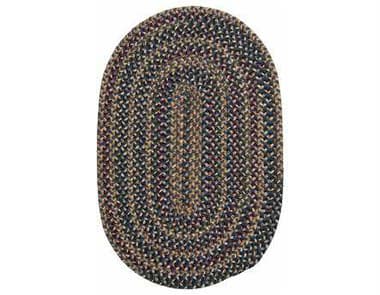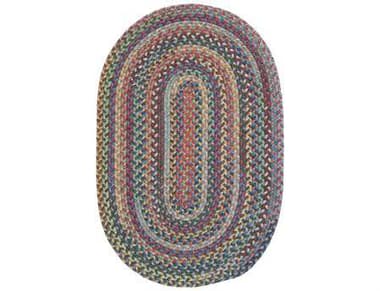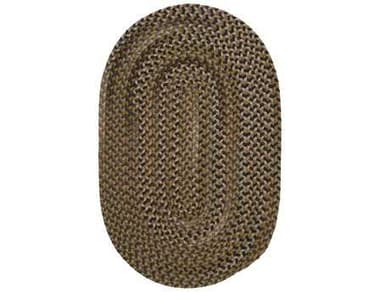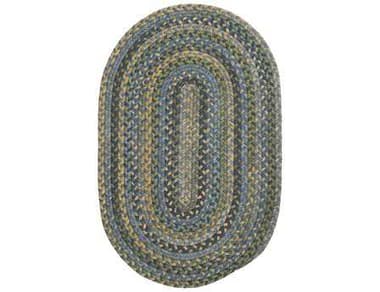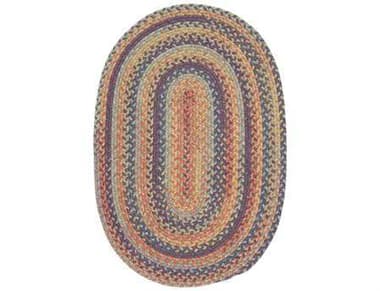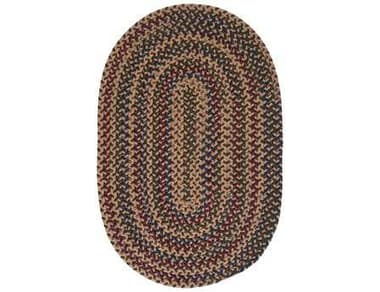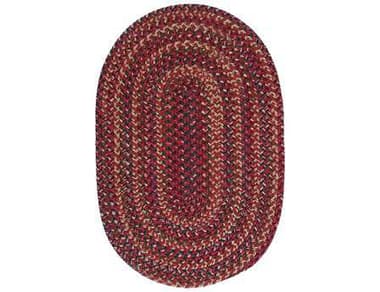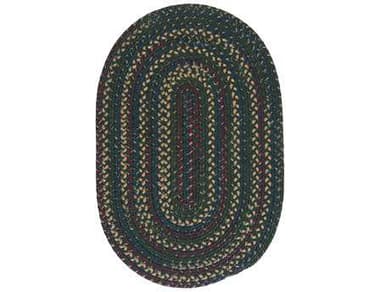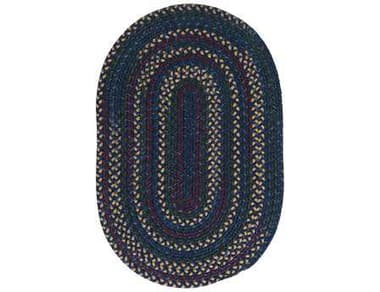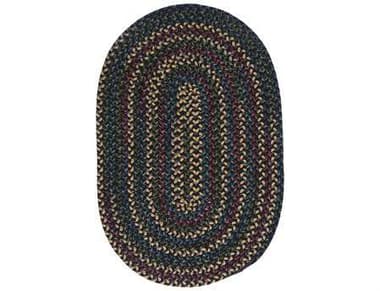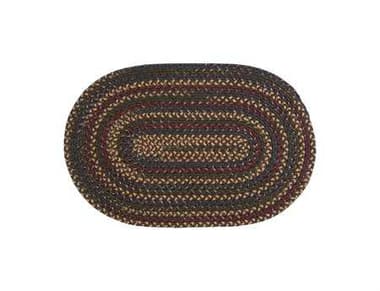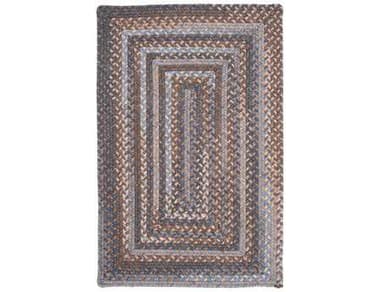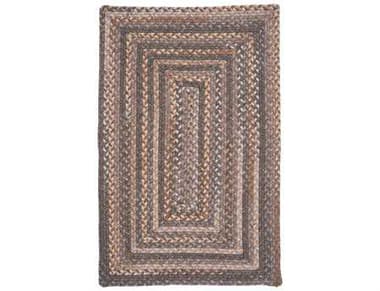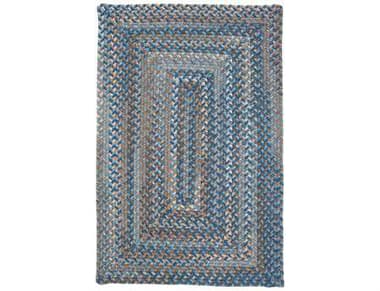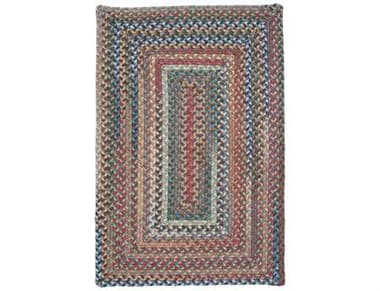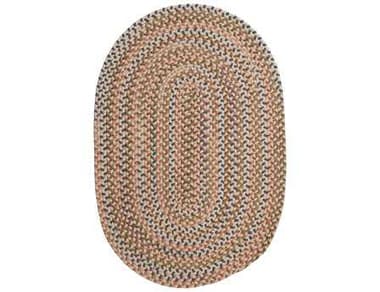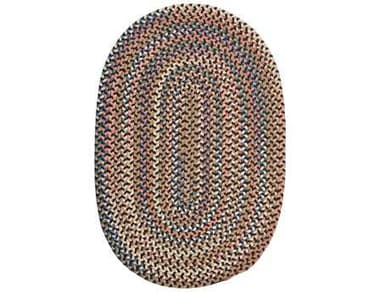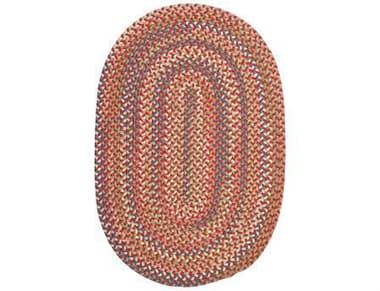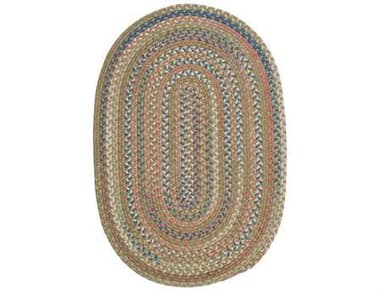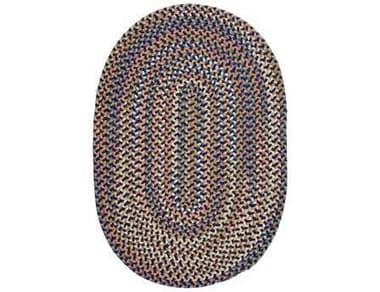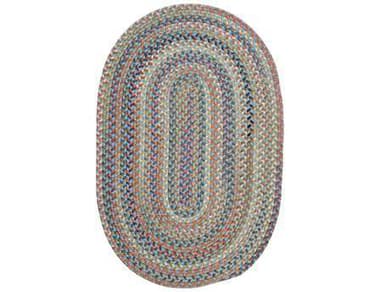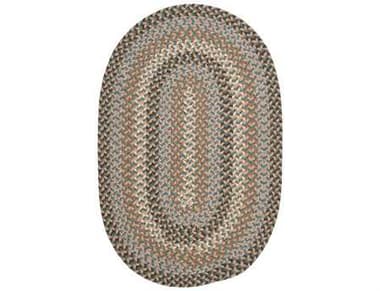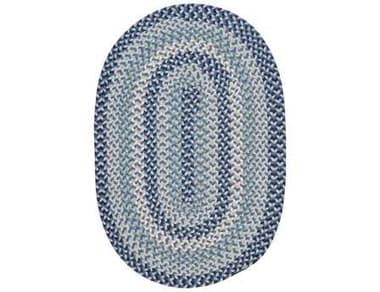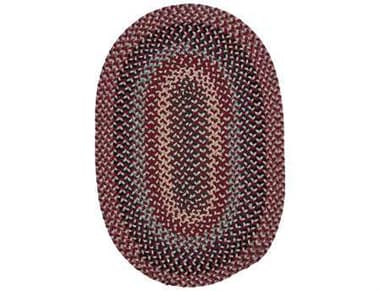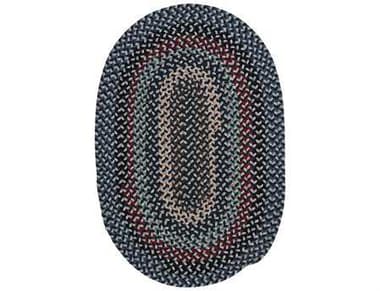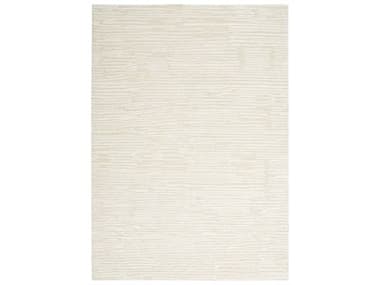
Stripes bring a welcome design element to almost any style. Striped rugs can be specifically defined and soldier like or painterly and random in form. Whether your decorating style is classic country and a braided rug will ground your down-home design or you prefer a contemporary and modern feel with a bold geometric or randomly blended look, striped rugs will help bring your design ideas to reality.
Striped rugs are a fun way to bring pattern and life into any room. By adding a beautiful area rug, you create warmth and softness along with beautiful style. 
Before you buy your striped rug, consider what type of stripe will work best in your design. Would a monochromatic, neutral striped rug be the best fit or are a few multi colored striped area rugs just the thing to complete your look. Color, size, style, and quantity all work together to bring a cohesive design and a sophisticated softness to your home decor.
Questions to consider:
Rugs define a space by anchoring the conversation furniture areas, providing color accents to small spaces, and creating an ambiance of color and texture to a room. The simple act of adding an area rug immediately softens your space and provides continuity of design.
Adding a runner to an under decorated hallway or nook instantly brings life into an otherwise forgotten space.
You don't normally think of striped rugs and round shapes together. Shaped area striped rugs offer a unique design perspective. The stripes can be horizontal or circular. A room with a circular striped rug makes the viewer stop and pause, reflecting on the incongruity of the placement. The design effect is thought-provoking and speaks to a high sense of style. 
When choosing a rug for your home or office you need to consider several things. Your design style is first and foremost, however budget, traffic, and color palate are also instrumental in the final decision.
With so many options readily available along with the unlimited custom area rugs you can design yourself, adding a beautiful striped rug to your room is simple and easy.
Purchasing Your Area Rug
Our beautiful striped rugs are available in a variety of design styles and colorways. Whether you select a ready-to-order design or a custom made-for-you rug, you will be delighted in the way it completes your room. The perfectly selected rug will anchor your rooms design and provide warmth and softness to your life.
Our dedicated customer service staff is ready to assist you with the design and purchase of your new area rug. Call us today for help selecting the perfect rug for your room.
Related Categories
Braided Rugs | Oriental Rugs | Moroccan Area Rugs | Southwestern Area Rugs | Floral Rugs | Animal Print Rugs | Chevron Area Rugs