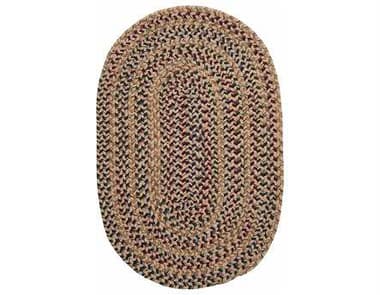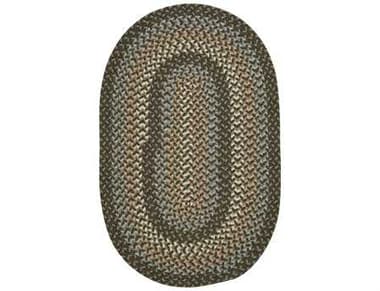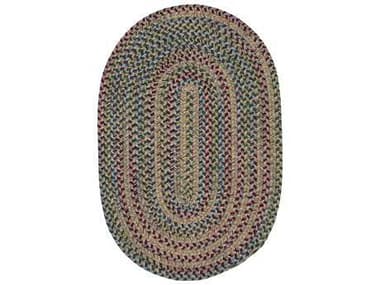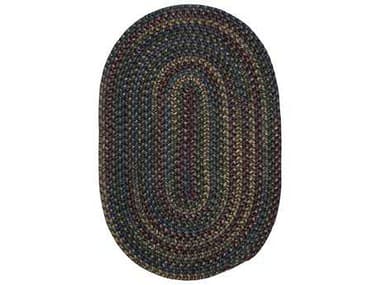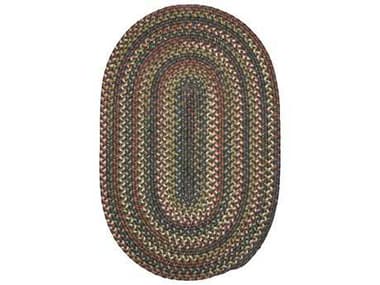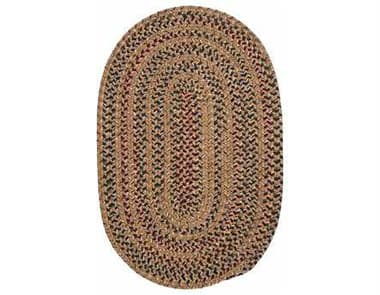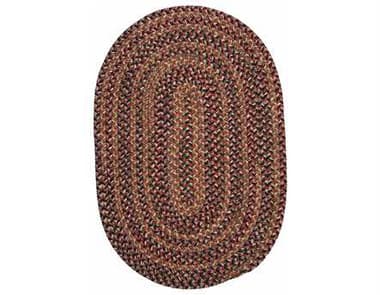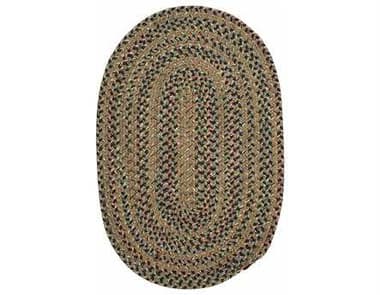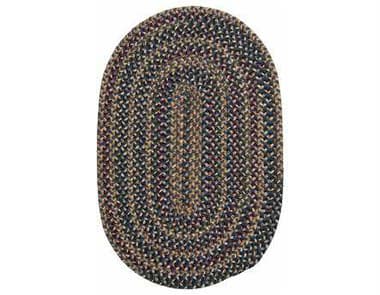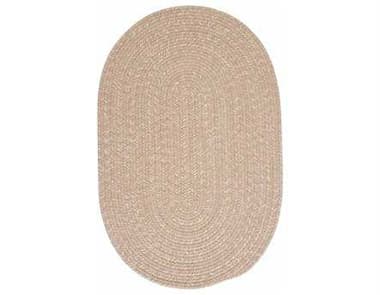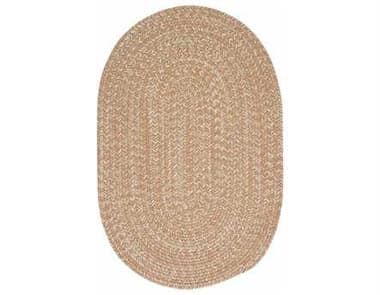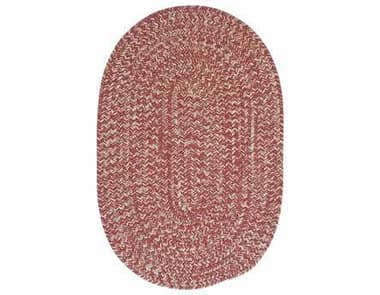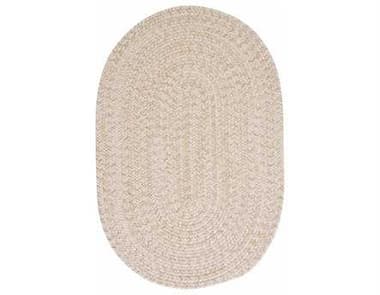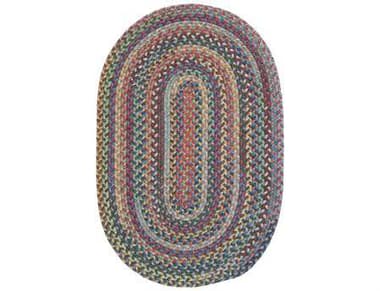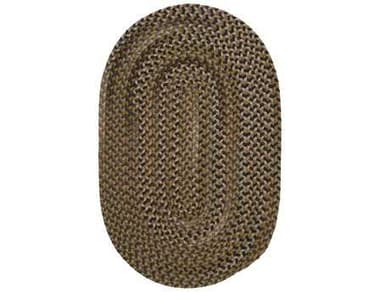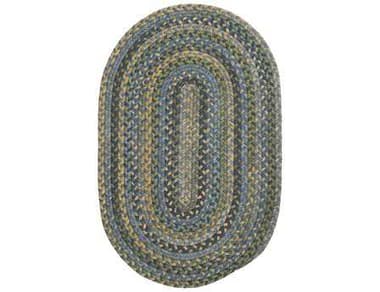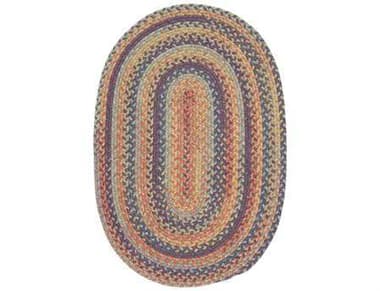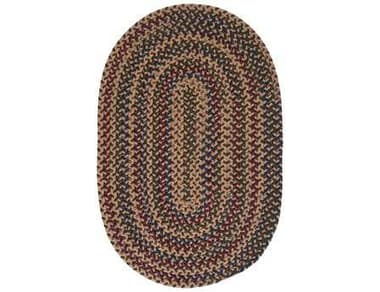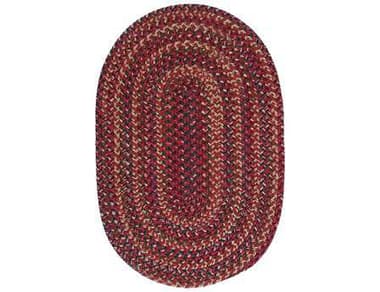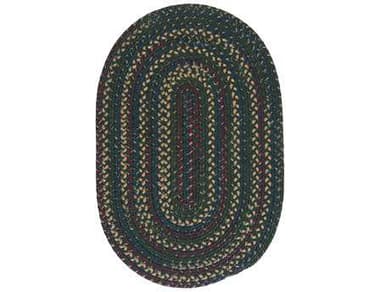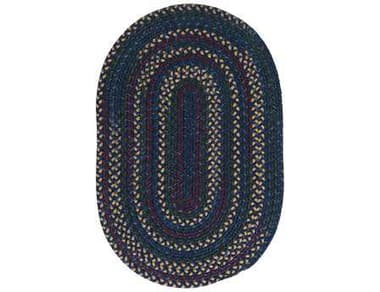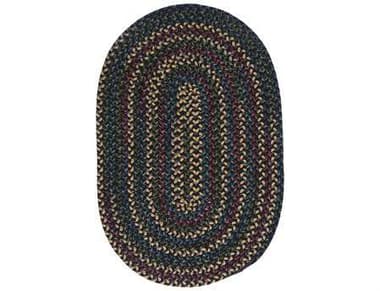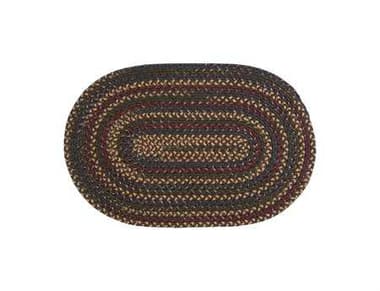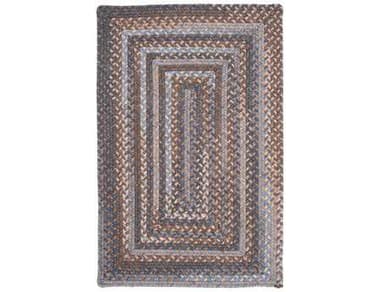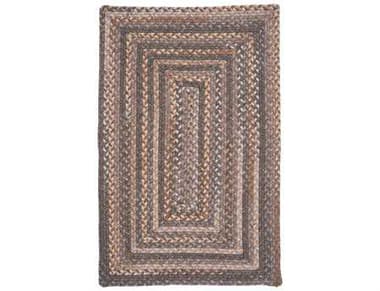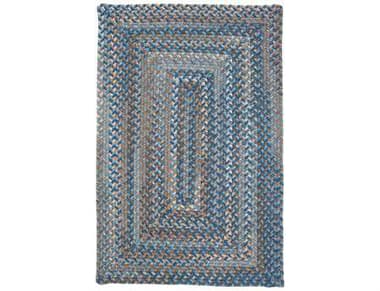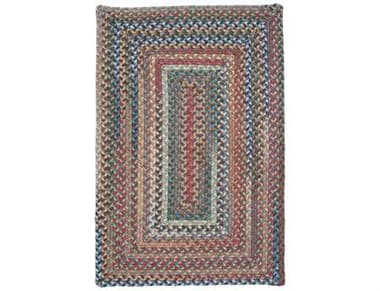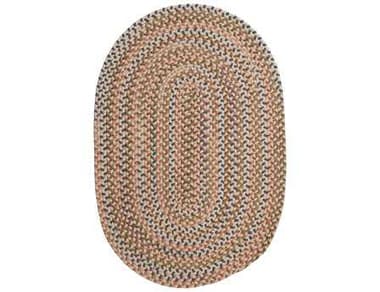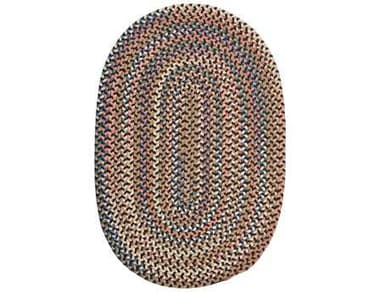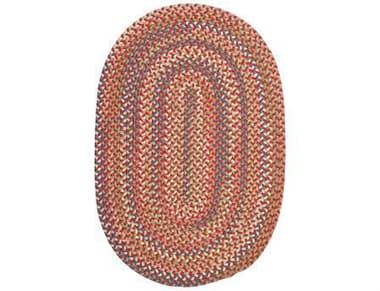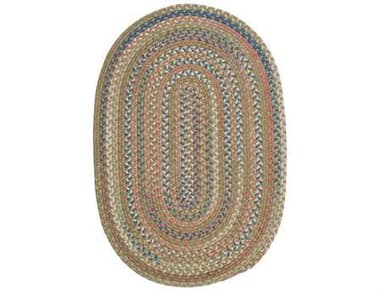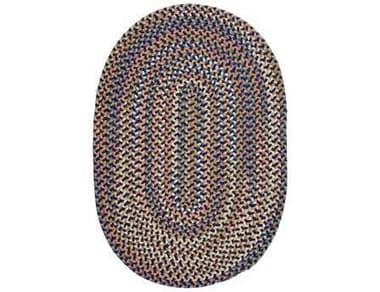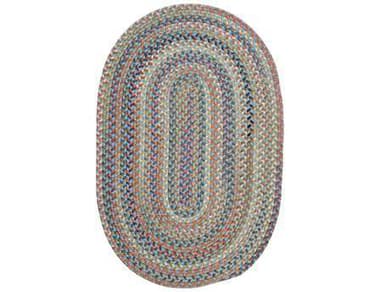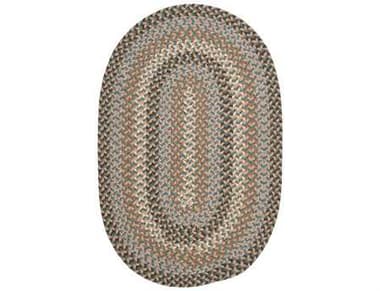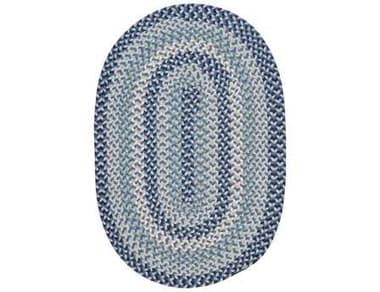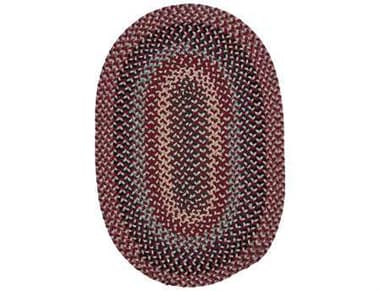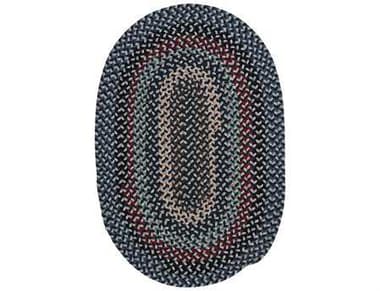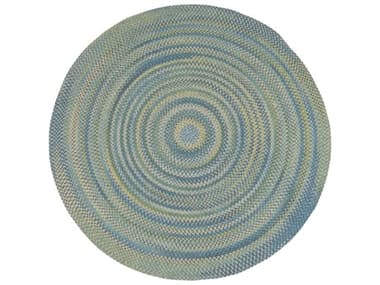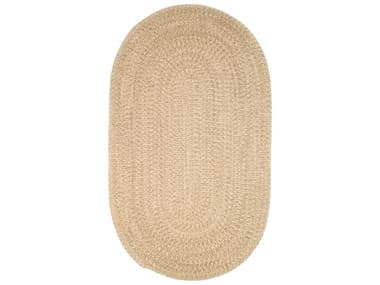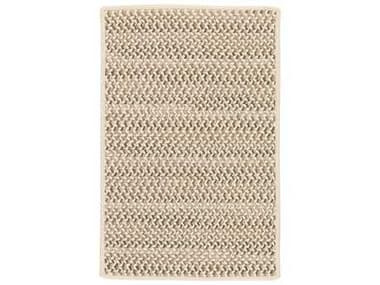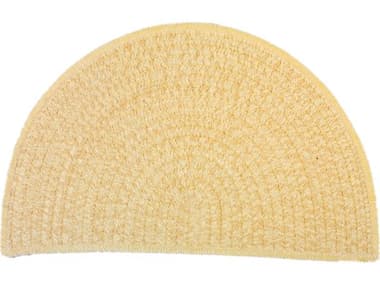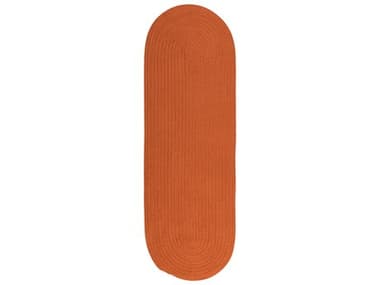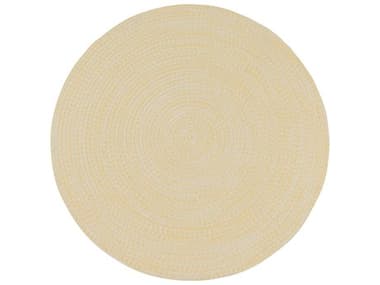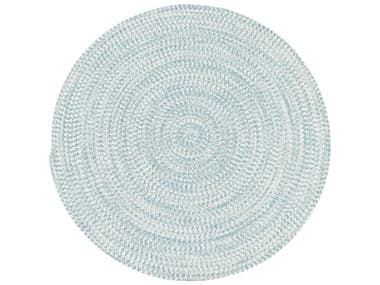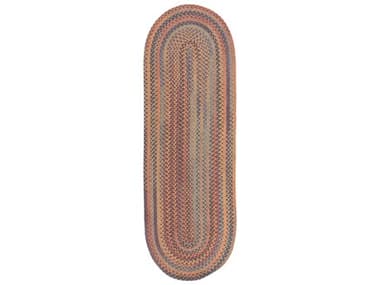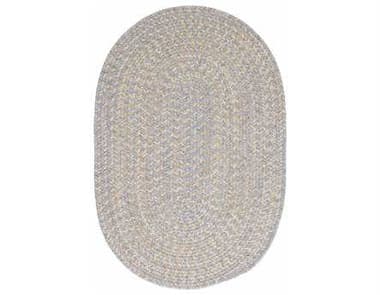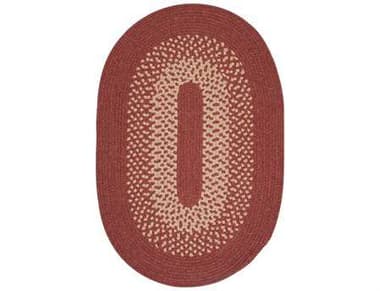
Braided rugs lend a country feel to any home, whether a rural cabin or a grand Kentucky home. These oval or rectangular braided area rugs create an instant homey feel. You can use these rugs as a focal point in any room or use them as a grounding element for a key piece of furniture. Shop LuxeDecor for more than 650 choices of braided rugs to add to your décor.
Braided rugs come in many shapes and color schemes, so you can find one to go with any décor. These rugs come in unique shapes to suit specific situations. The color schemes range from themed to solid color to multicolor. Braided rugs typically fill open flooring to pull together a room’s elements. These thick, cozy rugs are meant to be walked on and lend themselves to snuggling on the floor in front of the fireplace or TV.
If you put one under your dining room or kitchen table, leave 24 inches on each side of the table for the carpet to poke out. While this looks fabulous, this decorating tip ensures that guests can pull out their chair without the back legs leaving the carpet. When you use these cozy rugs as a room rug, leave at least eight inches between the wall and the rug’s edge.
You can blot clean most of these braided rugs. Others you would spot clean or machine wash. Hang them on the line to dry or throw them over your deck’s railing so they can appropriately air dry without molding or mildewing. You can find both indoor and outdoor rugs at LuxeDecor.
Outdoor rugs typically use synthetic materials made to look and feel like natural materials, such as Colonial Mills’ treatment of synthetic materials to create a linen rug you can use on your deck or patio. The benefit of these outdoor rugs is that you can simply hose them off when they get dirty.
Indoor rugs come in a wider variety of materials. You can find indoor rugs crafted from cotton, jute, seagrass, wool, and synthetic materials. Which you choose depends on your needs and décor. Cotton and jute typically provide thinner braids, while wool provides a thicker material that feels warm underfoot. Seagrass provides tougher materials that lend themselves to use on a portico or patio. These thinner braids typically come in tan or brown since the weavers use natural seagrass.
You will find unique shaped rugs at LuxeDecor as well as standard shapes ranging from small welcome carpets to large room rugs. From durable, synthetic braided outdoor rugs to natural braided jute rugs, you can find it here, crafted of the finest materials.
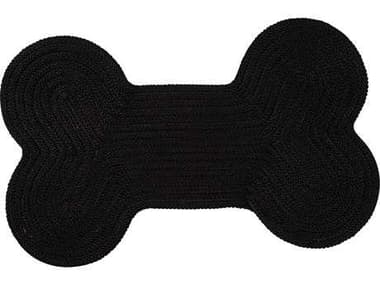
Whether you are looking for a braided outdoor rug or an indoor style, there are many colors, patterns, and designs to choose from at LuxeDecor. From traditional multicolor, rustic braided rugs to vivid geometric patterns to cozy solid neutrals you can find it here. We even carry a few novelty rugs in the shape of bones or the colors of the American flag.
Other Key Considerations:
Choosing the right braided rug takes more than matching your room colors. These rugs go well with cabin, rustic, country home, and Americana design styles. Some of these rugs lend themselves to transitional and modern décor.
Also, consider its use. Will you use it in a high-traffic area such as the kitchen or entryway or will you lay it in the patio for occasional use? What size rug you need impacts your choice, too. Our selection of braided rugs provides options for everyone.
Whether you want braided rugs for each of your home’s bedrooms, the kitchen, or to use one as a conversation piece wall hanging for your den or living room, LuxeDecor offers it.
You can find handmade, and machine sewn braided rugs for every room of your home at LuxeDecor. Regardless of what color or size you desire, you can find it among our vast selection. Shop LuxeDecor today for the braided rugs to complete your décor!
To learn more about different rug styles and patterns available, read LuxeDecor's Rug Buying Guide.
Related Categories
Bordered Area Rugs | Oriental Rugs | Moroccan Area Rugs | Animal Print Rugs | Southwestern Area Rugs | Floral Rugs | Chevron Area Rugs