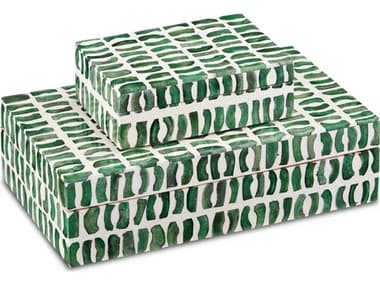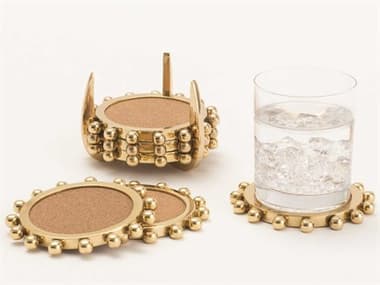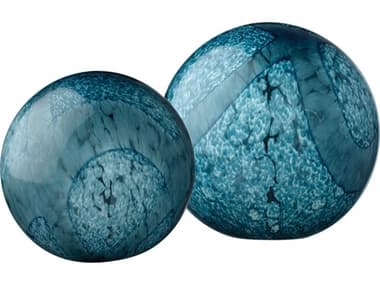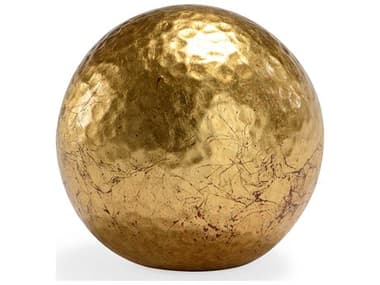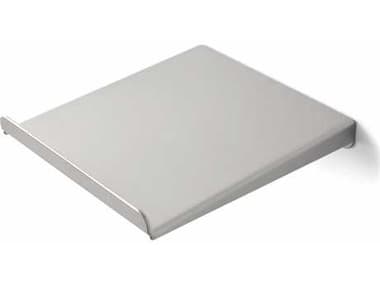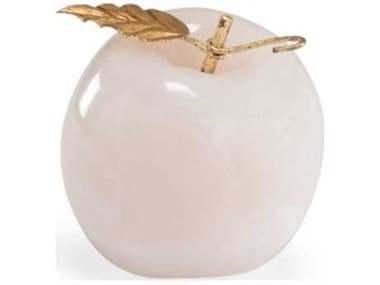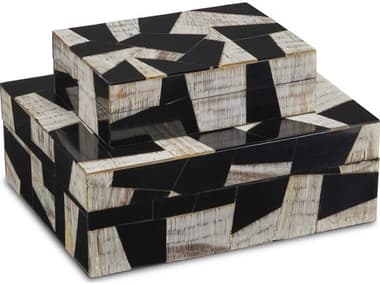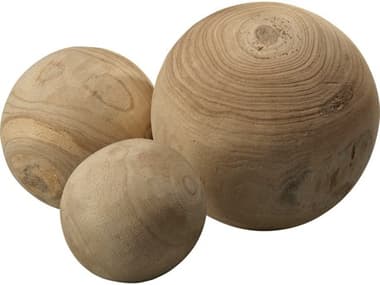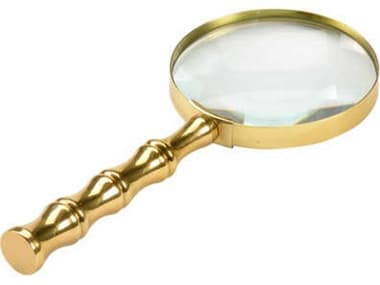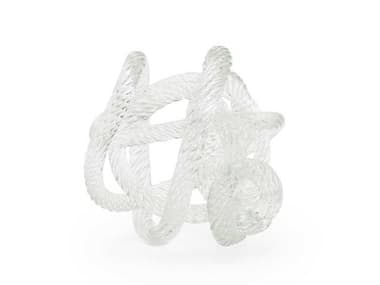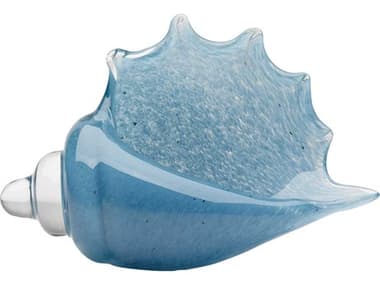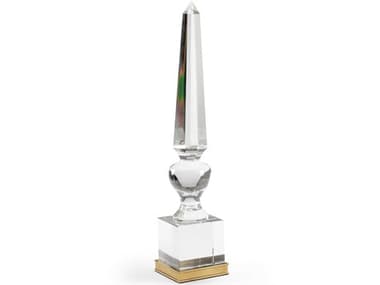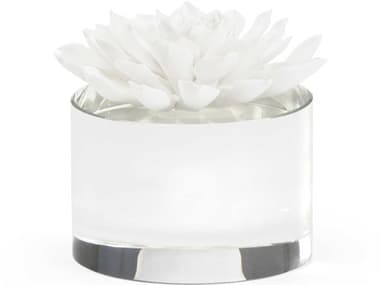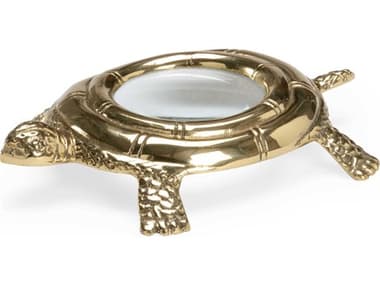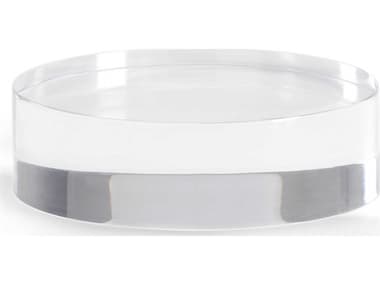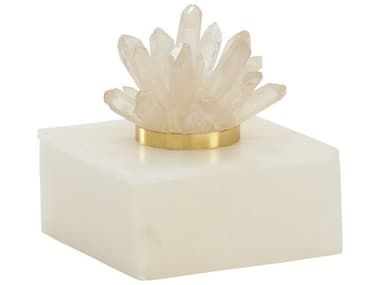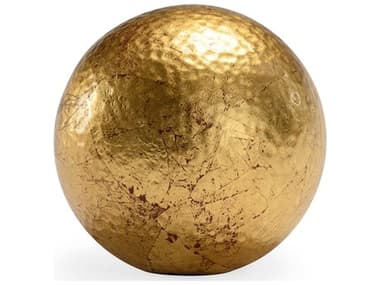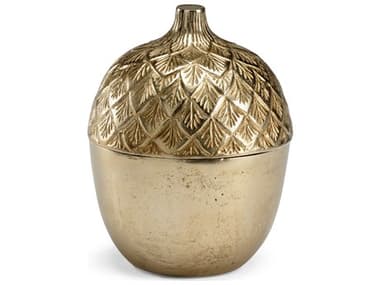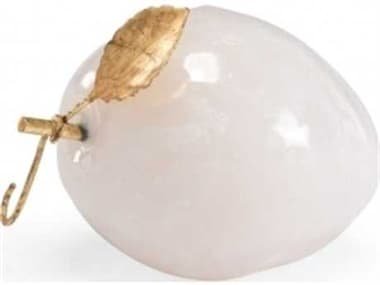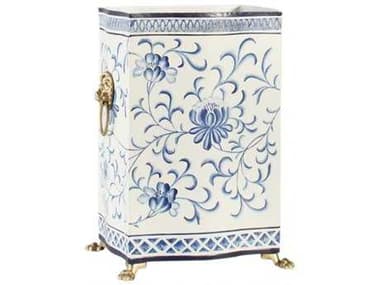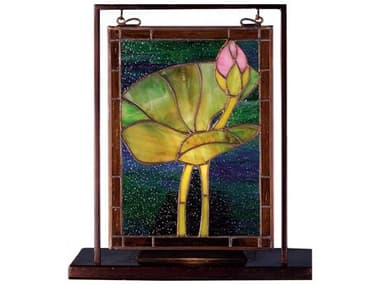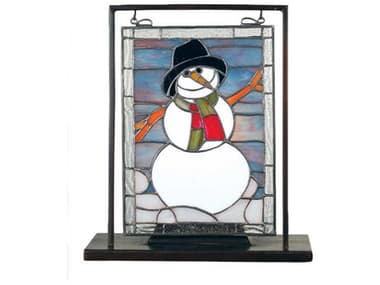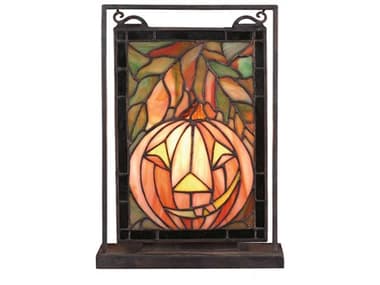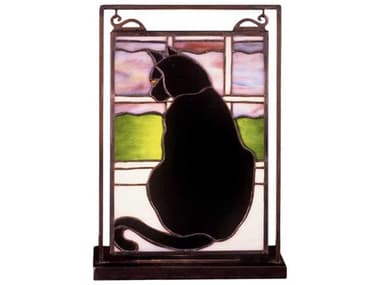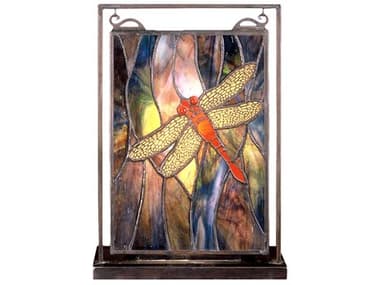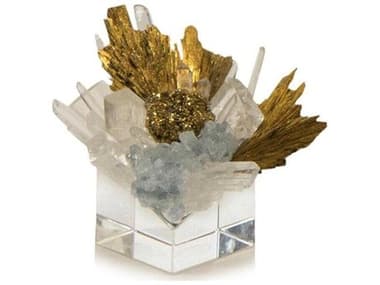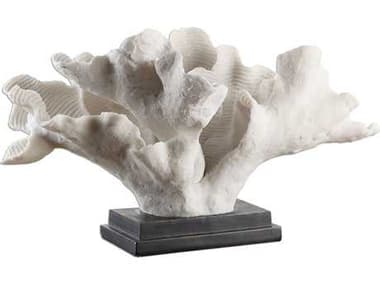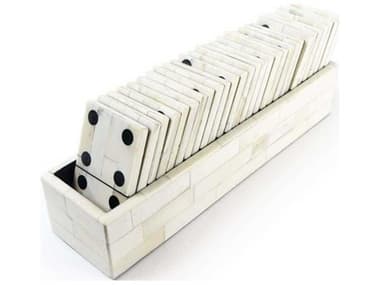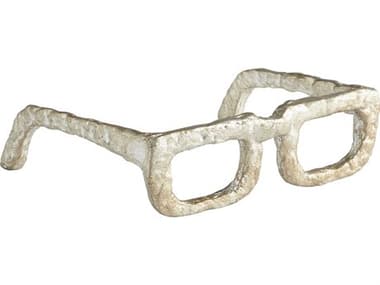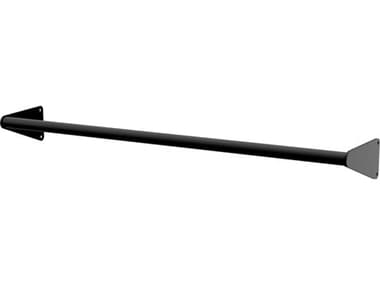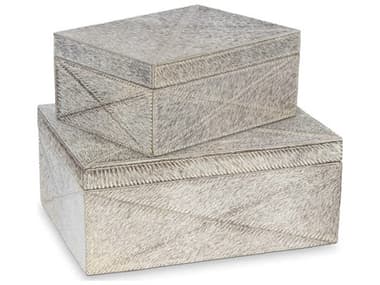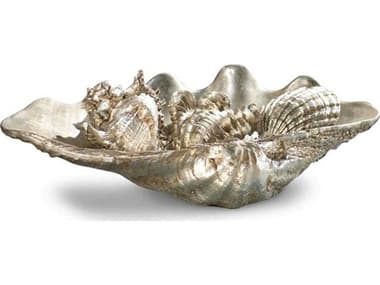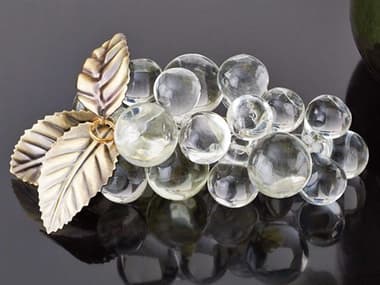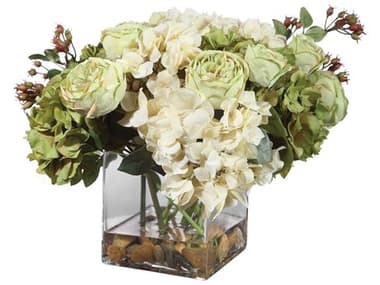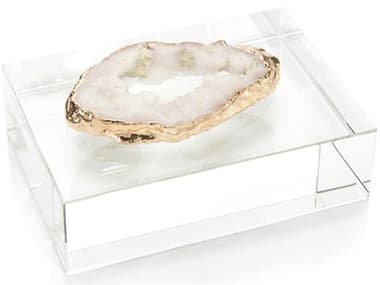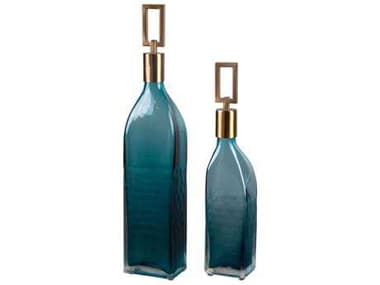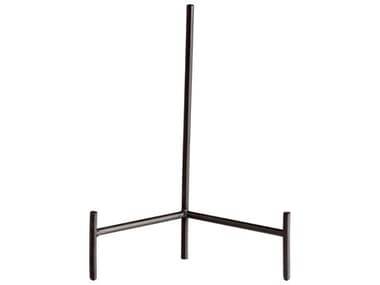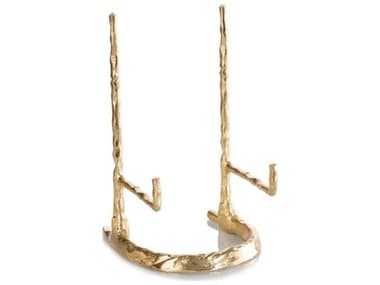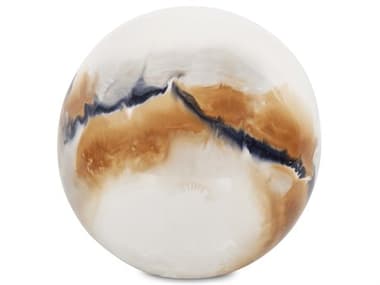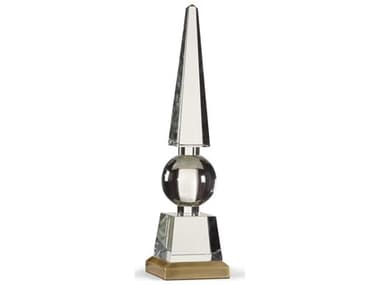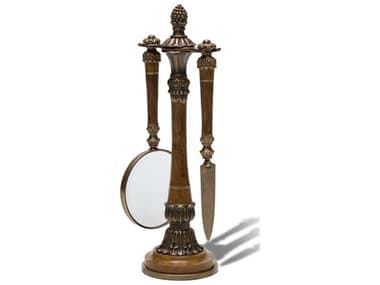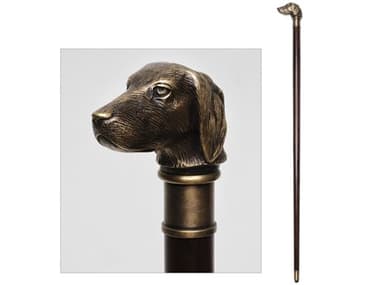
Decorative accents are a great way to add style and elegance to your home. They can be used in any room of the house, from the living area or bedroom to the bathroom and kitchen. From sconces on the wall to candles for ambiance, decorative accents enhance every space with their beauty. If you're looking for more natural-looking decor that will fit right into your décor scheme, then decorative accents from LuxeDecor are perfect choices for your home.
Deciding on your budget is important when purchasing decorative accents. Since there are so many different options available, you'll want to choose items that fit with what you already own.
You don't have to spend a fortune in order to make your home look beautiful. There are many different types of decorative accents that are budget-friendly while still adding to the style and elegance of your home. For those with a larger budget, there are timeless one-of-a-kind home accents that will last you a lifetime.
Before buying any decorative accents for your room, think about where they will go and how they can complement or enhance the space around them. A fireplace mantel, for example, can be made more interesting with a unique decorative accent. Accent wall decor can be large and bold and serve as a show stopper.
You want to think about the style of your interior design and find home decorative accents that will complement it with their color, shape, or size, not clash with it. Think about the colors that you already have or are planning to use in your home when considering what kind of accents would look good there. You don't want anything too contrasting because it will take away from whatever color scheme is being used throughout your house.
Are you looking for decorative accents that will provide light in a room? Do you want to add something beautiful and unique to your kitchen or bathroom without breaking the bank?
LuxeDecor offers an assortment of different types of home decor, from sconces on the wall to candles. Those searching for natural-looking items should consider decorative wood accents, which are perfect for coastal homes or those looking to create a warm and cozy feel.
Sculptures are an eye-catching accent that can be used in any room. From the living area or bedroom to the bathroom and kitchen, sculptures are a wonderful way to add detail to your space.
When considering what kind of accents would look good in your home, you want to keep a few things in mind. First and foremost is the color scheme that's being used throughout your house. You don't want anything too contrasting because it will take away from whatever colors are already present elsewhere.
The next thing to think about is whether or not you want to add a focal point or an accent. If you're looking for something like that, then it's best not to choose anything too small and simple because the focus will be on other things instead.
Knowing what your style is can also help when choosing decorative accents. For example, if you have a more modern design in your home with lots of clean lines and straight angles, then you may want to choose something with a very simple design.
If you have a more traditional design in your home that uses lots of patterns or textures for example, then it's best not to go too minimalist because the contrast would be off-putting.
Last, consider how much space will need to be devoted to the accent. If it's something that will take up a lot of space, then you may want to think about getting something smaller because large decorations can overwhelm an already big room or make a small room feel even more cramped.
Now you know the different types of decorative accents that are available, what to look for when choosing them, and how they can be used in your living space. LuxeDecor has many beautiful options for your home. Take a look at our selection now!
Related Categories
Decorative Clocks | Bookends | Picture Frames | Jewelry Boxes | Decorative Urns | Decorative Plates | Serving Trays