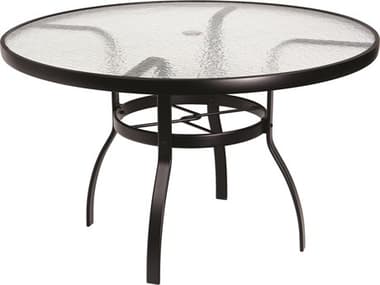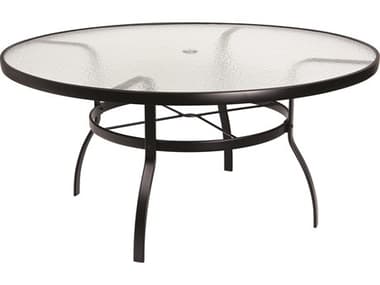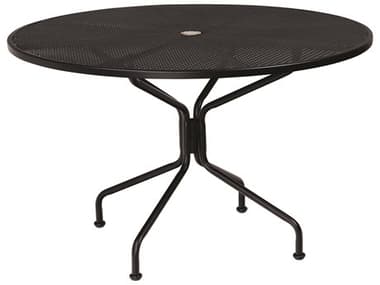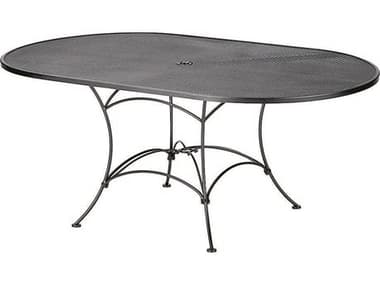
Dining tables can play an important role in the outdoor area of your home. They not only create an easy and elegant outdoor dining space, but they can also serve as an essential gathering place for dinners, lunches and special occasions.
In addition, outdoor dining tables help to extend the living and entertaining space of your home. If you want to extend the dining square footage of your home, here is what you need to know about researching your different outdoor dining table options.
Are you shopping for an outdoor dining table? Before you buy, here are some key factors worth considering.
When you are looking for an outdoor dining table, you will find just as many options and styles as you do when looking for indoor style options. Maybe your need an outdoor farmhouse table, traditional table or a modern table.
The great thing is, you can use your dining table to either extend the style of your interior to the outdoors, or you can go in a totally different direction and expand your look and feel beyond what you’ve done indoors.
Are you expecting to entertain large parties of people, or will your gatherings tend toward the more intimate?
This will determine the size of the outdoor dining table you need. For example, are you looking for a small outdoor dining table that will seat just you and your family?
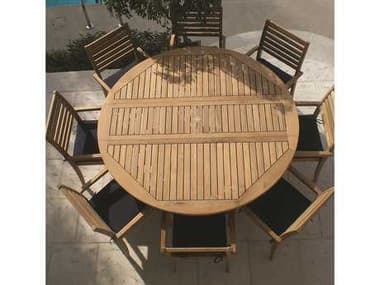
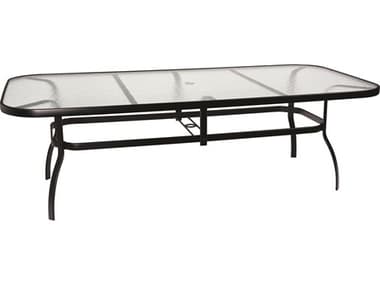
Are you looking for a place where you can bring a few guests for summer grill outs or picnics around a pool? If so, you may want to consider outdoor dining sets for 8.
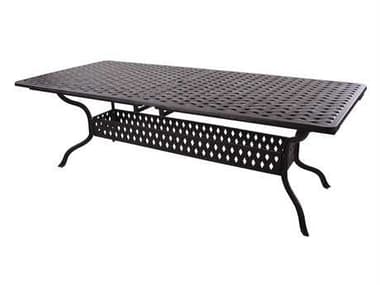
If, however, you are hosting parties in your outdoor area and need as much table space as possible, you may want to look at your extendable outdoor dining table options.
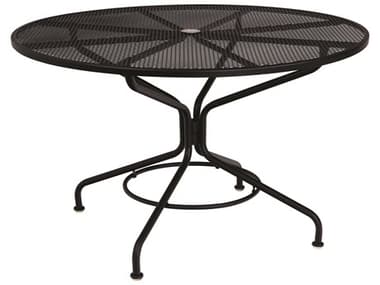
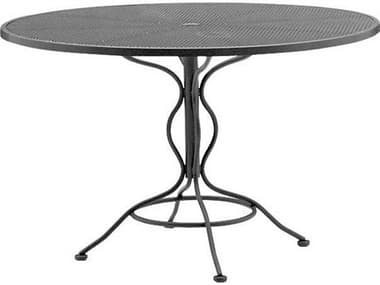
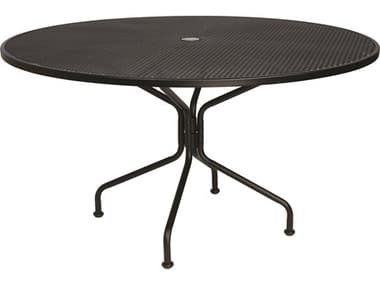
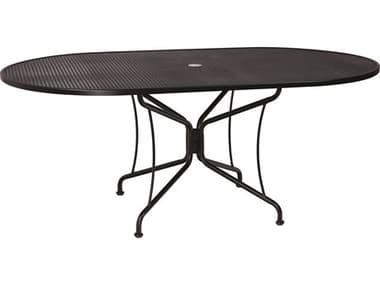
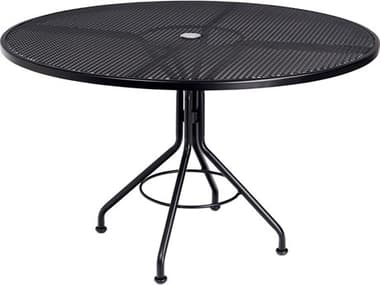
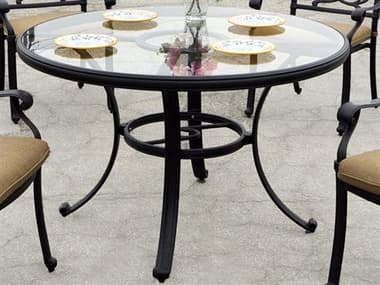
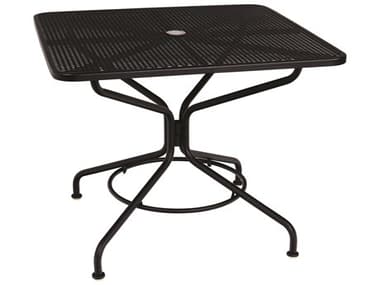
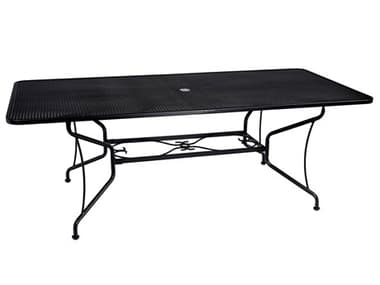
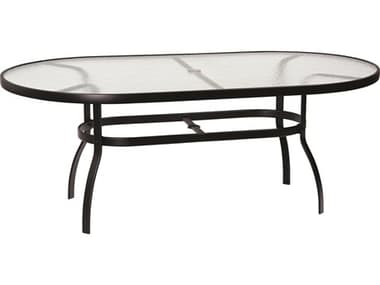
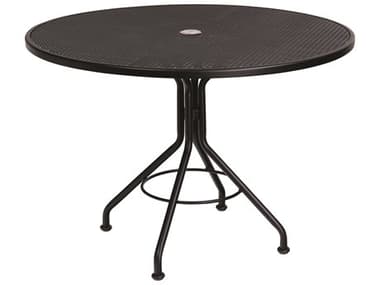
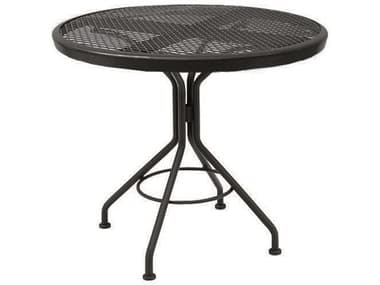
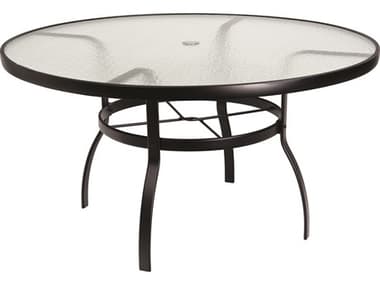
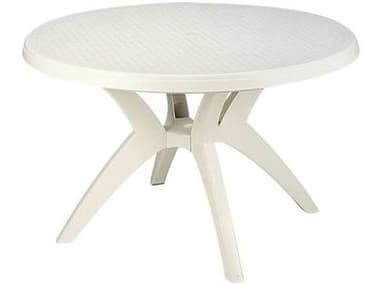
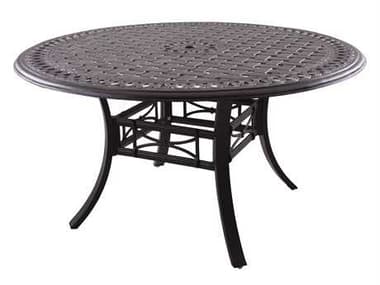
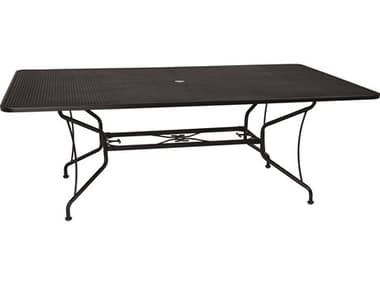
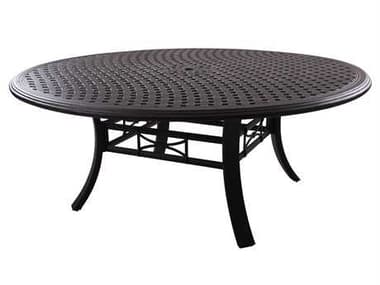
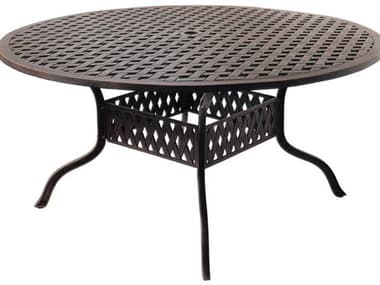
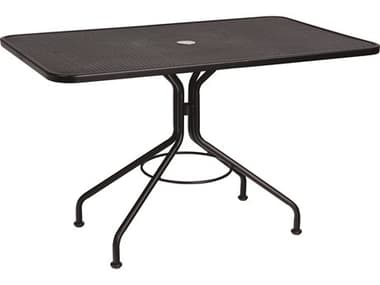
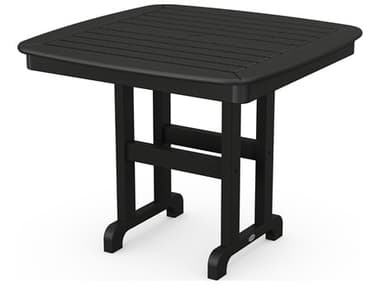
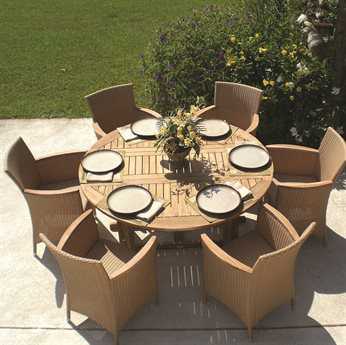
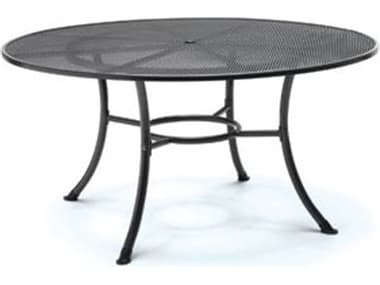
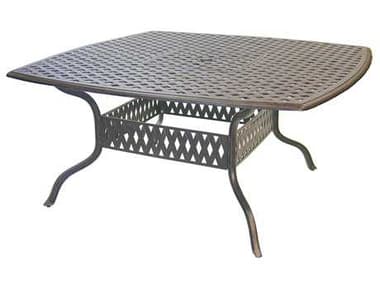
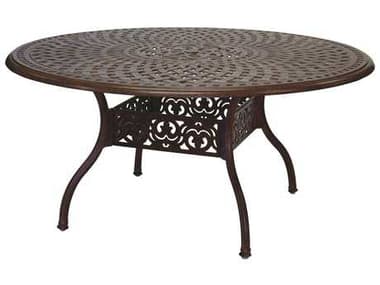
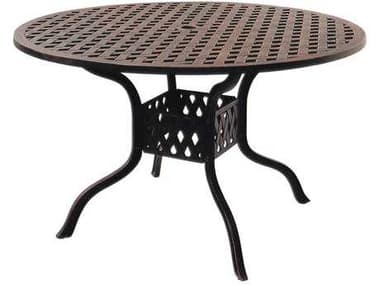
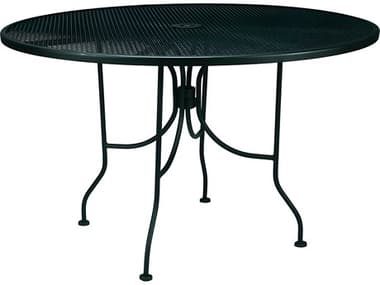
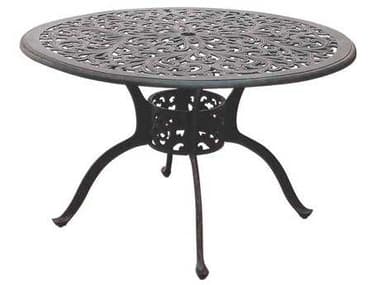
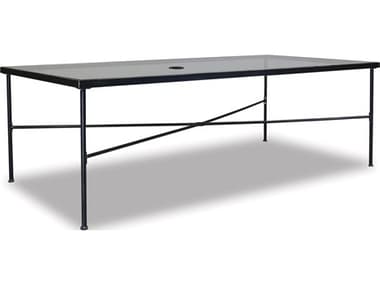
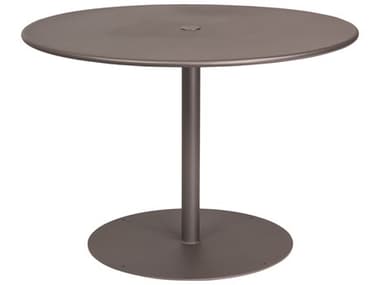
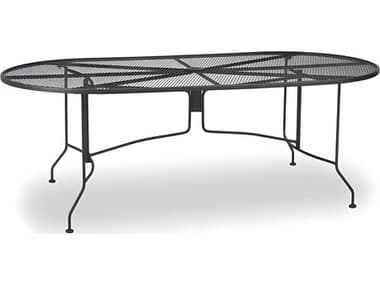
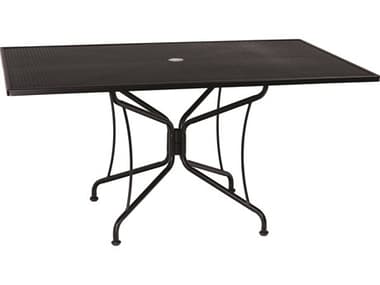
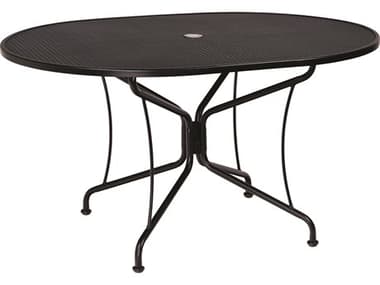
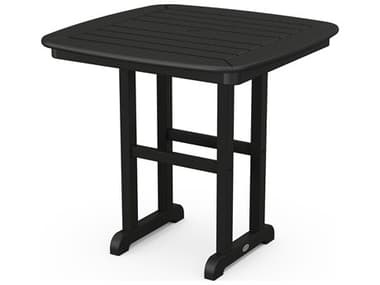
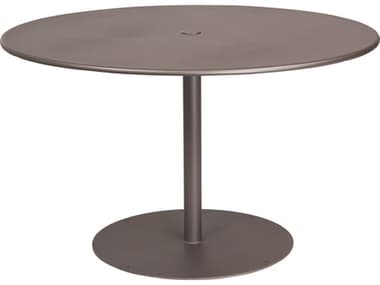
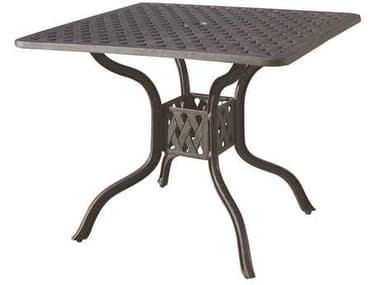
Should you consider a round outdoor table, a square outdoor dining table, or a rectangle outdoor table? The shape of the table you need will depend on the amount of space and set up of outdoor space you have. From there, it will also be about what your preference is.
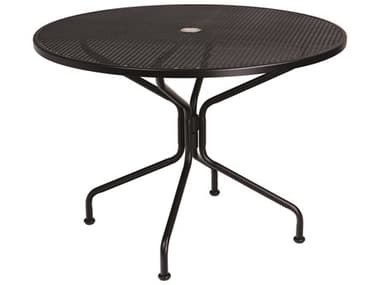
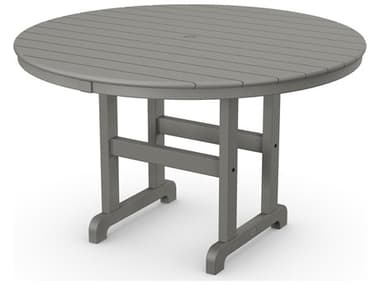
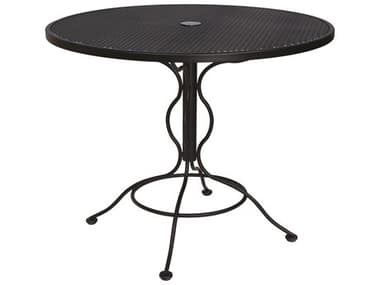
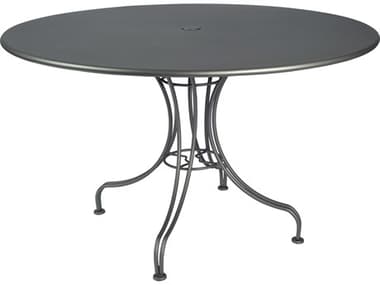
The number of people you expect to seat and serve outdoors may also help you determine what shape is the best option for you. For example, if you are planning to only entertain small groups you should consider looking for a round outdoor dining table so that you can all easily engage in conversation.
The material you choose will depend on preference and what will be best in outdoor weather conditions. Your outdoor dining table will not be made of the same material as your indoor dining table, especially if the outdoor table will be left outdoors and subject to the rain and sun and other harsh weather elements.
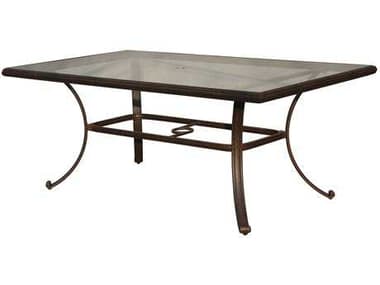
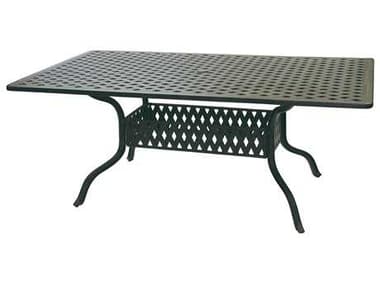
For outdoor options, you will have metal outdoor dining table, teak outdoor dining table and even concrete outdoor dining tables to choose from.
Each of these materials will create a different style and feel for your outdoor living area. For example, a concrete outdoor dining table may make for a minimalist feel, while teak can help to create an island or lush feel in your backyard area.
Some of your outdoor furniture materials are sturdier than others. Concrete and metal, for example, can take much more of a beating that tables and other furniture that is made from wicker or rattan and even some wood materials.
The function of your table may also lend itself to what kind of material is best for your home. For example, if you want an extendable outdoor table, that may limit what options of table material are available to you. That’s because not all materials will come with extendable options.
The placement of your dining table may also help to narrow down the choices you have — and the shape that will work best for you and everyone that you will be hosting.
For example, if your dining table is going to be placed amongst flowers and trees, you may want to look for a garden dining table.
If you are going to be placing your table on a deck next to a pool, you should seek an option that can hand a lot of water and even chemicals such as chlorine.
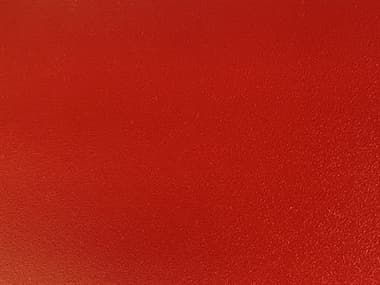
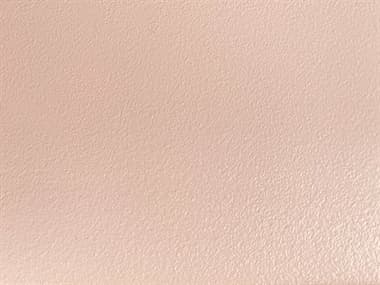
Like with indoor furniture options, your outdoor dining options will come in a wide array of colors that can help set the tone for your outdoor living space. And the great news is, you will usually be able to find something that will match the color scheme you have set up on your home’s interior, or you can set a new trend in the outdoor living area.
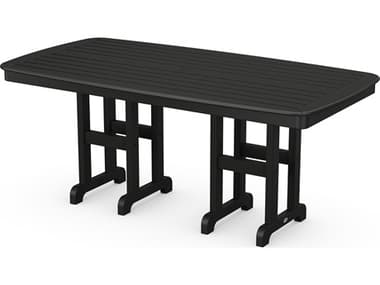
If you are going for a minimalist or simple look, you might want to consider a black outdoor dining table or a white outdoor dining table.
If you want to create a fun and casual space, you may want to look for more colorful options. There are great wooden picnic tables that come in a variety of colors from red to blue to gray to green, for example.
To help ensure that you're dining table fits with the rest of your outdoor decor, chairs often come in sets so that you are sure that yours will match the table.
All of these outdoor dining table considerations — material, color, size and seating and even shape — will play into how much your outdoor dining table will ultimately cost.The great news is, there are great options available for homeowners at every budget level.
By knowing what you are looking for and how much table space you actually need, you can enter the browsing and shopping experience better informed to make the best decision on an outdoor dining table that will be perfect for you, your family and your home.
Related Categories
Square Outdoor Dining Tables | Round Outdoor Dining Tables | Octagon Outdoor Dining Tables