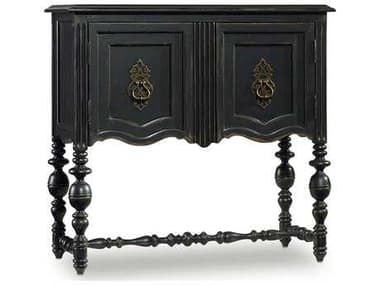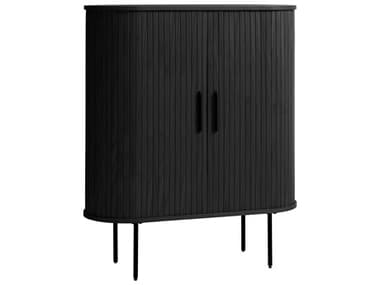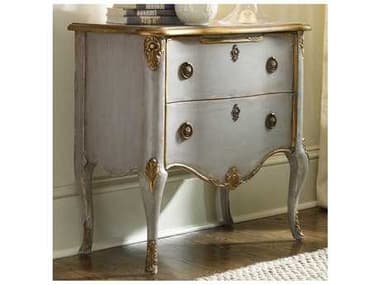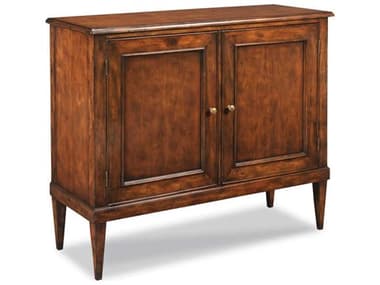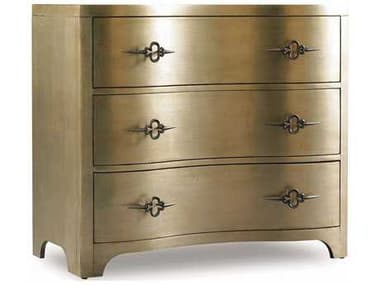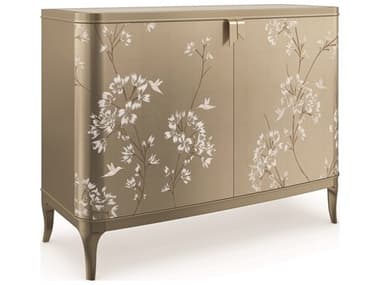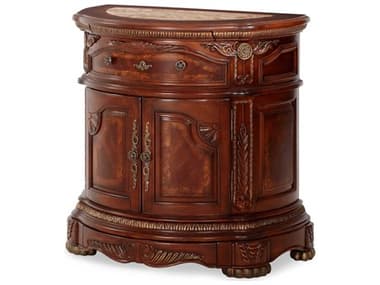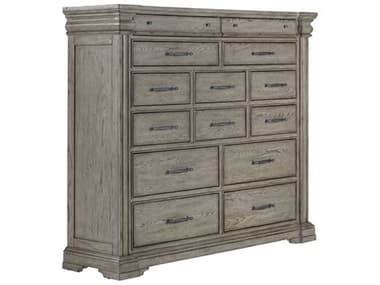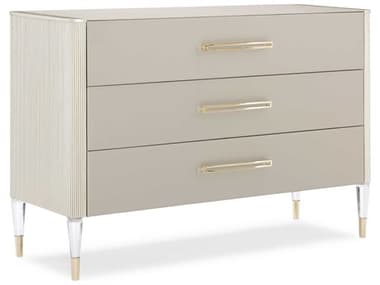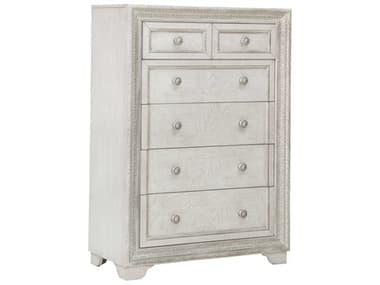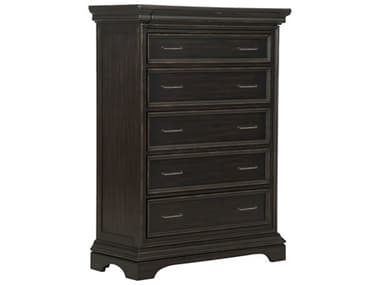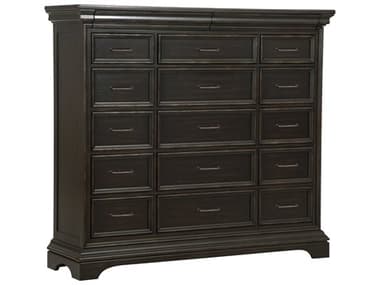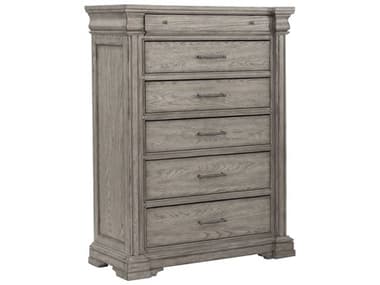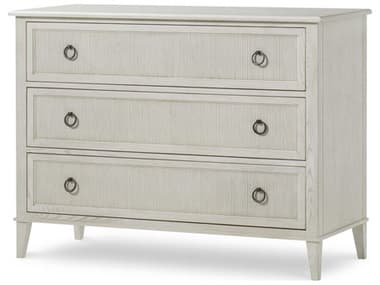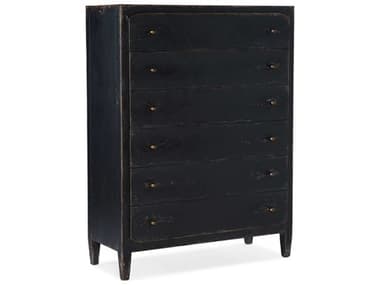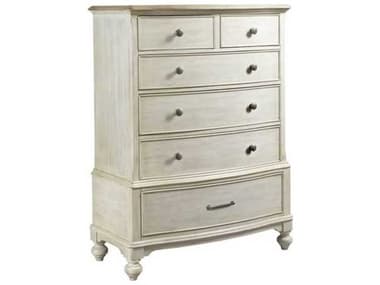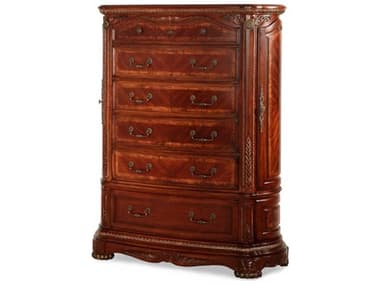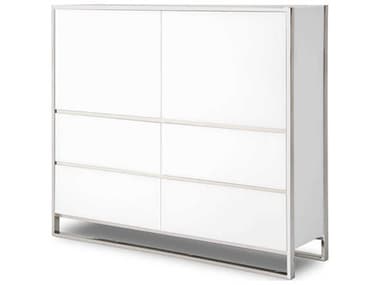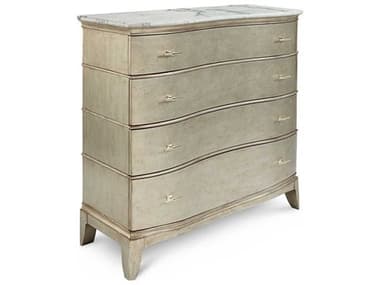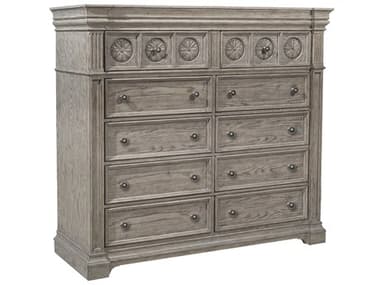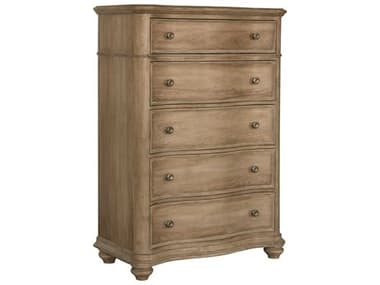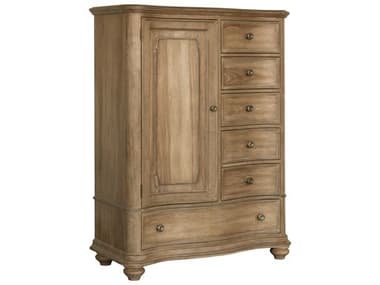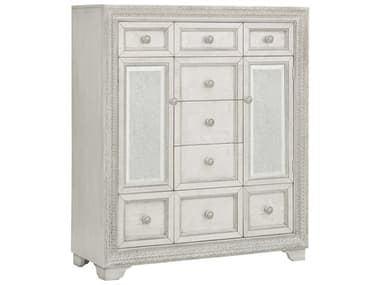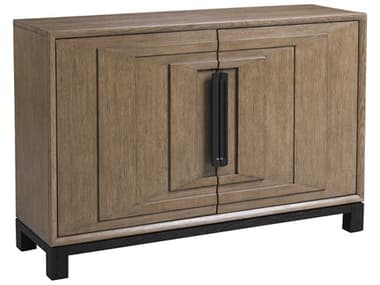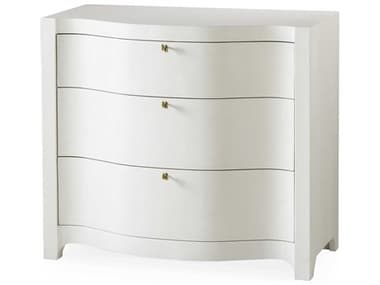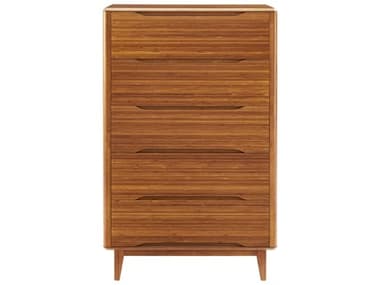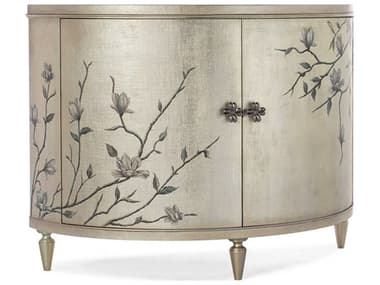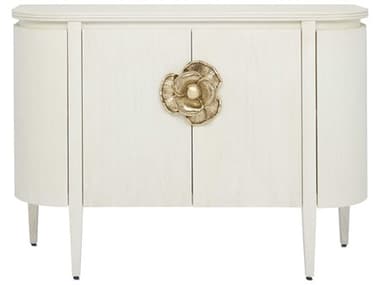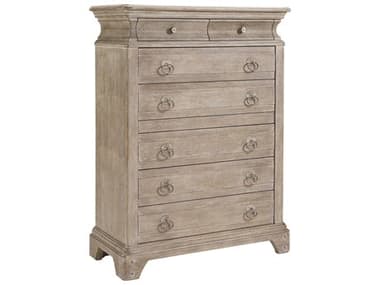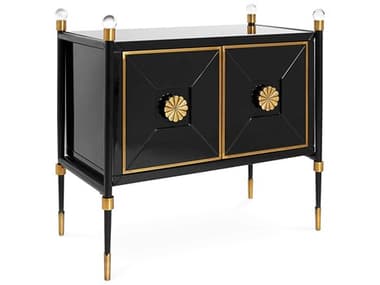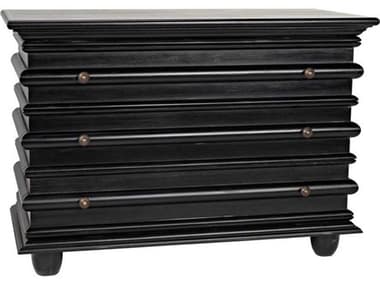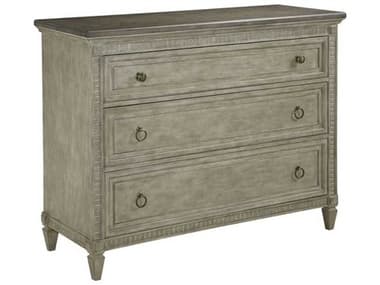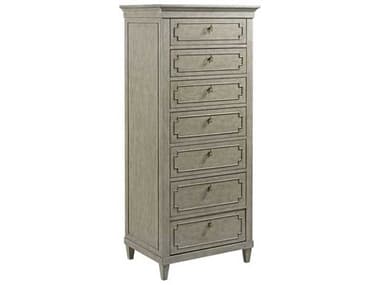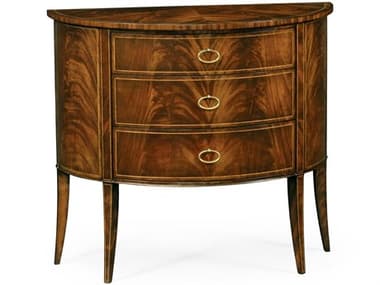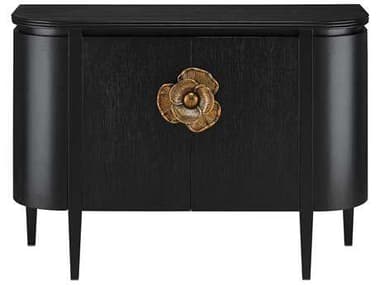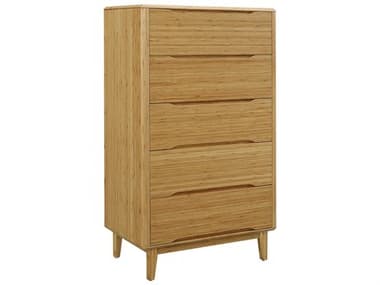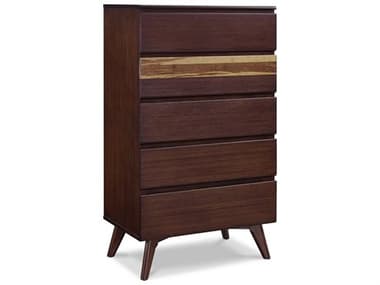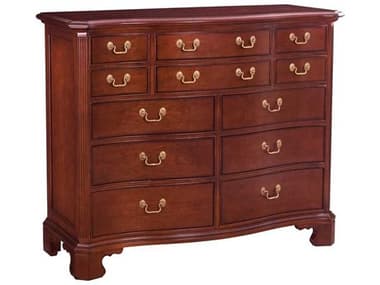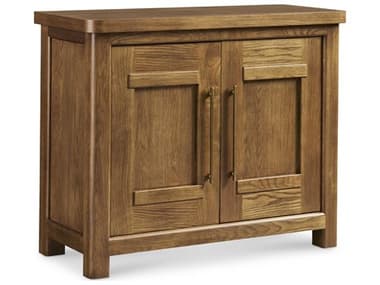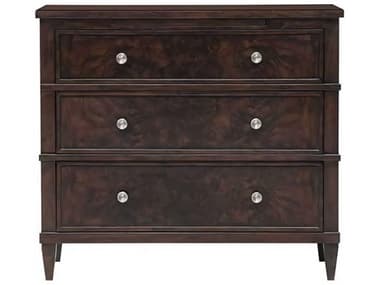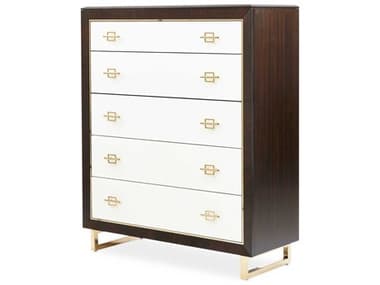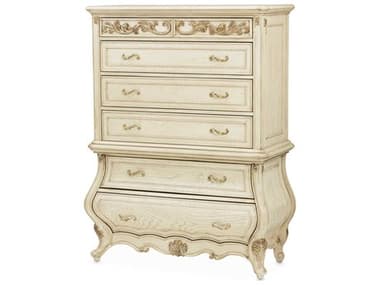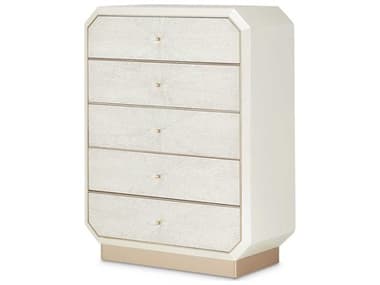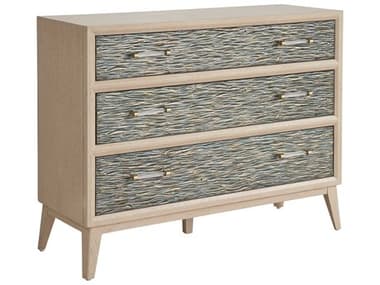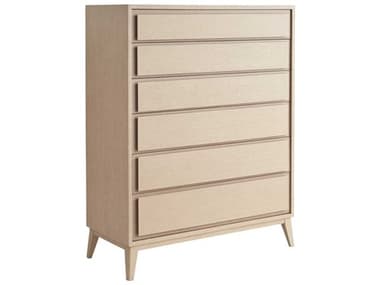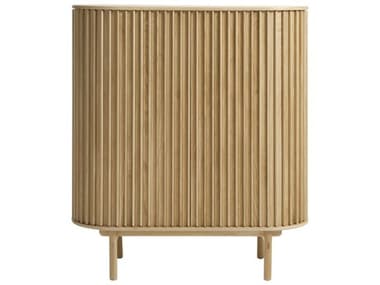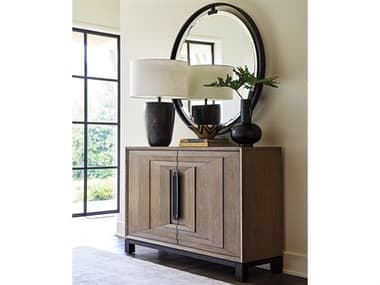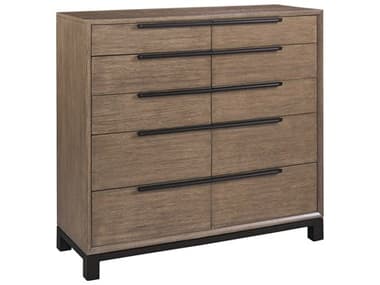
Accent chests and cabinets offer a nice addition to any area in the home while also providing valuable room for storage. These stylish statement pieces conveniently provide furniture storage alternatives for your home.
Whether you'd like a makeshift bar, bookshelf, storage, or just a conversation piece, a chest can do it all.
From storage chests or cabinets with shelves, drawers, and doors, we have them all at LuxeDecor. Let's take a look at the types of accent chests, how to choose them, what to know before buying and where to find them.
The first things to consider before buying an accent chest are where you'll be placing it and what you can afford. You also need to think about the features, such as the design that would fit nicely with your other furniture. Do you need it for storage or to add personality to a room?
Whether you're looking for mirrored accent chests with storage for your bedroom or a glam accent chest for your living room, traditional wooden accent cabinets with doors are lovely pieces to hide your clutter discreetly.
Transitional pieces are versatile enough to suit various types of décor thanks to their combination of classic details and simplified lines. At the same time, traditional wooden accent cabinets with doors are a great addition if you're looking for storage solutions.
When considering an accent chest for your home, assess the features, beginning with the color and design. You want to know that it blends in or complements the current design theme in your home. You need one with the right height if you plan to put a mirror over it or consider a mirrored chest.
Drawers help you put away things that you want to access easily. Doors help you get more light in to search for what you need. The color should match your home, and of course, it should grab positive attention if it's going to sit in a prominent room. Color is always very important. However, when in doubt, a black accent chest or options for accent chests will complement a wide array of home decors.
For every style house out there, contemporary or Victorian, there's a chest to match. There are chests to fit into:
Compact cabinets - Petite consoles, chests, and cabinets are little but mighty, commanding attention with dramatic features, unusual hardware, and aesthetic design while conserving vital space. You have a few alternatives from which to choose. In a tiny bedroom or living space, a compact cabinet with drawers is an excellent accent.
Corner chests - Without overcomplicating floor layouts, corner accent cabinets can be nestled in the corner quietly, and mirrored cabinets can help make bedrooms appear larger. Small filing cabinets help home offices stay organized without taking up too much space. Whatever your style, these tiny accent pieces should serve a dual purpose of offering decorative direction as well as storage space.
Console - cabinets offer style and storage space. You can use an entertainment console to display your flat-screen TV while also storing remote controls, cables, cable boxes, and other media devices behind the cabinet doors. You can use a console cabinet in the corridor to display family photos or souvenirs.
Armoires - or wardrobe cabinets can help you organize seasonal apparel and store items you don't use often. In the kitchen or dining area, buffets and sideboards can store entertaining staples and fine dining dishes.
Open shelves - are ideal for concealing areas for bins and baskets, while side bookshelves provide unobtrusive corners for novels, scrapbooks, and photo albums. Their designs also include a selection of removable and fixed shelves to accommodate your storage needs. These consoles offer the ideal blend of form and function, from media cabinets with easy-access cable management systems to ornamental designs that impress.
Tall shelves - tall accent chests serve so many purposes. You can use them to hide a wall that is not so presentable. You can also use it for storage or to keep valuable items and documents. If you need important documents somewhere that you can readily access, a tall chest is an answer. It beautifies your room and acts as storage.
When choosing an accent chest, check out all the features and make sure they align with your home design and lifestyle. Some important things to look at are:
Functionality - Contemporary accent chests with drawers have an elegant look, making them excellent for people who prefer simplicity. These categories of chests help you to declutter while also filling empty spots in your home. If you don't have an entryway or you have a makeshift one, they'll fit in nicely and accentuate your home. Do you want a mini bar without building one? An accent chest with glass doors will suit that purpose.
Design - Consider the vacant space, the mirror on the wall that needs to be anchored, or the vast wall that is starkly blank in your home. These designs may easily shift the entire look and feel of the room, from a corner accent cabinet to an oversized console.
Silver accent chests will go great with rooms that have a chandelier. Meanwhile, decorative accent chests fit perfectly in your entryway as storage and a conversation starter.
Storage - Use a tall accent chest with drawers to store vital documents and to maximize vertical space. The idea is to employ accent cabinets and chests to add visual appeal as well as storage. Most accent chests with drawers are ideal for any room and are multifaceted.
Today's accent chests are fantastic additions to any area, regardless of your style. Browse our entire selection from an accent chest for foyer areas to storage cabinets and consoles. If you need help looking for the ideal combination of practical features and eye-catching looks, we'll be happy to assist.
Related Categories
Gold Accent Chest | Hooker Accent Chest | Modern Accent Chest | Traditional Accent Chests | Beige Accent Chests | Blue Accent Chests | Universal Furniture Accent Chests