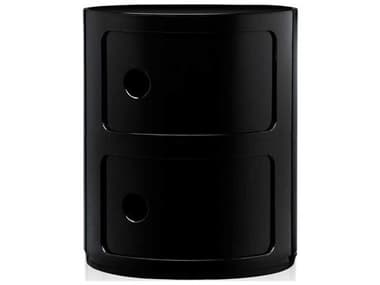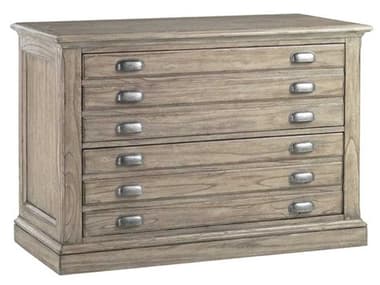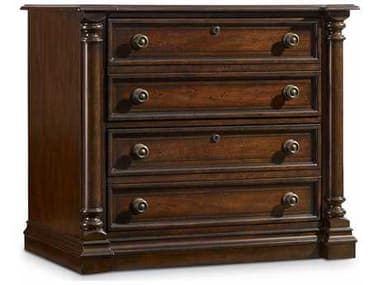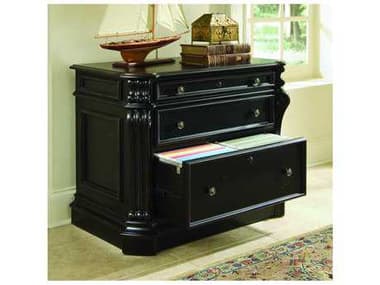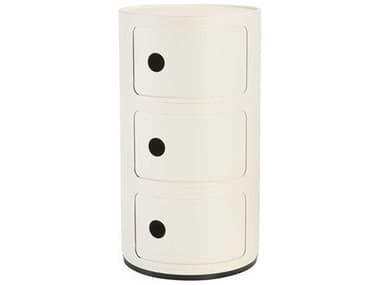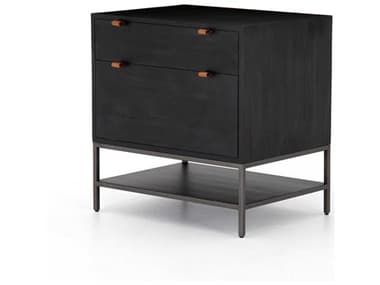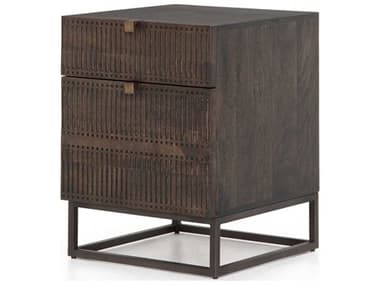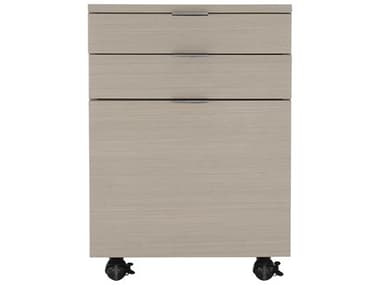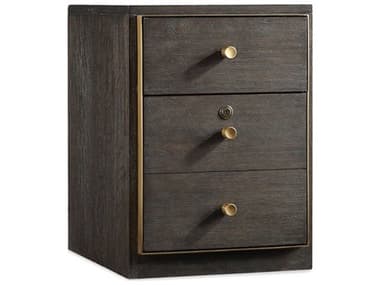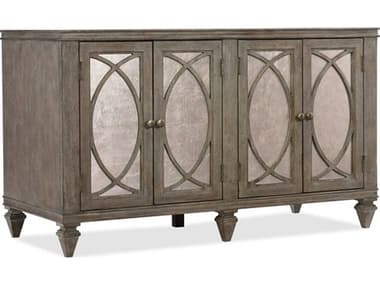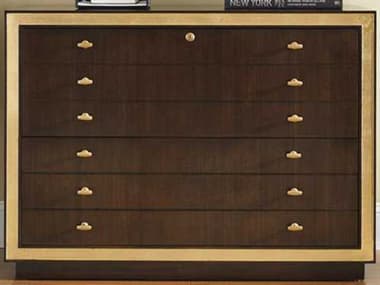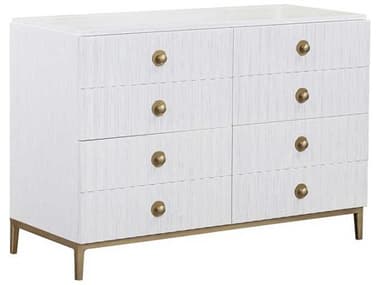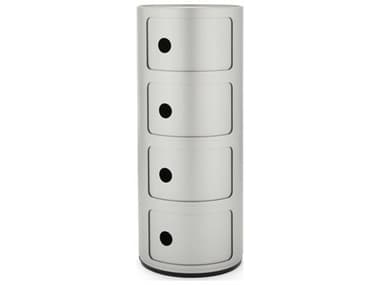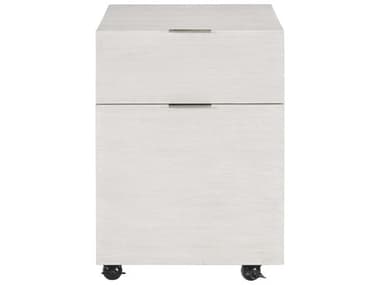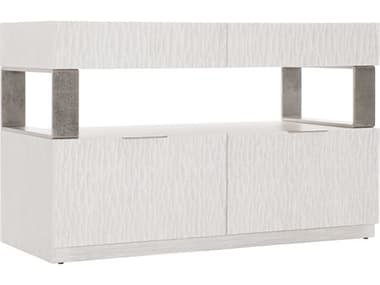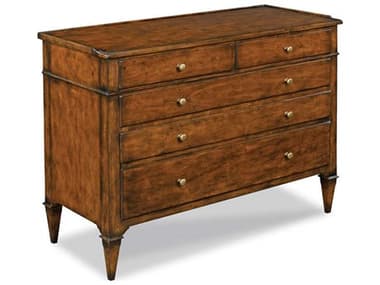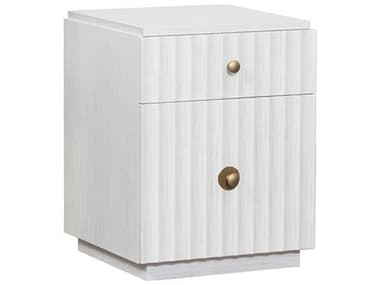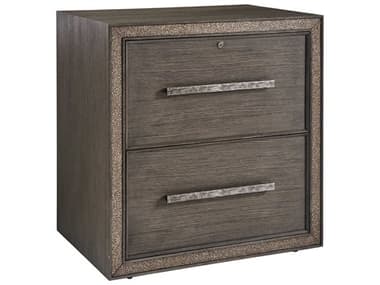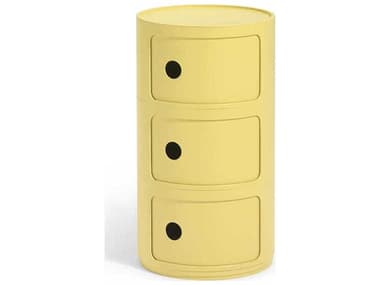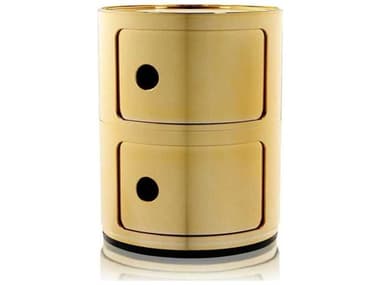

File cabinets are a key piece of furniture in any office or home space. They can store your paperwork and ultimately keep you and your filing organized. File cabinets provide a clean, enclosed look for all of your office needs.
There are many kinds of filing cabinets, and it is important to determine what specific features and style you prefer to store and access your files.
Consider the space you have available for your filing cabinets. It is also important to know how much you plan to file in these cabinets. Do you need a tall cabinet with multiple drawers or do you prefer a small filing cabinet? Do you have a lot of heavy files to store, or are you needing to organize paperwork you will need to continually access?
Another important point to consider is the style of your other existing office furniture. Would a sleek metal filing cabinet fit the best? Or would you prefer a wood grain filing cabinet that matches your desk and bookshelf?
As always, consider the budget you have to spend. Figure out if you want to buy one filing cabinet or multiple cabinets as a set. It all depends on the amount you plan to store and the space that you have, whether it is in your home or your office.
Once you have measured your space and know your budget, you can delve deeper into the specific features that our filing cabinets have to offer.
Make sure to ask the important questions about your specific filing cabinet needs before moving forward.
Do you need a stationary filing cabinet, or would you be interested in a rolling filing cabinet? Rolling file cabinets can be useful because they can easily be moved around and rearranged. There are also file cabinets that are attached to bookshelves.
Knowing exactly how much paperwork you plan to file will help narrow your search. Will you need a 2 drawer file cabinets, or possibly a 3 drawer file cabinets? Are you planning on filing loose papers or file folders that need extra organization and drawers?
Do you plan to use this file cabinet every day, or will you be using it for storage? If you plan to access your cabinets every day, you may be interested in a 4 drawer file cabinet or one with multiple drawers, as you can still fit all the files you need to, but can spread them out and avoid jam-packing each drawer.File cabinets are indispensable in an office, or even just to organize your extra paperwork around your house.
You may also want to consider purchasing a file cabinet with a lock and key to keep your documents safe and secure. Your filing cabinets can be functional as well as beautiful. There are many kinds of filing cabinets out there, and once you narrow in on your style preferences, you can find the features that best meet your needs and fits your style.
After you have considered your budget and the space you have for your filing cabinets, as well as picked out what features you prefer, you can choose the type of filing cabinet you need.
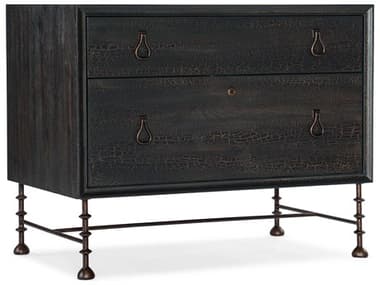
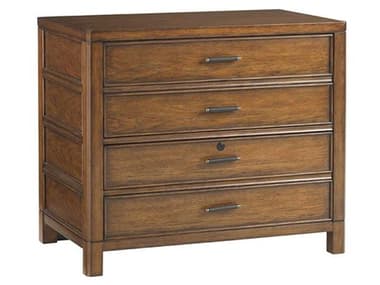
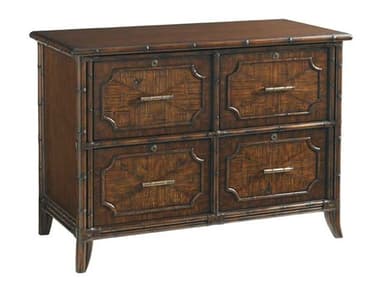
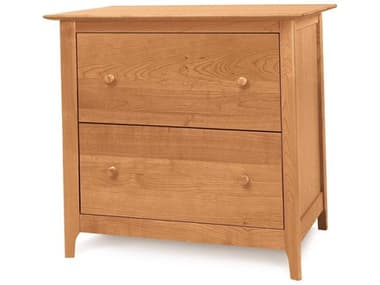
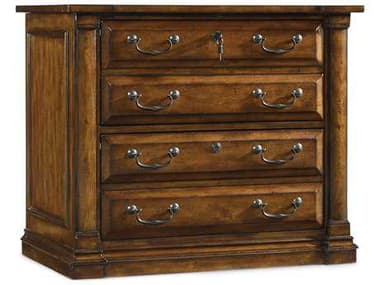
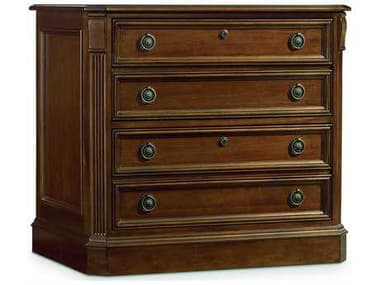
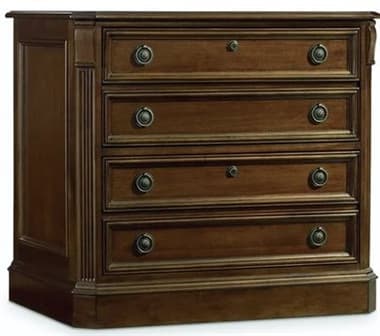
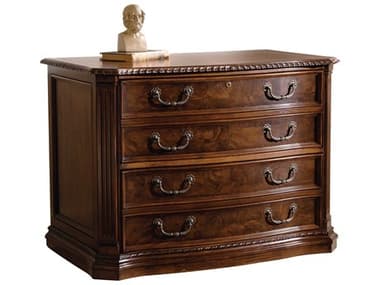
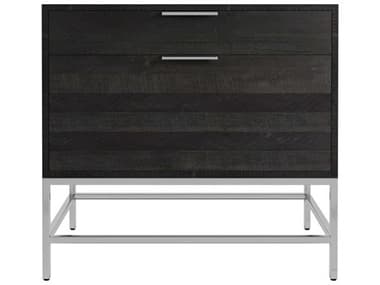
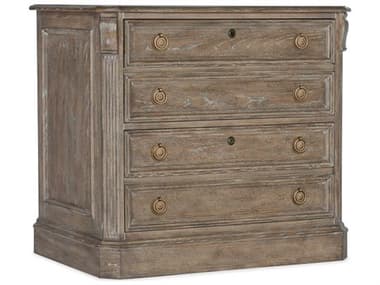
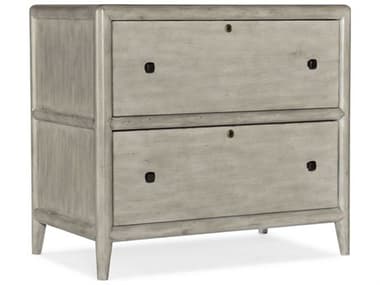
A lateral file cabinet has horizontal drawers and has a similar look to a dresser, but for your files. This means that the bars run side to side, so you can hang and store your files, versus other filing cabinets where the file bars run front to back. It all depends on your preferences and whether you prefer to see all of your files in each drawer at once.
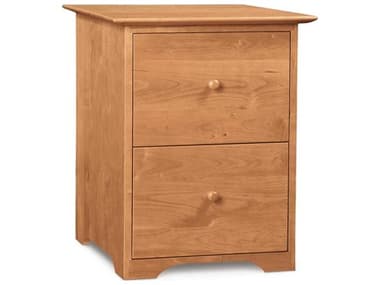
Vertical file cabinets are tall and can come in a variety of sizes and widths, depending on your particular needs. They are sturdy and offer concealed storage. If you are limited on space, a vertical cabinet may be perfect for you, as they take up less square footage as a wider or lateral file cabinet, but can still store all the paperwork and files you need.
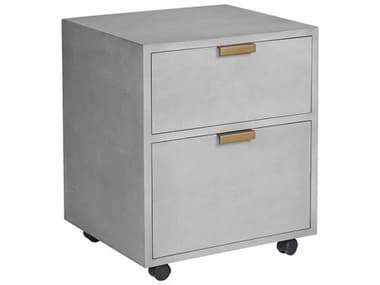
Rolling file cabinets are great for shared offices or those that tend to redecorate often. As storing loads of files and paperwork can be a heavy task, it is important to consider whether you will ever need to take your documents on the go. Some prefer to keep their rolling filing cabinets under or near their desk, as an easy to move but functional part of their office. Others prefer to keep their file cabinets stationary so they cannot be easily moved. Some rolling cabinets have the option to put on or remove their wheels, so you can have the best of both worlds.
Onto the last step, choosing your file cabinet. You know the space you have and budget you are willing to spend, and you know what features and size of filing cabinet you require. The last step is to choose the finish and then get to filing!
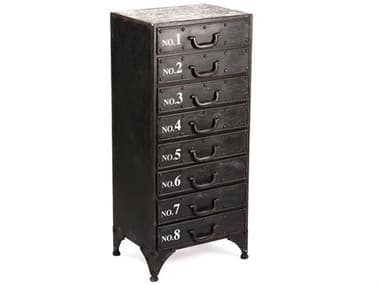
One of the most popular types of file cabinets are metal filing cabinets. They are sleek and can be added to or decorated in any way you see fit, or can be left alone for a professional and unobtrusive look. These cabinets can come in many colors, but a black filing cabinet, gray, or white filing cabinet is typically the most utilized for offices.
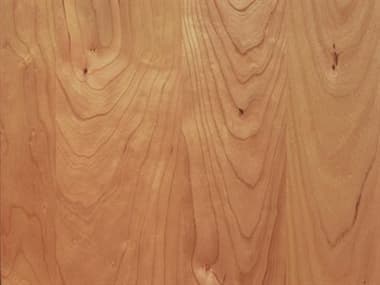
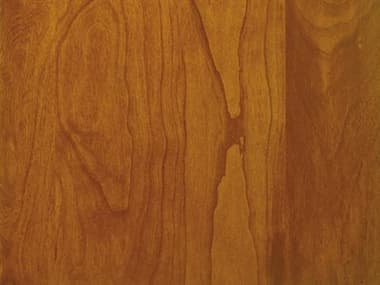
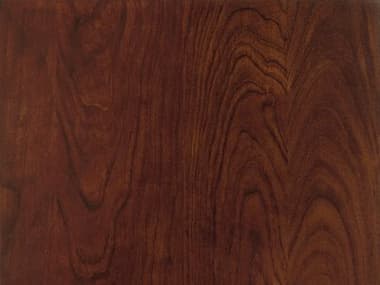
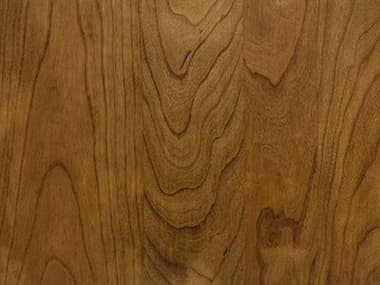
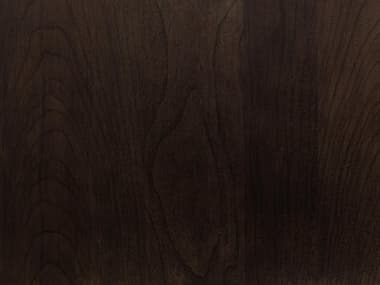
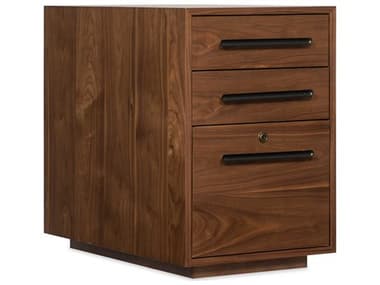
If you are looking for something stylish or fun for your office, you might consider a wood filing cabinet over a metal one. Nowadays, you can find a file cabinet in every grain and stain you can imagine. These wood file cabinets can add professional and functional decoration to your office.
We offer many kinds of file cabinets with varying features here on our website, check them out and see what best fits your needs! If you have any questions or require additional information, please get in contact with us, and we can help you with all of your furnishing needs.
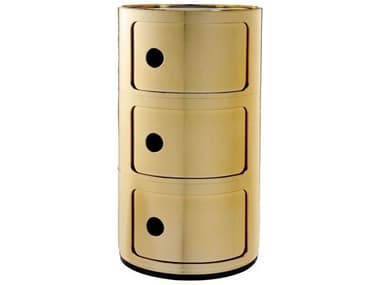
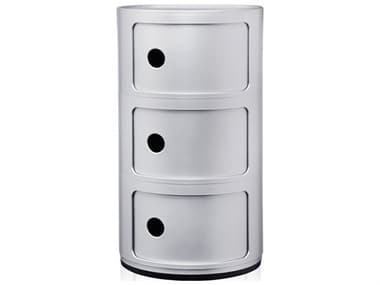
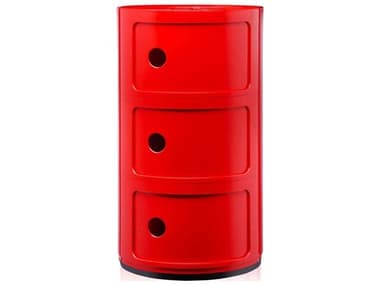
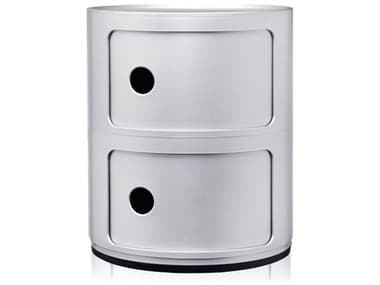
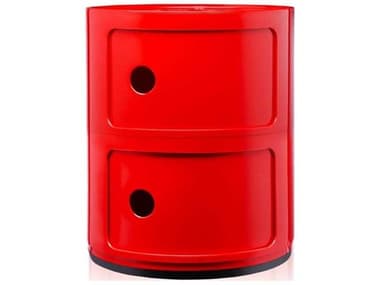
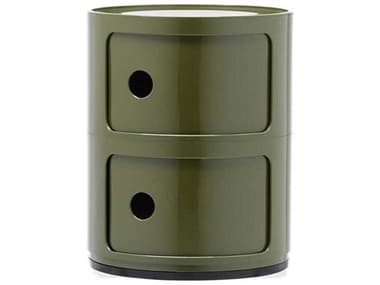
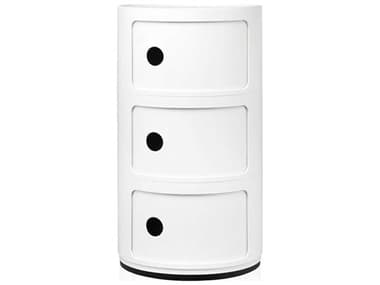
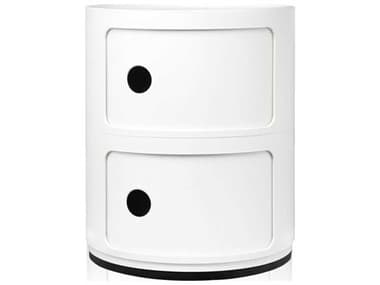
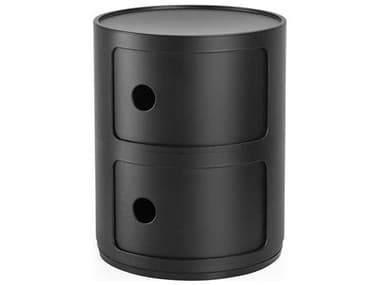
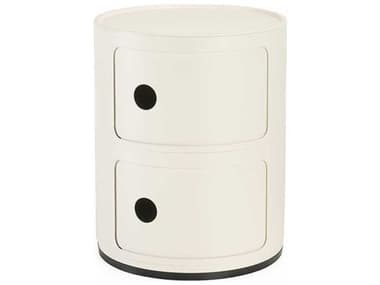
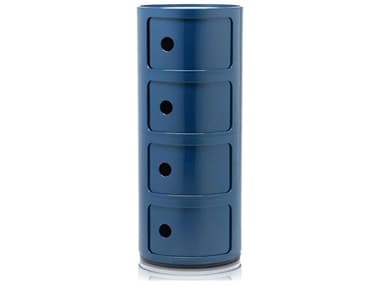
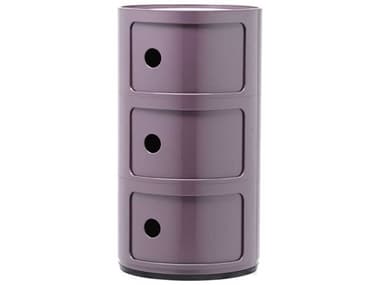
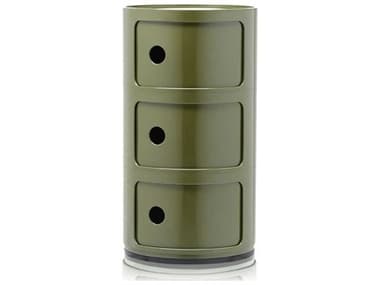
You don’t have to throw away your aesthetic sensibility with this utilitarian piece of furniture. LuxeDecor’s top brands like BDI, Jesper Office, Kartell, as Kartell file cabinets, Sligh, as Sligh cabinets and Stanley Furniture, bring high quality and tasteful design to their furniture, including filing cabinets. Many models are handsomely designed to bring distinction to any space with sleek models such as a black file cabinet by American Drew from the Camden Dark collection which is tall and stately, measuring 60 inches high and 48 inches wide. This two-door modern cabinet features clean striking lines, subtle tasteful detailing, and slate accents for a piece of furniture that doesn’t look too corporate. From colored cabinets to white file cabinet styles, browse through LuxeDecor’s inventory to find more fashion-forward models that will fit right into your space whether you’re at the office or at home.
Related Categories
Office Chairs | Office Desks | Bookcases | Desk Hutches | Home Office Sets