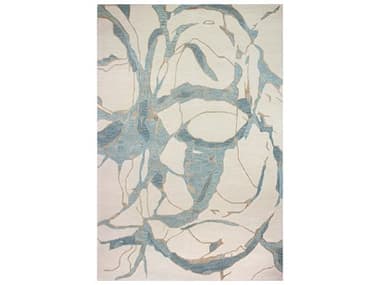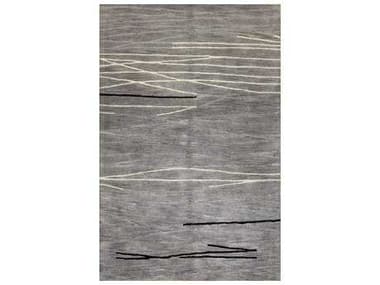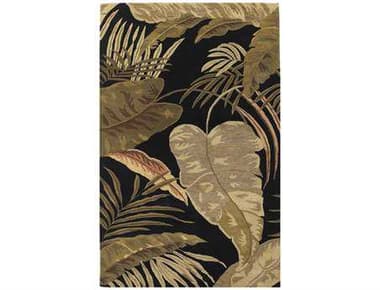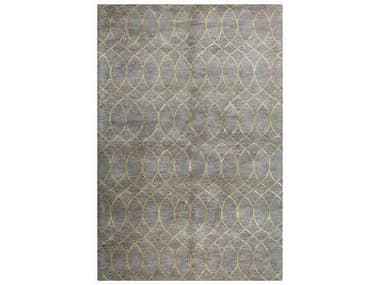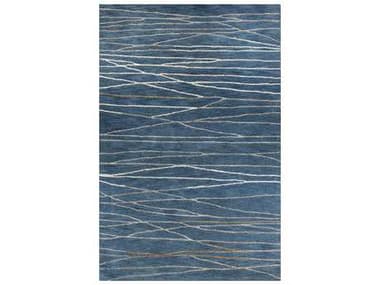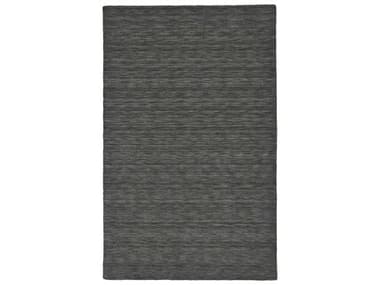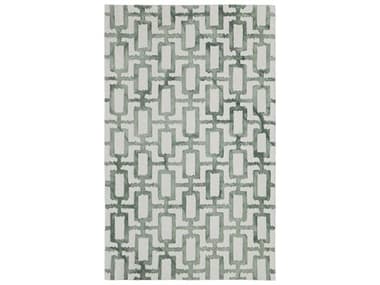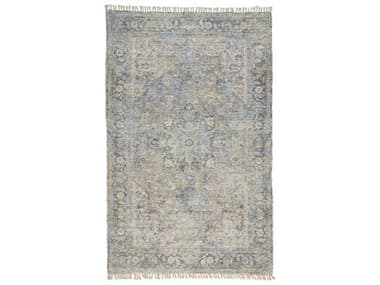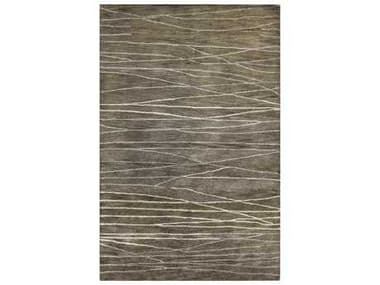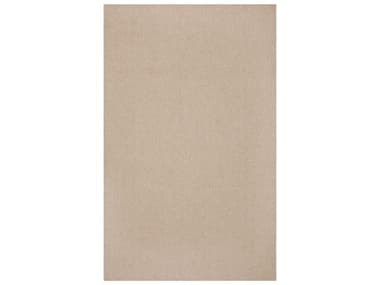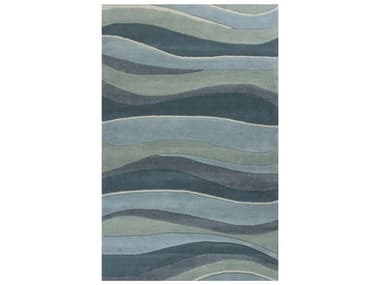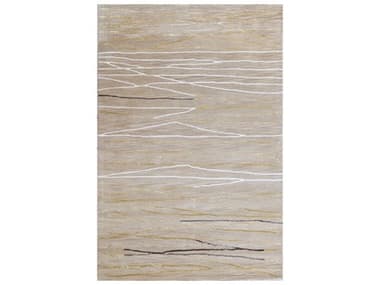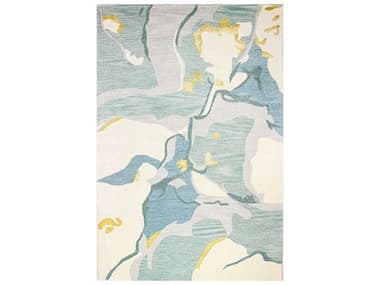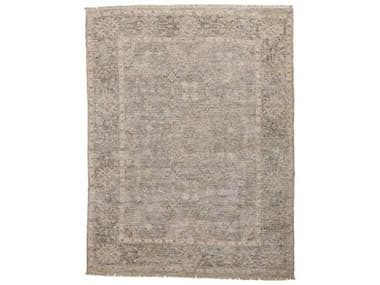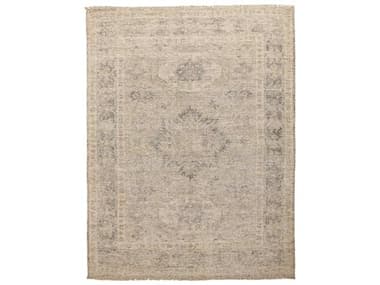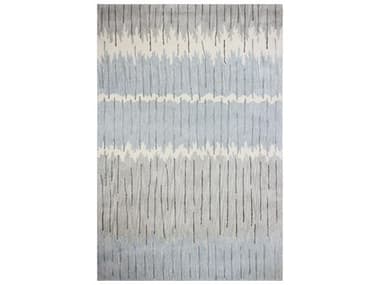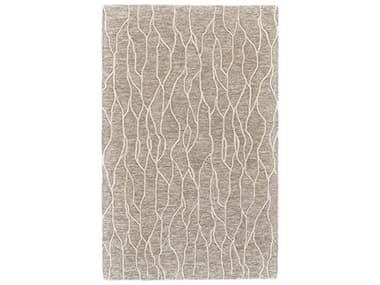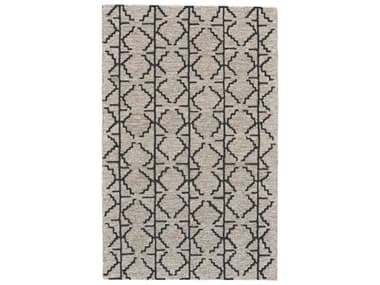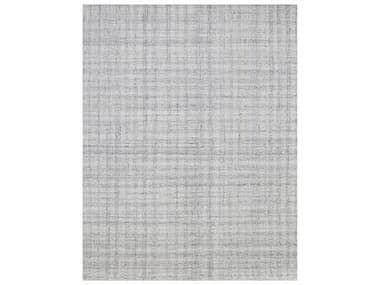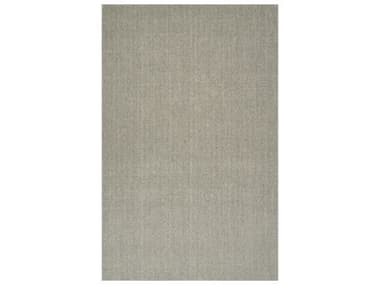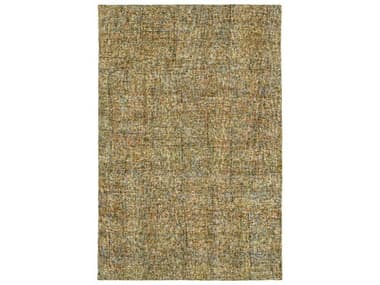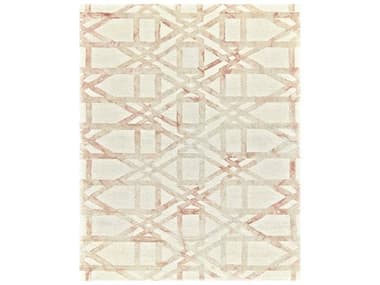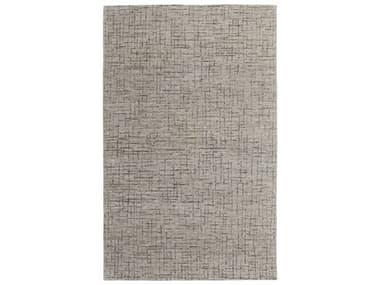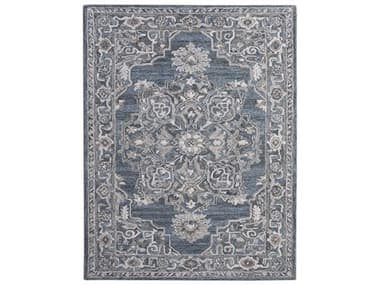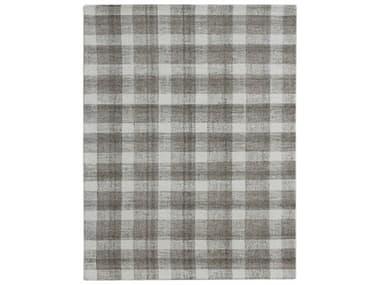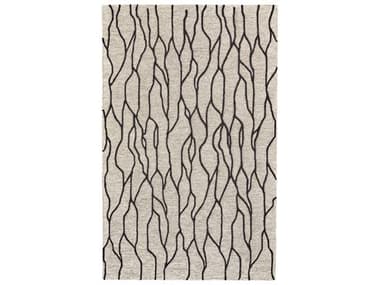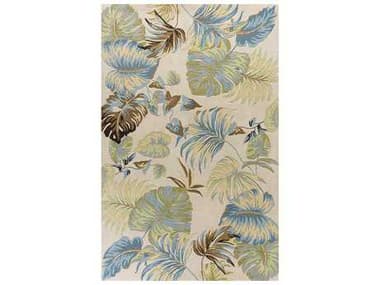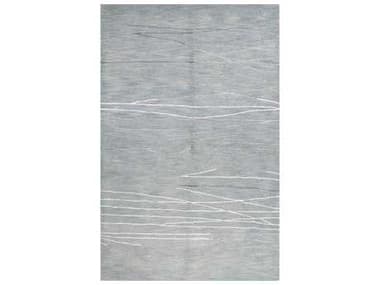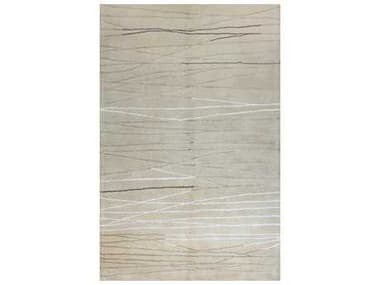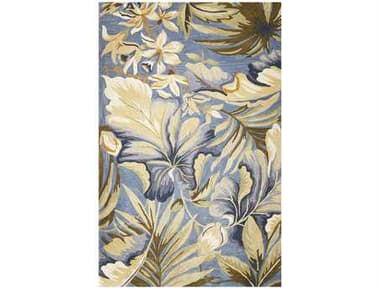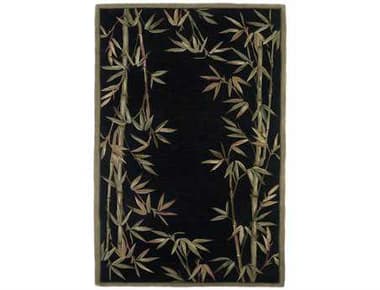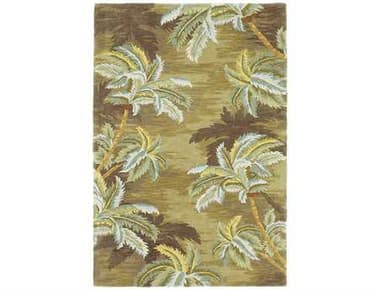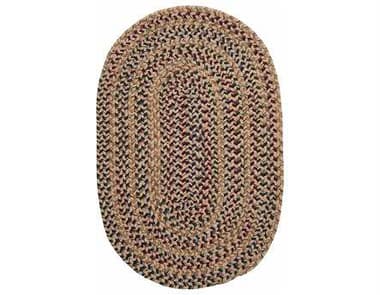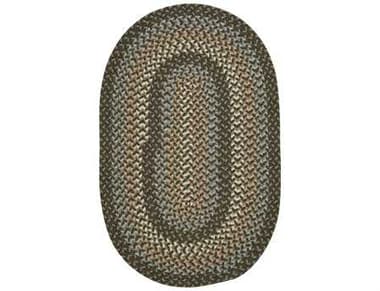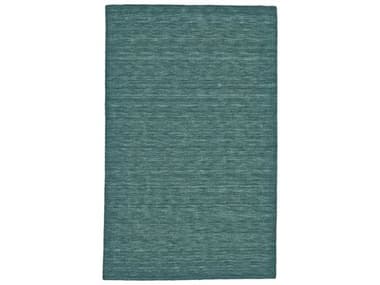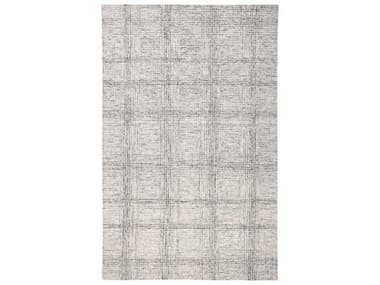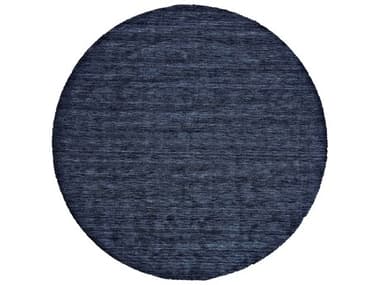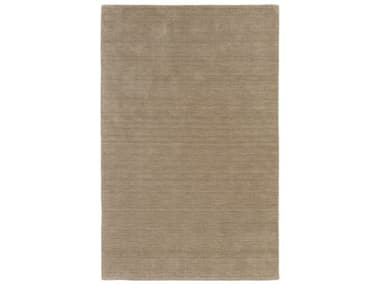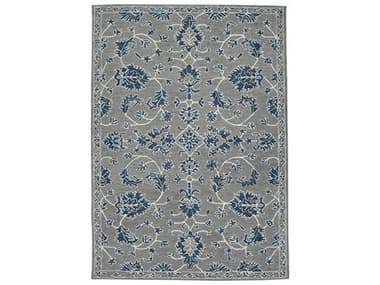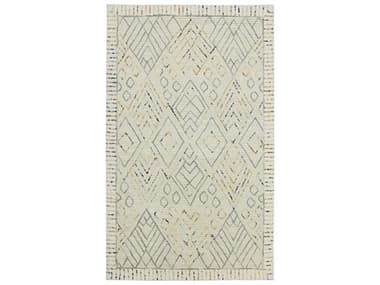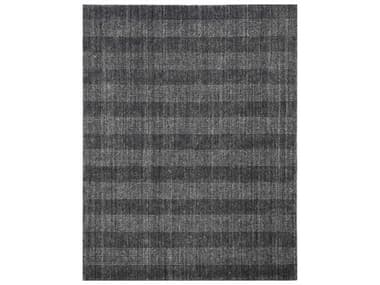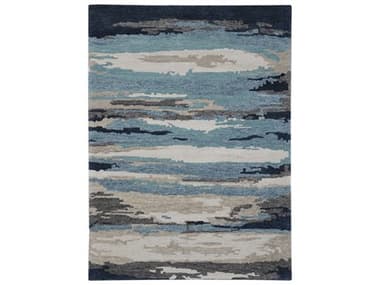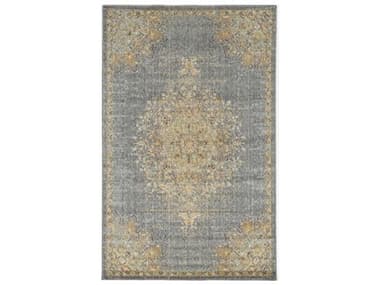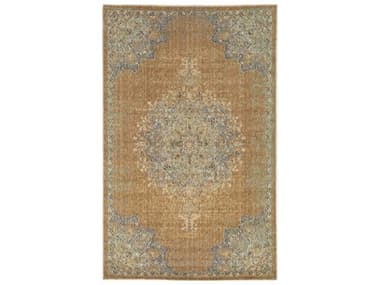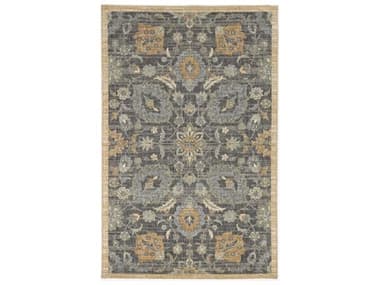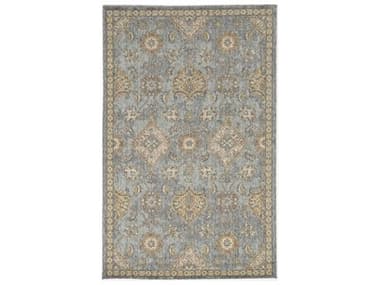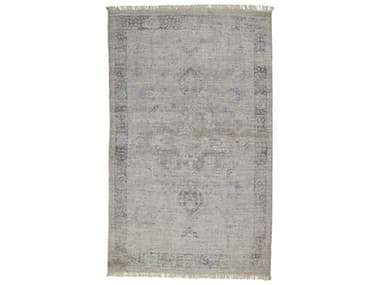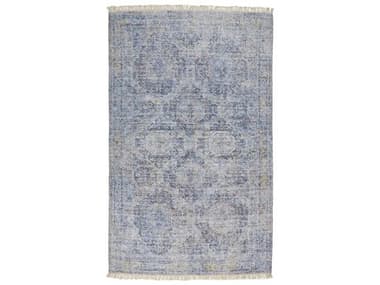


When someone suggests a woolly rug, there are lots of great options to choose from. It won’t feel like that super cozy sweater you wear in the dead of winter that’s a little itchy but so wonderful when the temperature drops beneath freezing. Most genuine Karastan and Oriental rugs are wool rugs. It is the most frequently used natural carpet material. You can shop LuxeDecor for more than 4,500 choices in wool carpet options to add to your décor.
Measure your room before purchasing a wool throw rug or woolen floor rugs. You need to determine the room size, so you can choose the appropriate size and shape of these rugs. The options at LuxeDecor range in size from skinny runners to room sized rugs. This lets you focus on the design and color since we offer numerous sizes.
You can easily fill a large space with these rugs creating a focal point in a room or you can pull together the seating arrangement in a room using one of these contemporary wool area rugs. In the case of smaller rooms, you can use these quality wool rugs as wall to wall carpet. You can find these in standard rectangular and rounds, as well as geometric shapes that provide visual weight. You can use a geometric rug with multiple colors to tie together the color palette of a room or to introduce texture with a woolen rug. These rugs make ideal accent rugs, or they can serve as a stage for furniture, such as placing a larger area rug under a furniture grouping. You can add punch to the décor and add vibrancy to a room by choosing a contrasting color rug.
A print rug makes a great focal point when you pair it with solid colored furniture. Using a print wool rug that matches the furniture in the room creates balance.
One of the main advantages of wool rugs is that their natural fibers provide for simple cleaning. You can typically spot clean these carpets and vacuum them. You will also need to periodically have them professionally cleaned.
Consider the colors and pattern of your existing décor. You can find geometric, floral, and Oriental designs. You can also find solid color rugs in every primary color and many offshoot hues and shades.
Choose from three types of wool at LuxeDecor. The type refers to the method of manufacture of the rug:
Consider the room in which you want to use the wool mats. Small wool rugs work well as accent rugs or throw rugs in any room shape. Regardless of what color you have painted the walls you can use neutral wool rugs. These work well in any bedroom, entertainment room, Florida room, sunroom, greenhouse, or gazebo. Remember that to use a wool rug in a gazebo or on a patio or deck, you need to purchase an outdoor rug treated to withstand the elements.
The wool living room rugs in this collection range in size from 4x6 wool area rug options to 9x12 wool area rugs. You can use one under the coffee table to protect your floor from scuffs. You can also use the largest option under the dining table. You can use them under a conversation or dining area to define the space. Most of these rugs you can fit a loveseat and coffee table onto with another chair. You could also use these rugs beneath a dining table. When you use them under a dining table ensure that you leave at least 18 inches behind the chair, so that when an individual steps back from the table, their chair remains on the rug. Also consider the following:
Whether you want to use wool area rugs underneath a loveseat in your living room or a large 8’ by 8’ rug under your dining room table, you can find it at LuxeDecor. When you need to shop for woolen rugs online, shop us. Let us help you find the ideal wool rug for your décor!
To learn more about rug material qualities, read LuxeDecor's Rug Buying Guide.
Related Categories
Wool Rectangular Area Rugs | Wool Square Area Rugs | Wool Round Area Rugs | Wool Braided Area Rugs