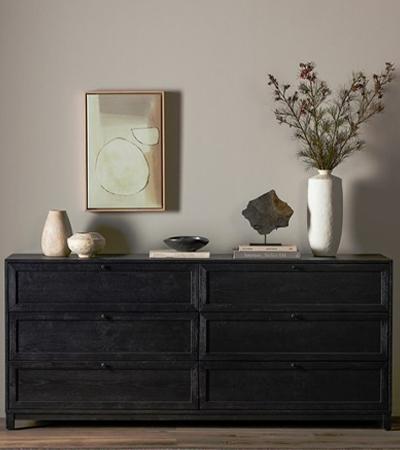
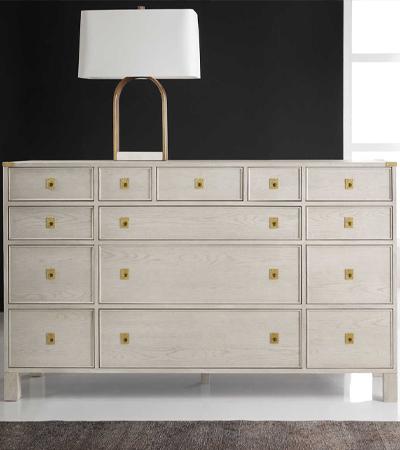
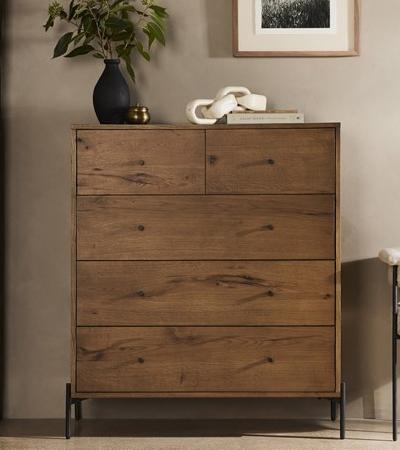
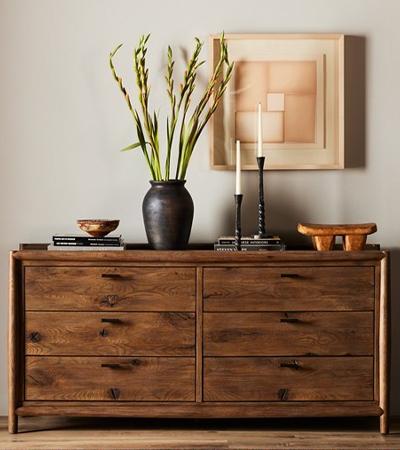
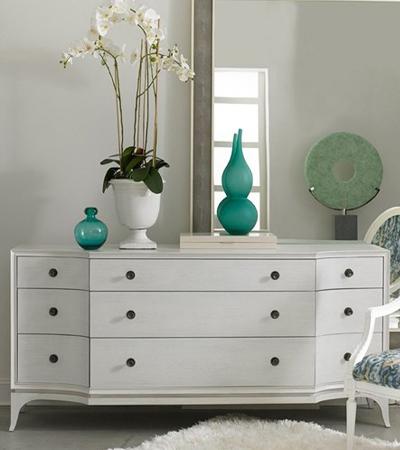
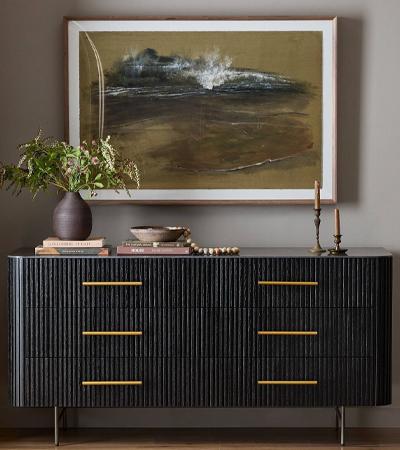
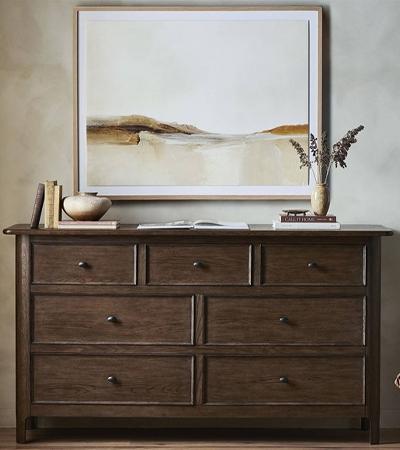
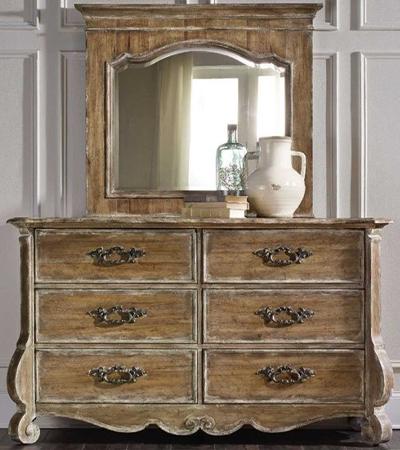
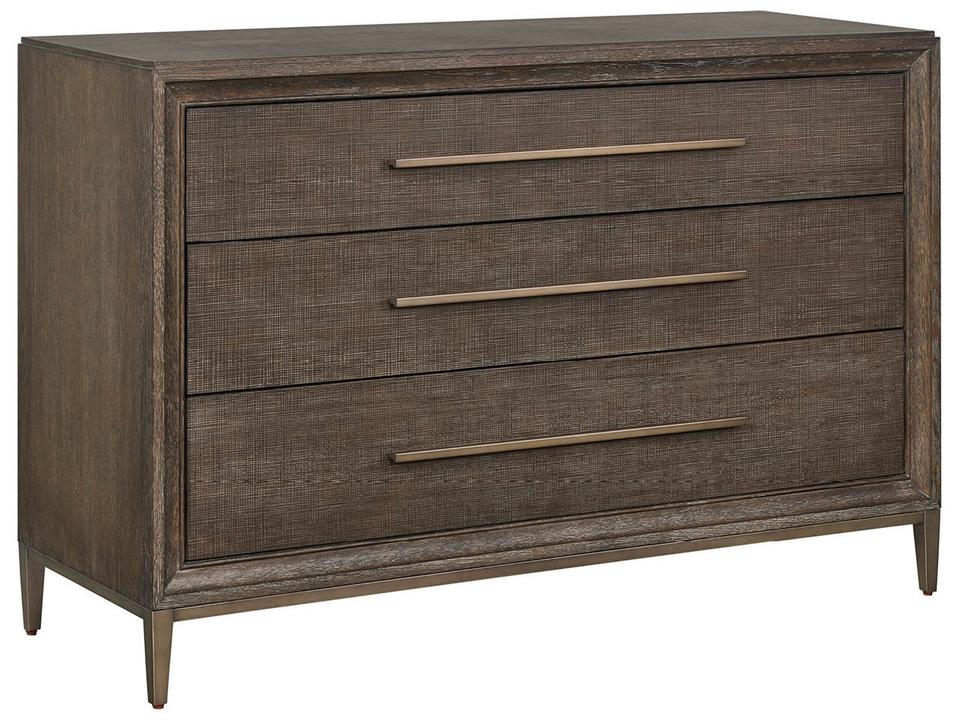
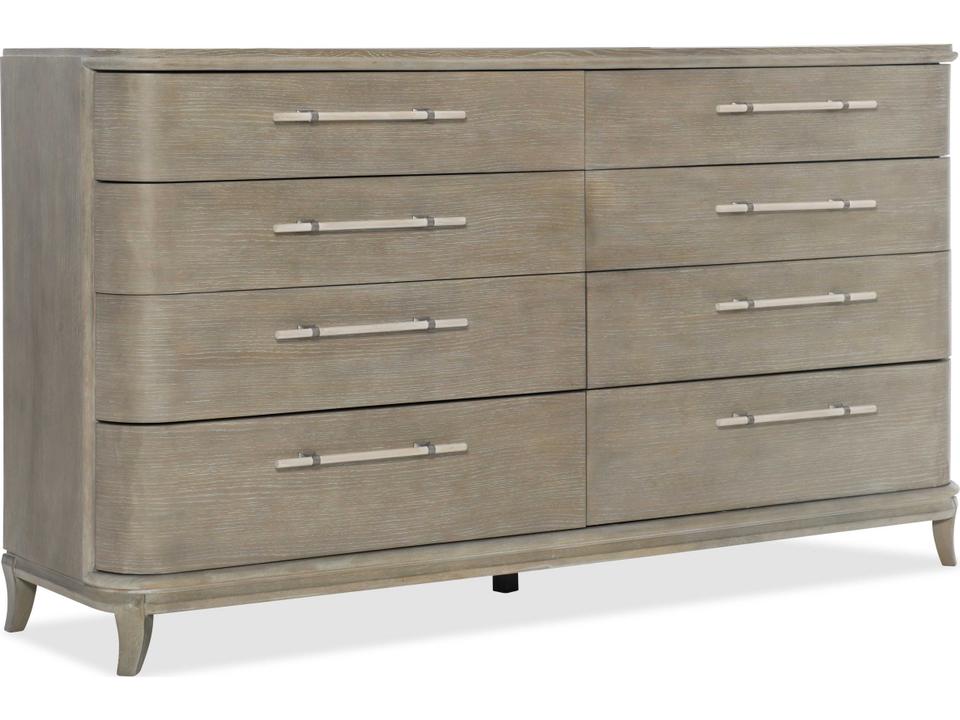
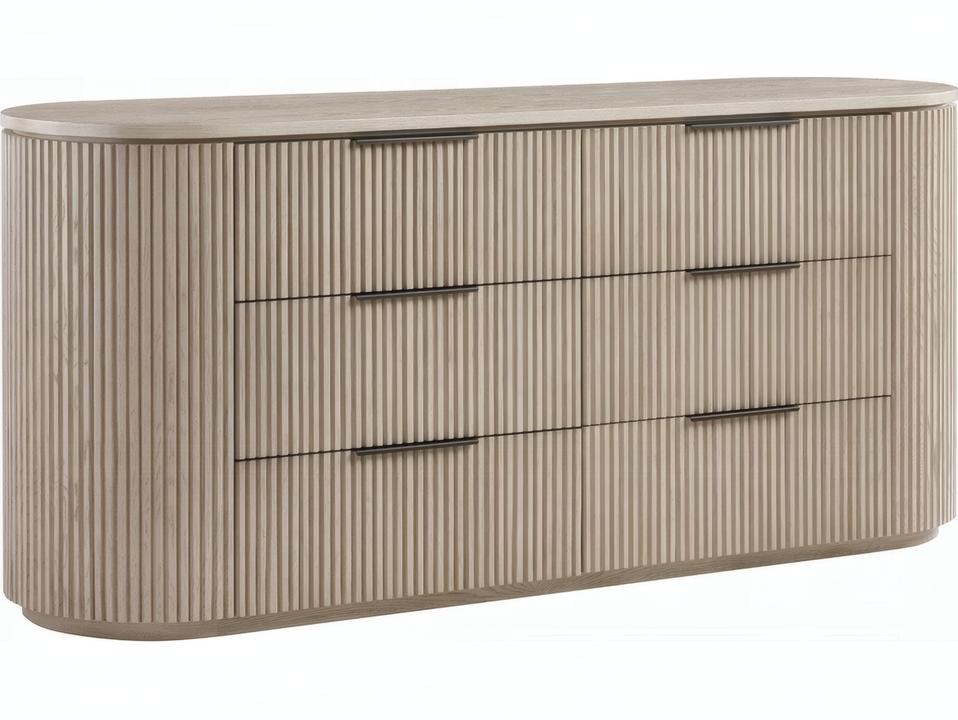
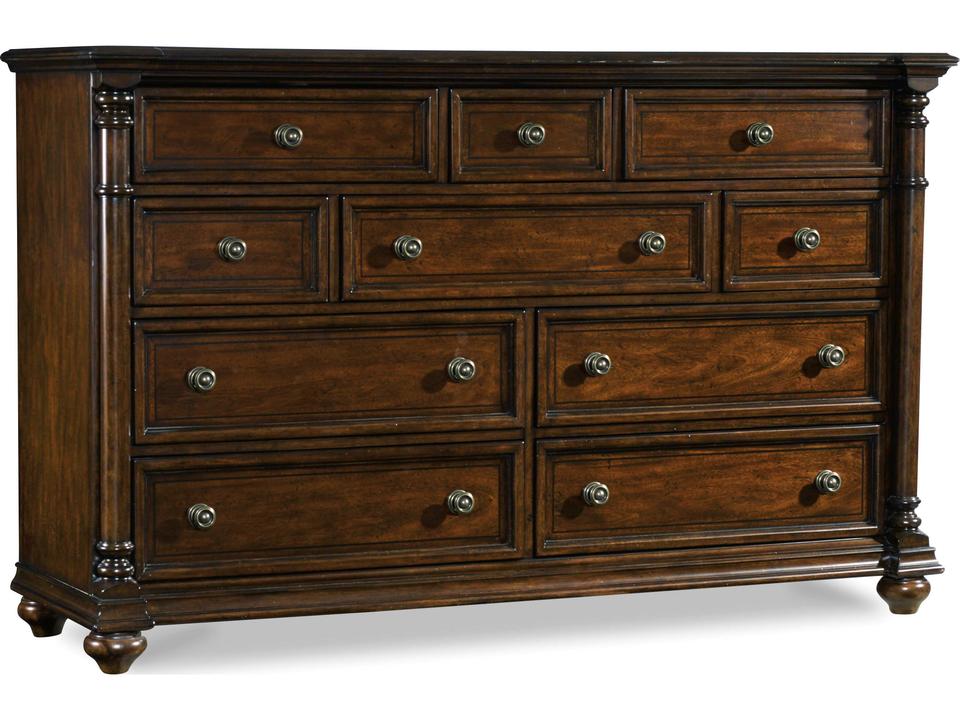
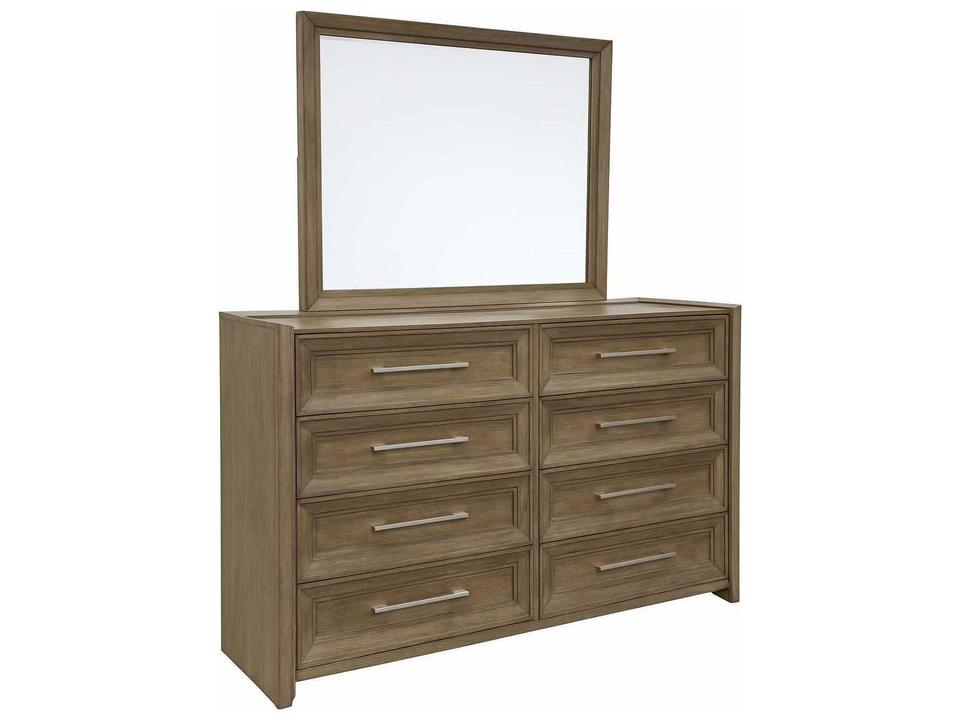
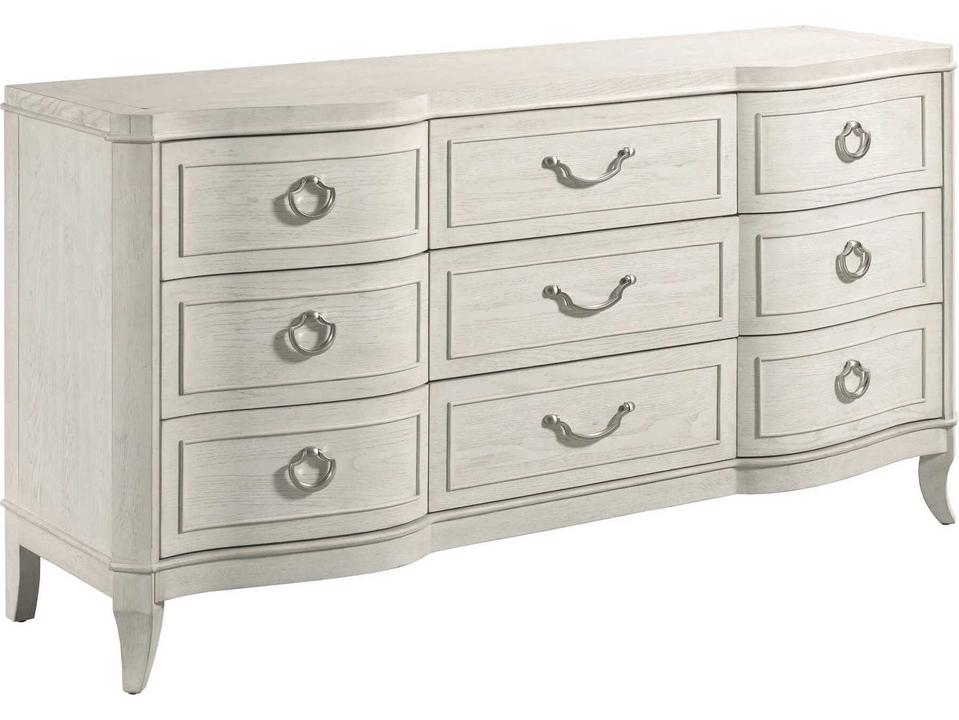
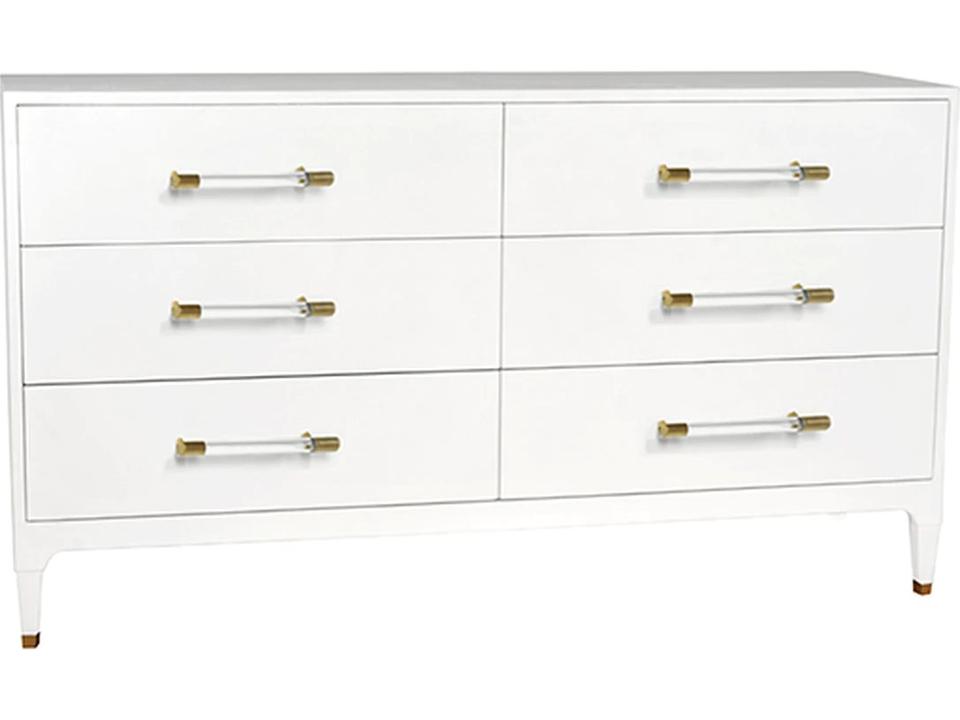
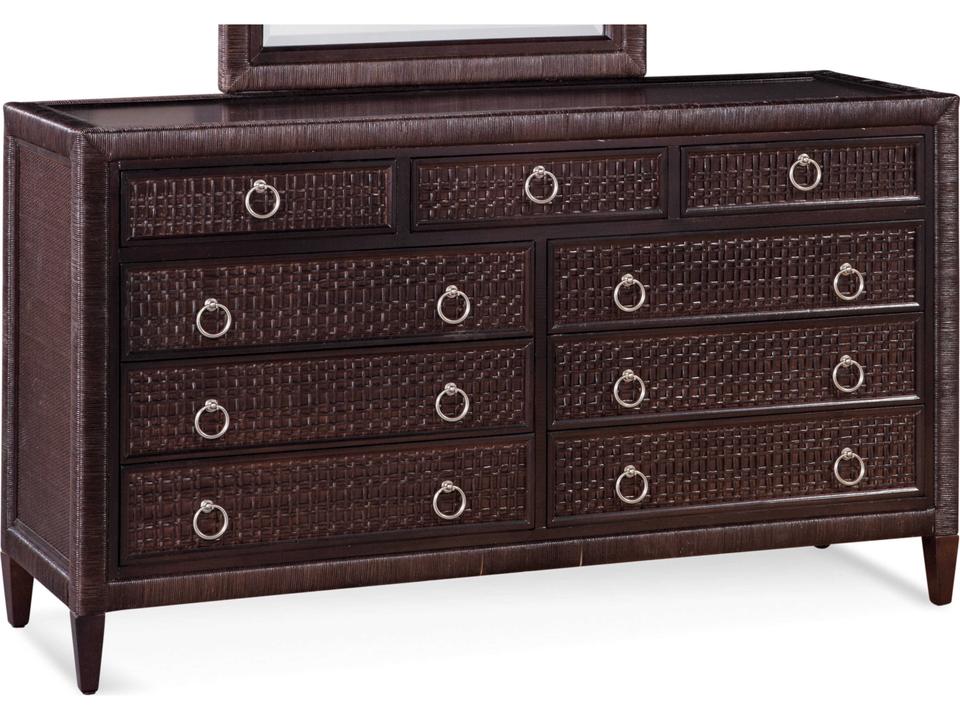
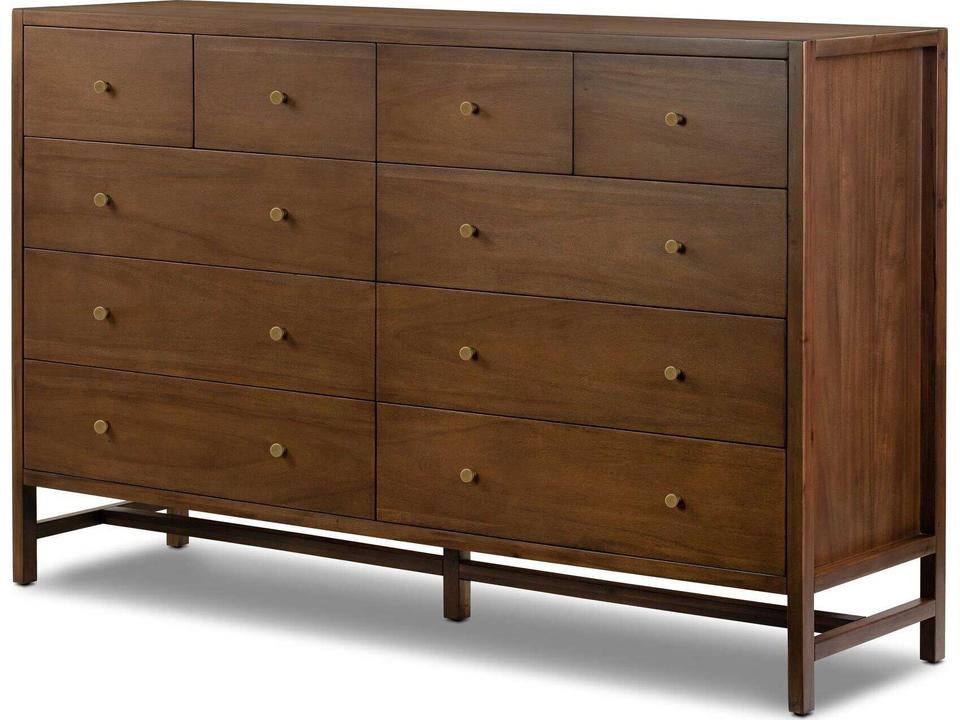
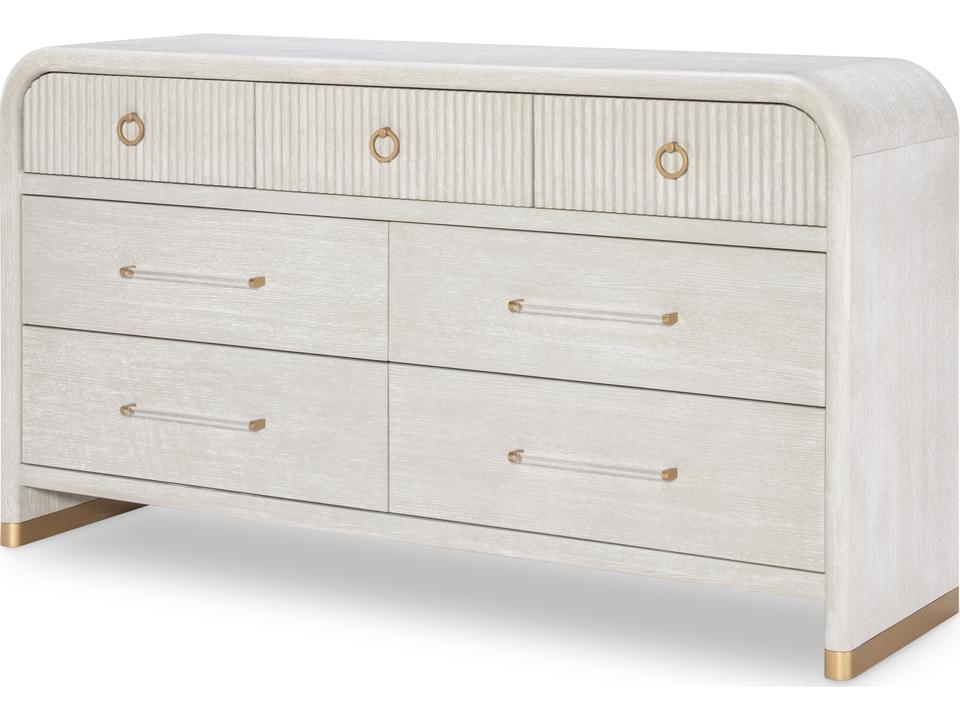
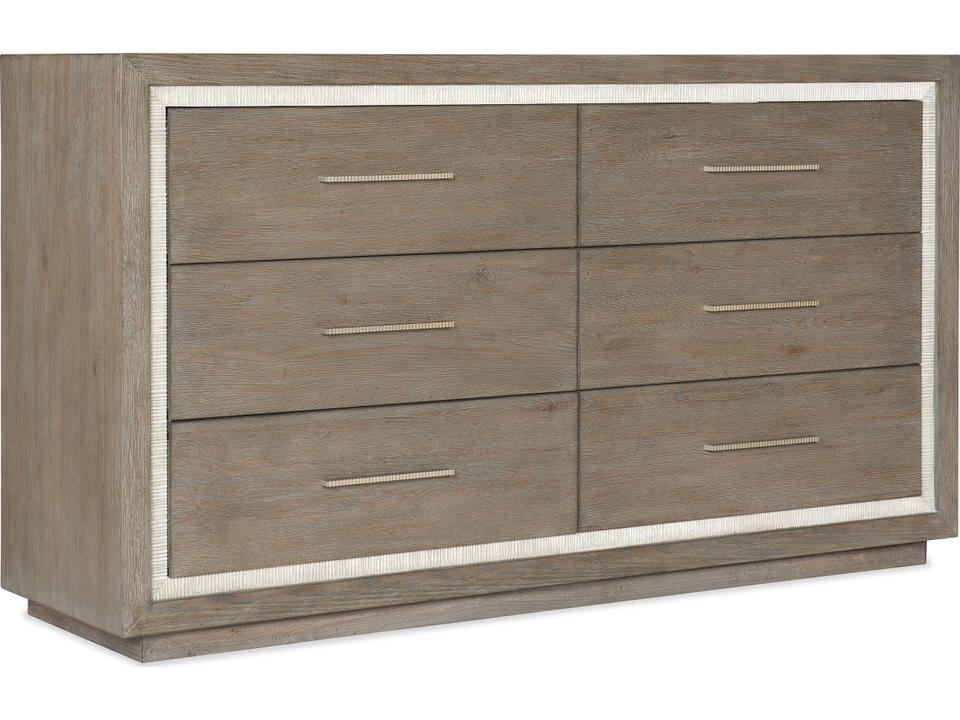
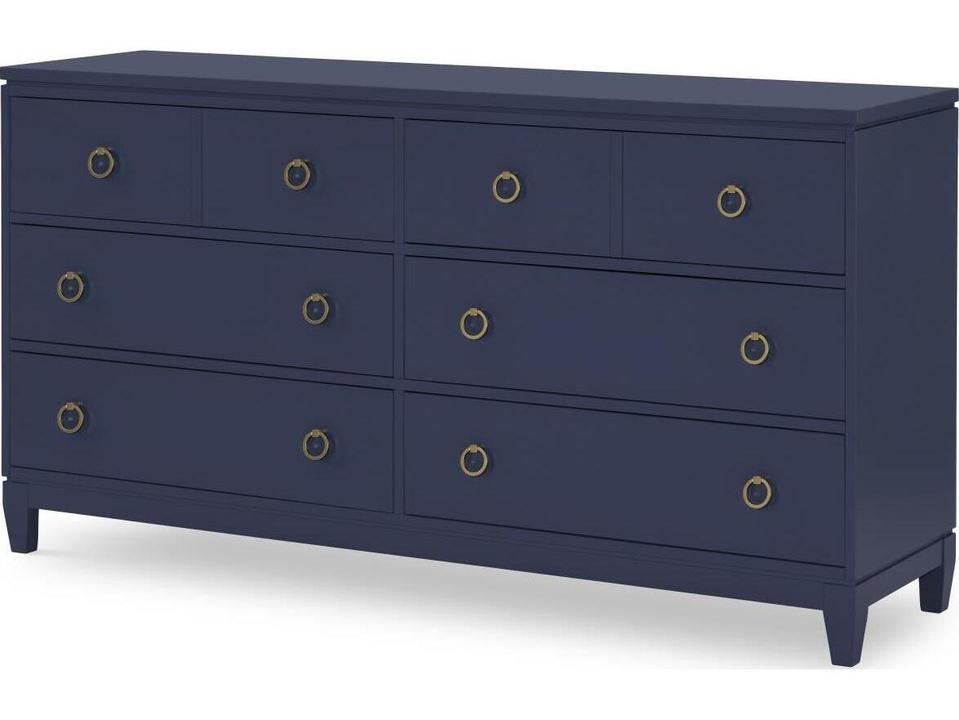
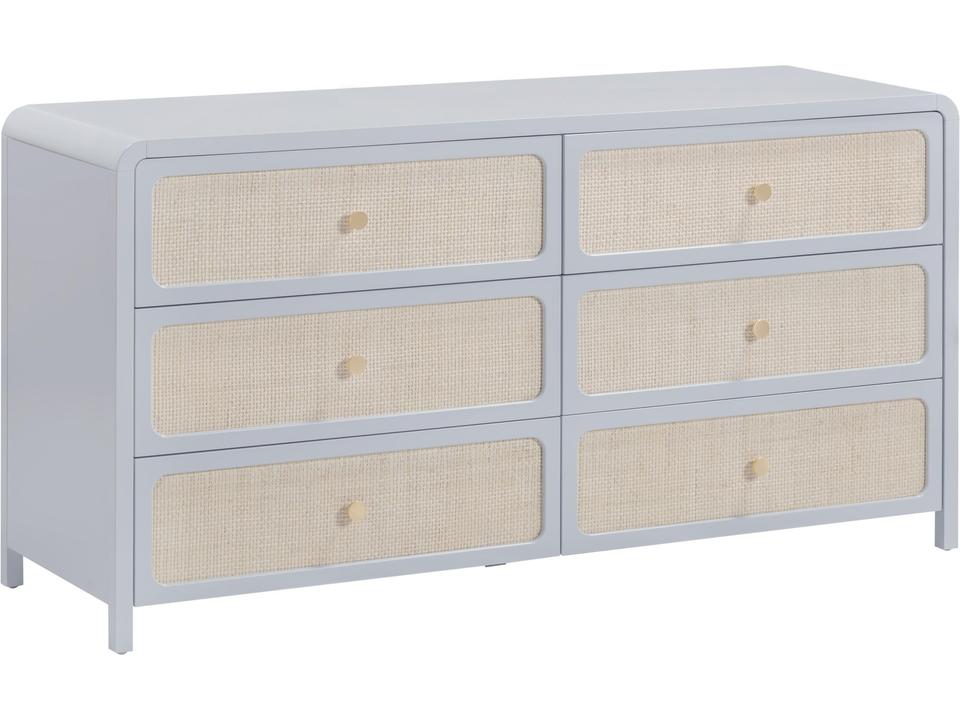
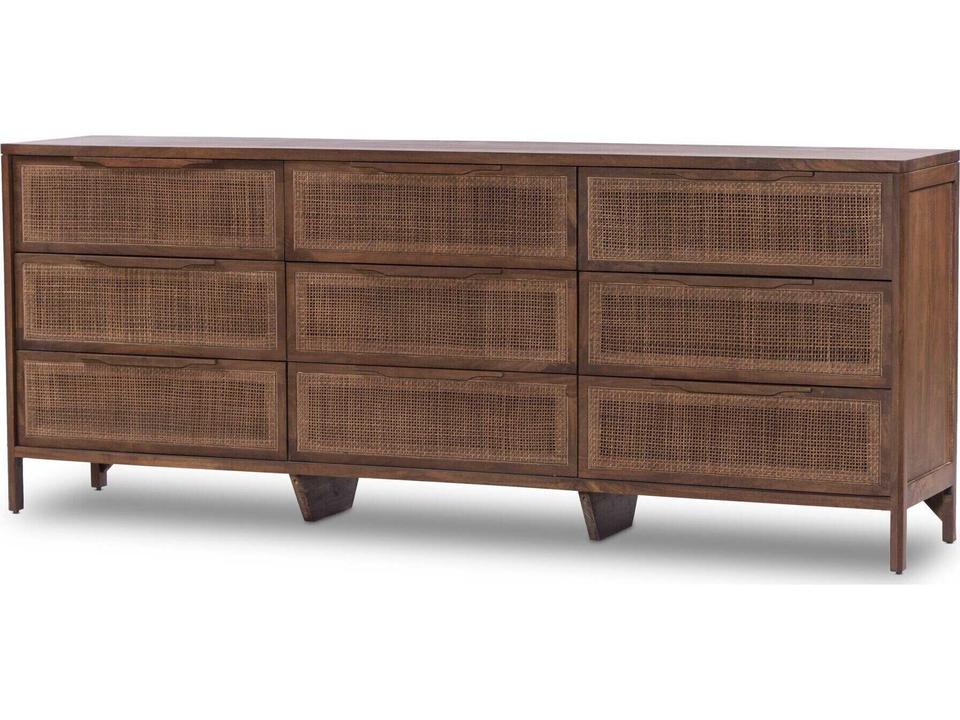
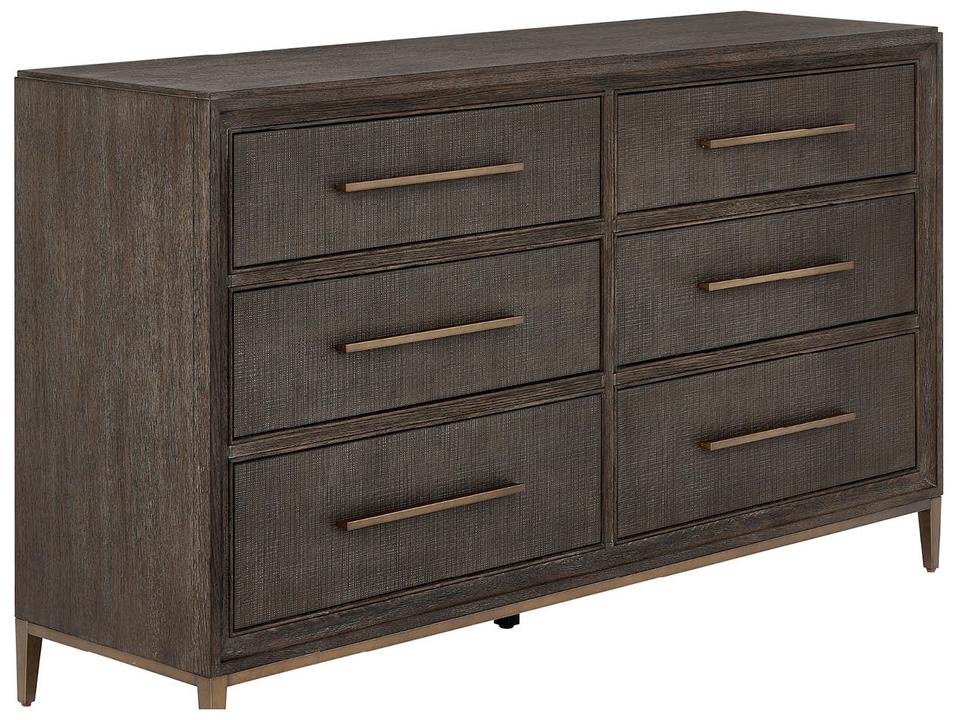
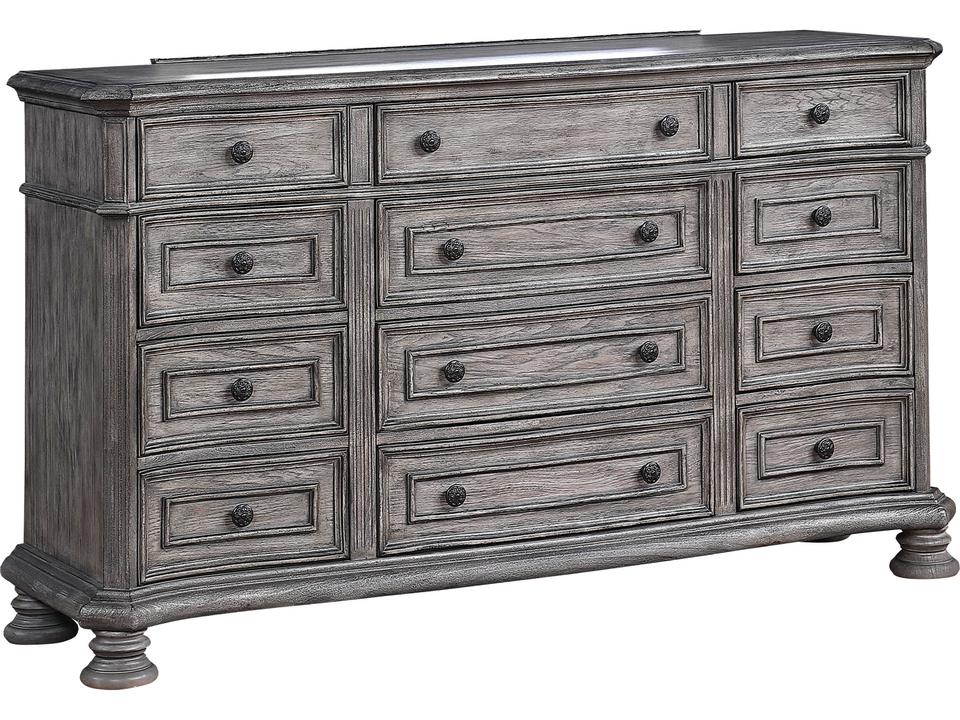
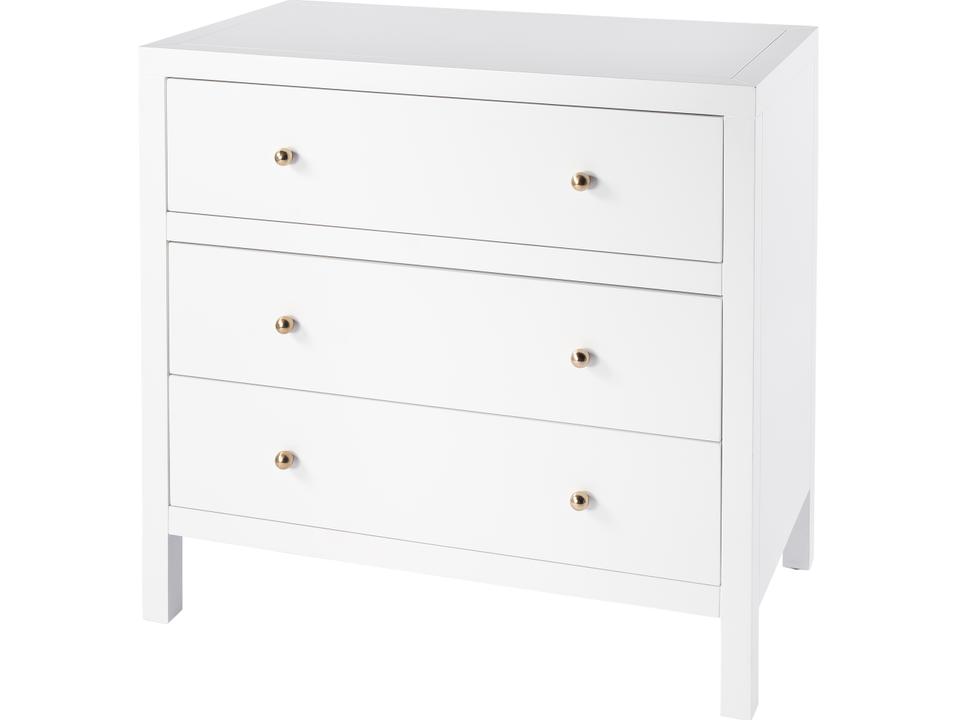
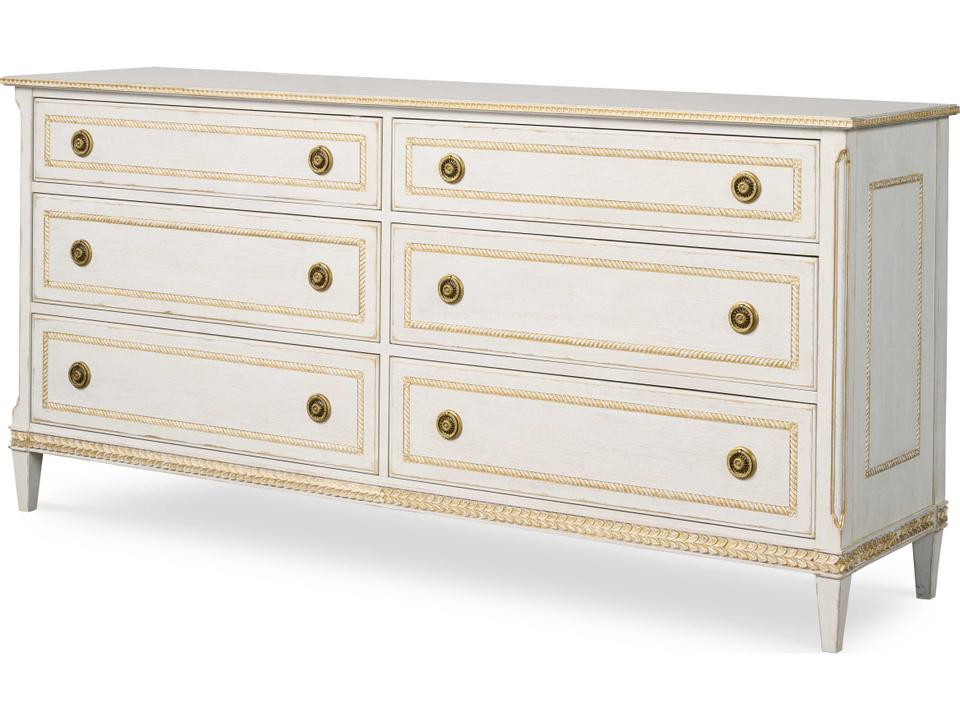
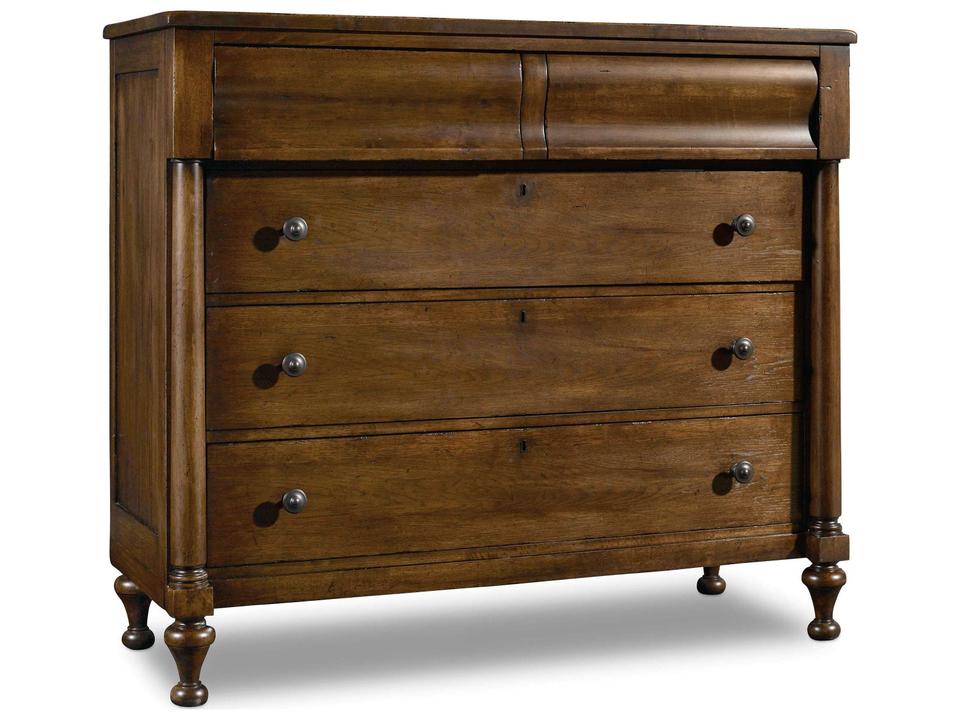
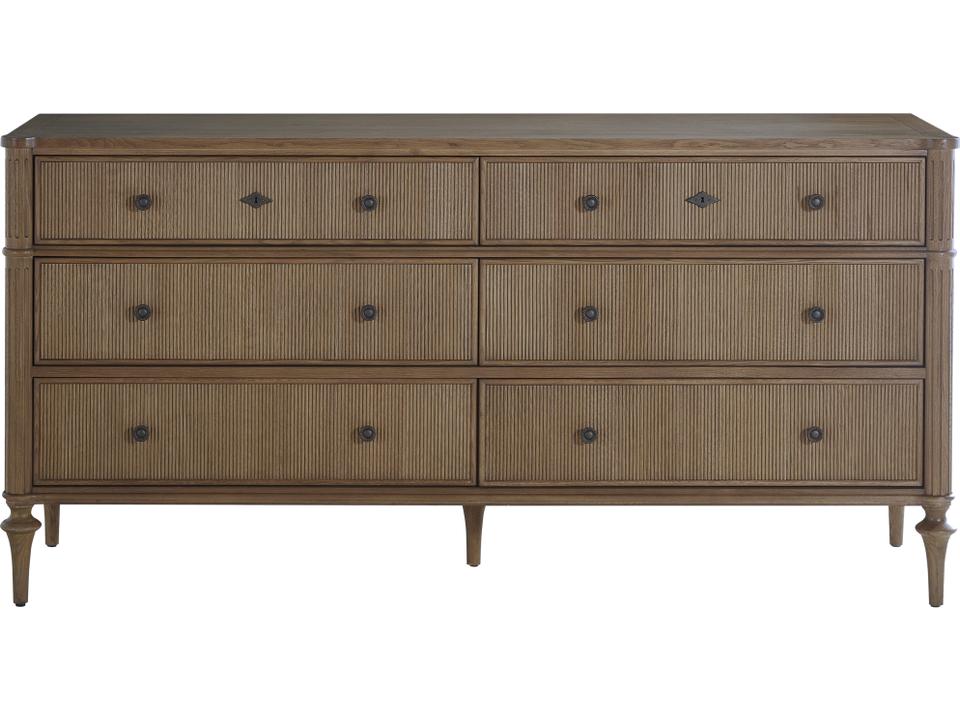
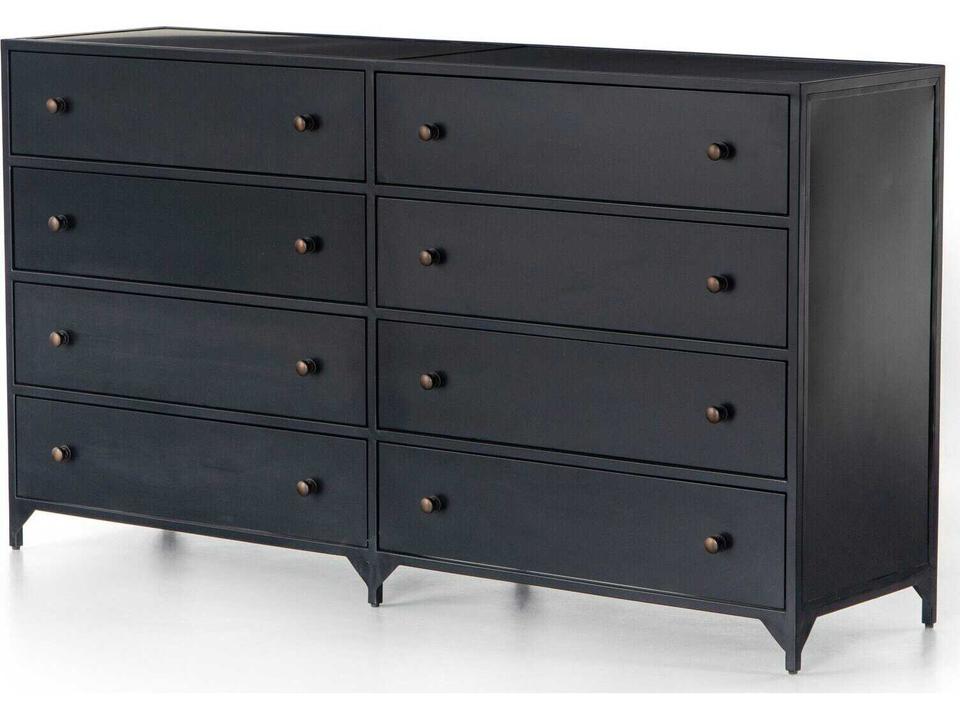
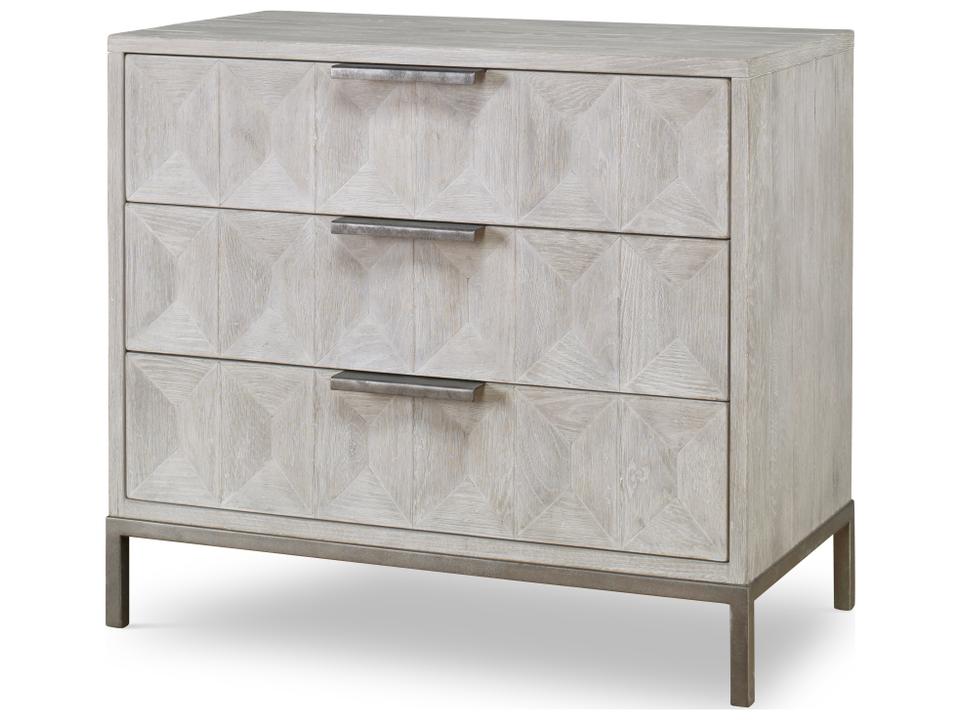
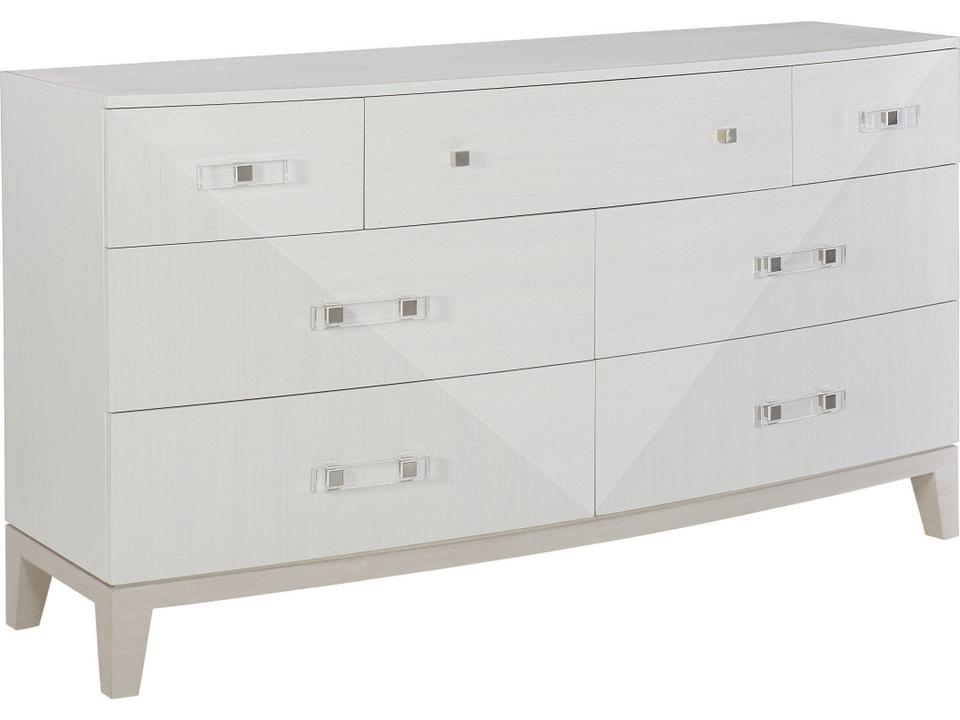
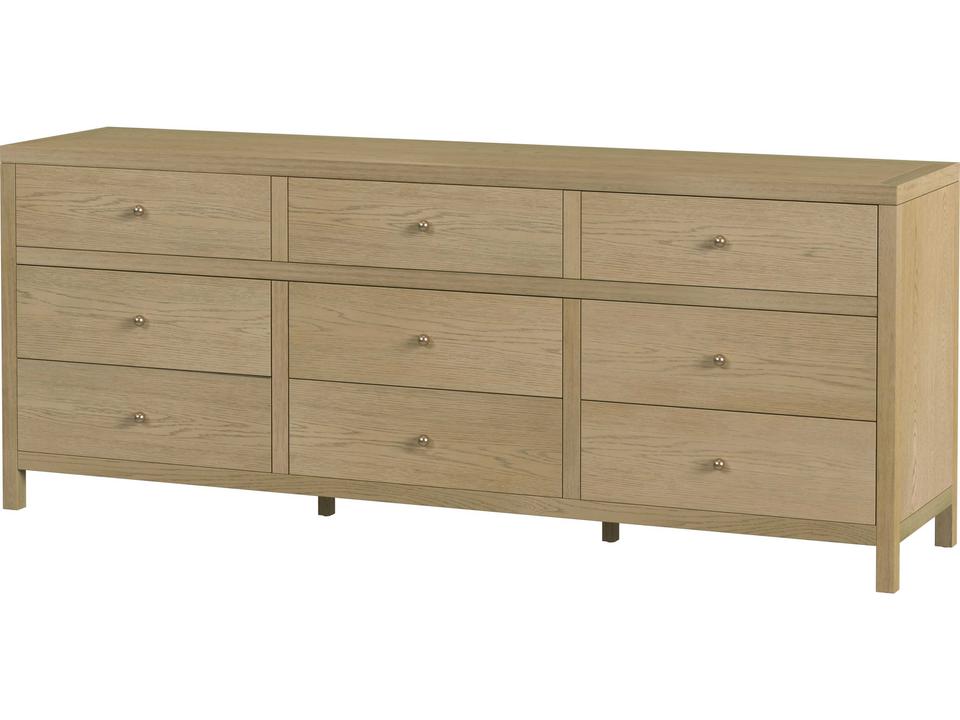
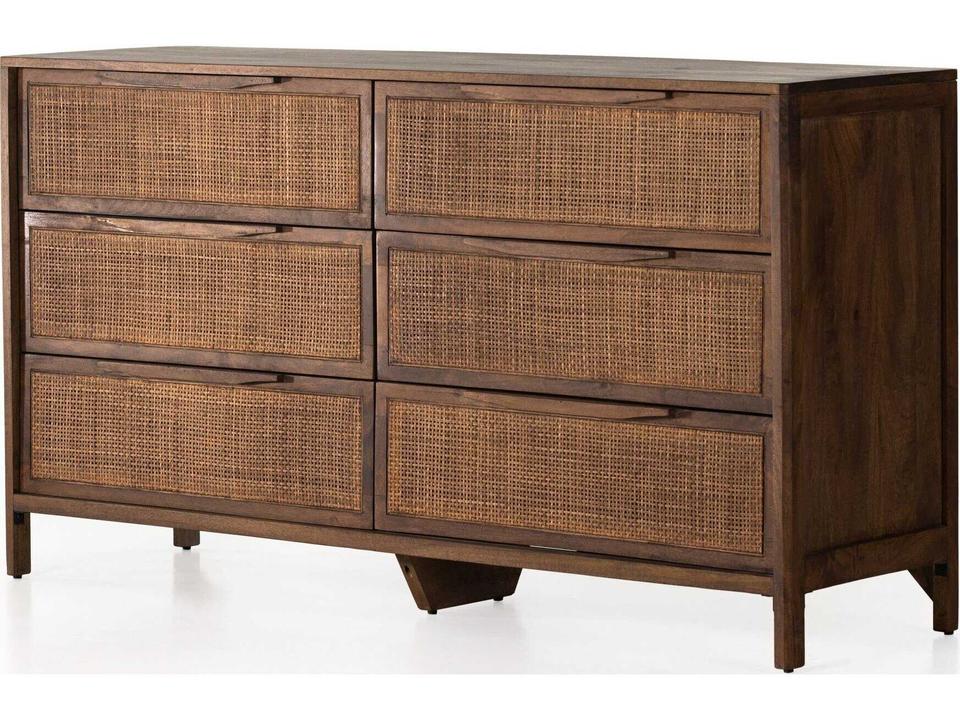
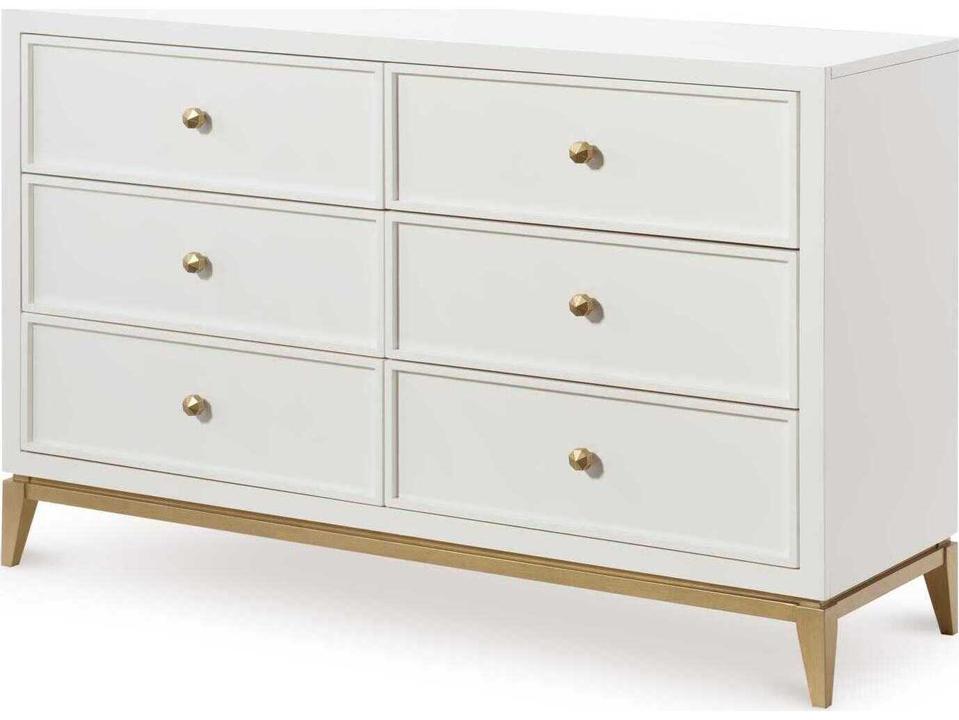
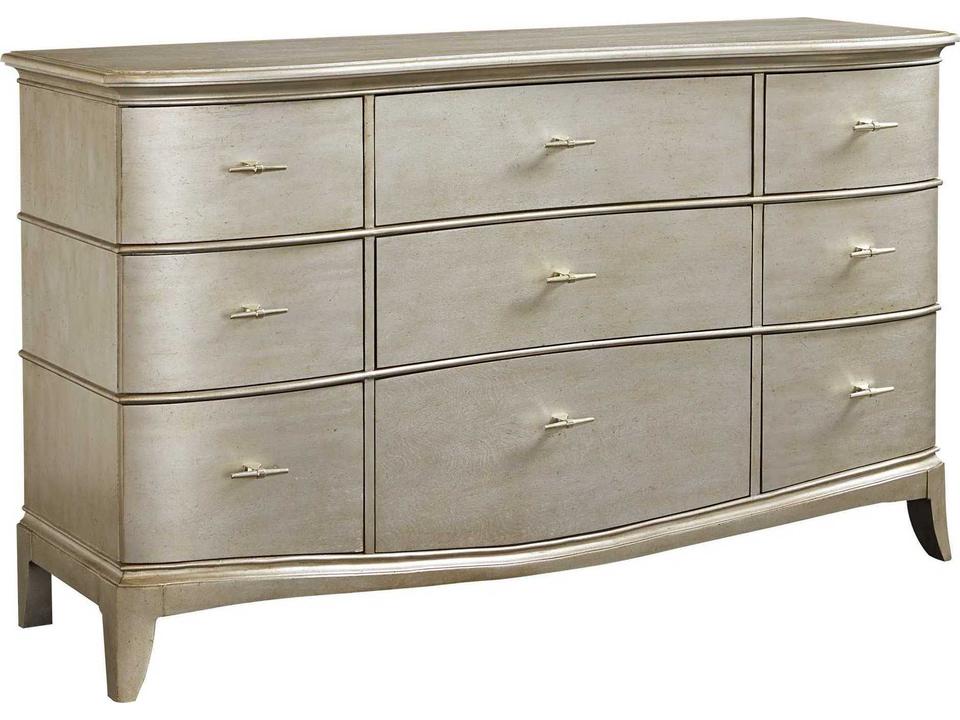
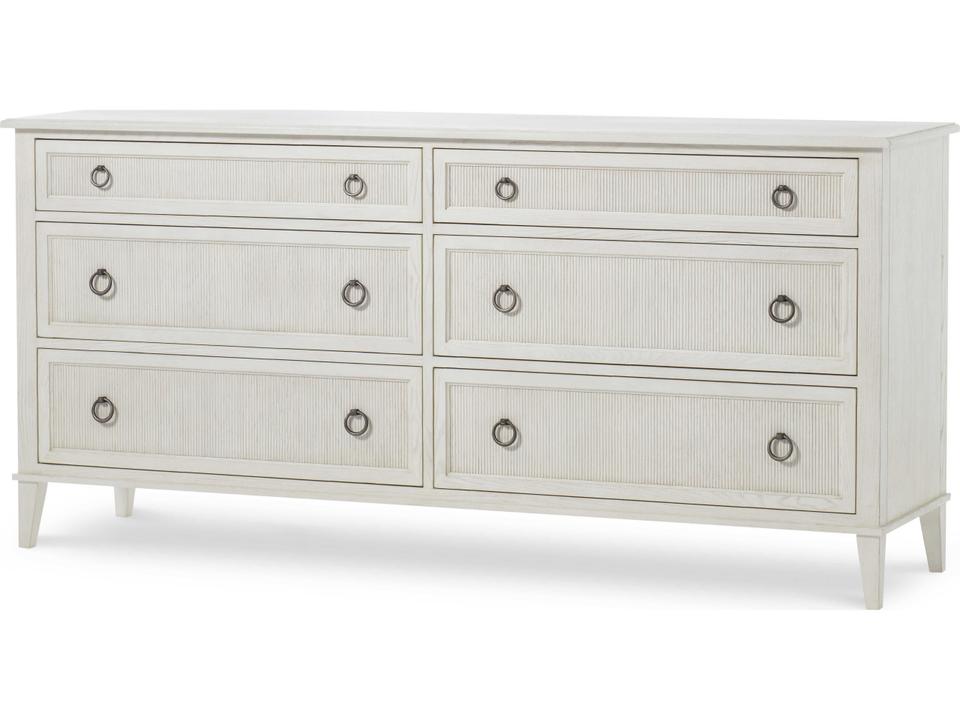
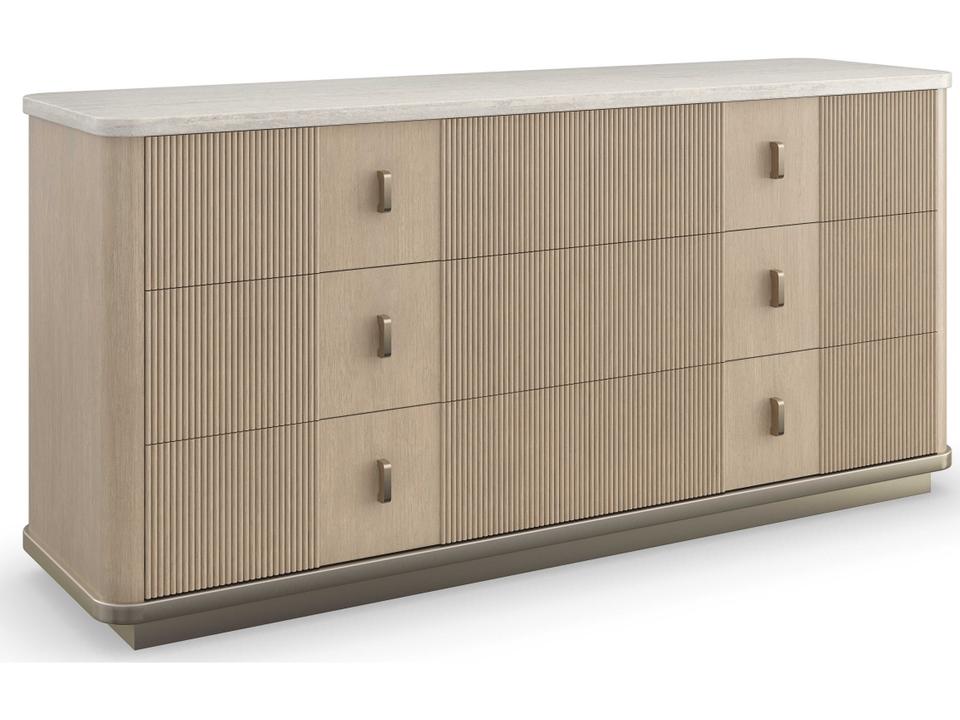
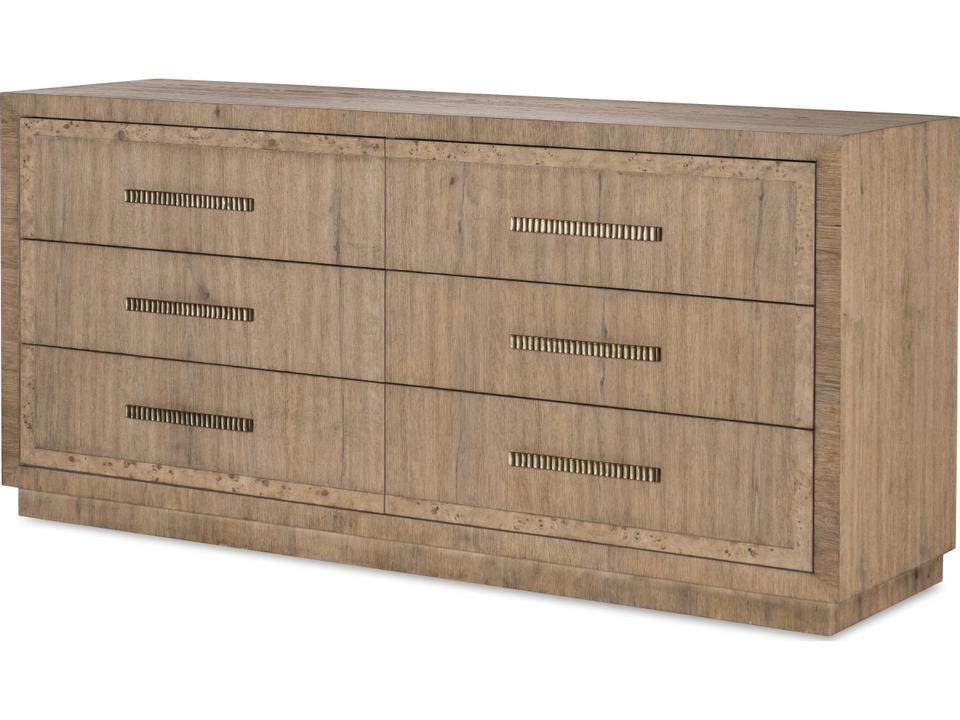
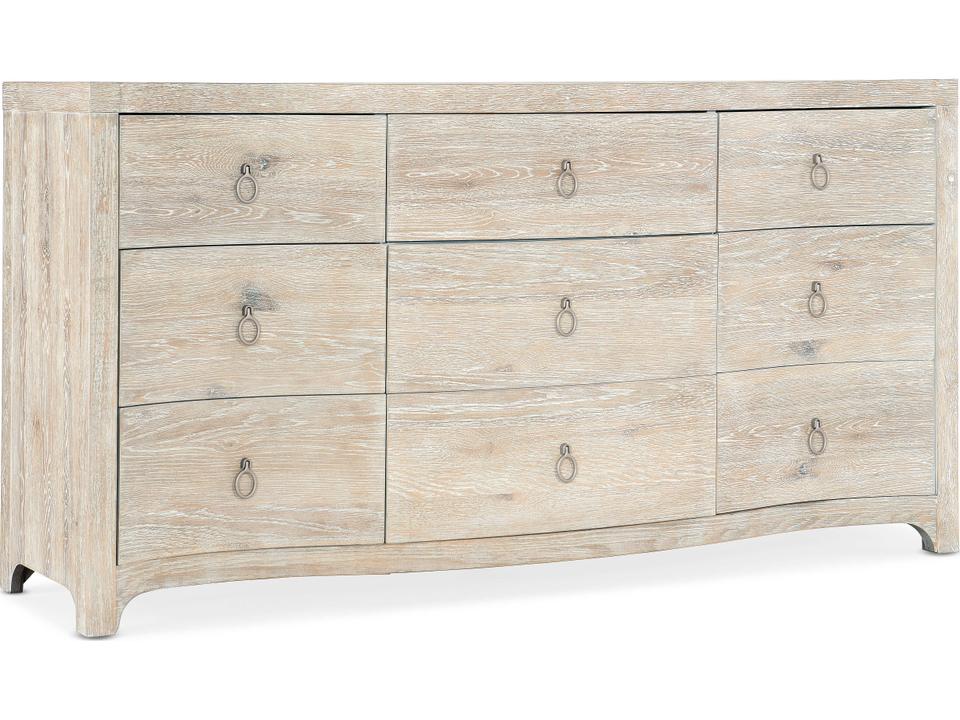
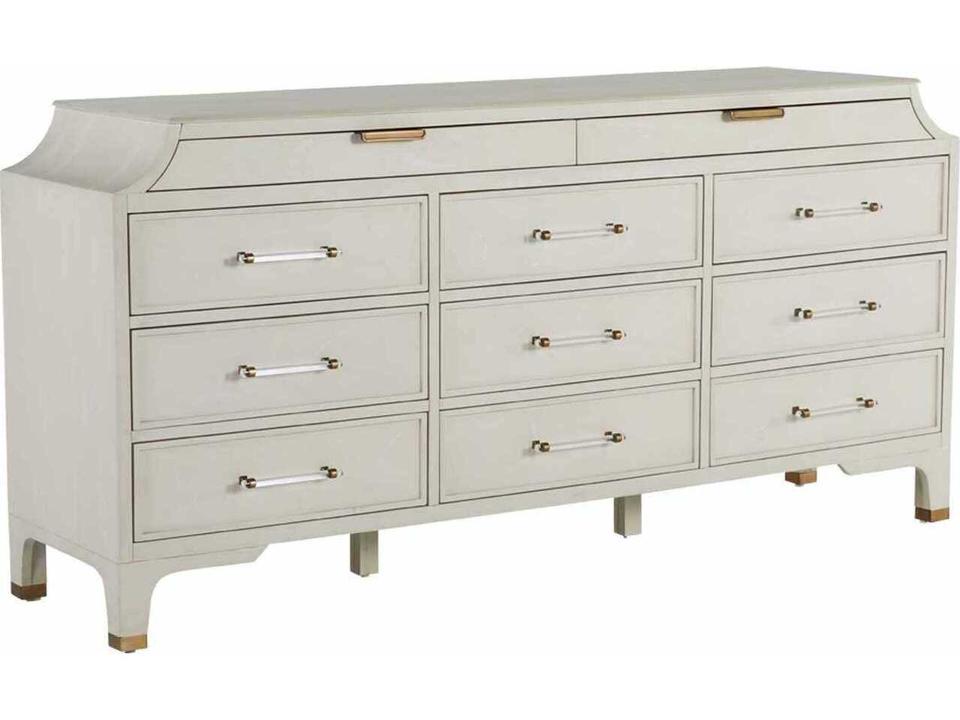
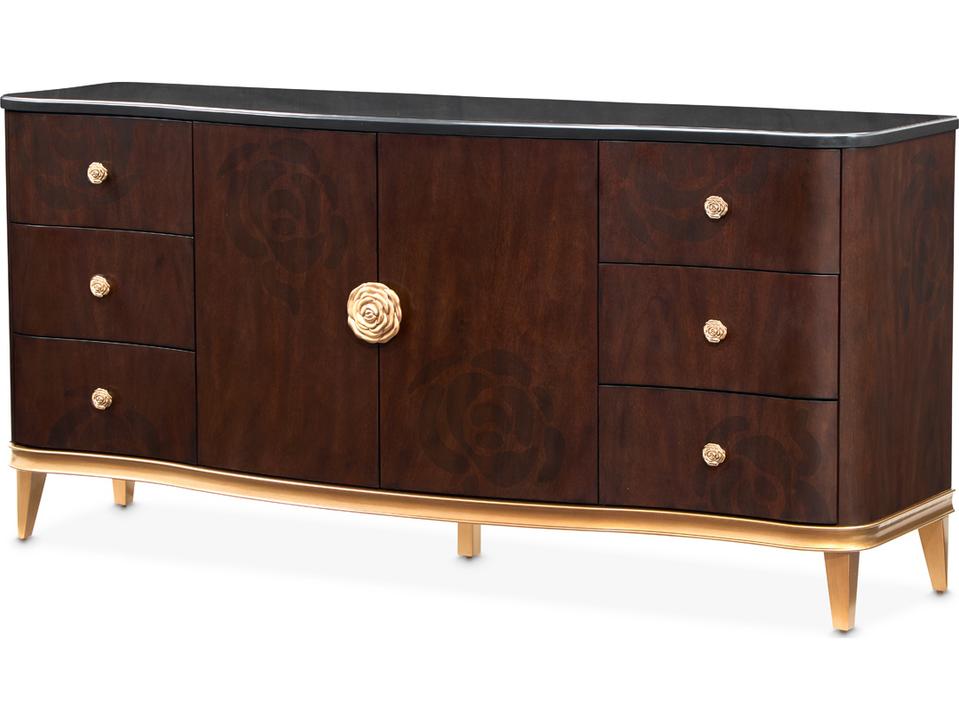
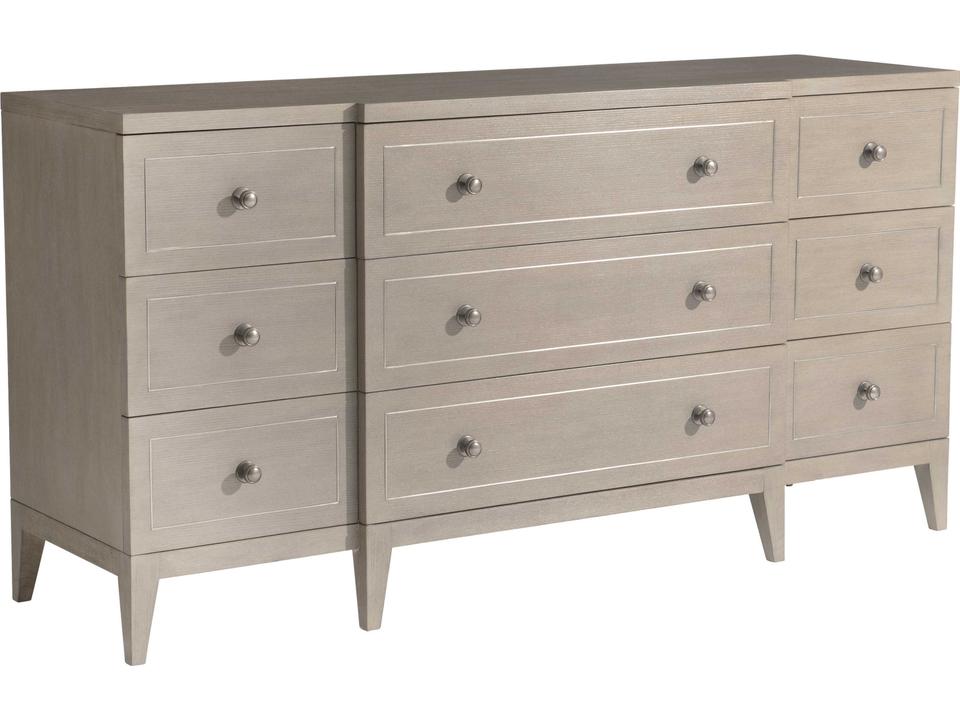
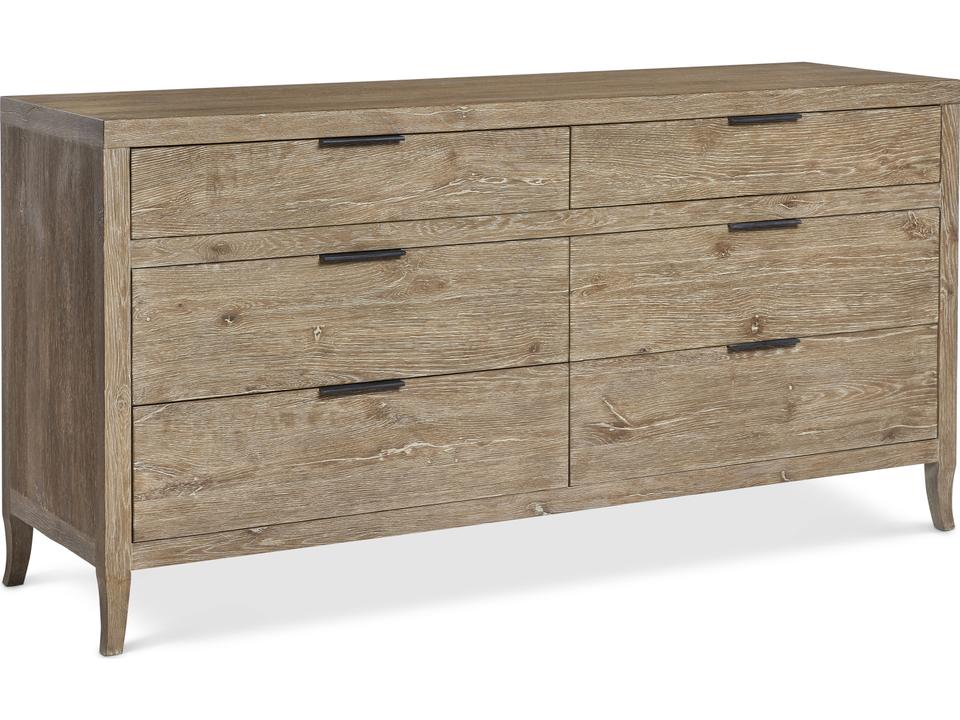
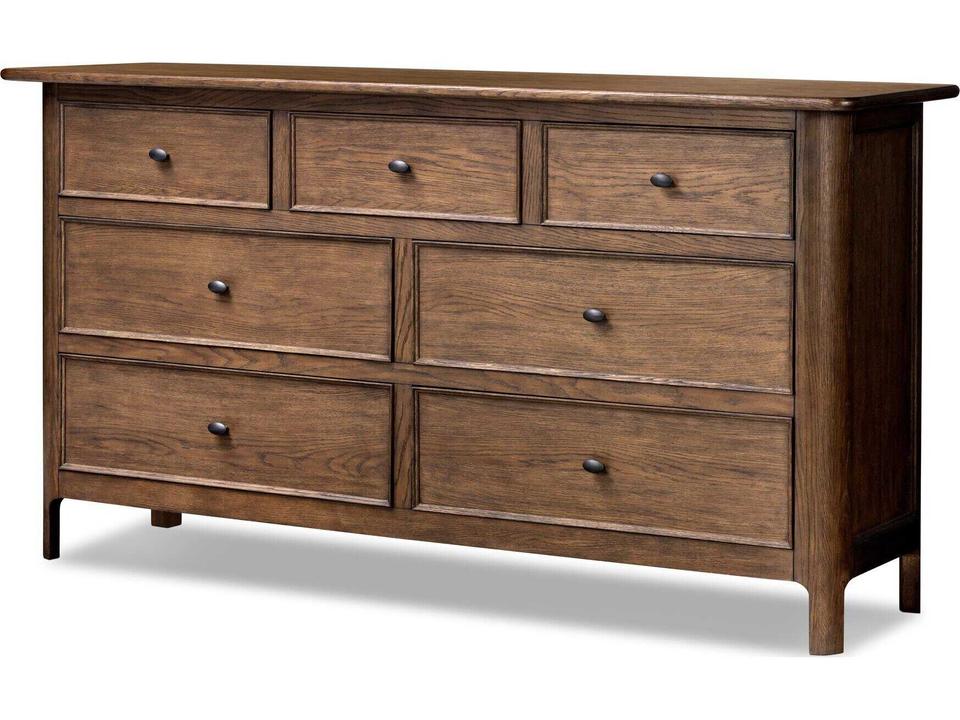
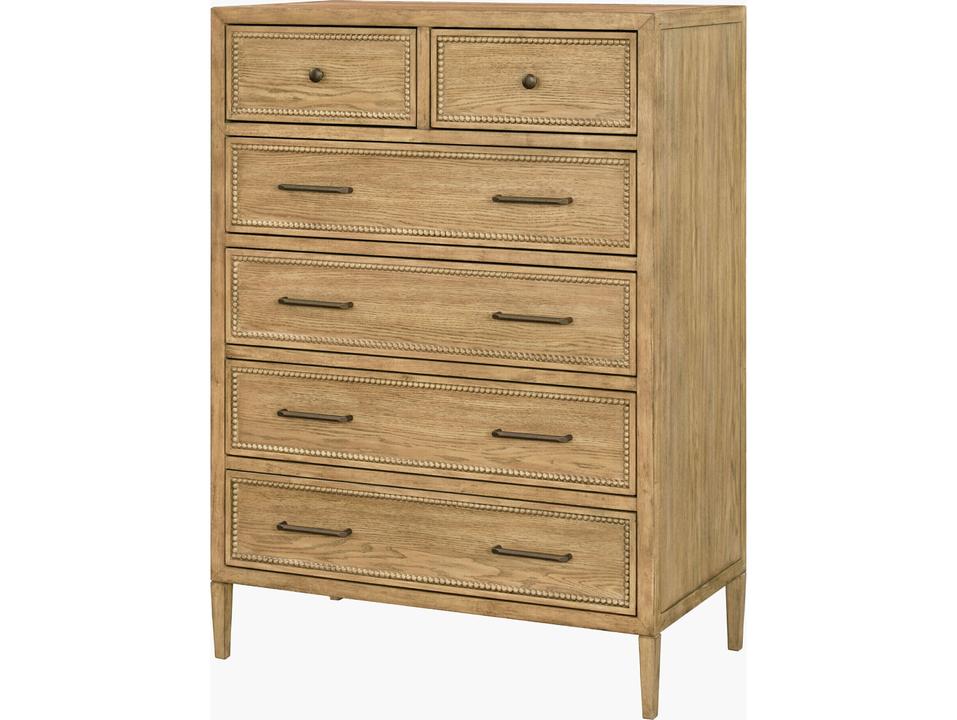
Dressers break down into a few core formats, and knowing which one fits your space saves time. A wide double dresser — typically six to nine drawers arranged in two or three columns — sits low against a wall and gives you surface space for a mirror, lamp, or curated display. A tall dresser (sometimes called a highboy or lingerie chest) stacks five or more drawers vertically, making it the stronger choice for smaller bedrooms or high-ceilinged rooms where you want visual height. Then there are mirrored dressers, which pair storage with a vanity mirror for daily grooming. Each serves a different room layout and daily routine.
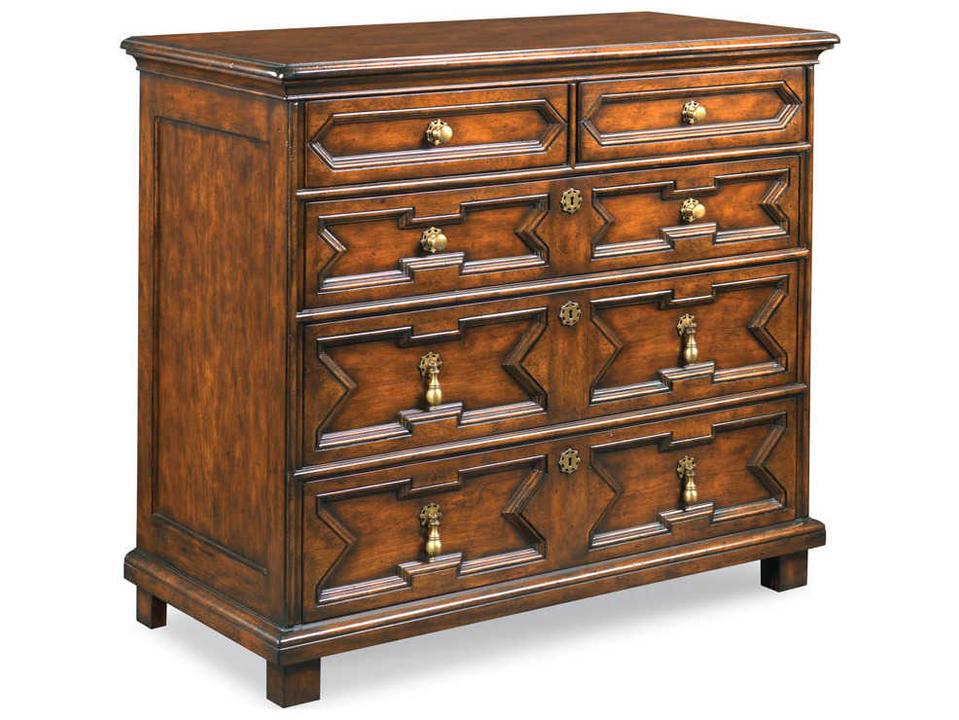
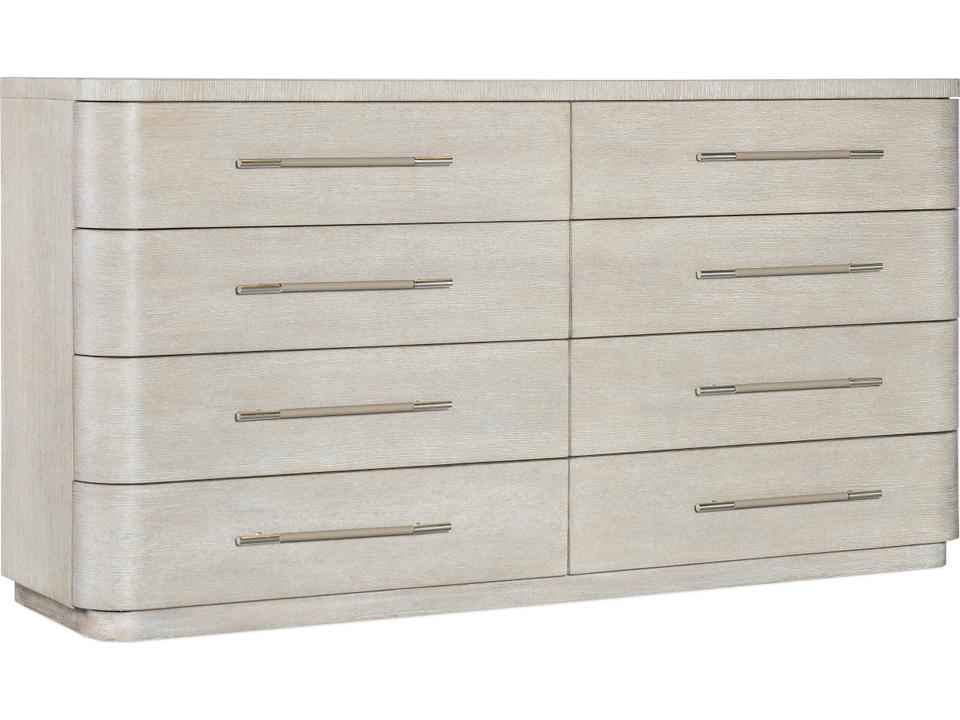
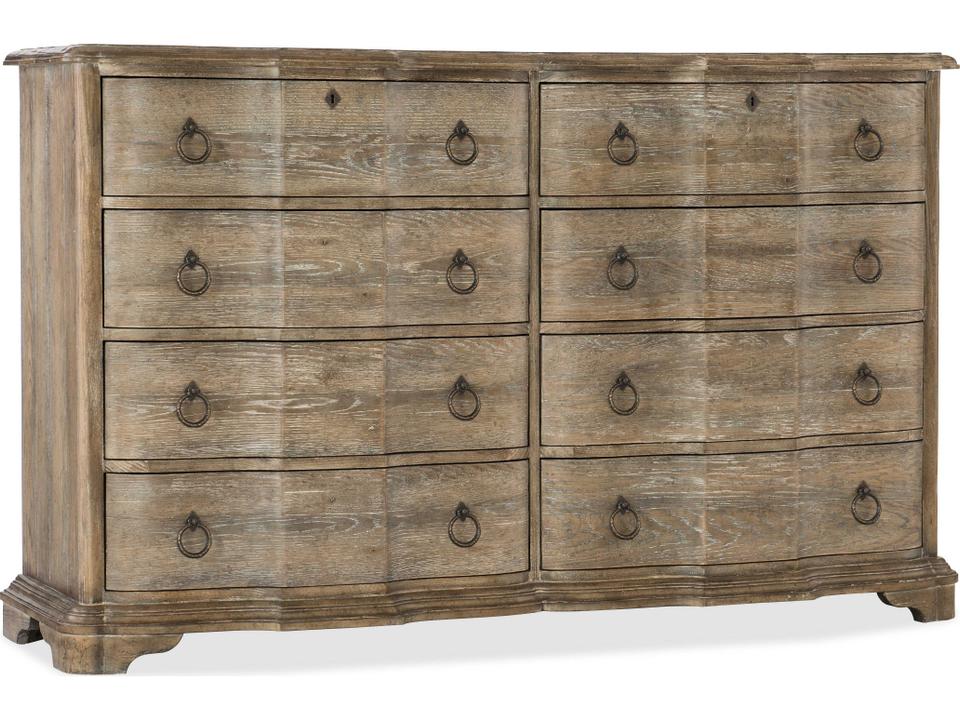
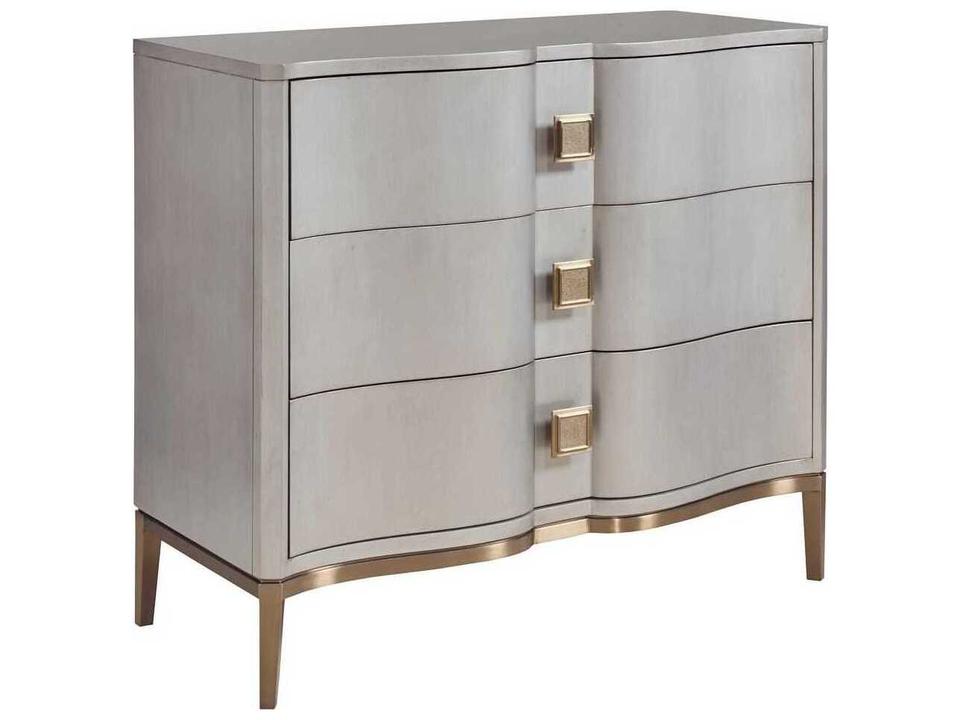
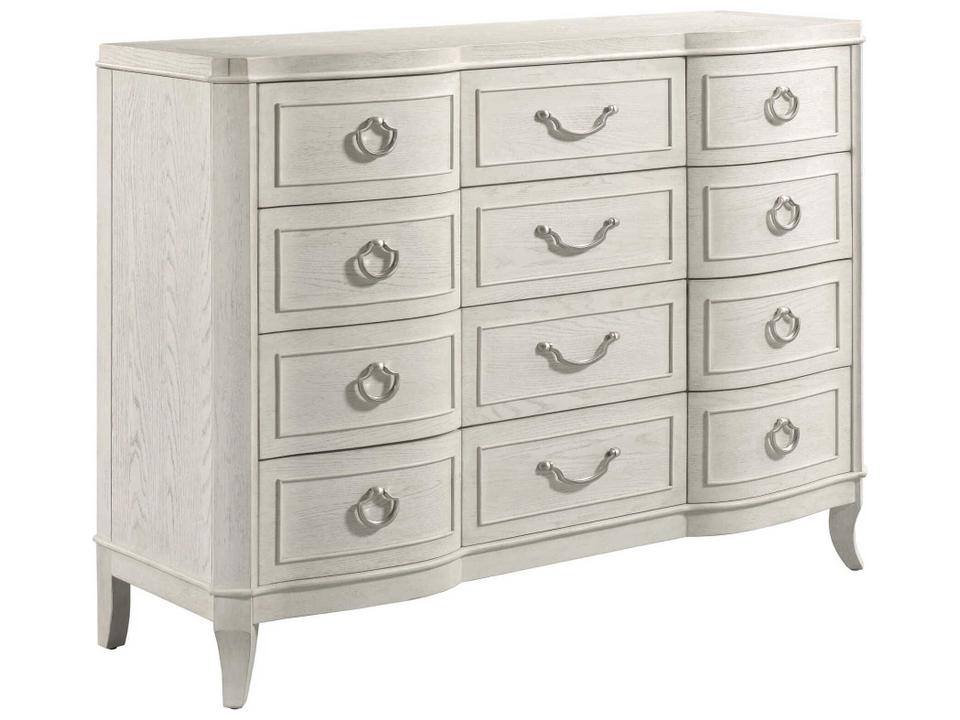
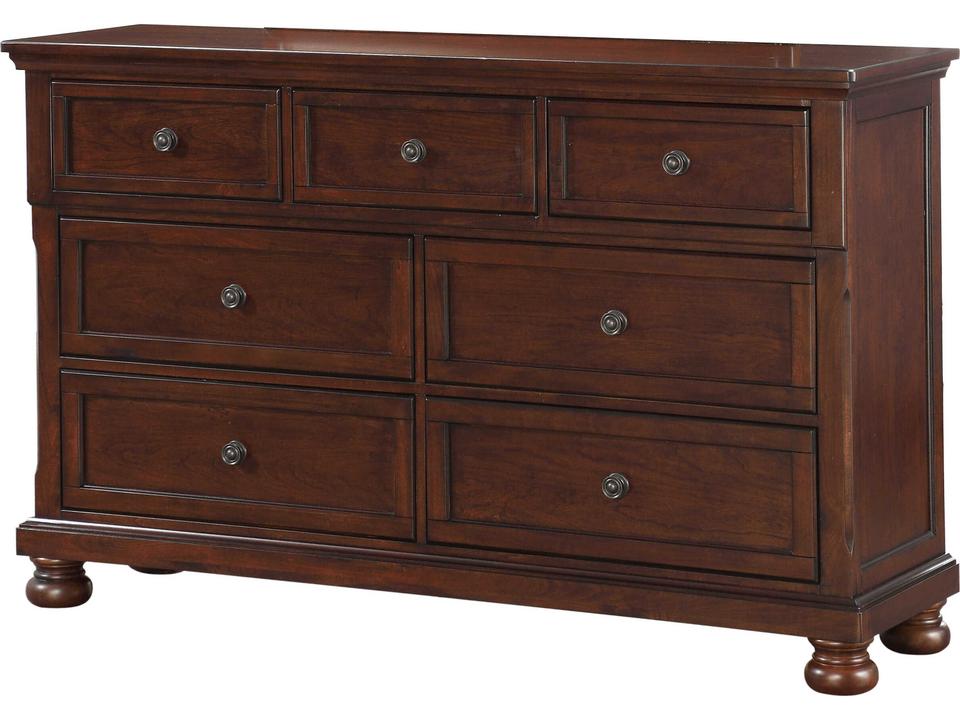
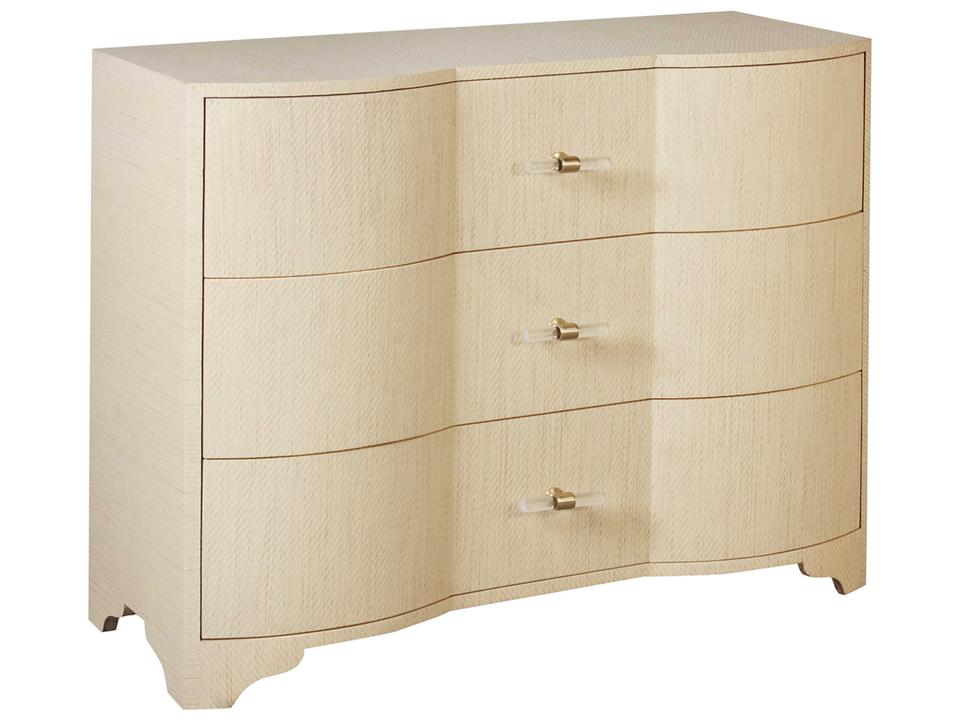
Our luxury collection includes modern dressers with clean slab fronts and minimal hardware, as well as traditional dressers with carved detailing, bracket feet, and antique-inspired pulls. Between those poles you'll find transitional pieces that blend both sensibilities — streamlined profiles with warm wood tones and understated metal accents.
The material determines how a dresser looks, feels, and holds up over years of daily use. Solid hardwood — walnut, oak, mahogany, cherry — is the most durable option. A well-built solid wood dresser with dovetail-jointed drawers and center-mounted glides will function smoothly for decades. Many luxury dressers use hardwood frames with book-matched veneers on drawer fronts and tops, giving you figured grain beauty without the warping risk of a single wide plank.
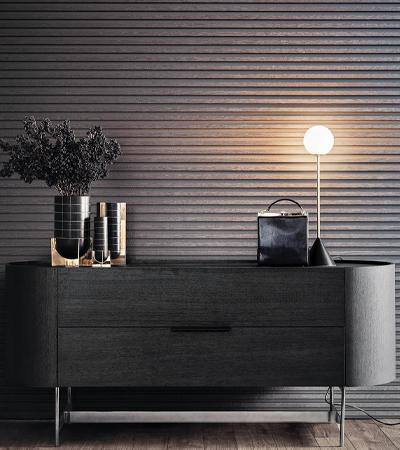
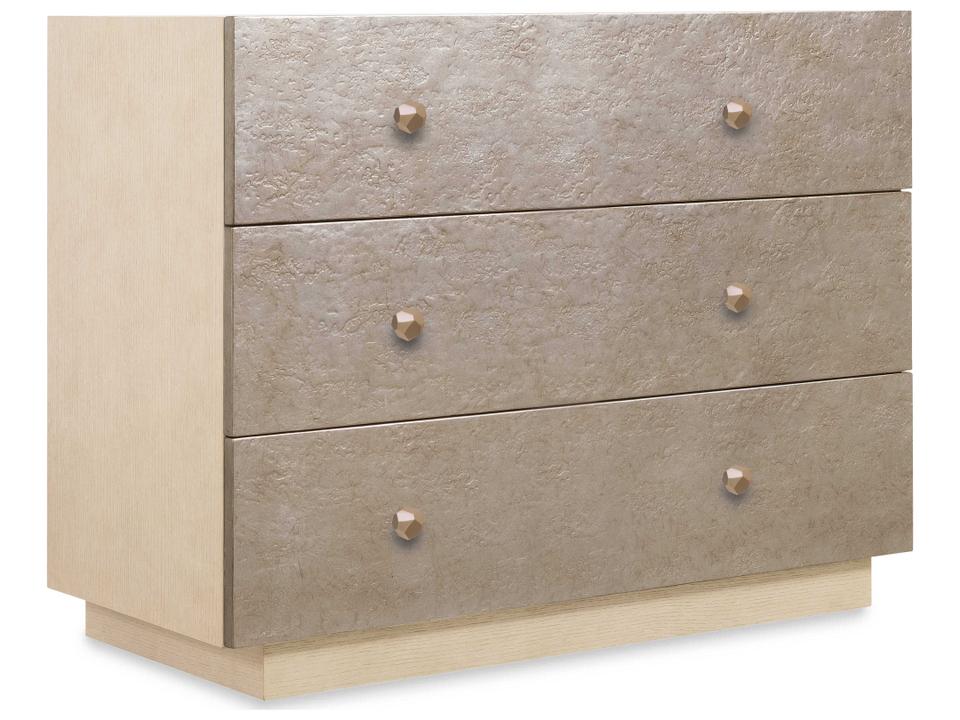
Lacquered finishes offer a sleek, uniform look. High-gloss lacquer in white, black, or soft gray reads distinctly modern, while matte lacquer in muted tones works well in transitional bedrooms. For something more textured, consider wire-brushed oak or hand-rubbed ceruse finishes that highlight the wood grain beneath the surface coat.
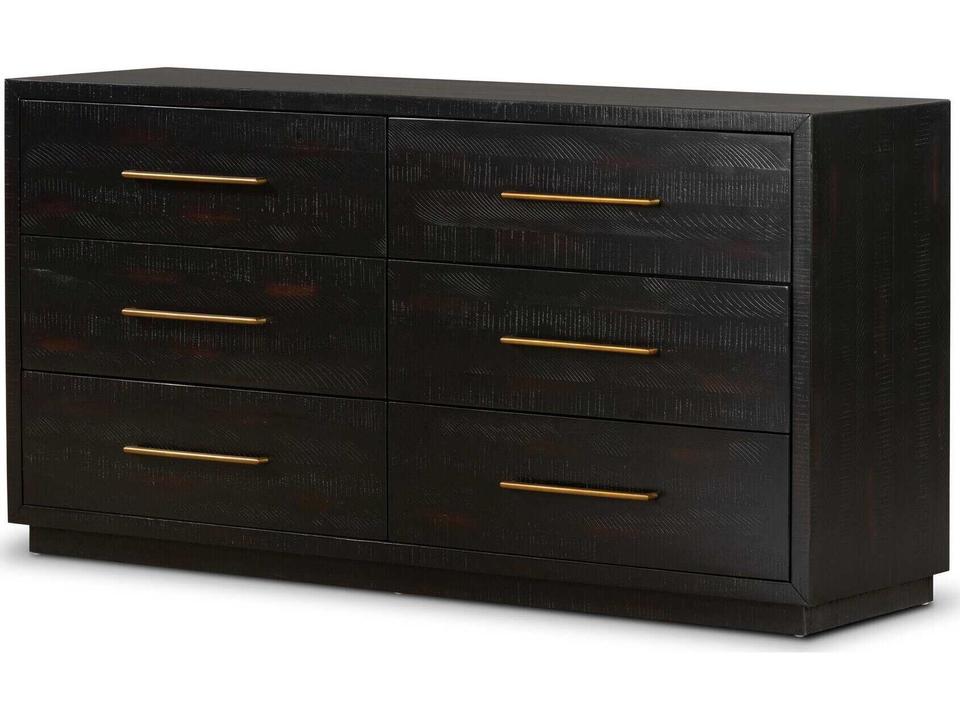
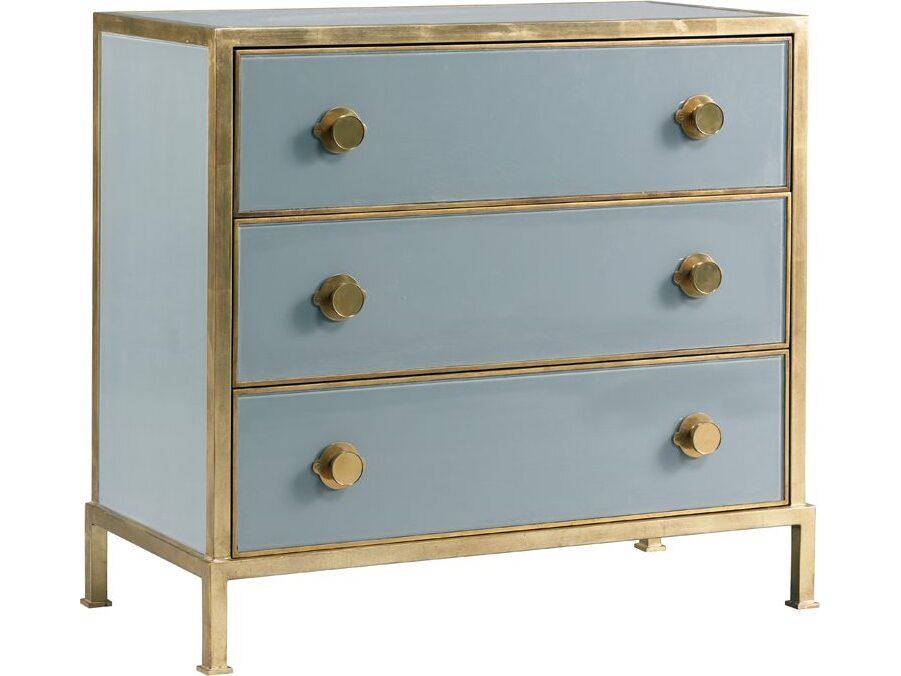
Hardware matters more than most buyers expect. Brass pulls warm up a piece. Polished nickel or chrome keeps things cool and contemporary. Some designer dressers use integrated channel pulls — a recessed groove along the drawer edge — for a completely hardware-free front.
Before you shop, measure your wall space and note obstructions like door swings, radiators, and baseboards. A standard double dresser runs about 60 inches wide and 34 inches tall. Tall dressers are typically 40–52 inches high and 30–38 inches wide. Leave at least 36 inches of clearance in front so drawers open fully without hitting the bed frame or opposite wall.
Think about what you're actually storing. Deep drawers suit folded sweaters, jeans, and bulkier items. Shallow top drawers handle accessories, watches, and smaller pieces. If you share a bedroom, a wider dresser with more columns lets you split storage by side — a simple organizational win.
A few practical considerations:
A dresser top is prime styling real estate. A framed mirror or art piece anchors the wall above; a pair of table lamps at either end adds symmetry and ambient light. Keep the center open or add a small tray for daily essentials — keys, sunglasses, a watch box.
In a guest bedroom, a refined dresser with empty drawers signals thoughtfulness. In a primary suite, a luxury dresser can anchor the wall opposite the bed, balancing the room's visual weight. Whatever the setting, choose a piece whose finish and scale feel intentional — not squeezed in as an afterthought.