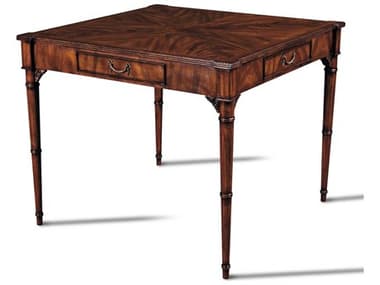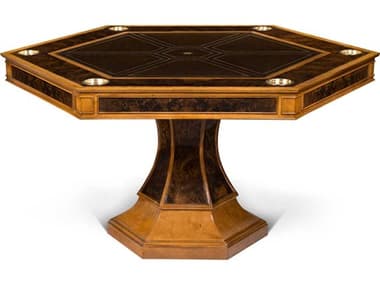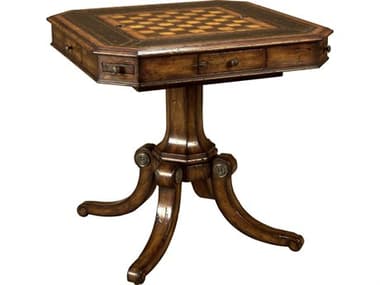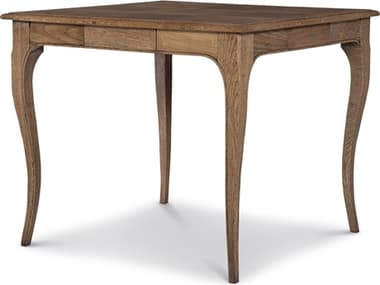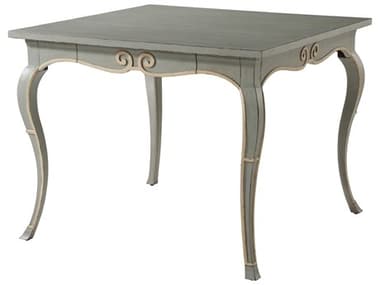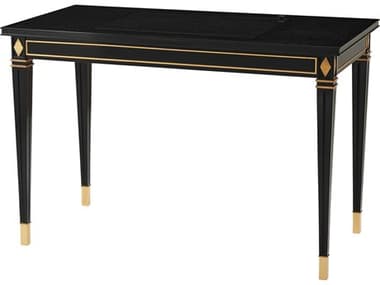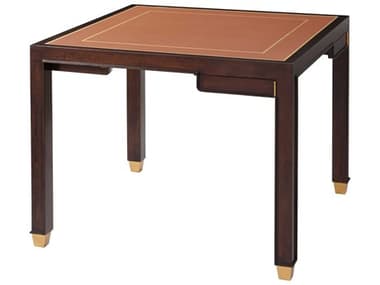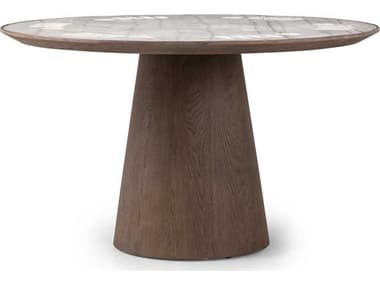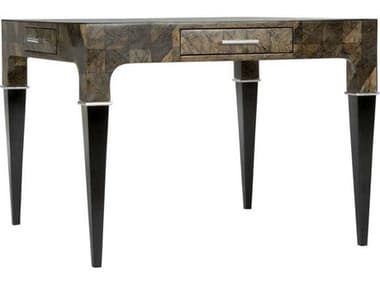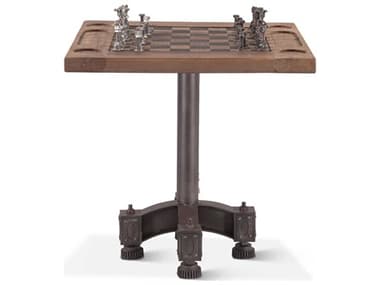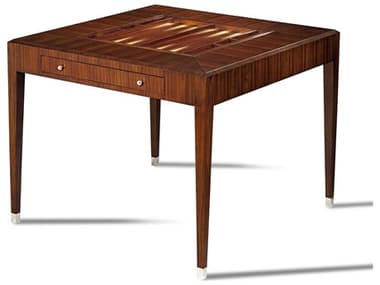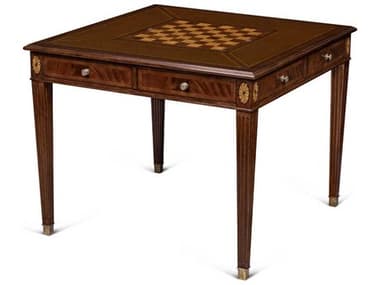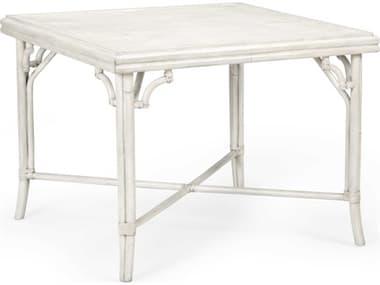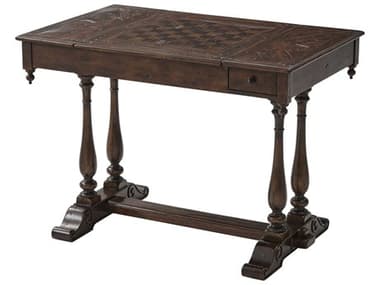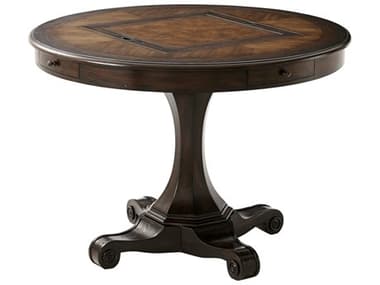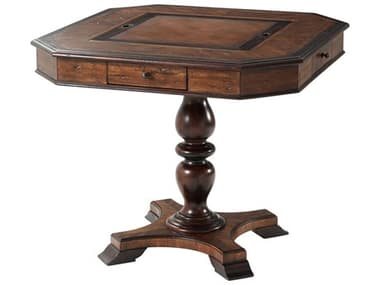
Game tables are a great way to add some entertainment and furniture all in one. Whether it goes into a family room or is used to turn an empty room into a game room, game tables are a great way to fill out a room and add some personality to a home.
Game tables used to be an essential way to entertain families and guests. Adding one to a home can help entertain, but these tables can also be used for multiple purposes such as a table for doing work or eating a meal. These tables can also be easily stored away if necessary.
There are a few things to think about before buying a game table, or multiple game tables. Here are a few important things to know before buying a game table.
Budgeting is a very important step in buying anything, especially when it is a large piece for the home. It is important to know what pieces can be afforded. If you have a small budget, the options will narrow, which will make the decision-making process easier. Your budget may also be determined by the amount of space you have. If you are adding a game table to an existing living room or game room, there may not be a lot of space to add in a very large pool table or foosball table. If you have a lot of space or are interested in creating a gaming room out of an empty room, you likely have a larger budget that can go toward buying a variety of game tables like an outdoor pool table or a shuffleboard table.
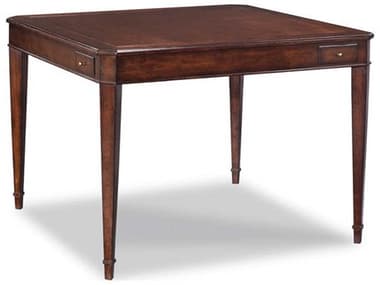
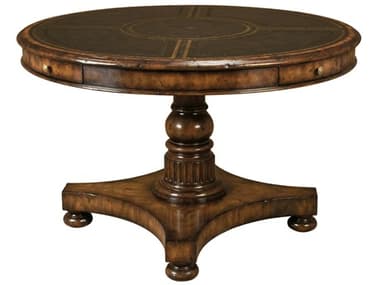
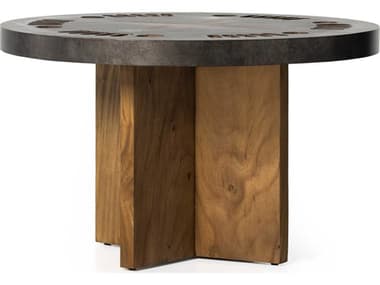
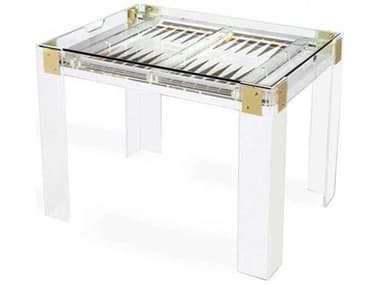
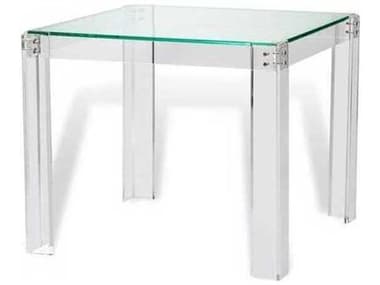
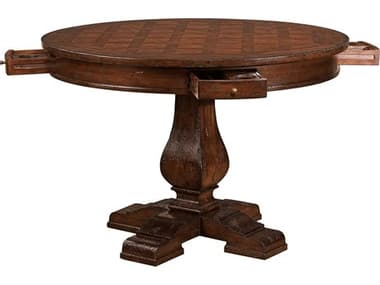
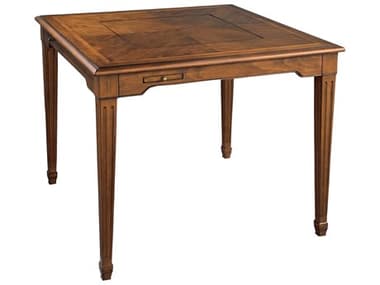
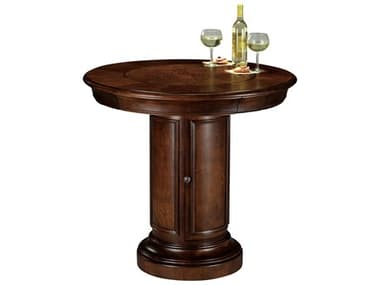
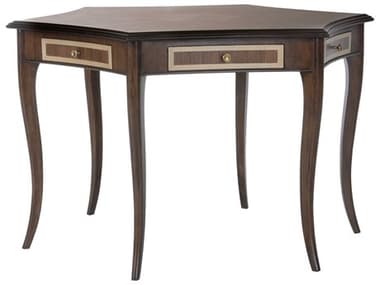
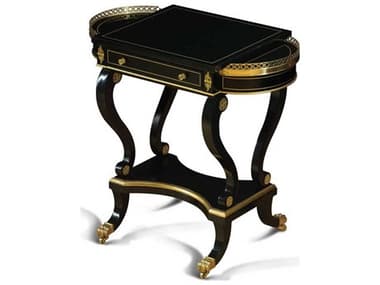
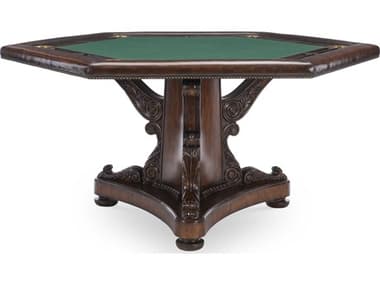
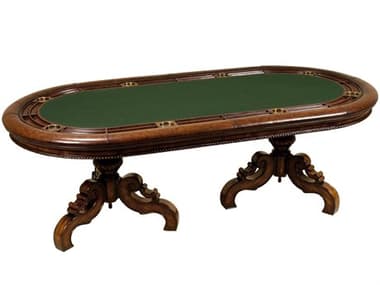
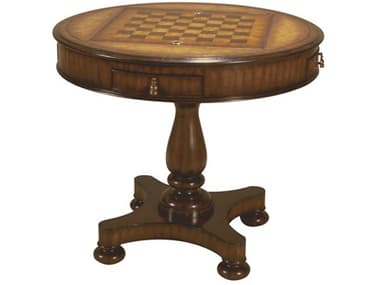
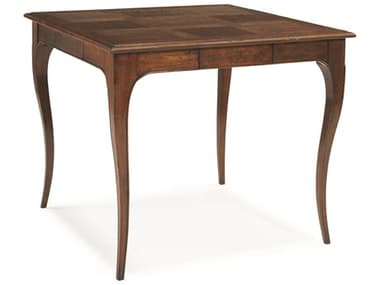
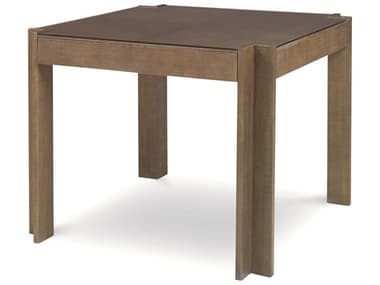
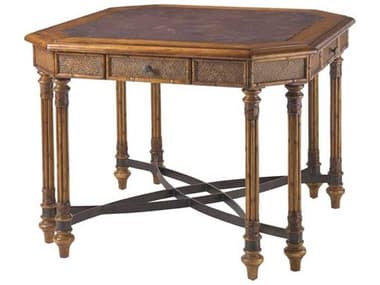
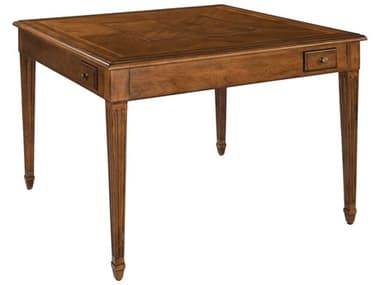
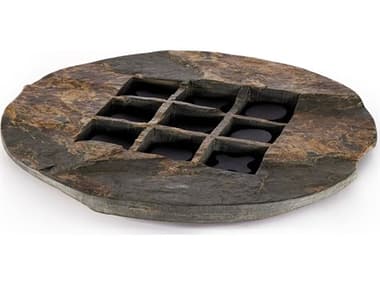
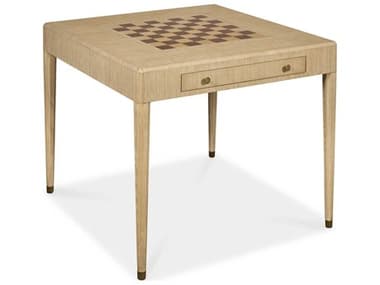
There are multiple types of game tables that cater to one or multiple games. A more simple game table can be a place for poker, card games, and board games. Typically, these simpler gaming tables come in a square shape and are small enough to fit in almost any space. Poker tables are probably some of the most popular game tables that are bought, but there are a variety of other tables available like the ones mentioned above. Some of these tables can be repurposed or double as a nice piece of furniture, like the game tables with beautifully handcrafted glass table tops.
Gaming tables are meant to be fun and functional, and they have a level of duality depending on the table chosen. It is important to know what you are looking for as far as features for your game table.
In a regular living room, game tables can be used as end tables. You can decorate a living room perfectly and then add in an extra gaming table that doubles as an end table, or it can be an extra table space that can be used for eating.Getting a game table is a great way to entertain. Those who enjoy playing poker and other card games with family and friends, can get a really nice poker table and play those games at that table specifically. Families that enjoy game nights and frequently play board games also benefit from one of these smaller game tables that are for poker.
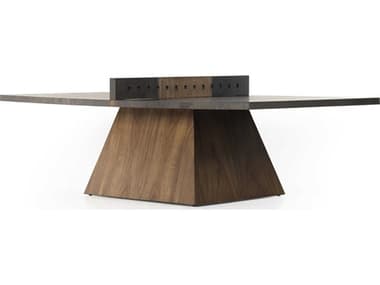
For bigger families, or for people who like to entertain with more options, there are bigger options like the ping pong table or a shuffleboard table. These additional options add in some variety when entertaining guests. The game tables can be used indoor or outdoor and the large gaming tables work great to help take up some space that may not be used at all or is not used too often.
There are so many game tables to choose from. There are tables for different games and they come in different styles as well.
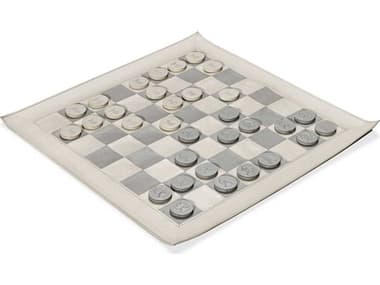
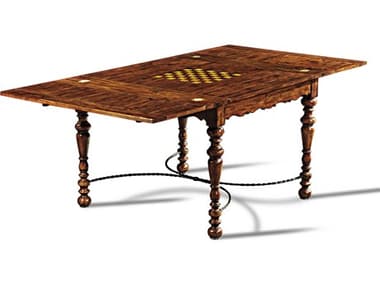
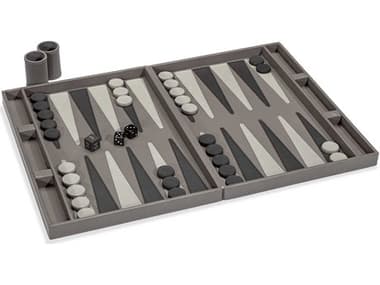
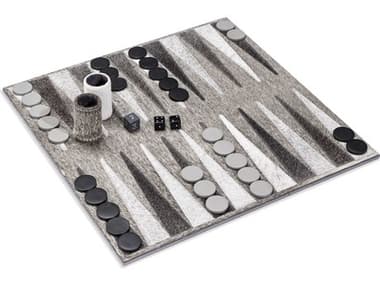
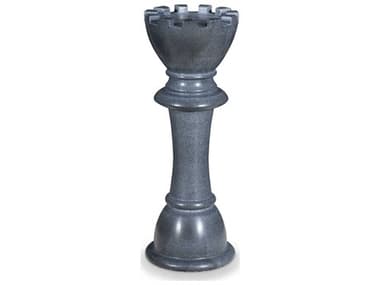
Some of the smaller game tables are for board games like chess and backgammon. These smaller game tables also work really well for board games for a smaller group of around four people. Poker tables and the small game tables both work well for card games and for some larger tabletop games. The larger game tables are usually specialized for certain games. There are a variety of ping pong tables and they can be used for ping pong or for games like cup pong. These ping pong tables can sometimes be used as an outdoor bench to use as a dining table as well. Pool tables are one of the most popular game tables that people buy.
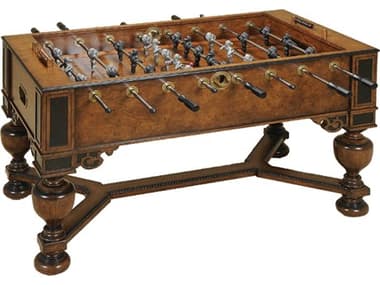
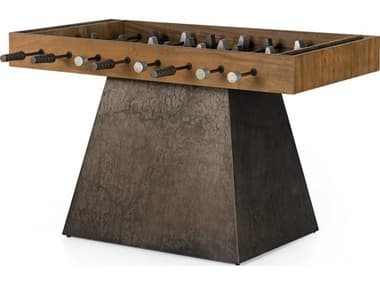
Usually, they buy a standard table, but a round table is something that some people are interested in buying. The game is played a little differently, but can still be fairly popular. Shuffleboard tables are another option. Shuffleboard is typically played on the ground, but can also be played on a table. With a shuffleboard table, it is easier to avoid losing the pucks when playing. Foosball tables are a little different than the other tables listed here. They have all of the gaming hardware inside of the table, compared to the other tables that you play on top of. Many people enjoy foosball and it is a great way for people who love soccer to enjoy playing without getting too sweaty. Air hockey tables are completely different from the other tables listed here. These tables have holes in them to blow air through in order to get the puck to slide around smoothly.
Choosing a game table depends on budget, space, and what you want out of your entertainment. Not everyone is going to want a pool table or foosball table. Some people are more interested in the smaller tables and enjoy the duality of them. There are so many options out there for game tables. They range from a variety of games and styles to the features of the table, which could be just a few or many. Now go and find a game table that you and your family will enjoy!
Related Categories
Bar Tables | Side & End Tables | Tall Pedestal Tables | Hooker China Cabinets