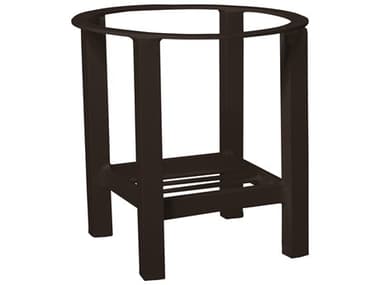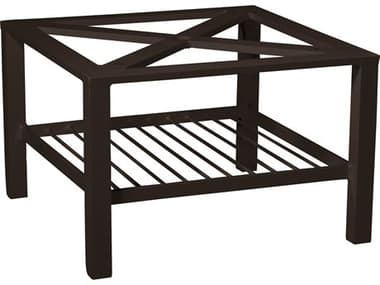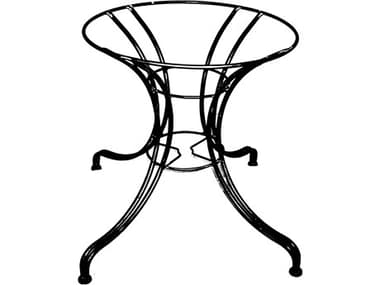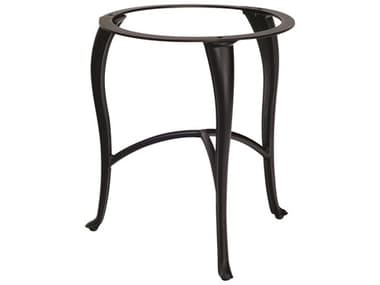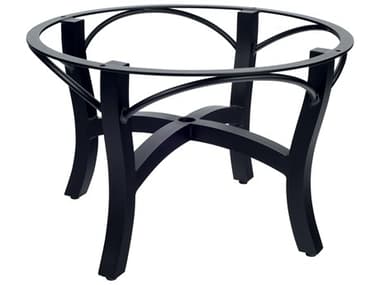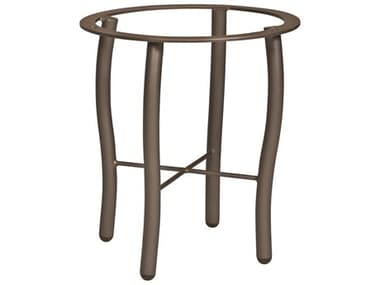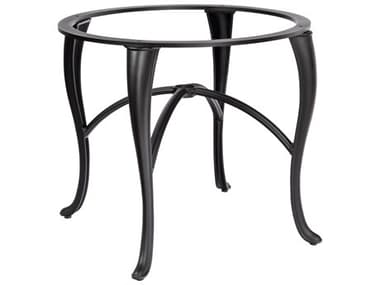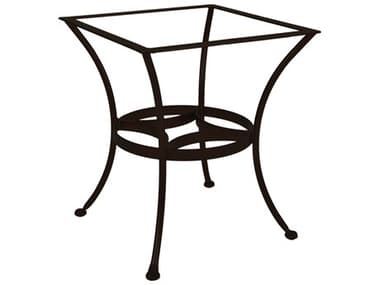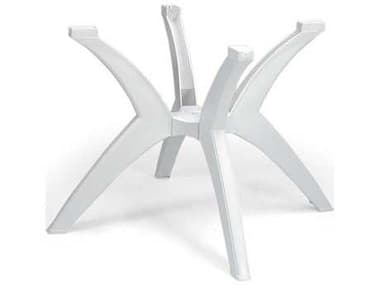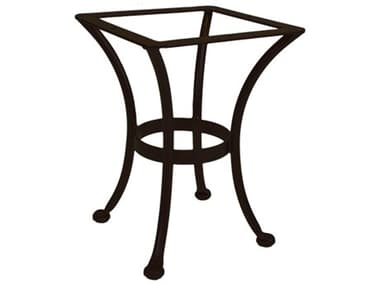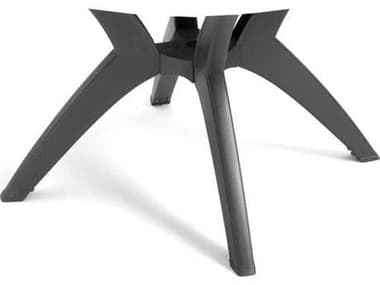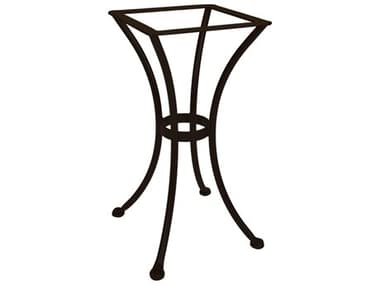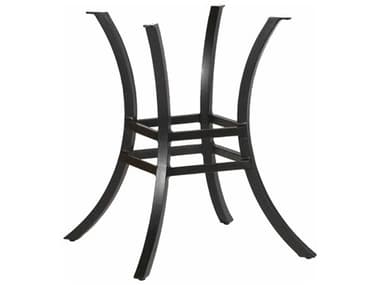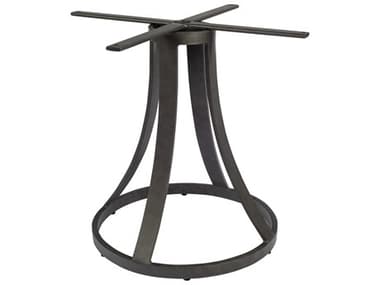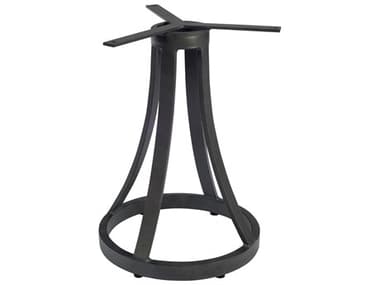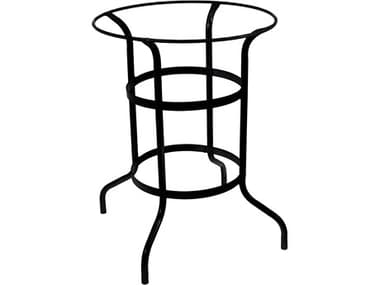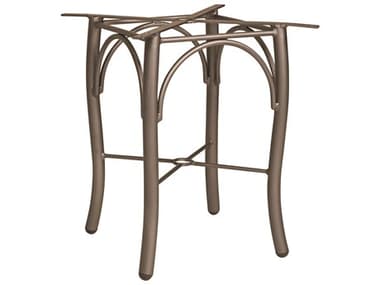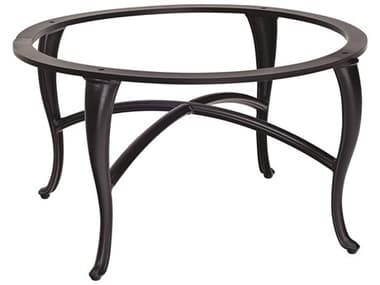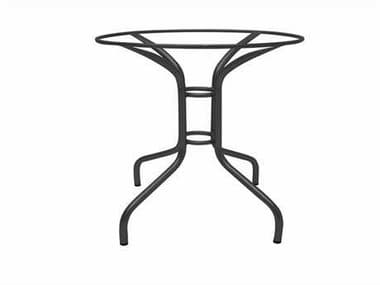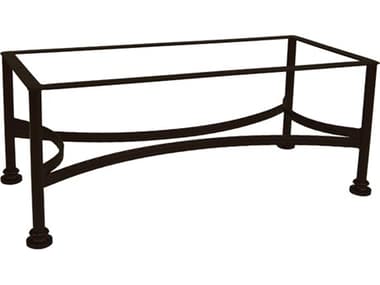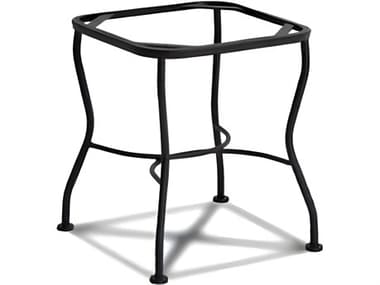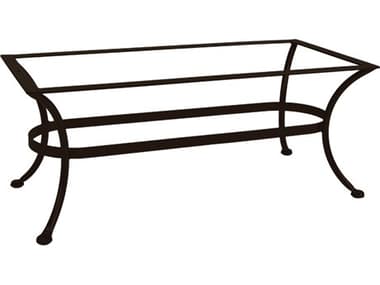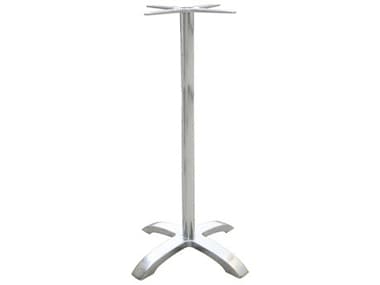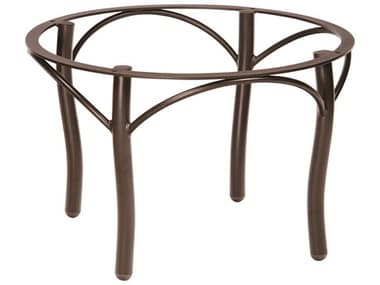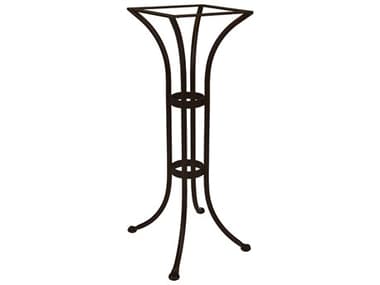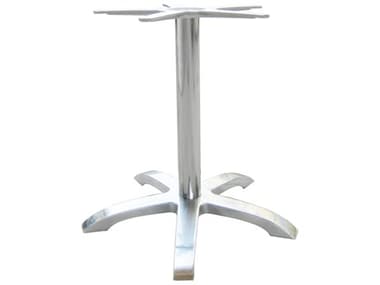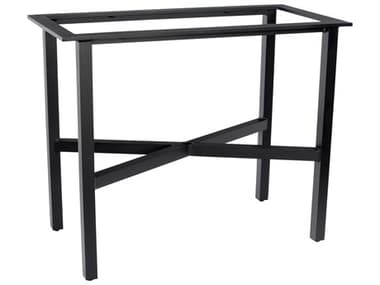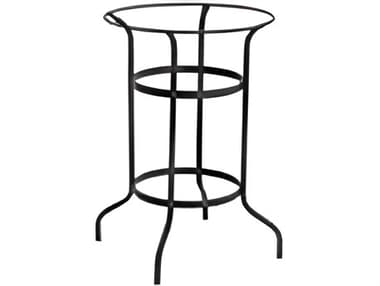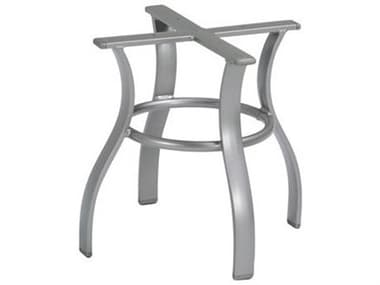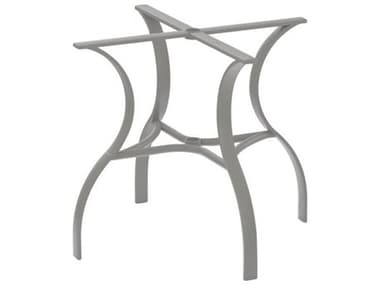



Would you like your outdoor table bases to be conversation starters? That's how interesting outdoor living has become. Some outdoor furniture now outshines the indoor furniture in your home.
With our contemporary outdoor table bases and other types of patio furniture, you can elevate your outdoor lifestyle. It will provide you with a stunning outdoor area to enjoy with a luxury feel.
Patio and outdoor furniture enables you to decorate your backyard and enhance the entire exterior of your home, in addition to being utilitarian. We've put together some essential things like knowing before buying, features to look for, types of outdoor table bases, and how to choose a table base in the following sections.
Your personality and design choices should reflect in the outdoor table base you buy. Therefore, consider one that's an extension of the decor theme you have indoors, and that will make things much easier for you. Choose according to the number of people you'll be entertaining and the frequency of your events.
Durability is essential if you will use the table base a lot, and it needs to withstand the constant use. Research the brands and make sure to look for the top makers to ensure they'll blend nicely with what you already have.
Think about the features that will benefit you in the long run, along with the aesthetics. Don't forget to measure the area if you're placing it on the patio. If you have a large backyard, then the bigger, the better.
It's not just cellphones and televisions that have unique features. You'd be surprised how many essential elements an umbrella stand side table or a patio table base can have. They determine whether your backyard will be “blah” or a statement piece.
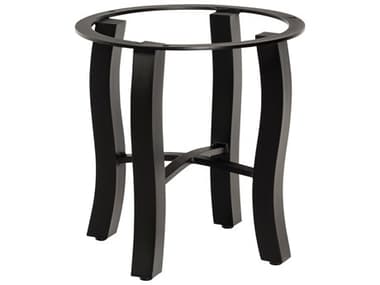
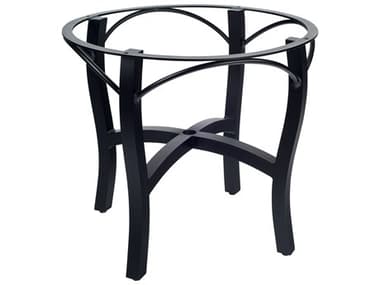
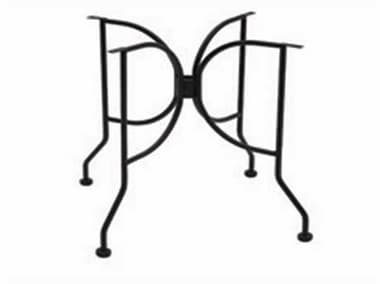
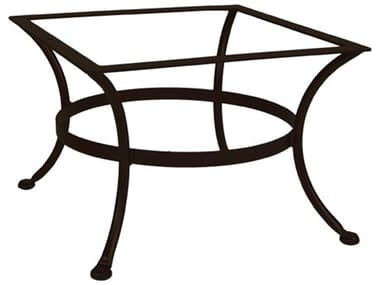
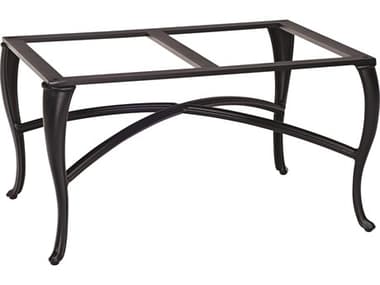
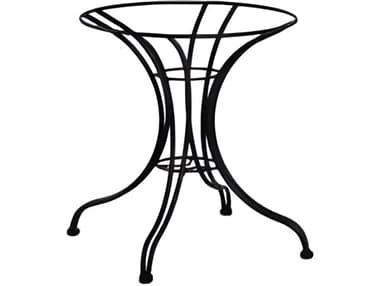
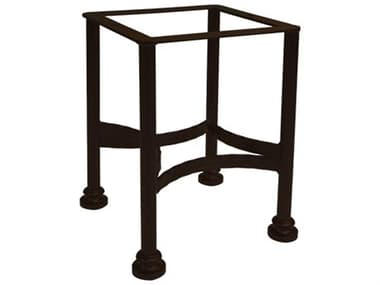
First of all, make sure that your outdoor table legs are unique. Next, ensure the base is both splinter-proof and scratch-resistant. Table bases can be sleek and simple in styling or feature curved with intricate designs, bringing an element of decorative appeal to your outdoor space.
An enclosed design is often lovely but note that metal table legs outdoor styles are still attractive too. Outdoor table bases can also include functional elements such as drawers, splayed legs, and lower shelves.
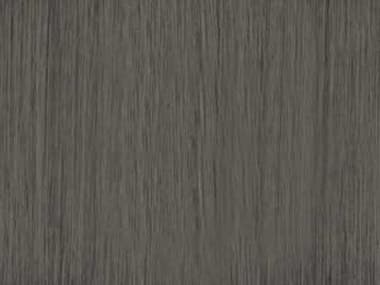
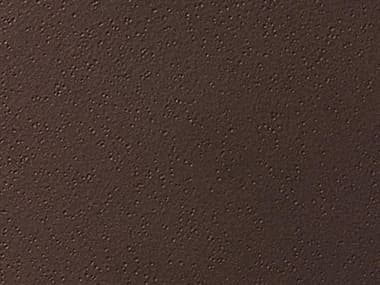
Don't forget the color, because of course, you want elegant furniture that stands out for the right reason, not because they clash with everything else. Let your guests feel like they don't want to leave.
Outdoor table bases are available in a variety of forms to suit an assortment of settings and needs. The types that outdoor lovers crave include:
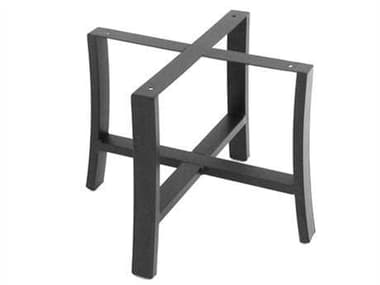
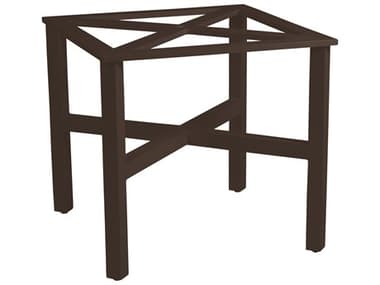
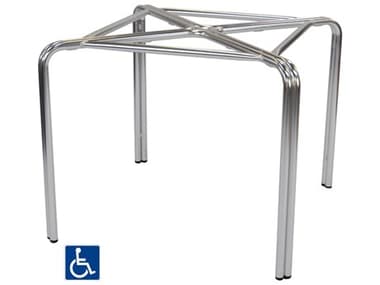
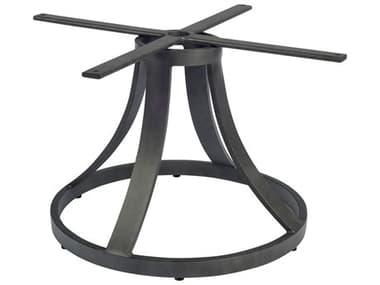
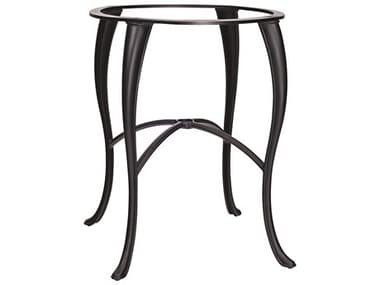
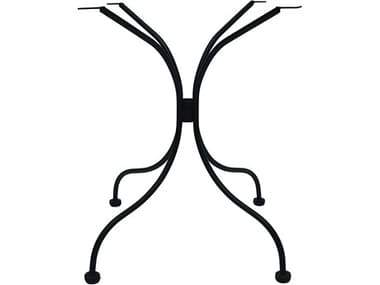
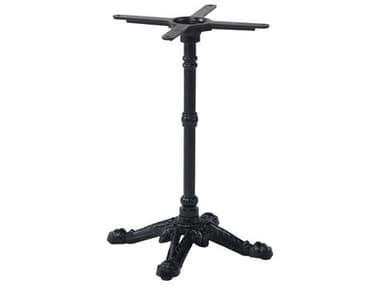
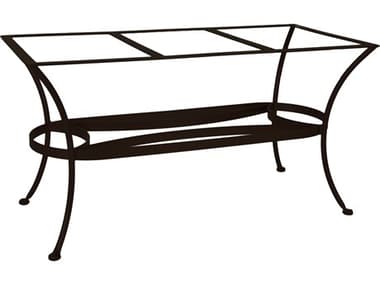
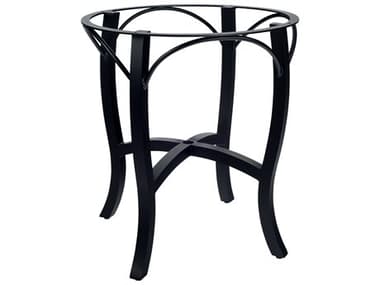
Metal - From rectangular to square, oval and round table bases are available on our website. Cast aluminum, wrought iron, and aluminum are popular choices among shoppers seeking metal table legs outdoor decor.
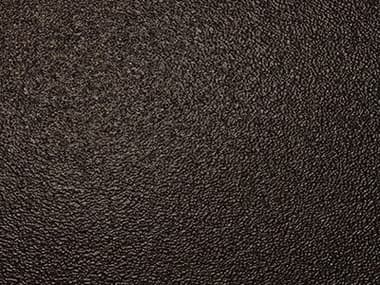
For a cohesive design, couple the table bases for sale here at LuxeDecor with matching tops or more ornamental tops, such as those made of stone or porcelain. An undetectable powder coating protects all metal patio table bases against corrosion, ensuring that they maintain their aesthetic and performance throughout time.
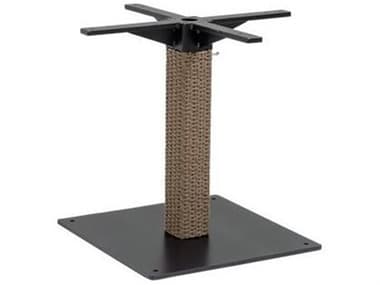
Wicker - A wicker table base has the trademark woven loom aesthetic and comes in various colors. These have been a favorite for years because they match any decor and never lose their aesthetic appeal.
Steel - Steel patio table bases have a traditional appearance and are substantial enough to provide stability in windy circumstances.
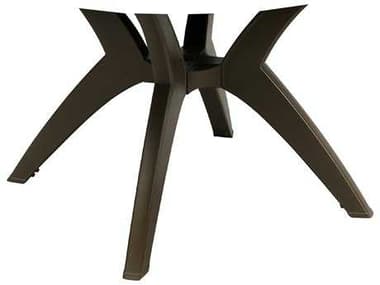
Plastic - Plastic bases made from recycled materials are virtually unbreakable. These tables' brilliant colors will not fade with time, and their surfaces resist scratches and splinters.
Don't choose a set- Deciding on your outdoor table base and tabletop separately instead of a set gives you the chance to attain a tailored look that’s genuinely “you” at an accessible price. For instance, if you choose an umbrella stand table, you could find unique outdoor table legs to complement it instead of being stuck with something generic.
Weigh your options- You can choose any patio umbrella stand table, from dining to coffee and bar tables, and then select outdoor dining table legs in the size and material of your choice.
Durability - The table bases we have are built to last and may be dressed up or down depending on the tabletop you choose to go with.
Check out the top, too- Patio table bases, as well as the rest of your patio furniture, should be evaluated at the same time as the tops. That way, you can be confident that your table foundation will match the rest of your set exactly.
How much food you usually serve is vital to determining the size of the table as that adds to the weight the base will support. Our large variety and useful filters simplify finding the table foundation and tabletop of your choice.
You are also welcome to check our different brands like Grosfillex, Homecrest, Meadowcraft, Nardi, OW Lee and more.
We offer a wide variety of outdoor table bases, each featuring distinct aesthetics and benefits. Options include various table types, heights, shapes, and sizes. Check out each table base, which will support numerous compatible tops, making it easy to mix and match and create looks ranging from contemporary to traditional.
Our outdoor table base styles are great in virtually any home or business setting, and the brands we carry feature the best manufacturers. We'll be happy to help you choose the style and make that's perfect for you.
Related Categories
Outdoor Bistro Tables | Outdoor Bar Height Tables | Outdoor Counter Tables | Outdoor Fire Pit Tables