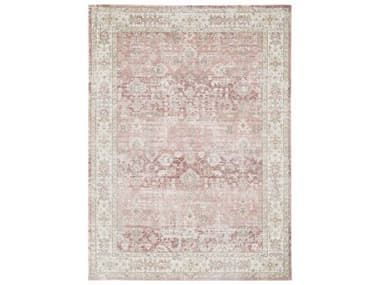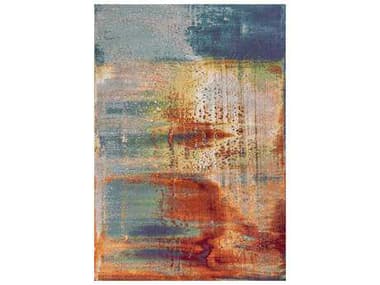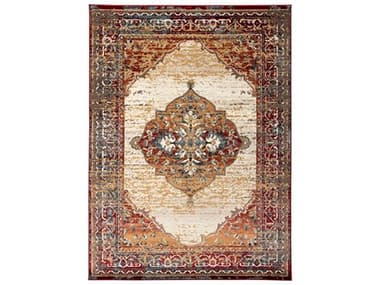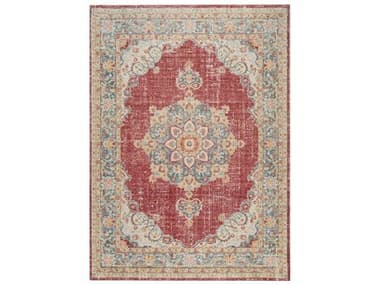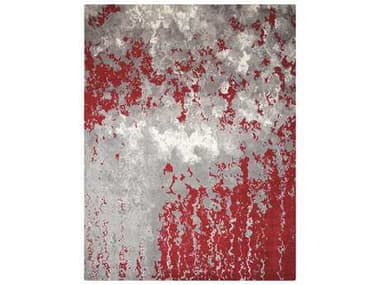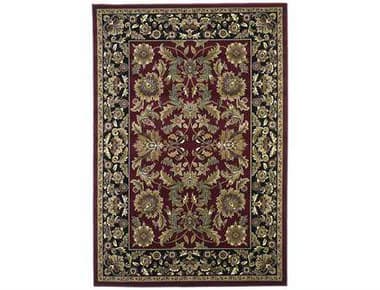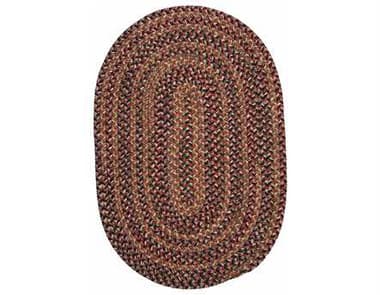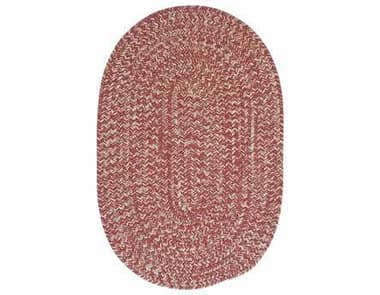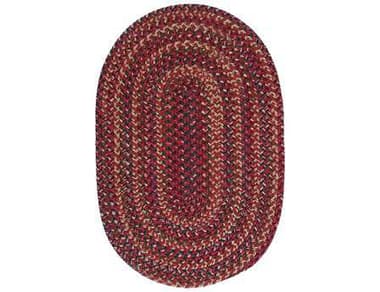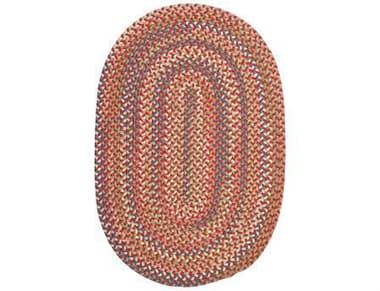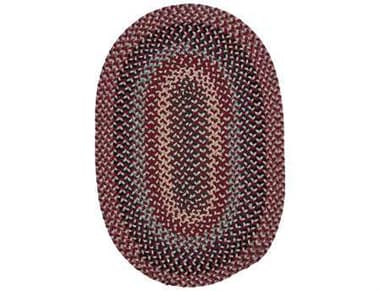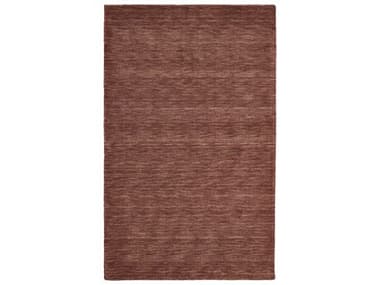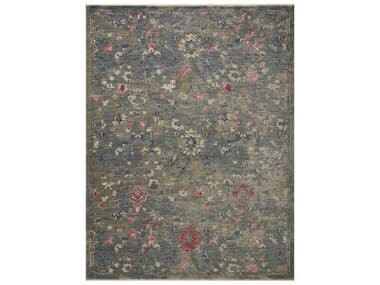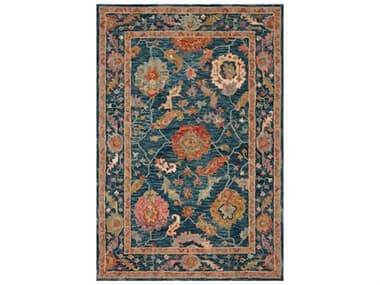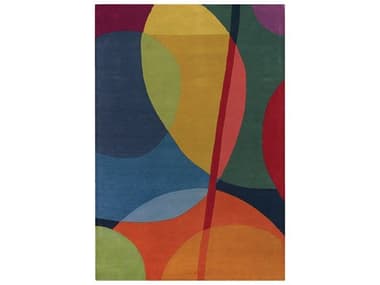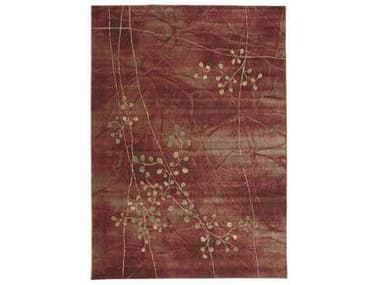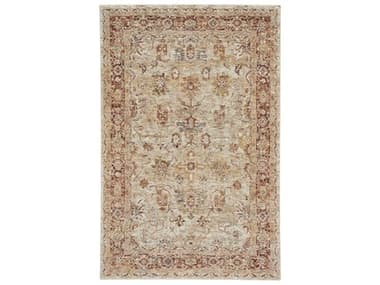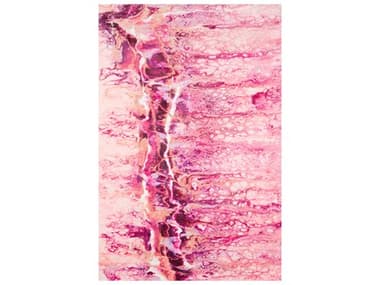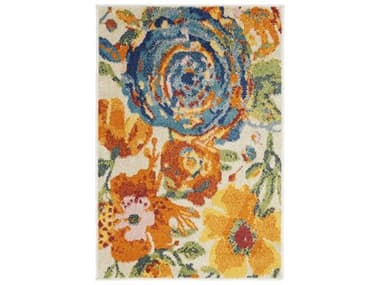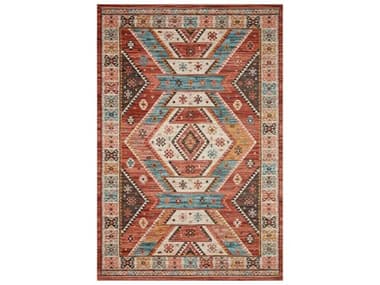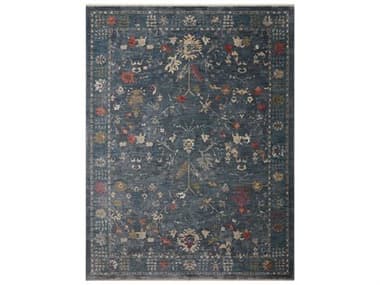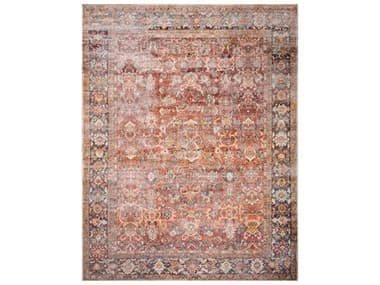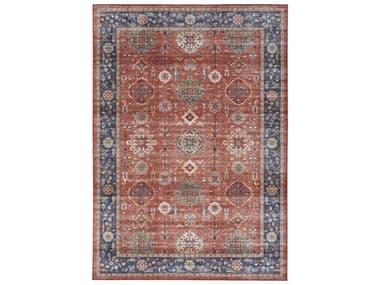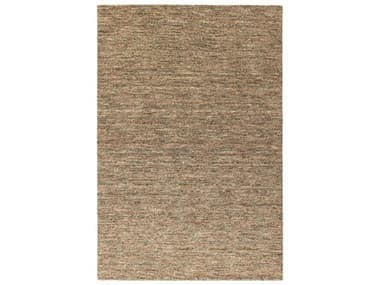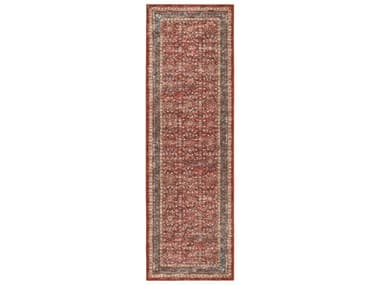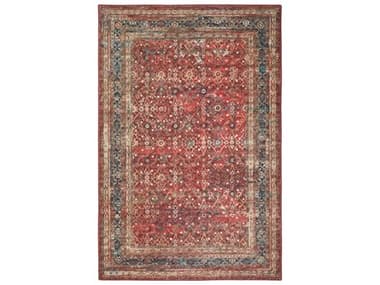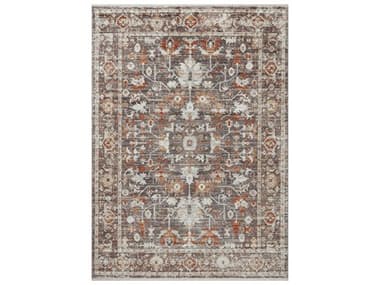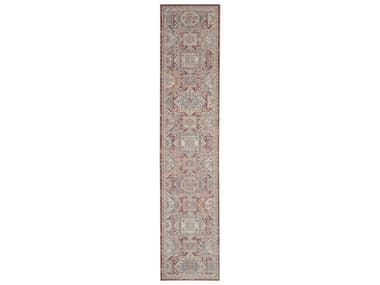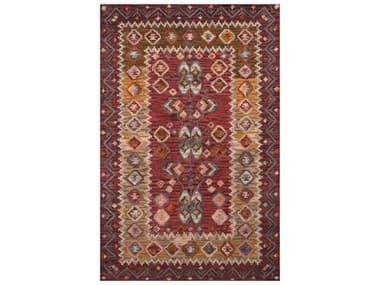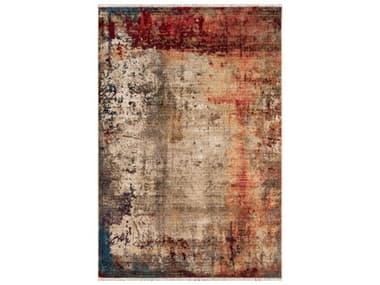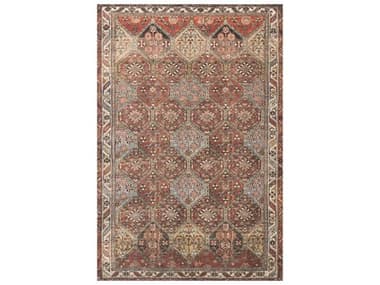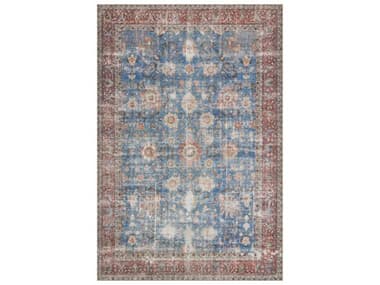


Rugs are the key to tying a room together and making the overall aesthetic more cohesive. Well-selected rugs also physically integrate the room’s furniture by touching each large piece of furniture in each section or setting of your home.
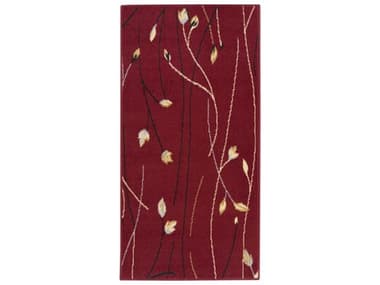
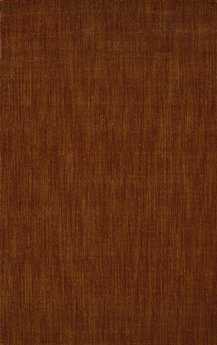
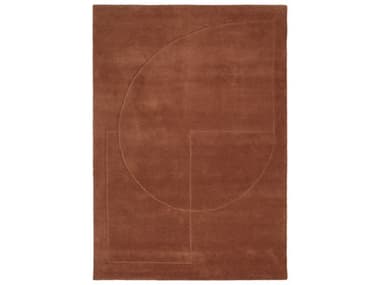
Red rugs make excellent styling choices because they’re bold, unique, engaging, and they conceal bits of dirt, dust, and even some stains quite well.
Choosing the right rug for your living space can make all the difference. In today’s guide, we’re going to share some of our top tips and tricks for discovering your perfect rug.
Six key factors should play into choosing a new rug for your home. Those factors are style and aesthetic, location, color(s) and shades, texture, size and usage.
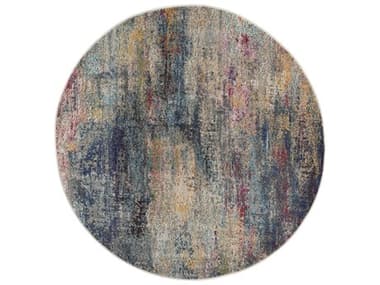
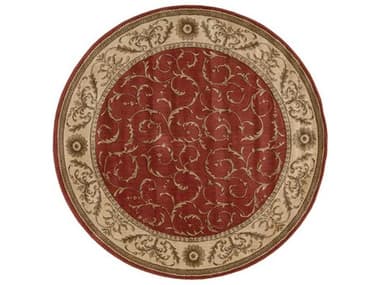
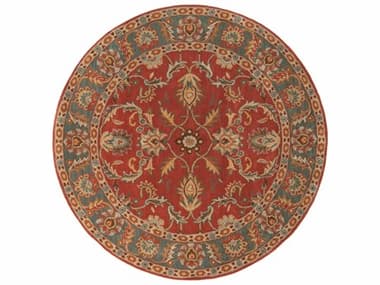
Your first consideration should be the desired style and aesthetic for the room. If you’re going for a modern, sleek, and cohesive look, choose a round red rug.
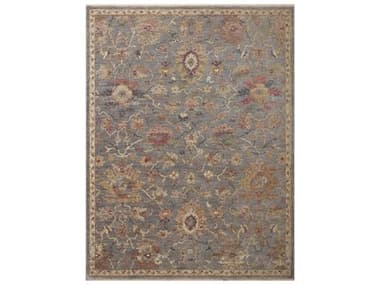
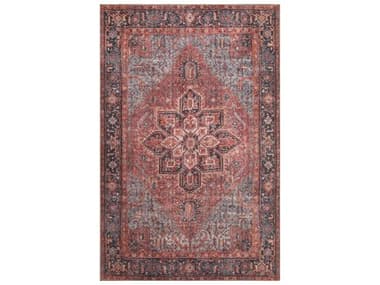
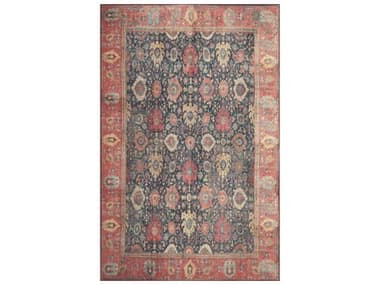
Red Persian rugs are best suited for rooms with minimalist, neutral or single-shaded colors on the wall. If you prefer an extensive, wow-worthy look for a grandiose room in your home, go for a large red rug.
Red Oriental rugs are ideal for traditional homes going for a cozy look. Keep your wall hangings and decor simple to avoid a cluttered feeling. Unless, of course, maximalist is your style. In that case, go for it!
Keep the location of your rug in mind too. If your rug will be in a high traffic area, choose a rug with a more busy or intricate pattern to disguise heavy wear, tear, and dirt.
If your rug will be in a less-frequented area, then single solid colors can have significant, bold, and dramatic impacts. Natural fibers will last longer than synthetic fibers.
Darker colors hide dirt much better than lighter colors. This is vital information, especially if the rug will be near exterior doors, fireplaces, and high foot traffic rooms, such as hallways and staircases.
Red bathroom rugs, red outdoor rugs, and red kitchen rugs are not interchangeable. You should consider their desired areas prior to purchase. You should also consider the moisture and mess levels of each space.
Bathroom rugs are designed for high humidity levels and to be slip-resistant. Outdoor rugs are designed to sustain rainfall and direct sunlight. On the other hand, kitchen rugs are meant to take on a lot of foot traffic, release stains more easily, feel a bit softer, and be more aesthetically pleasing overall.
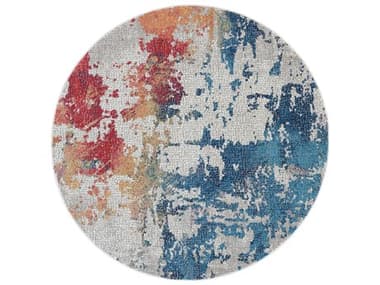
Colors and shades matter a lot. A red and blue rug will give off bright and bold vibes, or a more vintage and muted aesthetic, depending on the shades and intensity of the colors. Red and white rugs are bright, beautiful, and elegant in appearance. Dark red rugs signify importance, power, or even royalty (they would look incredible in a home library or office).
Red boho rugs look great in an otherwise neutral living room or bedroom. Red and cream rugs are vibrant, but not overly showy. Red and gray rugs are cohesive, colorful, and more of a business (or perhaps formal) appeal. Red and gold rugs are bright, beautiful, powerful, and bold in the best way possible. Red and black rugs are dramatic, moody, and memorable.
The darker the color, the more dramatic the feeling. Dark colors also conceal dirt and debris easier than lighter colors. The lighter the color, the more airy and neutral the room will feel. Light colors do not hide stains well, but they feel nice, bright, and sophisticated.
Busier patterns hide wear and tear. Simple designs and single-color blocks are better at making statements. Multiple colors can tie an otherwise incohesive room together if those colors match the various shades around the room. Single colors can be awe-inspiring for monochromatic styled rooms.
Depending on the style, various patterns can make the room feel vintage, retro, modern, or even futuristic.
Red color combinations to consider:
Well-curated textures add so much character, depth, and layers to your home. You may not outright notice the consistency of a rug, but your subconscious does, and it creates a more significant impact than you may imagine.
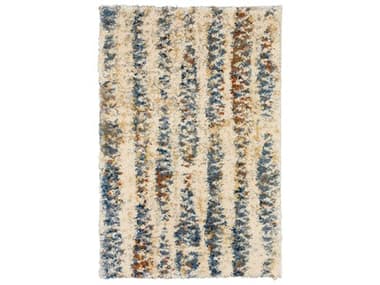
If your room has smooth and sleek furniture, such as faux leather couches, you should grab a plush, fluffy, or full textured red Turkish rug. You should pair couches with fuller, busier, or more heavy patterns with a minimalist, low pile red boho rug.
Rug sizes are crucial to pay attention to and can make or break a room. Fight the temptation to purchase an ill-fitted rug just because you love the style or price.
Generally speaking, the more of the room the rug fills, the more luxurious and cohesive the space will feel. When searching for red kitchen rugs or dining room rugs, choose one that the entire table and all of its chairs (or at least the two front legs of each of the chairs) will fit on.
For bedroom rugs, make sure the rug is wider than the bed and can extend at least one foot past the end of the bed.
If budget is a concern, choose a sizeable neutral mat for your space and top it with a smaller red throw rug. This gives you the color you want with the size your room needs at a price that is more accessible.
Natural fibers are much more durable than synthetic fibers. Keep that in mind when choosing your rug. If it will be in a high traffic area, or if sustainability is essential for you, choose natural fiber rugs.
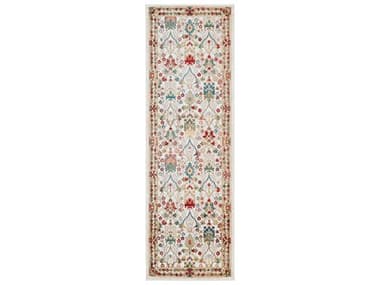
If you wish to use the rug to elongate the hallway in your home, find one that is 4 inches narrower than the hallway is wide and a foot-and-a-half to two feet longer than the total length of the hallway.
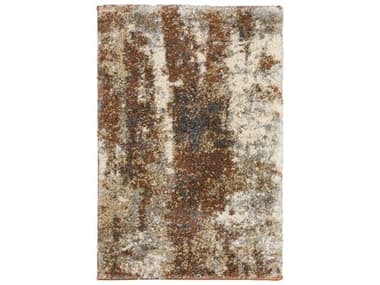
If cozy, soft, or retro rooms are your thing, spring for a super plush red shag carpet. Not only does it feel fantastic on bare feet, but it also adds a point of interest and drama to the space.
With our extensive selection of gorgeous red rugs, you’re sure to discover the right match for your space. Whether you’re looking for indoor, outdoor, bedroom, kitchen, hallway, living room, or even bathroom rugs, you’re sure to find it here with us.
For more information about area rugs, including red rugs, read LuxeDecor's Rug Buying Buying Guide for helpful information on rug construction, sizes, placement tips, and care.
Related Categories
Red 2x3 Area Rugs | Red 5x8 Area Rugs | Red 7x10 Area Rugs | Red 8x10 Area Rugs | Red Rectangular Area Rugs