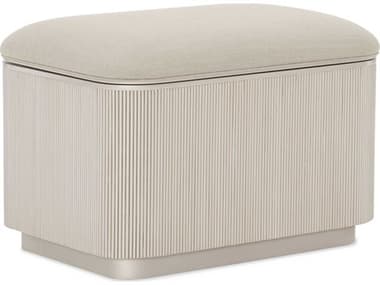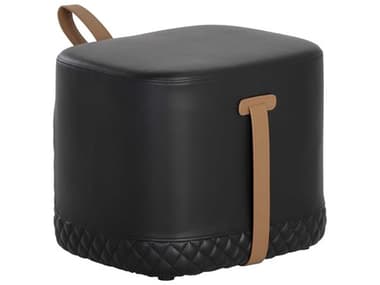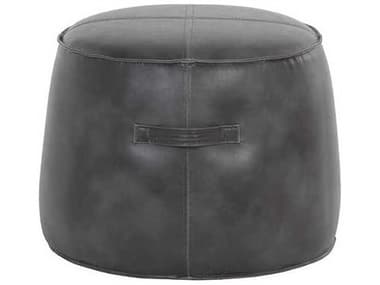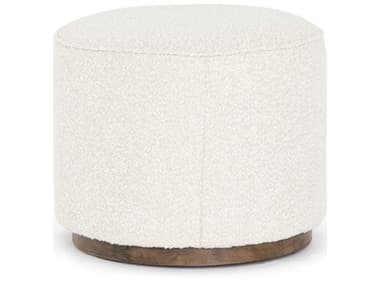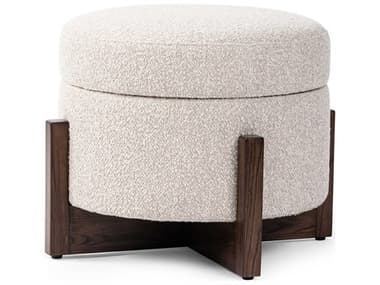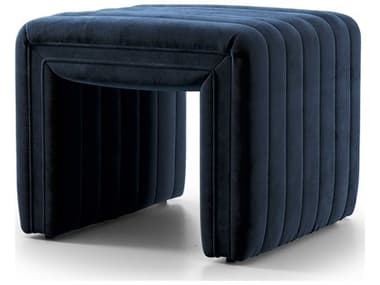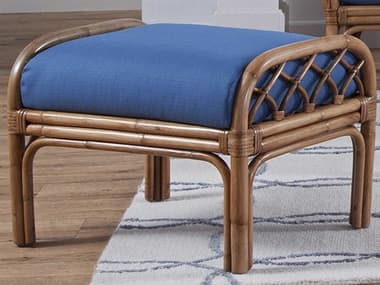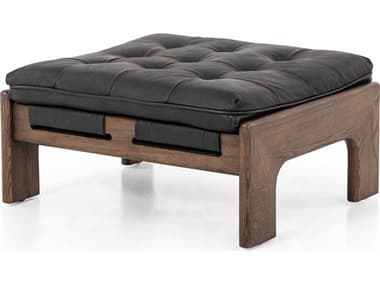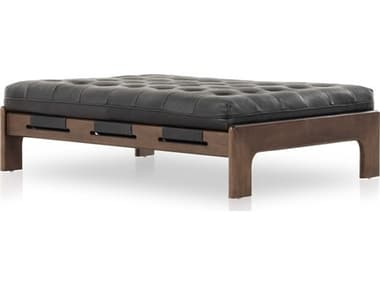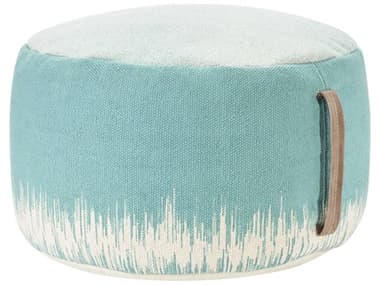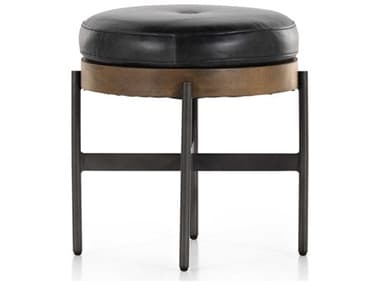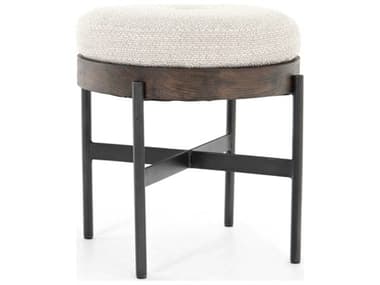
If you’re like most people, you enjoy relaxing after a hard day of work. Your living room is the perfect place to do this. You may already have a sofa, chair, and loveseat of your choice.
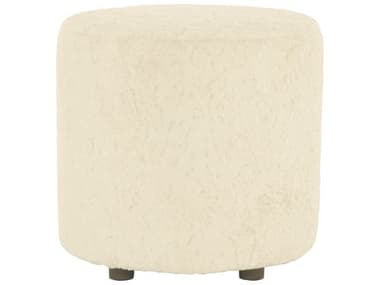
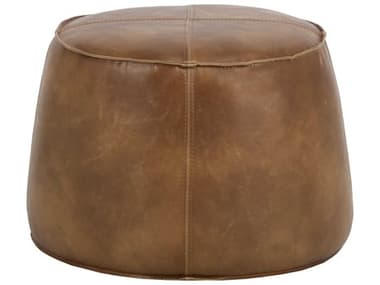
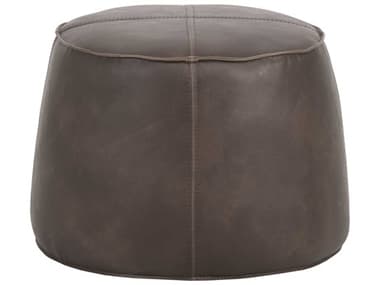
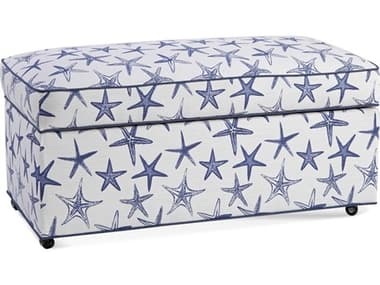
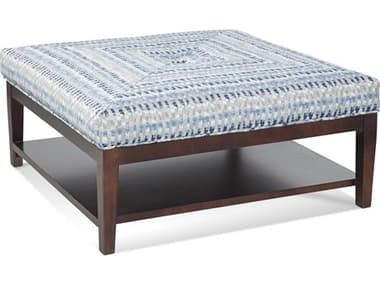
But what about an ottoman? It makes a great compliment. An ottoman is an upholstered low couch that can be used as a cushioned seat or highly comfortable bench or foot rest. It is one of the most popular types of furniture. And if you’re in the market for one, you are bound to find one that suits your needs.
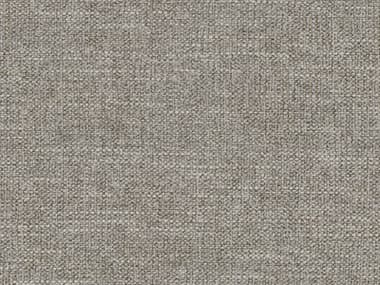
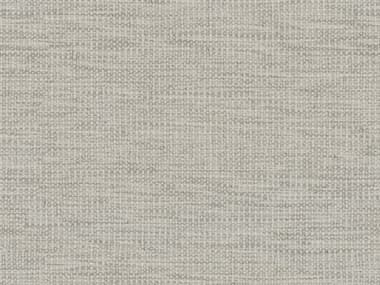
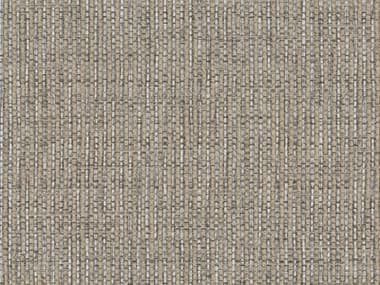
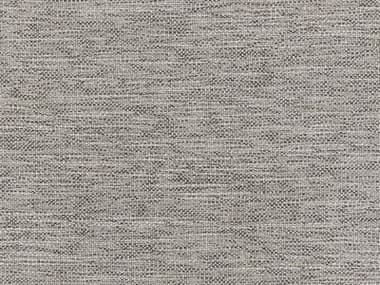
It is important to get your purchase right. You want an ottoman that will harmonize with the rest of your interior space, and one that will make it easier for you to unwind at the end of the day. You should consider the style, design, material, and purpose of an ottoman before you buy it.
Ottomans are often an afterthought as folks decorate their living room. But, it is a piece of furniture that will stand out and be noticed. Here are some of the features you should consider:
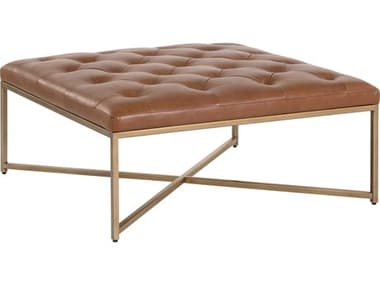
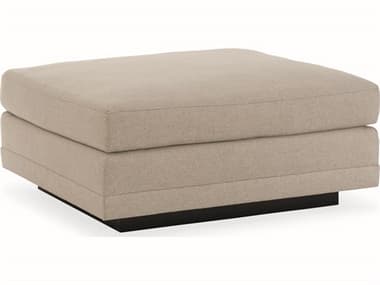
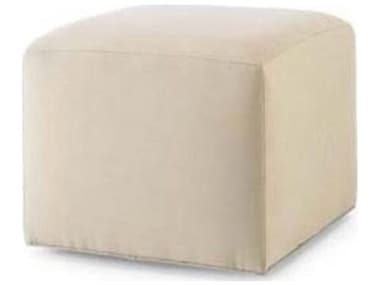
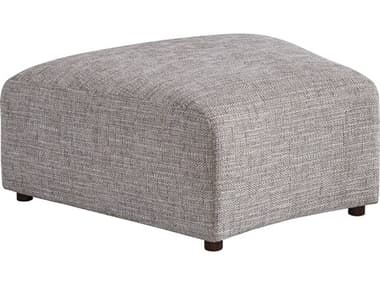
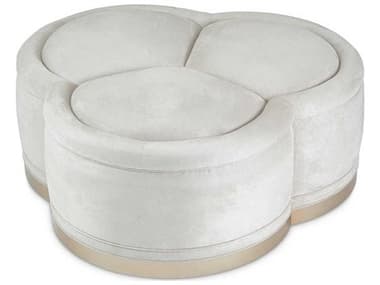
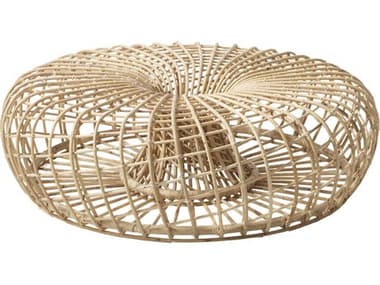
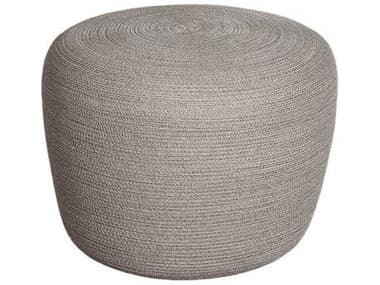
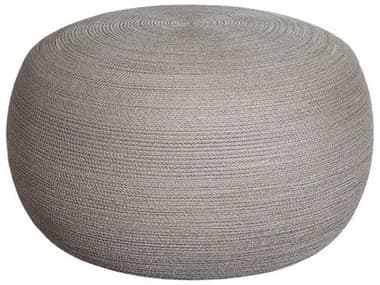
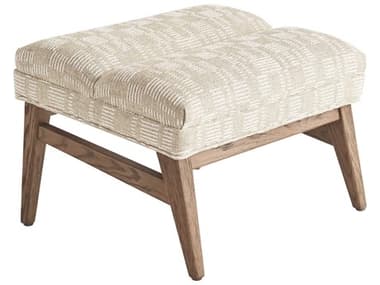
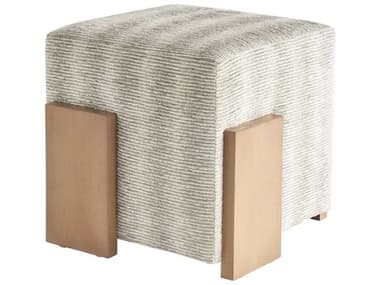
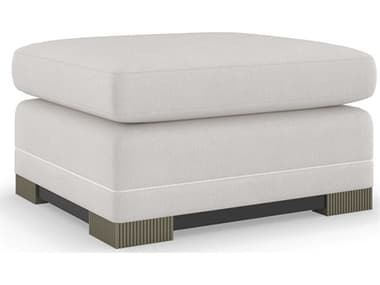
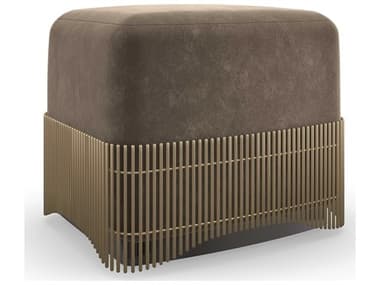
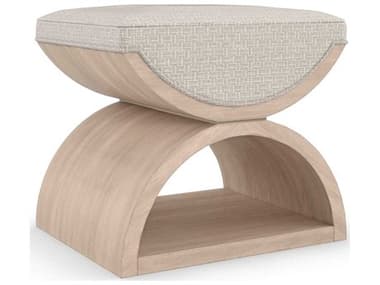
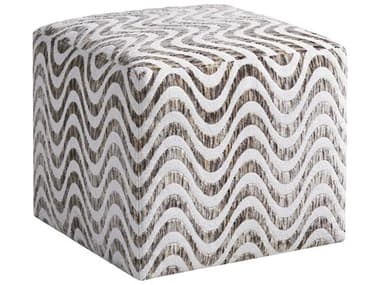
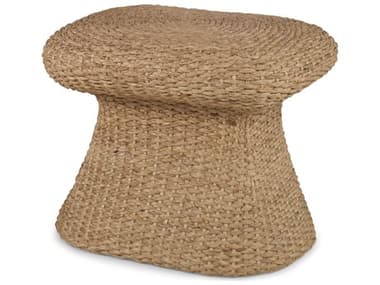
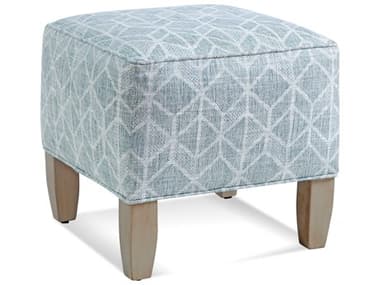
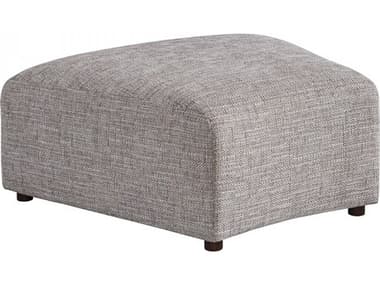
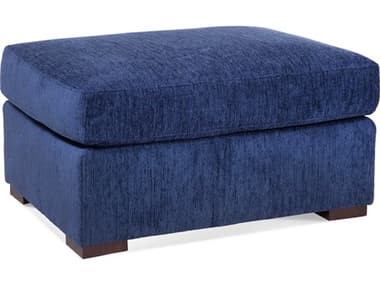
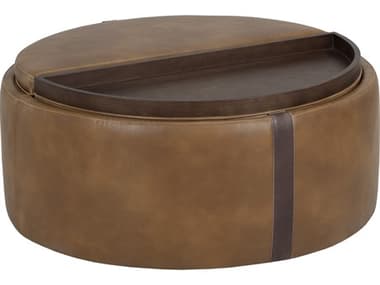
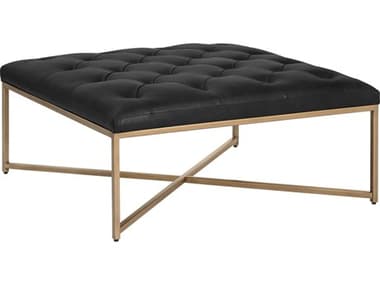
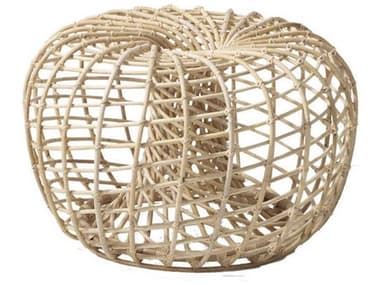
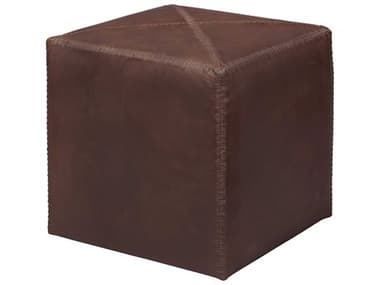
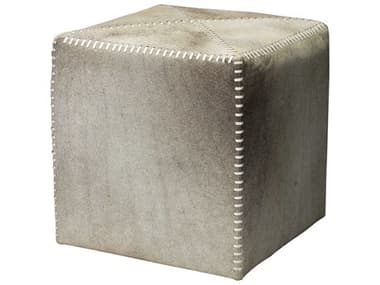
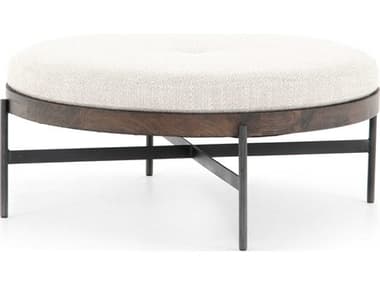
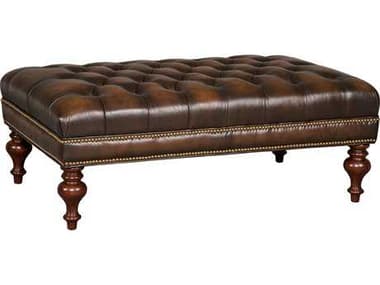
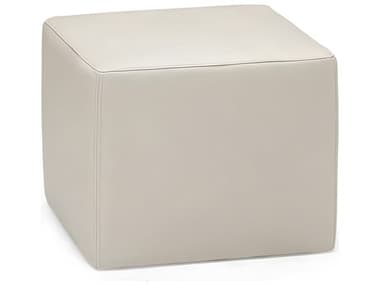
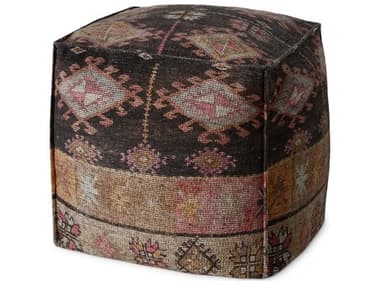
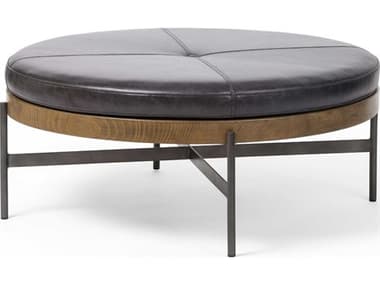
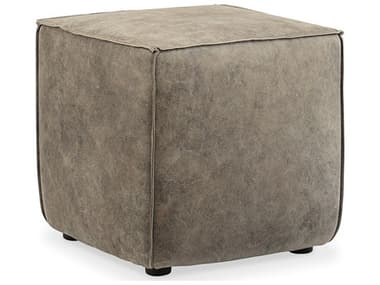
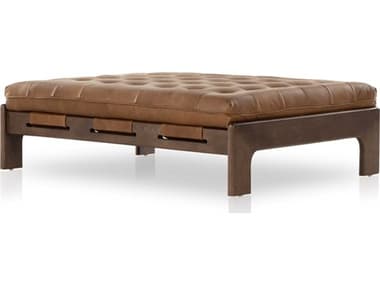
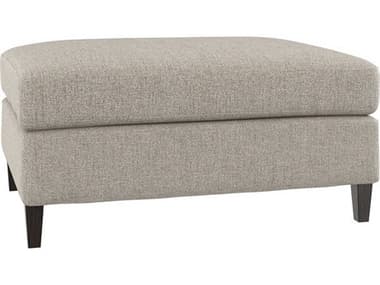
There are many styles and designs of ottomans to choose from. Here are some of the types found on the market:
You want to ensure you are making the right choice when you purchase your ottoman. Here are a few things to think through:
An ottoman can improve the comfort of your home. You should take the time required to choose one that will work for your interior.
Related Categories
Sofa Couches | Sectional Sofas | Console Tables | Chaise Lounges | End Tables | Living Room Sets | Home Theater Seating