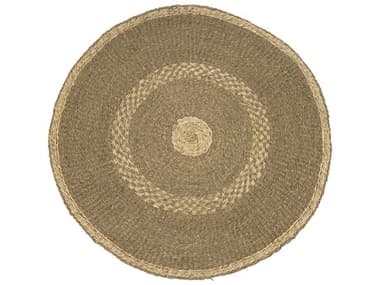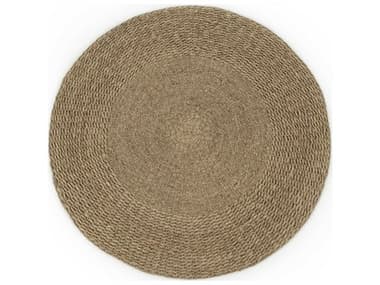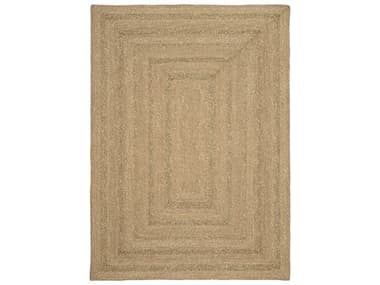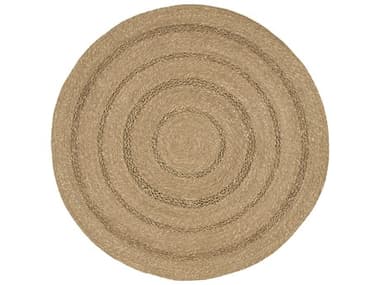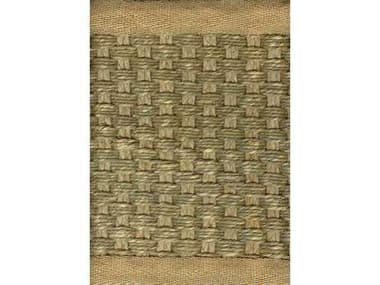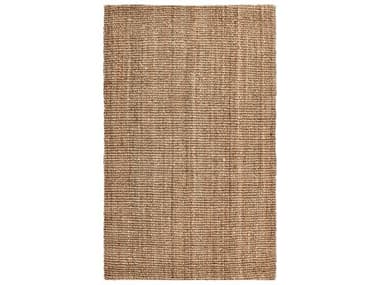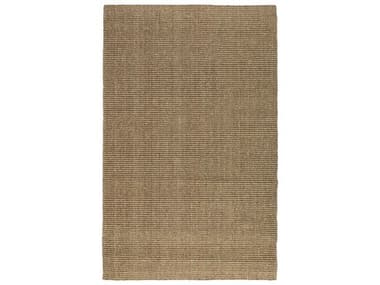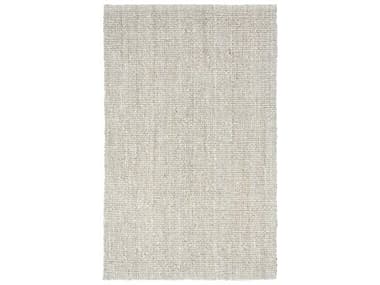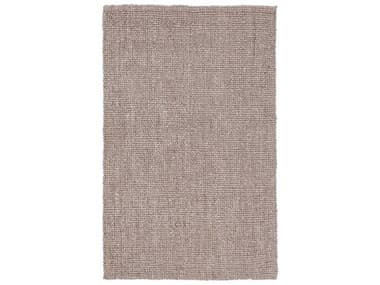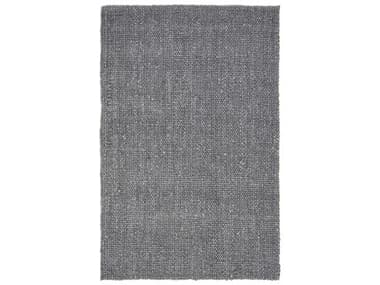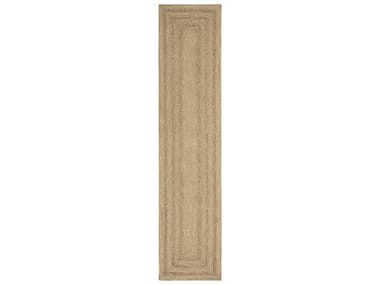


Seagrass rugs are a perfect choice for a casual design, a functional piece for a porch, or stylish ecological rug option. Made with dried grasses and bound with cotton or leather, seagrass area rugs are a great option for many decor situations.
In their natural and undyed state, sea grass area rugs give your space a nature focused feel. Their natural stain resistant properties make sea grass area rugs a perfect option for high traffic settings where their natural look will enhance your functional decor.
Before you buy your natural seagrass rug, you should consider your design style. Seagrass area rugs work well in a variety of design esthetics.
They are perfect for a casual country style giving your room a home spun look. Pairing them with a striped braided rug will impart the backcountry, rustic charm that defines your room.
If your design style leans more towards modern, then seagrass area rugs will bring the natural, ecologically sound element to ground your modernistic style.
For a more traditional design, you can set the stage with an outdoor seagrass rug on your porch or entryway. They make a classic statement about the updated traditional feel that exemplifies your decorating style.
Seagrass comes in a selection of neutral colors, light-brown, beige, and a sage green. The green may be present upon harvesting and in a freshly woven rug, but will fade to a more neutral hew with age.
Since all the seagrass fibers are essentially the same tone, the rug color is determined by the weave of the seagrass.
The natural beauty of a woven seagrass area rug is a stunning earthy addition to many decor styles. From beach chic to hip and urban, seagrass area rugs will enhance your room and give you the peace of mind that comes from decorating ecologically.
If you want to add a personal touch to your natural fiber, you can paint it to coordinate with the rest of your design. A tightly woven seagrass rug is the best option for painting. Do not purchase cheap seagrass rugs for this project, you want a quality indoor or outdoor seagrass rug. Selecting your design to coordinate with your room is the first step in your painting project. Options include a faux finish, stencil, free hand, and any other technique that suits your artistic comfort zone. A good paint for the project is one that is water-based, self-sealing, and scratch resistant.
The seagrass will absorb the paint quickly, so be prepared to apply multiple coats. When your masterpiece is finished, spray with a polyurethane sealer or acrylic spray sealer. Allow the rug to dry for 48 hours, or more if required by your finishing product. You will be delighted every time you look at your custom crafted seagrass rug. Personalized pieces made with love are one of the best ways to decorate your home. Decorating seagrass rugs may become addictive. You will be designing one for all of your friends and family's decorate style. Personalized entryway rugs make great gift ideas.
Seagrass area rugs have gorgeous woven designs. They are beautiful as a rug, but equally stunning as an art piece. Hanging a seagrass rug on your wall is a fun way to showcase the intricate weaving design of the rug. The play of light off the weave pattern gives your rug wall hanging a different look depending on the time of day and angle of sunlight.
Showcase the natural beauty of the seagrass works well in a variety of decors. It is perfect for a coastal vacation home, a rustic cabin, an environmentally friendly home, or any other number of nature focused ecology driven designs. Show off your seagrass rug in its natural state highlighting the weaving or paint it (technique outlined above) for a personalized piece of wall art.
Our beautiful seagrass area rugs are available in several weaves. Your perfectly selected, natural fiber seagrass rug will last for years in your home. Now is the time to add some ecologically conscious design elements to your home and one of our seagrass rugs is just the thing to make your personal style shine.
Our dedicated customer service staff is ready to assist you with the design and purchase of your seagrass area rug. Call us today for help selecting the perfect rug for your room.
To learn more about rug material qualities, read LuxeDecor's Rug Buying Guide.