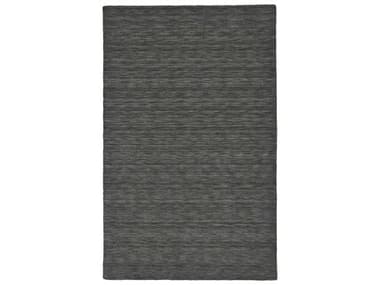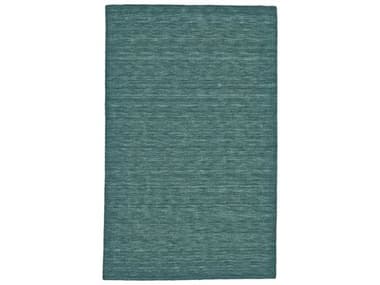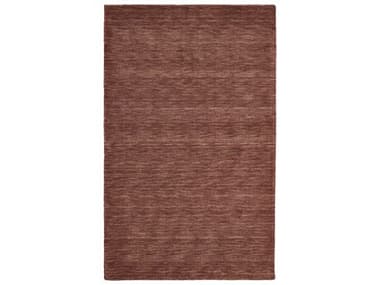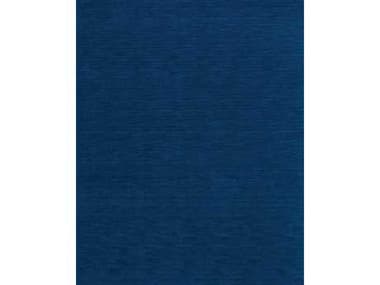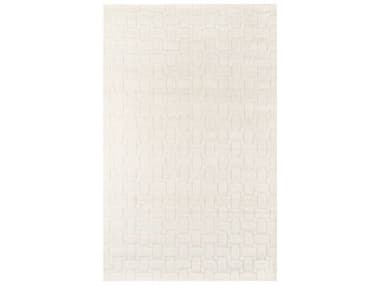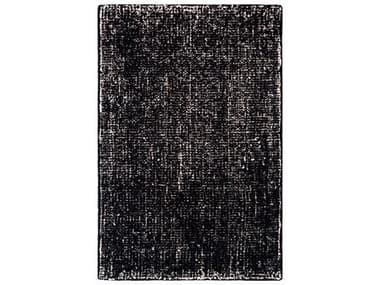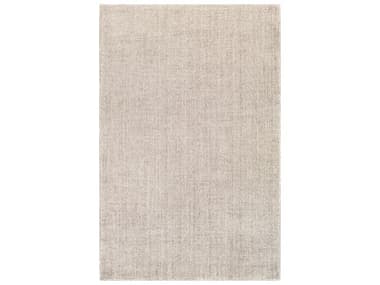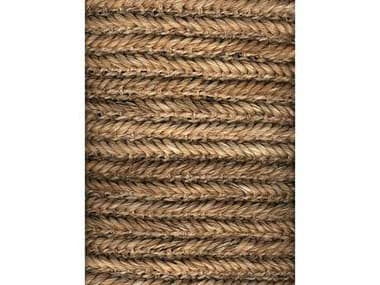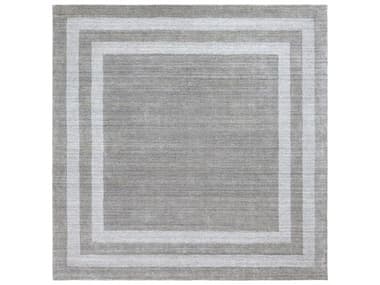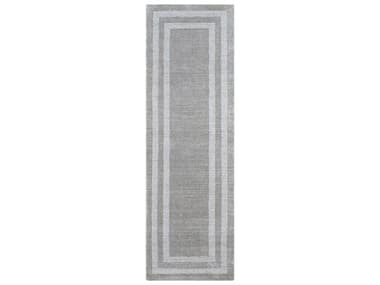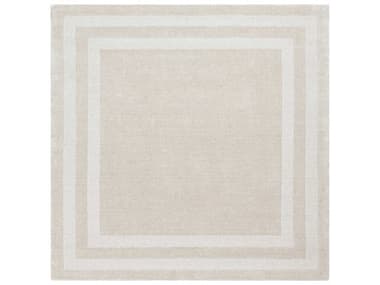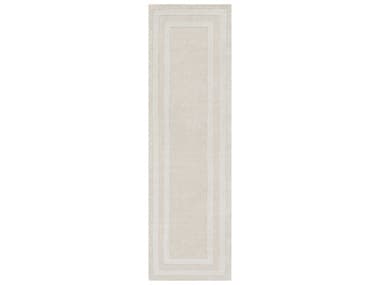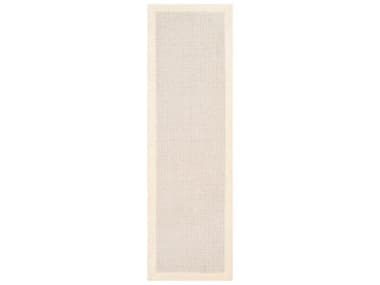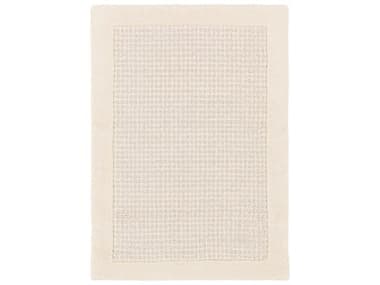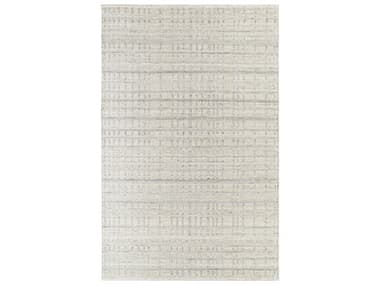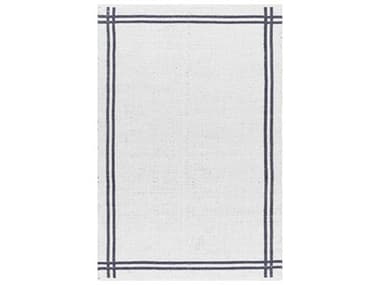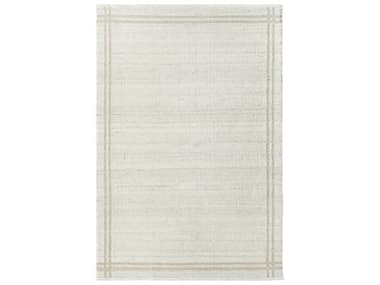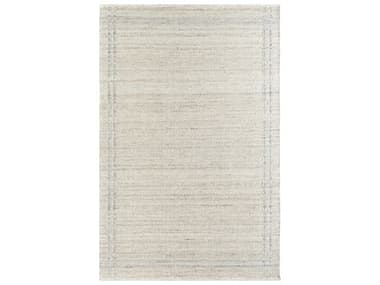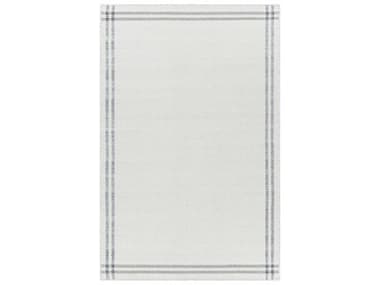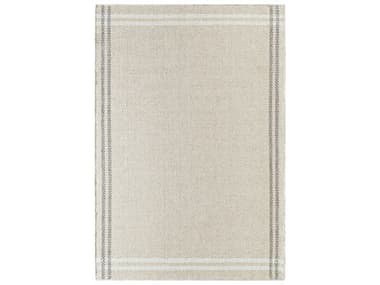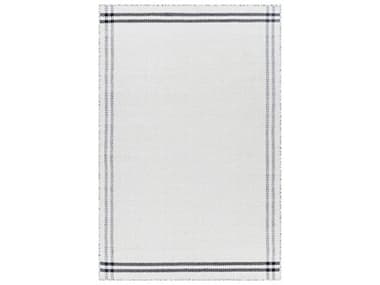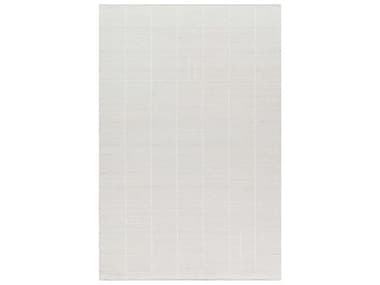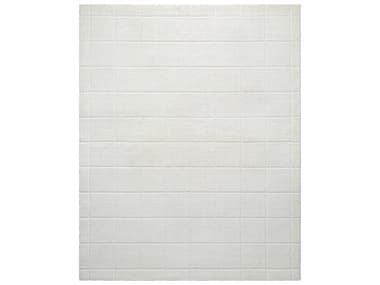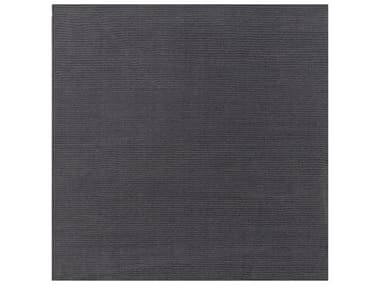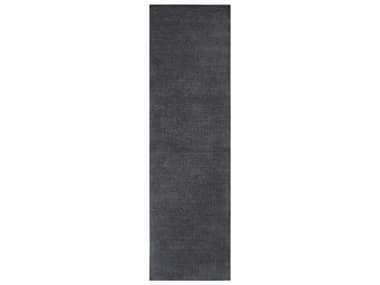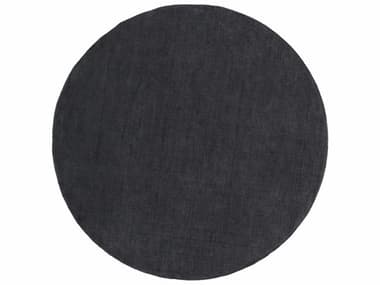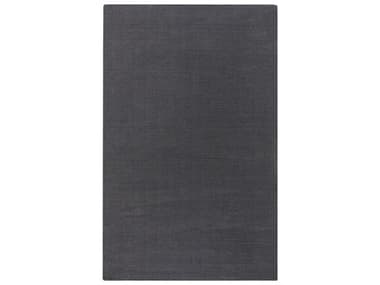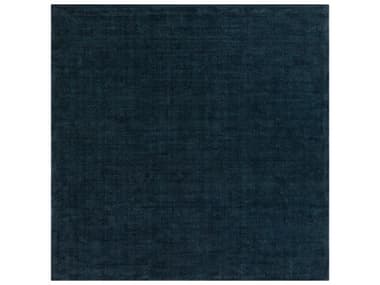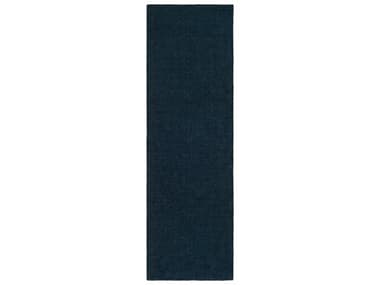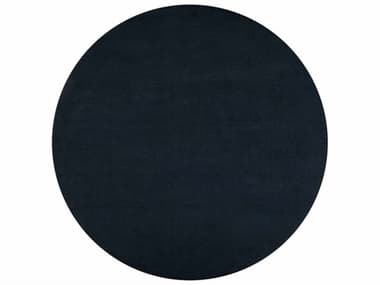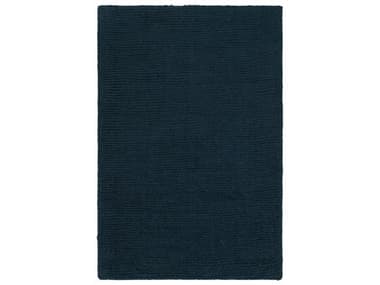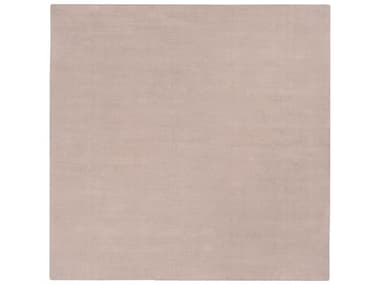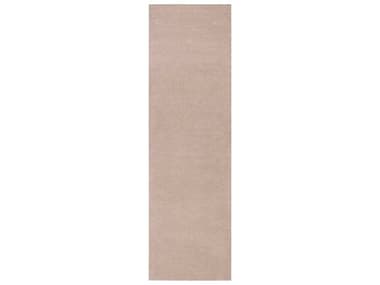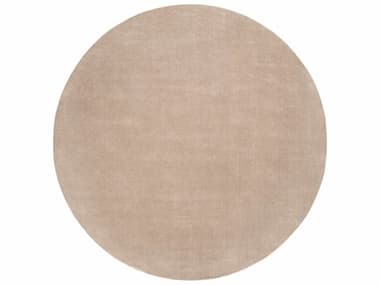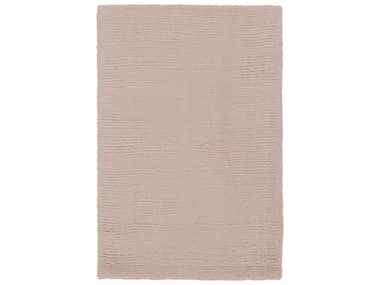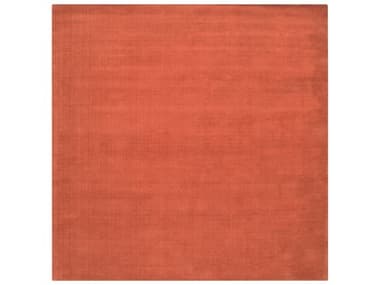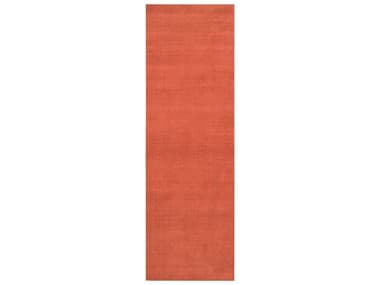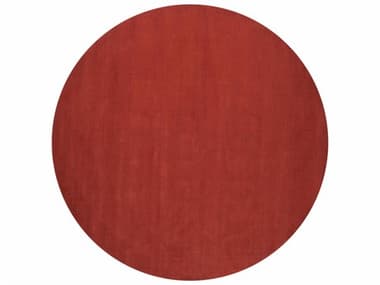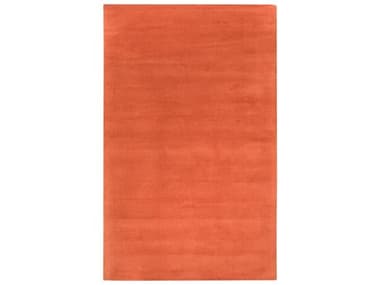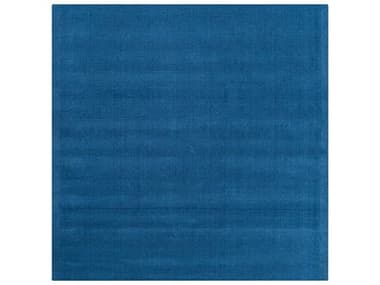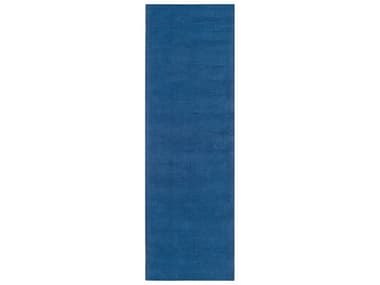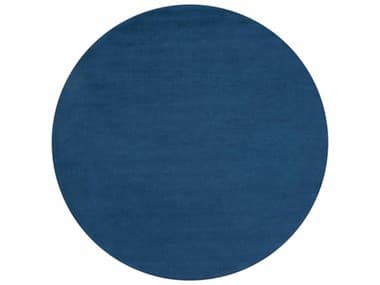


Large, all one color rugs can set the tone for any big room. They can help to establish a style, add warmth, and create a focus on the space’s key element. If you are planning to purchase an area rug and are on the hunt for a solid color area rug, here are a few factors you should consider to narrow down your options.
Like with any furnishing or accessory you purchase for your home, when you are looking at rugs — even solid color options —you need to consider your personal style. Are you looking for something that is transitional, modern or Bohemian? Is “beachy” your vibe or what about minimalist? As the one who is living with the rug and must look at it every day, make sure that it fits who you are and what you have designed your home to be.
To narrow the decision down further, your next consideration is the shape. What shape will look best for the room you are planning to place it? There are oval solid color area rugs, circle area rugs and square rugs. Each can provide a unique look or statement in you room.
The material your select for your rug is based upon several factors. First, is the rug going to be in an outdoor or indoor space? Will the rug have a lot of traffic? Do you have kids and need a rug that will hold up well or clean easily when food and drinks are inevitably spilled on the rug? Do you want a material that will give some texture to the space?
Keep in mind when choosing your plain rug, the material you ultimately decide on can add to the cost of the rug. For example, wool area rugs will be more expensive than lighter weight cotton area rugs.
Last, but certainly not least, you will need to factor in the color of the rug that you are considering. A rug can certainly make an impact in any space, depending on the color you select.
For example, there are solid gray area rugs that can add a sophisticated feeling to your room or help to emphasize the minimalist aesthetic you are creating in your home. There are also light blue area rugs that can help to invoke a beach vibe in your home or your vacation home.
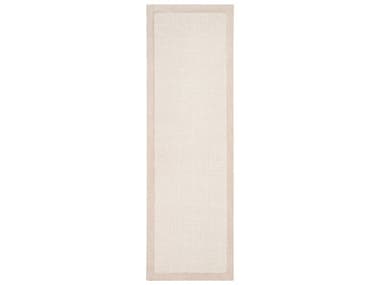
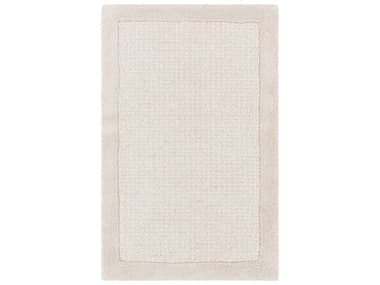
If you are looking for bedroom area rugs, think about bringing in a bold color that sets a tone for your room, such as a vivid purple or bright green. And if you want to add just a little variation to your rug, consider looking for a solid area rug with a border or solid pattern area rugs with a unique texture.
For many homeowners, one of the biggest questions they have when shopping for rugs is figuring out which size is the best for them and their room.
Will you need 9x12 area rugs, 6x9 area rugs, 10x14 area rugs or something smaller? The only way you will know is to measure.
To make sure you get the right measurement, follow these steps:
If you are trying to create an intimate space with your rug, or are simply looking for an accent to add to a room, look for smaller size area rugs, such as 6x9 area rugs or 4x6 area rugs.
And finally, don’t worry that your space may be too big for the room that you are trying to decorate. There are always extra-large options, including large bedroom area rugs.
Whether you are looking for a solid gray area rug, a solid shag area rug, or solid wood rugs to fit your style, LuxeDecor has a number of beautiful rugs available that are sure to fit your style and your space.
The price of your solid color area rug will depend on all of these factors, including size and material. Large area rugs for your living room are typically more expensive than small area rugs, and rugs made from heavier materials, including wool, may also cost you more. The good news is, however, there are great options for every budget.
Ready to shop for your rug? Check out our great selection today!
To learn more about different rug styles and patterns available, read LuxeDecor's Rug Buying Guide.
Related Categories
Braided Rugs | Oriental Rugs | Moroccan Area Rugs | Southwestern Area Rugs | Floral Rugs | Striped Area Rugs | Chevron Area Rugs