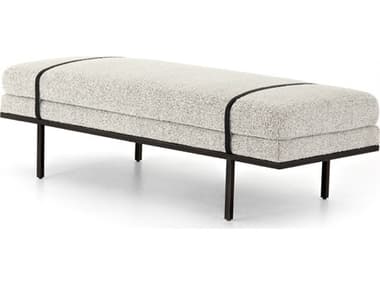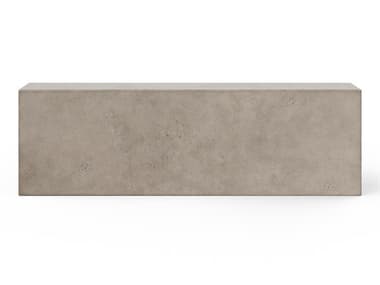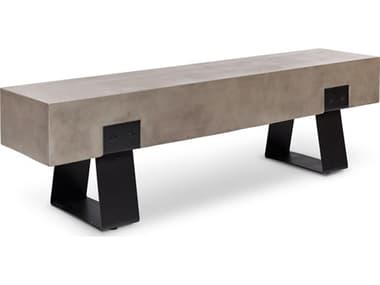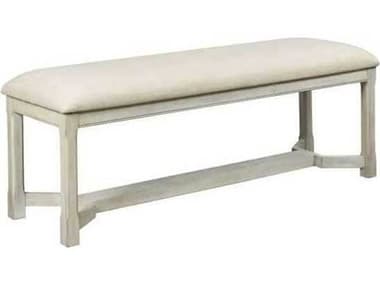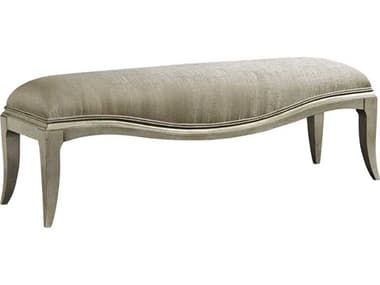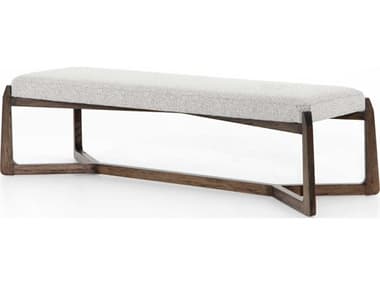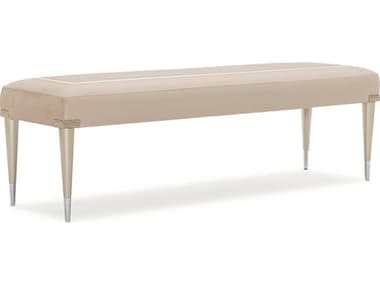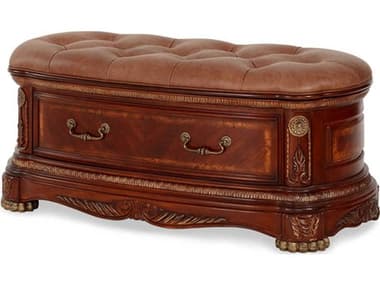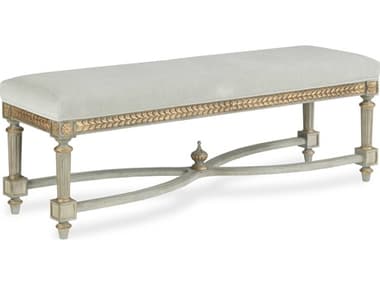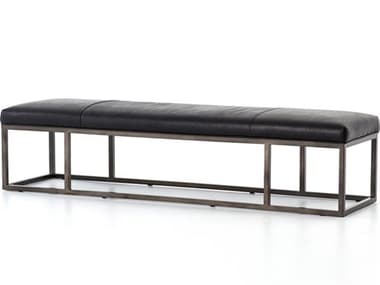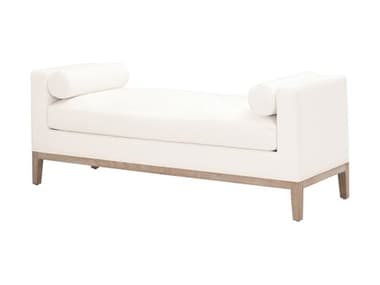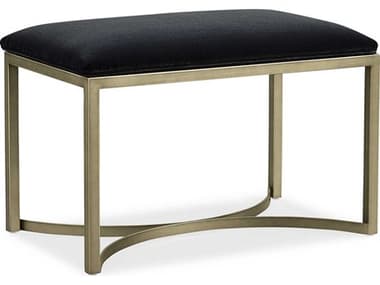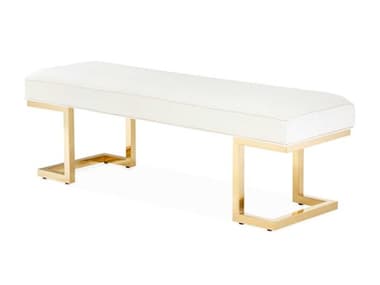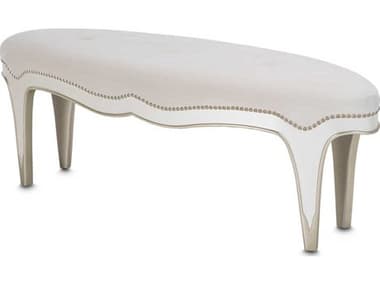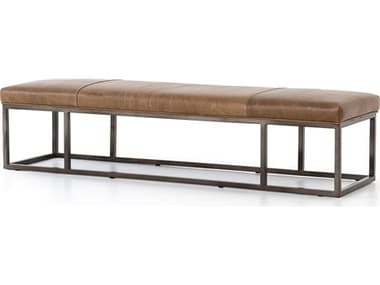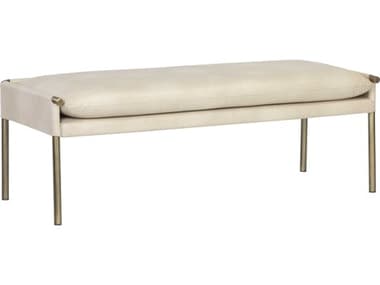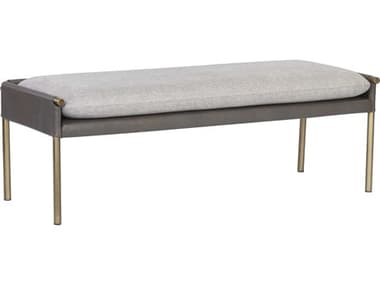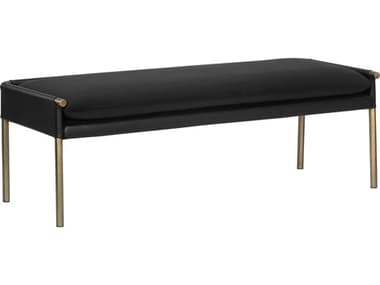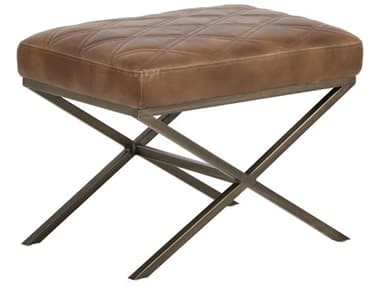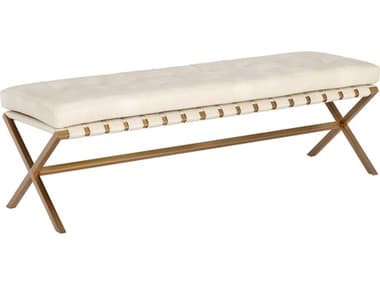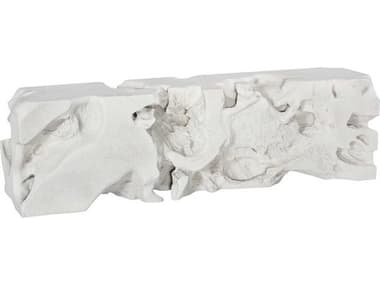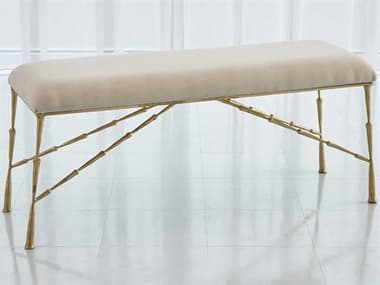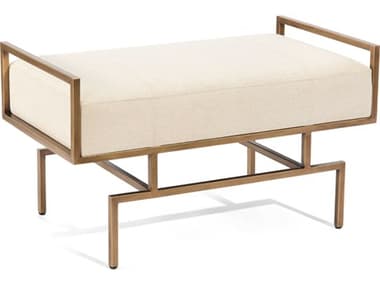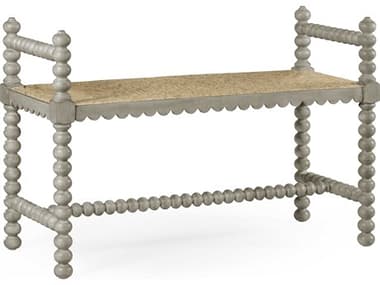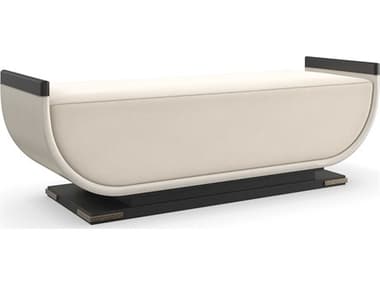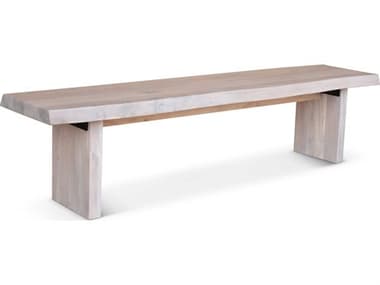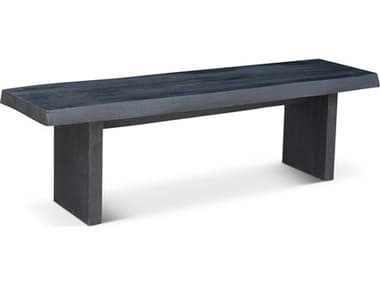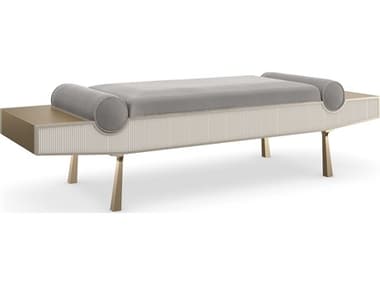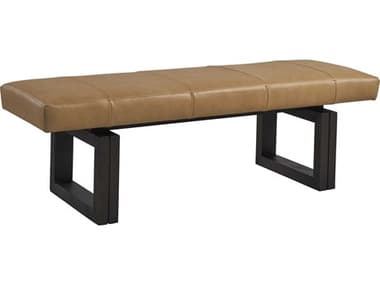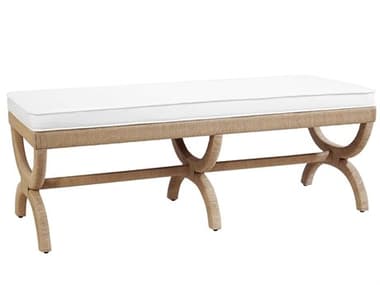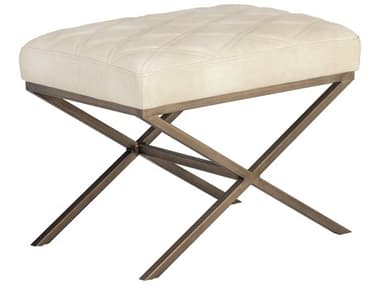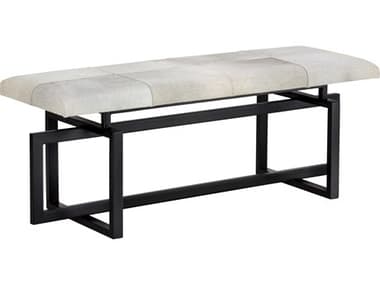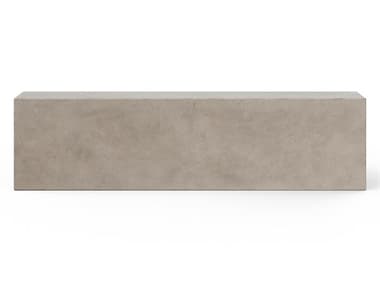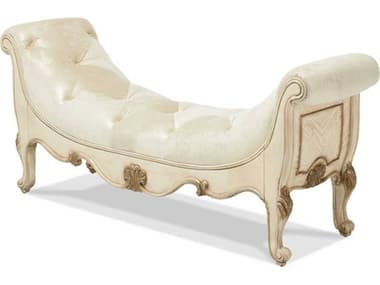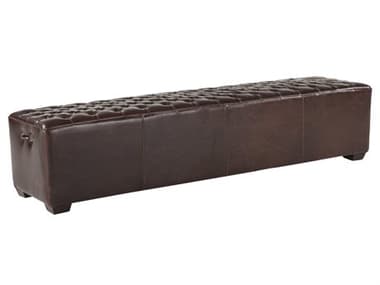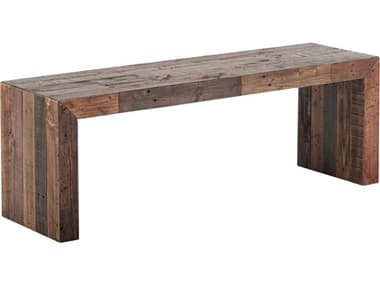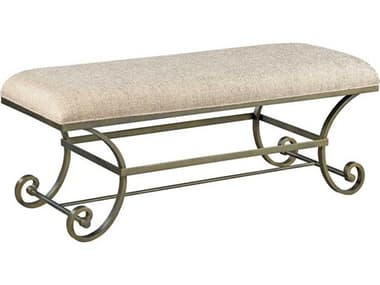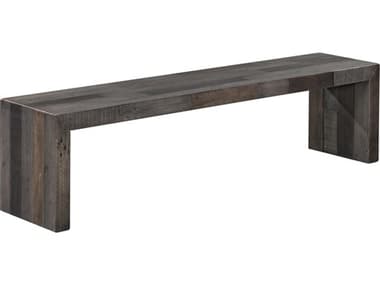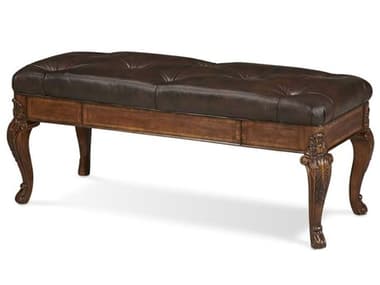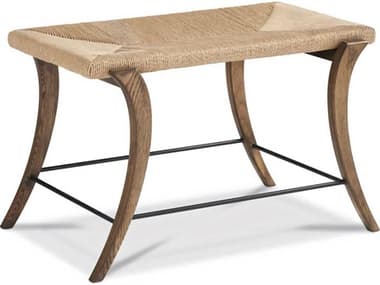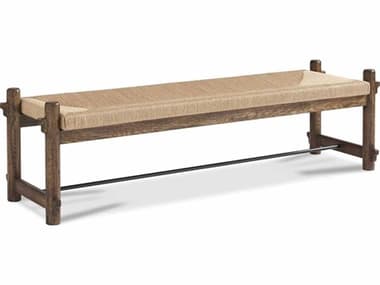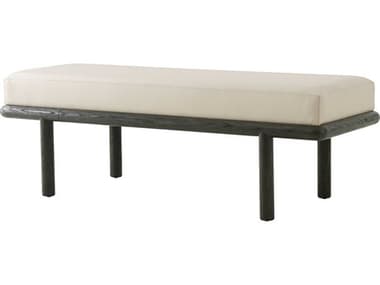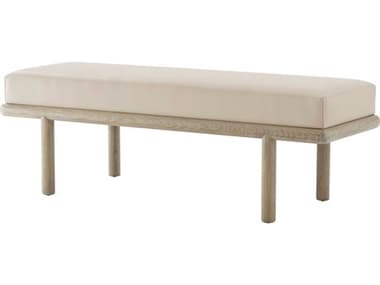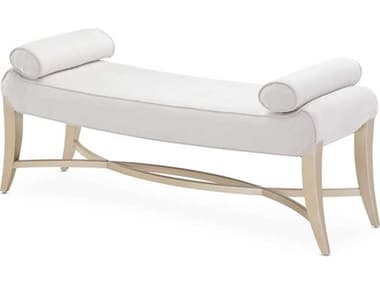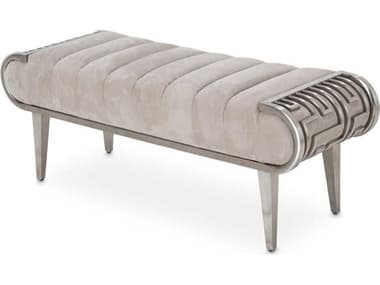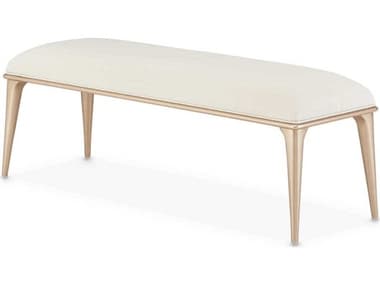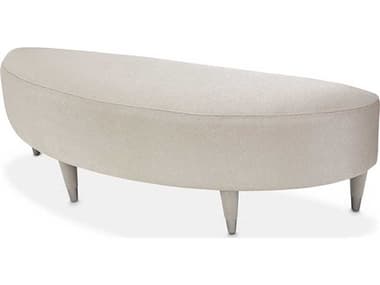
An accent bench doesn’t just add a spot for sitting in your bedroom or living room. It provides a unique counterpoint to the rest of the room décor. You can either match it to the existing furniture in color or make it a bold, standout piece the color of one of the accent colors in the room. The accent bench provides form and function in a furnishing. LuxeDecor’s selection includes accent benches furniture for every area of your home - indoor accent benches and options for outdoors.
Measure your space before you purchase an accent bench. While they do come in a range of lengths, the general rule for an accent bench is to purchase one that measures at least 48 inches in length. That makes it long enough for two people to sit on at one time, such as the white entryway storage benches at LuxeDecor.
Consider the current décor of your room. LuxeDecor has a big selection that offers accent benches furniture appropriate for Victorian, Queen Anne, contemporary, modern, mid-century, rustic, and country home décor. Consider the location of the furnishing and what sort of wear and tear it will need to handle.
For example, a leather bench might look fantastic in your entryway or the mudroom, but it is likely to deteriorate quickly. Likewise, a microfiber accent bench might match the décor of your child’s playroom, but it would soak up spills. A plastic, aluminum, or acrylic bench would fare well in either location since it would prove hearty and hold up to spills plus wear and tear.
Many of the accent benches at LuxeDecor offer storage inside. They are also hope chests and their interior has ample space for a quilt, throws, or throw pillows. These work well in an entryway or foyer. The entryway and accent benches go hand-in-hand. Some of these accent benches suit very small spaces.
You can use them in a corner or in the wall space between two doors. You can find benches with no armrests and with armrests. Some of these with armrests seat only one person. Alternately, you can find three-seater benches, too. Some accent benches feature wheels or casters. This lets you easily move or relocate these bedroom benches.
The accent bench proves one of the most diverse furnishings. It comes in a range of sizes, styles, and colors with many choices in seat materials, including:
Complete the look of your room with an accent bench. You can choose a bench that provides you with a storage cubby or doubles as a coffee table. You can seat one to three people on an accent bench. You need to determine which features you want and how you will use the bench – freestanding, against a wall, or against another piece of furniture, such as placing a bench along the edge of a bed.
If you have children, avoid accent benches with sharp corners. Rambunctious kids can easily bang into these and hurt themselves.
Would you pair the accent bench with an ottoman or an ottoman for each seat? Adding ottomans can make the bench typically used for a few moments of sitting in a more comfortable spot for longer-term repose. In some cases, the material used for the seat determines what color choices you will have. Leather seats typically come in black, brown, tan, or white. Microfiber or fabric options provide a multitude of hues of primary and secondary colors.
The most common shades include red, blue, yellow, gold, silver, and green. Orange and purple occur less frequently but you can find them. The frame material of these benches varies. Consider what will look good and withstand the wear and tear of the room or environment in which you use it. For example:
Whether you want accent benches for bedroom or unique accent benches for your garden, LuxeDecor offers them. You can find the accent storage bench you need for your workshop, or accent benches living room decorators can use in every imaginable motif. Shop the extensive selection at LuxeDecor today!
Benches at LuxeDecor are available in a number of different styles ranging from Old World Traditional to sleek and Modern. We offer a few unique fabrics, colors, sizes, and materials to complement any of your existing décor. From end of bed benches to window benches, we bring you the perfect piece for rest, relaxation, and storage. Whether you prefer benches from A.R.T. Furniture, Theodore Alexander, Worlds Away, or Global Views, we guarantee that you’ll find something new to love in our online selection.
Related Categories
Modern Accent Benches | Silver Accent Benches | Beige Accent Benches | Casual Accent Benches | Leather Accent Benches | Oak Accent Benches