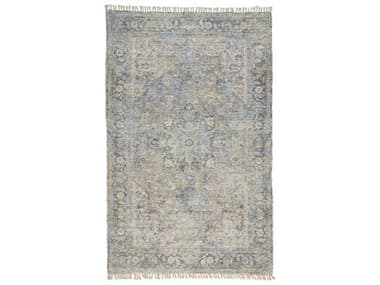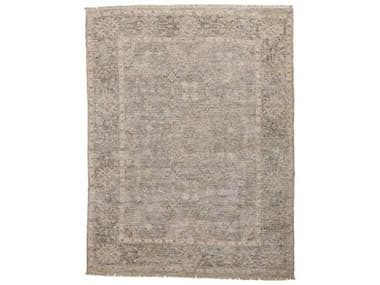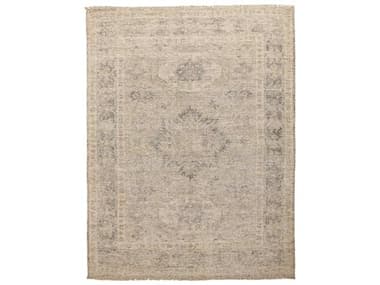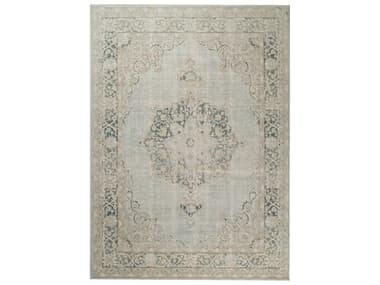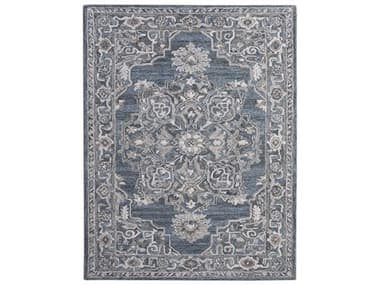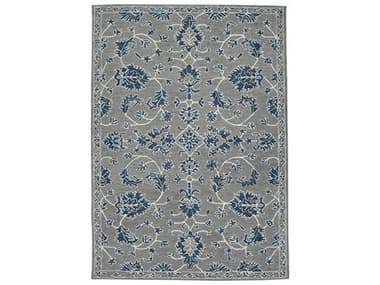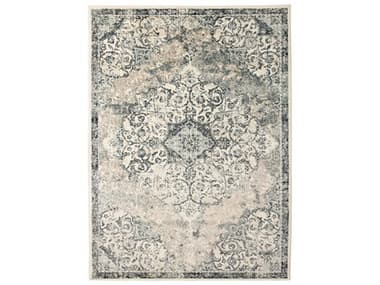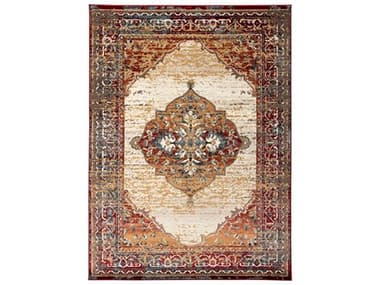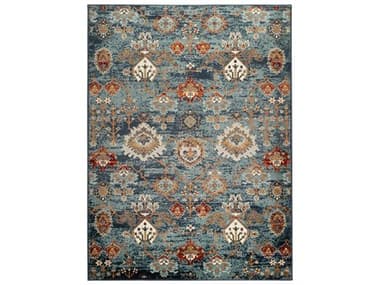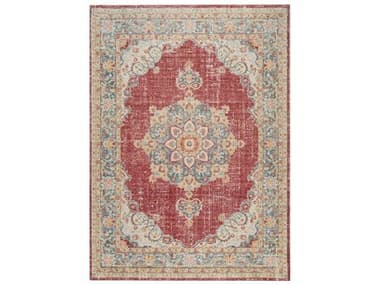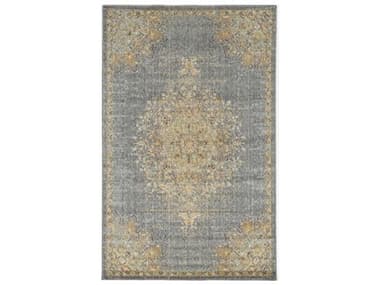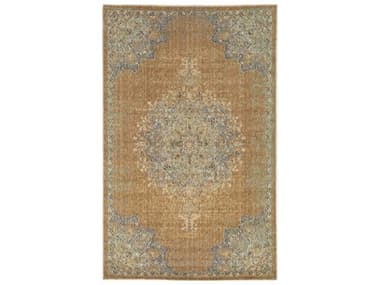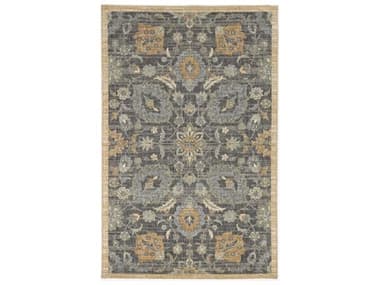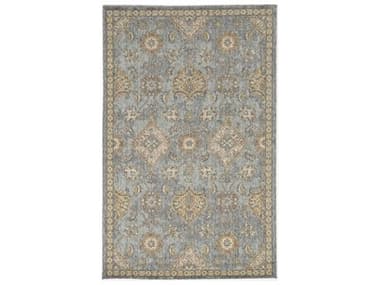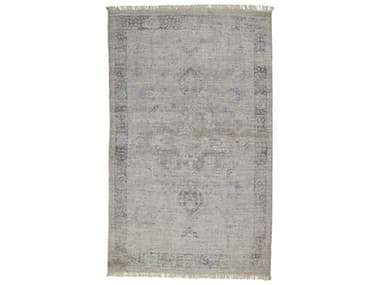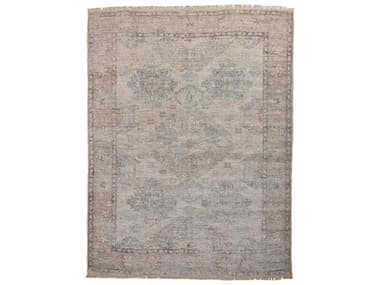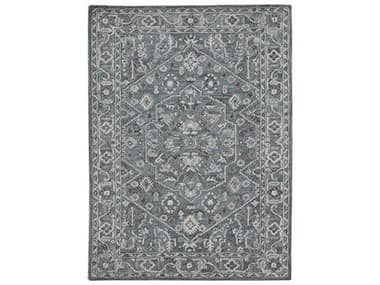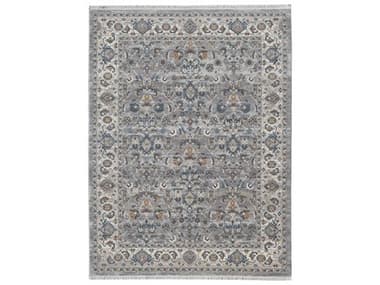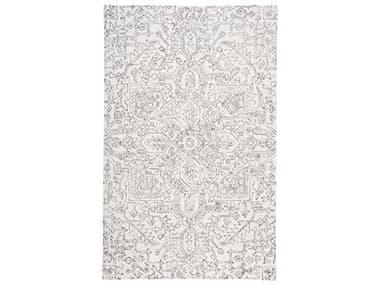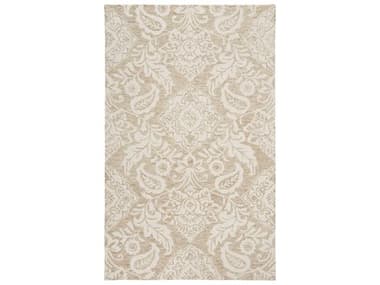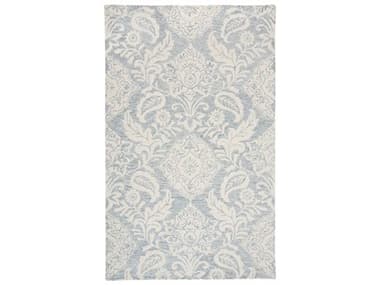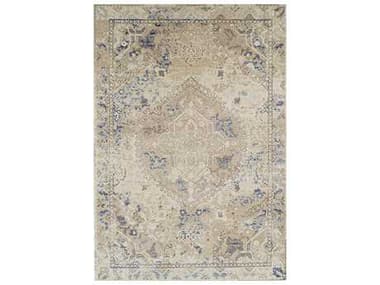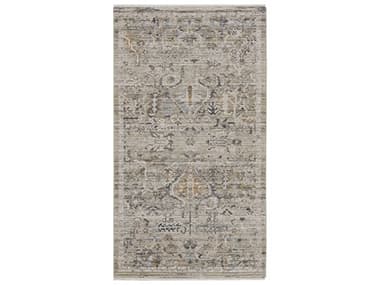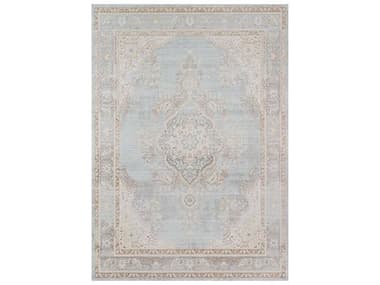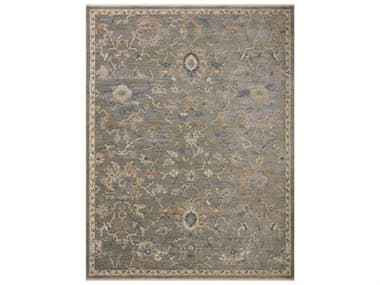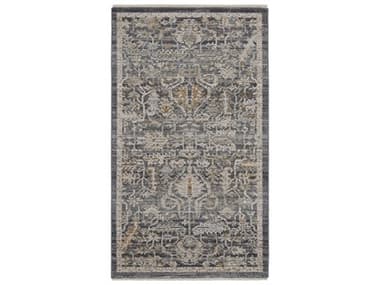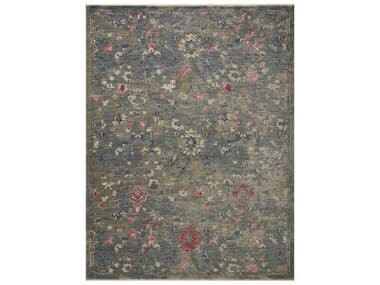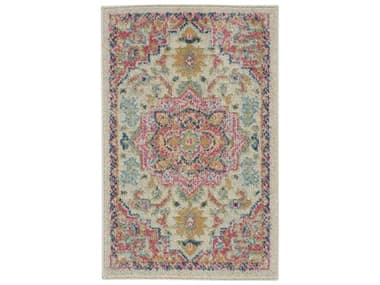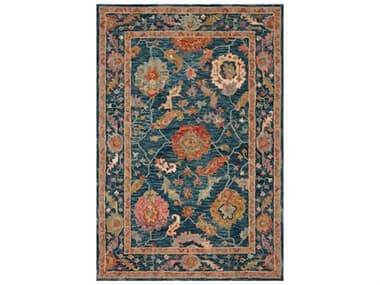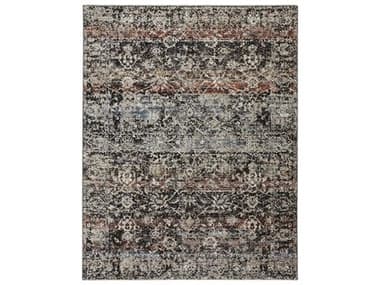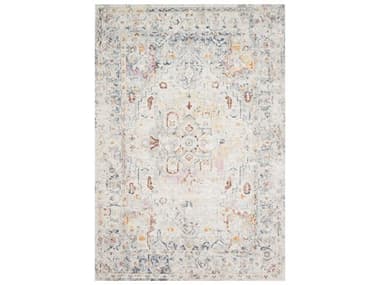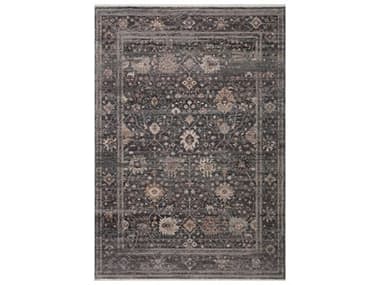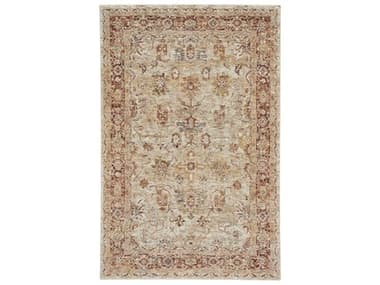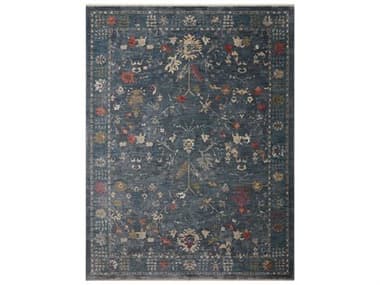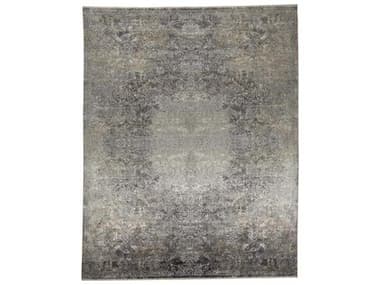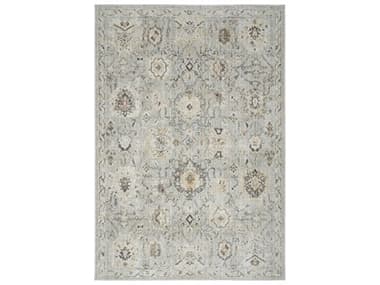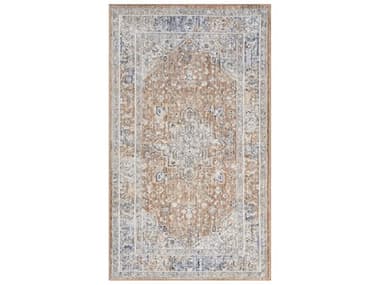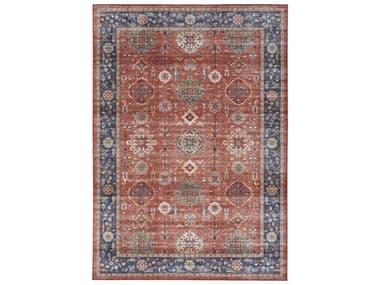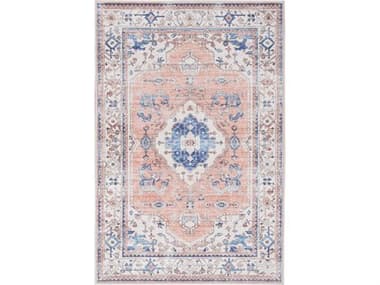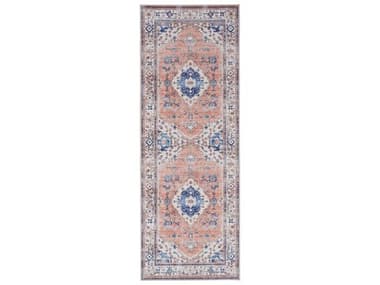


In the world of interior design, oriental rugs are a must-have item. Once upon a time, these beauties were reserved for only those who could import them. Nowadays, however, oriental carpets are more available and accessible than ever. From looks reminiscent of Chinese rugs to authentic Persian rugs, wide varieties of textures and patterns make it easy to find the perfect style to suit your aesthetic.
The right rug can bring a whole room together. It can be the exact design statement piece you need to bring a space to life. For this reason, it's good to do your research before purchasing an oriental rug.
Before you buy an oriental carpet, consider the space in which you intend to place it. What does the existing décor look like? Are there colors and textures already present that you want to match to your rug? Or do you plan to frame your style using your new carpet as a centerpiece?
With so many types and styles available to you, you want to consider the size and shape of the rug you need. Importantly, you need to think about your budget and how much you are willing to spend.
Rugs can undergo quite a bit of foot traffic in some regions of the home, so it's equally vital that you consider the function of your rug and how durable you need it to be.
Oriental rugs are as diverse as they are beautiful. One of the first things to consider is whether you want a modern look or a more vintage oriental rug. Of course, there is also the question of pile woven versus flatweave.
Pile woven rugs and can be recognized by the presence of a tufted surface. They are made on a loom and consist of a base layer with fabric looped and knotted onto it. Conversely, flatweave rugs are carpets that are created without using any knots at all. Horizontal and vertical fabric is interwoven to make up the entirety of the carpet's surface.
These days, oriental carpets are made from a wide range of materials. Wool, silk, jute, and cotton are popular and durable natural fibers used for making rugs. However, more budget-friendly synthetic and machine-woven options are available that are equally pleasing to the eye.
There are endless options when it comes to oriental rugs. They come in different shapes and sizes, in both bold and muted colors, and are made from various materials and textures.
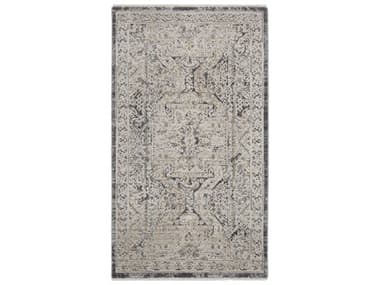
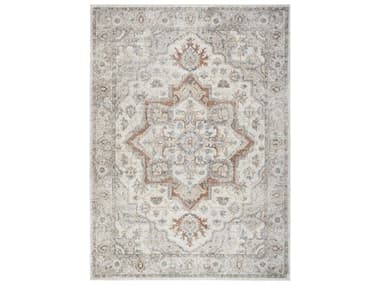
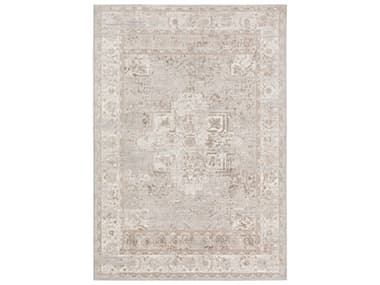
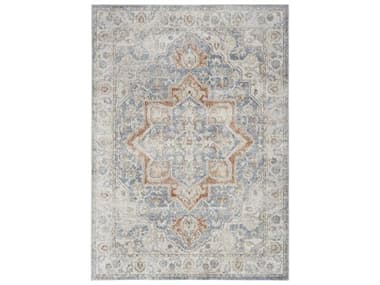
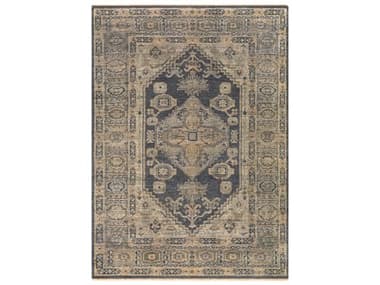
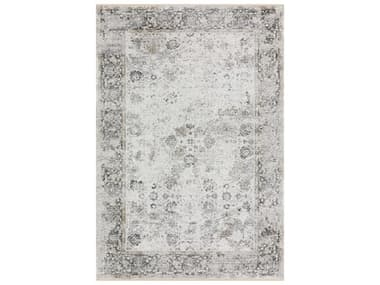
Rectangular area carpets are among the most common rug shapes, and there are several standard sizes available, from as small as 2 x 3, all the way up to 10 x 15. There are also numerous colors available, whether you're looking for a red Persian rug or a black oriental carpet, with every option in between.
Rectangular oriental rugs are great additions to almost any room in the home. Large rectangular rugs make a statement and can easily serve as the defining feature of a space. Smaller rectangular rugs are fantastic for transitional areas, close to doors, or for configuring furniture in a specific area.
Round rugs are a fantastic choice for catching attention. In terms of decorating, they can also serve some unique purposes. For example, if you have curved furniture, the inclusion of a round rug in that particular space complements and unifies your style by creating harmony in design.
In a small room, round rugs can make an area look organic and spacious. The curved lines of round carpets lend to movement, making small spaces look less closed in.
Indeed, round rugs work in almost any room, so long as you don't park too much furniture on them. A prominent feature piece in a dining room is just as endearing as a pink oriental rug or a blue oriental rug in a baby room.
Oval rugs are a nice change from the more familiar shapes of rectangular and round. The most prominent characteristic of oval rugs is their inherent elegance.
If you want to add a touch of interest to a sofa or coffee table, consider placing an oval rug beneath them. Oval rugs work incredibly well as statement pieces and can lend to the illusion of larger spaces.
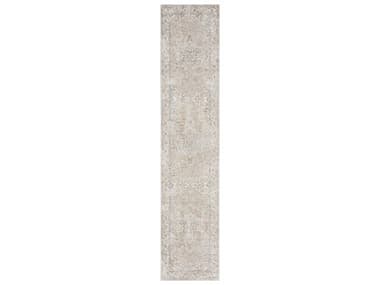
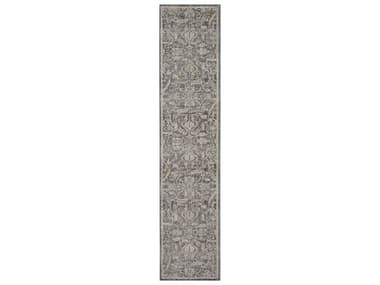
Runner rugs are a must-have for creating interest and cohesion in more awkward areas like foyers, hallways, and kitchens.
Both modern and vintage Persian rugs add visual excitement to areas that run the risk of looking clinical. The patterns and textures of oriental carpets are also excellent for adding contrast, symmetry, or complexity to monotonous spaces.
Keep the following considerations in mind when selecting your oriental rug.
Measure your space and start your decision-making process from there. A rug can be the most noticeable feature in a room, so it's essential to choose one that is the correct size for your space. A too big rug can look clunky, whereas one too small can make a room look very disproportionate.
Rugs tend to end up in high traffic areas in the home, so choose a material based on the level of durability you expect you will need. Jute, wool, and some synthetic materials are really solid options when you need a carpet that will be long-lasting.
Patterns are one of the most outstanding features of oriental carpets, so choose one that you won’t get tired of. Also consider color when making your choice, as some colors soften the atmosphere where others stand out. For example, a grey Persian rug or a green oriental rug may look exceptional in an entertainment area, whereas you might opt for a blue Persian rug in a bedroom.
Choosing an oriental rug isn’t easy, but once it is in your home, you will not regret it. Oriental carpets add flair to design and warmth to the home.
Related Categories
Rectangular Oriental Area Rugs | Square Oriental Area Rugs | Round Oriental Area Rugs | Oval Oriental Area Rugs