Loading products
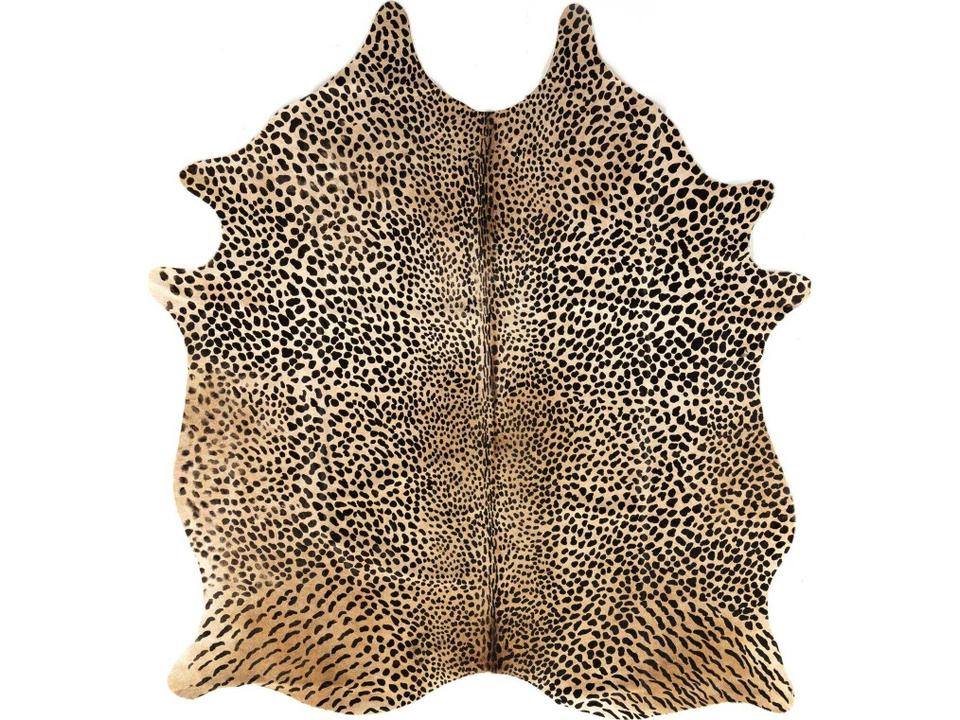
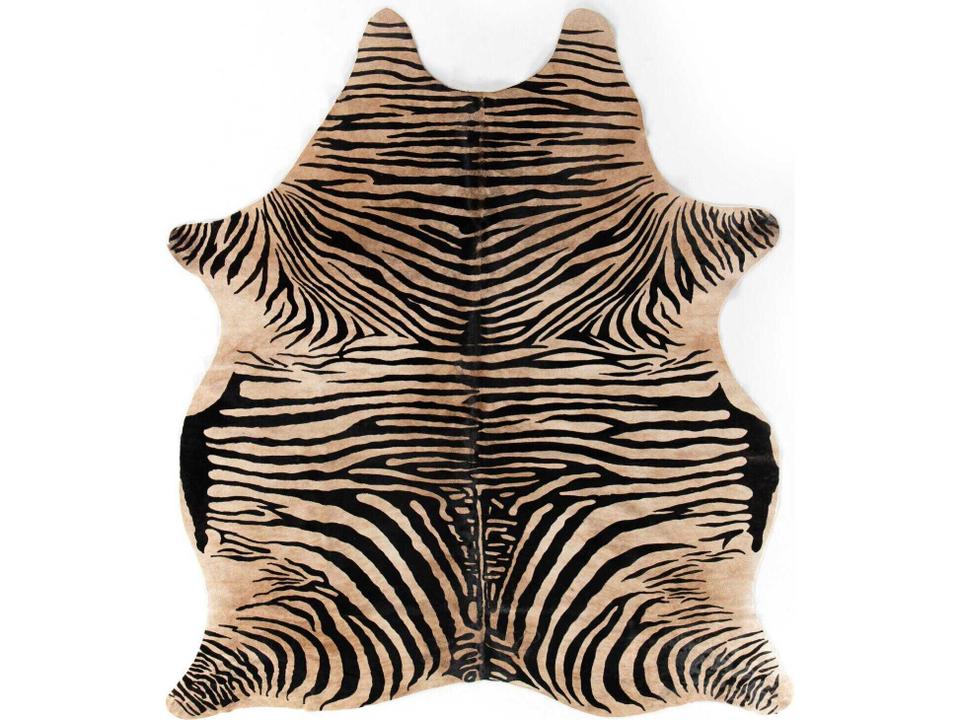
The first decision is material. Wool rugs feel plush underfoot, hold color beautifully, and handle high-traffic rooms without matting. Natural fibers like jute and sisal read more textural and suit casual spaces, though they take stains less forgivingly. Synthetic blends — typically polypropylene or polyester — resist spills, fade, and pet odors, which makes them the practical pick for dining rooms, sunrooms, and anywhere kids and animals live. Genuine cowhide sits in its own category: soft, durable, and naturally irregular in shape, with no two pieces alike.
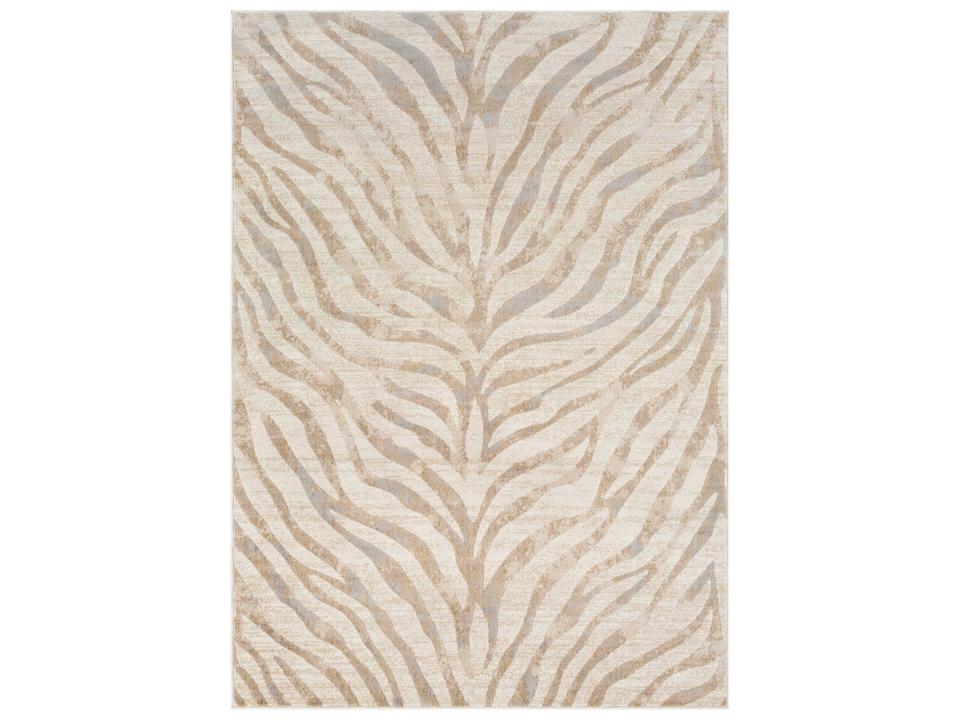
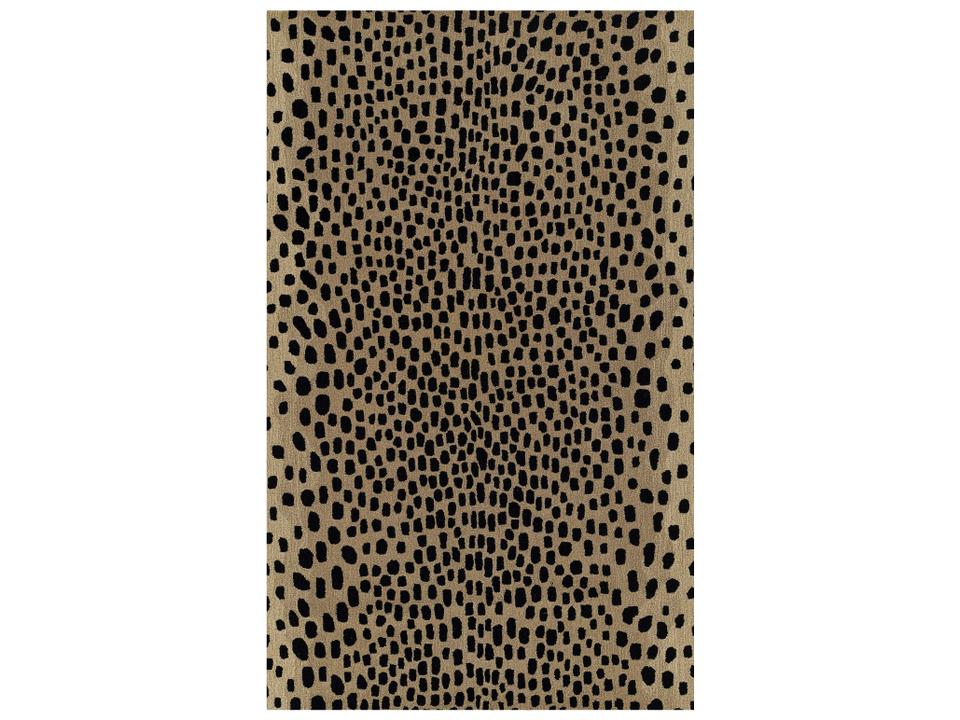
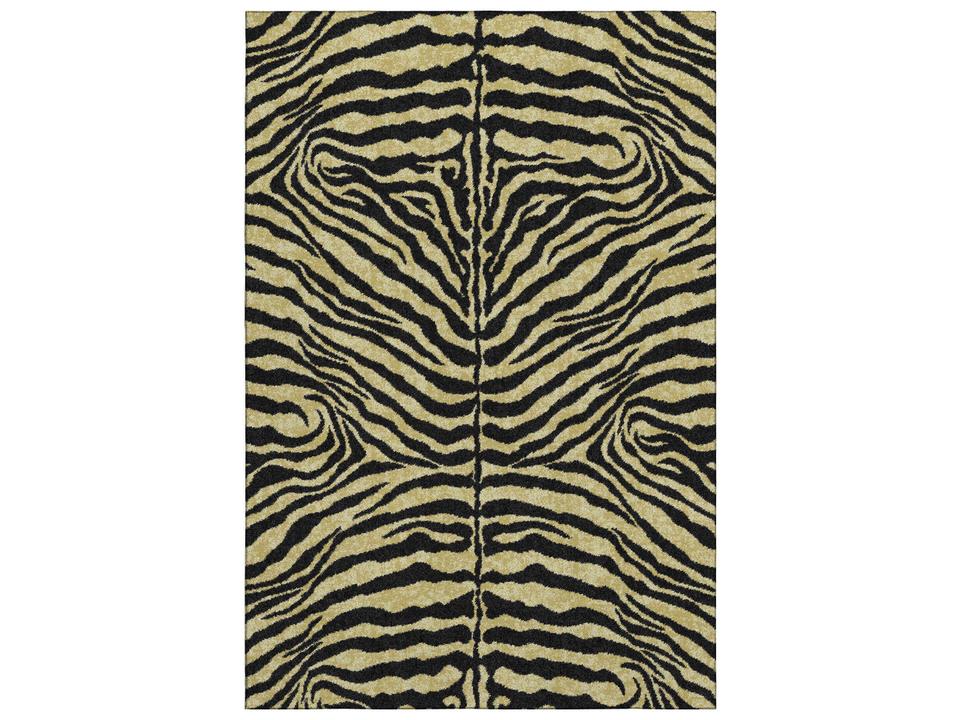
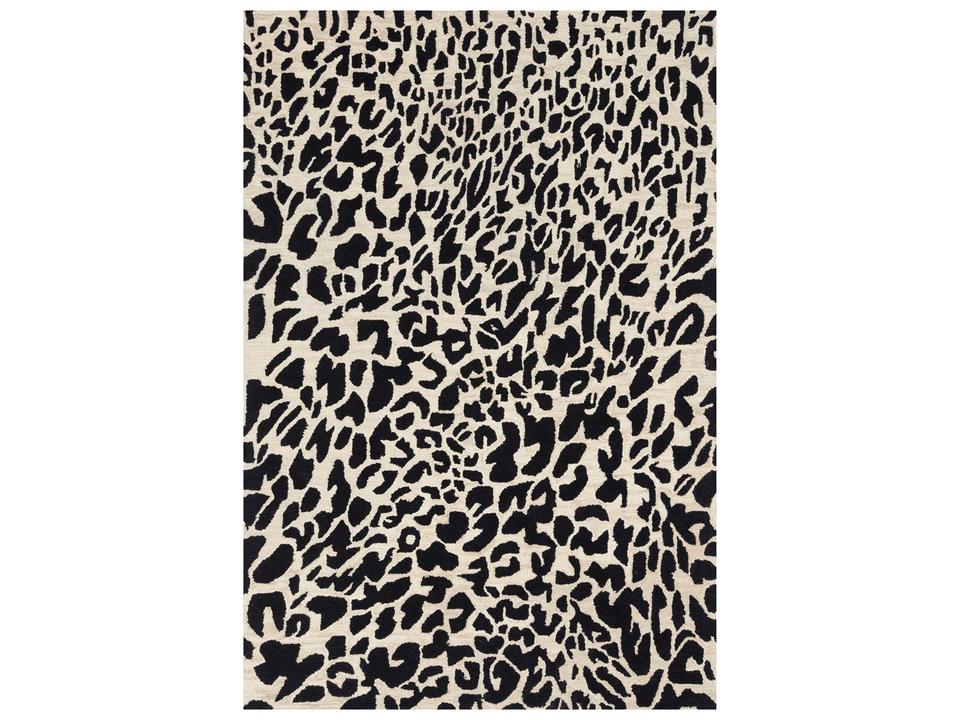
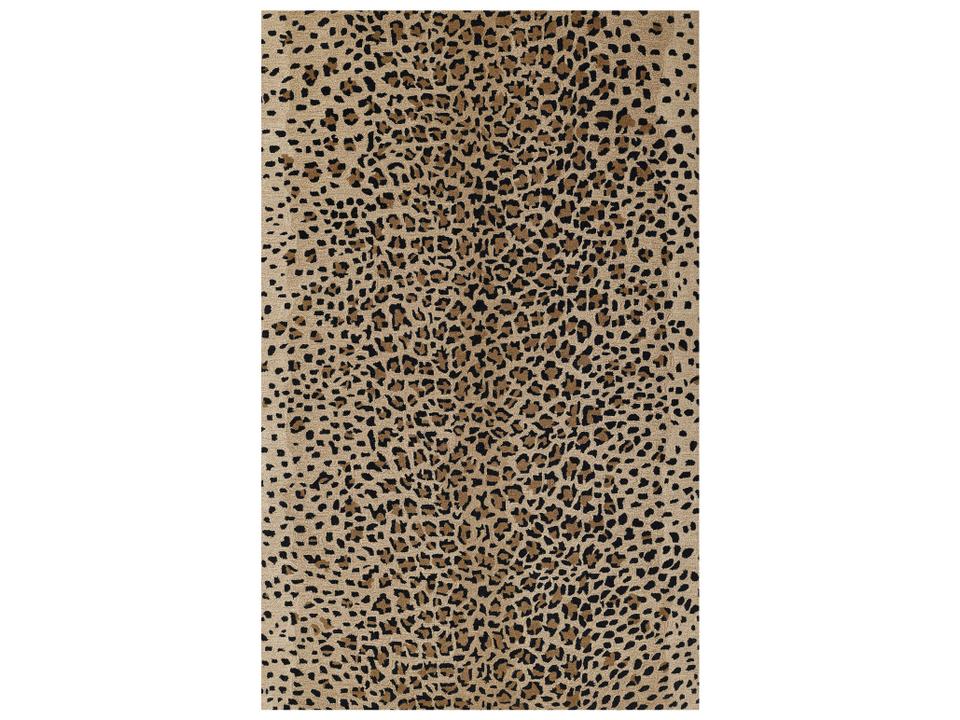
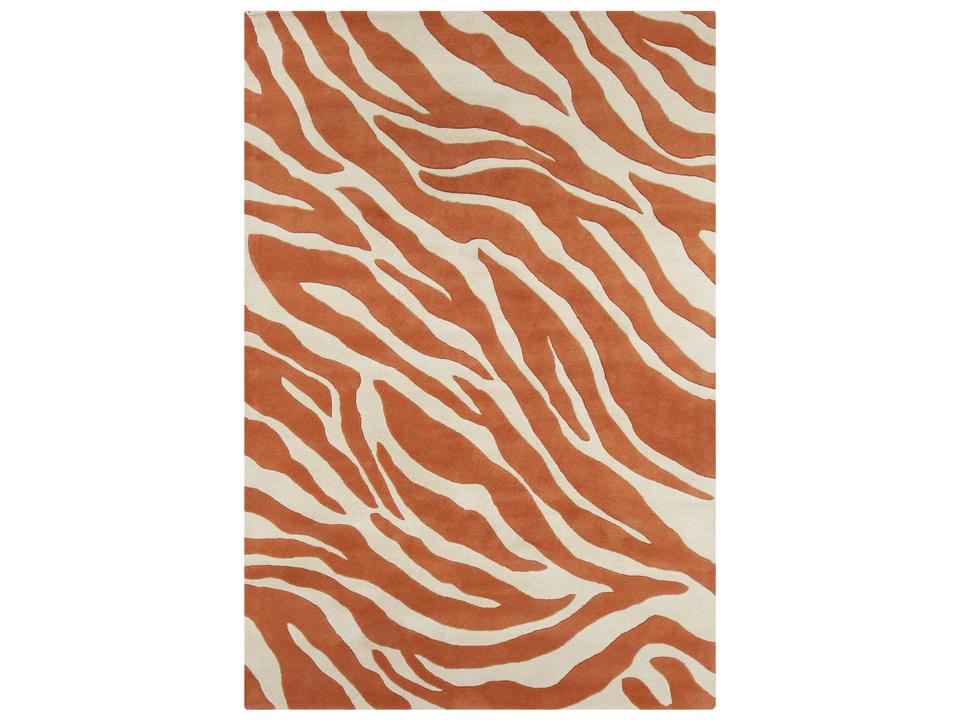
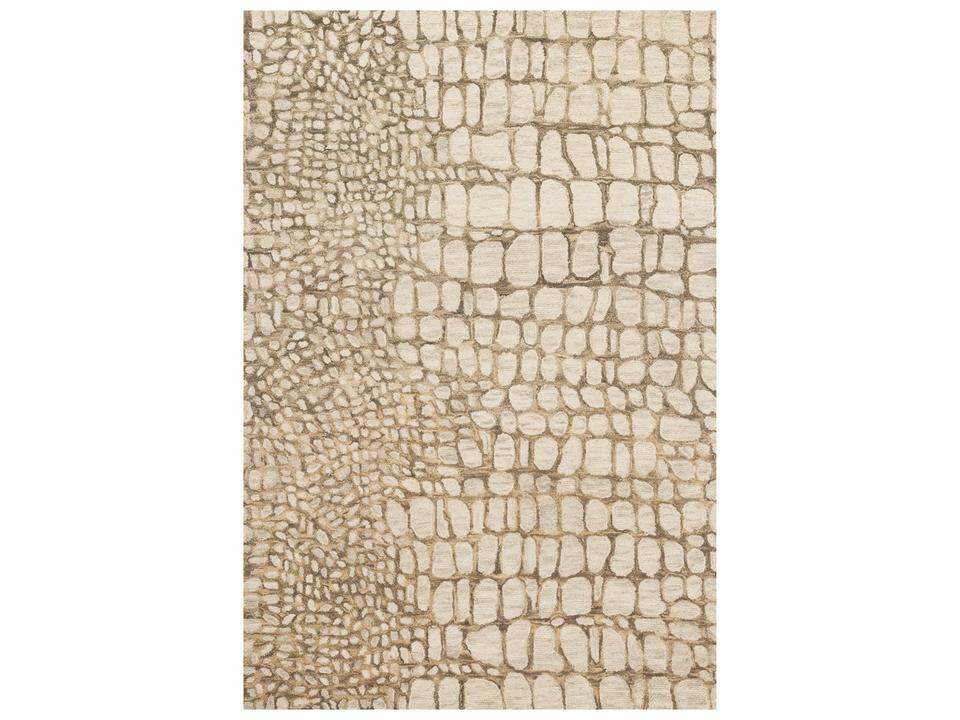
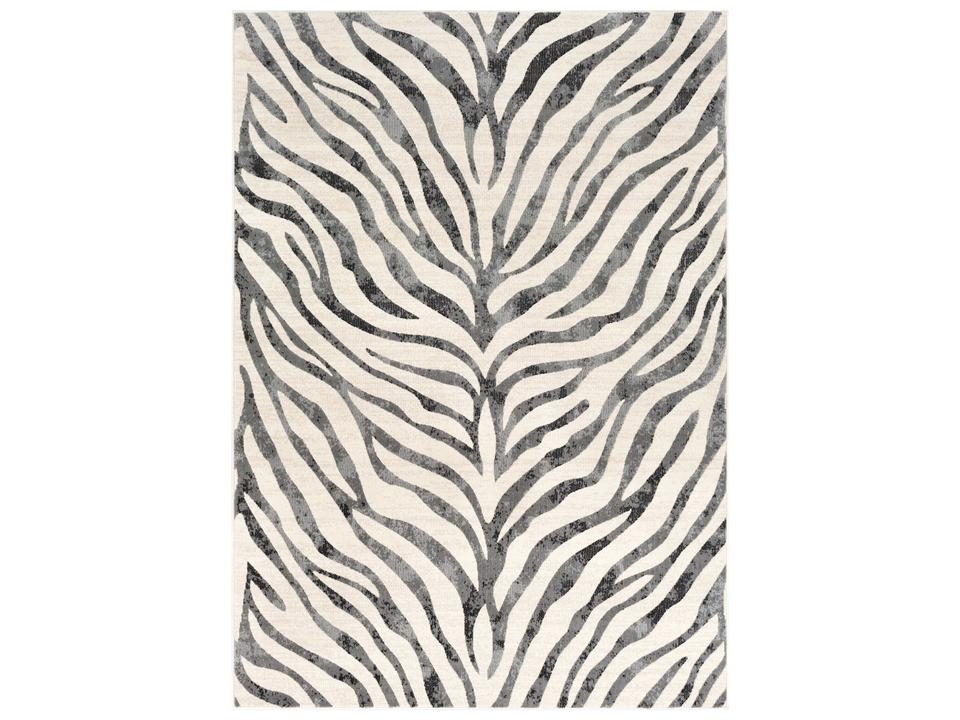
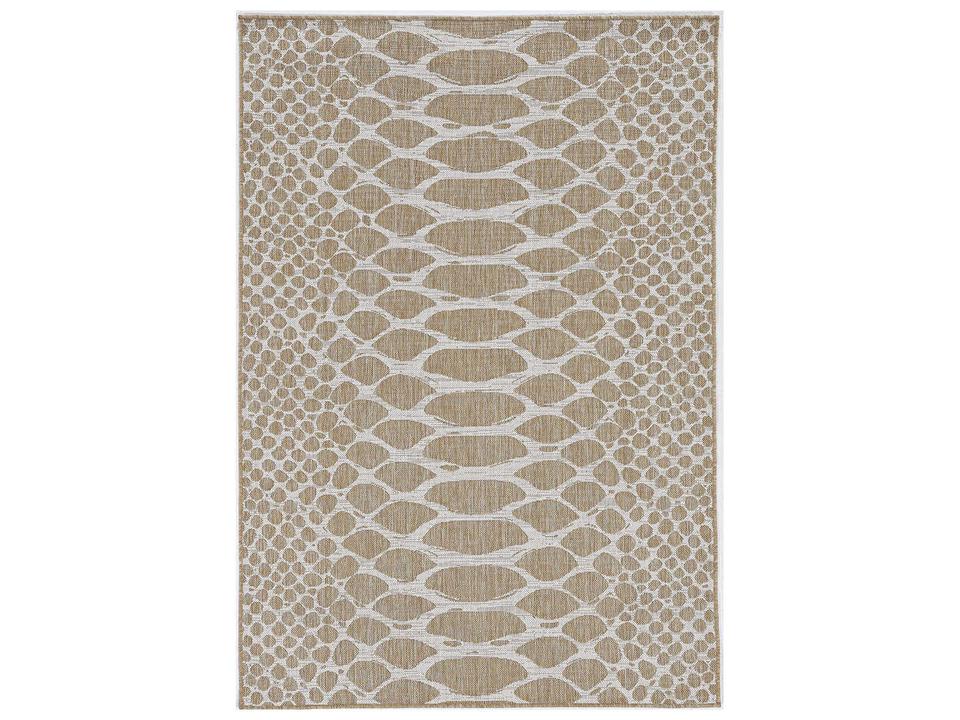
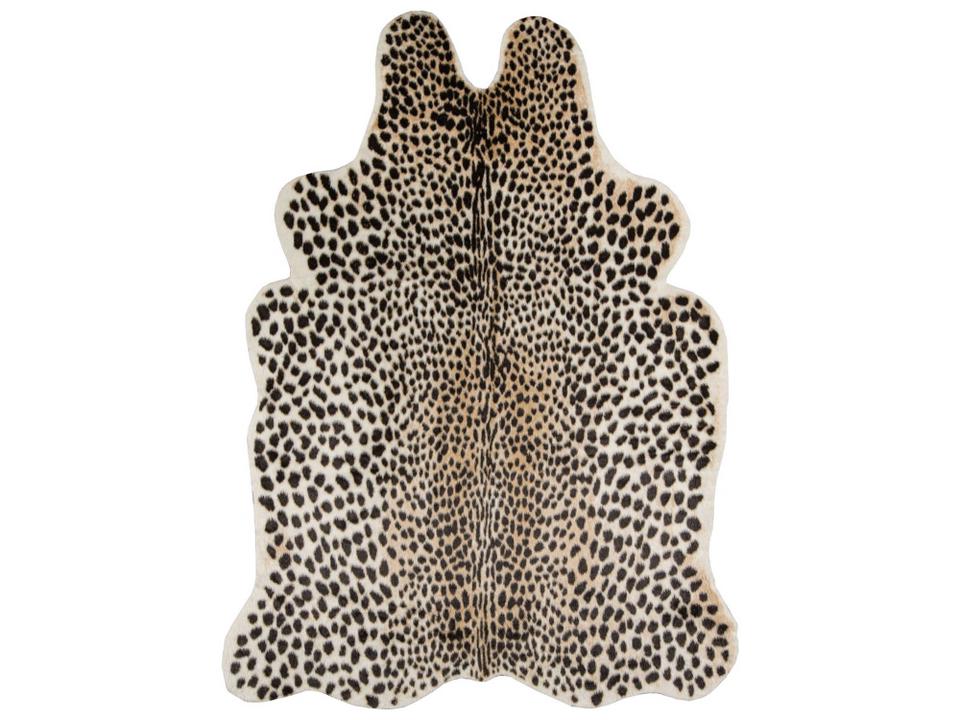
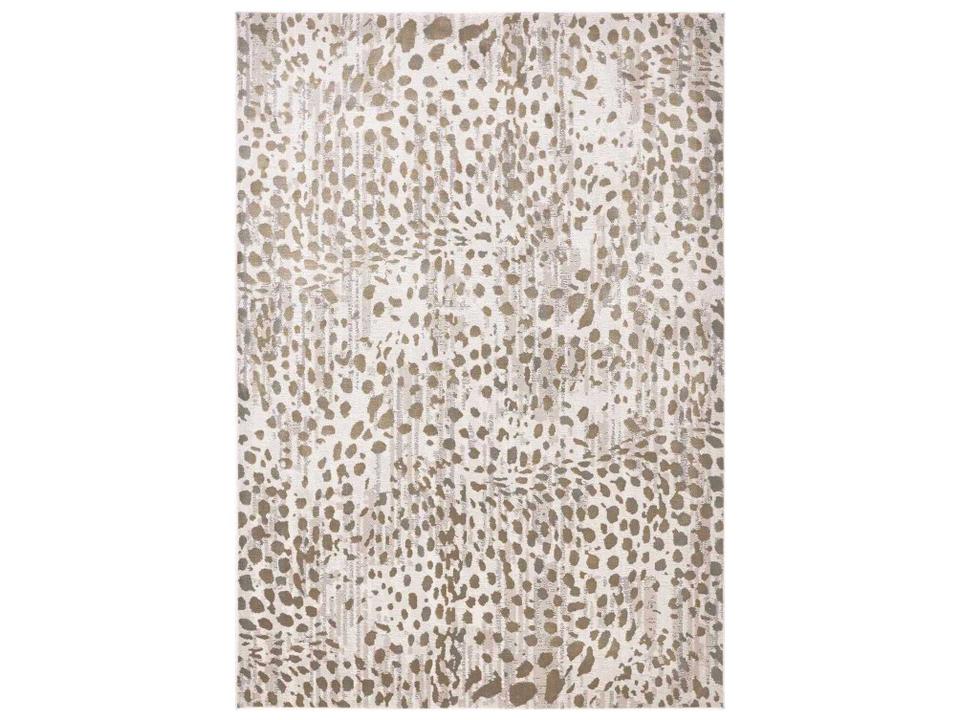
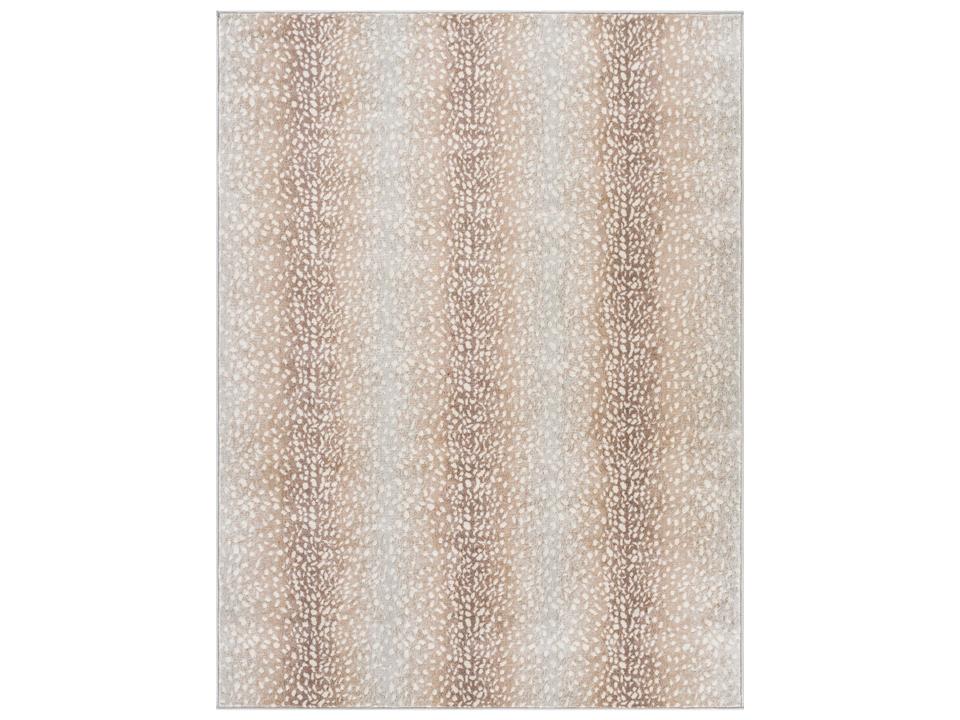
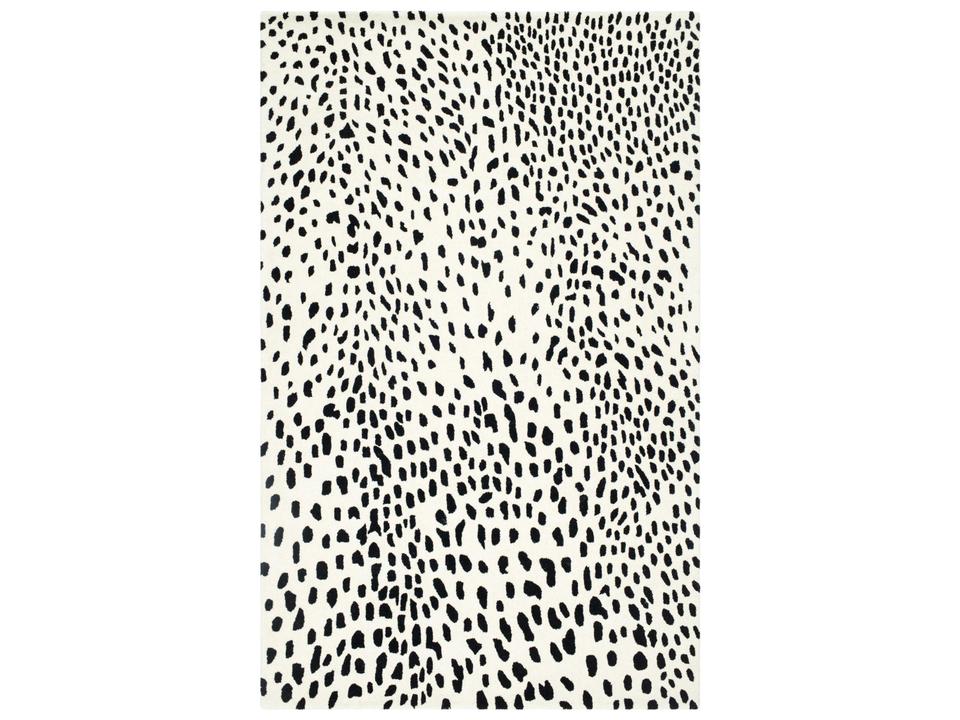
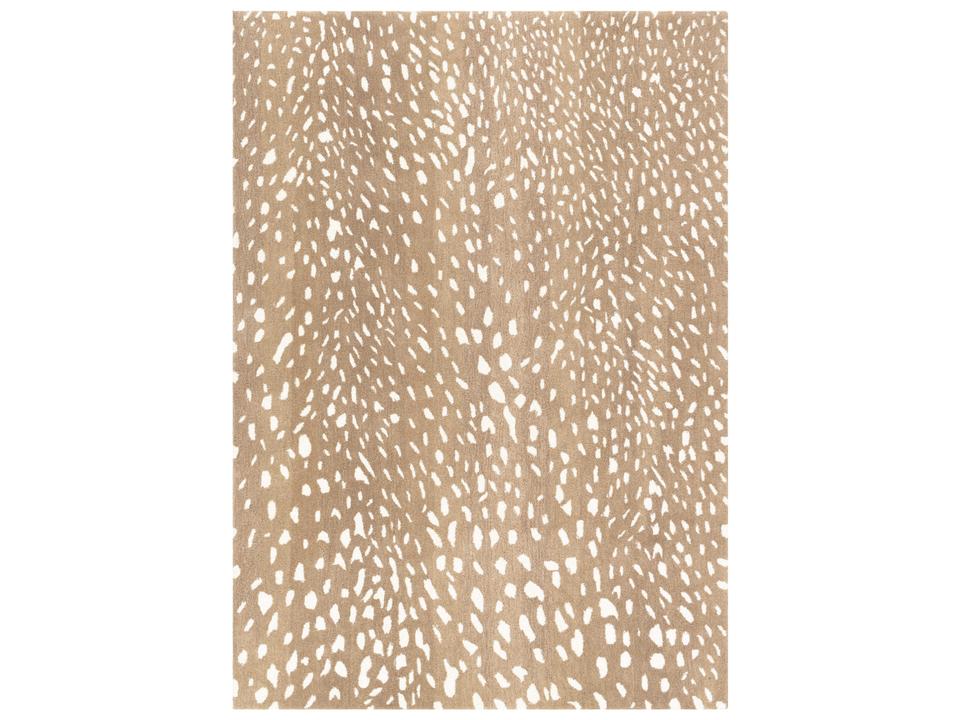
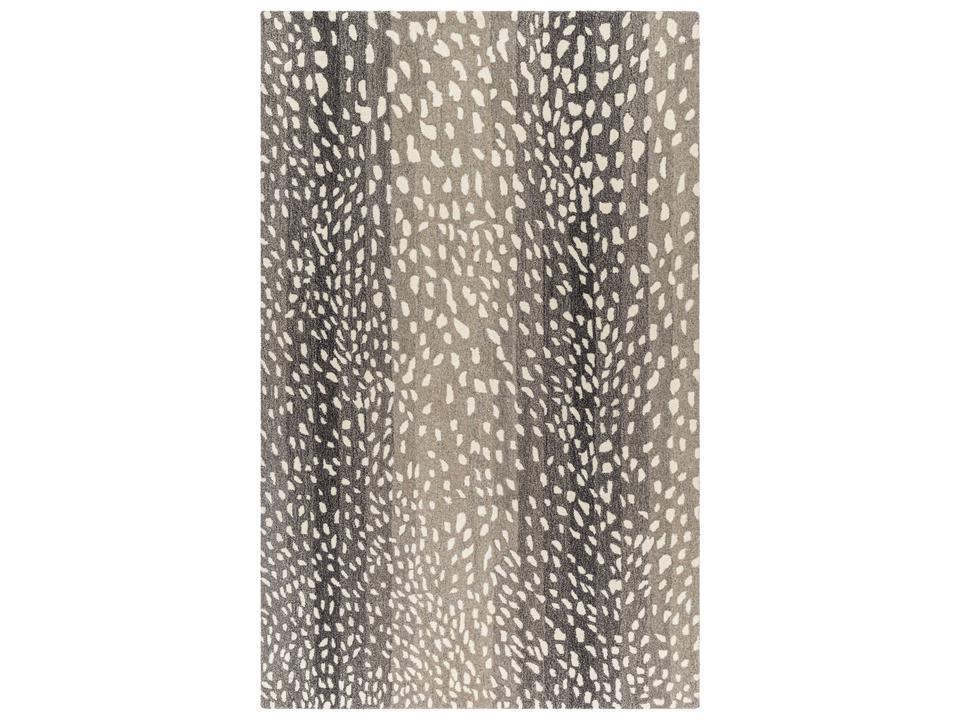
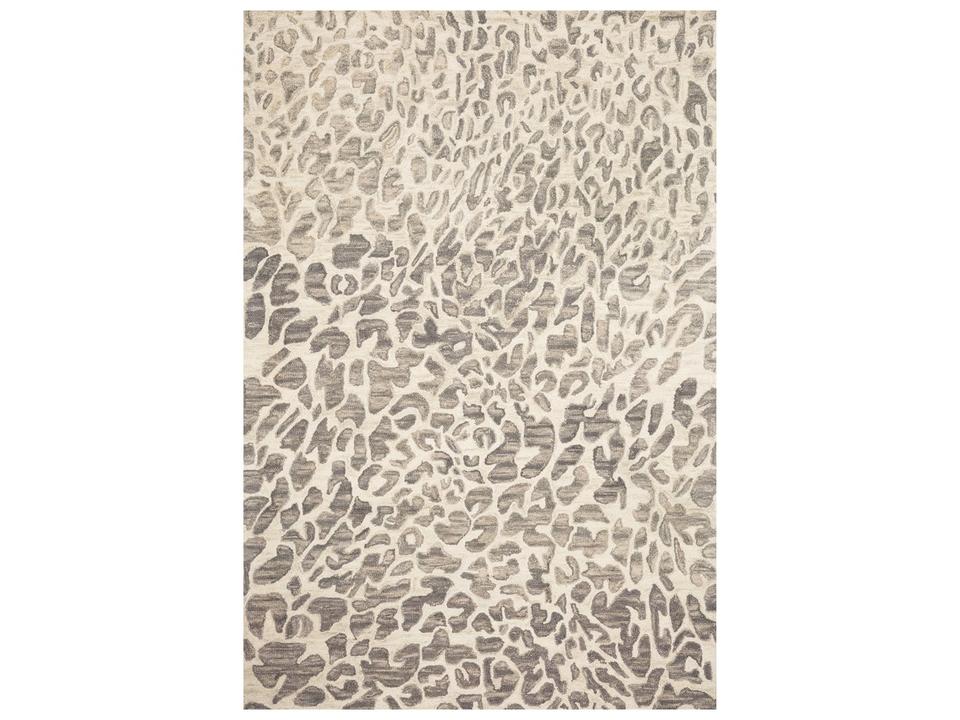
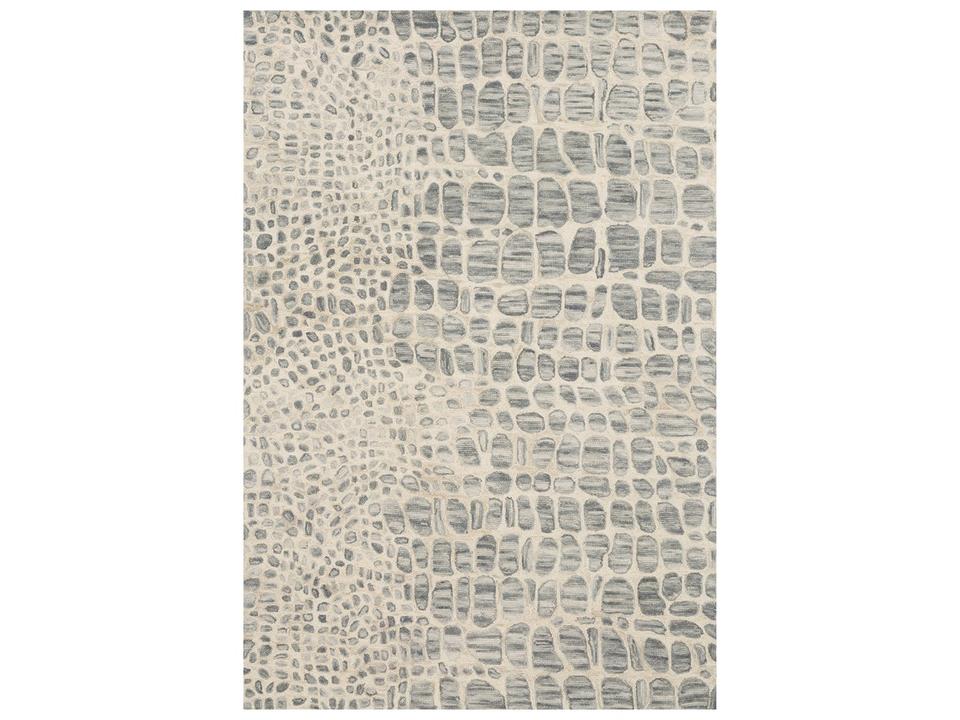
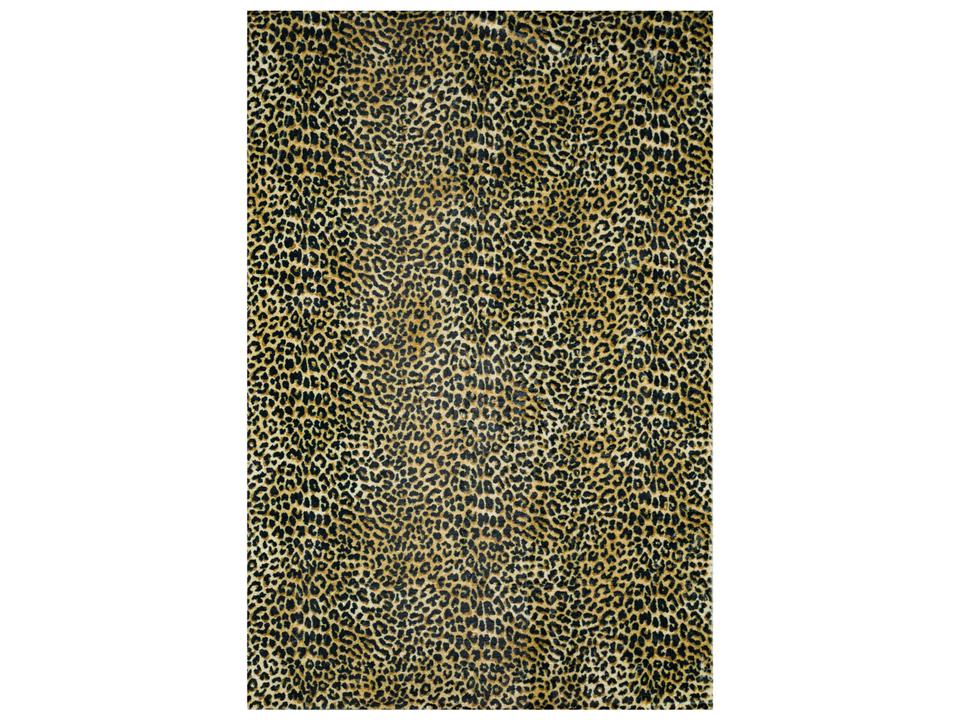
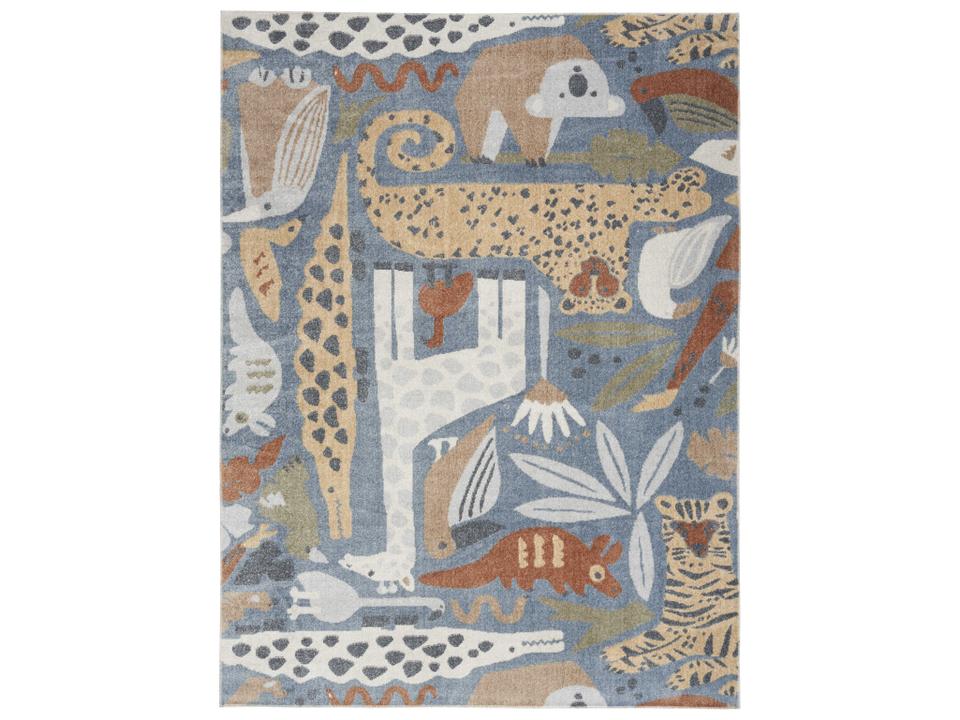
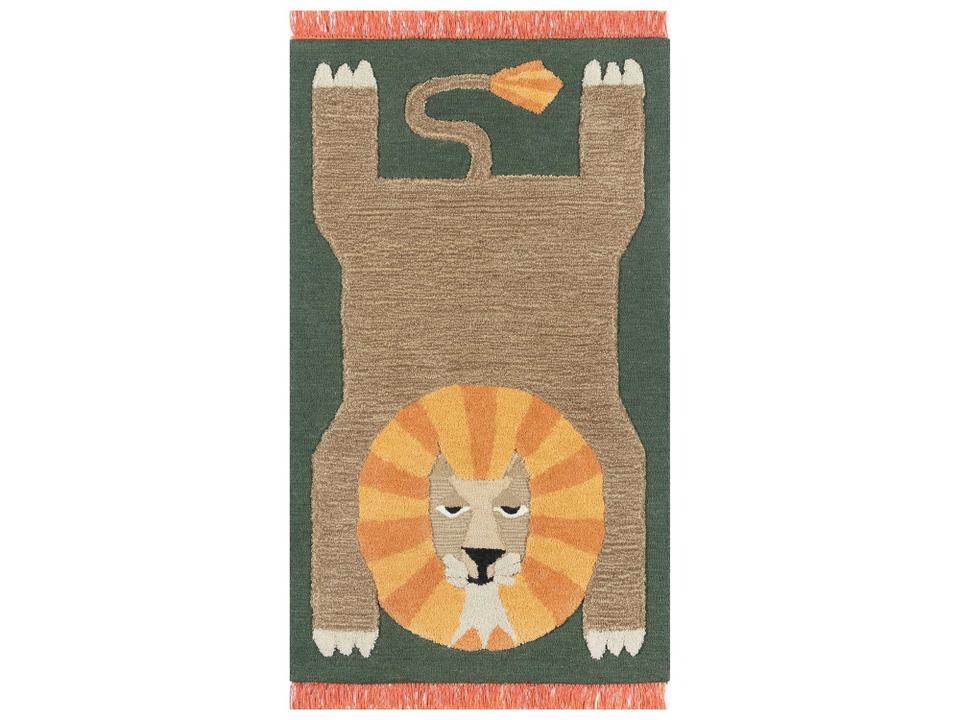
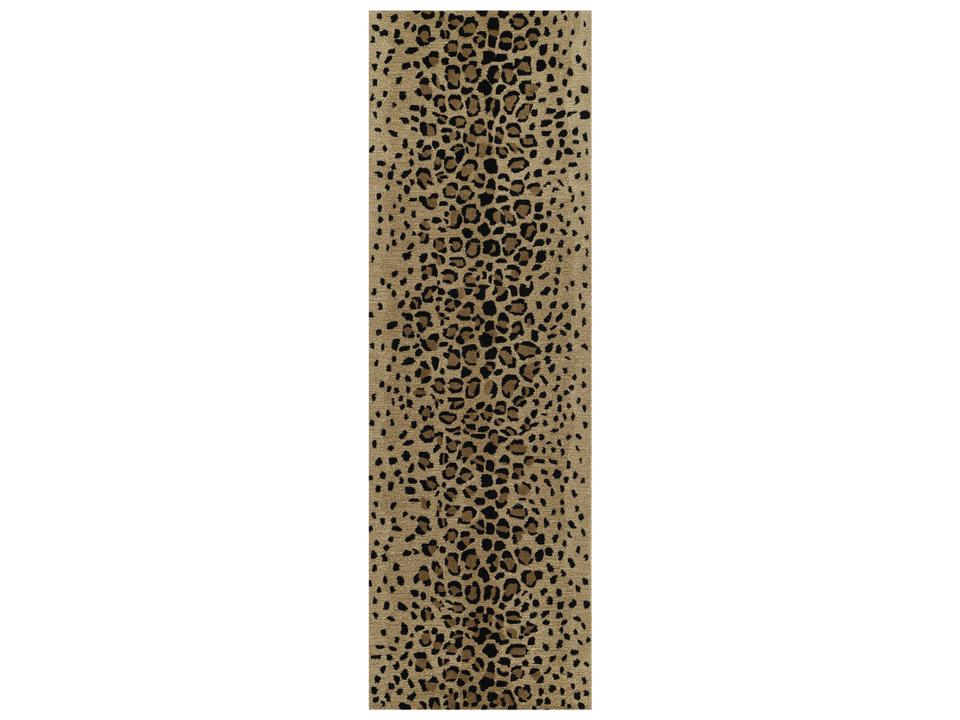
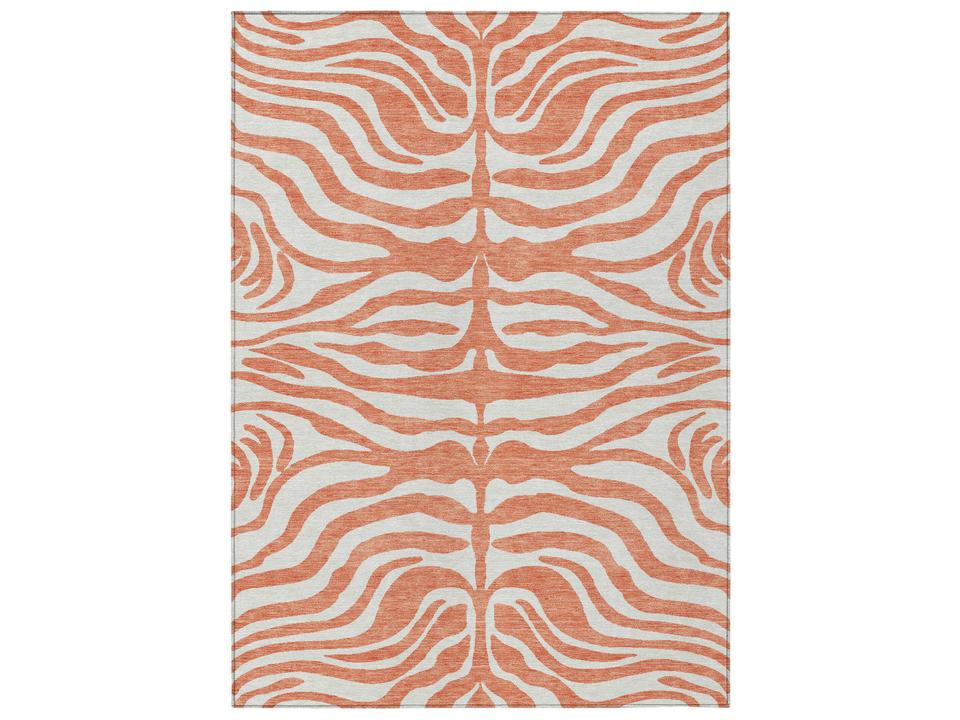
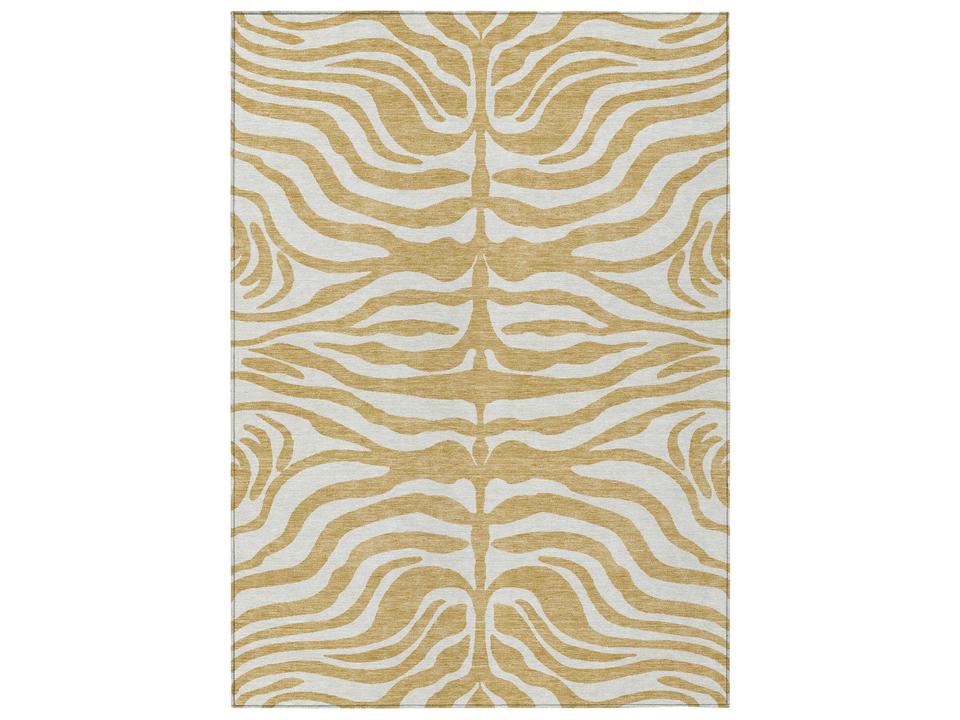
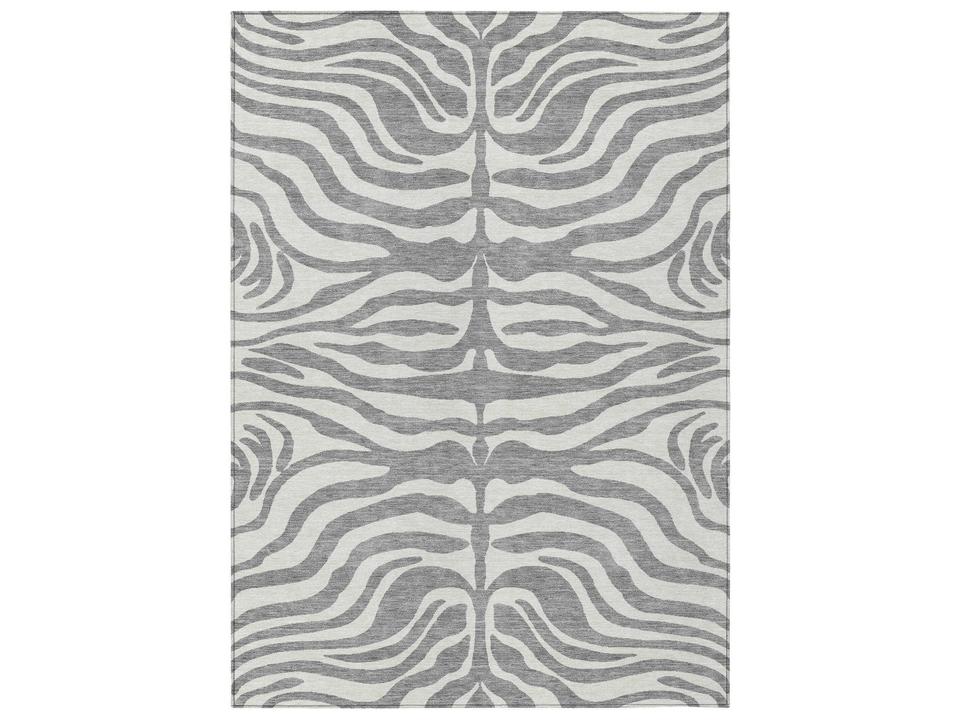
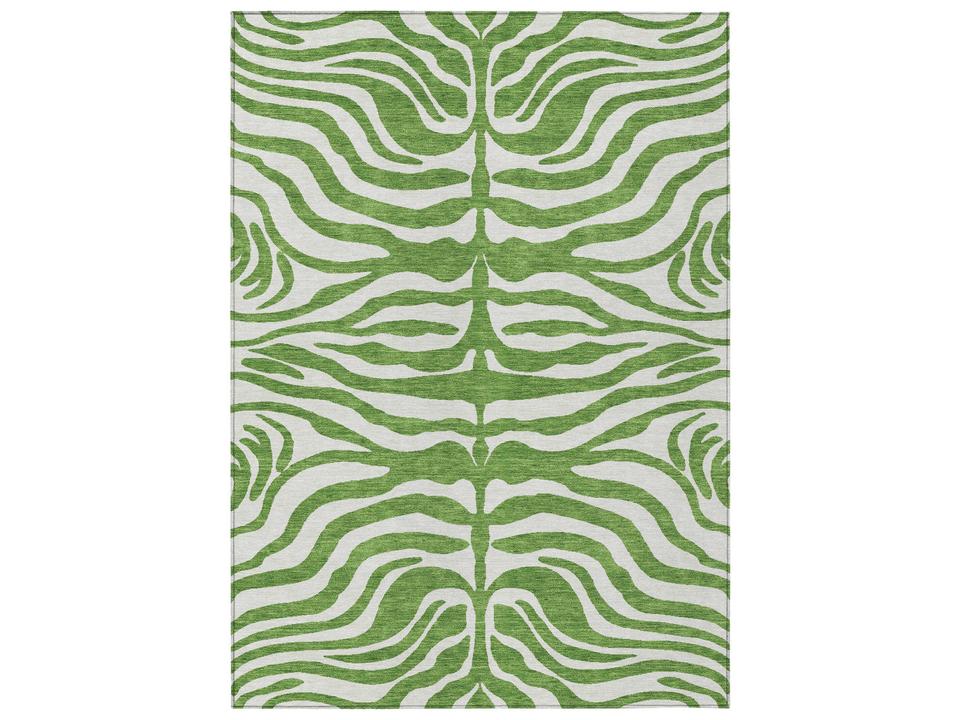
Our collection covers all four, from hand-tufted wool leopard prints to machine-woven zebra patterns and authentic cowhide pieces sourced for color and size.
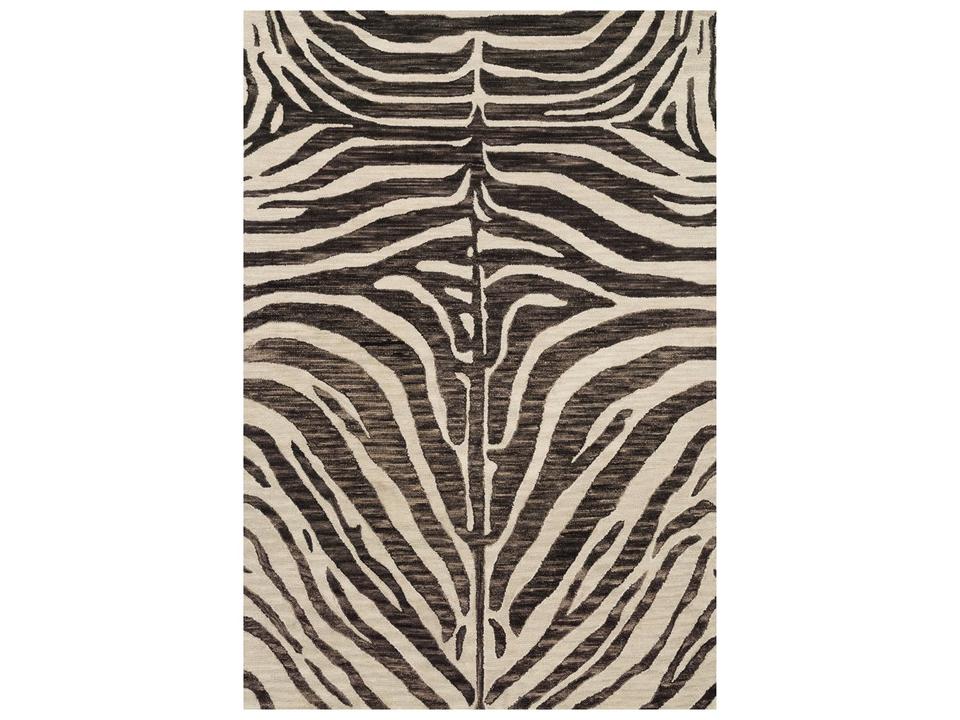
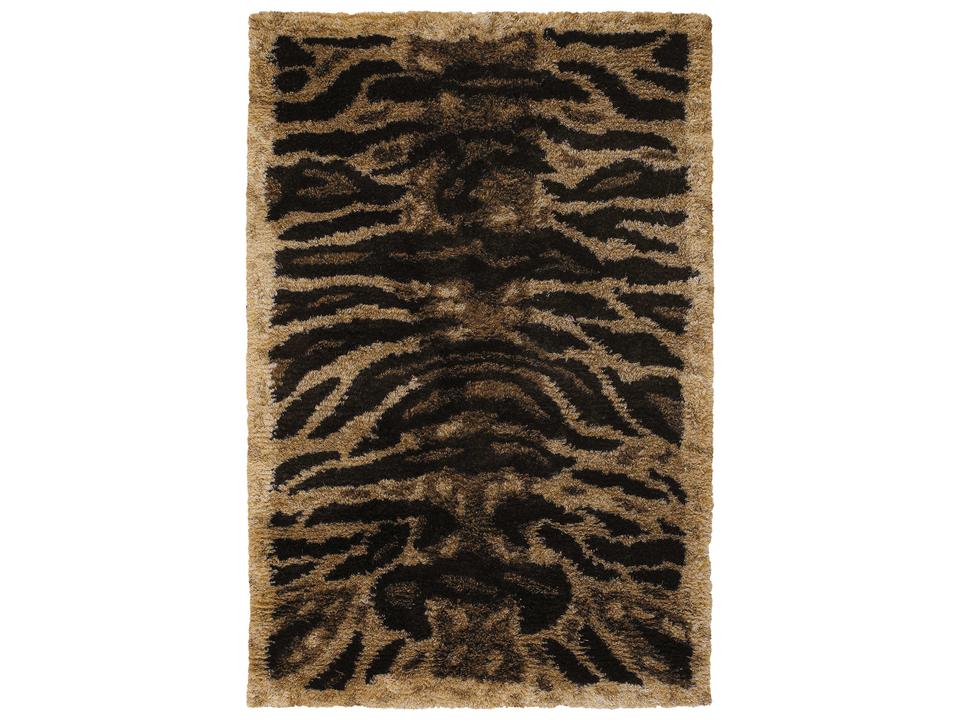
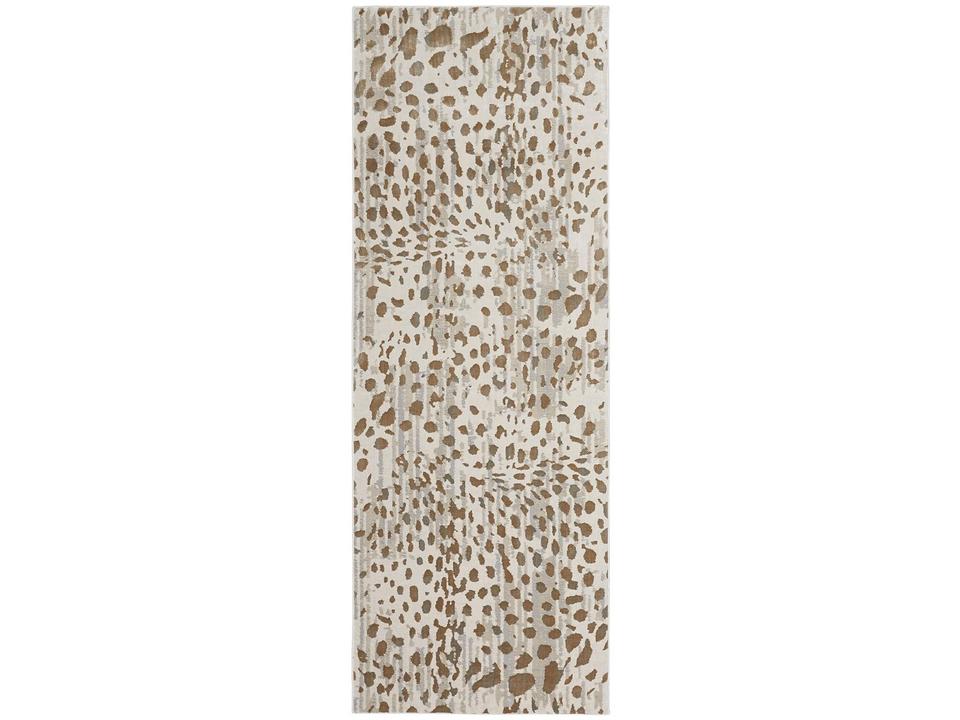
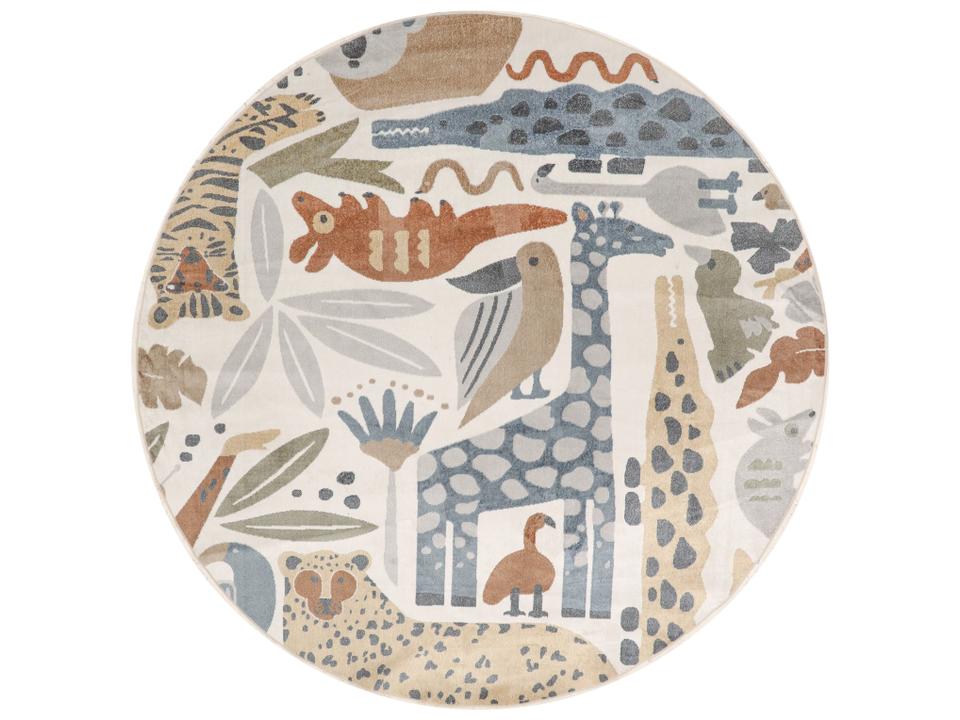
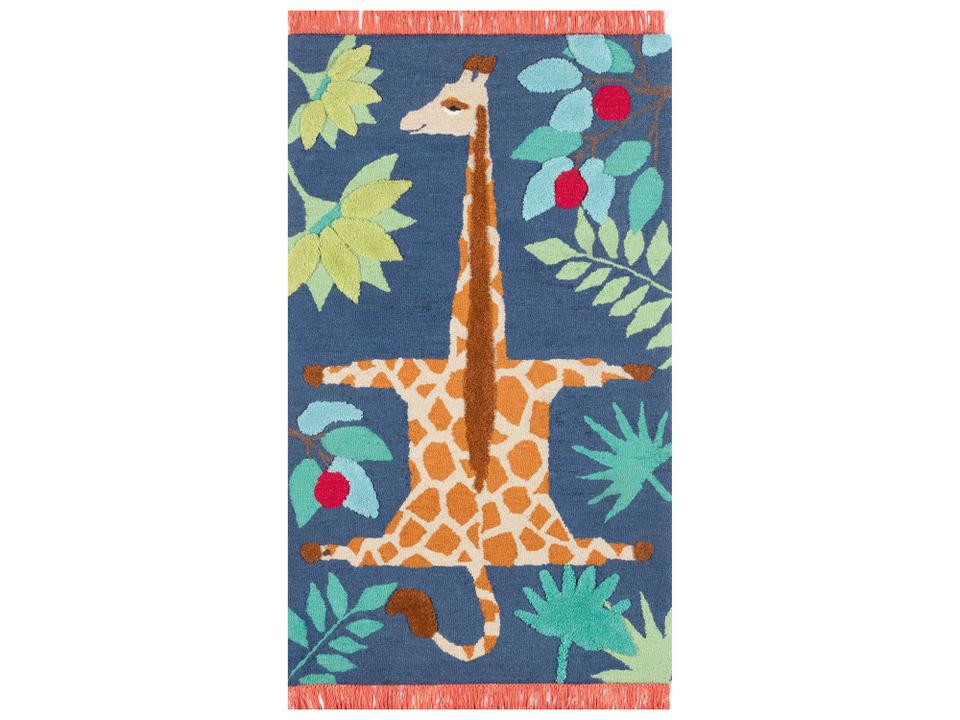
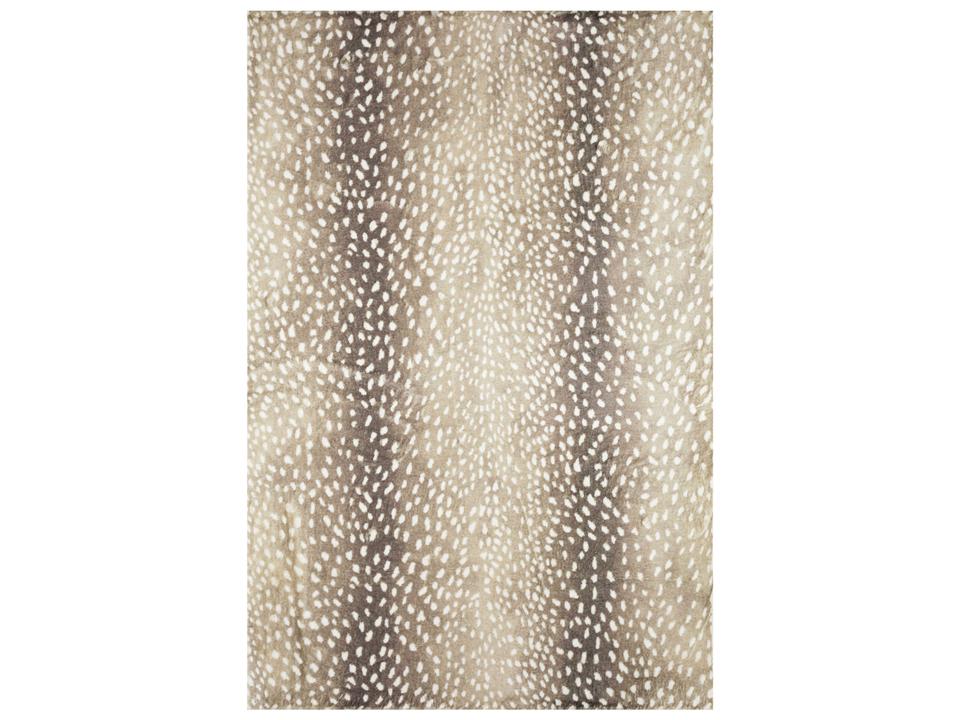
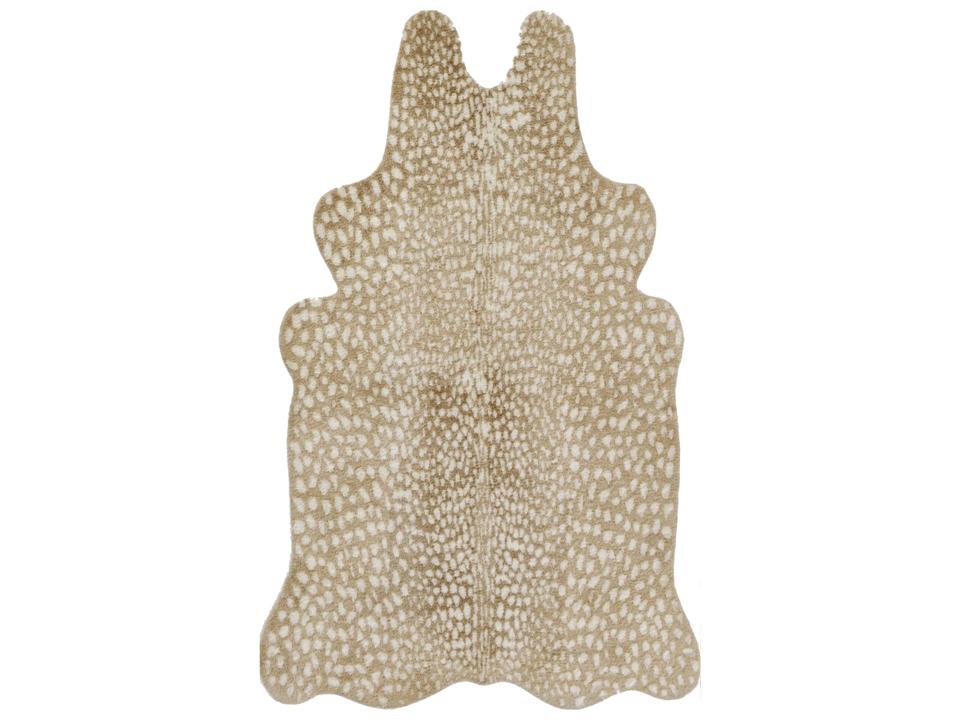
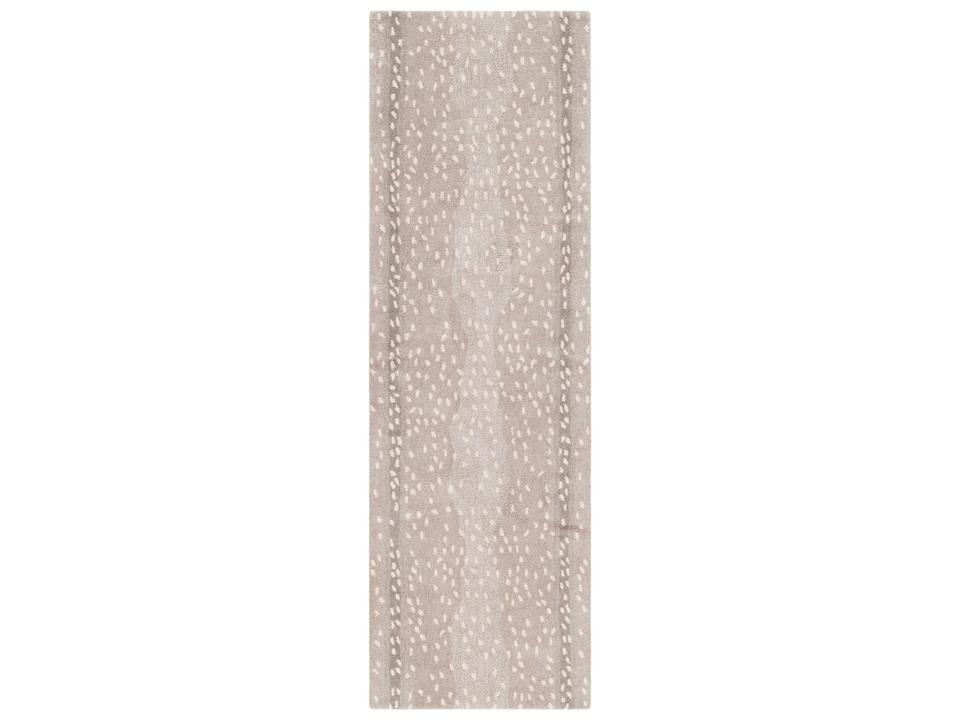
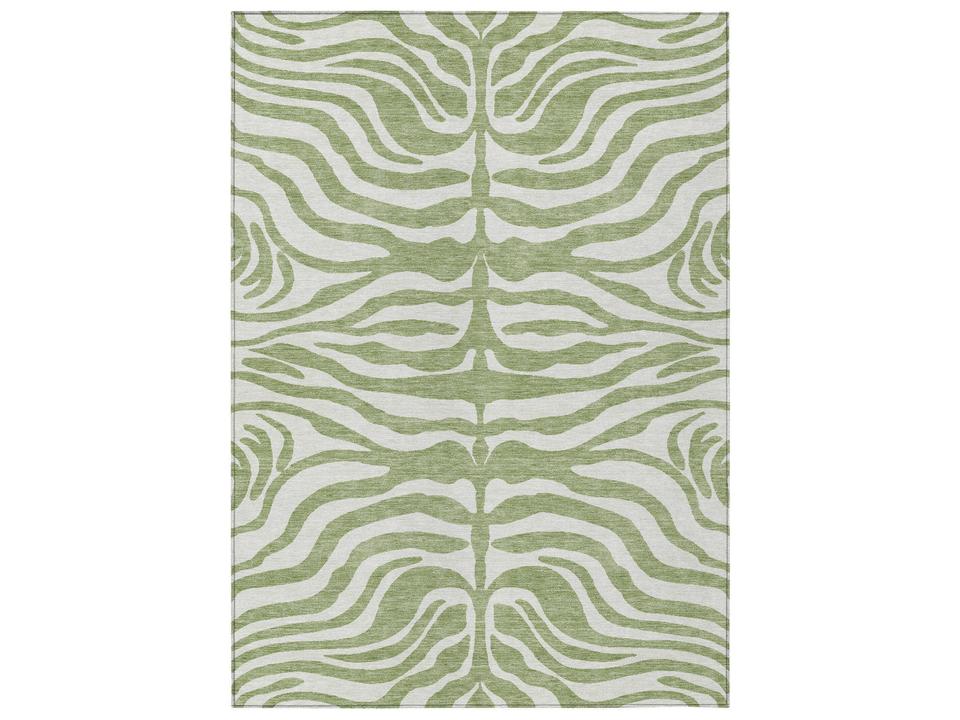
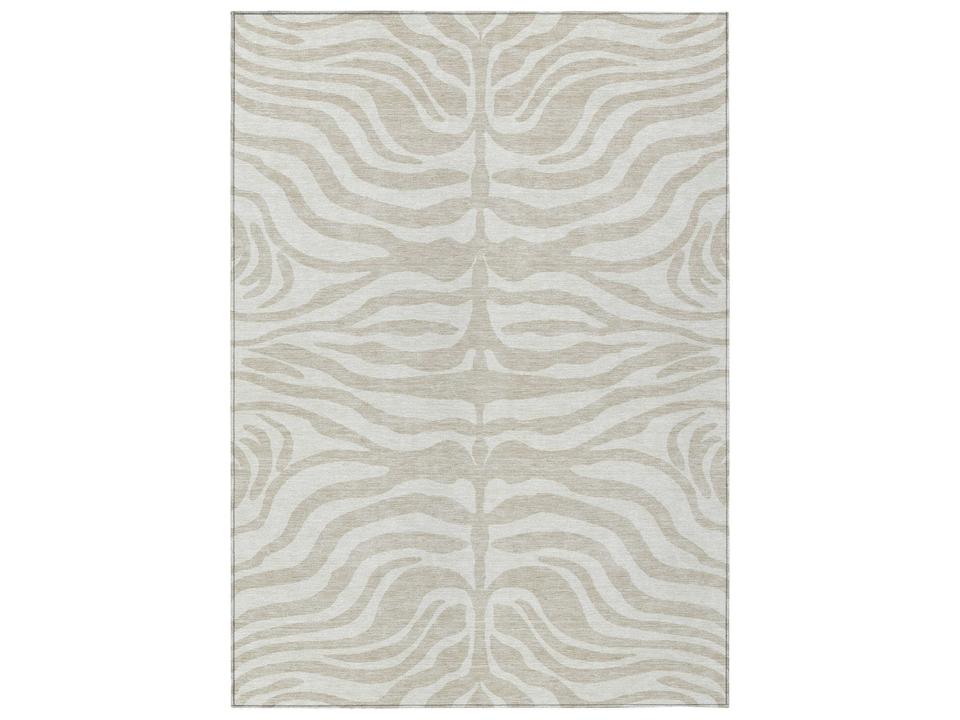
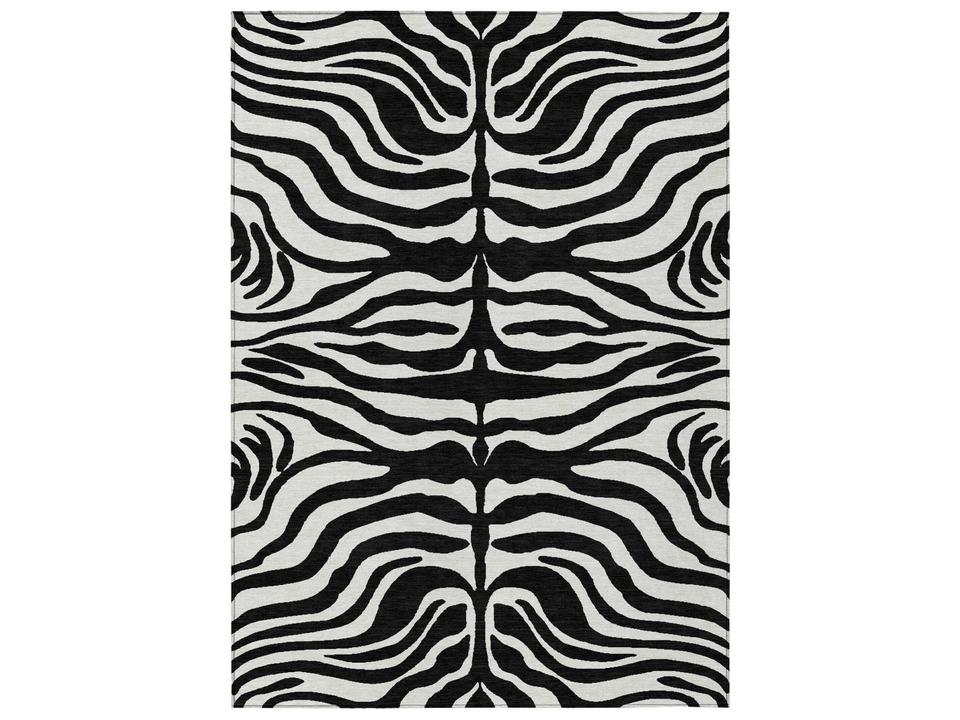
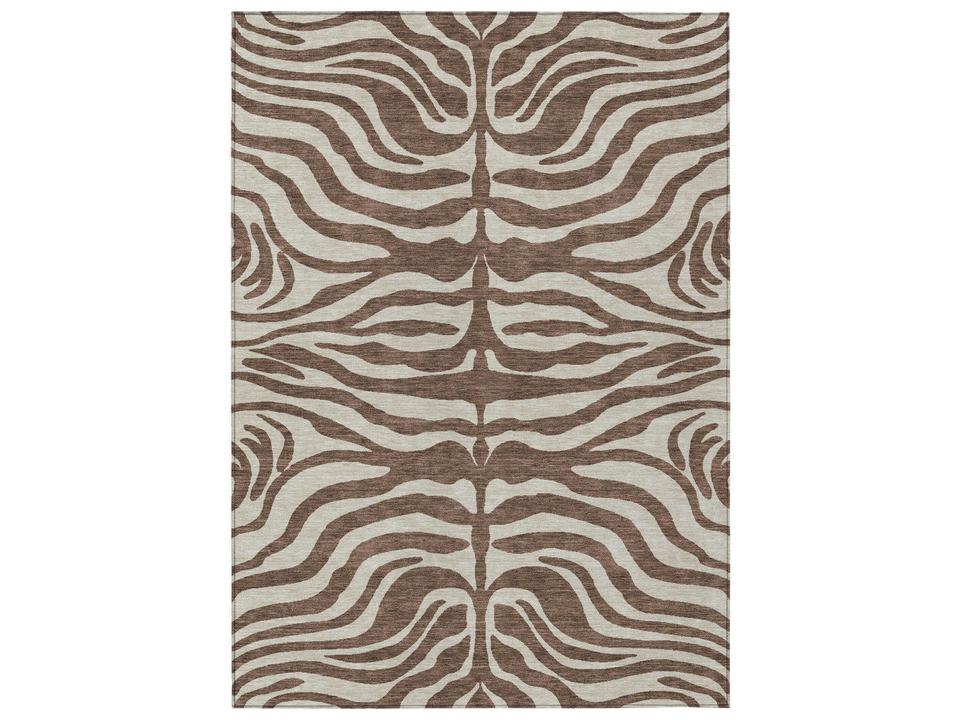
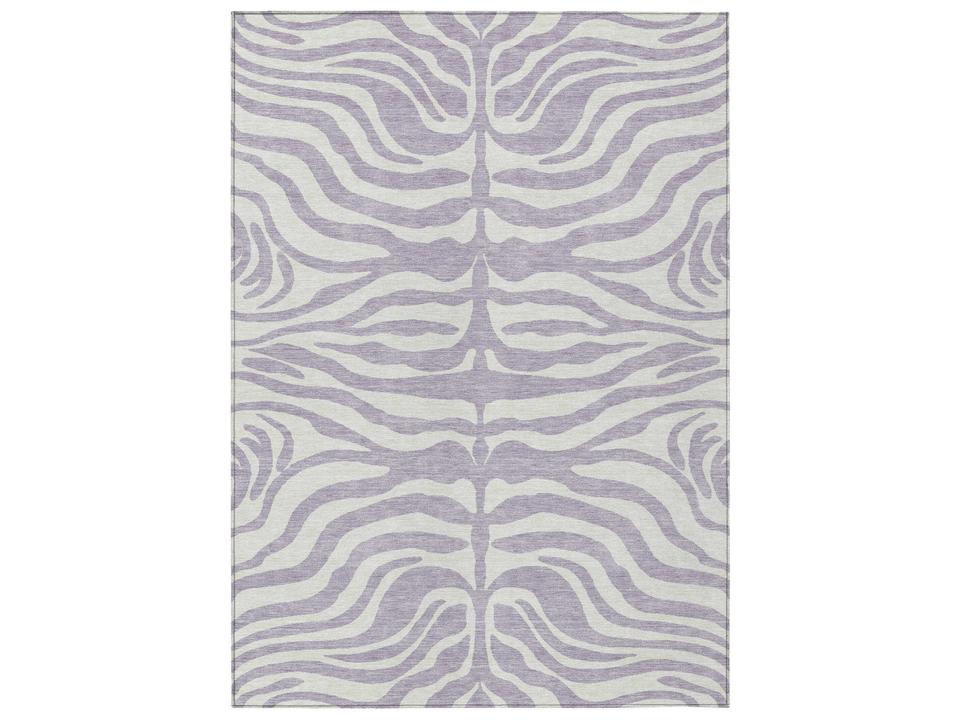
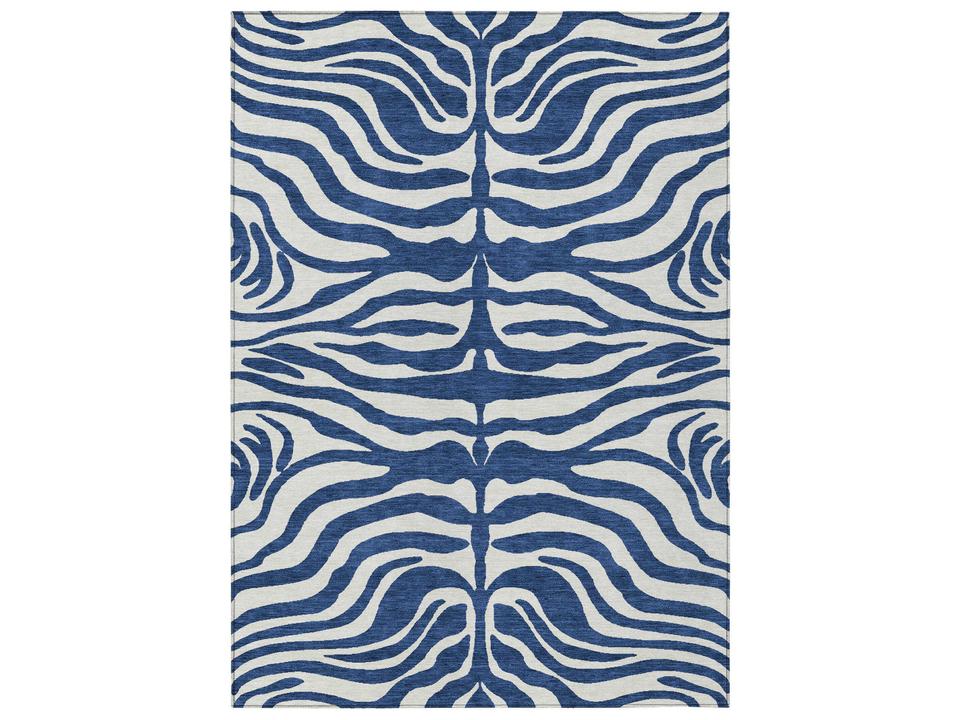
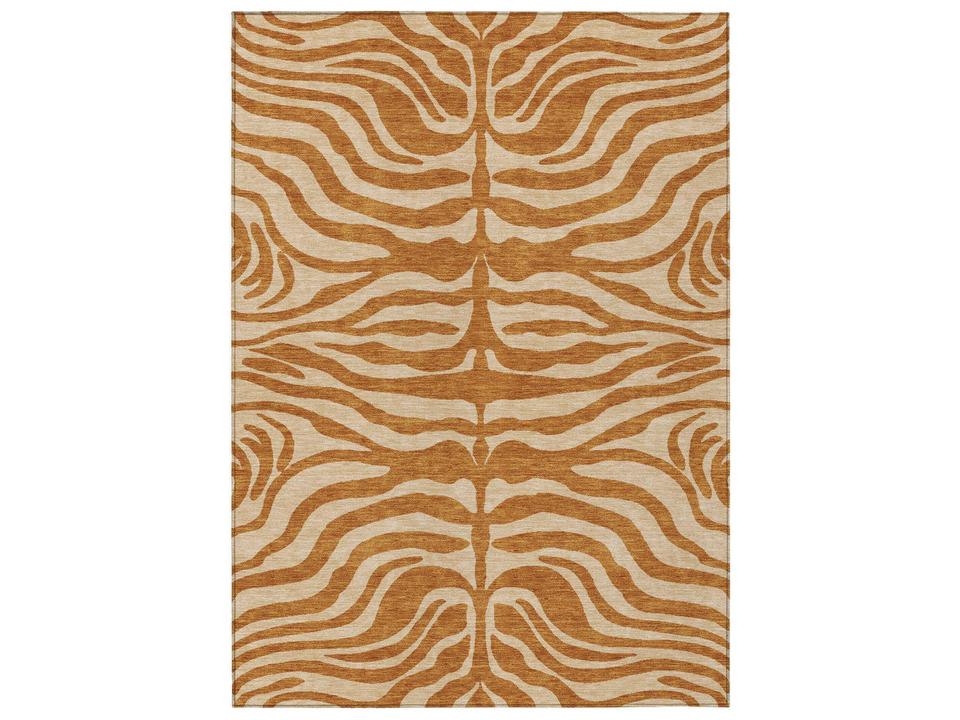
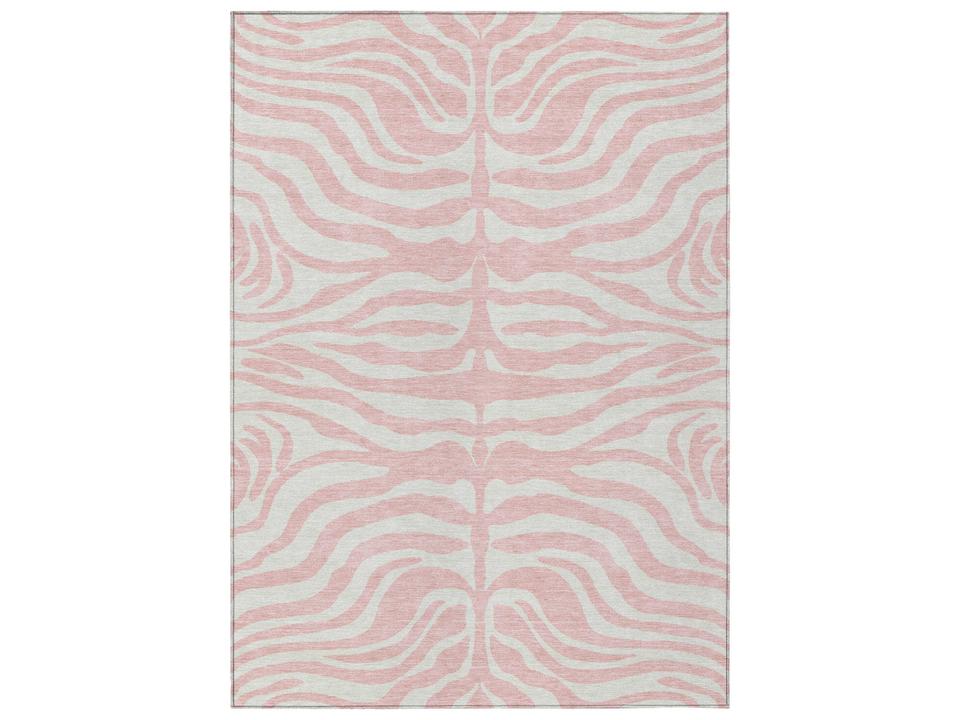
Not every animal print delivers the same visual weight. A high-contrast zebra pattern draws the eye and works as a statement anchor in an otherwise neutral space. Leopard and cheetah prints bring warmth and pattern without dominating — they layer well over larger neutral rugs and sit comfortably under furniture. Cowhide feels relaxed and organic, ideal for entryways, studies, and rooms with leather or raw wood. Antelope and giraffe prints fall in the middle: graphic enough to notice, subtle enough to live with long-term.
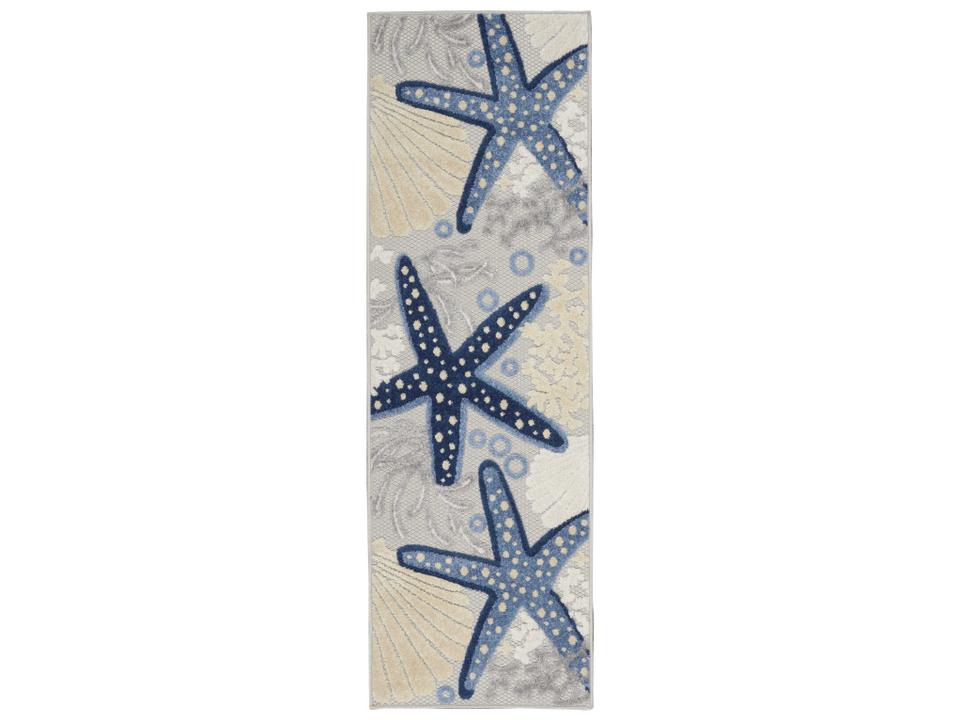
Measure your room before anything else. In a living room, the front legs of sofas and chairs should rest on the rug — that usually means a 9x12 or larger. Under a dining table, pick a size that extends at least 24 inches past the table edge so chairs stay on the rug when pulled out. Runners suit hallways and galley kitchens; rounds and ovals soften angular rooms and work well under pedestal tables.
Construction affects both price and longevity. Hand-knotted rugs are the most refined and will outlast machine-woven pieces by decades, but hand-tufted wool offers much of the softness and pattern clarity at a more accessible price. Machine-woven synthetics are the right call when the rug needs to withstand real wear.
Vacuum weekly with the beater bar off for wool and hand-knotted pieces — the brush can fray fibers over time. Rotate the rug every six months so sun exposure and foot traffic wear evenly. Blot spills immediately with cool water and a clean white cloth; skip bleach and harsh cleaners, which strip dye and break down natural fibers.
For cowhide, shake it out or vacuum lightly, and spot-clean with a damp cloth. Wool responds well to professional cleaning every two to three years. A rug pad underneath extends the life of any rug, adds cushion, and keeps the piece from shifting on hardwood or tile.
Browse our full collection of designer area rugs to find animal prints alongside other premium styles, or explore coordinating home décor to complete the room.