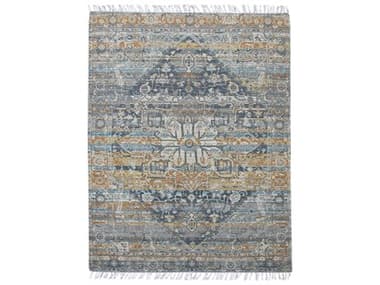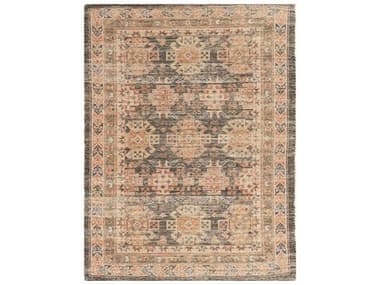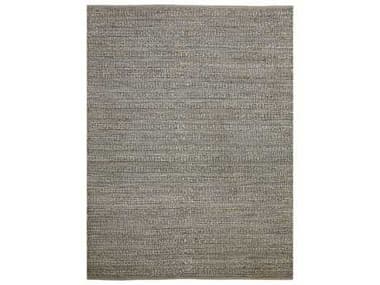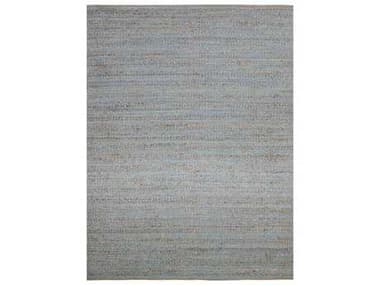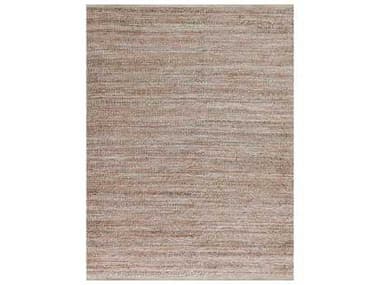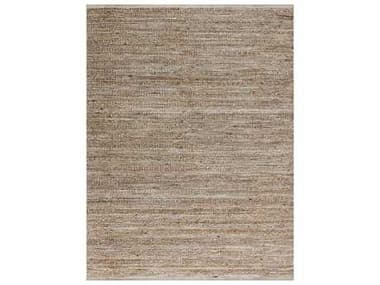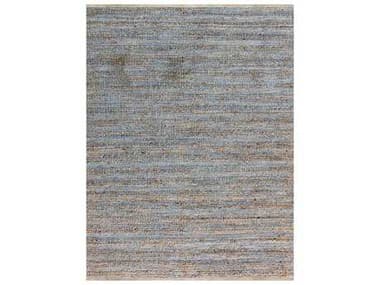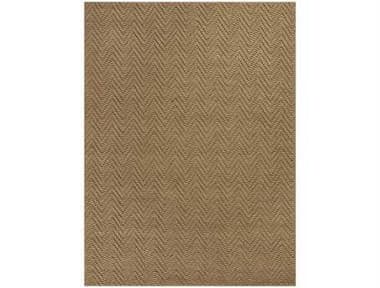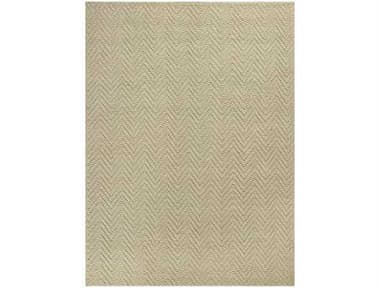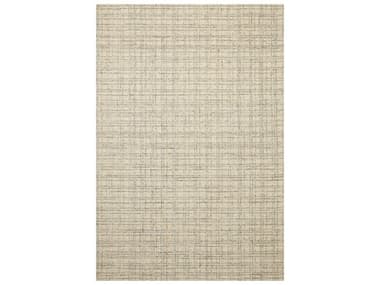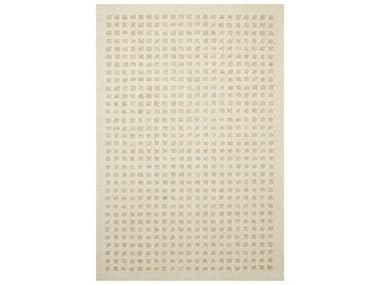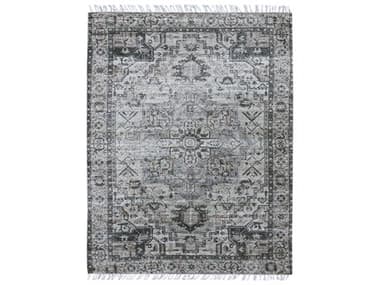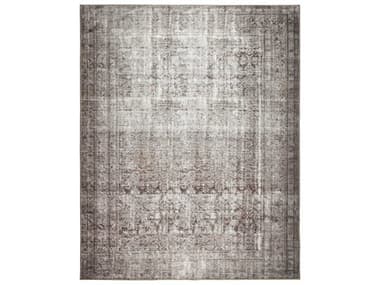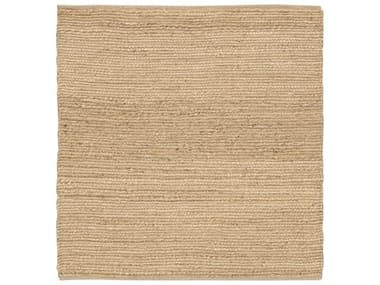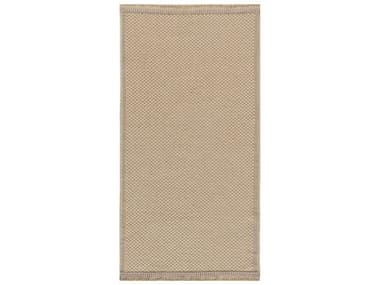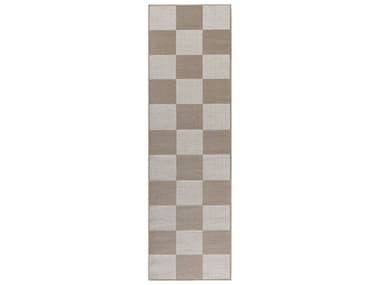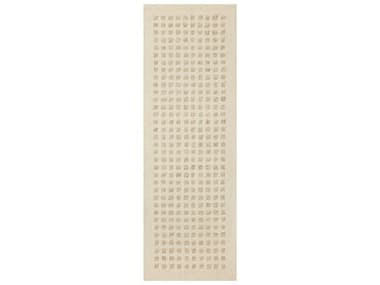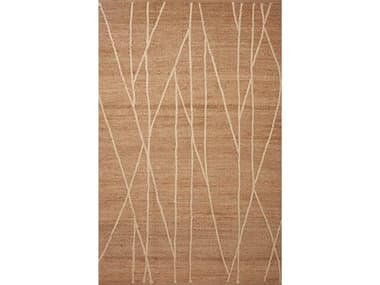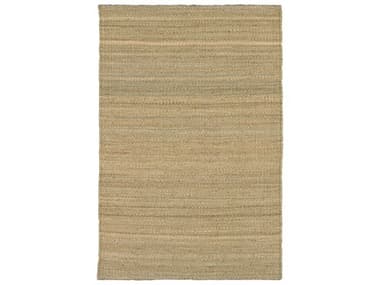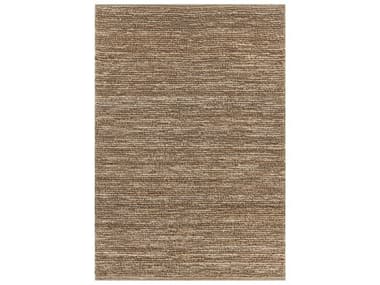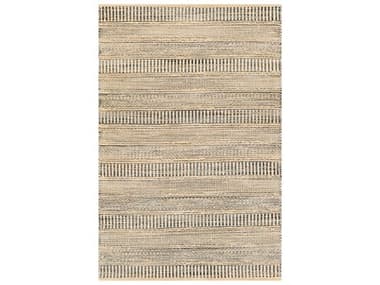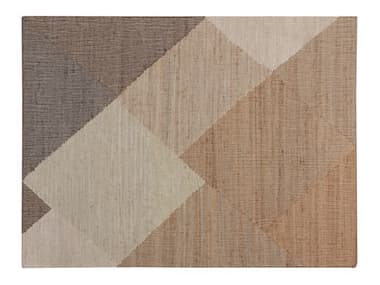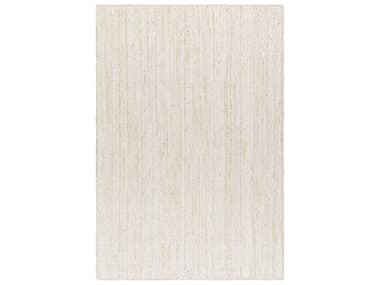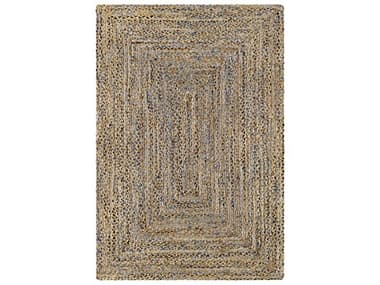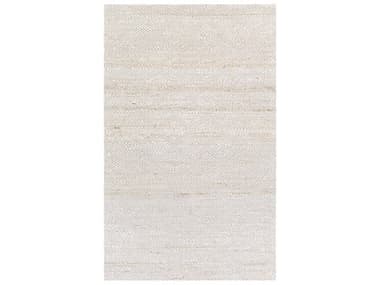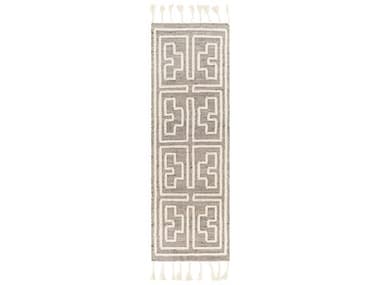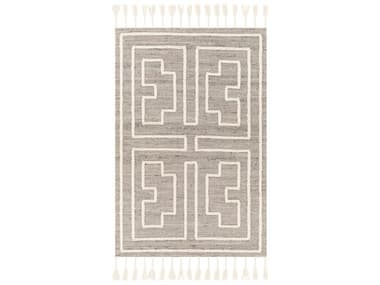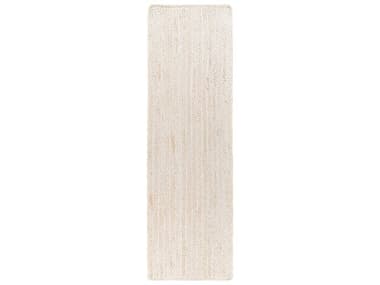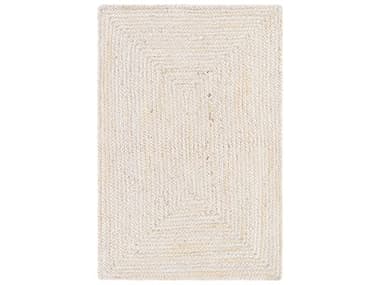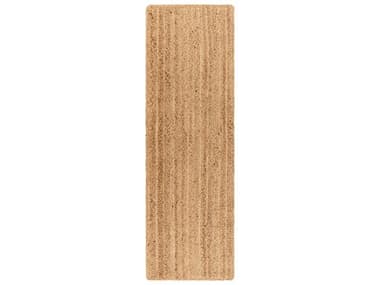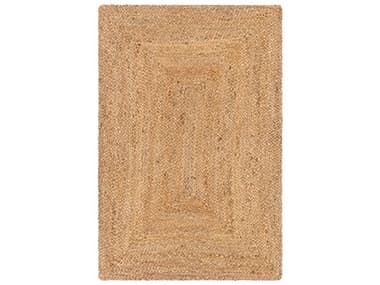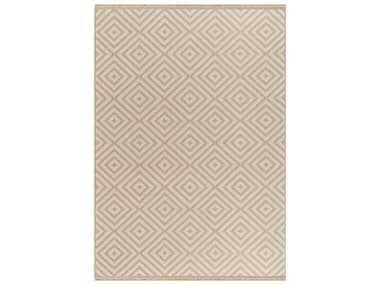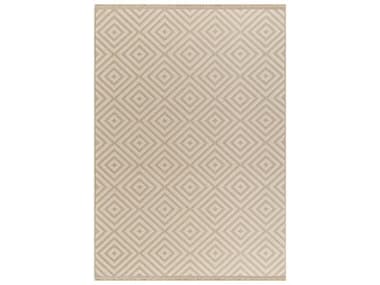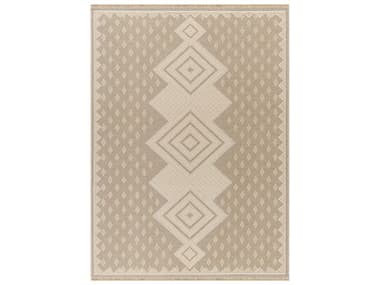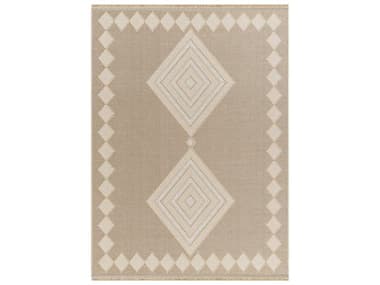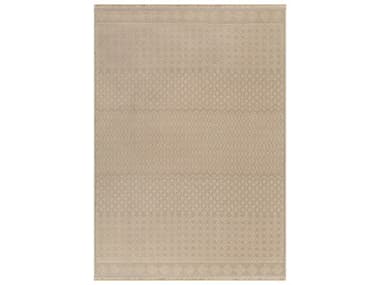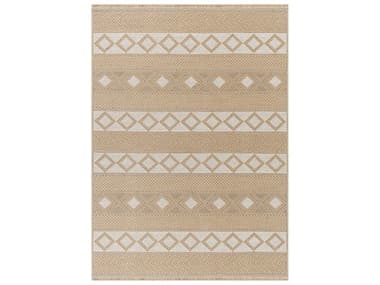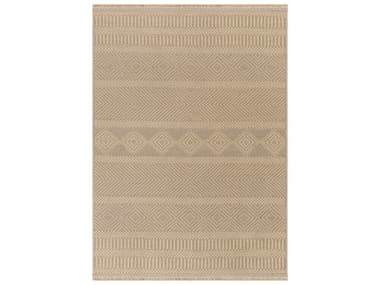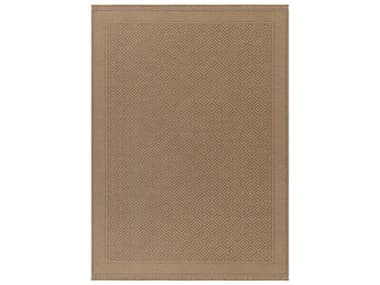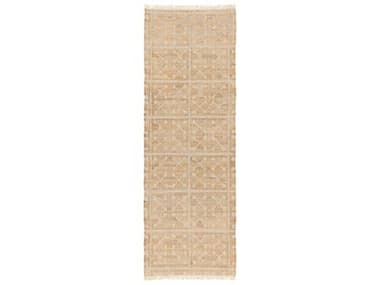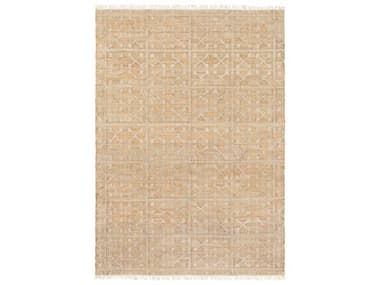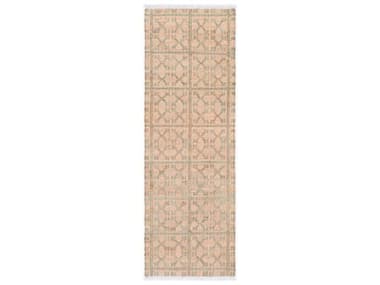


When you add a natural jute rug to your décor, you enhance its natural vibe and add to its appeal. These Asian rugs begin as a grass that local weavers transform into a fiber. From these fibers, the weaver spins them into coarse strands to use in weaving jute carpets. In the Far East, you can pick these carpets up in most outdoor markets, but in the US, you can order them from LuxeDecor.
As gorgeous as jute appears and as durable as it performs in a hallway or entryway, don’t expect to see outdoor jute rugs because the fabric performs poorly outside. That’s because it breaks apart when exposed to water. It also molds easily, so using it on a porch would also produce poor results. This type of rug does not react well to humidity when used outdoors.
Indoors, you will find jute rugs soft and comfortable to walk on or for your children to play on. You do need to use them in indirect sunlight, since dyed jute fades when regularly exposed to sunlight. The natural fibers of jute won’t scratch hardwood either. These low-maintenance carpets you can shake outside to clean, or you can vacuum them using a brush attachment. This helps pull the dirt out of the crevices of woven jute rugs. Avoid using chemical cleaners on these jute rugs.
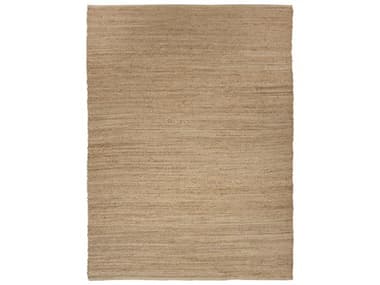
The tough, durable fibers of jute provide an ideal fabric for carpets in high-traffic areas. Most weavers keep these tan or golden fibers their natural color. Jute produces a softer natural fiber area rug than sisal or seagrass. Jute rugs often feel soft and nubby; people often describe walking on them as getting a foot massage. While in the countries of their development, stall keepers use a jute carpet to transport vegetables, you might use these biodegradable, natural rugs in a high traffic hallway.
The tough, durable fibers of jute provide an ideal fabric for carpets in high-traffic areas. Most weavers keep these tan or golden fibers their natural color. Jute produces a softer natural fiber area rug than sisal or seagrass. Jute rugs often feel soft and nubby; people often describe walking on them as getting a foot massage. While in the countries of their development, stall keepers use a jute carpet to transport vegetables, you might use these biodegradable, natural rugs in a high traffic hallway.
You can also find synthetic jute rugs which do not use natural fibers. They can be used outdoors since they are not biodegradable. They only resemble natural jute but do not degrade as it does. Another popular choice, the dining room jute rug places a room-sized carpet beneath the dining room table for both form and function.
These braided jute rugs wipe clean from spills making them ideal under the dining room table. The natural fibers of these carpets complement many décor themes, including beach, jungle, country, cabin, and rustic motifs. These rugs and carpets also come in a variety of sizes suitable for many rooms. Some of these rugs come with backing material, such as polyester or rubber. This helps them grip the floor and adds to the carpet’s durability. You can also find rugs that blend them with other fabrics.
While there’s a jute rug for most rooms of the home, you will notice no bathroom rugs exist made from this fabric. It neither does well in humid conditions nor can it handle getting wet often. It molds easily and breaks apart.
While many carpet makers use handmade jute yarn, just as many use machine-made yarn, then machine-make the rugs, too. The carpets and rugs marked as hand-knotted, reference the most common handmade method. Materials for this type of rug also varies. Manufacturers provide a multitude of options, including single-ply and layered jute rug options using jute alone or blended with another fabric such as cotton or chenille. You can find layered jute rugs comprised of the following:
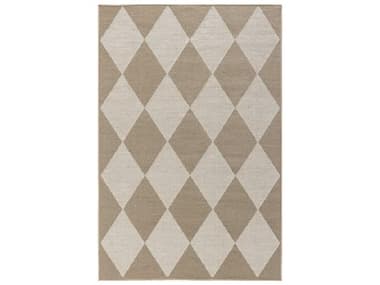
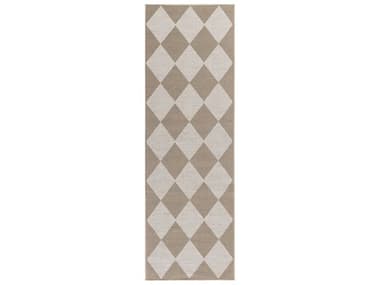
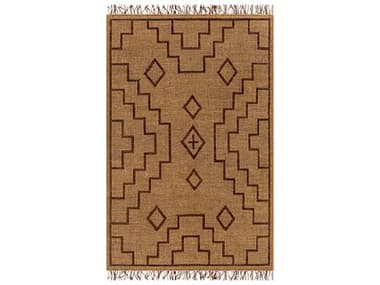
While some makers may dye their jute rugs, most come in the original tan of the natural fiber. This provides them a color scheme that goes with any décor, especially those of contemporary or modern style. You can find some jute rugs with prints or in solid colors, such as red, blue, or green.
Most jute rugs come in neutrals or primary colors. This renewable resource creates no static when you walk on it. You can easily blot up spills, so the rug does not stain. For the environmentally minded, jute rugs offer something no other rug does – you can compost them. If you wear it out or stain it beyond cleaning, you can compost it rather than throw it away. Jute rugs offer an ecological choice for home decorating.
Whether you want jute rugs with border patterns or a solid natural colored rug, LuxeDecor offers one. You can find the large jute rug or small jute rug you need to complete any décor. Shop the extensive selection at LuxeDecor today.
To learn more about rug material qualities, read LuxeDecor's Rug Buying Guide.
Related Categories
Cotton Rugs | Synthetic Oriental Area Rugs | Bamboo Rugs | Hemp Rugs | Leather Rugs | Seagrass Area Rugs | Silk Area Rugs