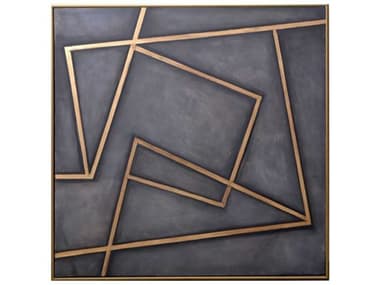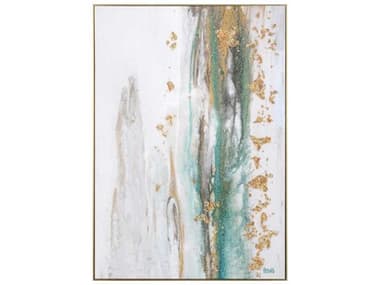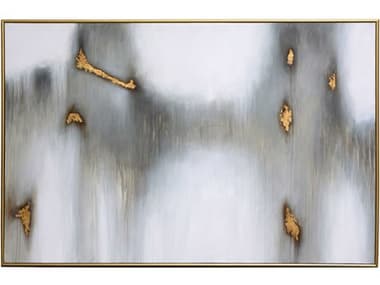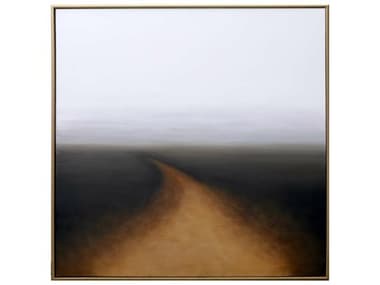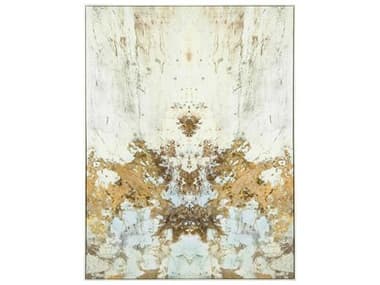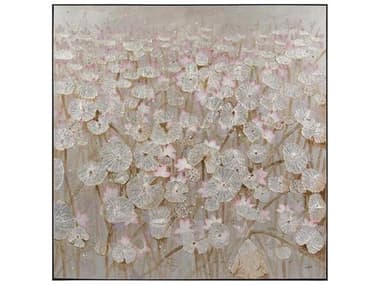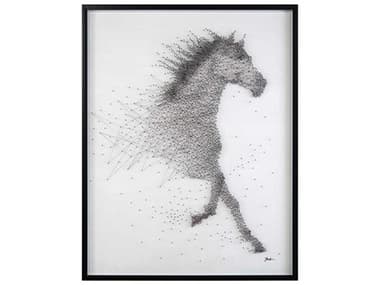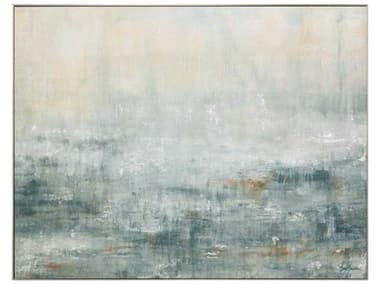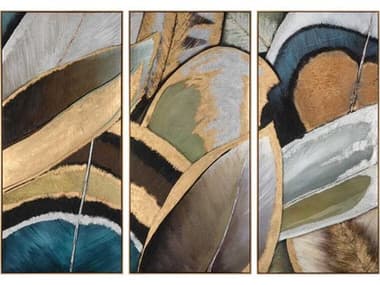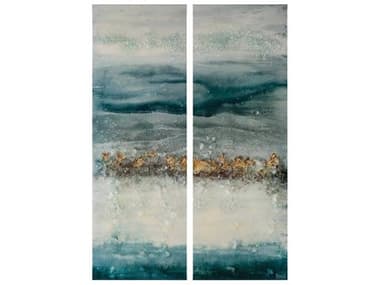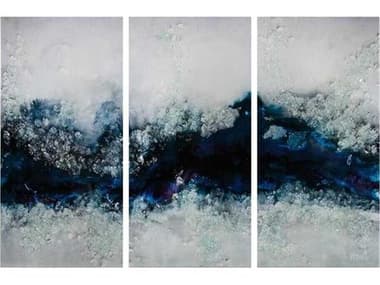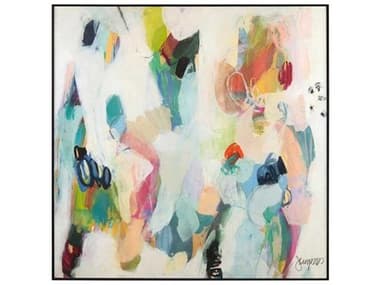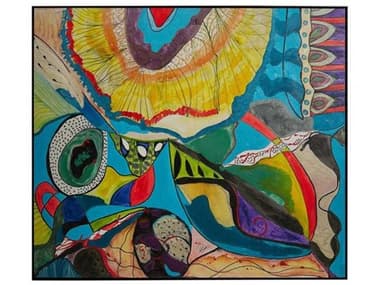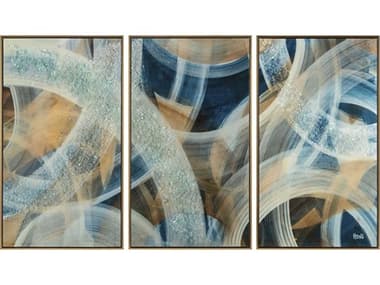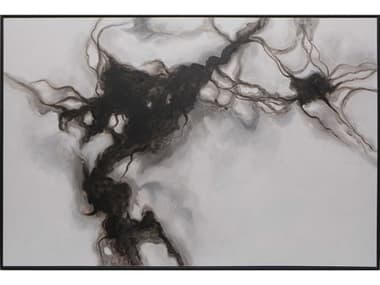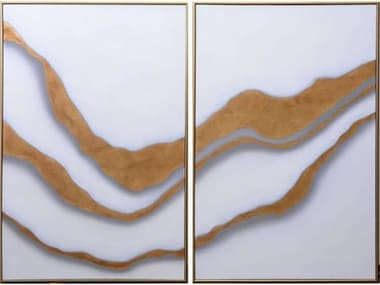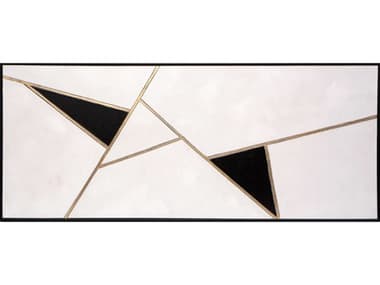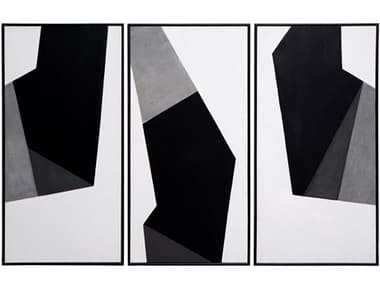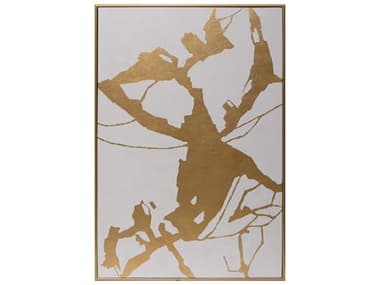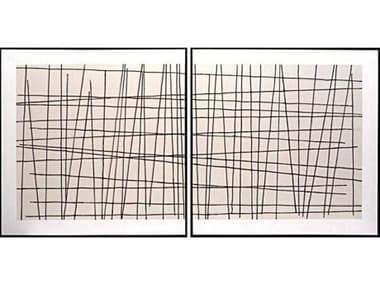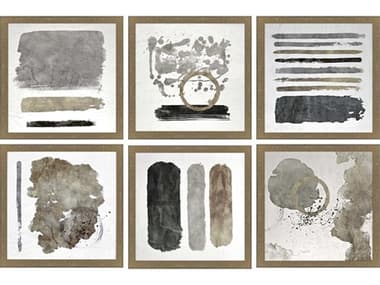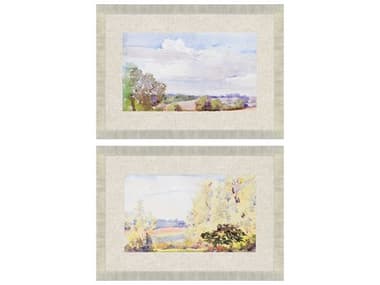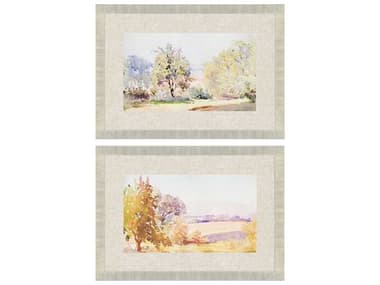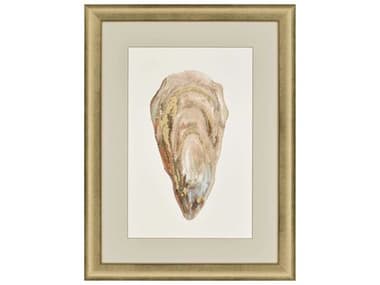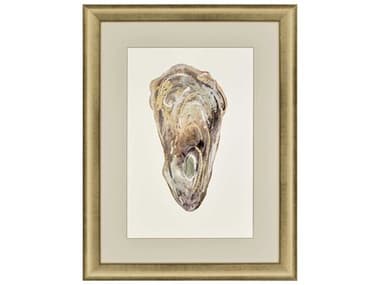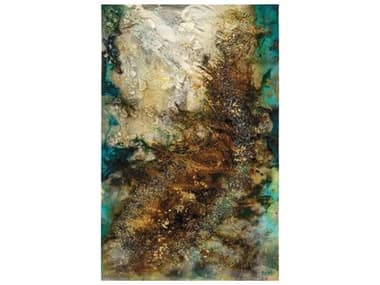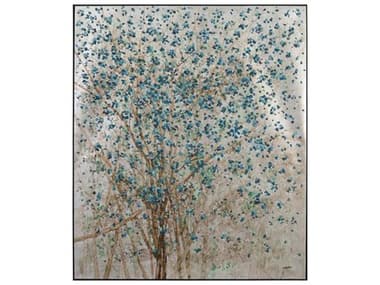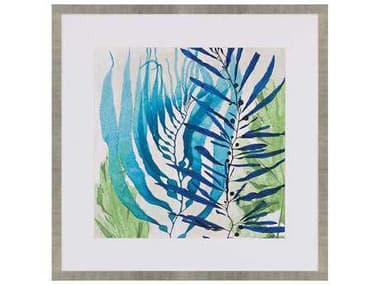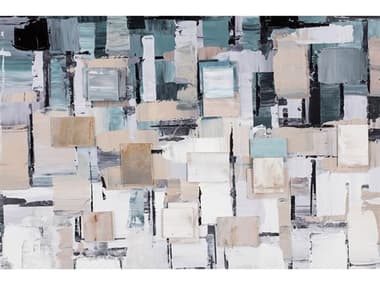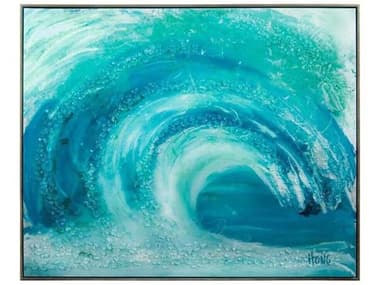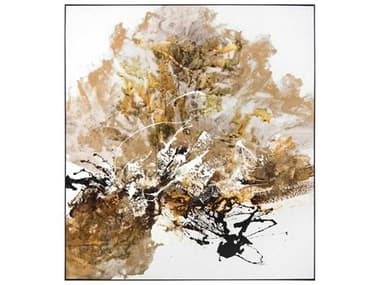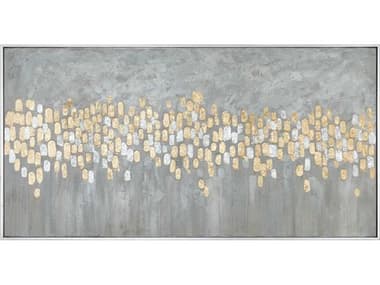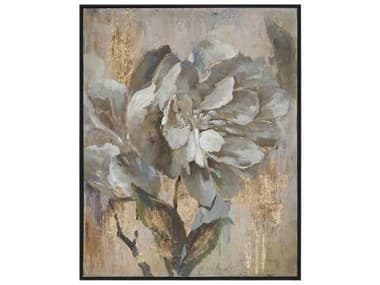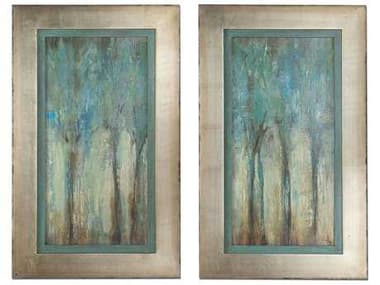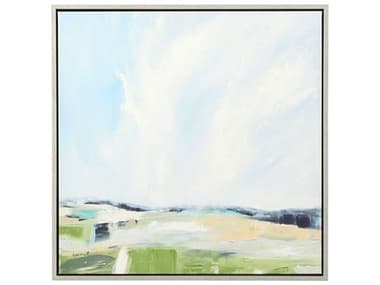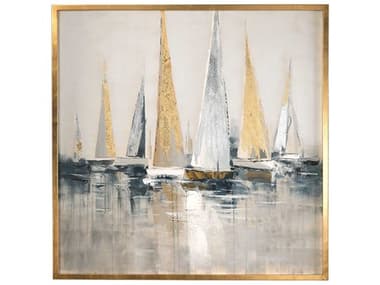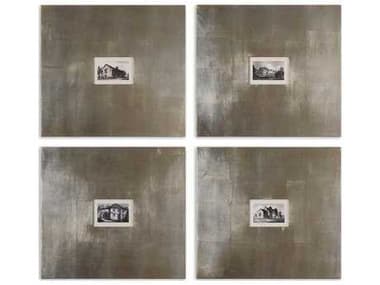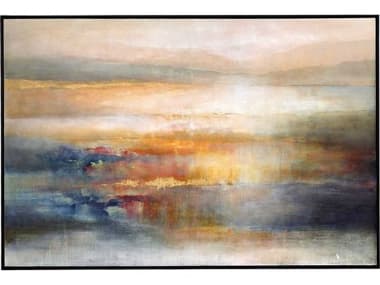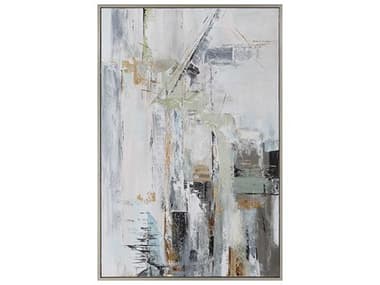
Canvas wall art is one of the most popular types of home décor these days. It can be used to add color and texture to a room, or as an accent piece in a hallway. There are so many different designs available for you to choose from, which means that there's something perfect for everyone. Whether your style is modern or traditional, abstract or realistic, if it exists on paper, chances are you'll find it on canvas too.
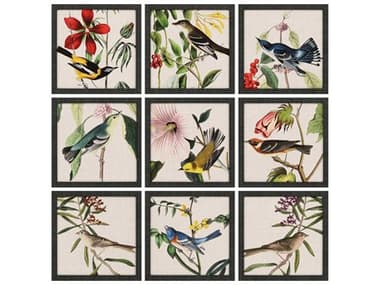
If so, then paintings framed in wood or metal frames will work well for your space. Traditional art often features abstract or realistic scenes of landscapes and nature. You can also find different modern versions as well that may feature a more abstract style or have an urban feel to it. Abstract canvas art comes in many different styles, so you will be able to find a design that you love.
When you're buying canvas wall art, there are some features that may make your decision easier and your home's design more exciting.
Canvas prints are available in a wide range of styles, with many designs to choose from. Here are a few types of art that LuxeDecor offers:
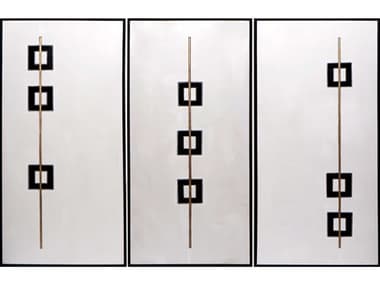
If you're looking to add an accent wall, large canvas prints are perfect. These unique pieces can be used in a hallway or as a focal point on one side of the room. If you have high ceilings and want something more playful or youthful, then consider casual or modern art. Abstract canvas prints will give a room with clean lines and minimalistic décor some punch, while traditional pieces can add warmth to an otherwise cold space if you have this type of design aesthetic. You'll want to decide if you want framed canvas prints or unframed prints. Unframed canvas can come with a white edge, a color on the edge, or in a wrap-around style, where the image continues around the entire canvas.
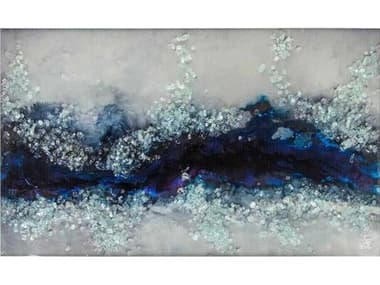
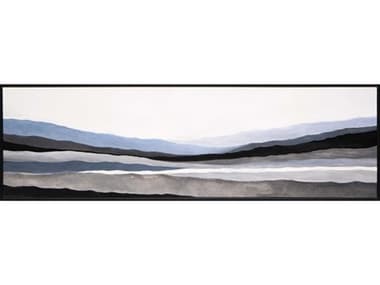
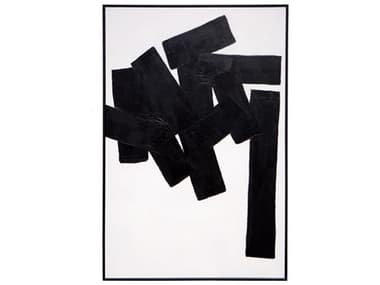
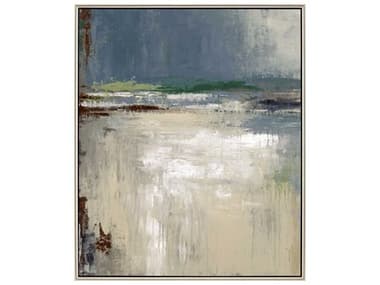
What size of wall art would you like? Large abstract wall art makes for a fantastic focal point in the living room, while keeping a small canvas print or two on your desk will add some much-needed charm to an otherwise sterile space. Finally, it's a good idea to think about the mood of your room. Blue wall art creates a relaxing and tranquil energy. It's perfect for a bedroom or home office. Black and white canvas art is very modern and creates a sense of boldness. A red, yellow or orange colored artwork will bring energy and warmth into a room and is great for a kitchen or dining room. Big canvas prints will increase the effect of the color in your home.
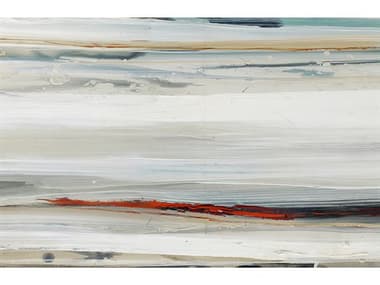
Casual canvas wall art is perfect for a living room, bedroom, office space, etc. These pieces are often more simple and come with neutral colors which work well in many different types of homes. They do a good job of blending in with the home and creating a cohesive look rather than standing out.
LuxeDecor is the place for canvas wall art! No matter what style or budget you have, there are plenty of options available that will fit well with any home's décor. Take a look at our beautiful catalog of canvas wall decor and select the perfect art for your home today.
Related Categories
3d Wall Art | Glass Wall Art | Metal Wall Art | Wood Wall Art | Shadow Boxes | Wall Clocks | Wallpapers