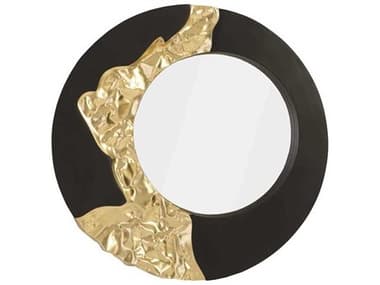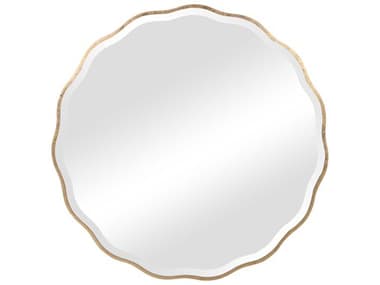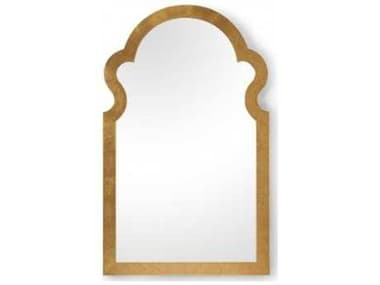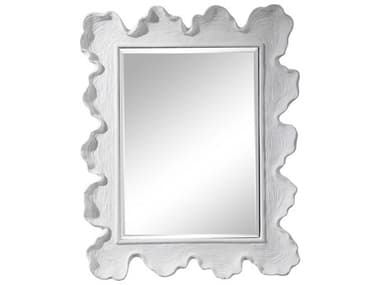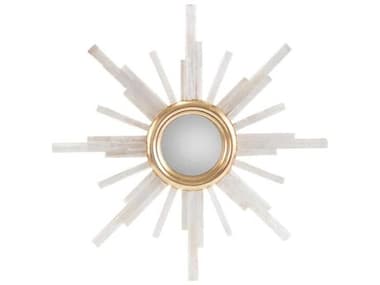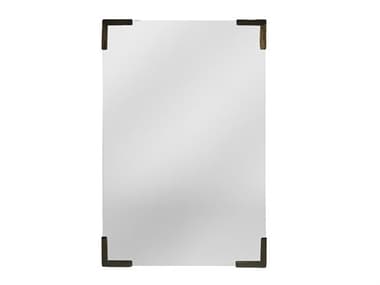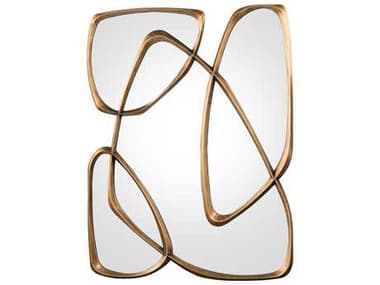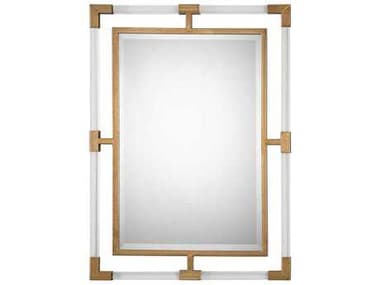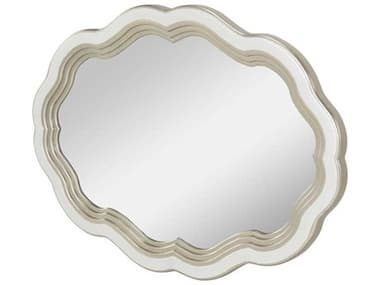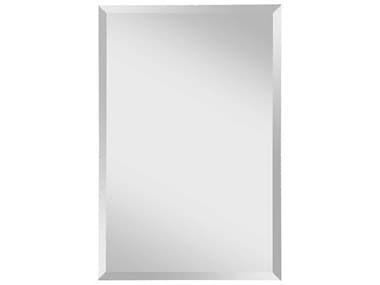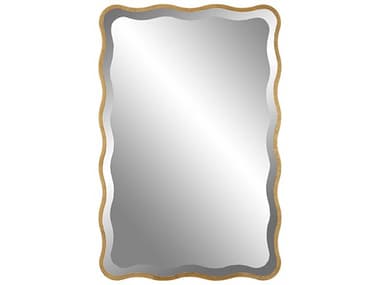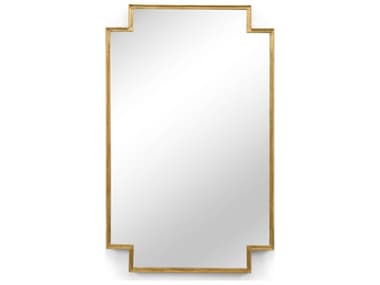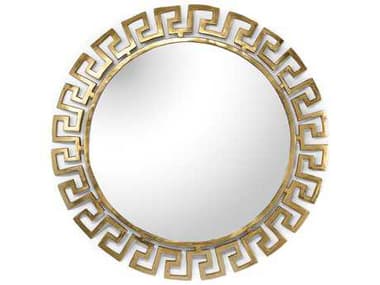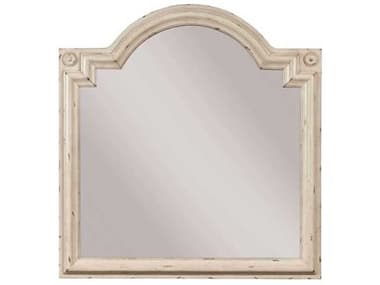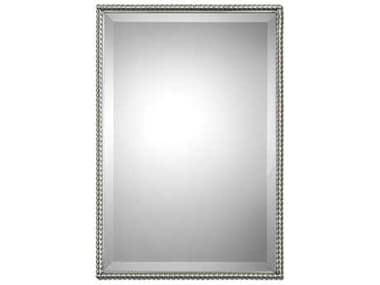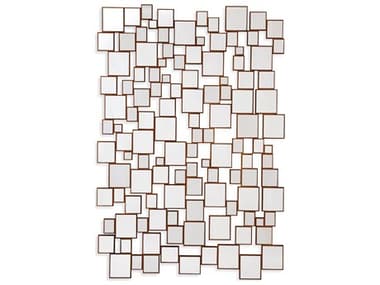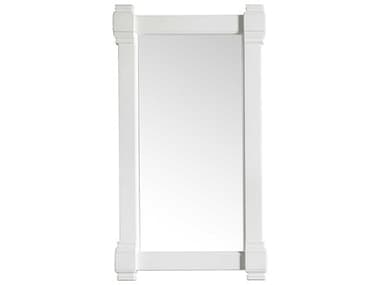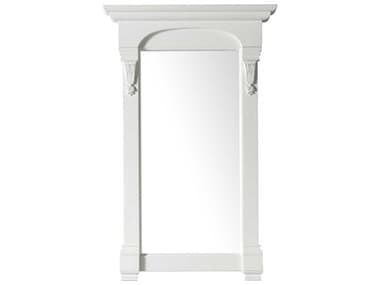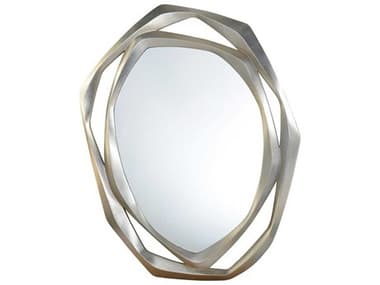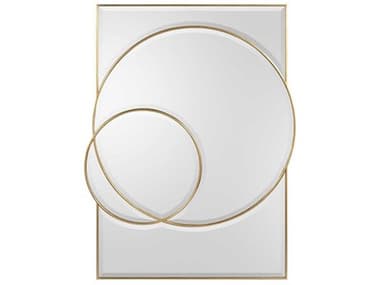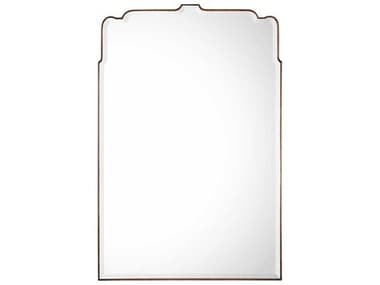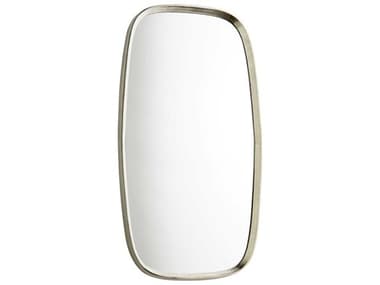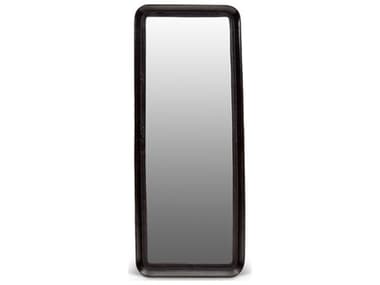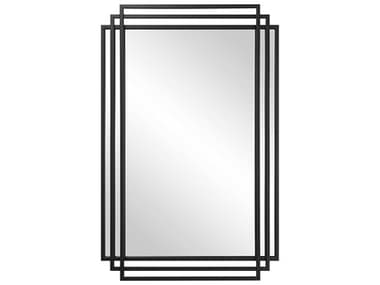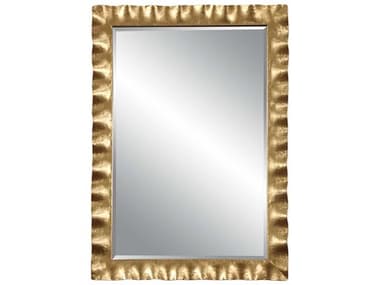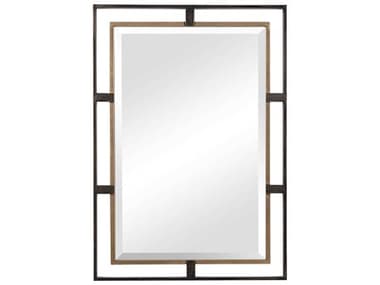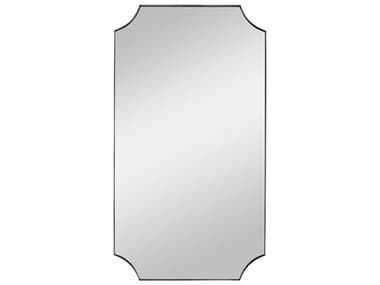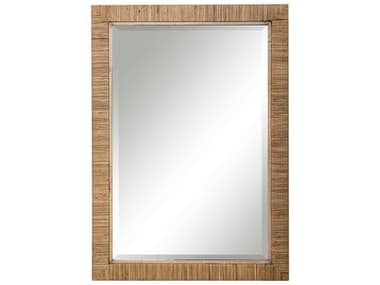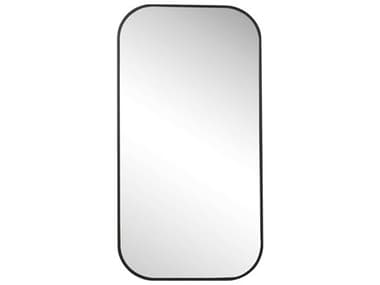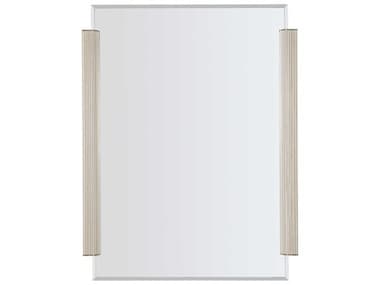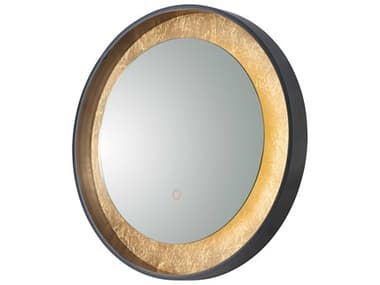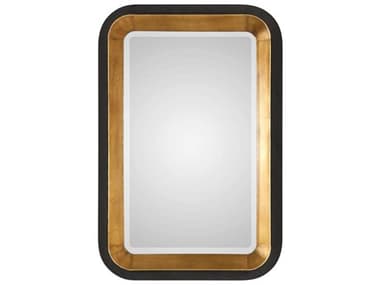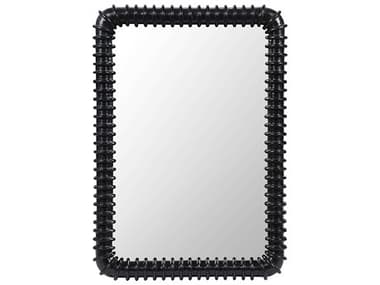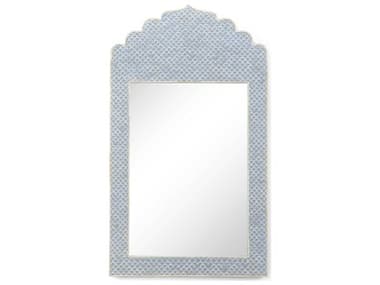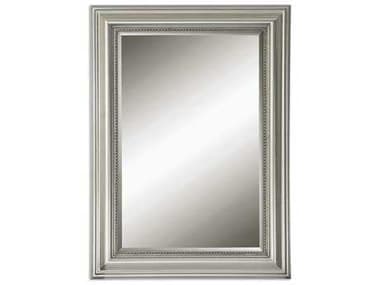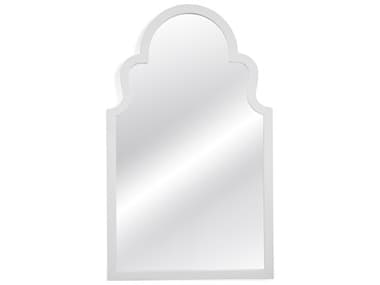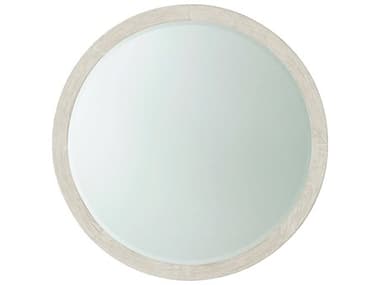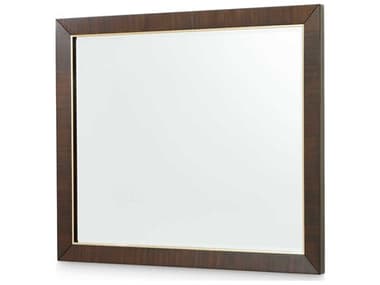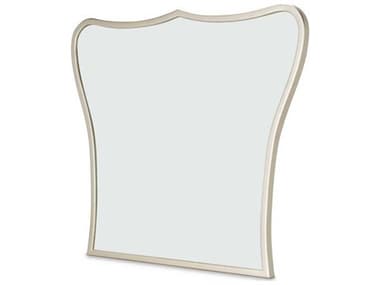



If you're looking for a serious yet sophisticated piece to add to your home decor then look no further than wall mirrors. Not only do wall mirrors reflect much-needed light into any room in your home, but they also help to widen your smaller rooms. But, first, you should know how to choose the right wall mirror.
Before you can successfully buy suitable wall mirrors for your home, there are a few things that you should consider. This is why the following guide is helpful for you when you start browsing for your wall mirrors.
The addition of a decorative wall mirror to any space is primarily functional, but can also dramatically create the illusion of more space and brightness. Whatever space you're working with, from a hallway, bedroom, or dining room, a well placed wall mirror can serve to beautify your home with light, polish, and dimension. A well designed wall mirror, which you can find through mirror wall art, and different shapes like a round wall mirror, or a rectangular full length wall mirror, goes beyond a simply reflective purpose.
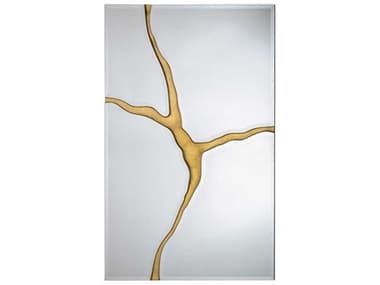
The right wall mirror creates style and enlivens a previously sparse space. Large wall mirrors break space, creating variety on your walls that adds a window of shine and texture to keep your interiors dynamic. In this way, mirror wall décor is more versatile than purely decorative wall art. With LuxeDecor’s diverse collection of wall mirrors, we have decorative wall mirrors to suit any style or décor.
You'd be surprised to find that before wall mirrors were invented, you had to use pools of water to look at your reflection. Modern wall mirrors are made from glass that has a reflective covering. However, you can find other materials such as metal and plywood used for the frame. Other wall mirrors have a material that forms part of the base. This can be metal.
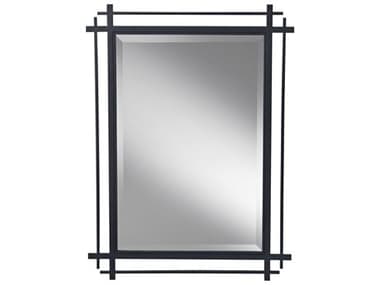
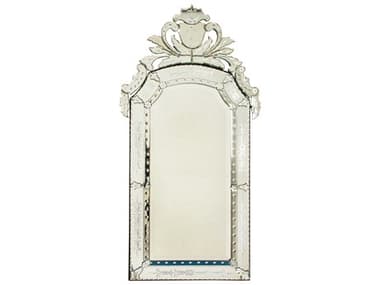
If you're planning on buying your wall mirrors, you should consider how they'll match your style. Wall mirrors are an ideal way to showcase your taste. The great news is that there are unique styles that you can choose from to achieve your goals. The thing is, it's always easier to decide on the style that you need if you already have a preference for the types of wall mirrors that you want. However, if you haven't thought about what you'd like, you have a wide selection to choose from. Whether you prefer to keep it casual with standard modern wall mirrors, or you want antique wall mirrors, we have it. If you want something fun, select Hollywood glam-inspired wall mirrors.
The weight of your wall mirrors matters. You don't want to buy wall mirrors that will be too heavy for your walls. Additionally, you don't want to hang heavy wall mirrors above your delicate and expensive furniture. The general rule of thumb is that you shouldn't choose wall mirrors that are more than two-thirds of the size of your furniture. You should ensure that your walls can safely accommodate their weight.
Whether you're buying long wall mirrors or standard square-shaped wall mirrors, you should consider the features that you need, including:
The type of frame that you choose matters. If you're buying wall mirrors for your bathrooms, you should know a few things. Wooden frames in your bathroom are a big no-no; save for your bathroom vanities. The high humidity levels can damage the wooden frames of your wall mirrors. In fact, if you live in a region with high humidity levels, you should think of buying wall mirrors with an aluminum or metal frame instead.
For most wall mirrors, the installation should be easy. However, this also depends on different factors such as the type of wall mirrors that you've chosen, the weight, and style of your mirror. For instance, installing decorative wall mirrors will be a different process than your bathroom wall mirrors. Be sure to choose wall mirrors that won't give you a headache when you have to install them. You should also consider getting wall mirrors that you can hang horizontally and vertically. This should help you to change your walls whenever you want to without spending money.
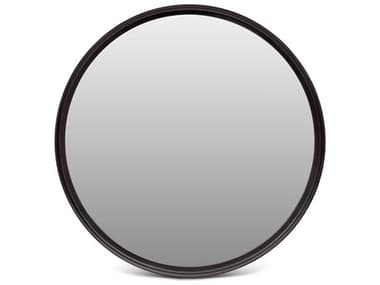
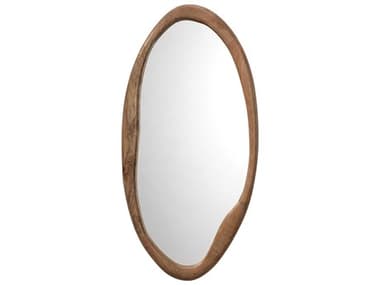
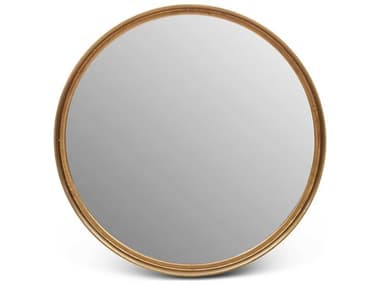
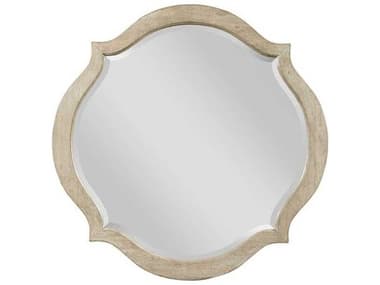
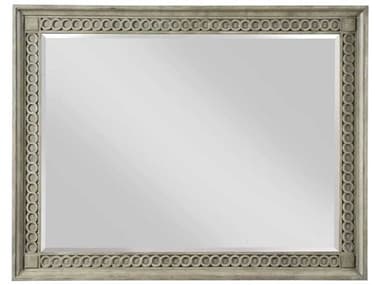
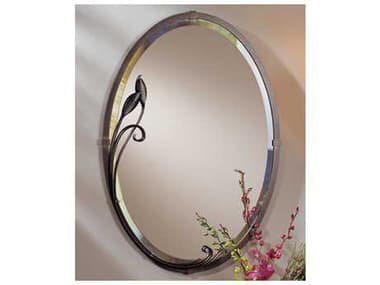
LuxeDecor offers over 3,000 different varieties of mirrors with near infinite possibilities for design inspiration. From traditional, casual, and modern styles, our wide range of wall mirror décor include different sizes from small and large wall mirrors, different shapes like oval wall mirrors and rectangular long wall mirrors, to different finishes such as white wall mirrors and gold wall mirrors. Whatever your design preference, LuxeDecor offers designs of all kinds to suit both casual and formal lifestyles from ornate mirrors to sleek and contemporary models.
Some wall décor mirrors are available in coordinating sets that can be mixed and matched and placed in any space for added aesthetic appeal. You can create even more visual interest to your walls, augmenting the charm that a single mirror offers. From bathroom decorative wall mirrors to mirrors for your living room, dining room, and bedroom, browse LuxeDecor by style, finish, size, or shape to find the perfect mirror for any space.
If this is the first time that you're buying wall mirrors for your home, it can be a bit overwhelming. There are many choices to choose from. Understanding the difference between a large wall mirror and a modern wall mirror can seem obvious, but it's not as simple as it seems. There are key differences in wall mirrors. The following explanation of the types of wall mirrors makes it easier to understand how they differ:
Finding wall mirrors to suit each room in your home can take some time. This is why you should consider the following:
Mirrors are an easy way to incorporate style trends into your décor, with the added benefit of creating more space and light into rooms.
Buying wall mirrors should be easy. To find out more, check out Luxe Decor's wide selection today
Related Categories
Floor Mirrors | Dresser Mirrors | Mirrored Wall Mirrors | Black Wall Mirrors