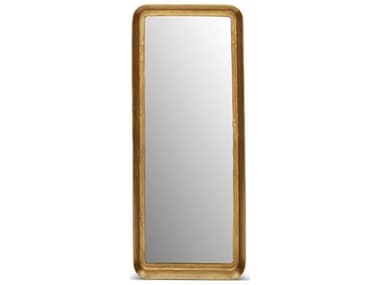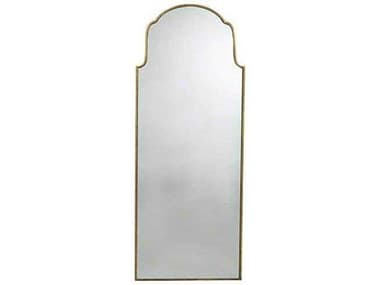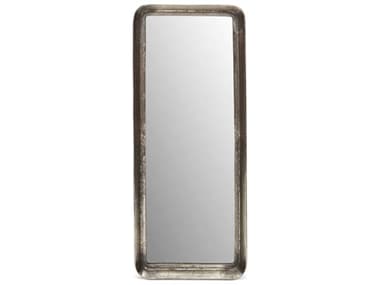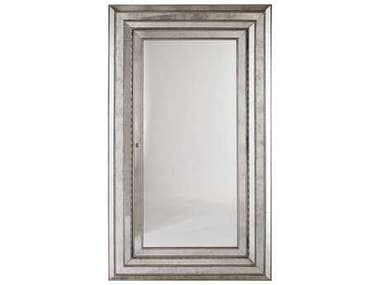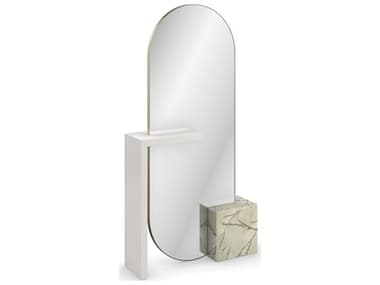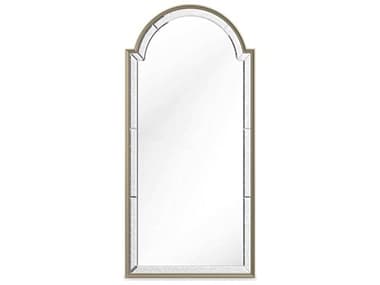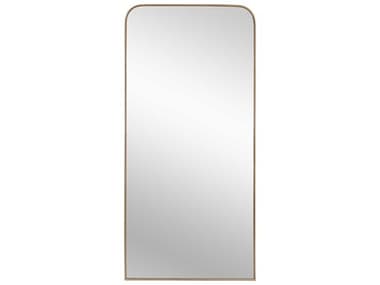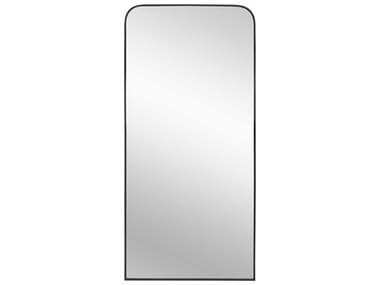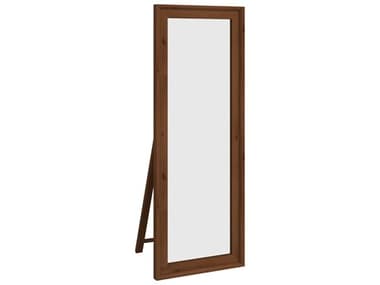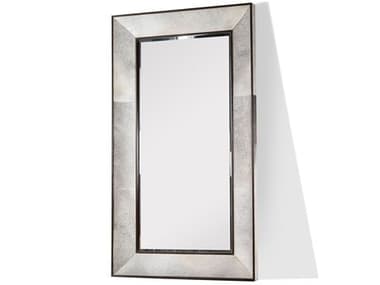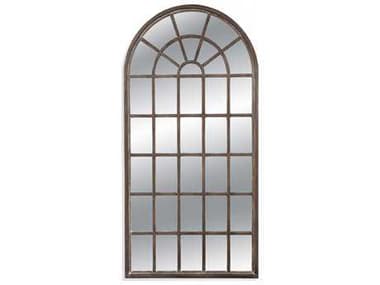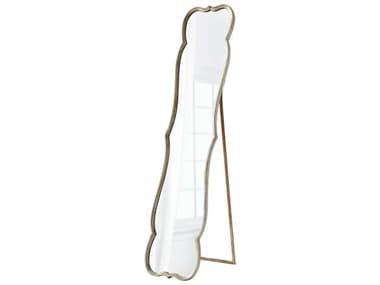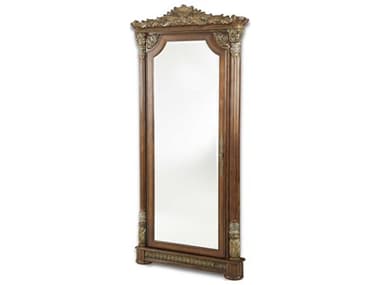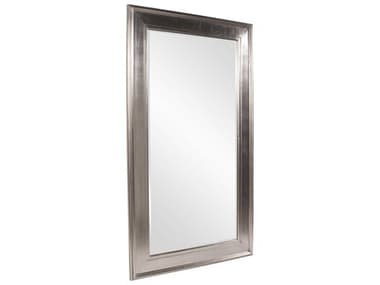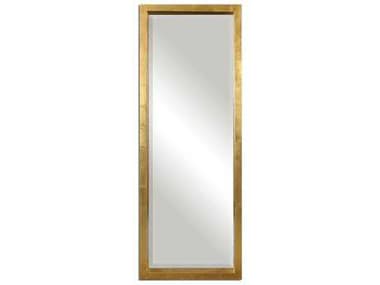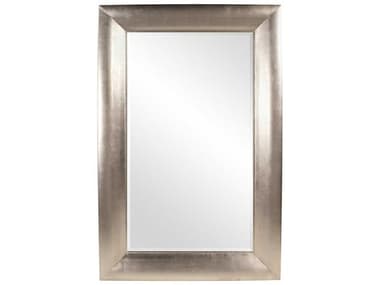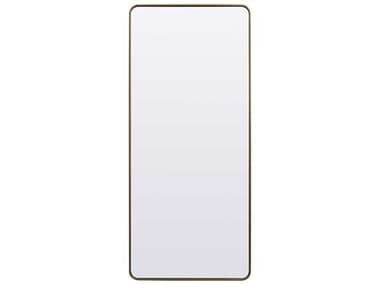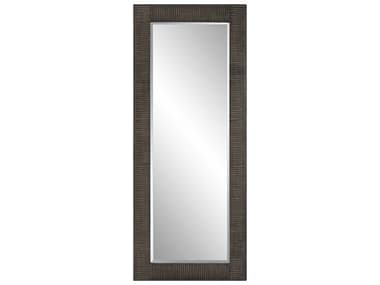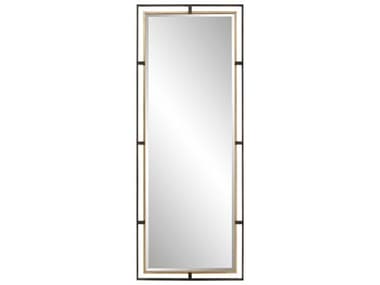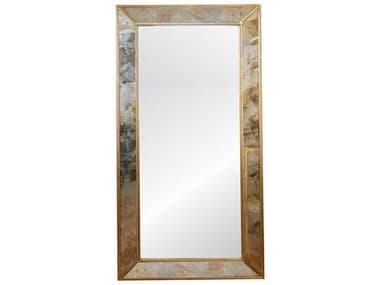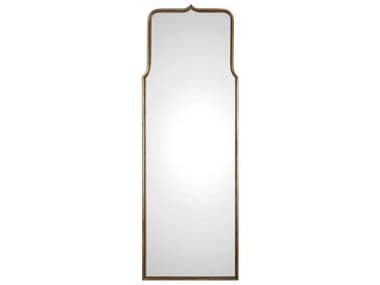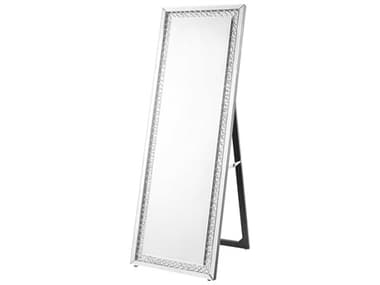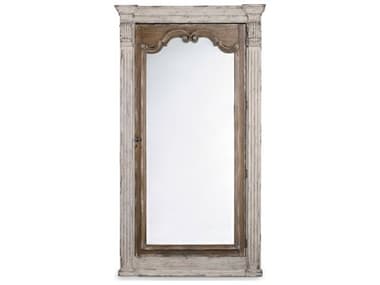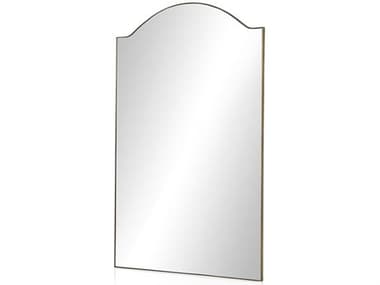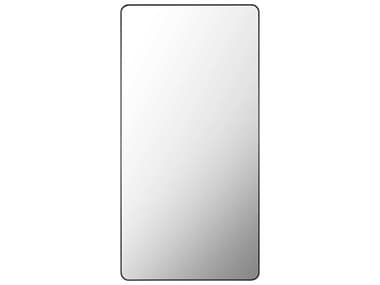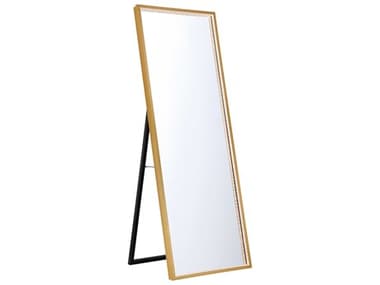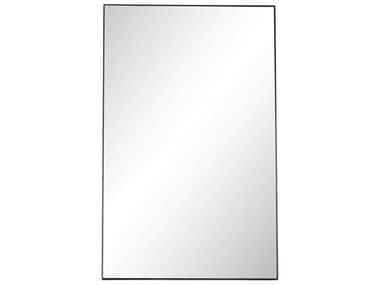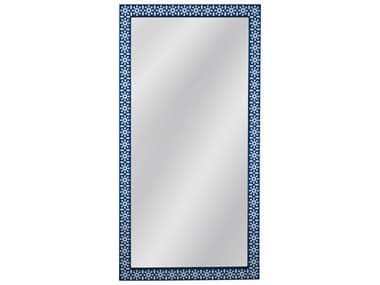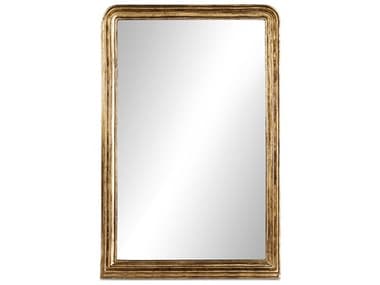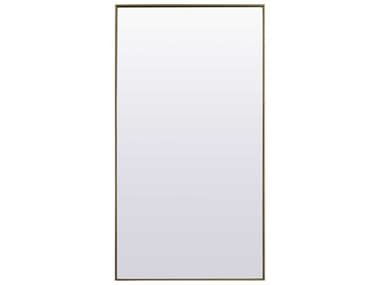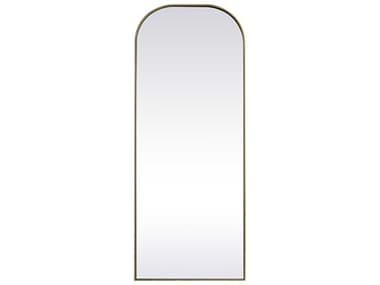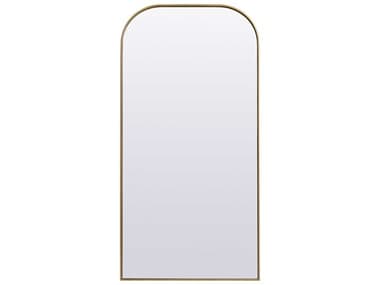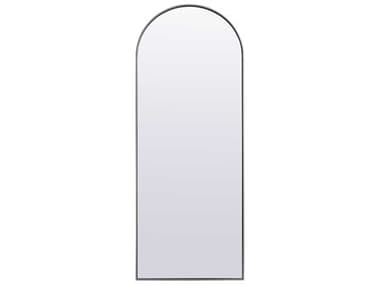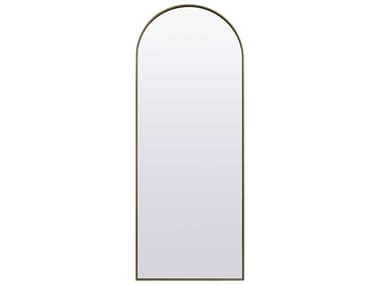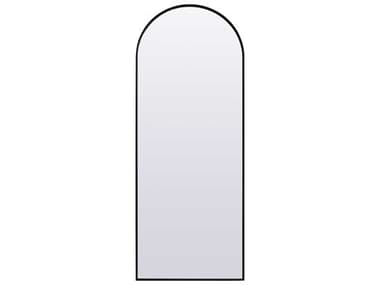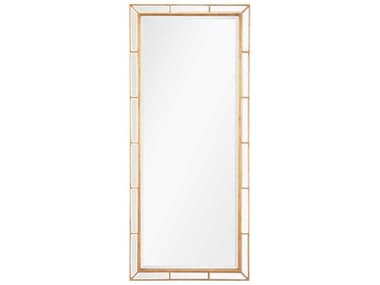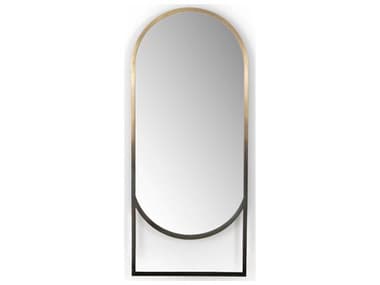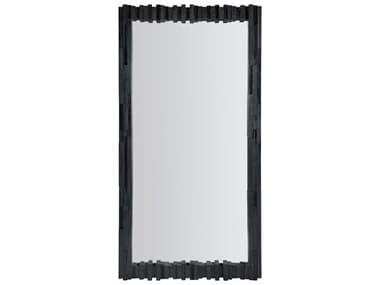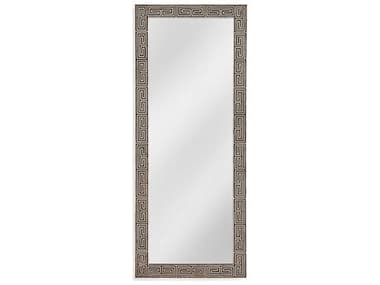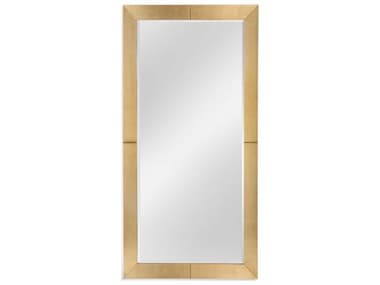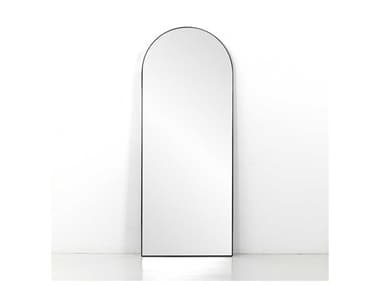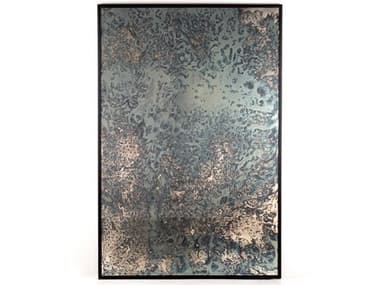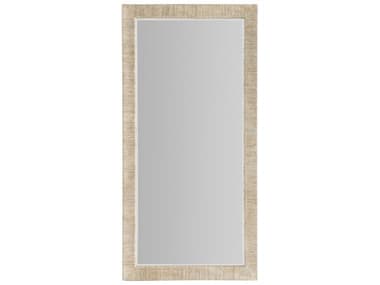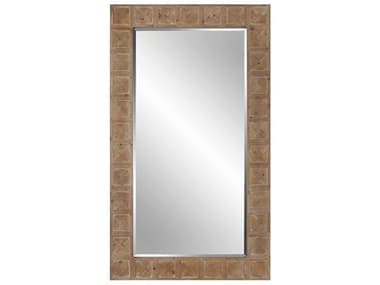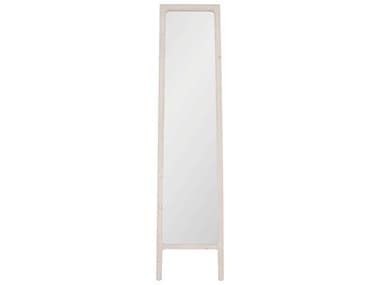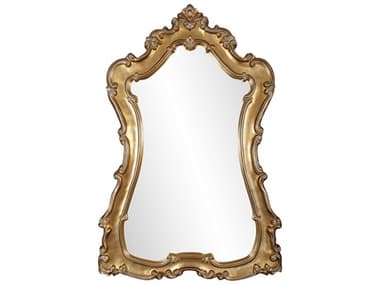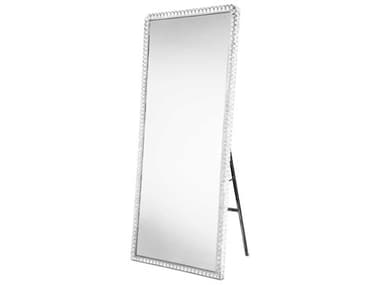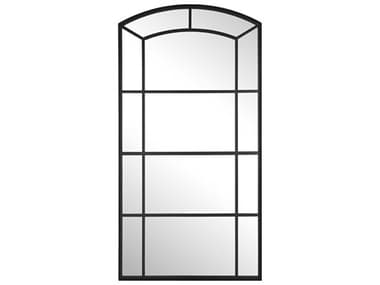


A beautiful floor mirror can add the perfect finishing touch to a space. Modern floor mirrors are both decorative and functional decor items. Large mirrors are fashionable and can enhance your room design, and they can create the illusion of space in a small room. The reflective properties of a tall mirror can brighten up any room.
You can use large mirrors as decorations on your walls or use standup mirrors to divide a room based on your needs. Full body mirrors work well in dressing rooms and closets as they provide you with a full-length view of yourself. You can use framed floor mirrors in corridors or prop them up against your living room wall for a touch of luxury and create an impression of space.
Many people like to use mirrors to brighten up a space or to give the illusion of more space in a room. Its reflective properties add light, dimension, and instant polish to any living space. They make small spaces feel more open and fill dark spaces with more light. Floor length mirrors are equal parts functional and decorative and can be used to decorate the walls of your space, or can even be used as room dividers with free-standing panel models. A large floor mirror works well in bedrooms, or dressing rooms and closets, so you can have a full length view of yourself. This style of mirror also works well placed along corridors and casually propped against a living room wall to add opulence and create a sprawling expanse of space. From classic to contemporary designs, LuxeDecor has many different styles and designs to choose from.
Before You Buy
Before you decide to buy an oversized floor mirror, consider where you want to place it. Consider the lighting in the space to determine if you need additional lighting for your full-length mirror. You can have a free-standing mirror in your bedroom, closet, or entryway. First, decide on the space, as this may influence the other factors you consider before making your purchase.
The next step is to know what the proportions of the space are. It is essential to understand how much space you have for your large mirror before you choose a standup mirror. Measure the area to make sure you purchase a suitably sized free-standing mirror.
Before you select your floor mirror, educate yourself on the following features to help you narrow down your options:
You can choose from over 150 decorative floor length mirrors at LuxeDecor. From traditional to casual to modern styles, full length floor mirrors and oversized floor mirrors can fit into any setting from bedrooms and living rooms, to hallways and entryways. There are also more unfussy designs such as floor to ceiling mirrors that feature Grecian-inspired column crown molding frames. We especially like the “Percy Silver Floor Style Mirror" by Cyan Design which is a floor standing mirror with three mirrored panels that would work great in a boudoir dressing area. LuxeDecor carries an extensive inventory that reflect today’s trends and styles so that you can find the perfect mirror to fit in any room of your home.
There are many types of floor mirrors available. The following are some of the most popular types:
Several factors can influence your choice of a full-body mirror. Here are some items to consider before you make a purchase:
Decorating With Floor Length Mirrors In Your Home
Finding the perfect floor length mirror for your space can be a great finishing touch to your space. Mirrors are an easy way to subtly incorporate fashion-forward trends to your décor. Metals remain a timeless and prominent trend in interior design, and are served even better when paired with mirrored surfaces. Serve up glam with a decorative gold floor mirror like the “Kennis Gold Leaf Leaner Floor Mirror" by Uttermost which measures 70 inches in height and 29 inches in width. If you’re looking for a vintage inspired look that brings pastoral charm, a white floor mirror by Habersham named the “Infinity Floor Length Mirror" brings magnetic design with overlapping, geometric circles in a naturally aged, white paint finish. Whatever style or aesthetic you’re looking for, there’s a floor mirror at LuxeDecor that’s right for you and your space.
Buy Your Floor Mirror Now!
Now that you know about the types of floor mirrors, what to consider before buying one, and what features you should consider, you are ready to make your purchase!
Whatever your preferred style or aesthetic, you can purchase a range of functional and decorative full-body mirrors here at LuxeDecor.
Related Categories
Mirrors | Eurofase Lighting Mirrors | Wall Decor | Accent Furniture | More Decor