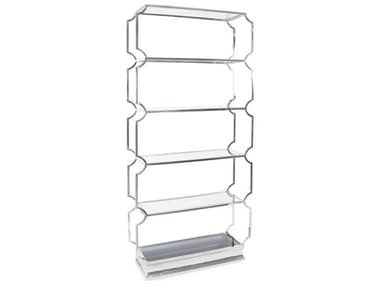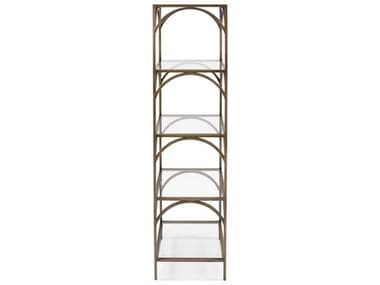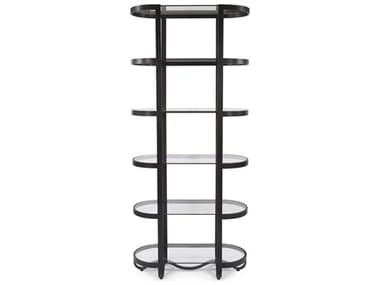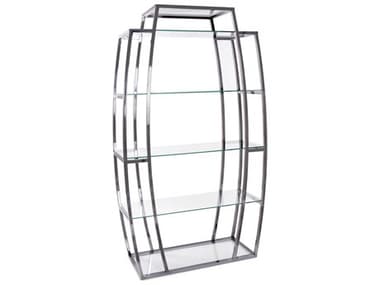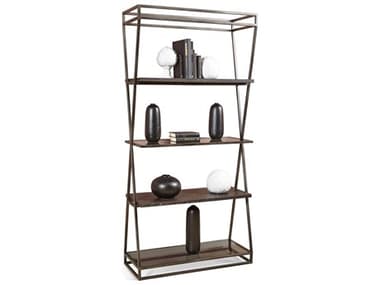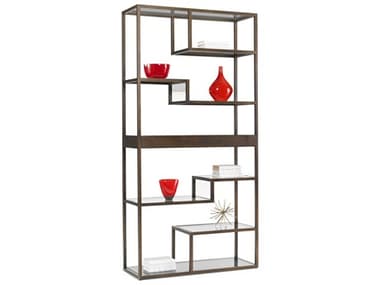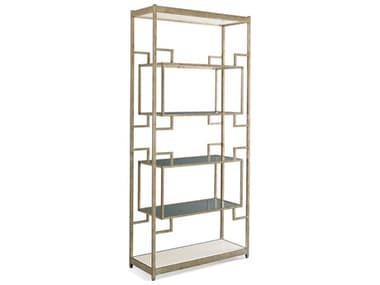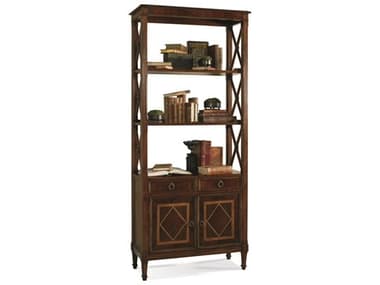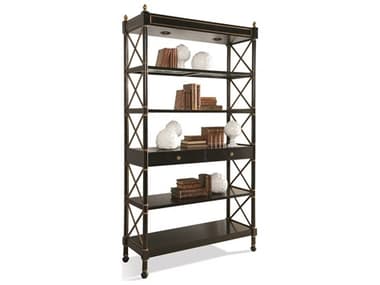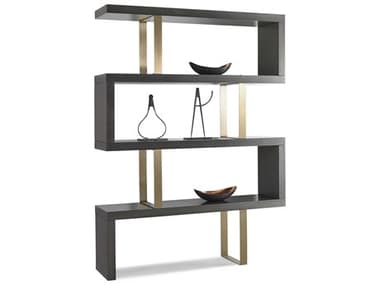
Chaos and disorder are unattractive in a home. If you have a large family, work from home, or you are somewhat of a pack rat, your house can become messy. The solution is to find storage décor that will help you organize your household items and go well with the other furniture in your house.
If your house seems to have gotten completely out of control, you may be inclined to panic and buy random storage shelves and other units. This is a bad idea. It is better to take your time and choose your storage furniture according to certain criteria.
The process of decluttering your house is not always an easy one. You can start with the kind of storage furniture that will make your interior roomier and more functional. Here are some of the features you should consider when shopping for storage décor:
You must first decide what needs to be stored. Do you have old CDs and DVDs that you don’t want to give away but that take up too much space in your living room? If you now stream all your films, television shows, and music, it may be time to put your discs in cabinets that can be fitted into corners or other out-of-the-way places.
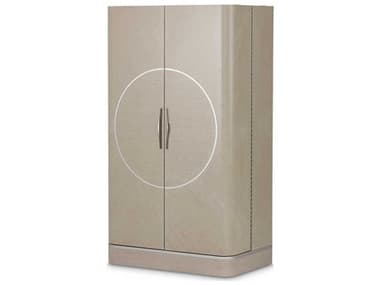
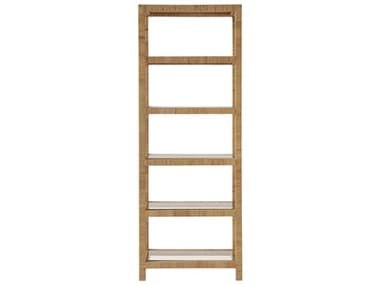
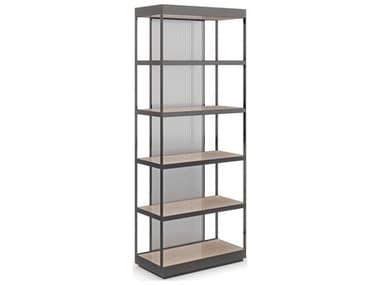
If you are trying to get a handle on your cooking spices and utensils, then you must consider different storage options. Bulky books and travel trinkets demand other solutions. You should ask yourself whether you need drawers or a cupboard with doors to protect the items. In other instances, open shelves may be the answer.
The last thing you want to do is cause even more disorder by buying a storage unit that is too big for the space it is meant to be put in. You should also avoid storage units that are too small to help you store your stuff, and that essentially add to the pile of things in your living spaces. Putting the furniture in the corner is not a viable plan if it will not fit. The wall you plan to put your shelves on may not be able to hold them.
Before you purchase storage furniture, you should take measurements of the space. This will give you the information you need to choose the right cabinet, shelf, or cupboard.
You should know whether you need to drill holes in your wall or nails in your floor or ceiling to install your storage unit. You must know these installation requirements in case there are wires and electricity lines inside your walks. Nailing into a wire or other critical piece of infrastructure can cause you enormous amounts of money. It is worth investing in a wire detector tool to figure out where all the wires are in your home. You will then be able to put up your shelves and cabinets safely and cost-effectively.
The storage furniture you buy should be able to hold the items you need them to. You should never assume that they will. It is better to review and assess the technical specifications on the furniture. The last thing you want is to hang new shelves or construct a new cabinet only to have them snap or breakdown after you put weight on it.
What the storage unit is made of is an important feature. Metal and wood are the most durable and reliable kind of material for a storage unit. However, some of the higher quality plastic will also withstand the wear and tear of regular use.
Although you will only use the unit to store your things, you should give some attention to style and design. This is especially important if the storage décor will be in a space where people can see it. If this is your plan, then you should consider it a piece of furniture or decorative fixture. It should be consistent with your sense of style and meet your aesthetic standards.
There are many different types of storage units to choose from. Here are a few of the most common types:
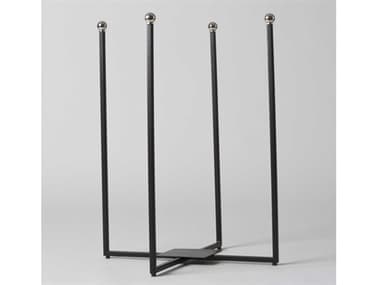
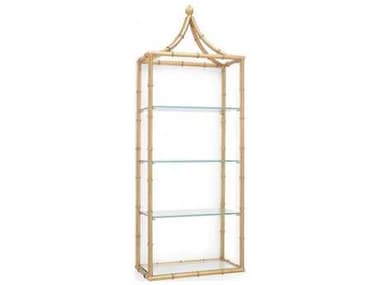
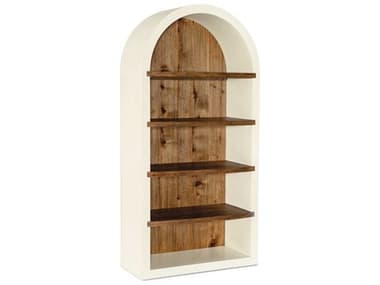
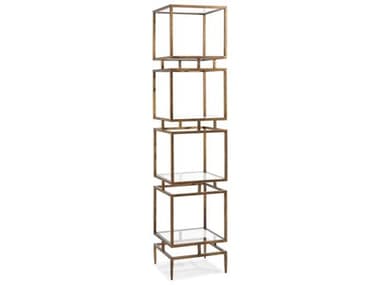
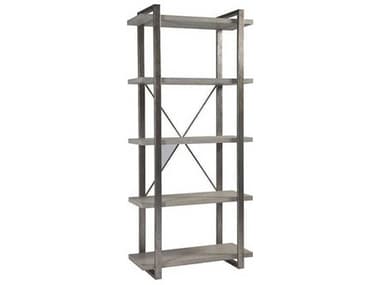
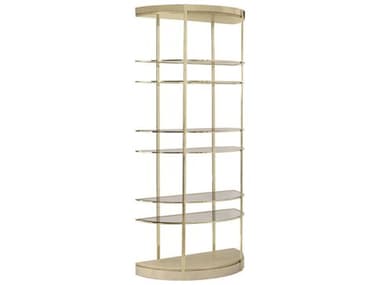
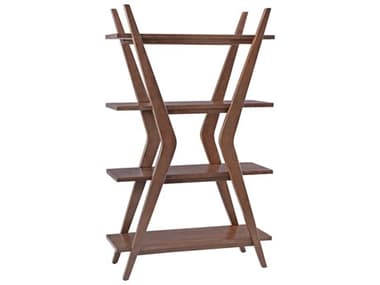
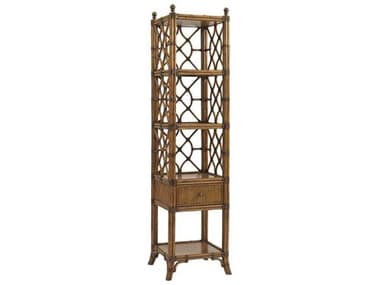
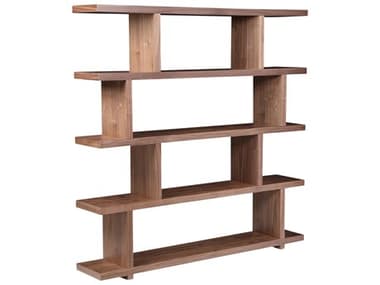
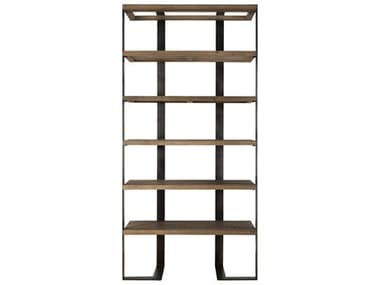
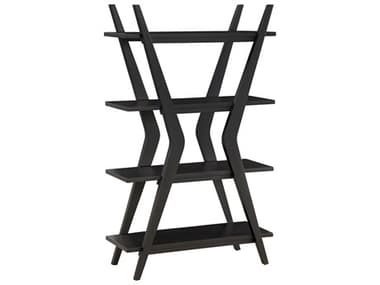
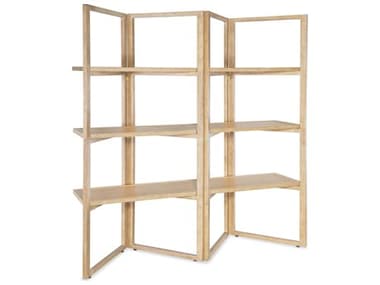
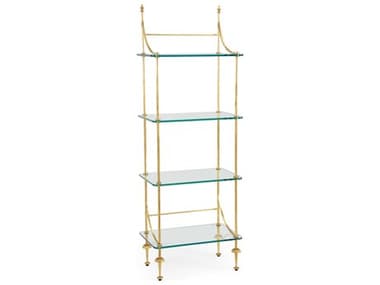
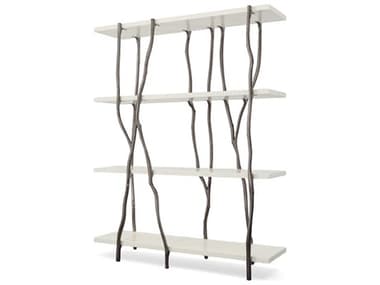
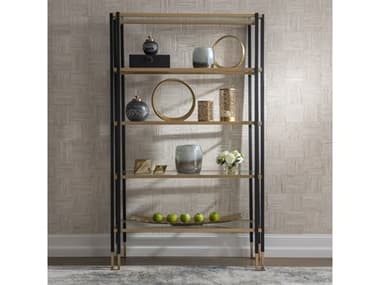
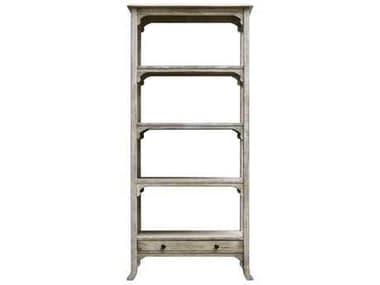
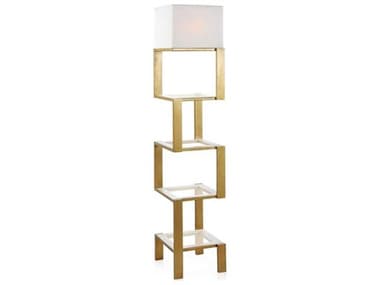
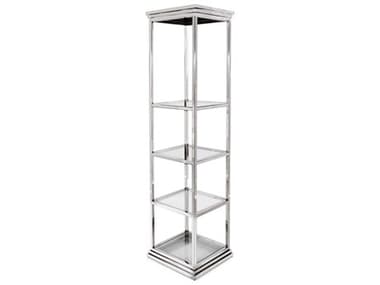
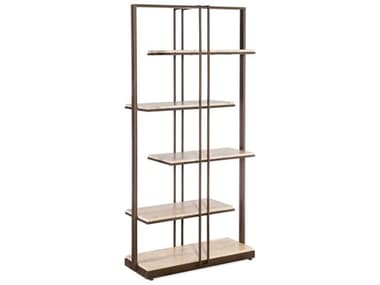
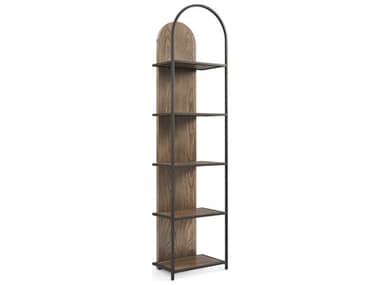
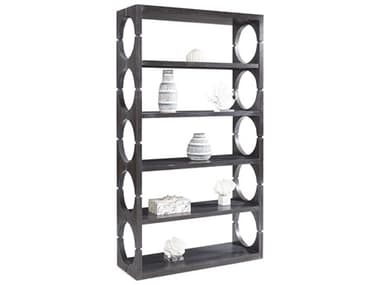
These are easy to install and simple to maintain. They help you organize your household goods while taking up a minimum amount of space. In most instances, storage shelves can be installed on the walls in your living room, bedroom, and kitchen.
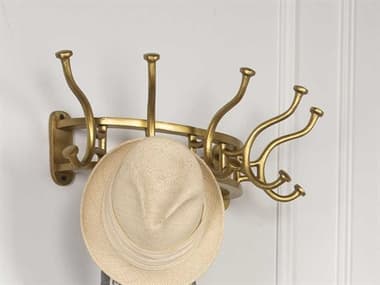
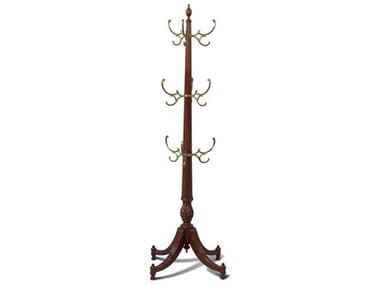
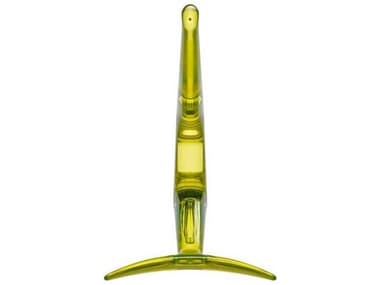
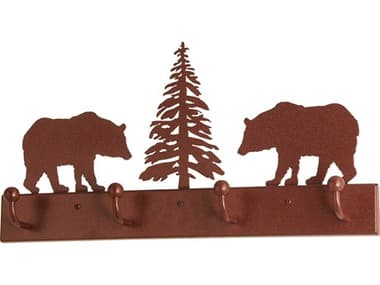
Wr have coat racks. This type of storage unit has a very specific function. It is meant to keep the clothes and accessories you wear outdoors near the door. Installing a coat and shoe rack will encourage people to properly store these items when they first enter the house rather than lay them down at random.
Ceiling storage racks can save you a great deal of space. You may need to buy such racks if you have already taken up enough wall space with storage units.
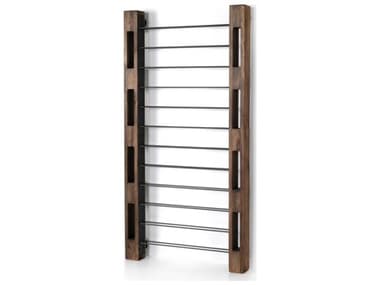
LuxeDecor also has a number of wine rack options available including wine rack furniture that allows you to fashionably display your bottles of wine. The “Wood & Metal Small Console With Wine Rack" by Sterling is a wood rack and metal rack combined that pulls double duty as a table and offers handy storage underneath for your bottles of wine. You’ll always have a pour ready at hand with this wine rack table. Working overtime, this hybrid table and wine rack offers relaxed styling that will complement any lifestyle or aesthetic.
It is best to choose storage units in a rational and methodical manner. Here are some of the things you want to think about:
The shape of your storage unit matters. If you have a small kitchen, you do not want to buy shelves that are too long and wide, as they will make it hard to get around the room; and indeed, may make it impossible to actually use the space.
If you plan to be in your house for a while, then you want to buy storage cabinets and shelves that will last the duration. The material of the storage décor will largely determine its durability.
You need not spend a fortune on storage furniture. Buying such items is a wise investment, but you need not pay more money than they are worth.
It is possible to get your house and your life back in order. Buying high-quality storage furniture is the first step toward doing so.
Related Categories
Etageres | Coat Racks | Magazine Racks | Easel Stands | Towel Racks | Storage Racks & Etageres | Traditional Storage Decor