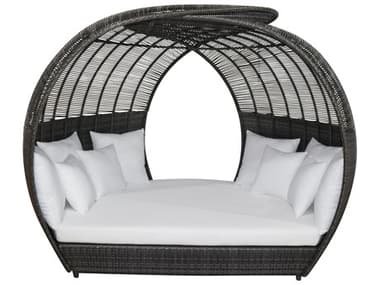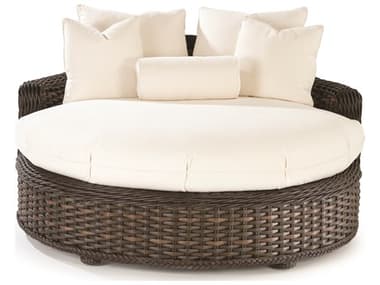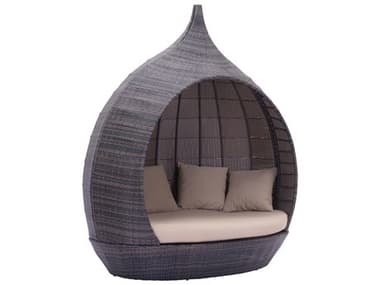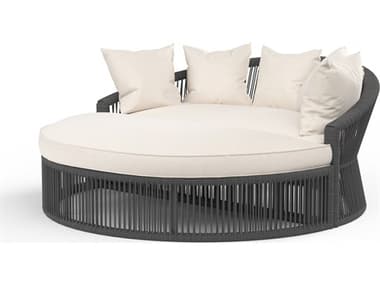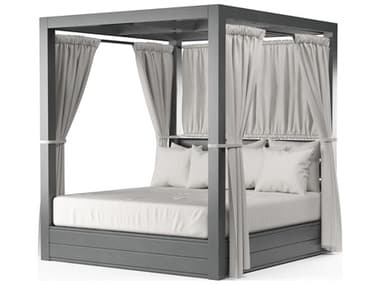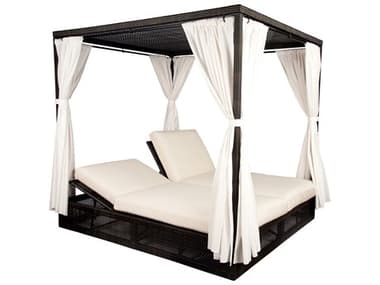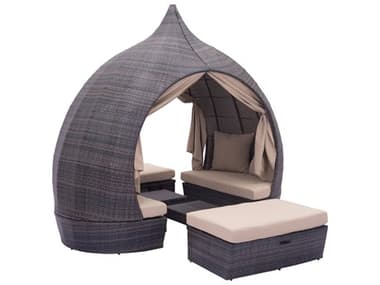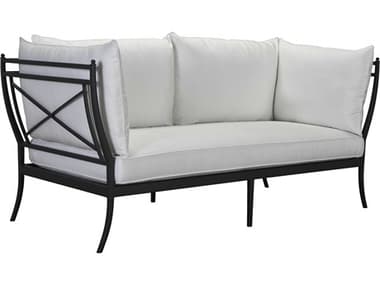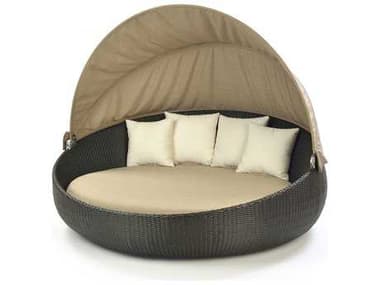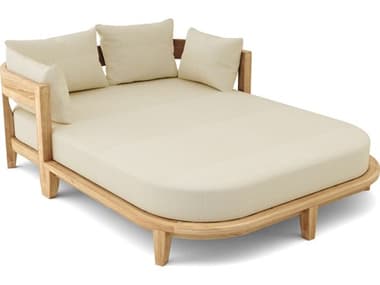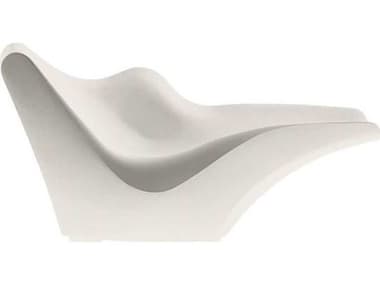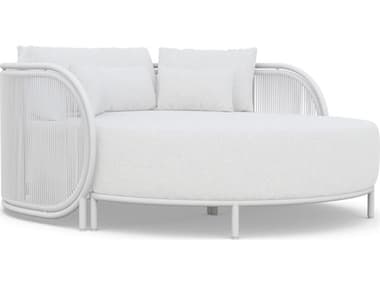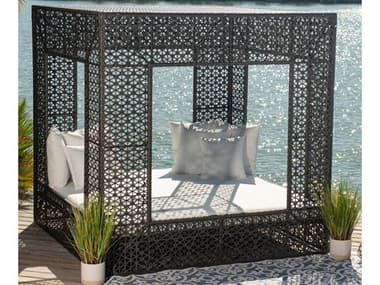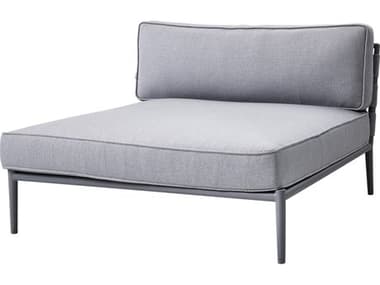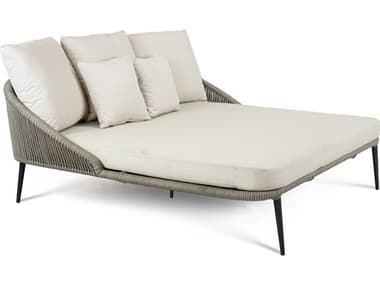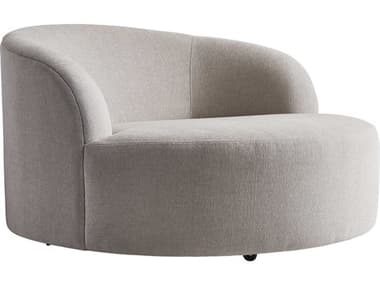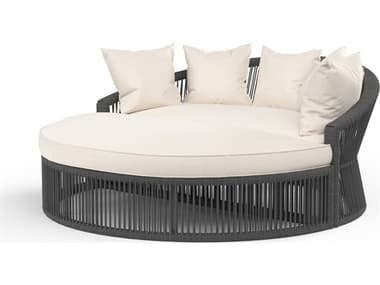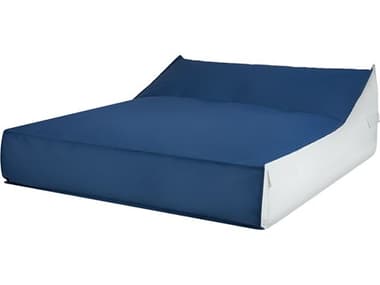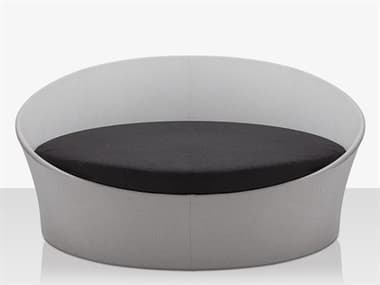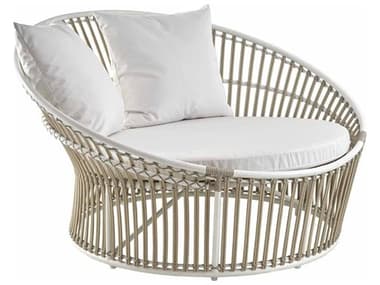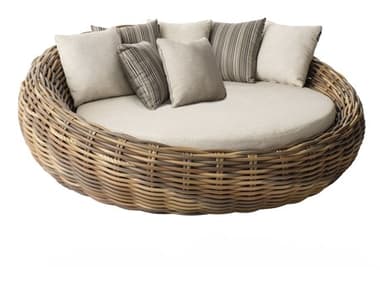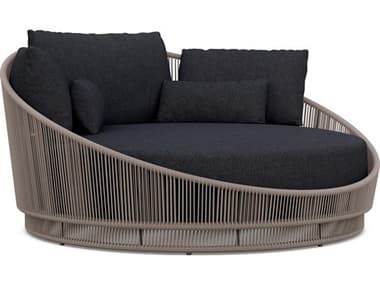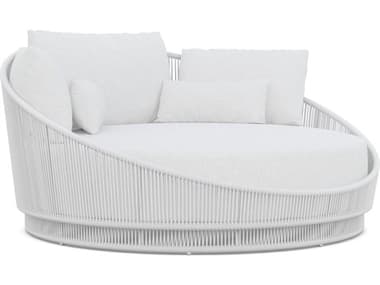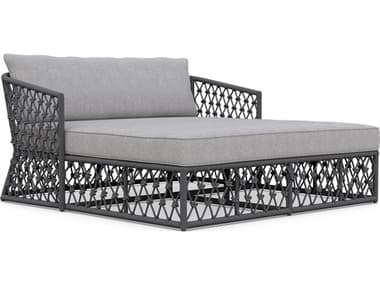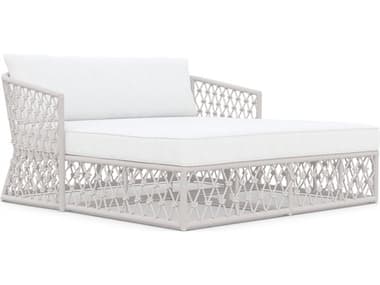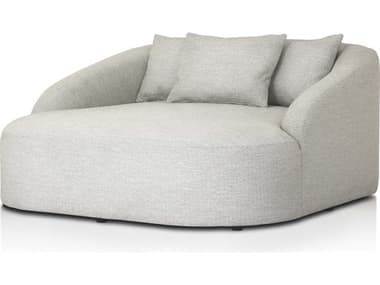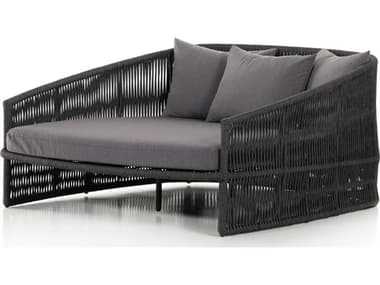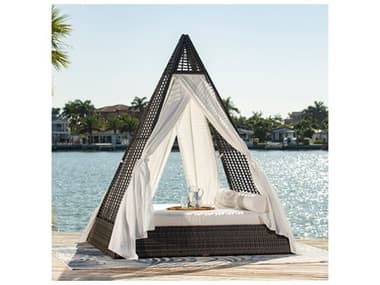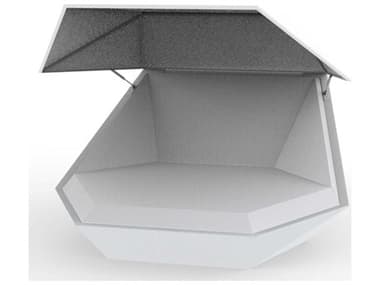
When planning your outdoor living space, an outdoor daybed helps create a fun, chic, and relaxing space. A patio daybed offers a place to enjoy Sunday brunch, read a book in the afternoon, and gather with friends in the evening sipping wine. Regardless of what you plan to use your outdoor daybed for, it is a must-have for any outdoor living space.
When shopping for an outdoor patio daybed, you want to make sure you select one that not only fits in your space but is also comfortable enough to spend all afternoon relaxing on.
Here are some of the things to consider before buying your outdoor daybed:
Outdoor daybeds come in many designs offering many features needed to enhance your outdoor living space.
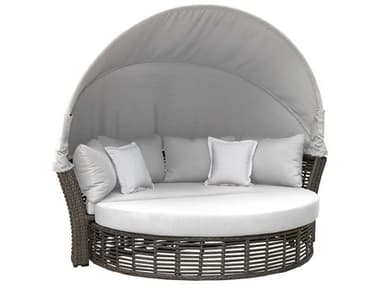
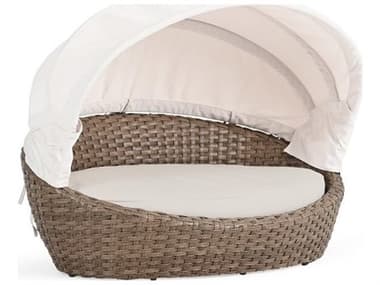
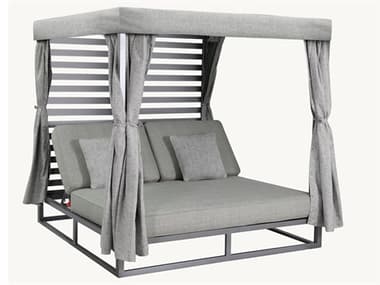
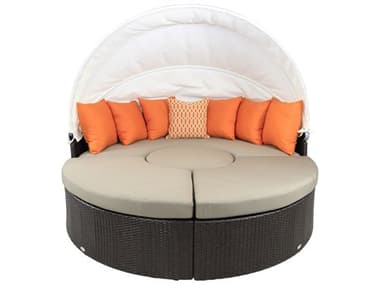
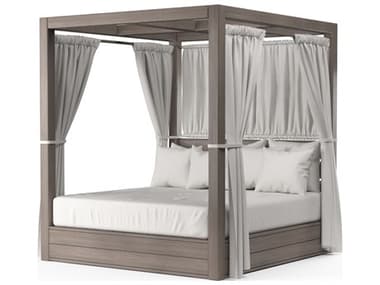
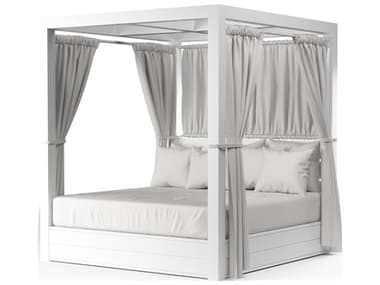
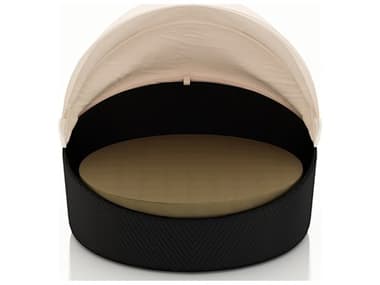
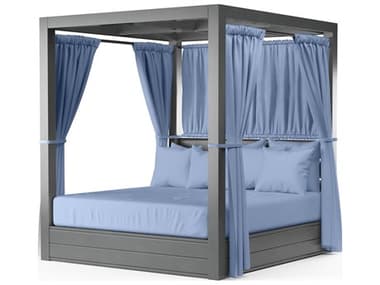
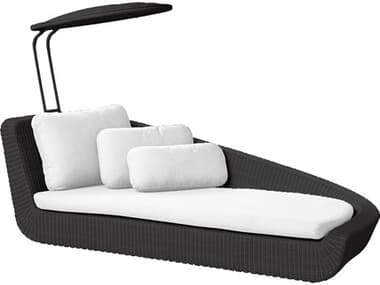
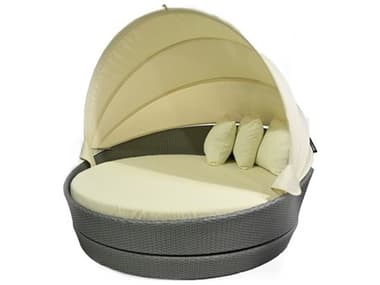
When you are lounging outside on your wooden outdoor daybed it can get hot during the summer months. Outdoor daybeds with a canopy provide you shade to enjoy your outdoor daybed during the day when the sun is shining its brightest. A canopy also helps protect you from harmful UV rays when sitting in direct sunlight.
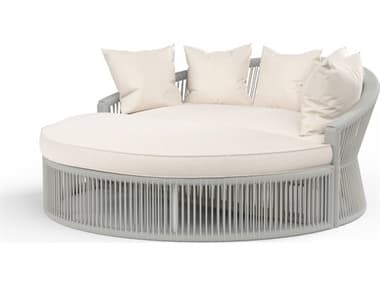
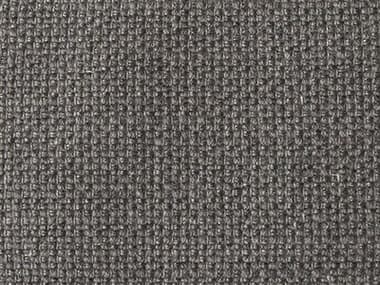
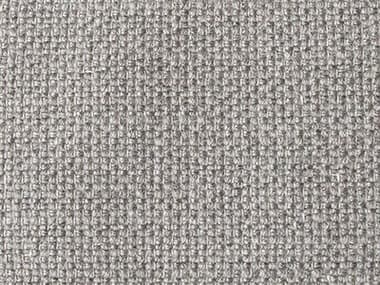
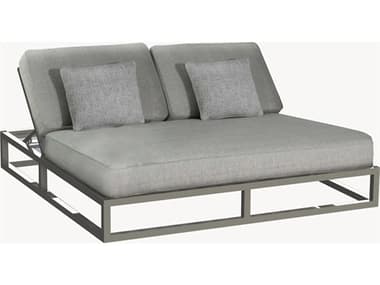
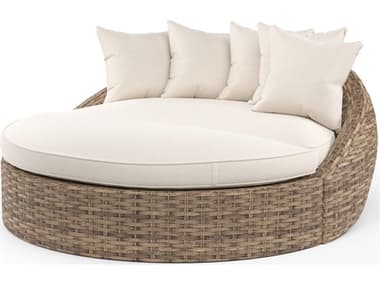
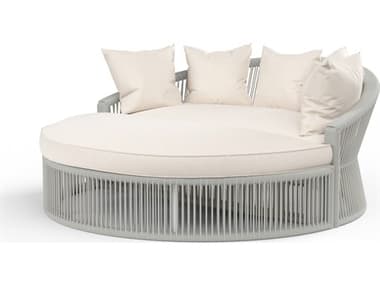
Cushions and throw pillows add extra comfort to your outdoor daybed and can add a splash of color to your outdoor living space. Select outdoor cushions that are weather-resistant and easy to clean, and choose throw pillows with removable covers for easy cleaning.
The many materials used to create modern outdoor daybeds provide many benefits. Materials used include those that are weather-resistant, fade-resistant, fire-resistant, and easy to maintain. In addition, those looking for eco-friendly outdoor daybeds can find options made from recycled and sustainable materials.
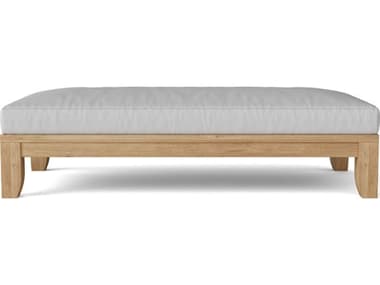
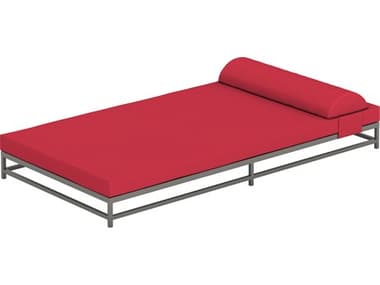
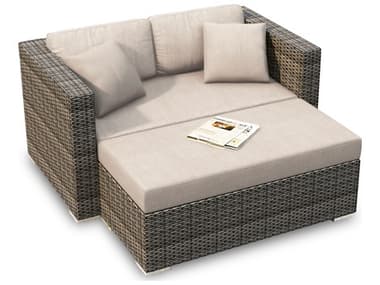
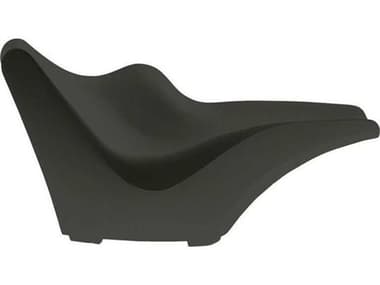
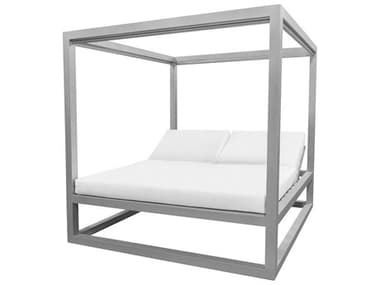
There are many types of outdoor daybeds, and when shopping for one, you want to purchase the best design to fit your outdoor living space needs. However, there are three general types of outdoor daybeds — a one-piece, sectional, and hanging.
There are many things to consider when shopping for the perfect daybed for your outdoor living area. To help choose an outdoor daybed, determine which features are important to you and base your decision on a daybed that fits your desired needs.
With so many outdoor daybeds to choose from, you are sure to find the best piece of furniture for your outdoor living space. When shopping for outdoor daybeds, check out our catalog and see all the different styles, designs, and colors we offer. Then, give us a call to discuss your outdoor daybed needs, and we can help find you the perfect one for your needs.
Related Categories
Outdoor Daybeds | Cane Line Outdoor Outdoor Daybeds | Casual Outdoor Daybeds | Modern Outdoor Daybeds | Source Outdoor Outdoor Daybeds