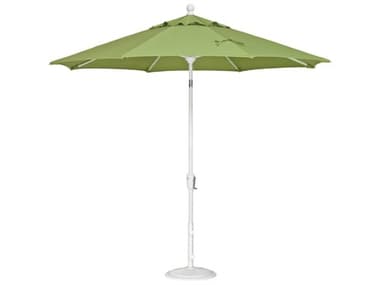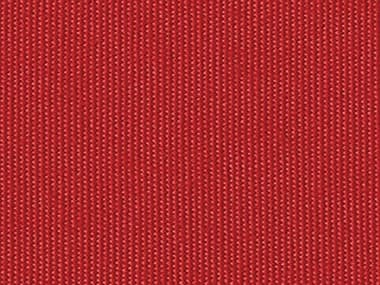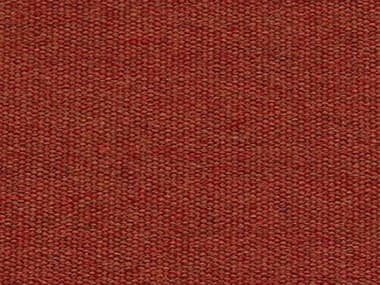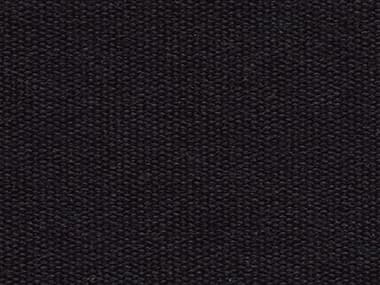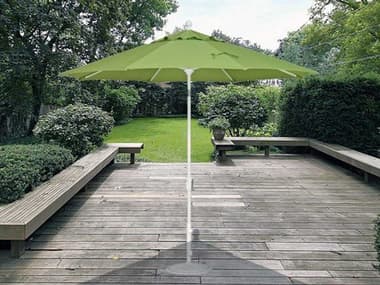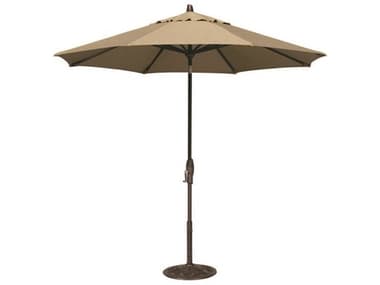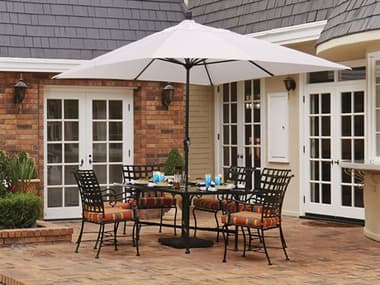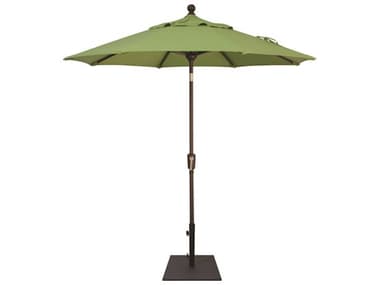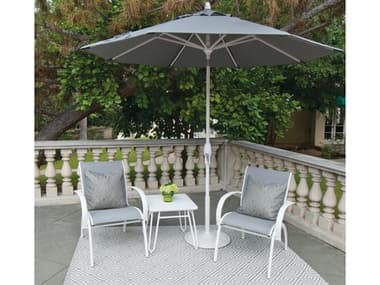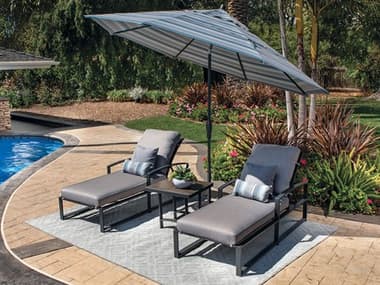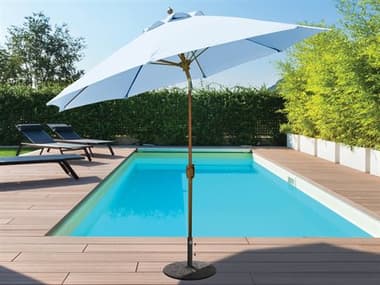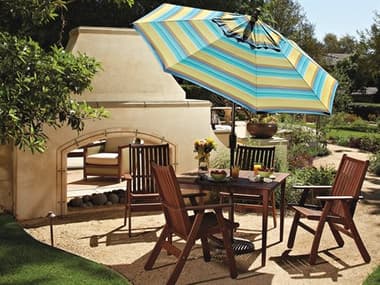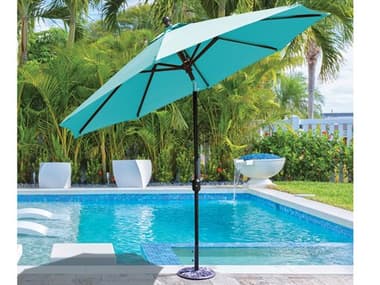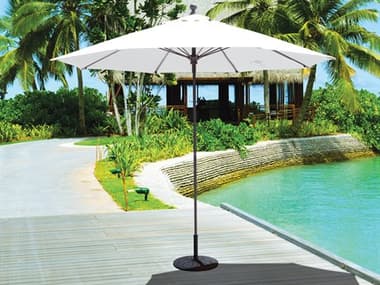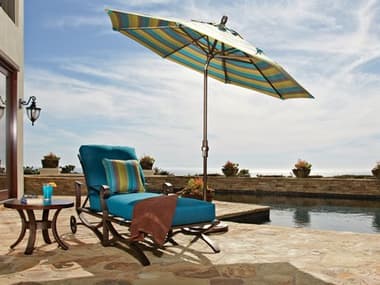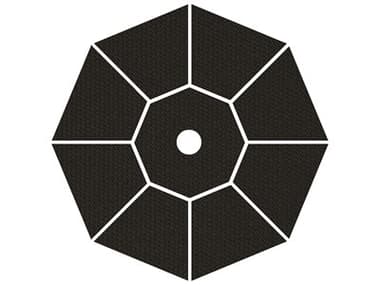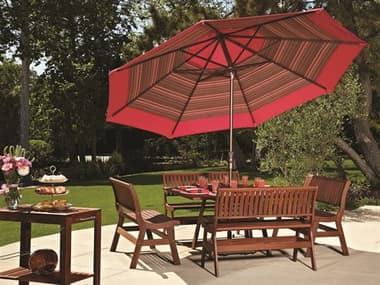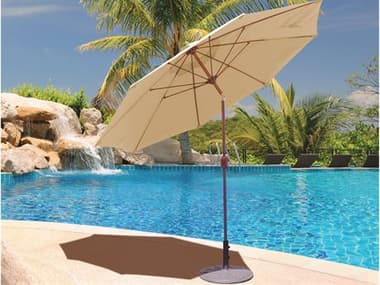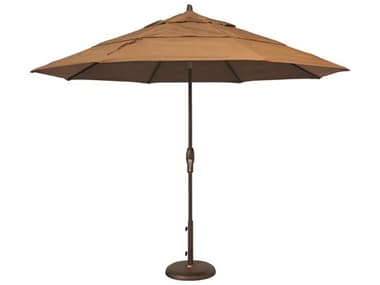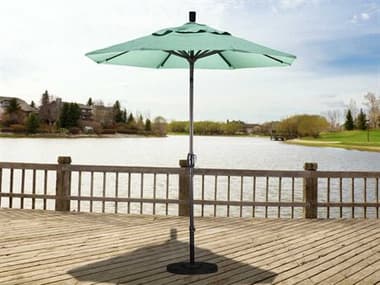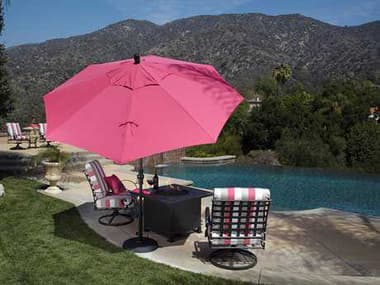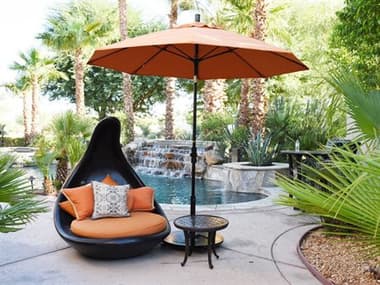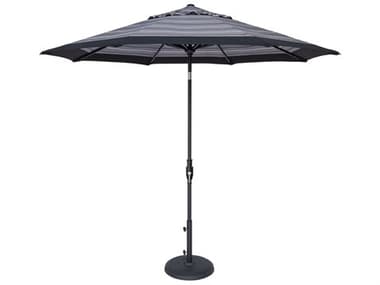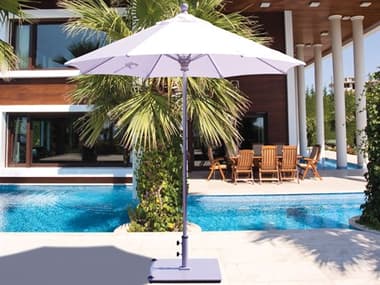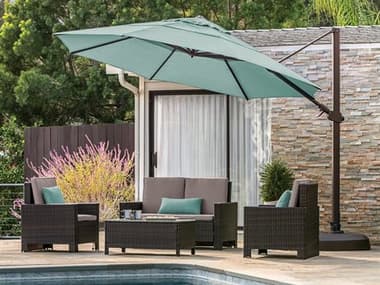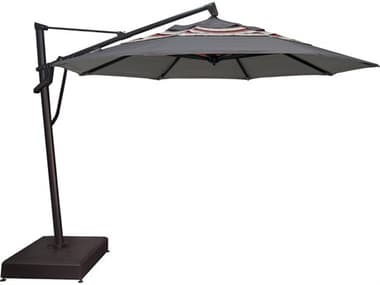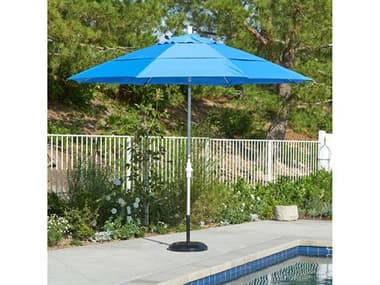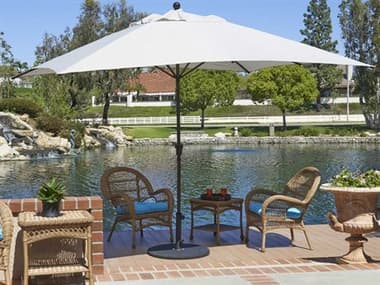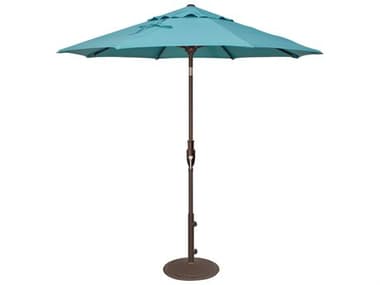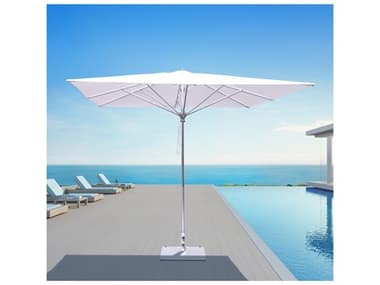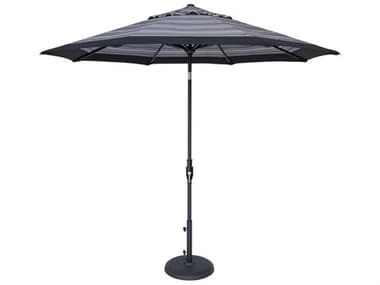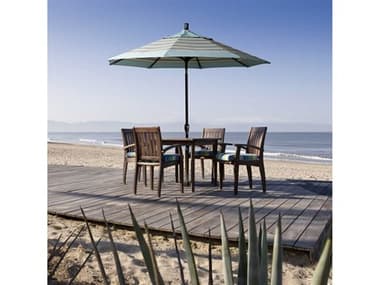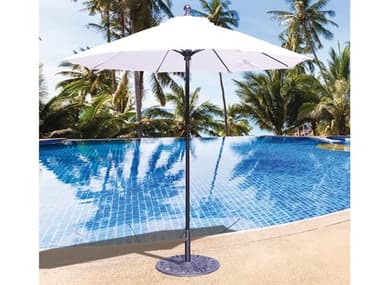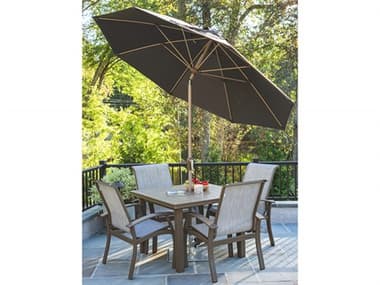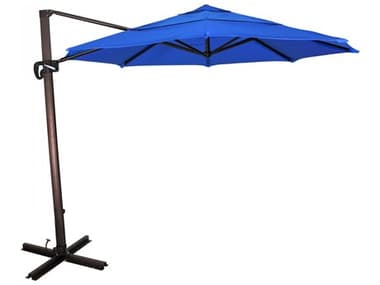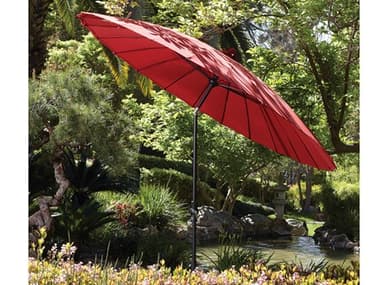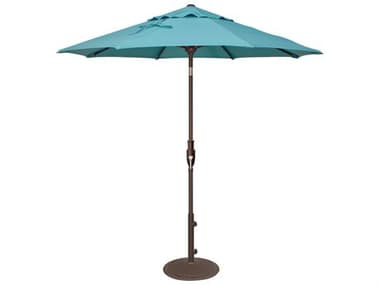
Aluminum umbrellas give you shade on a hot day, so you can enjoy outdoor activities with friends or family. You'll have a place to relax all day long with one of these. Set one up to protect you from the sun while you enjoy a day on the beach. Outdoor Aaluminum umbrellas serve many purposes. However, they vary from one umbrella type to another. This guide will help you know the difference and select the best one for you.
Before you choose the right umbrella for you, understand that an aluminum patio umbrella differs from an aluminum pool umbrella. The same applies to beach umbrellas. Some stands have umbrellas while others don't.
The size of umbrellas differs. Therefore, you should get a general idea of how big an umbrella you want before you purchase one.
Additionally, not all umbrellas consist of aluminum. Some have a wooden pole. Some have a fiberglass or steel pool. You should carefully choose which one you want by the type of weather it'll have to endure in your area as well as the color and durability you desire. The pole material also determines the appearance.
You may also be able to use a beach umbrella as a patio umbrella as well or vice versa.
First and foremost, you should consider if you want to use your aluminum beach umbrellas as an aluminum pool umbrella or an aluminum patio umbrella as well. If you plan on using your umbrella interchangeably, you'll want something relatively light. You'll also need to make sure the umbrella is a reasonable size. The shape will also need to be a factor.
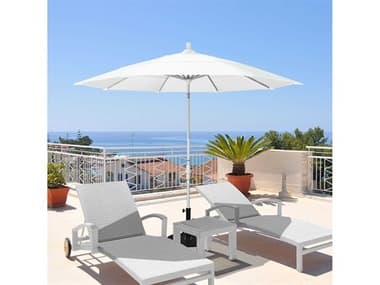
With an aluminum beach umbrella, you want one that's light to easily bring it to the beach with you. Fortunately, aluminum is a lightweight metal. Additionally, you'll want one that's either round or hexagonal.
Part of the deciding process for an aluminum beach umbrella includes choosing a durable material. You want your umbrella to last, and fortunately, aluminum is a metal that's known to last.
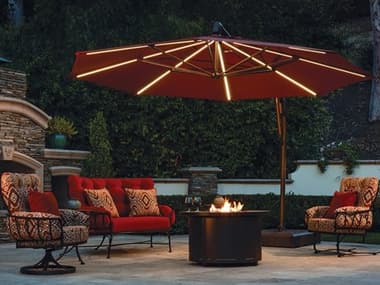
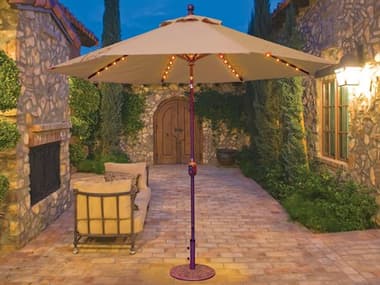
Another factor to consider is any special features you want. For instance, some aluminum umbrellas outdoor have lights. Not only do they give you light to enjoy your time outdoors at night, but the light also enhances the ambiance of the space.
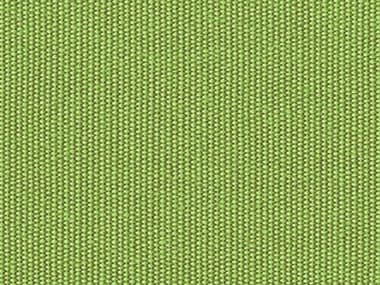
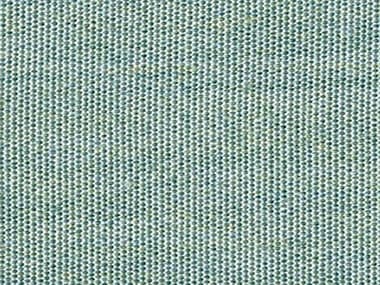
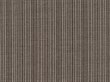
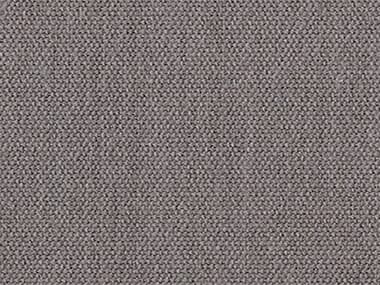
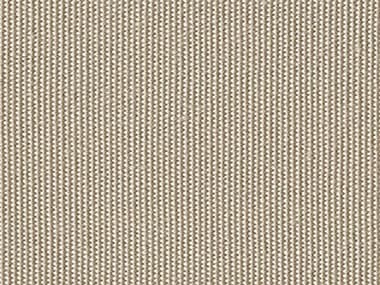
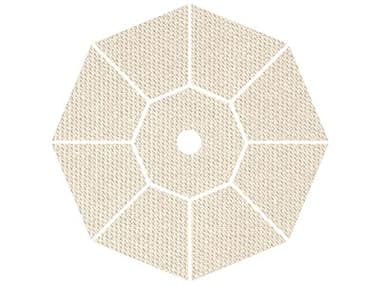
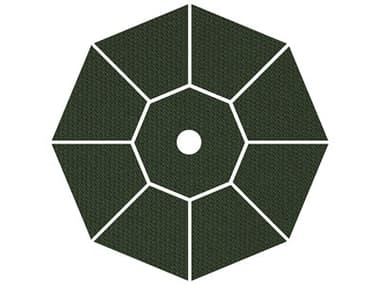
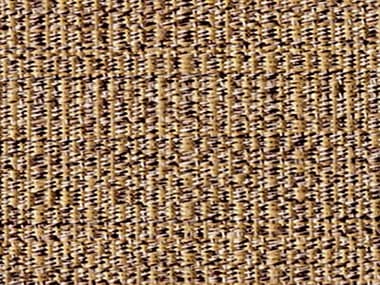
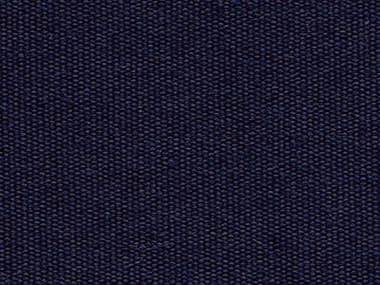
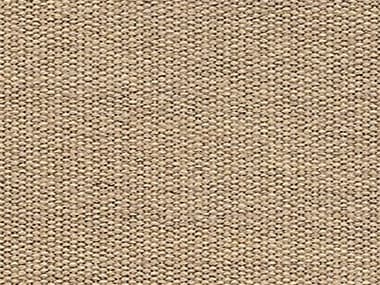
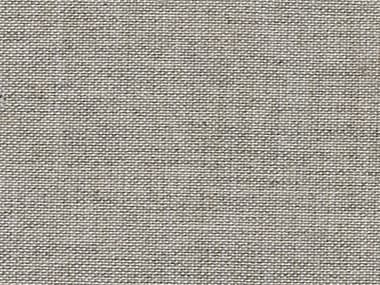
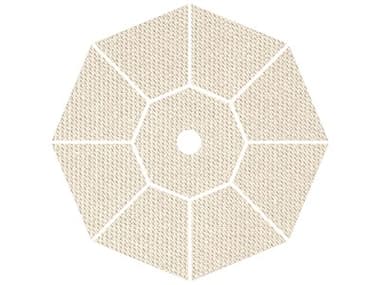
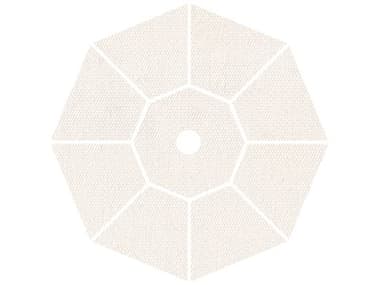
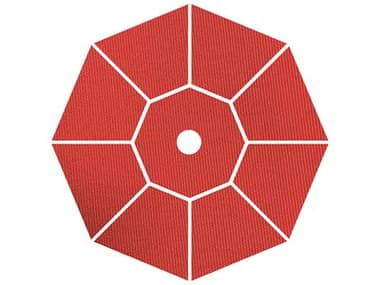
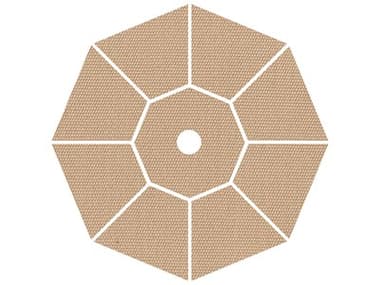
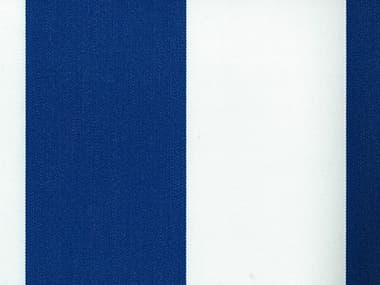
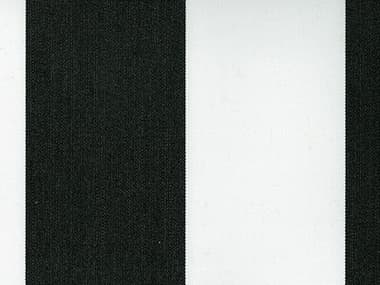
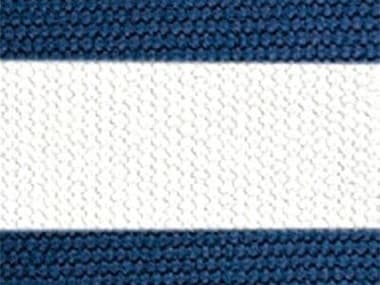
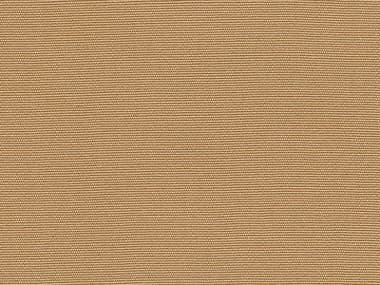
The umbrella material is a feature to keep in mind. While a search for aluminum umbrellas outdoor will bring up umbrellas that have aluminum poles, the materials of the umbrellas differ. For instance, you may choose one that consists of polyester -- a material with a wide variety of color and style selections. It's also mildew and rot resistant for a few years after you purchase it. Olefin, on the other hand, is
Olefin, on the other hand, is highly durable. It's also more fade resistant than polyester. Acrylic works well as an aluminum pool umbrella because it holds up to water well.
Consider whether it has an umbrella stand. While an aluminum pool umbrella doesn't require a stand, you may want one if you plan on using your umbrella on your patio. The stand can keep the pole remain upright. Keep in mind that if you can fill the aluminum umbrella stand up with water or sand, you can keep it secured in place to prevent it from blowing away in the wind.
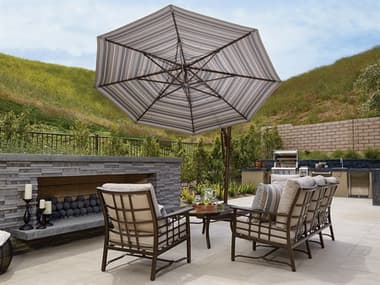
Style must be on the list of features to consider. You want an umbrella that matches your other decor and landscaping. You want one that you won't mind looking at for years to come.
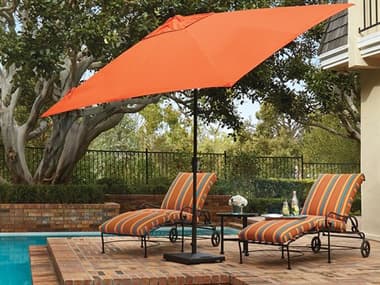
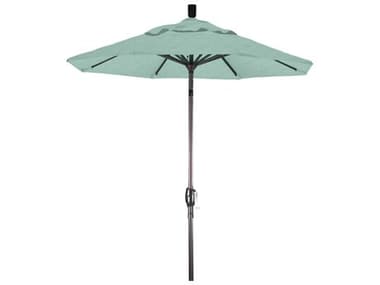
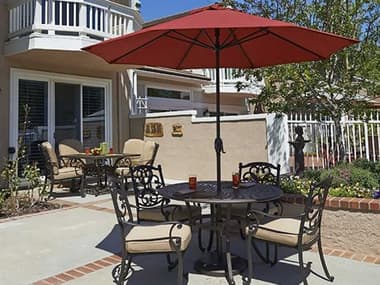
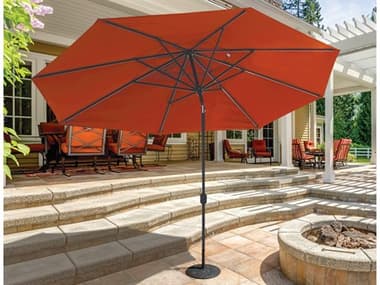
When you talk about the different types of aluminum umbrellas, you should know that some umbrellas will have an aluminum umbrella stand if it's an aluminum patio umbrella. The stand will keep the umbrella in position. In some cases, the stand will have a way you can fill it with sand or water to weigh it down. Sometimes, you place the umbrella in the middle of the base.
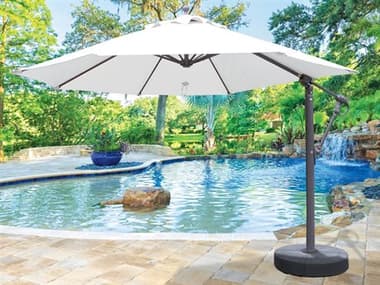
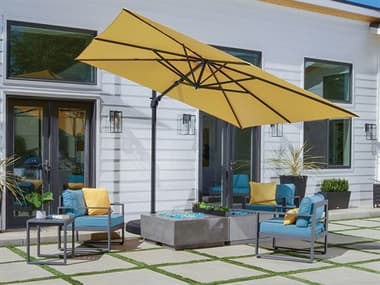
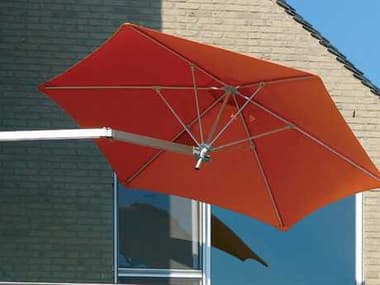
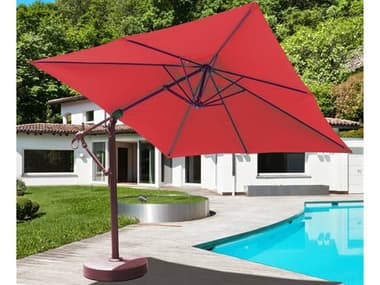
Other times, the umbrella pole extends to the side and will hang above your table or other outdoor area. Generally, this kind of umbrella consists of a durable material since it has to hold up to the elements the entire duration it's up. They're oftentimes fade resistant because they're in the sun all day every day throughout the nice weather.
Another type of aluminum umbrella is a beach umbrella. A beach umbrella is lightweight, so you may take it with you with little to no hassle during transportation. Often, breach umbrellas consist of a fade-resistant material since they're known to be in the sun for long hours. Often, the material is much thinner than a traditional patio umbrella since it's no used nearly as much and doesn't sit in the sun, rain, and other elements for days and days on end. A beach umbrella may bend in the center to allow you to position it where you want easily.
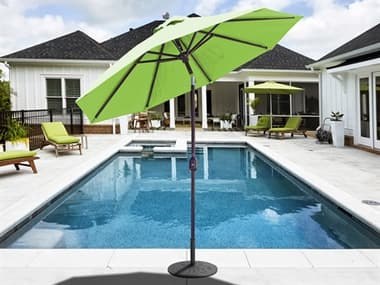
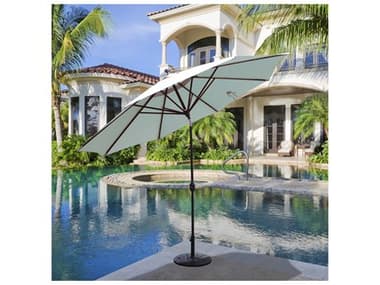
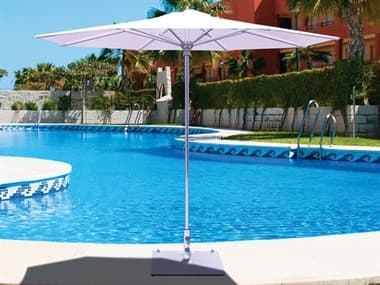
Pool umbrellas usually have the post in the center of them. However, you'll notice that they're available with a variety of base configurations.
First and foremost, you need to consider what you want to use your umbrella for, such as for your patio or at the beach. Do you plan on trying to get a versatile one that you can use for different purposes? In this case, you need a lightweight one.
Next, you should choose what you want your umbrella to be made out of, which can be determined by what's most important to you, such has fade or rot resistance or durability. Polyester is fade and rot resistant, but not nearly as much as Sunbrella. It's sun and stain resistant as well.
You'll want to take into consideration if you want your umbrella to have any special features like lights. Additionally, you should keep in mind that they come in different heights.
These are the main factors to consider when you're looking for an aluminum umbrella. With our big selection, you'll find exactly what you're looking for. Take a look at our online catalog today.
For more information about patio umbrellas, read LuxeDecor's Patio Umbrella Buying Guide to learn more about patio umbrella sizing, construction, materials, and features.
Related Categories
Commercial Outdoor Umbrellas | Patio Umbrellas | Outdoor Umbrella Stands | Fiberglass Outdoor Umbrellas | Wood Outdoor Umbrellas