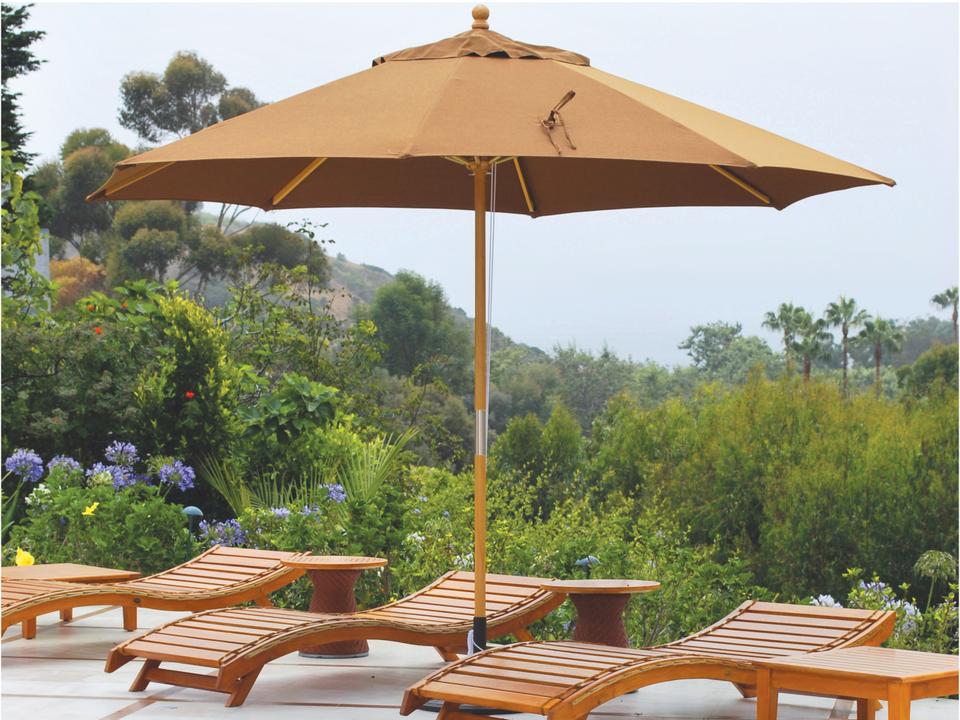
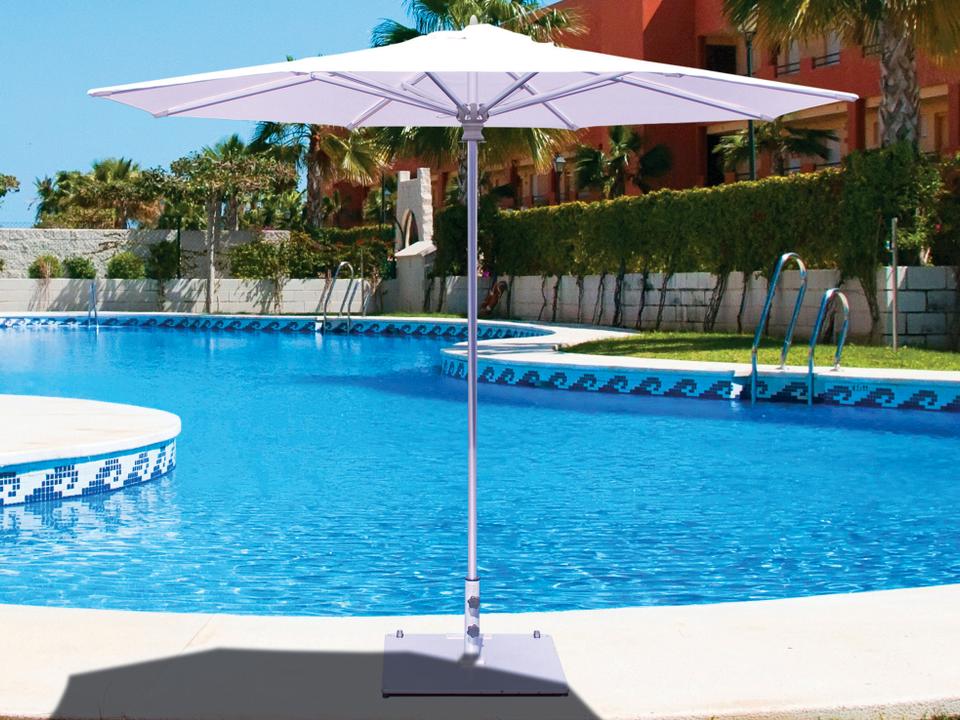
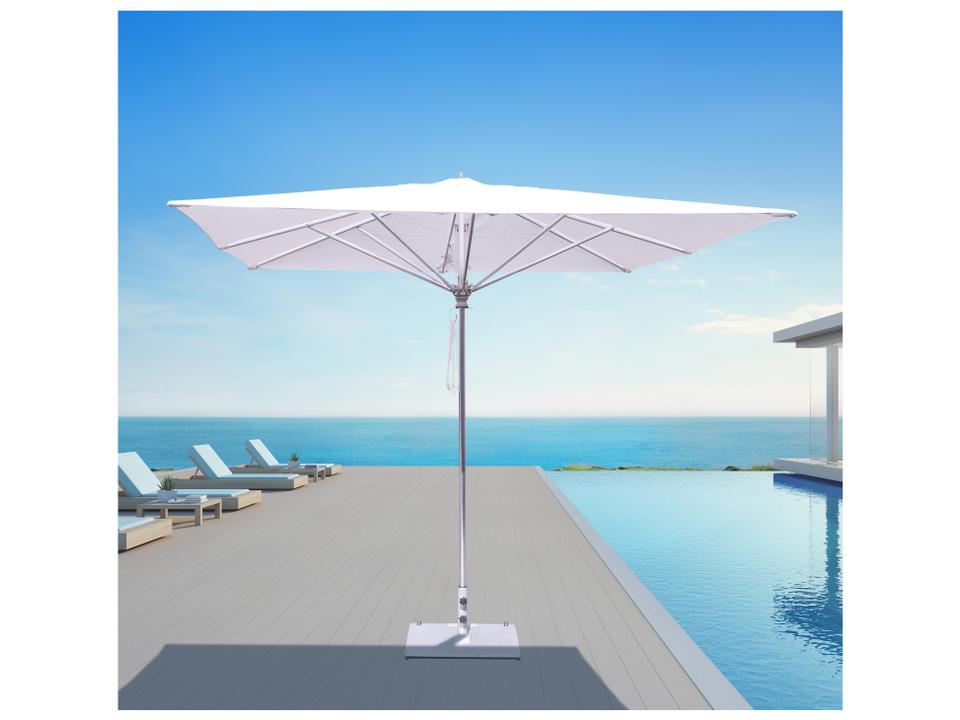
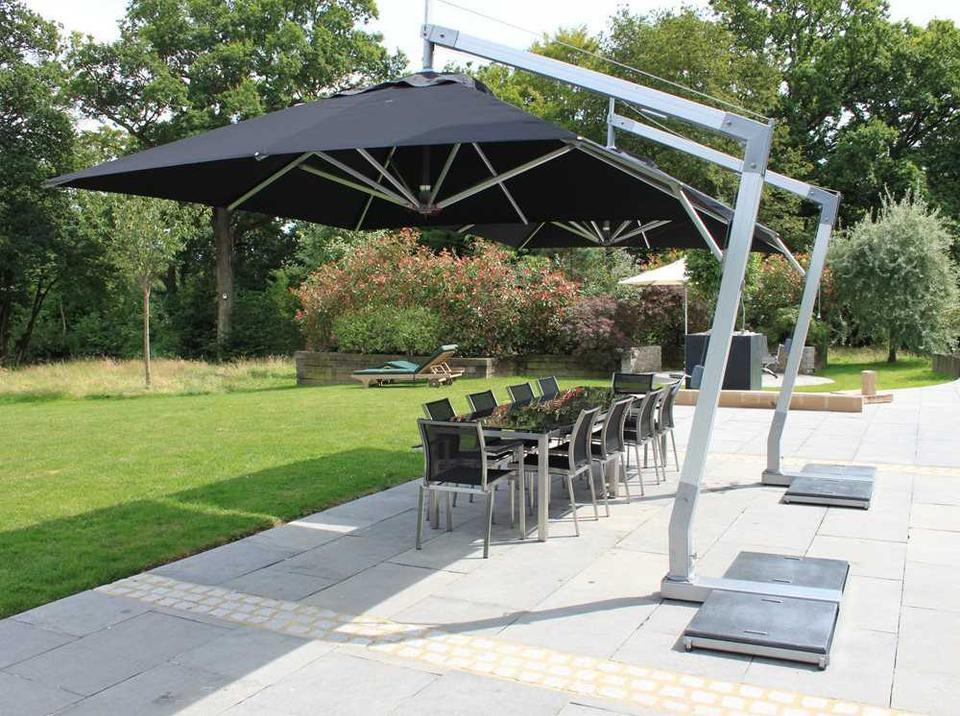
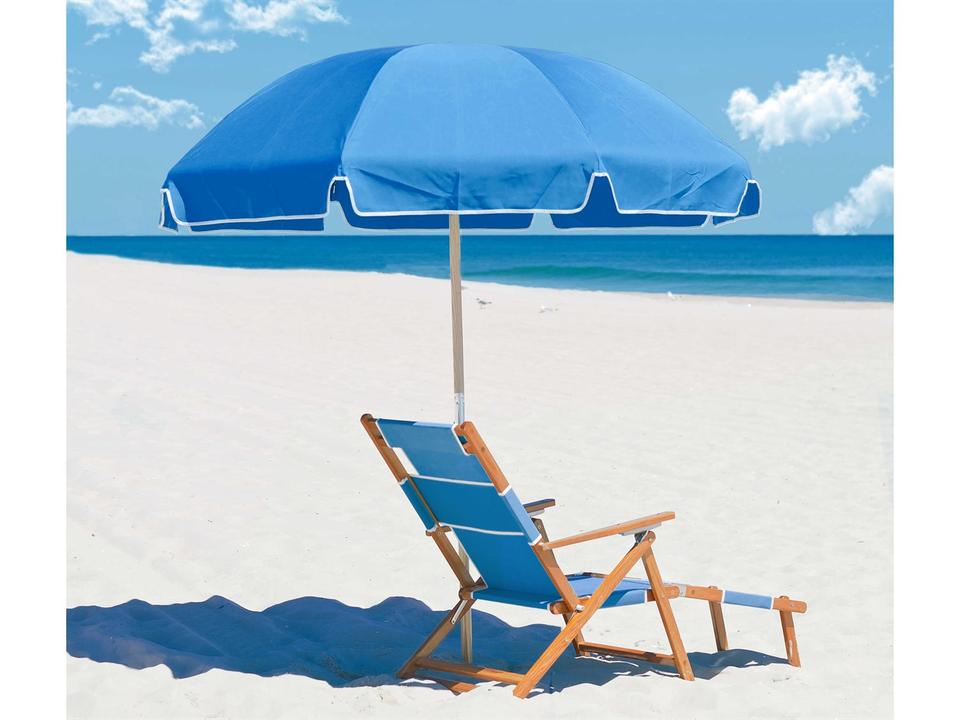
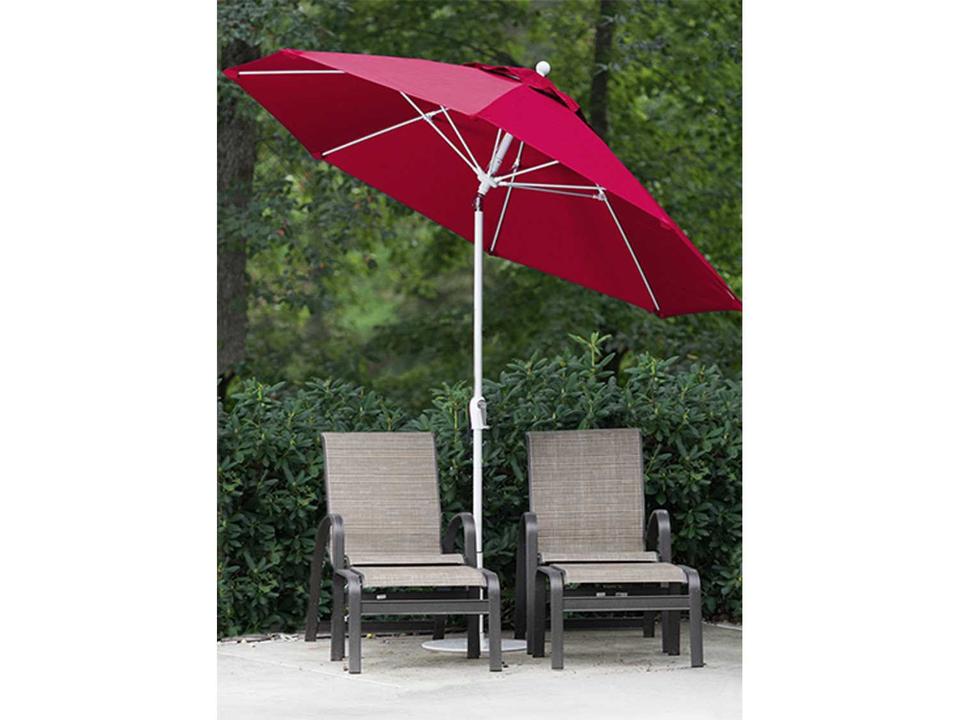
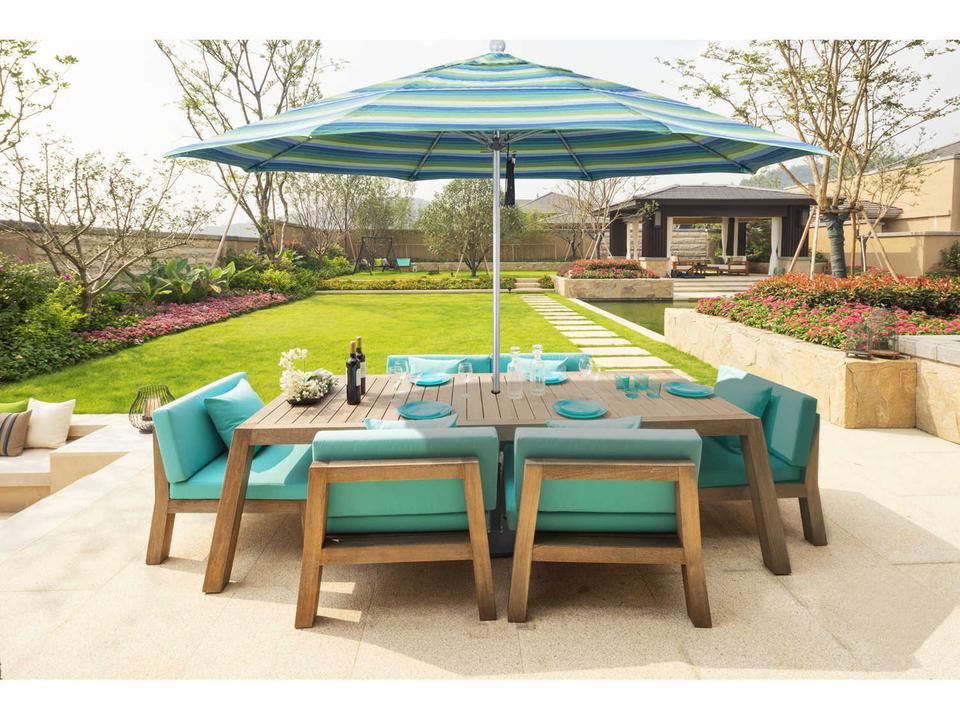
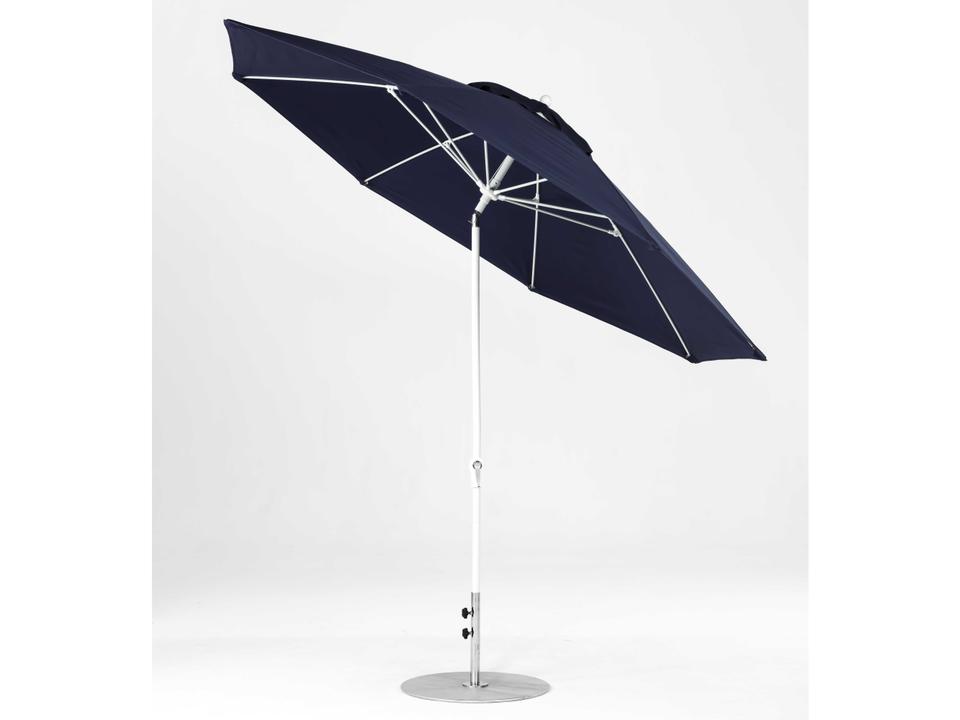
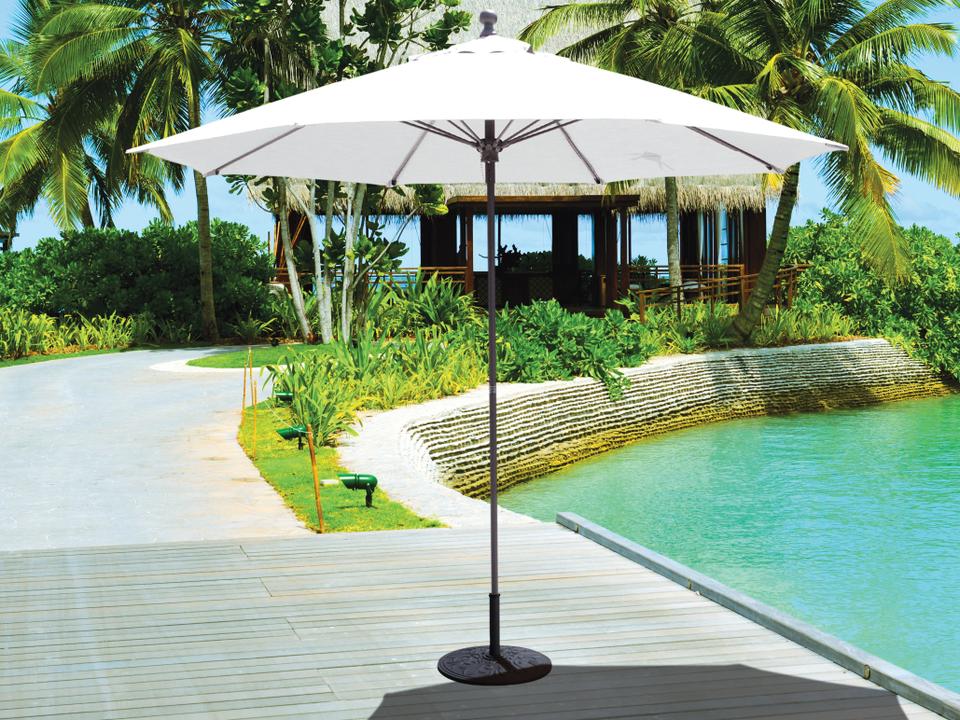
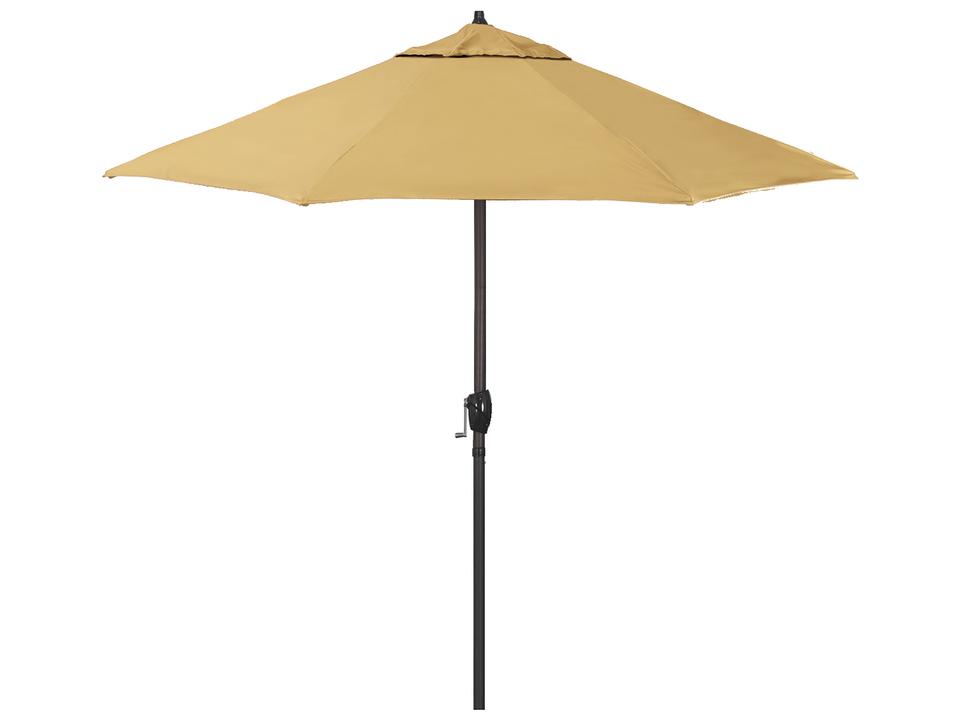
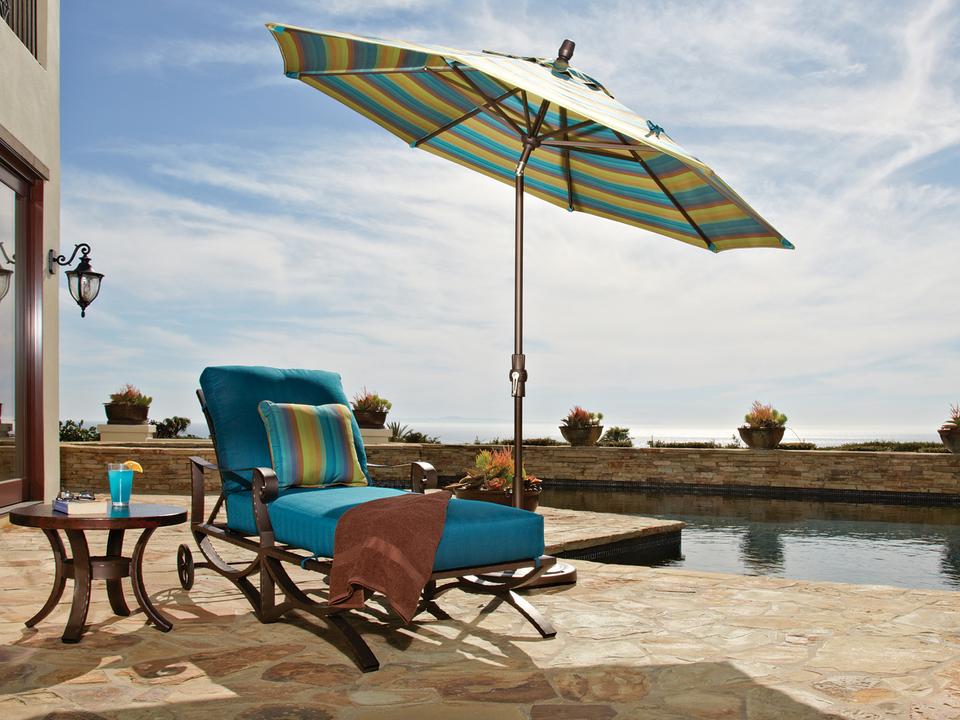
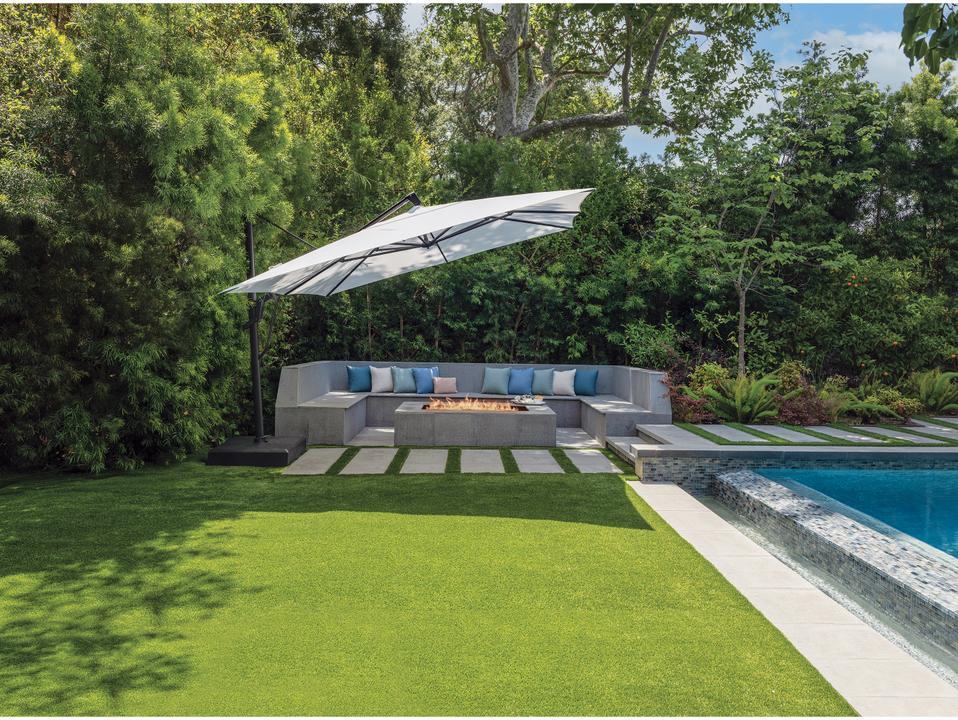
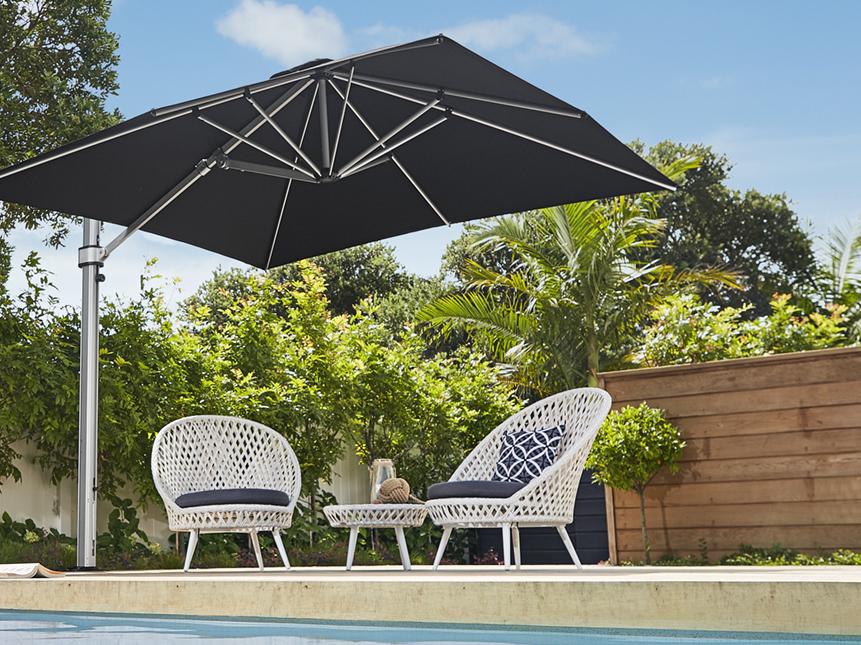
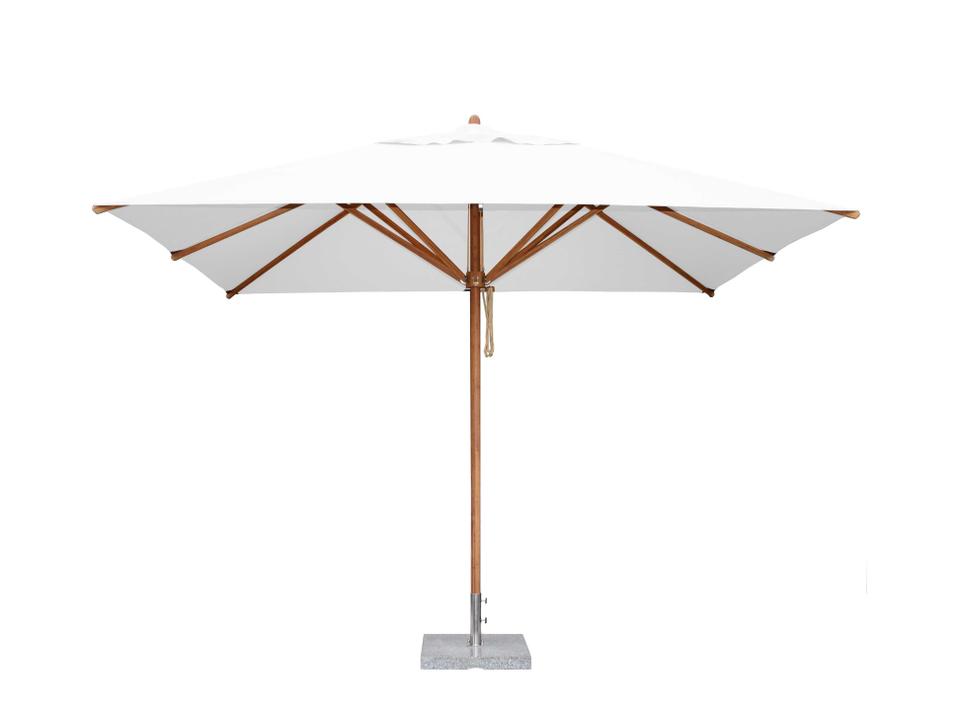
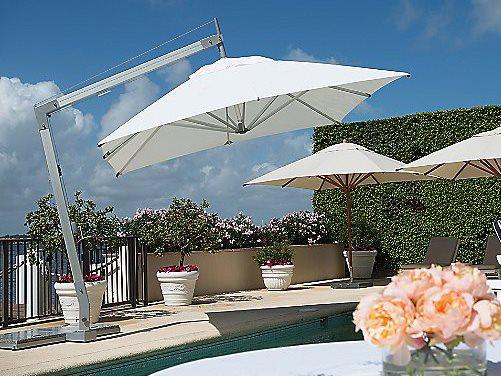
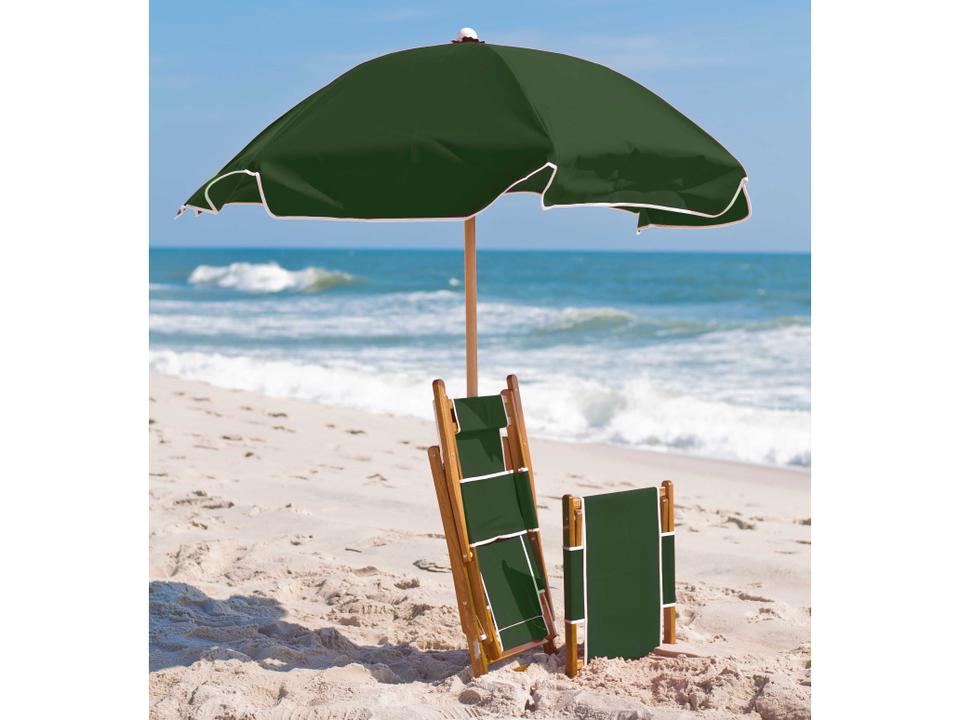
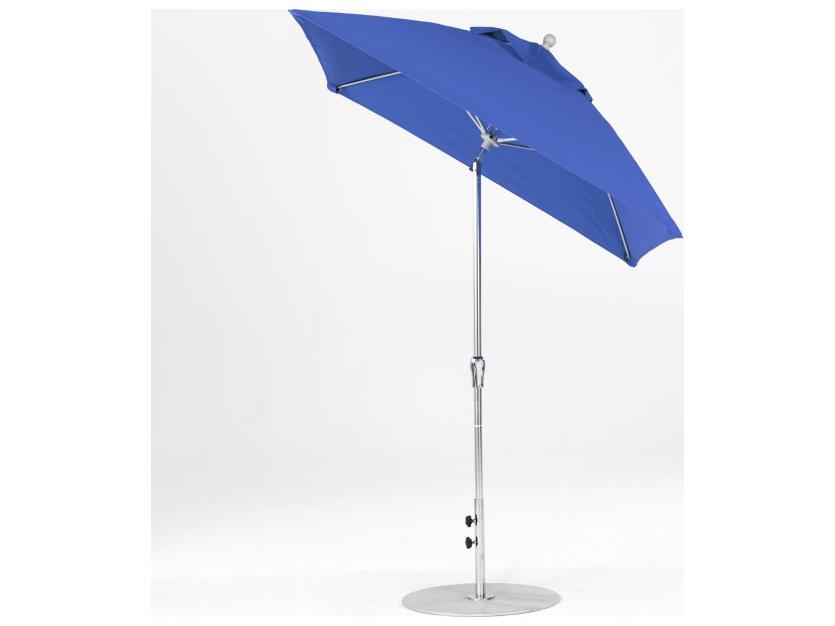
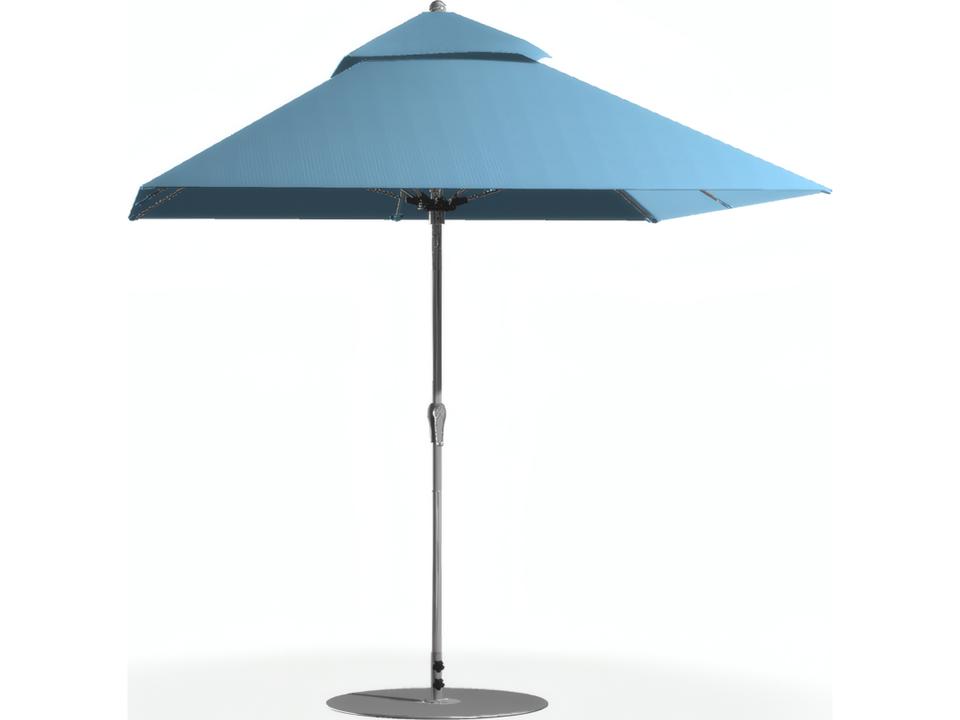
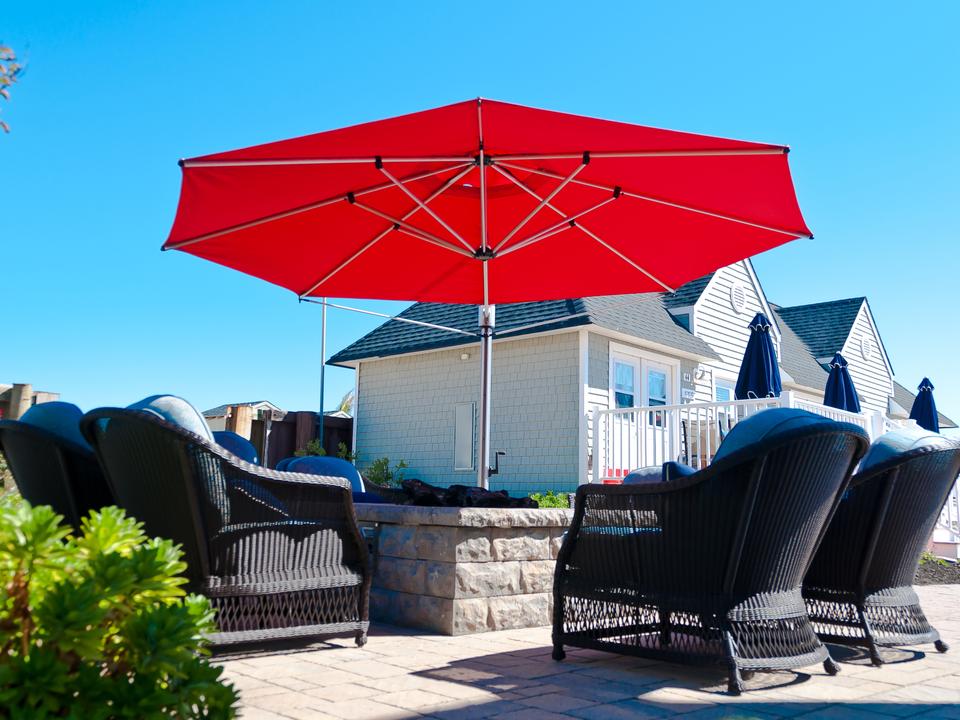
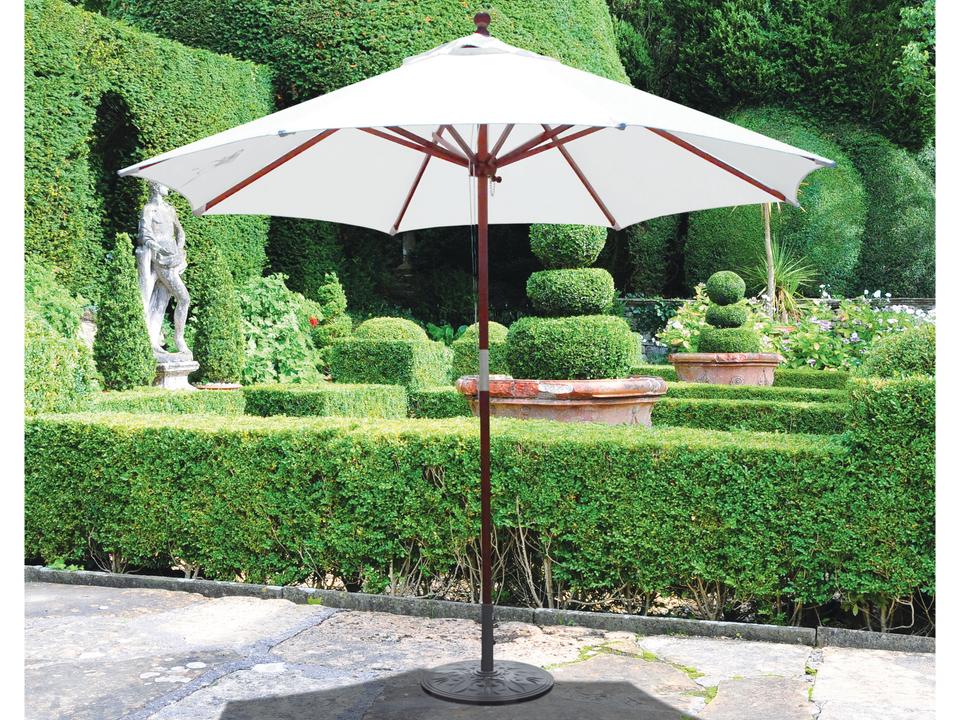
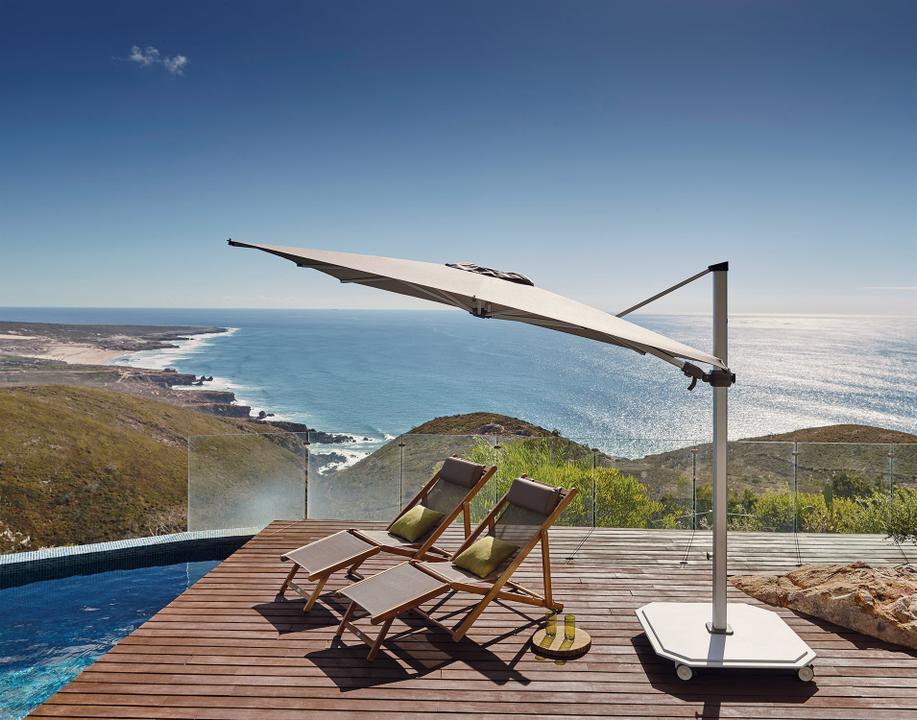
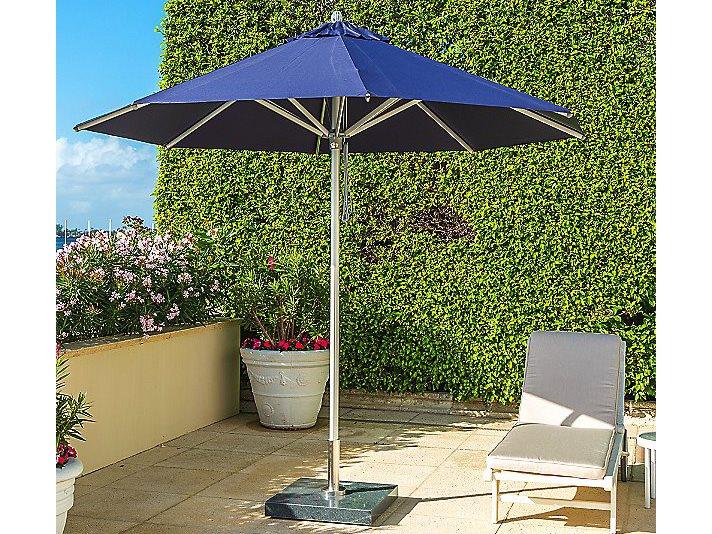
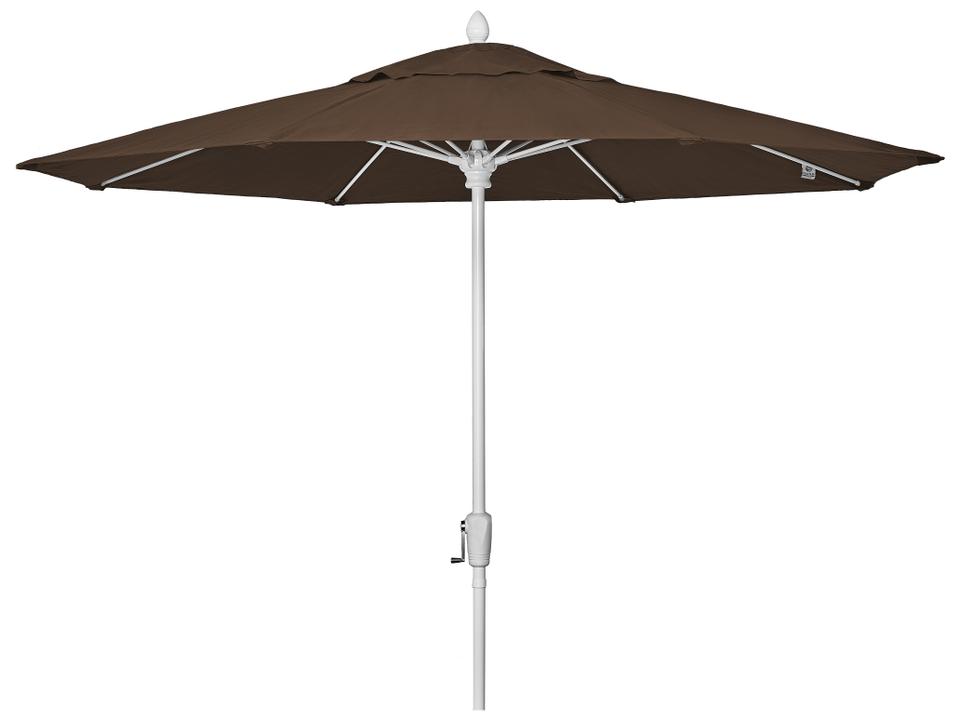
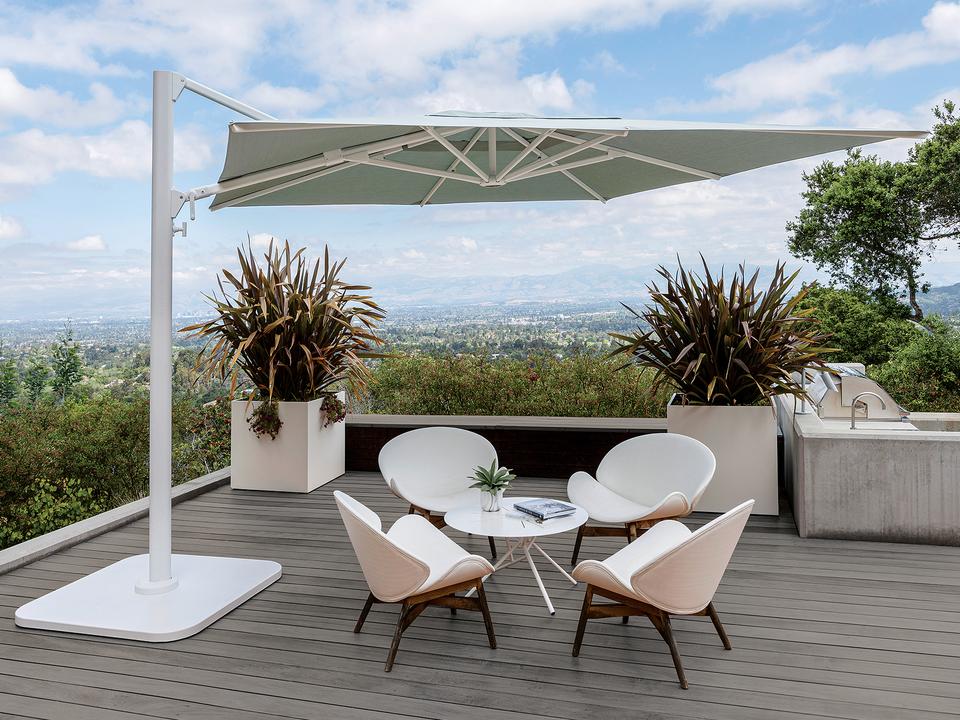
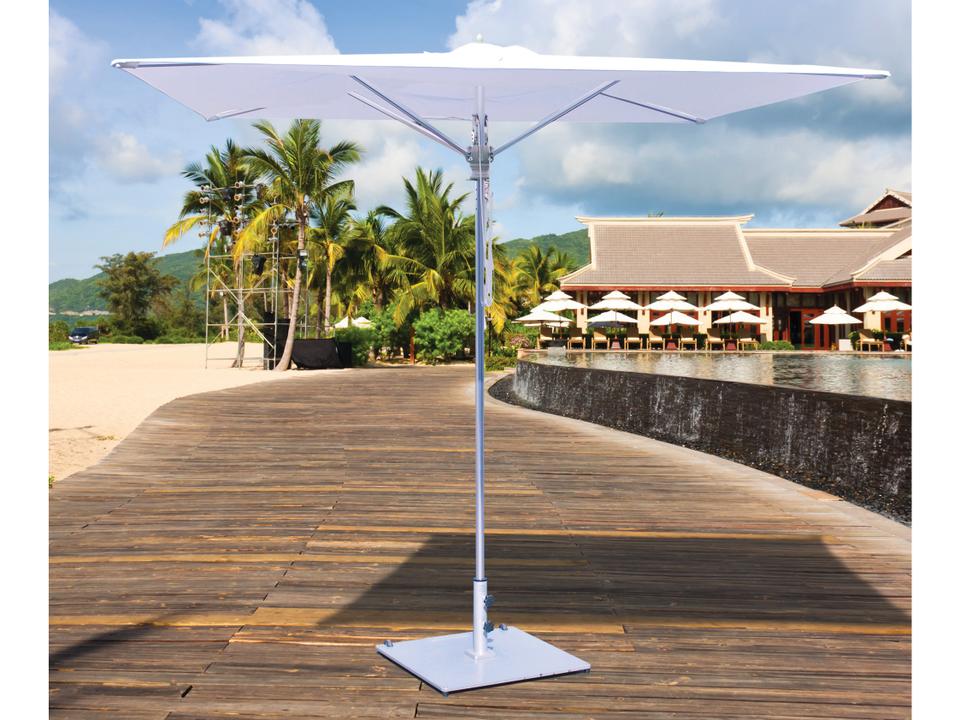
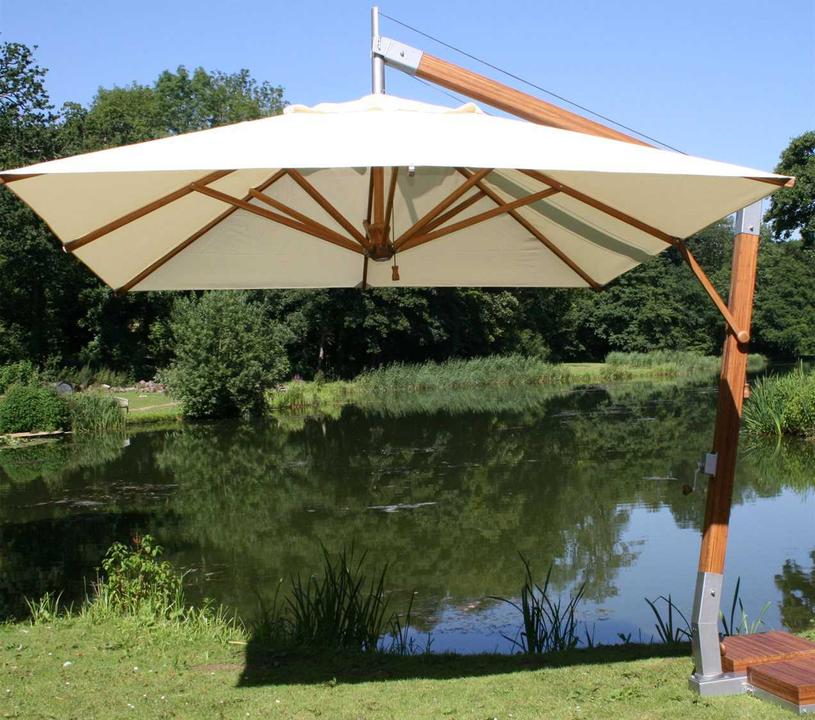
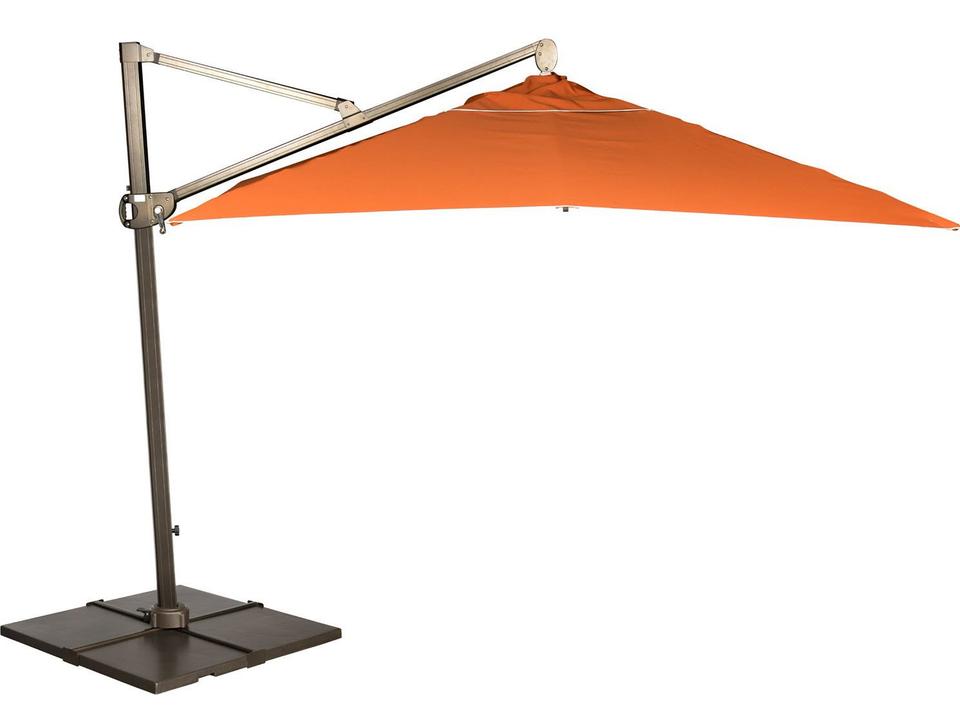
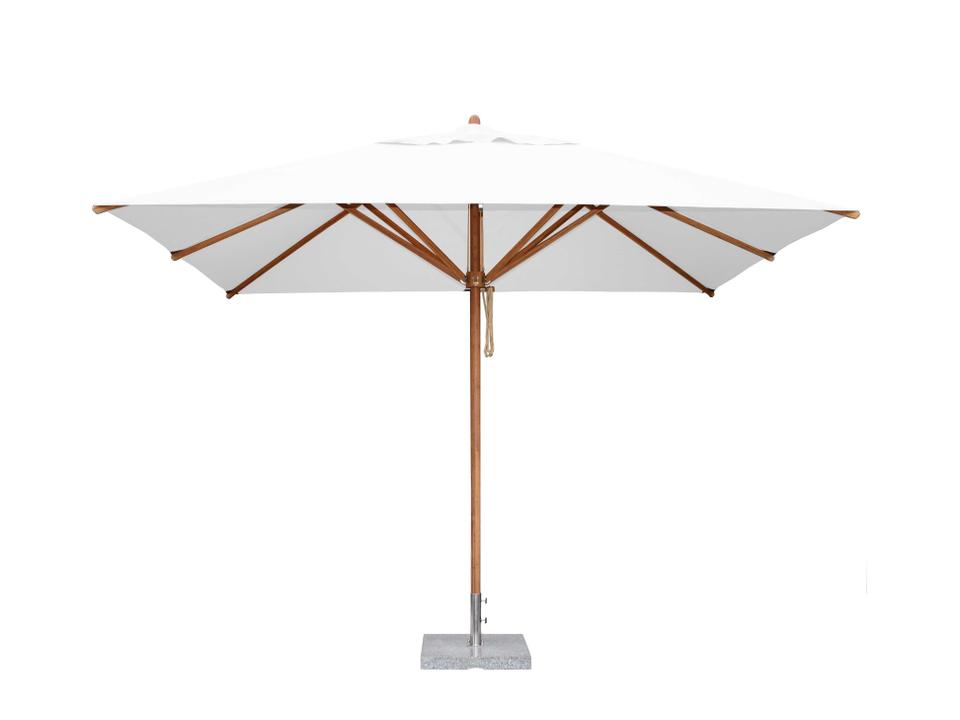
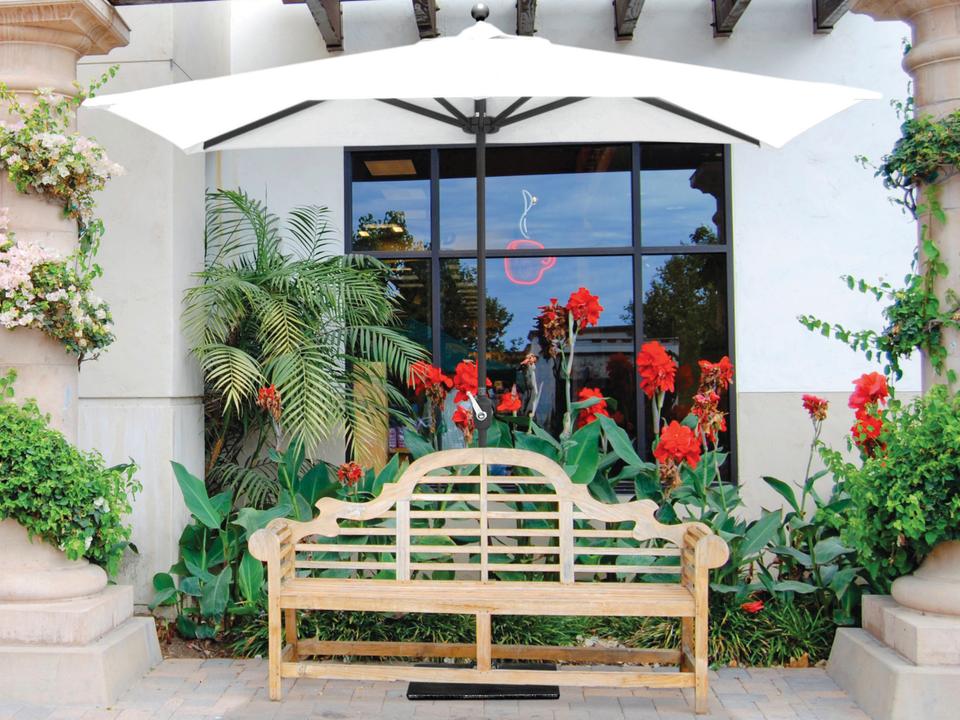
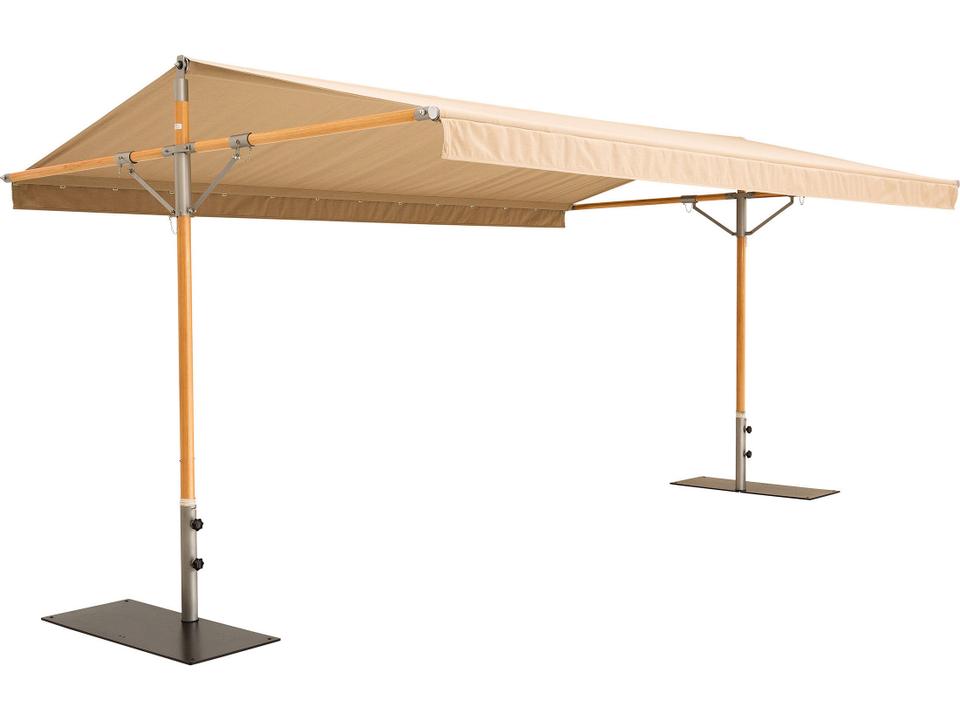
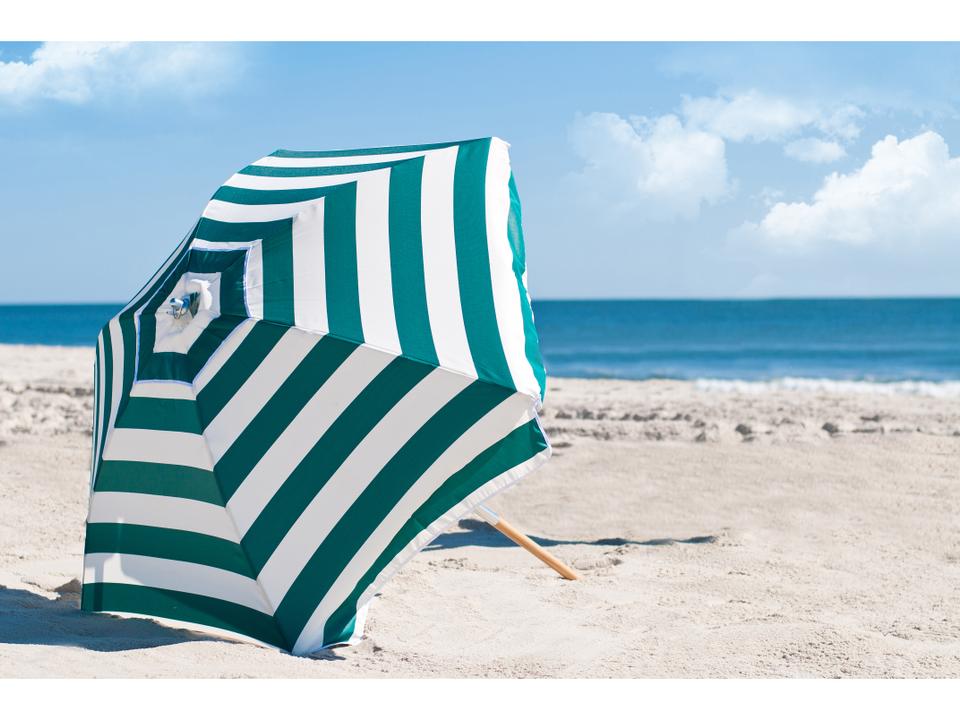
The two most common frame materials for luxury commercial outdoor umbrellas are aluminum and steel. Each serves different environments. Aluminum is lighter, naturally rust-resistant, and easy to reposition between seasons. Steel is heavier — an advantage in high-wind locations — but requires powder-coating or galvanization to prevent corrosion. For coastal properties where salt air accelerates oxidation, marine-grade aluminum is almost always the better long-term choice.
Canopy fabric matters just as much as the frame beneath it. Sunbrella and Obravia are solution-dyed acrylics that resist UV fading for years, which is critical when umbrellas stay deployed daily. Olefin offers solid fade resistance at a lower price point. For any hospitality setting, look for fabrics rated to at least 1,000 hours of UV exposure before noticeable color shift.
A commercial umbrella without a wind rating is a liability. Wind ratings indicate the maximum sustained wind speed the umbrella handles while fully open — look for a minimum of 25–35 mph for restaurant patios, and higher for beachfront or rooftop locations where gusts arrive without warning.
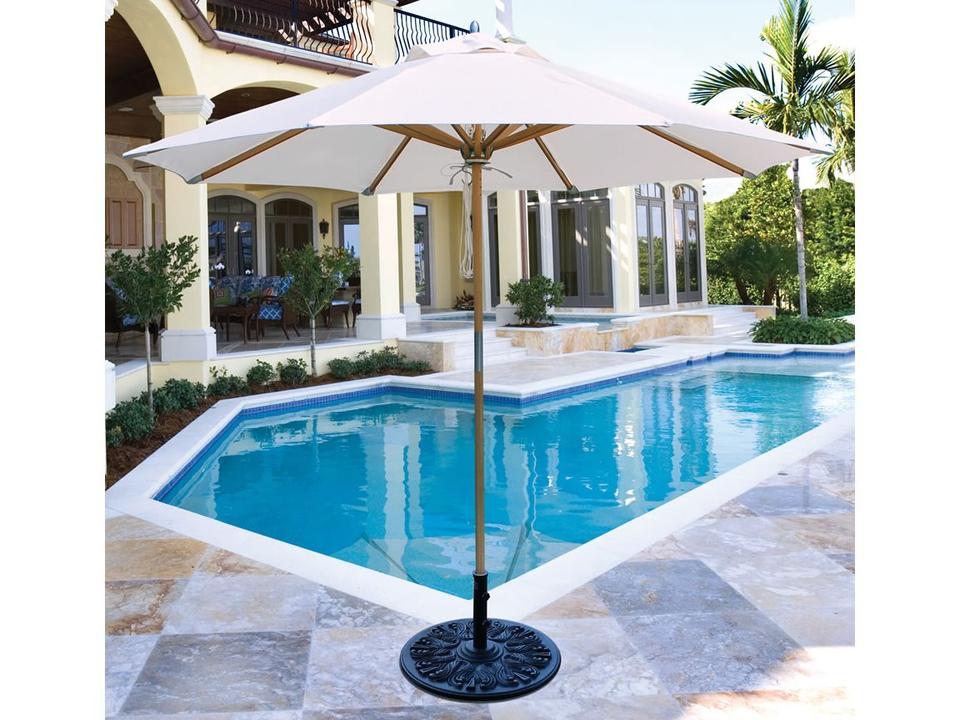
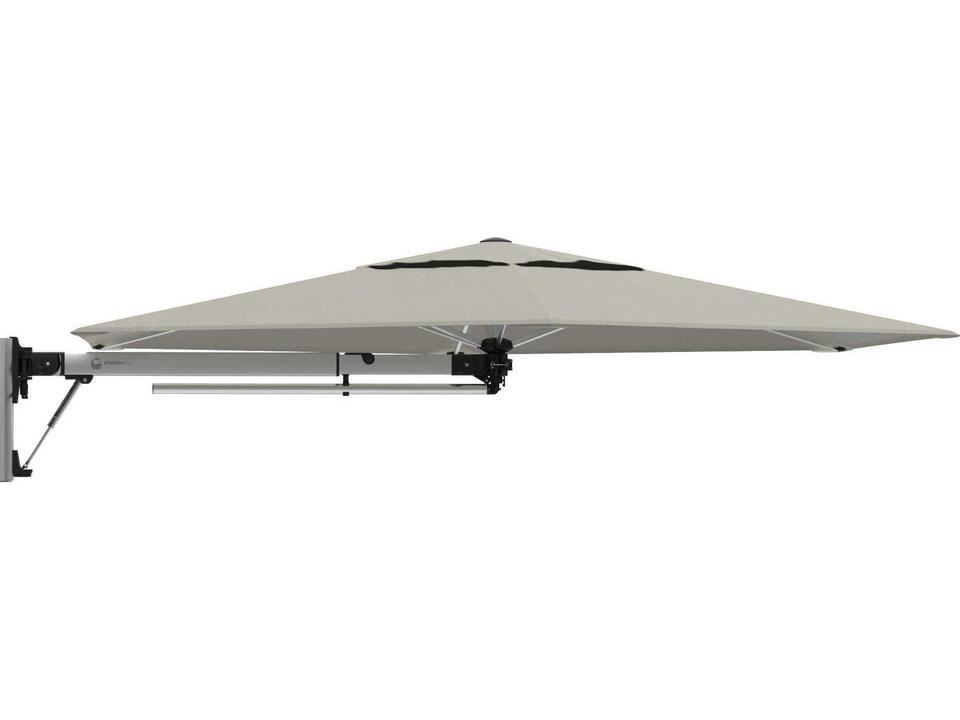
The base anchoring system matters as much as the canopy engineering. Two options suit permanent commercial installations:
Freestanding weighted bases suit residential patios but rarely hold up to daily commercial deployment in changing weather conditions.
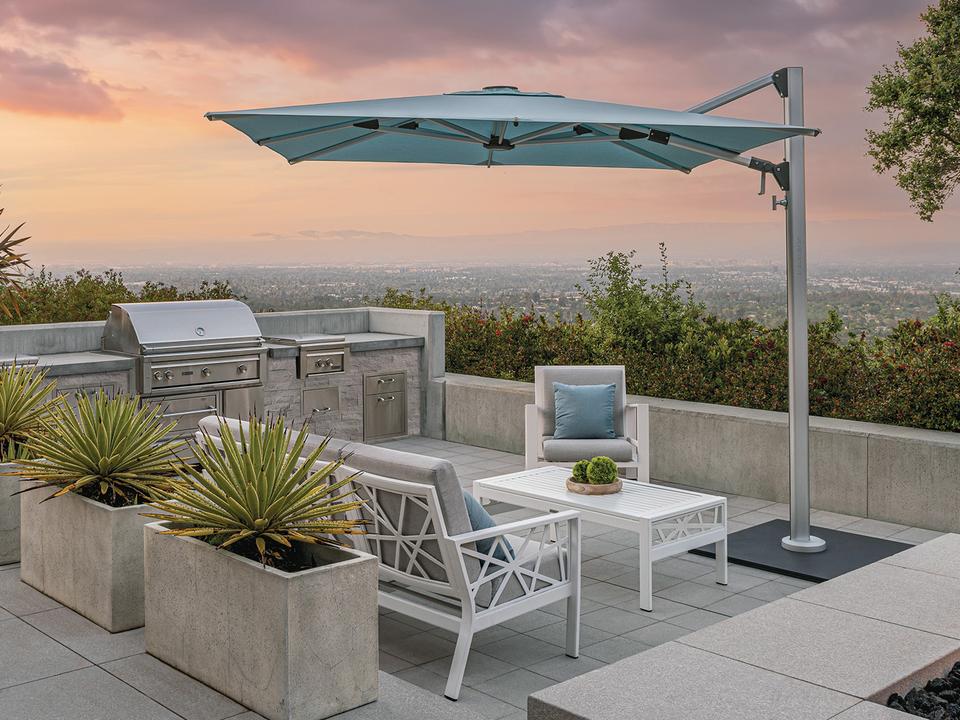
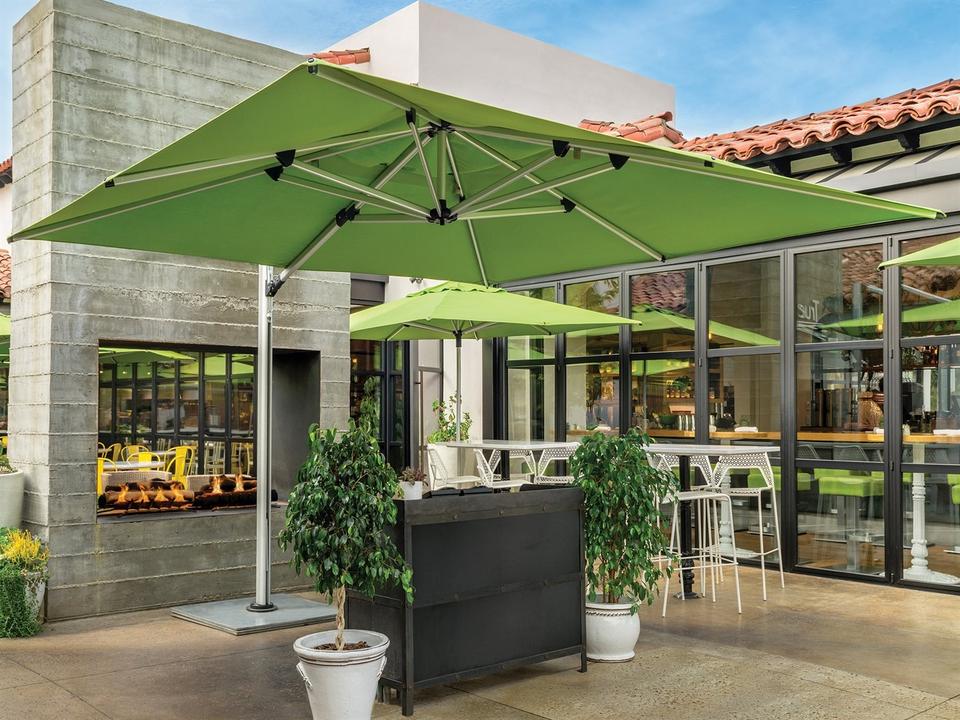
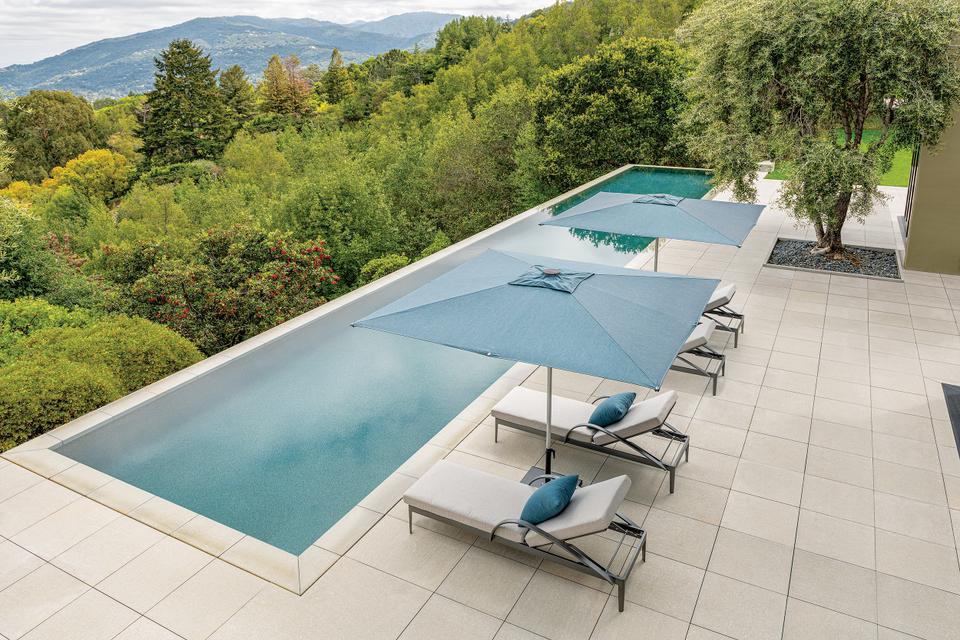
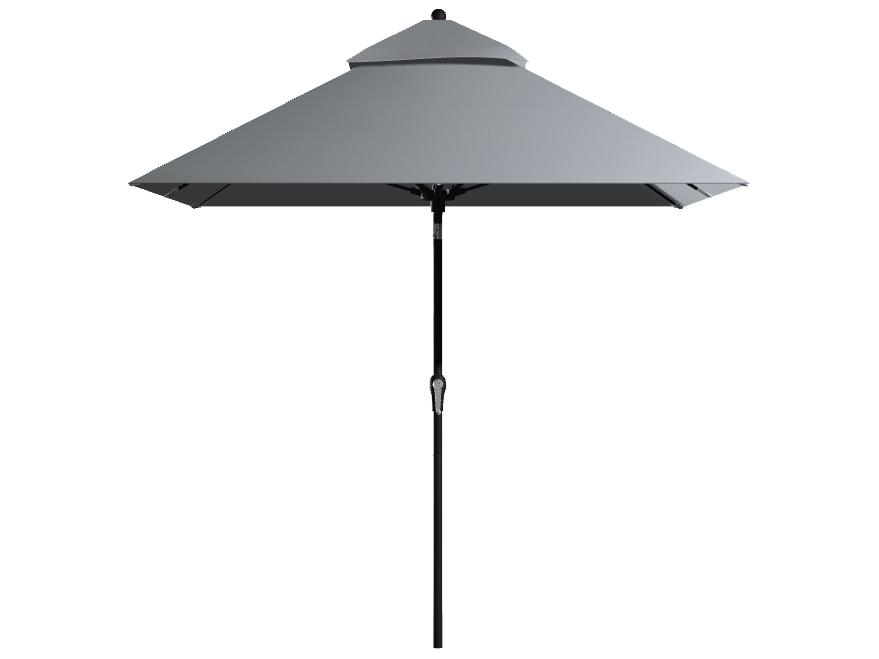
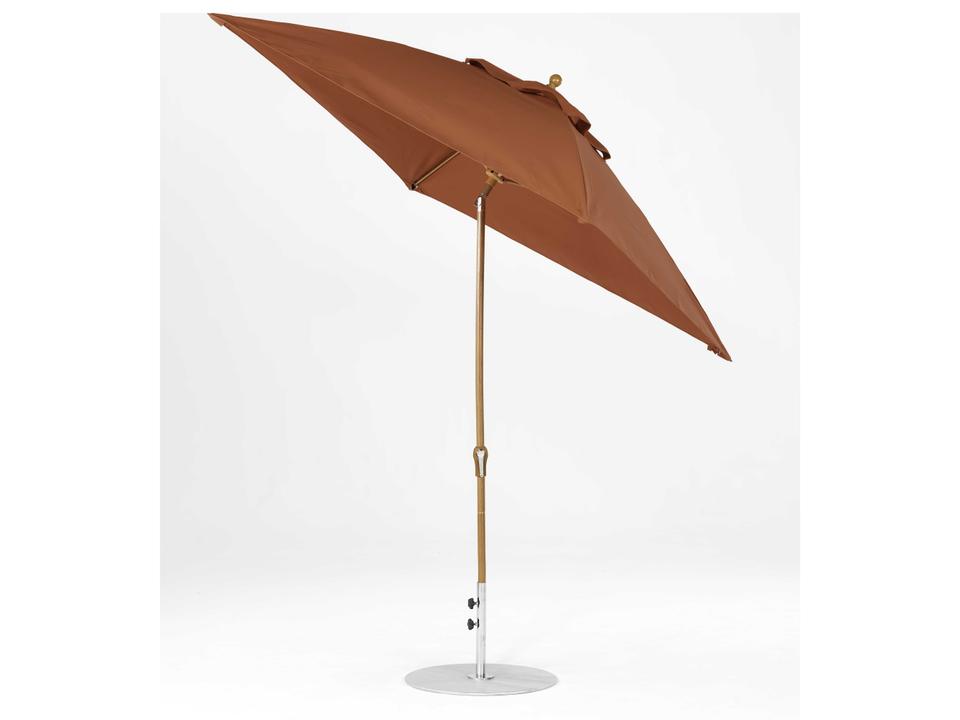
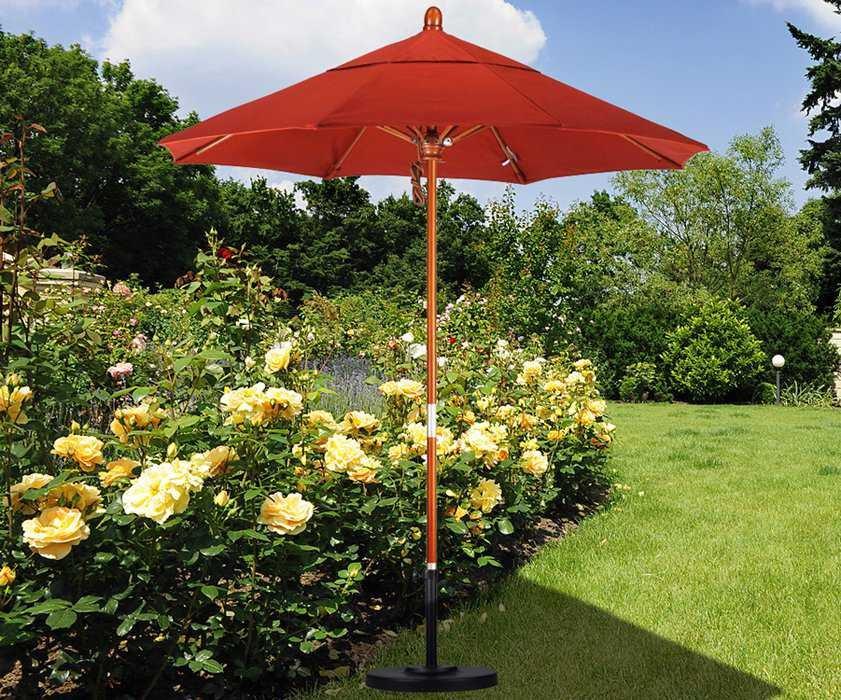
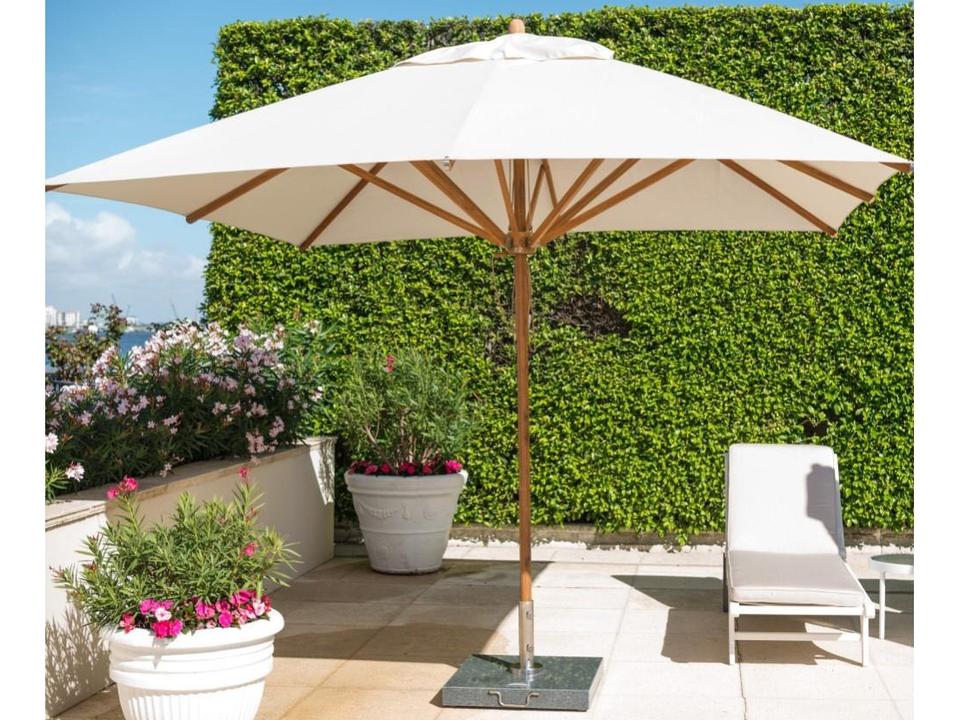
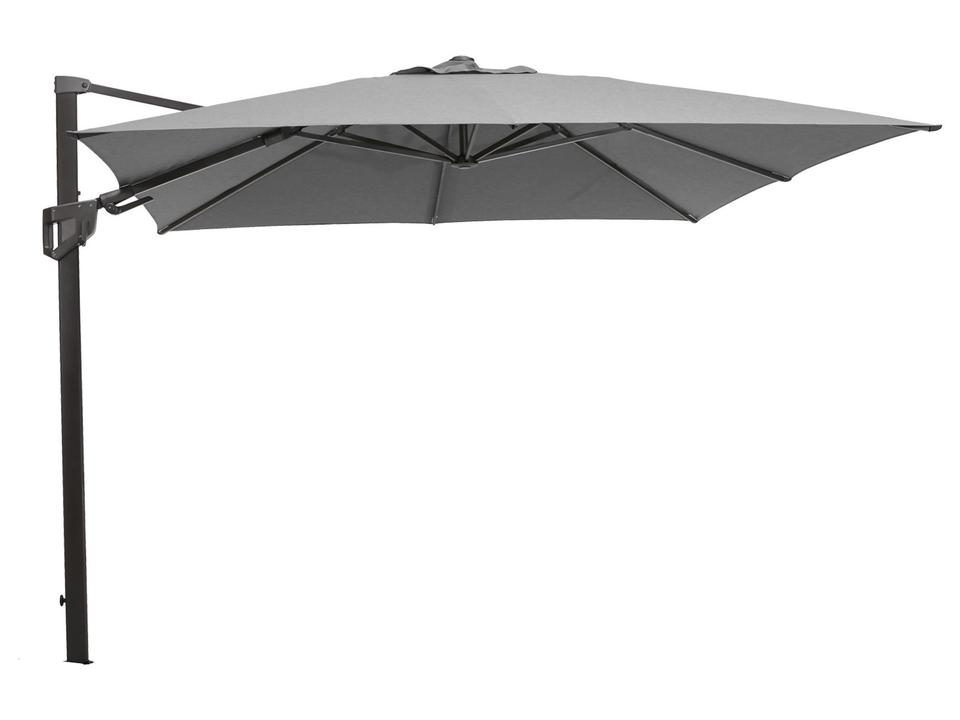
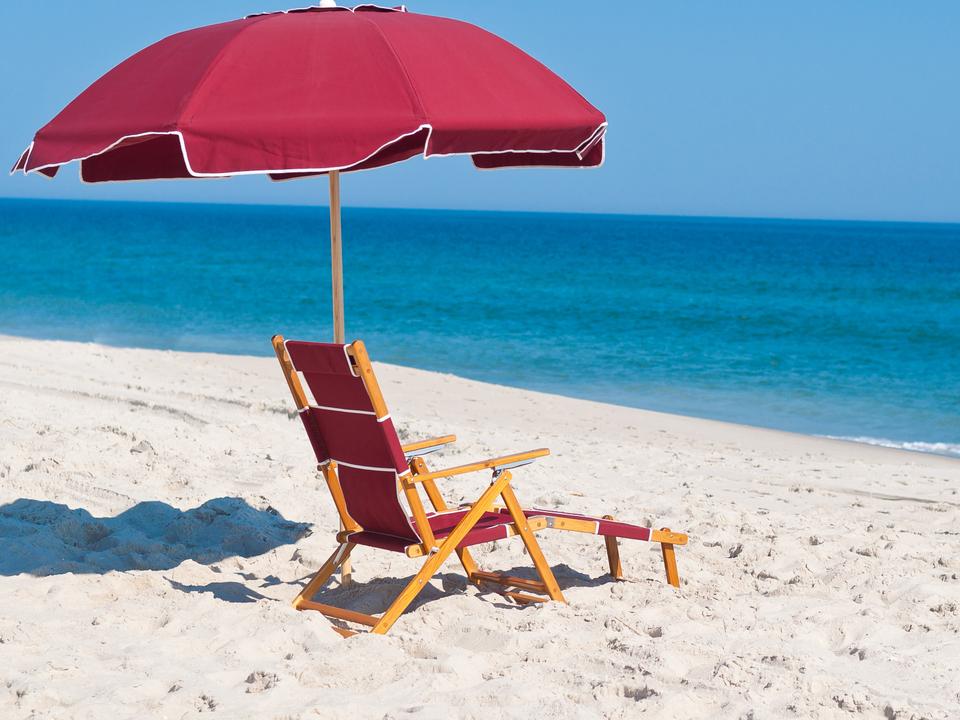
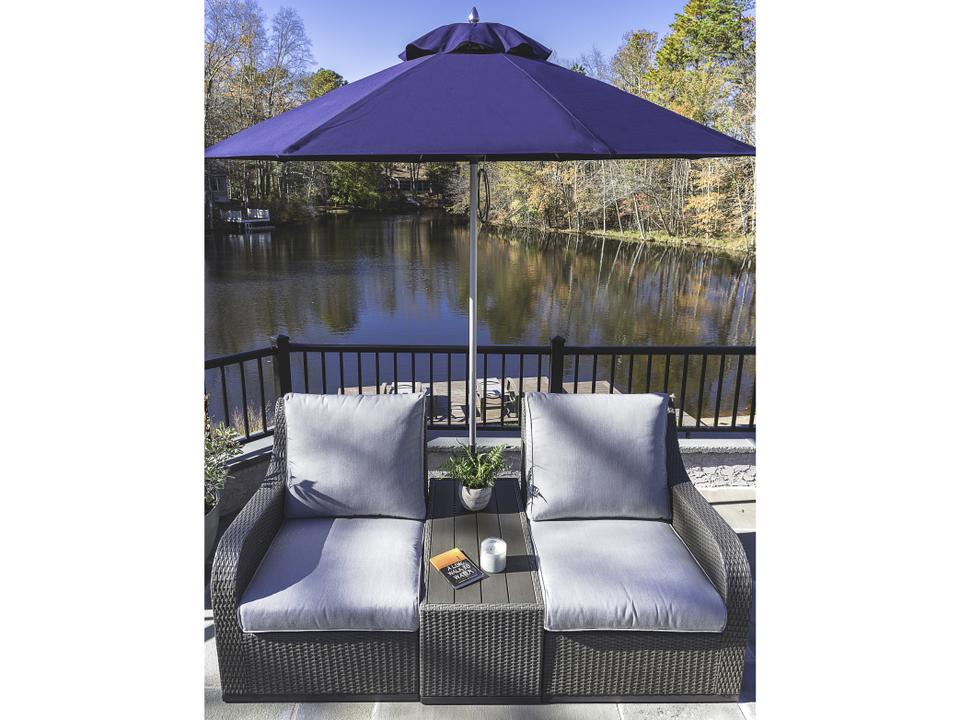
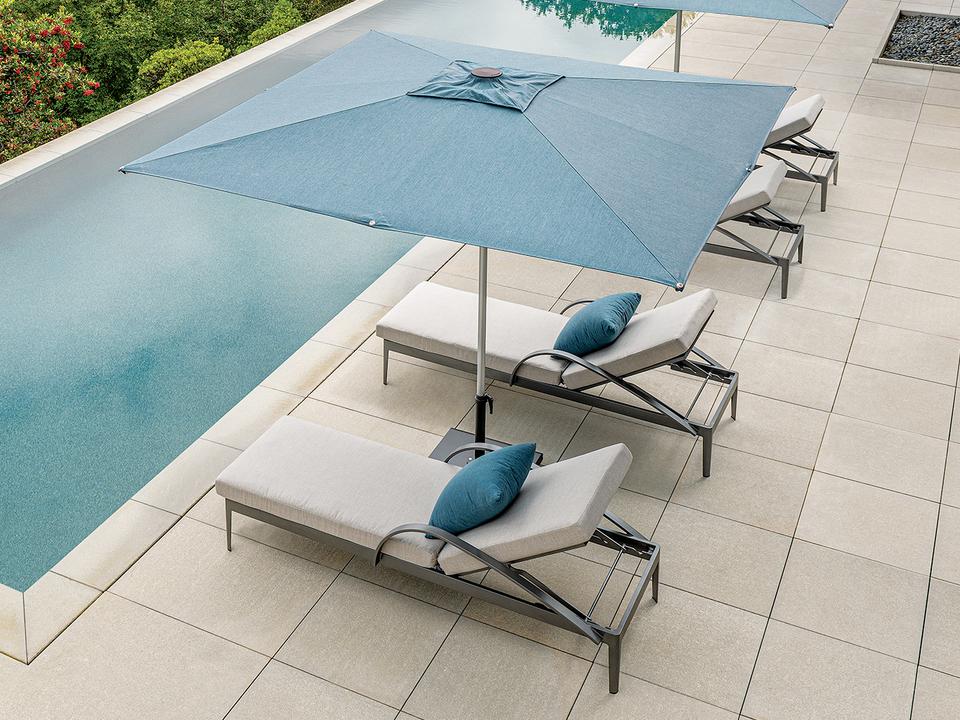
Commercial outdoor umbrellas range from compact four-foot models for individual café tables up to thirteen-foot canopies that shade entire seating groups. Shape affects coverage patterns. Octagonal and round canopies work well over single tables, while square and rectangular options minimize wasted overlap when arranged in rows along a patio or pool deck.
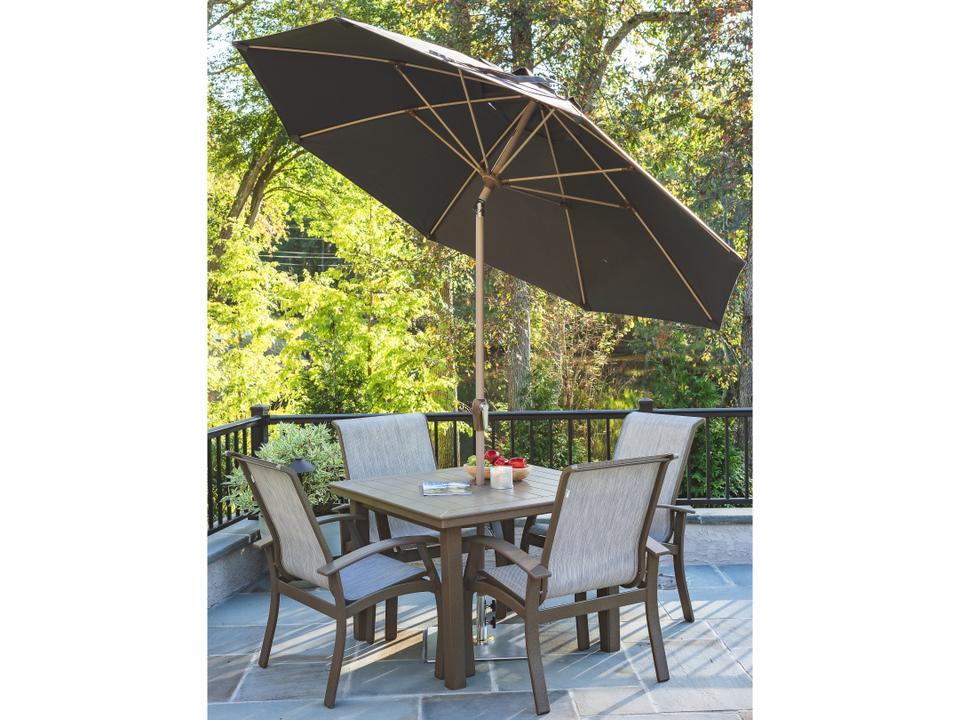
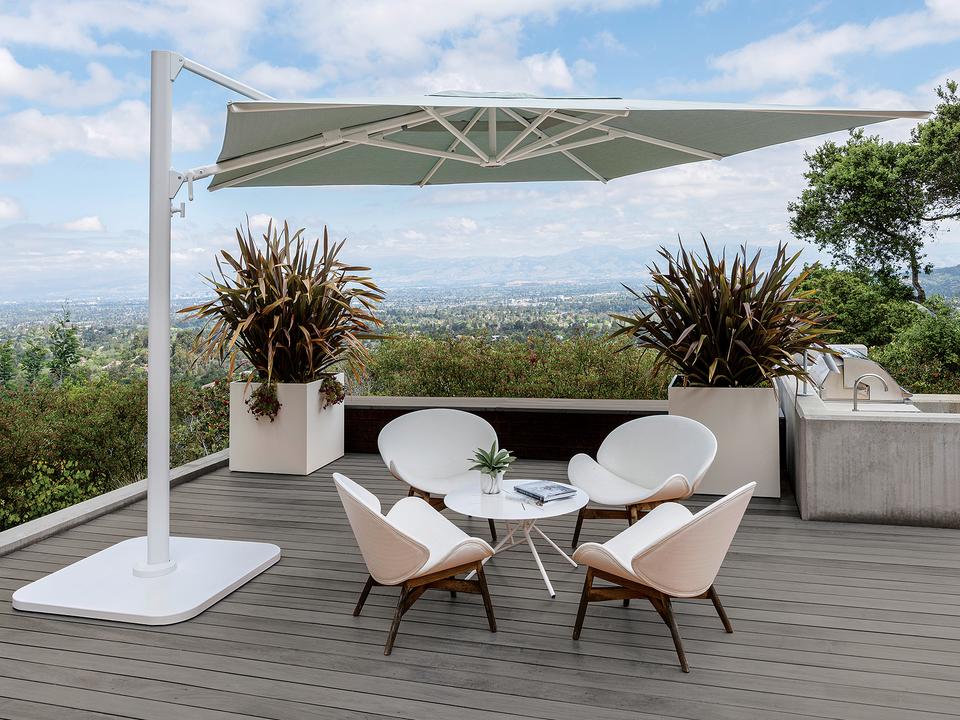
Size depends on your table layout. A standard four-top dining table needs roughly a nine-foot umbrella for full afternoon shade coverage. Poolside lounge groupings often call for eleven- to thirteen-foot rectangular models. Factor in the sun's arc — shade shifts throughout the day, so slight oversizing delivers better guest comfort than running short.
Luxury commercial umbrellas also offer customization options many buyers overlook: printed canopies for branding, decorative valance trims, and color-matched poles that reinforce your property's visual identity across the entire outdoor space.
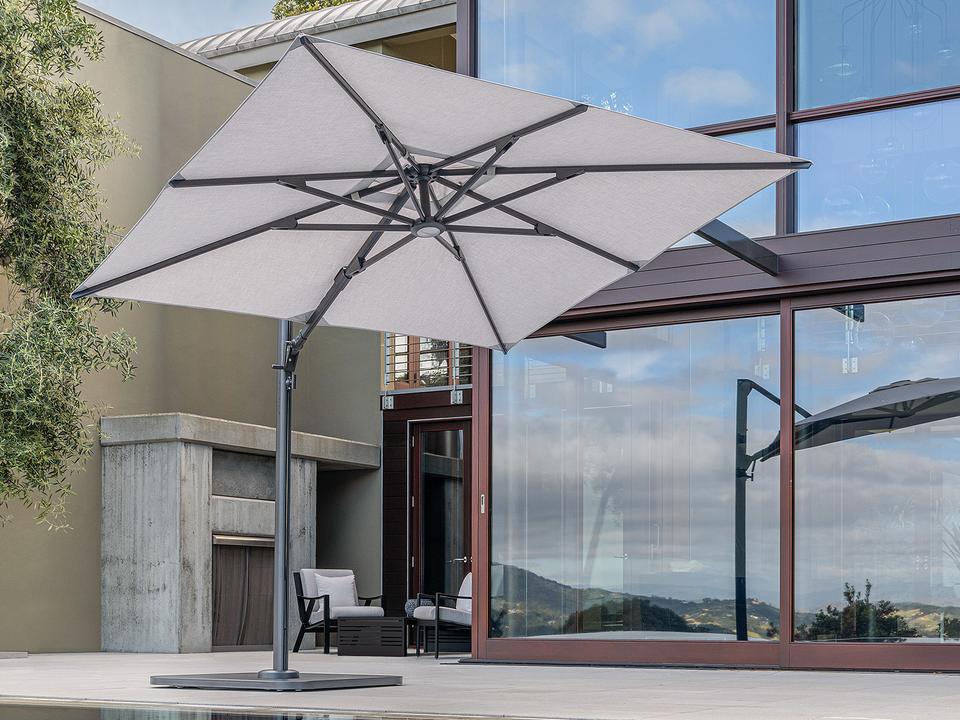
Proper maintenance extends umbrella lifespan significantly. Close canopies during storms and overnight when possible — even wind-rated models last longer without unnecessary stress. Clean acrylic fabrics with mild soap and water; avoid bleach, which weakens stitching over time. Inspect frame joints and rib connections each season, focusing on the hub mechanism where ribs meet the central pole.
A well-maintained commercial umbrella should deliver three to five seasons of daily use before canopy replacement becomes necessary. The frame itself lasts much longer. Choose manufacturers that sell replacement canopies separately — this lets you refresh colors or update branding without replacing the entire structure, keeping your outdoor setting sharp season after season.