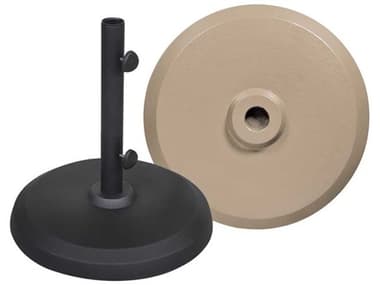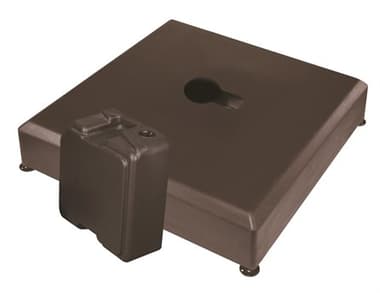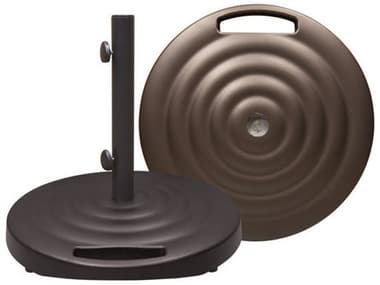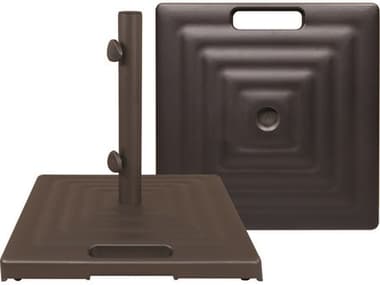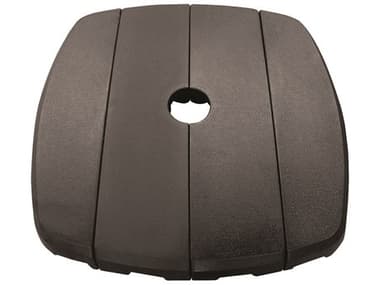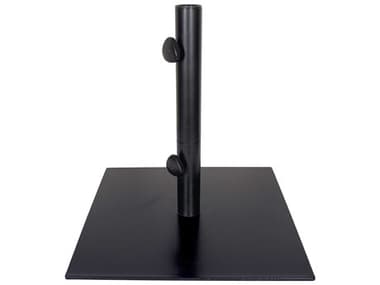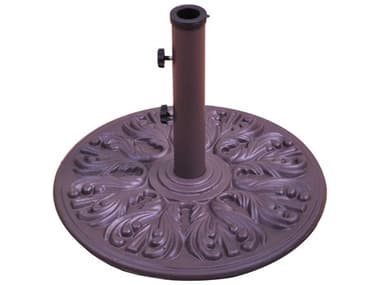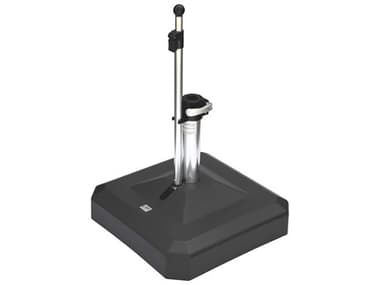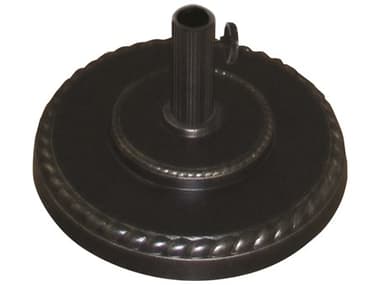
There are areas of your yard and patio where the roof overhangs do not protect or provide shade. Adding an umbrella to your patio and backyard is an effective way to add shade and offer a comfortable area to sit under the umbrella and relax. Though some umbrellas are free-standing, most run through a hole in the center of an outdoor dining table, and all umbrellas must be set up using a weighted umbrella stand or base.
When shopping for an outdoor umbrella stand, you want to look for one that serves its purpose of holding the umbrella in position and blends well with your outdoor style. In addition to being functional and looking good, there are several things to consider before shopping for an umbrella stand.
Some things to consider before you buy a stand include:
Umbrella bases have different benefits and features, making each stand unique. Though all bases serve the purpose of holding a patio umbrella upright, it's the minor features that make one umbrella base better than another.
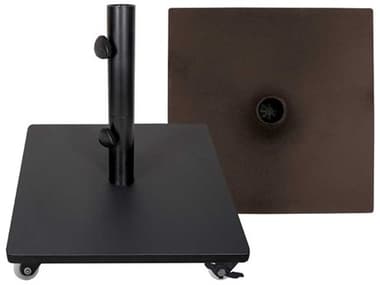
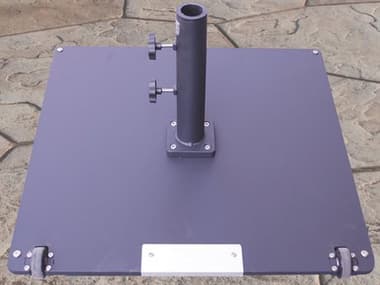
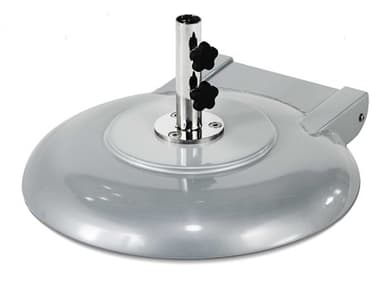
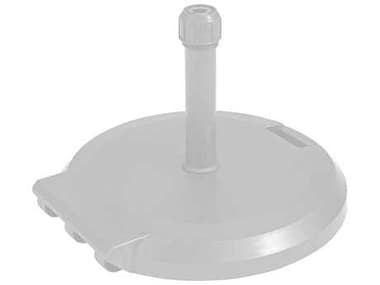
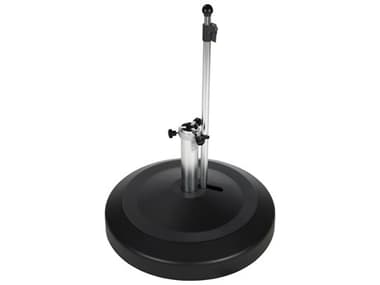
Umbrella stands with wheels make it easy to move the umbrella and stand around your outdoor living space. With the ease of mobility, you can drag the umbrella as the sun crosses the sky or rearrange your outdoor furniture and quickly reposition the umbrella too.
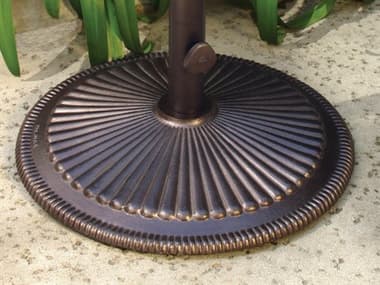
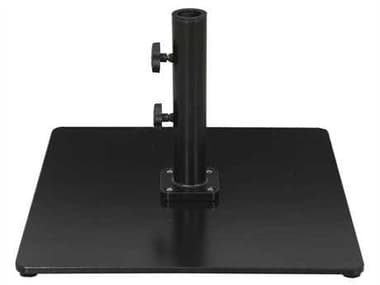
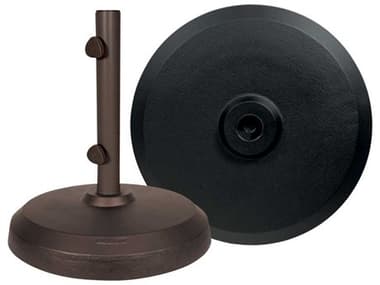
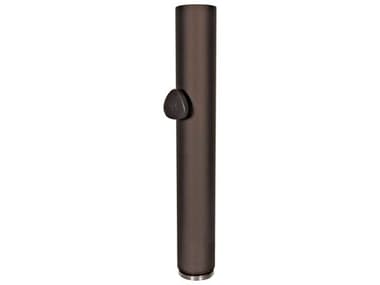
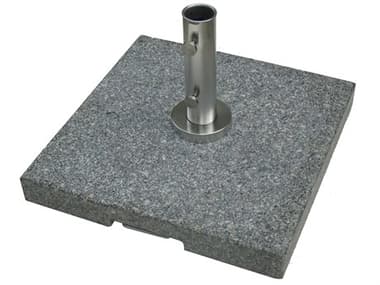
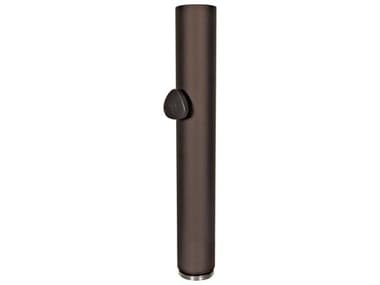
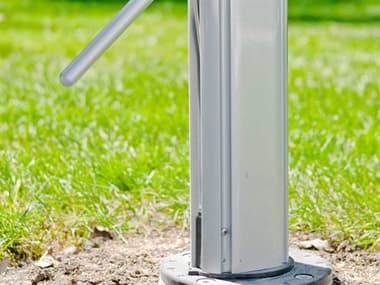
The umbrella stand pole sleeve is where the pole of the outdoor umbrella sets inside the base. Some umbrella stands have locking mechanisms for the pole sleeves, ensuring the umbrella is secure and increasing the stability of the umbrella.
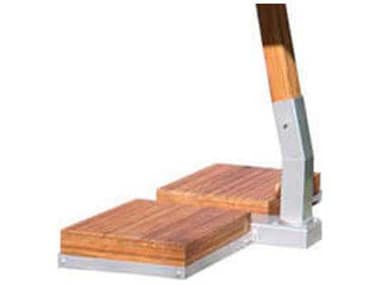
Some stands are designed with the capabilities to support multiple umbrellas. Unfortunately, a multiple umbrella stand is not a standard option, so you may have to do some shopping around if you want to set up more than one umbrella using the same umbrella base.
All umbrella stands are wind-resistant but based on the weight and construction of the stand; some are more wind-resistant than others. If you live in an area with a lot of wind, shop for a more resistant stand, and don't forget to close your umbrella when it is not in use.
Many umbrella stands are available, making it possible to shop for a stand that fits your outdoor living needs and style.
Umbrella stands with rolling bases allow you to move the umbrella and stand around your patio area effortlessly. These are very popular when moving things around and rearranging your patio based on the season, the sun's position, and when friends and family visit.
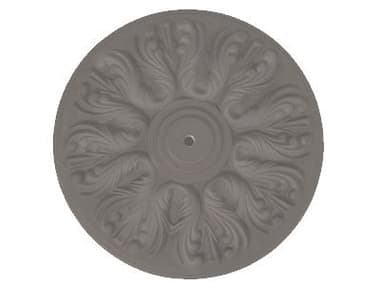
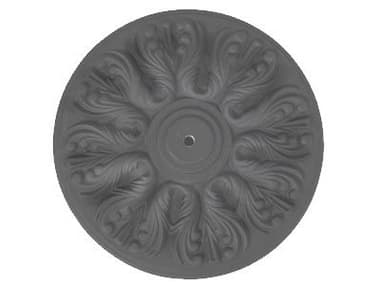
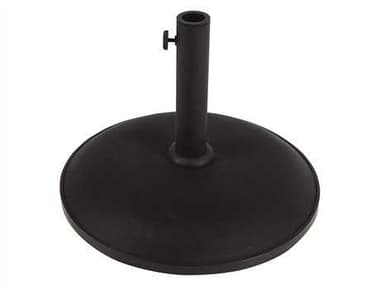
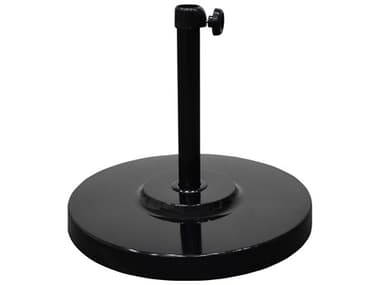
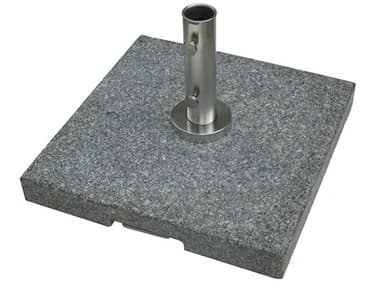
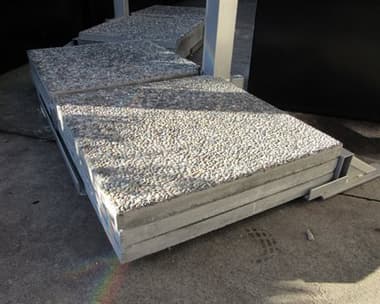
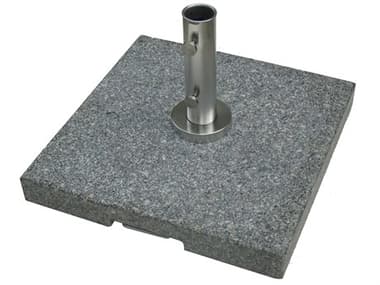
Concrete umbrella stands are substantial and provide a stable foundation for umbrellas. However, these stands are solid and very heavy. Some concrete stands are molded and shaped into different designs to help your umbrella stand with your outdoor theme.
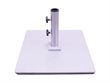
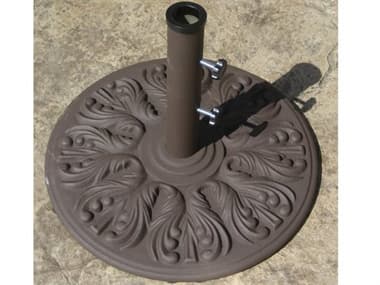
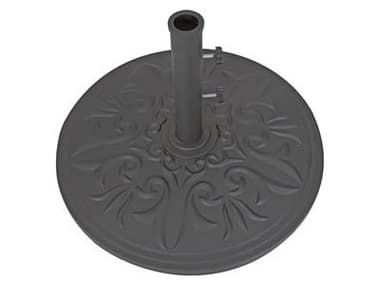
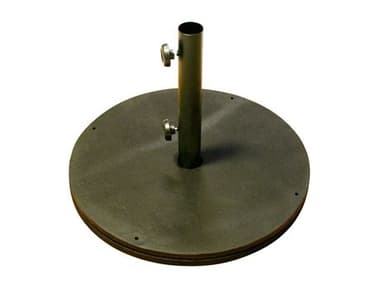
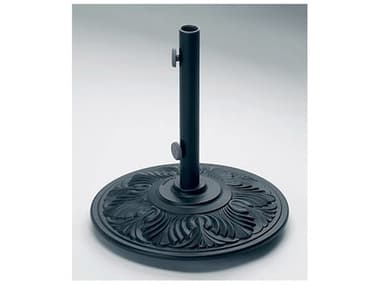
Metal umbrella stands are made with materials such as cast iron to help create a stable umbrella foundation. These stands come in many colors and ornate designs, making the umbrella stand as much of a statement piece as your patio umbrella.
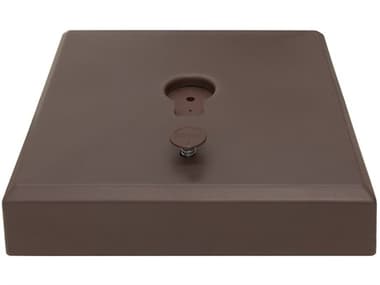
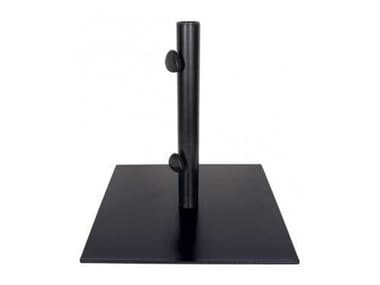
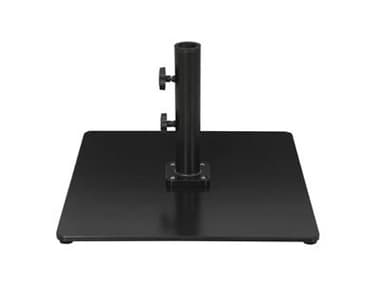
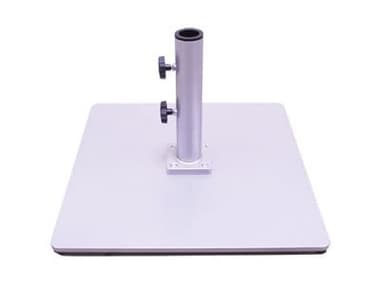
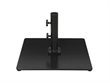
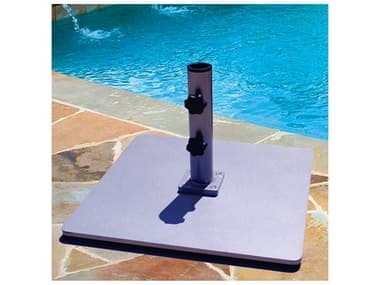
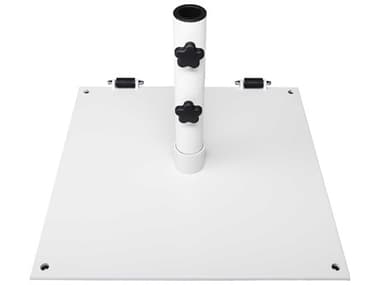
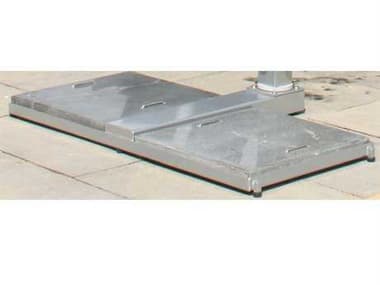
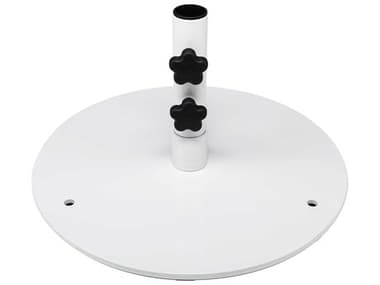
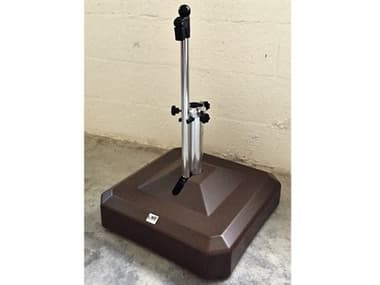
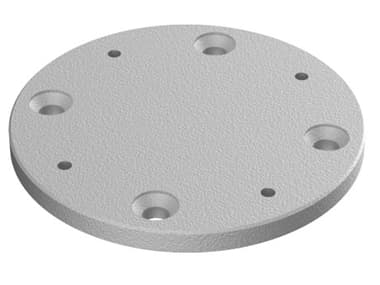
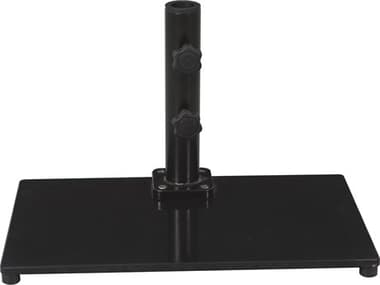
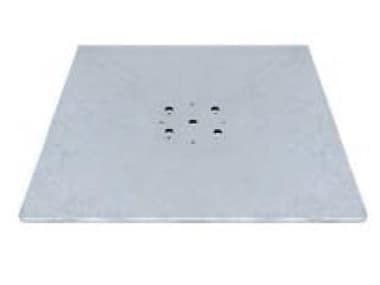
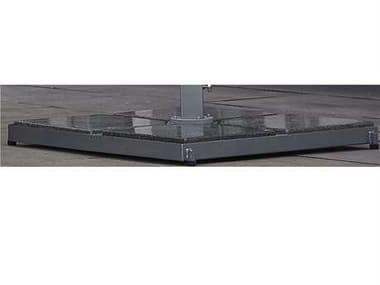
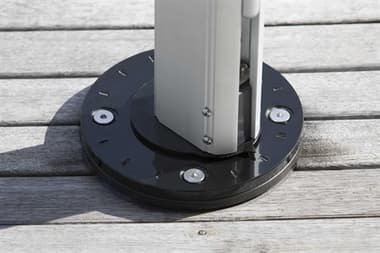
A low-profile umbrella base is made out of a flat thin steel plate an inch or less from the ground. These stands allow you to place your umbrella near other furniture items while the stand smoothly slips underneath. These types of stands also work well when not having any furniture around the umbrella, reducing the risk of someone tripping over a bulky umbrella stand.
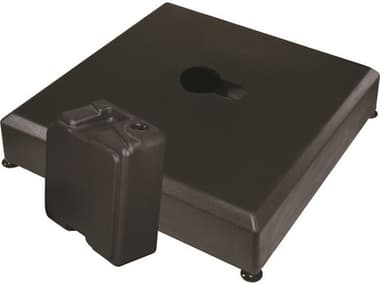
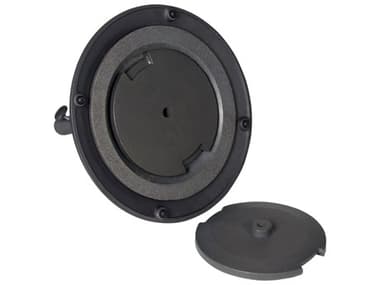
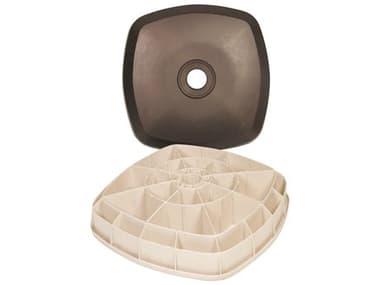
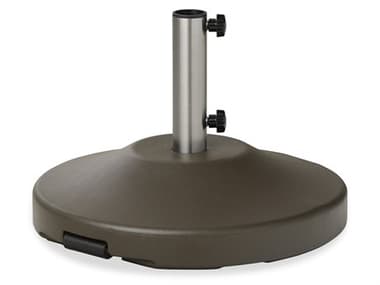
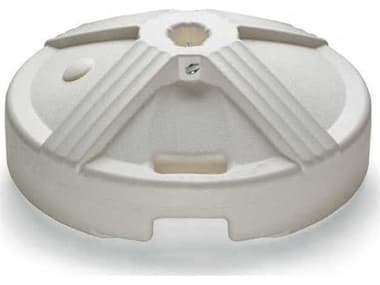
FIllable umbrella stands allow you to fill the molded plastic stand with heavy materials, such as water, sand, and rocks. The low profile makes the stand easy to relocate because you can dump all the filling out. If you plan to keep this stand as a permanent fixture on your patio, you can choose to fill it with concrete to make it more solid.
Selecting the perfect umbrella base ensures a functional and stylish stand supports your patio umbrella. With so many to choose from, take your time to determine which umbrella stand you want, including specific designs and features.
Know the diameter of your umbrella pole when shopping for an umbrella stand. This measurement helps ensure you purchase a stand that will snugly accommodate the umbrella without allowing it to sway back and forth.
Do you want an umbrella stand that you have to fill to make it heavy enough to hold your umbrella? Or do you want an ornately designed cast iron or stone stand? The type of stand desired is an important consideration when looking for the perfect umbrella base for your backyard.
When shopping for umbrellas or umbrella stands, check out our catalog and see the many options we have available to serve your backyard needs.
For more information about patio umbrellas, read LuxeDecor's Patio Umbrella Buying Guide to learn more about patio umbrella sizing, construction, materials, and features.
Related Categories
Commercial Outdoor Umbrellas | Patio Umbrellas | Aluminum Outdoor Umbrellas | Fiberglass Outdoor Umbrellas | Wood Outdoor Umbrellas | Outdoor Offset Umbrellas | Patio Umbrellas