You have twelve bottles ready for weeknight dinners, another case aging for a special occasion, and a few display-worthy vintages you want guests to notice when they walk in. A single wine rack rarely handles all three jobs. That's why most serious collectors end up with a mix: a tabletop rack near the kitchen for tonight's pour, a wall-mounted unit in the dining room for conversation starters, and a larger cabinet or freestanding rack in the basement for long-term storage.
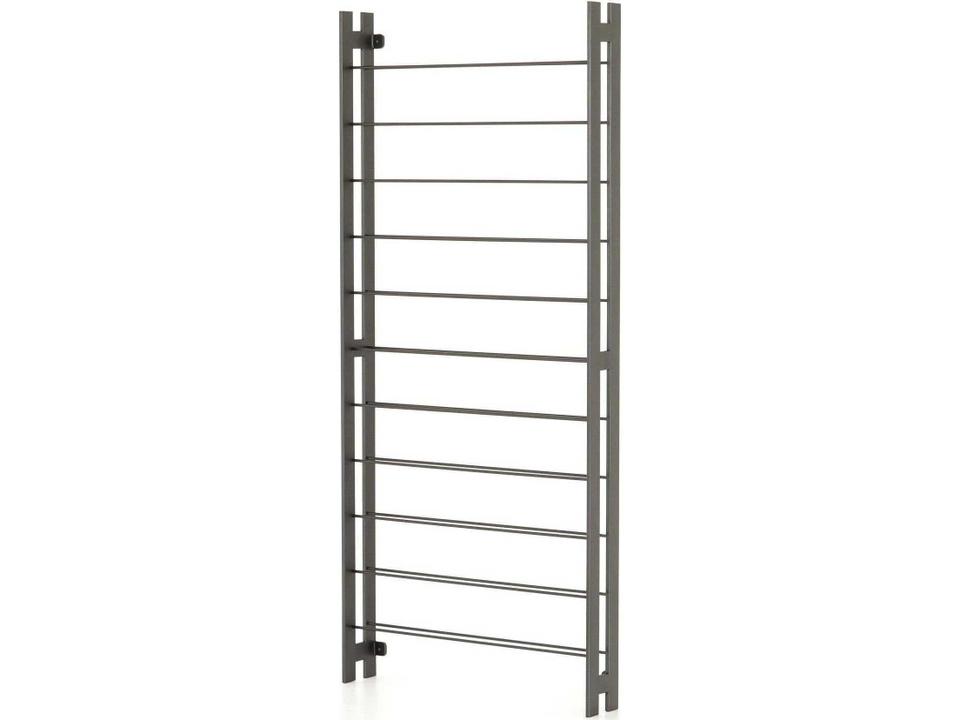
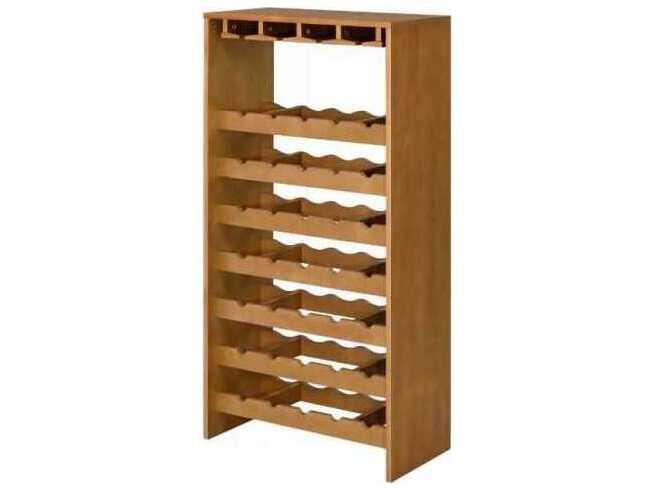
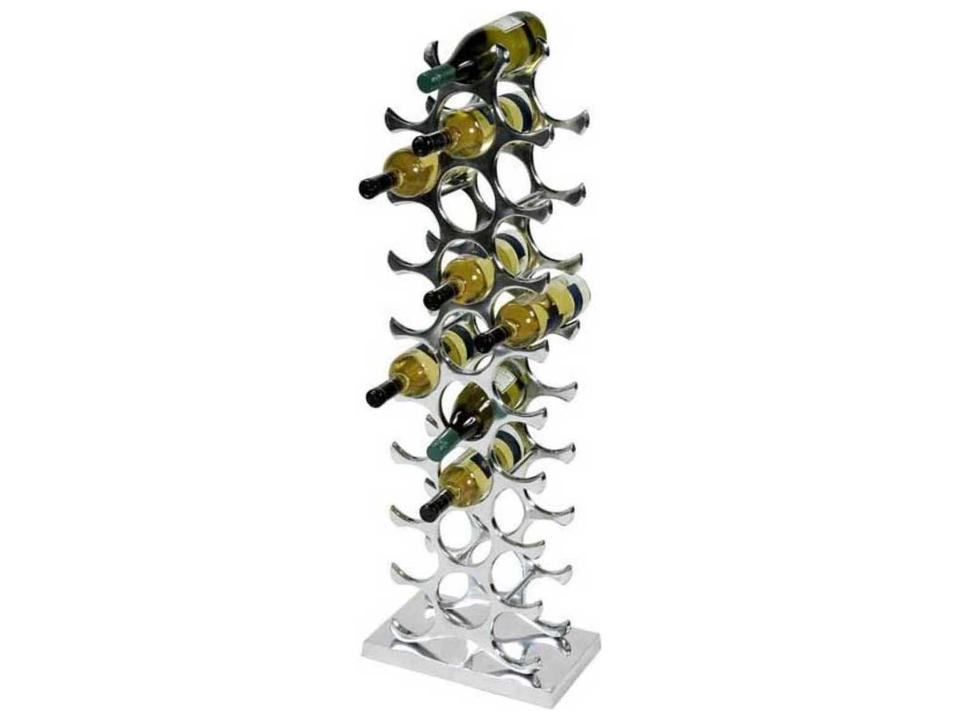
Our collection of luxury wine racks and etageres spans every format — from compact countertop holders for three to five bottles up to full-height storage etageres that organize sixty or more. Each piece keeps bottles at the correct angle (cork down, label visible) while fitting naturally into your home's layout.
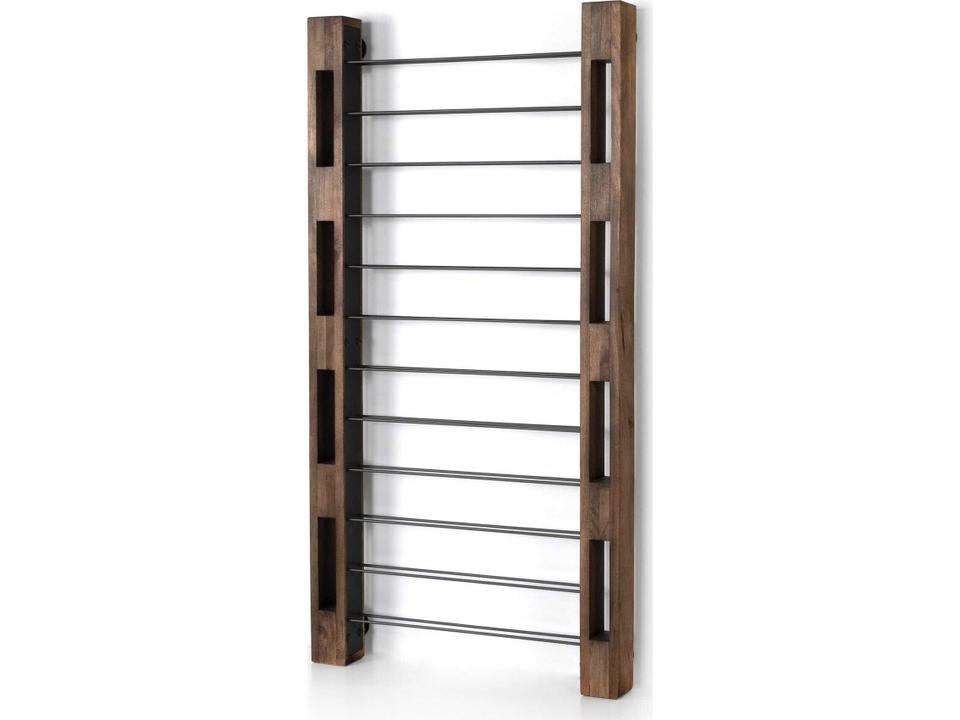
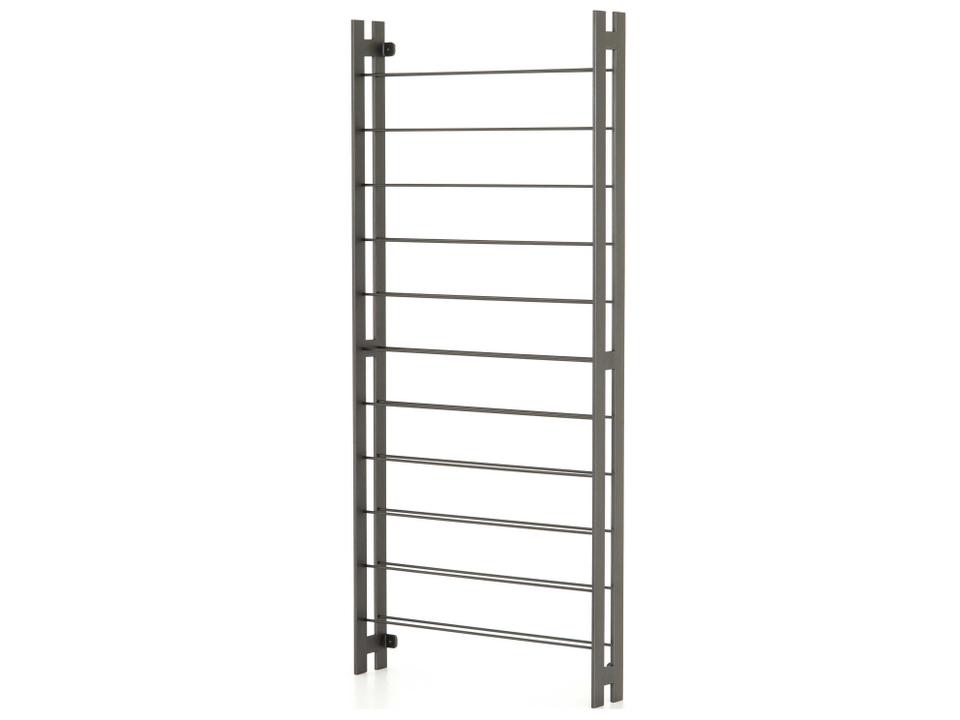
Wall-mounted racks save floor space and work well in tight kitchens, butler's pantries, or hallways. Most mount into studs with standard hardware, though concrete walls require masonry anchors. Look for models with individual cradles rather than simple slots — they prevent bottles from rolling and make it easier to read labels at a glance.
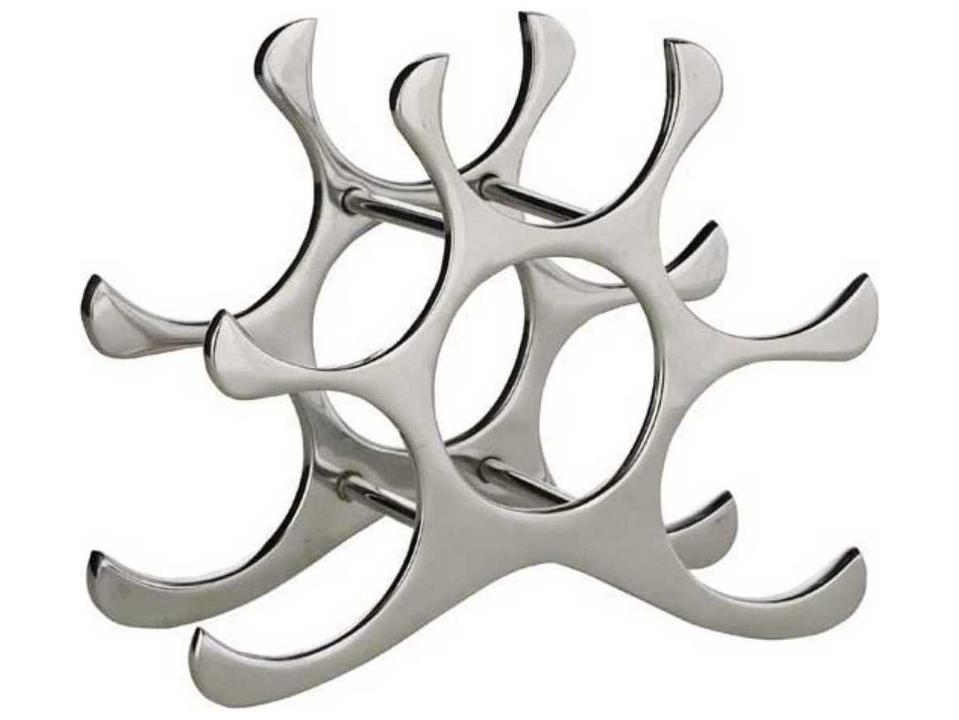
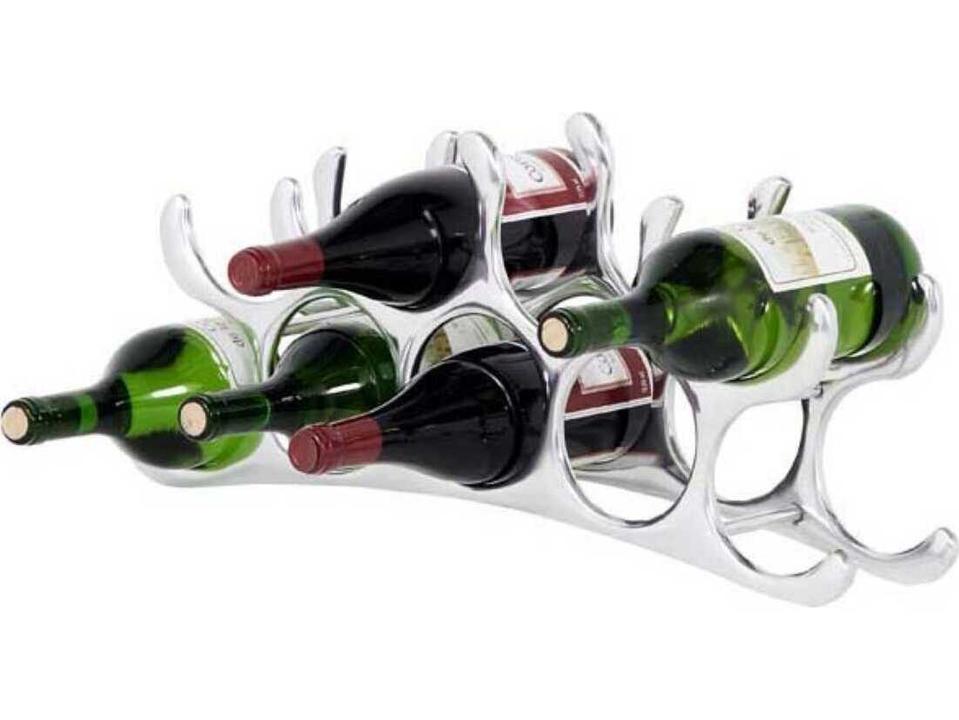
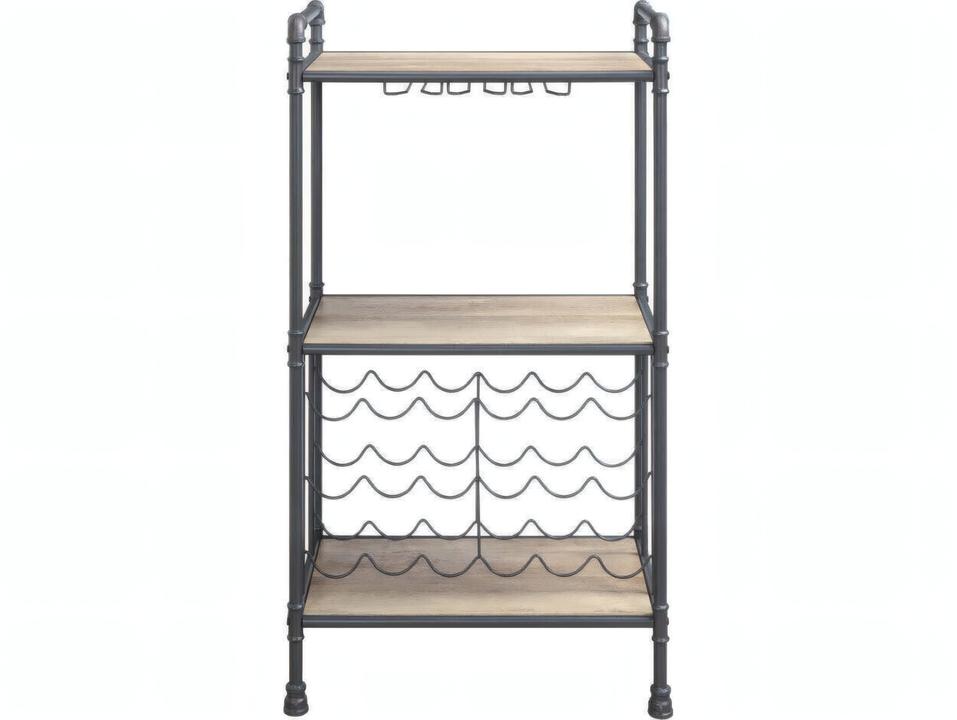
Tabletop racks are the everyday workhorse. They sit on a counter, sideboard, or bar cart, keeping four to eight bottles within arm's reach. Some include stemware hangers underneath, which is useful if you're short on cabinet space.
Wine cabinets offer enclosed storage behind glass doors. The glass lets you see your collection without exposing bottles to kitchen heat or direct light. Higher-end cabinets include insulated walls; a few integrate thermoelectric cooling to maintain 55°F without a compressor's vibration.
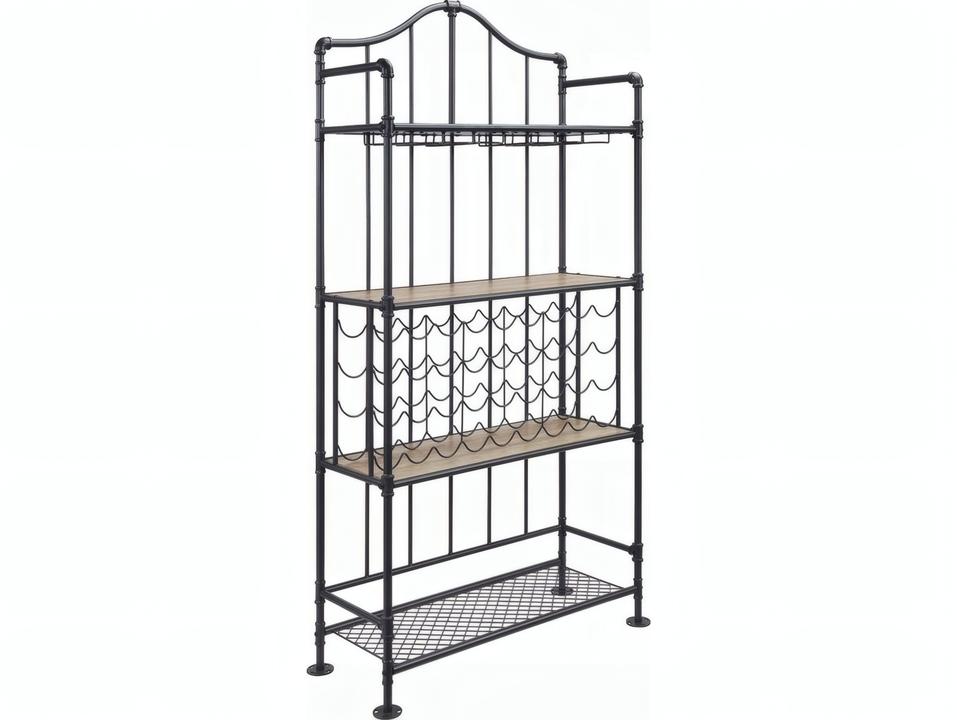
Freestanding etageres combine open shelving with wine-specific slots. These pieces double as display storage — books, decanters, and glassware share space with your bottles. They work especially well in dining rooms or living areas where a dedicated wine rack might feel too utilitarian.
Wood wine racks — typically pine, mahogany, or oak — absorb minor vibrations and insulate bottles from temperature swings. Solid hardwood frames age well. Pine is lighter and more affordable but softens over time if exposed to moisture. For basement or cellar use, look for sealed or lacquered finishes that resist humidity.
Metal racks in wrought iron, steel, or brass offer a slimmer profile and hold up indefinitely in any environment. They conduct temperature more readily, which matters only if the rack sits near a heat source. Powder-coated finishes resist scratching; raw iron develops a patina that suits rustic or industrial interiors.
Mixed-material designs — metal frames with wood shelves, or acrylic panels set into iron — read more contemporary and work in open-plan spaces where the rack is visible from multiple angles.
Before ordering, measure more than just the footprint. Standard wine bottles are roughly 12 inches long, so any rack needs at least 13 inches of depth to keep bottles from protruding. Magnums and Champagne bottles run wider — about 3.5 inches in diameter versus a standard 2.75 — so check slot sizes if your collection includes larger formats.
A few placement guidelines to protect your wine:
Our luxury wine racks range from minimal three-bottle holders to full room systems — start small and build over time, or furnish an entire cellar in one order.