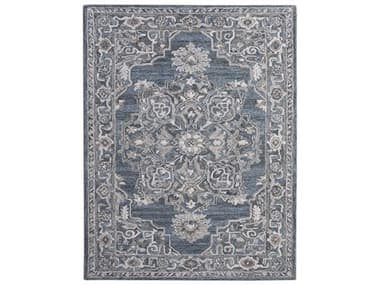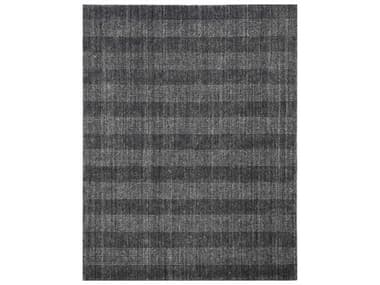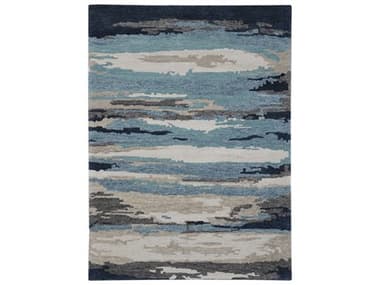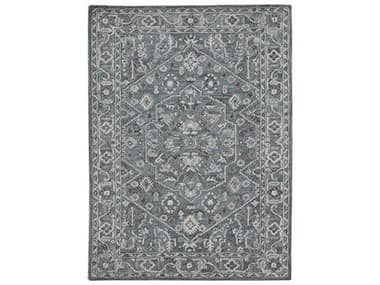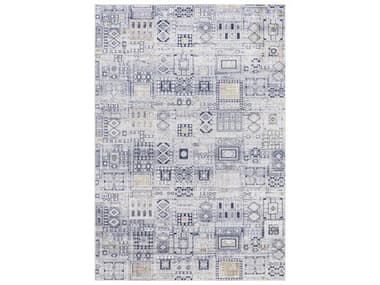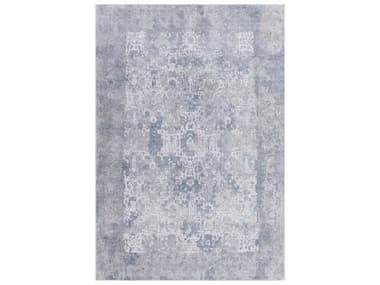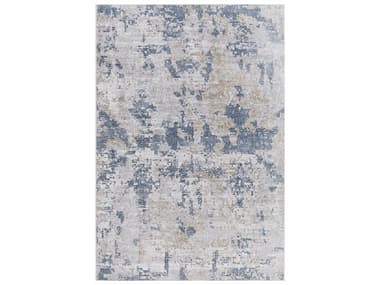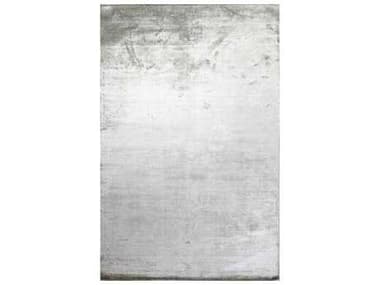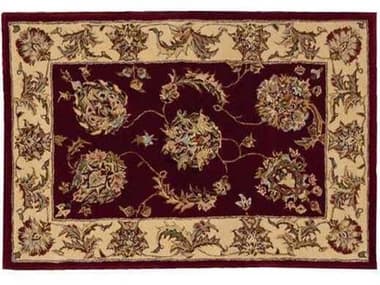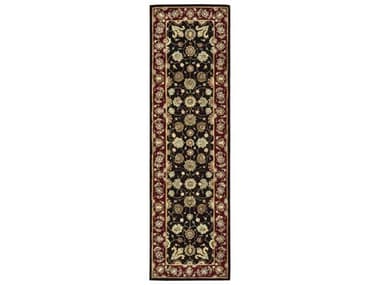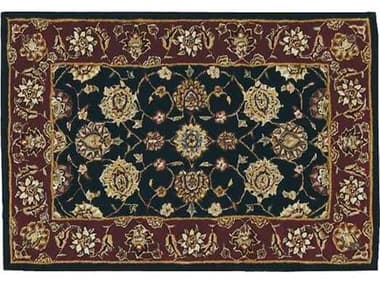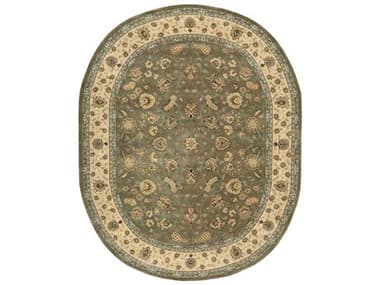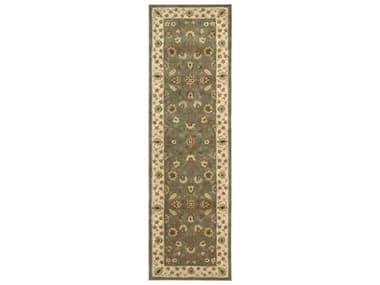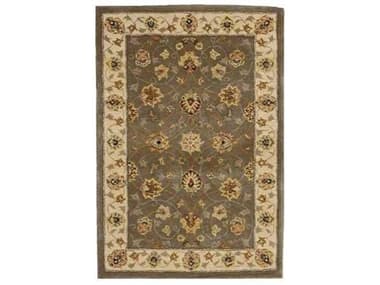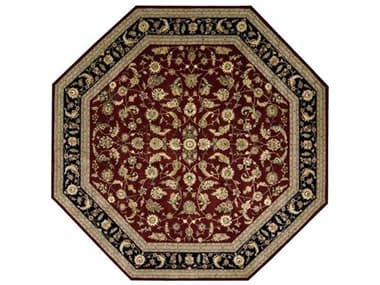


The decoration and décor in your home is very important. You should take your time and select the items that you feel most comfortable with.
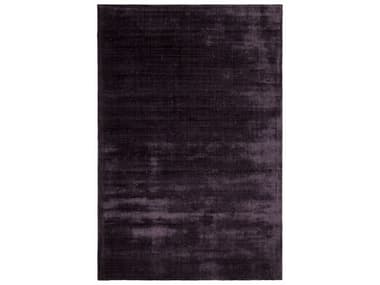
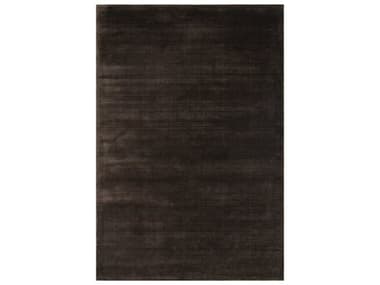
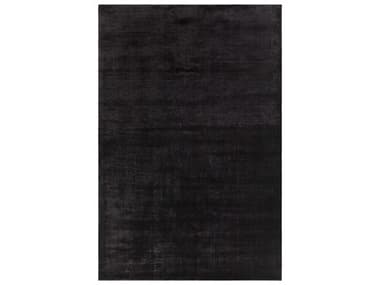
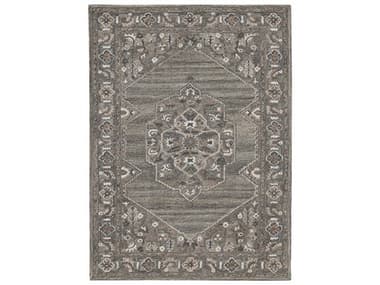
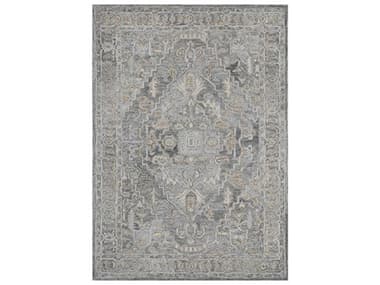
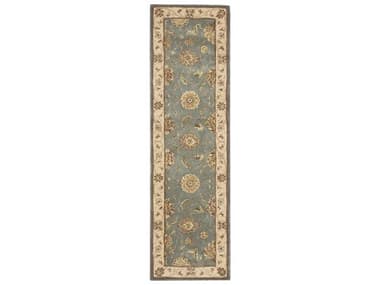
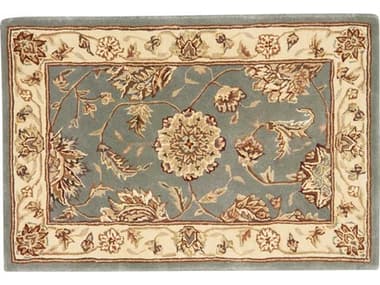
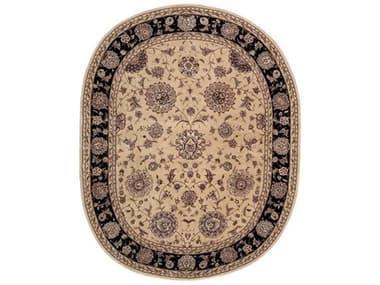
A silk rug can bring a sense of real elegance and style to your home; it will enliven whichever room it is put in. The key is to find the right rug for the right space.
There is much to think about when buying a silk rug. These can be some of the more expensive rugs on the market. Your rug will be worth the investment if it is genuine, and has the right texture, shape, and pattern.
Before you purchase a silk rug, you should know exactly what you are getting. You should never allow yourself to be pushed into a purchase. Carefully assess each of the rug’s features before you buy.
Here are some of the most important features to consider when buying a silk rug:
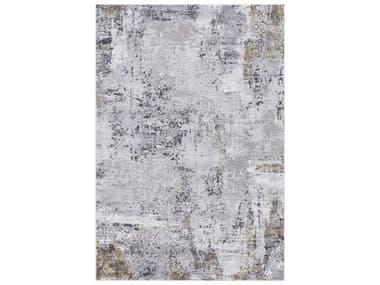
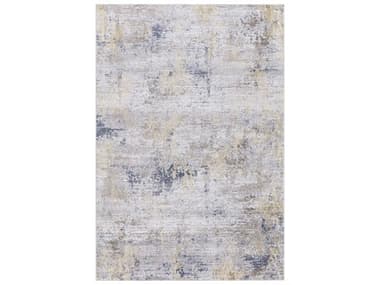
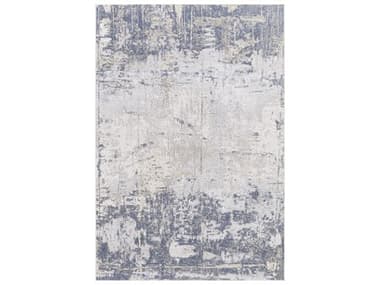
Modern silk rugs reflect modern decorating and pattern trends. Even if you have decided on an edgy and experimental look for your home, you will find a silk rug color scheme to match it.
Most authentic silk rugs use natural dyes. Handmade silk rugs use only natural dyes. To figure out exactly what you are dealing with you should bend the carpet and look closely at a few threads. If the colors on the thread appear uneven, then the carpet is a genuine handmade silk rug.
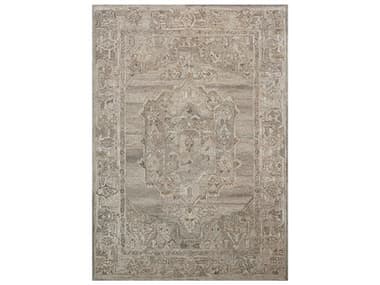
There are many types of silk rugs to choose from. Here are a few that you will find:
There are many things to think through before you make your final choice. Here are some of them:
If you detect any discrepancies in your rug, you should be able to return or exchange it without hassle or difficulty. Under no circumstances should you ever leave a store without a solid warranty.
Silk rugs are things to appreciate and cherish. They can really enhance the look and atmosphere of your home. You should take your time when purchasing one. And you now have the information and insight you need to make a good choice. Shop our great selection today!
To learn more about rug material qualities, read LuxeDecor's Rug Buying Guide.
Related Categories
Cotton Rugs | Synthetic Oriental Area Rugs | Jute Rugs | Hemp Rugs | Leather Rugs | Seagrass Area Rugs | Wool Area Rugs