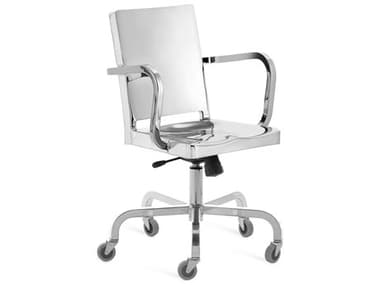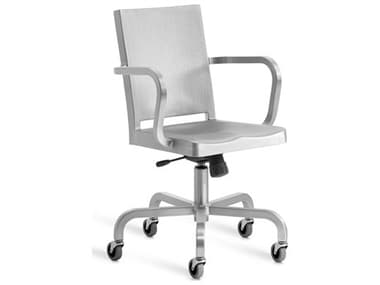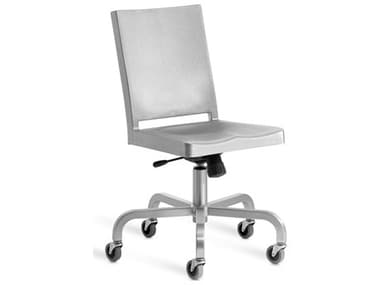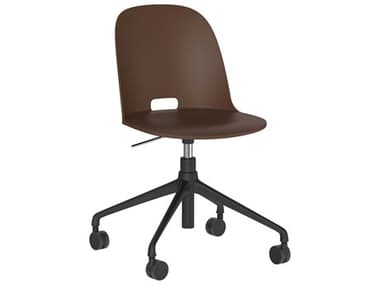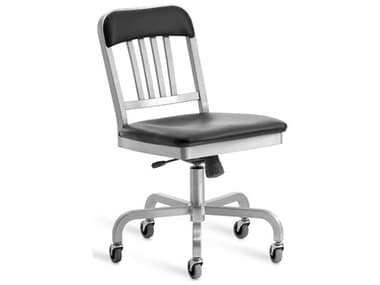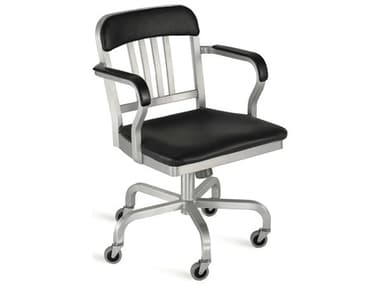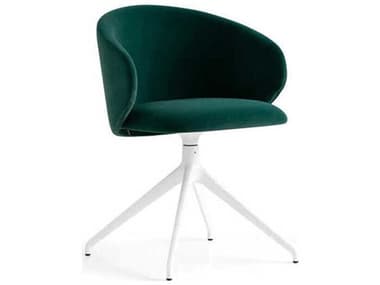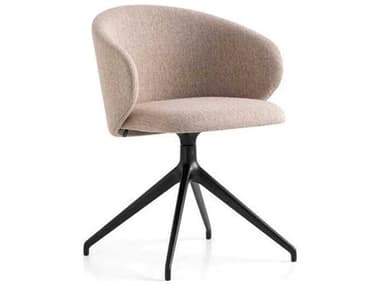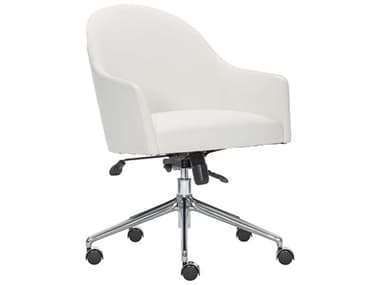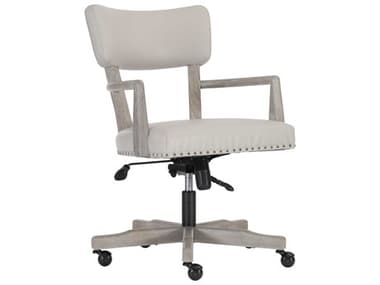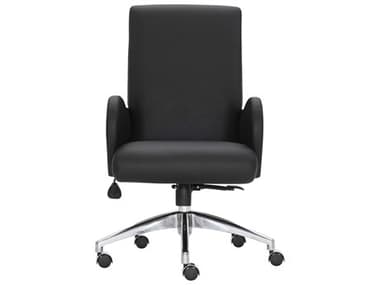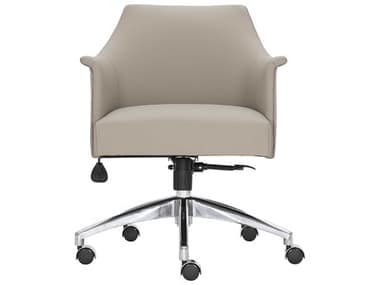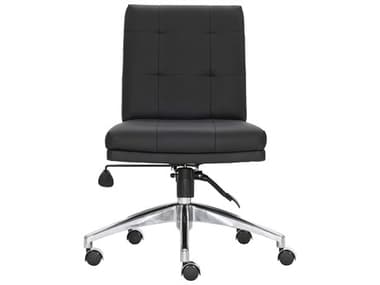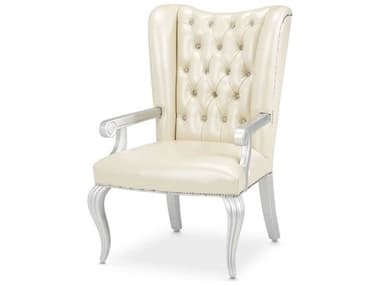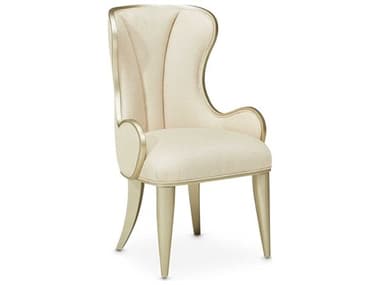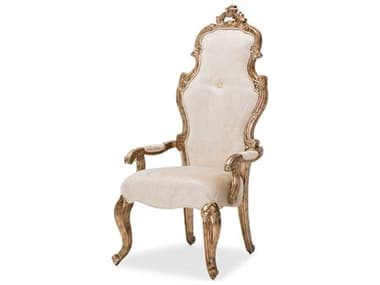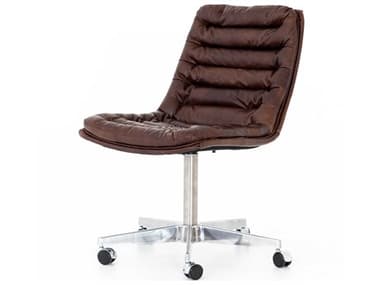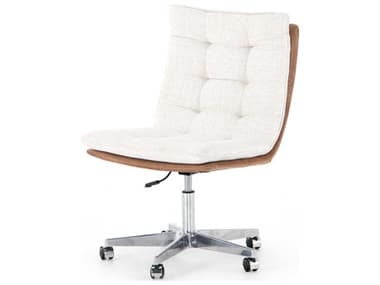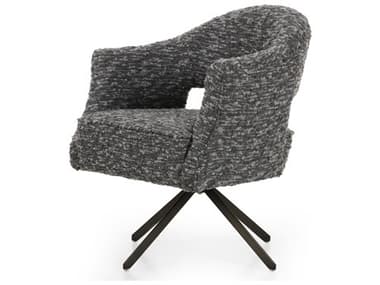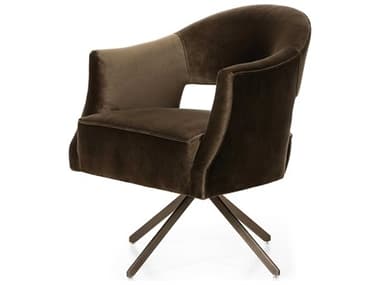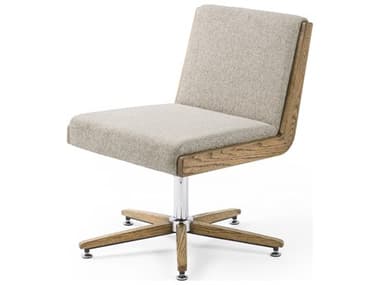
Getting the best chair for yourself is essential, primarily if you'll be sitting on it for long periods. A decent office chair should bring you comfort when conducting your job. Your back and health, in general, should not get any negative impact from your chair.
Modern office chair technology continues to evolve, so you should research thoroughly before getting one. Luckily, we've done all the in-depth work for you. So, when purchasing a desk chair, please keep the following in mind:
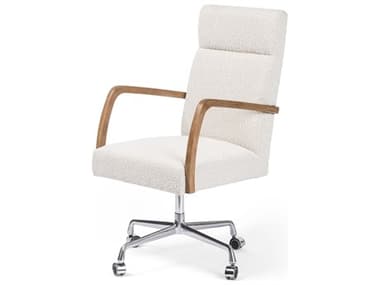
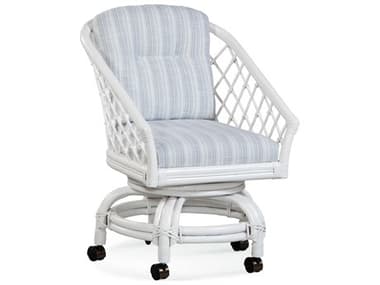
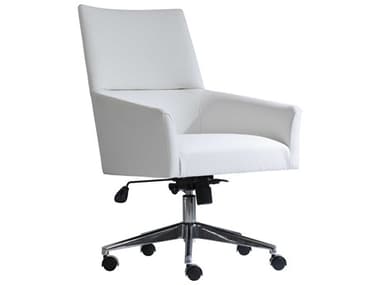
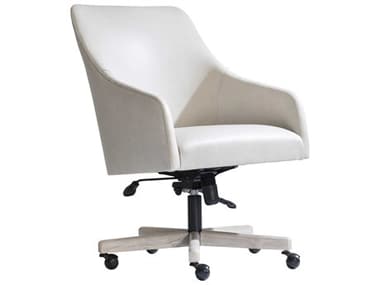
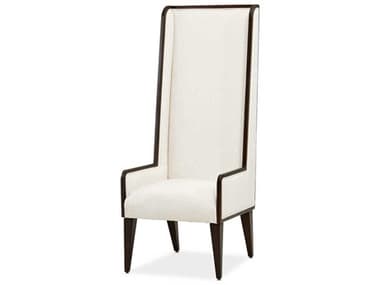
Don't just grab an office chair because it's stylish or the color catches your eye. Think about how well it will fit into your workspace, like a white office chair, if it fits the office theme, manufacturing, health factors, and a host of other essential elements. If you're going to use it frequently, you'll want one that’s durable and supports your back well.
If your home office is small and has an oversized chair, that would impede movement. It would also affect the general appeal of your workspace. Make sure that the chair stands out without taking up too much space.
Some chairs need an occasional wipe, and they'll be fine, while others need proper detailing and the right cleaning products. Will you have time to maintain it? Also, you don't want to be in pain every time you leave work, so make sure you purchase one that gives excellent back support.
The more features your office chairs have, the more comfortable you'll feel using them, especially if you have a medical condition or spend a lot of time sitting. Overall, consider these important things:
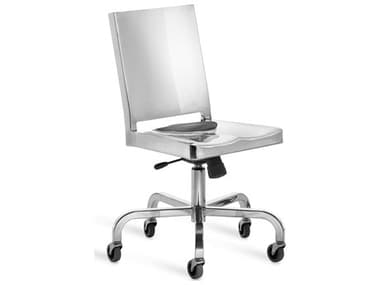
The chair should allow you to customize the seat height to fit your needs. It would help if you sat so that your thighs are parallel to the floor for maximum comfort. Ensure it has an adjustment lever that lets you raise or lower the seat.
You should be able to adjust the position of your backrest to suit your needs, such as forward or backward if it is attached to the seat. It's a good idea to have a locking mechanism as well. There are chairs with different tilt tension, so you want to consider that as well.
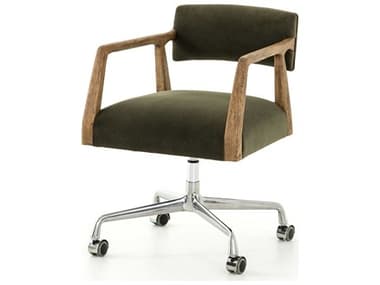
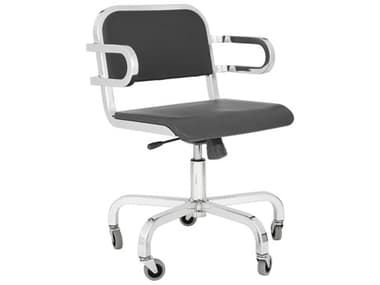
To relieve some tension on your neck and shoulders, invest in an office chair with armrests so that your arms rest comfortably while reducing the tendency to slump in the chair.
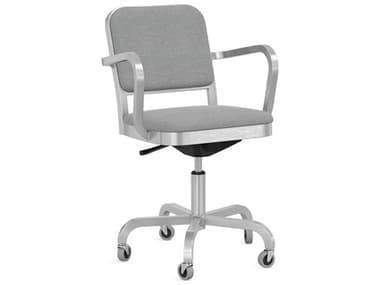
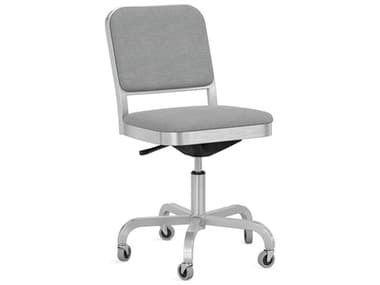
If you like the bold look, a pink office chair or pink desk chair will be ideal. However, a grey office chair will fit in with any office setting if you're uncertain.
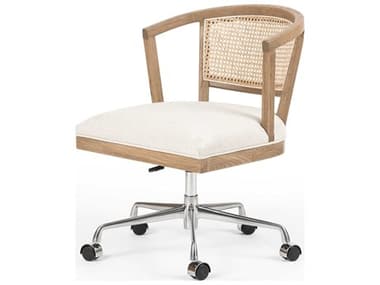
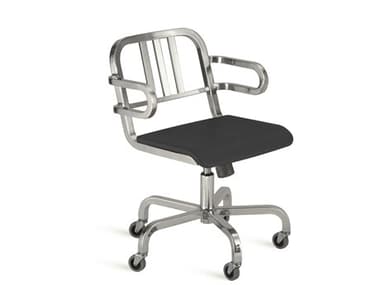
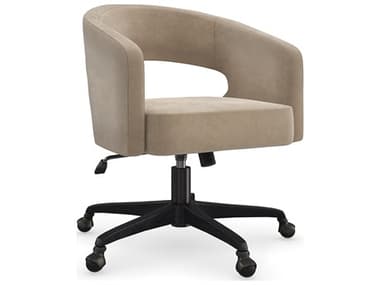
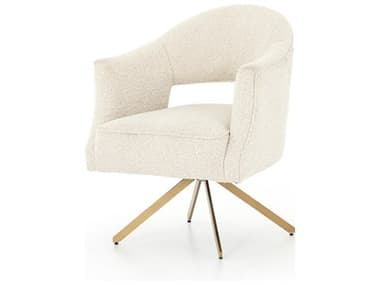
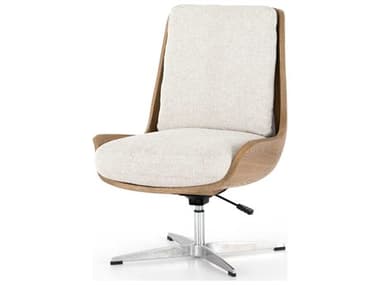
The fact that you can move around in your chair adds to its utility. For high productivity, use a swivel office chair and you should be able to quickly roll it so that you can access different parts of your workspace.
There are many types of office chairs. Be sure to weigh your options and choose the best computer chair when seeking one for your large or small office space. Here are the most popular types of chairs:
These chairs assist with preventing Musculoskeletal (neck, back, and shoulder) Illnesses. Even though they may be more pricey than regular office chairs; they will prove beneficial to your health and pocketbook over the long term.
If you have a tall or standing desk, this is the ideal chair, as it offers you the opportunity to rest without having to interrupt your work. Artists and architects benefit significantly from this design.
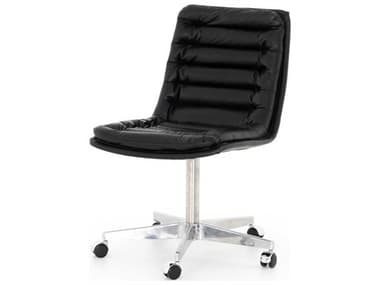
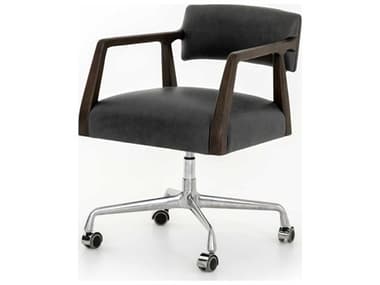
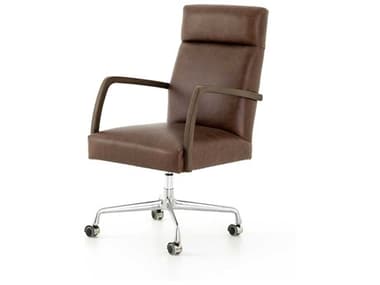
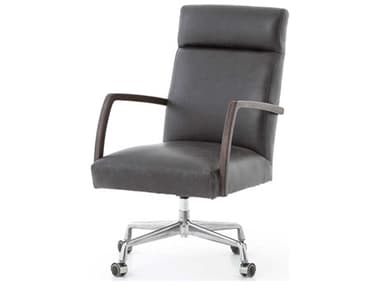
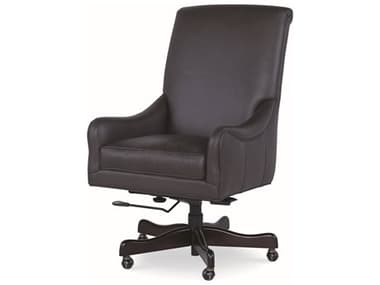
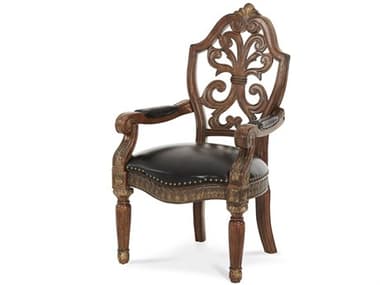
The name speaks for itself. An executive chair is opulent and stylishly designed for executives and usually made of leather with a wood finish.
These chairs are often sophisticated and close to the executive look, even though it says leather, Polyurethane, or faux counts.
This is a breathable chair, and the mesh makes it very comfortable to sit in. Manufacturers build the mesh chair with ergonomics in mind.
These are for temporary use. So if you do not have an ergonomic chair, sitting on a balance ball chair for about half an hour helps your core.
A kneeling chair is another chair meant for short-term usage, and it certainly helps your back but can affect your feet if used for prolonged periods.
This type of chair, which is not great for long-term use, strengthens your core and posture.
If your job requires a lot of sitting, these chairs will help to boost movements.
Whether you sit or stand, this chair will fully support your body.
If you're on the larger side, whether in height or weight or both, a high back office chair with the correct depth and width for your comfort is the way to go.
It is the most comfortable office chair for people on the petite side.
Since there are so many types of office chairs to choose from, you should opt for one based on your:
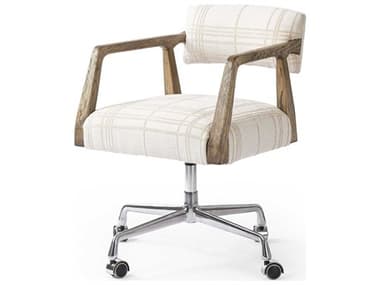
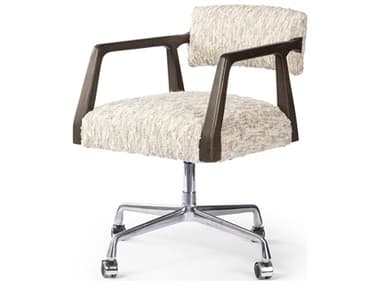
When sitting in your office chair for long periods, a material of the seat cushion that allows your body to breathe is more pleasant. Fabric is a fantastic choice, but many other materials now have this capability. Be it faux leather or natural leather, or fabric, the padding should be comfortable to sit on.
Your back will appreciate the comfort and support that a curved backrest provides in your ergonomic office chair. Choose an office chair that follows the natural curve of your spine. Any good office chair will offer adequate lumbar support. To avoid tension or stress on the lumbar discs in your spine, you need good lower back or lumbar support.
The seat of your office chair should be sufficiently wide and deep to allow you to sit comfortably. Some chairs have a plethora of customizable controls that allow you to adjust seat depth or seat height to prevent back strain.
Office chairs are not one size fits all, so consider the model that meets your requirements but is within your budget. Check out our catalog to make an informed decision. If you need help or have any questions about shipping, assembly, delivery services, specific item inquiries, or just need any recommendations, contact us, and we'll happily help you choose the most comfortable office chair that fits your needs.
To learn more information about office chairs, read LuxeDecor's Office Chair Buying Guide for helpful guidance on office chair design, features, and styles.
Related Categories
Black Office Chairs | Leather Office Chairs | Fabric Office Chairs | Faux Leather Office Chairs | Vinyl Office Chairs