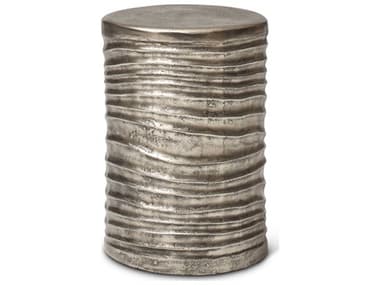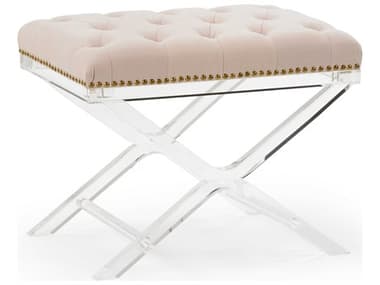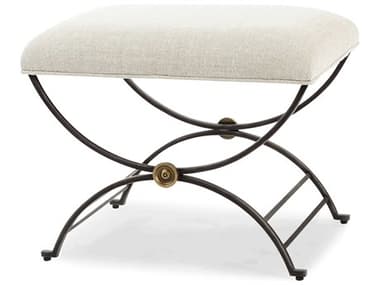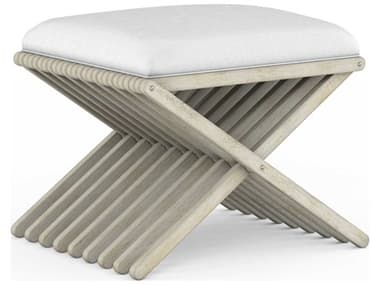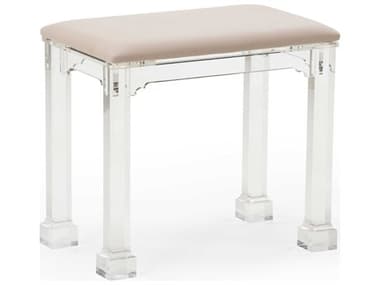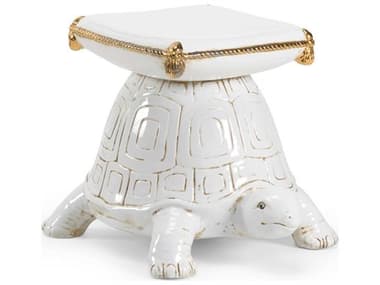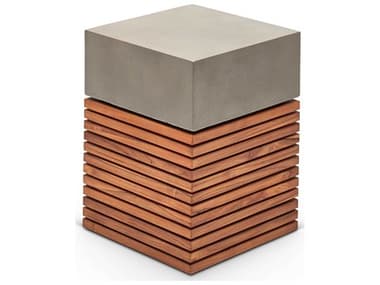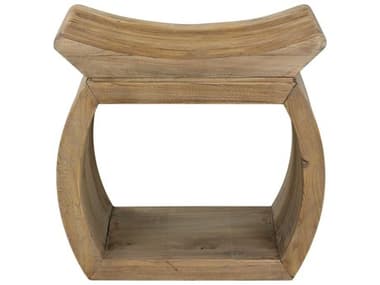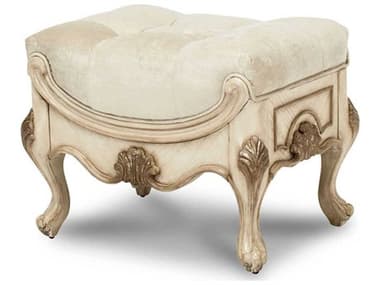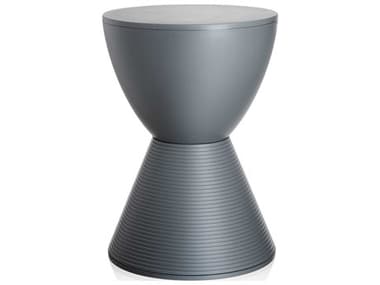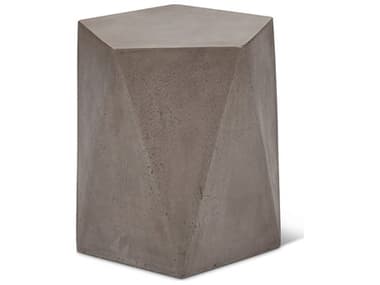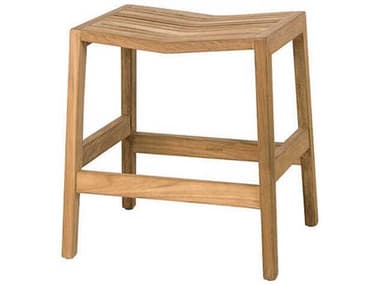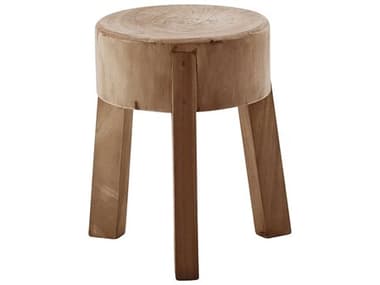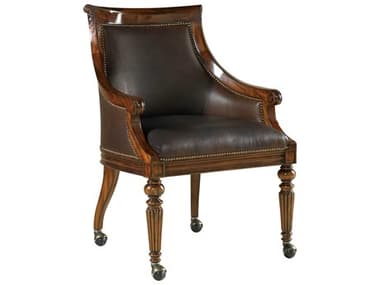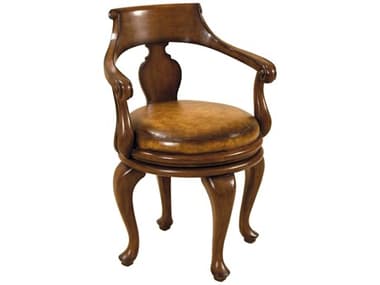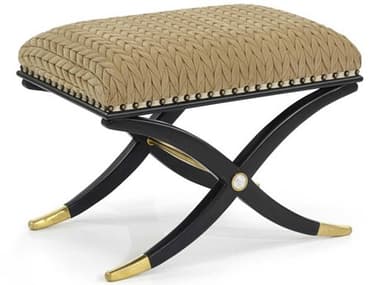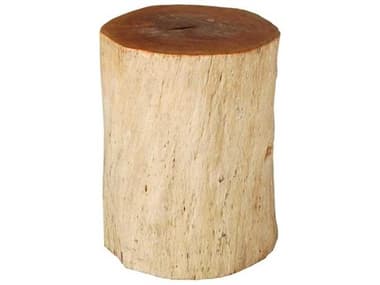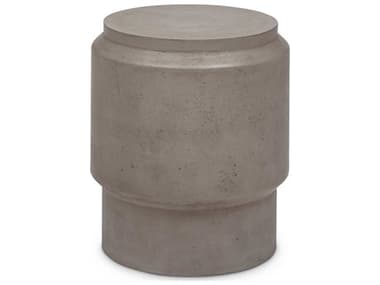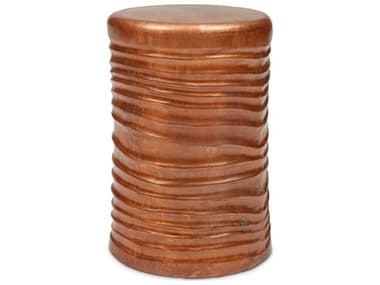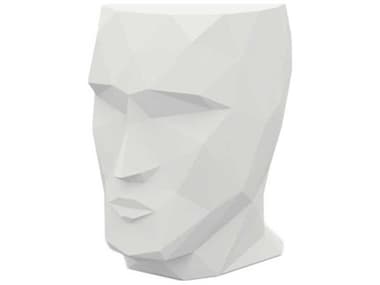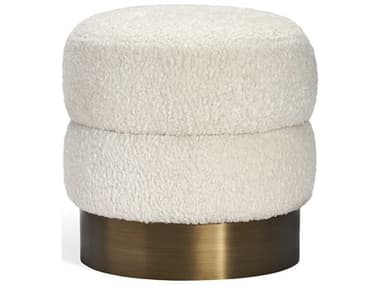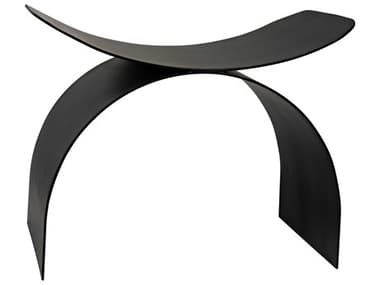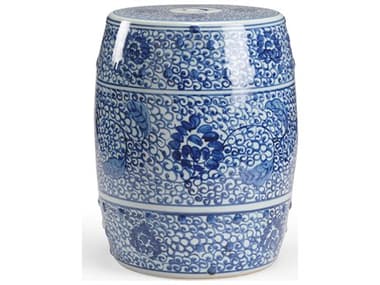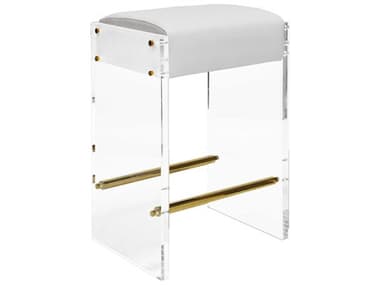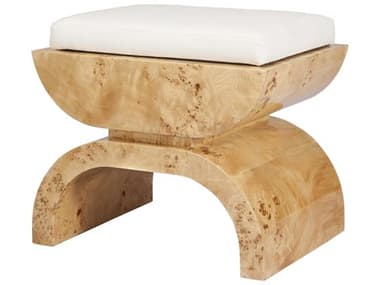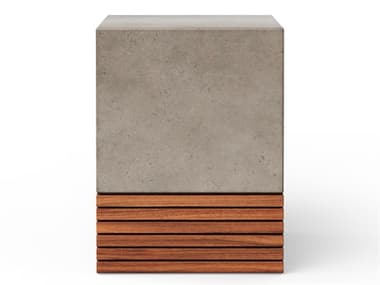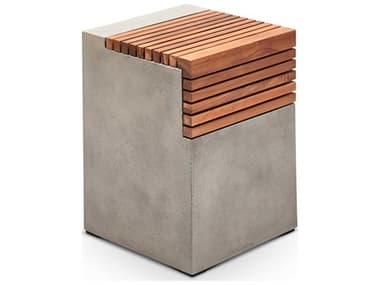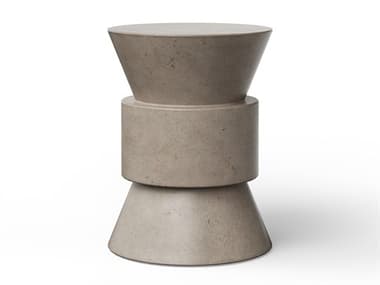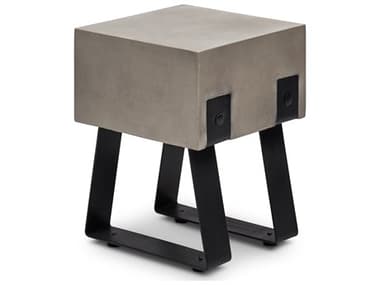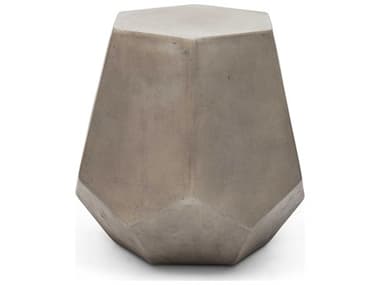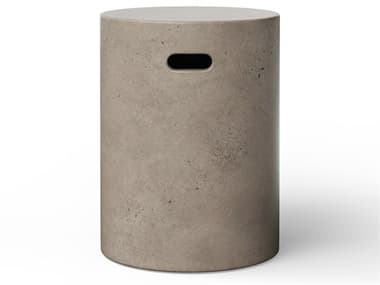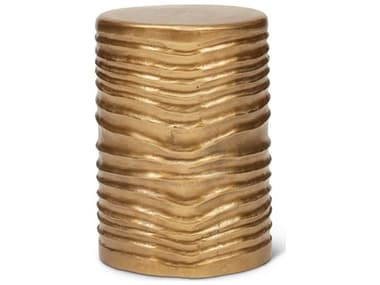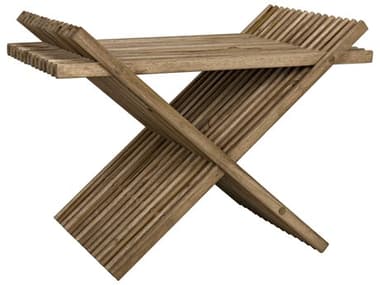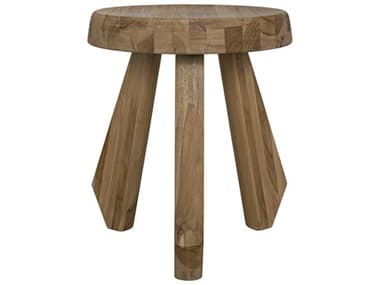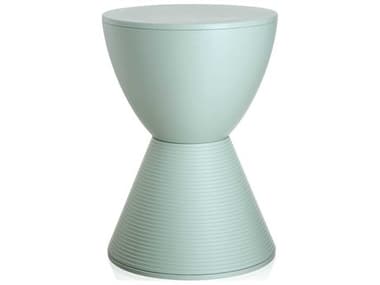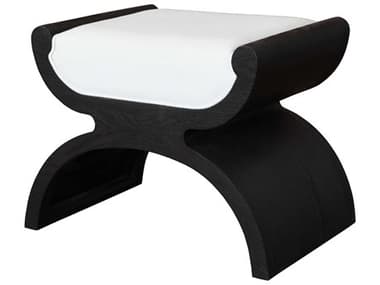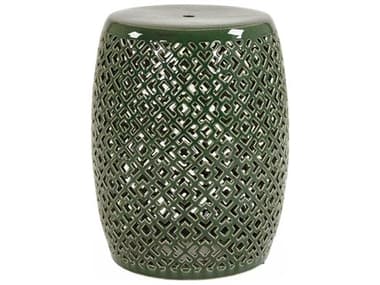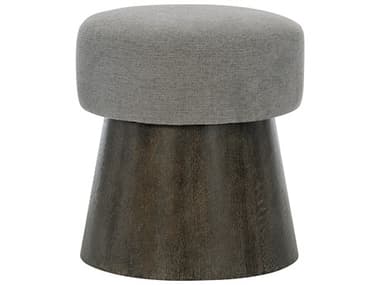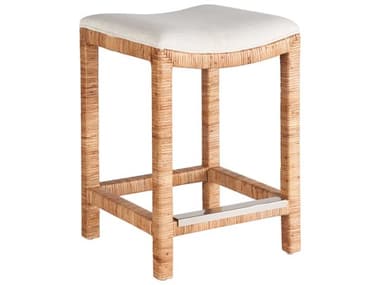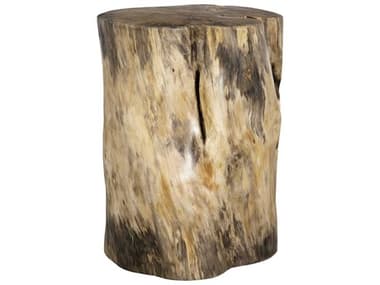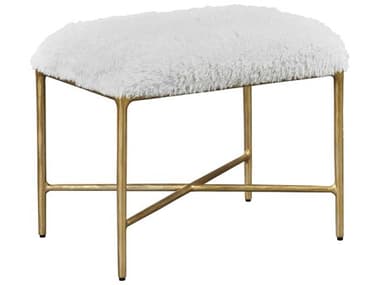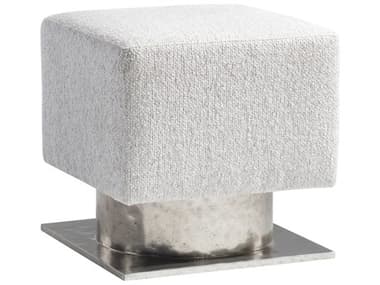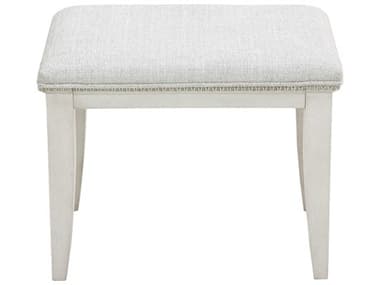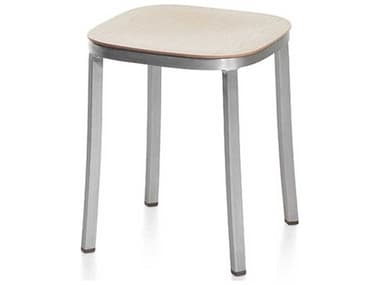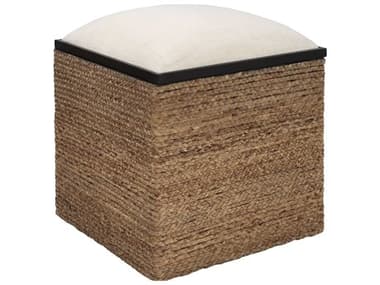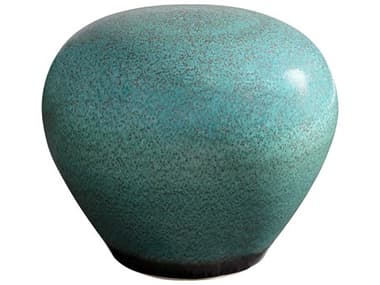
There are many reasons to have an accent stool in your home. Maybe you have a large room with no seating or maybe you just want more places for guests to sit when they visit. Whatever the reason, there are plenty of options for you to choose from.
When you're thinking about where you would like to have your stools, consider how many people will be using them and what the purpose of the accent stool. This will help you determine whether or not the number of stools will be enough for your family or when hosting guests. Some stools seat multiple people at once, while others are intended for just one person to sit on.
The next thing you will want to consider when buying an accent stool is how it fits into the overall décor of your home. If there is already a style that has been established in the room, try and find stools that fit that style. If you are looking to create a new theme in the room, consider stools that make your home stand out and add character.
Last but not least, think about your budget. LuxeDecor has many options for you to choose from when purchasing an accent stool so there is a style and price point that will fit into any budget! If you have a smaller budget, there is still plenty of stylish options to choose from. With a larger budget, you can have fun choosing the most extravagant stools that fit your home best.
Color is an important detail when choosing the right stool for your home. If you already have a color scheme in place, be sure to find an accent stool that matches it. Depending on how many stools and what type of stools are being used, this can make or break the overall look of your room.
Black accent stools create a timeless and dramatic look and match most other colors. If you are looking for something a little bit more vibrant, consider green or yellow accent stools to add some color and cheer to your space. Mint accent stools are very popular lately and also add a splash of nostalgia.
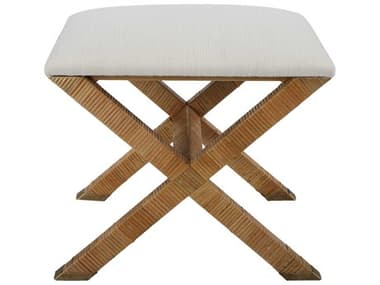
Just like the color of your stool, think about what material it will be made out of as well. Depending on how many people will be using the stools, you want to make sure they are made out of a material that is easy to clean. If it's one stool and is only being used occasionally, consider buying an accent stool with upholstery on the seat. For multiple stools that will be used frequently throughout the week or day, look for something lightweight like plastic so you can easily wipe them down.
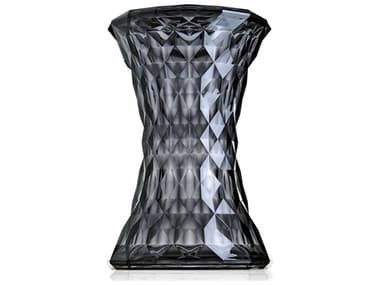
Another popular option for accent stools is to buy them in a way that they can be used as art pieces (or to display an art piece) within the home. Many people use smaller-sized stools with an interesting design or color to create a unique look without taking up too much room on the floor. This makes these stools perfect for hallways or entry spaces where floor space is limited.
If you are looking for something with a little more back support, consider buying an accent stool that has a back. These stools are perfect for living rooms, entertainment spaces, and family rooms where people may be sitting for long periods of time. They are also helpful for older family members or guests. Not only will they have more support, but the pads on these types of chairs add a soft touch to any room.
Adding a footrest to your stool will make it perfect for kicking up your feet and relaxing while reading, watching TV, or even working from home. They are also very helpful for shorter people who may need an extra boost to reach the height of a counter or table. Instead of having dangling feet, your legs are supported, which helps to keep the lower back from straining itself over an extended period of time.
It's important that you choose a stool that is the right height so that it's comfortable and you regularly use it. Measure the height of your counter or table and then add a few inches for comfort. You can also measure from floor to knee so you know what type of stool will be best suited for you.
Typically, people have one accent stool in their home, but having an additional two or more is not uncommon either. The number of stools you need all depends on the space and how often they will be used. If it's just for a small breakfast nook, one stool is usually enough! However, if there are multiple people eating at this table or counter space every day, an additional two to three stools may be necessary so everyone has somewhere to sit during mealtime.
The next question you need to ask yourself is where the stool will go in your home and which materials best suit that space! Do not feel limited by these choices either, because there are so many available options out there that we guarantee you can find a perfect fit for any room.
There are many options for accent chairs in our catalog, so take a look around to find one you love! We're sure you'll be able to add something stylish and functional to your room today with an accent stool from LuxeDecor. And don't forget to check back often for new styles.
Related Categories
Leather Accent Stools | Beige Accent Stools | Bronze Accent Stools | Brown Accent Stools | Casual Accent Stools | Gold Accent Stools | Modern Accent Stools