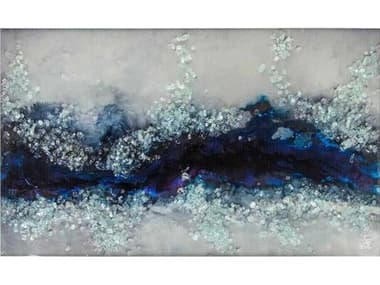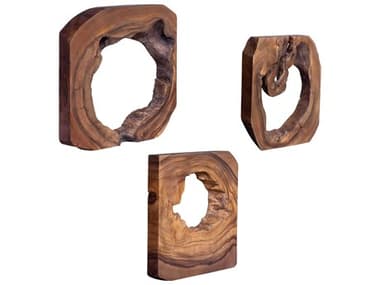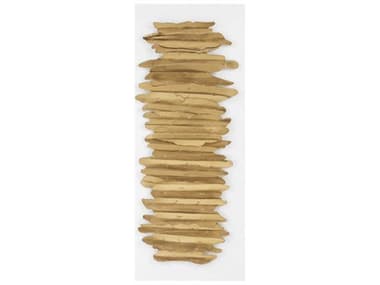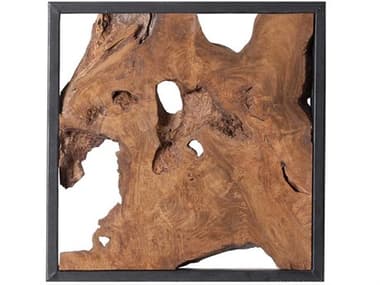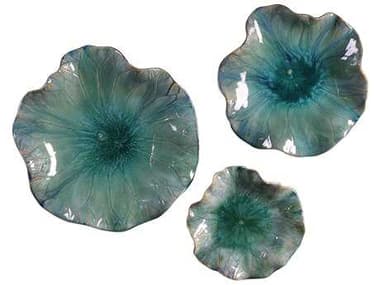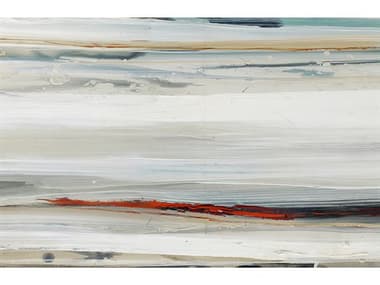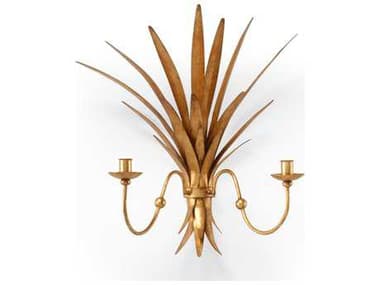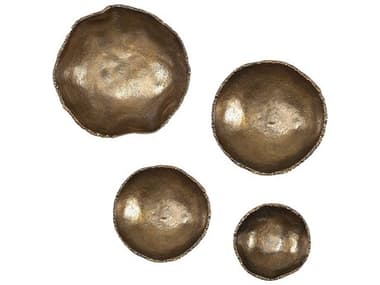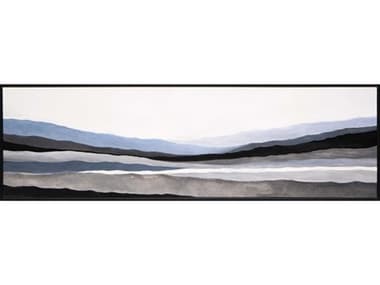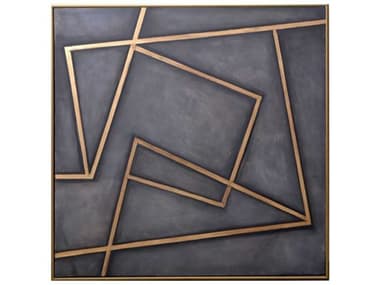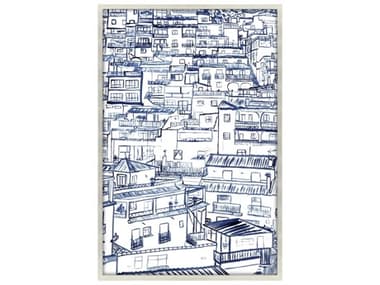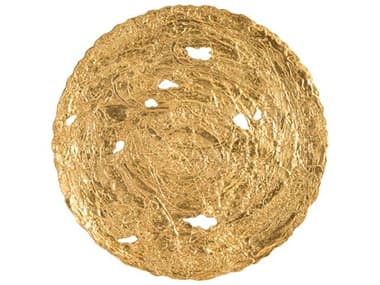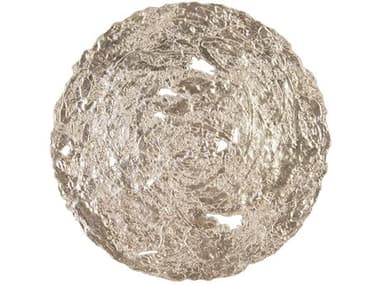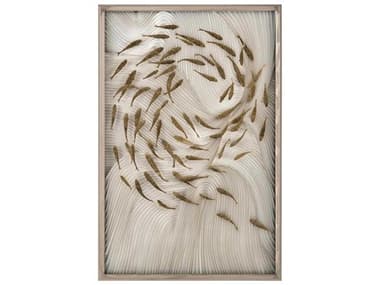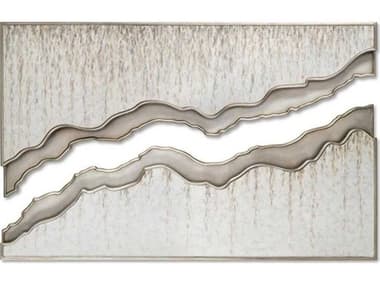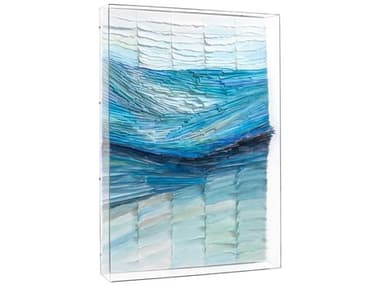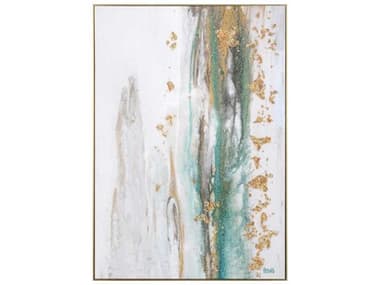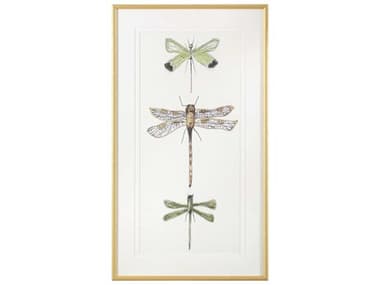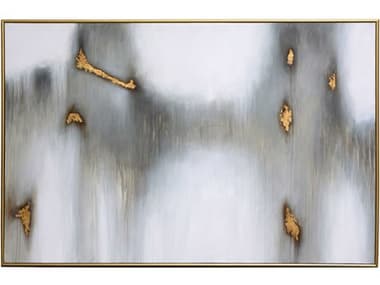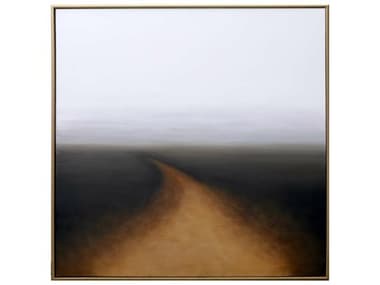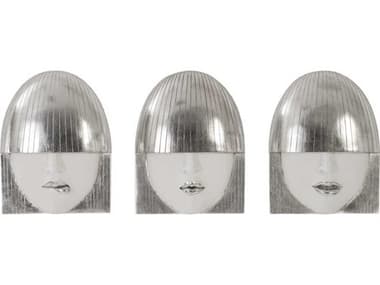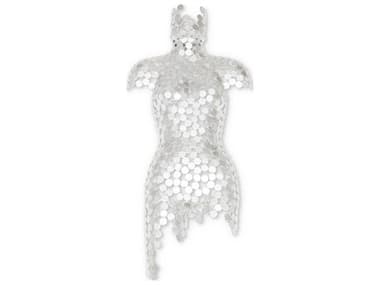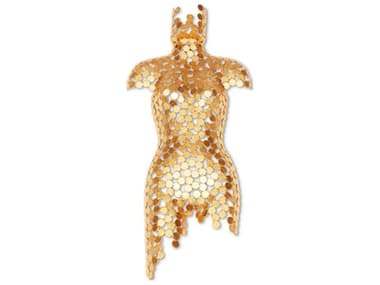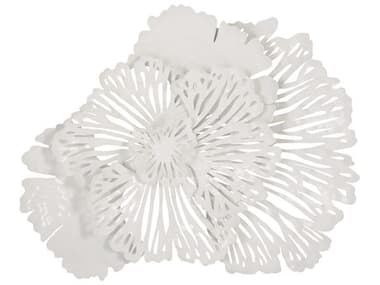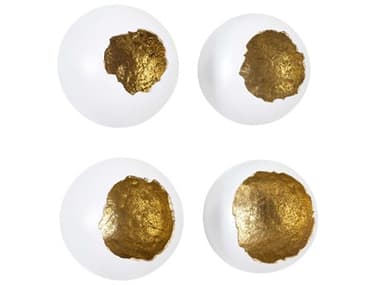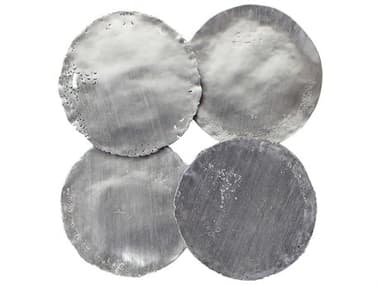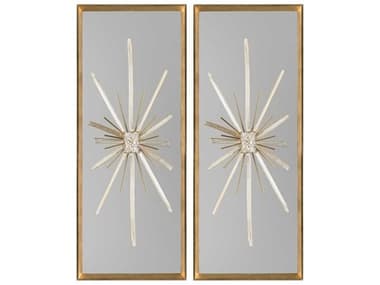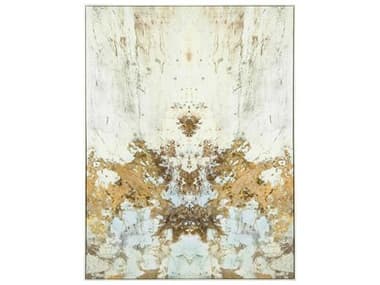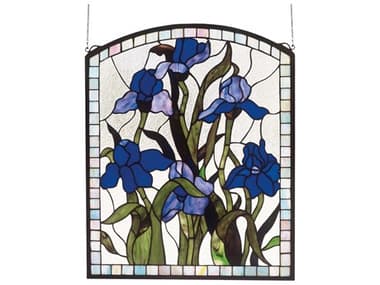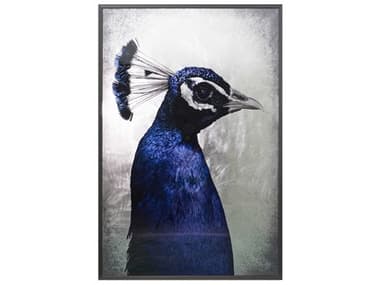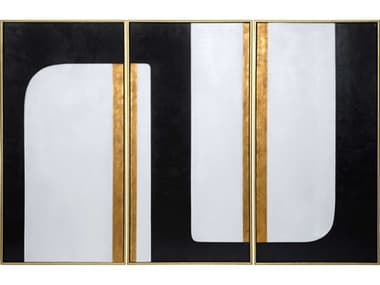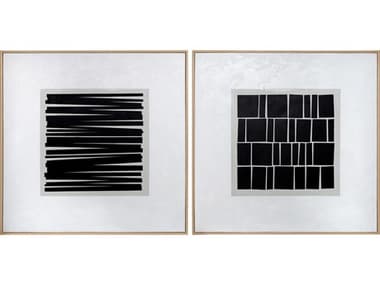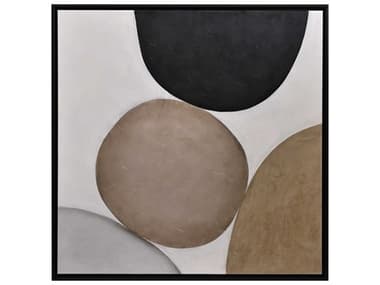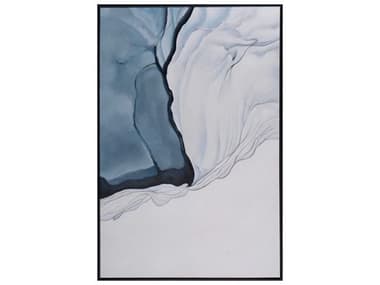
Forged iron, brushed brass, kiln-fired ceramic, hand-stretched canvas — the material behind a piece of wall decor determines its visual weight, longevity, and how light plays across it throughout the day. A hammered copper panel catches warm afternoon sun differently than a smooth glass triptych. Hand-painted oil on linen canvas develops subtle texture that a print simply cannot replicate. Our luxury wall decor collection spans all of these materials and more, sourced from designers who prioritize craft over mass production.
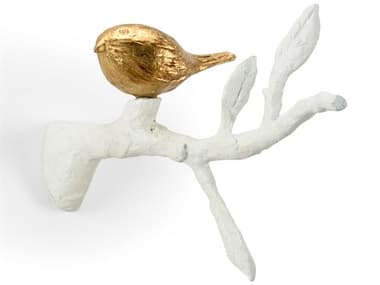
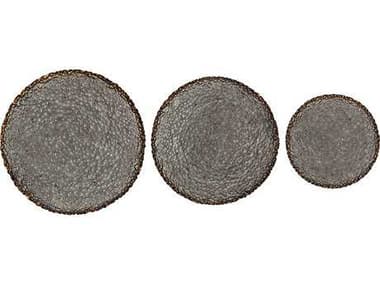
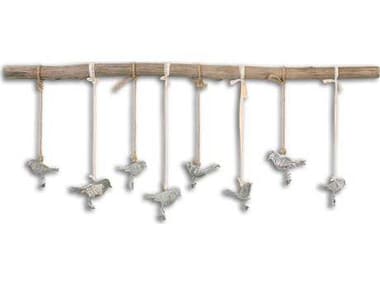
Metal wall art ranges from delicate wrought-iron scrollwork to bold, dimensional sculptural panels. Brass and gold-finished steel bring warmth; iron and blackened steel read more industrial or contemporary. Weight varies significantly — always confirm your wall's anchoring capacity before hanging a large metal composition.
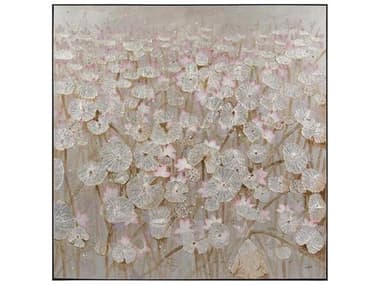
Canvas wall art includes both gallery-wrapped pieces and traditionally framed canvases. Gallery wraps hang clean without visible framing. Framed pieces let you coordinate the frame finish with surrounding furniture hardware or contrast it deliberately for visual tension.
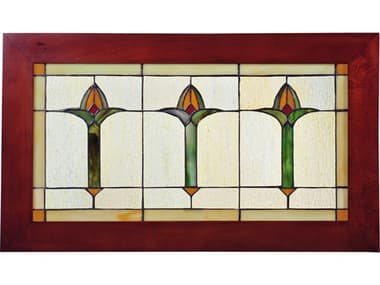
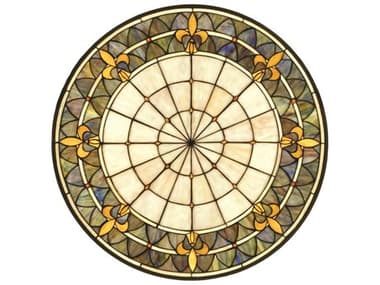
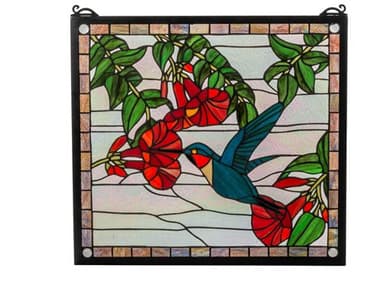
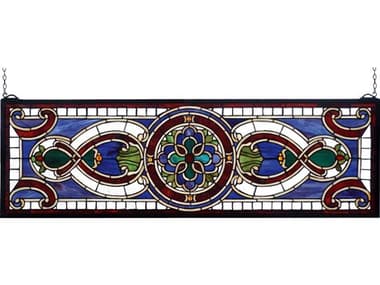
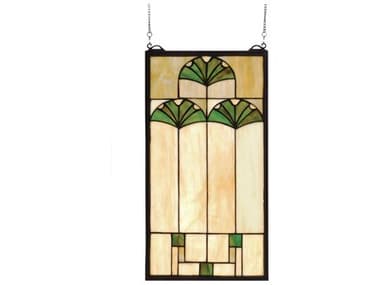
Glass wall art introduces reflective depth and color saturation that opaque materials cannot achieve. Fused glass, blown glass panels, and back-painted glass each create distinct light effects. These pieces work especially well on walls opposite windows, where natural light activates the color from within.
Beyond these three categories, you'll find decorative wall clocks, shadow boxes, photography prints, and mixed-media assemblages throughout the collection.
Scale matters more than most buyers expect. A single piece above a sofa should span roughly two-thirds the sofa's width — anything smaller looks lost. For gallery walls, lay your arrangement on the floor before committing to nail holes. Keep two to three inches between frames for a cohesive grouping, or vary spacing intentionally for an eclectic mix.

Standard gallery hanging height centers artwork at 57 inches from the floor. Above furniture, leave four to eight inches of breathing room between the piece's lower edge and the furniture top.
Most wall decor needs only occasional dusting with a soft, dry cloth. Metal pieces benefit from a microfiber wipe-down to prevent fingerprint buildup on polished surfaces. Canvas and paper-based art should stay out of direct, sustained sunlight to prevent fading — UV-filtering glass or acrylic glazing helps in sun-drenched rooms.
For original paintings or limited-edition works, climate control matters. Rapid humidity swings cause canvas to expand and contract, which can crack paint over time. A stable environment isn't just for galleries — it protects your luxury collection's condition and visual integrity for decades.