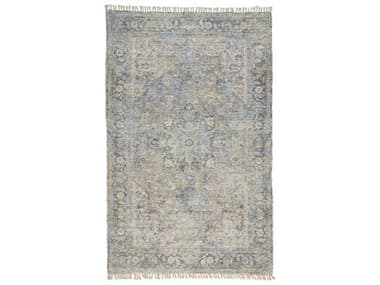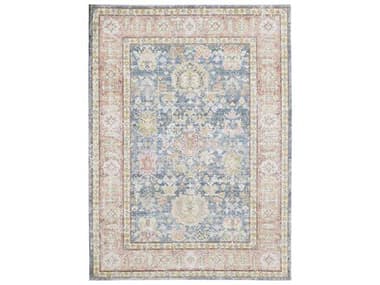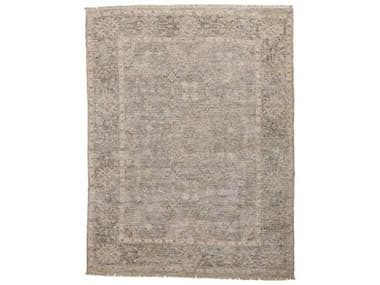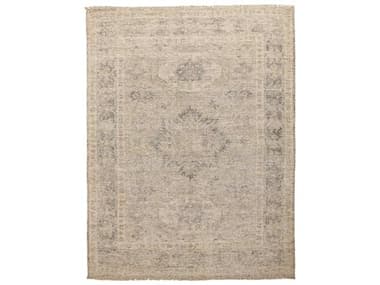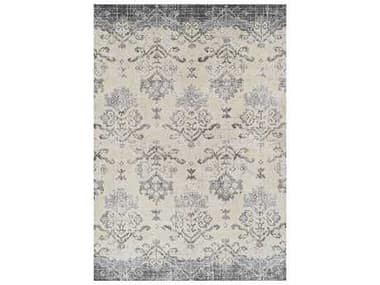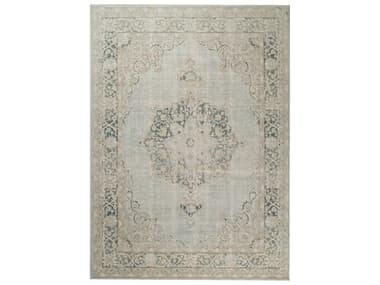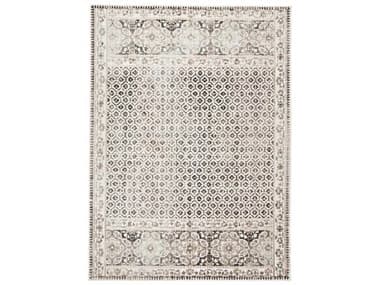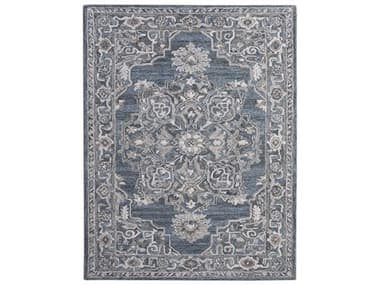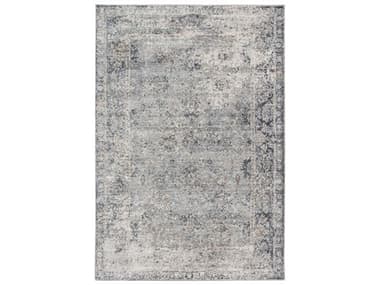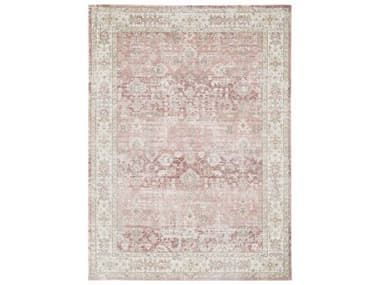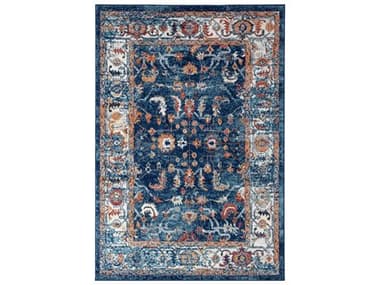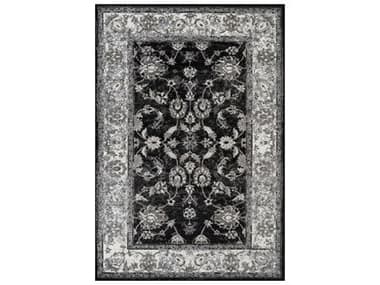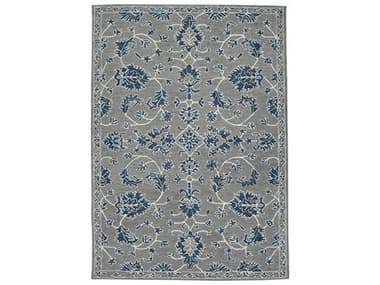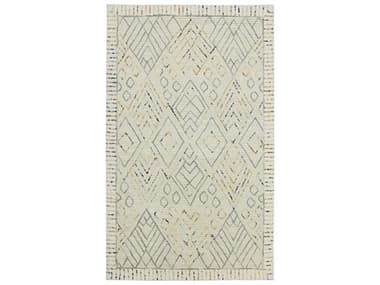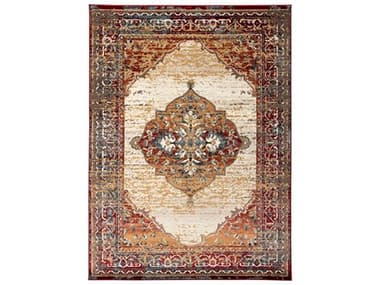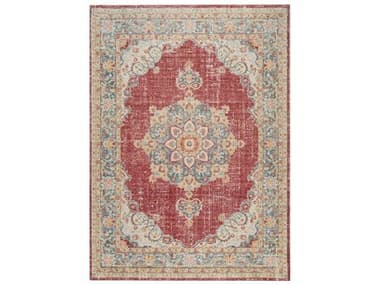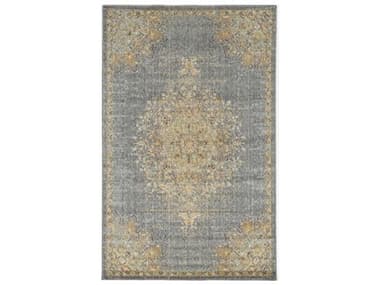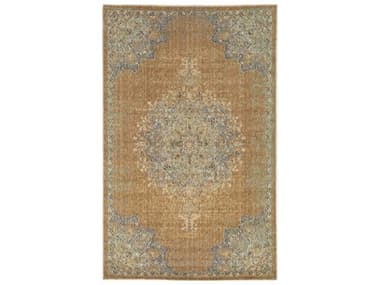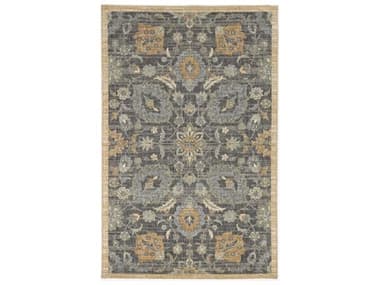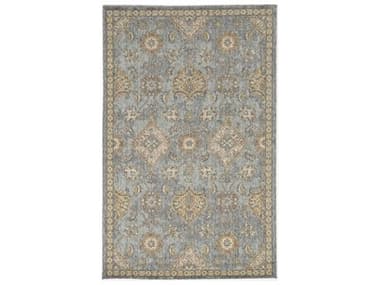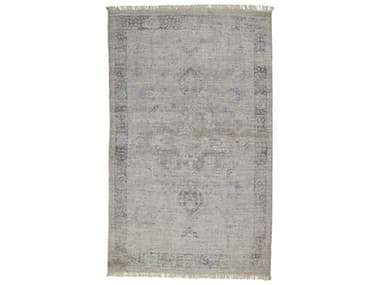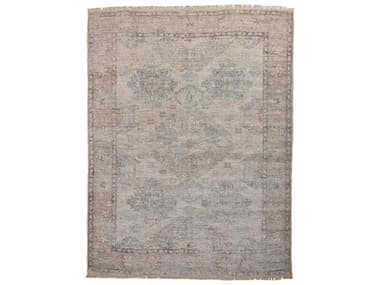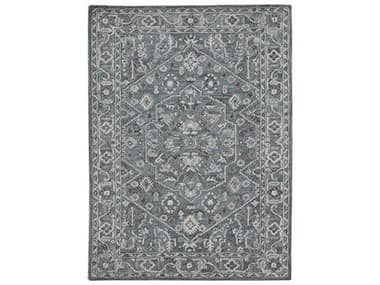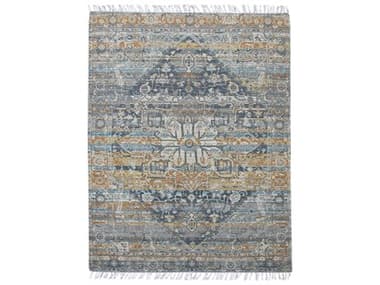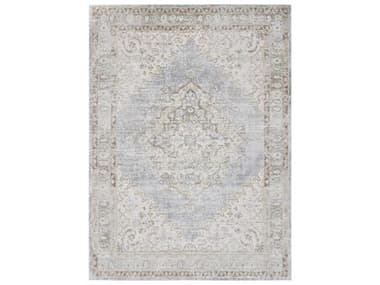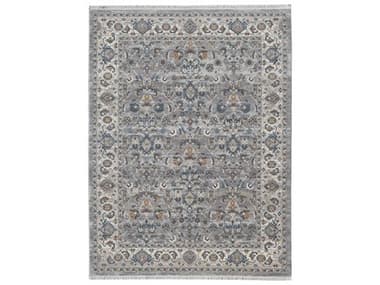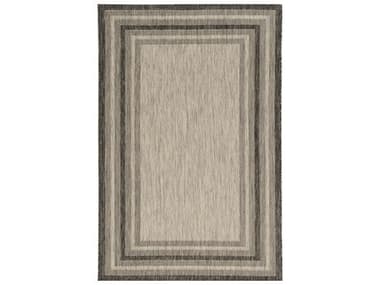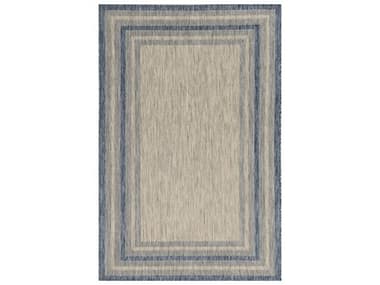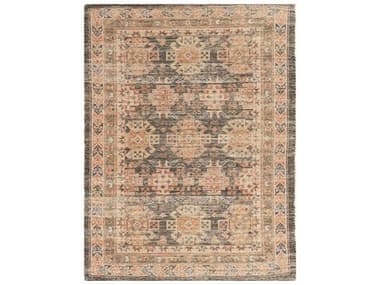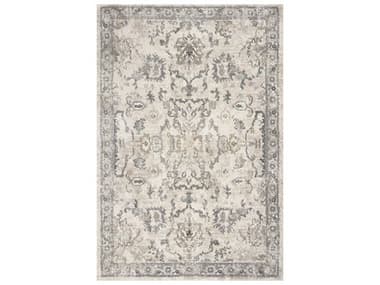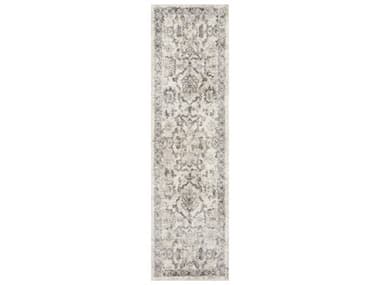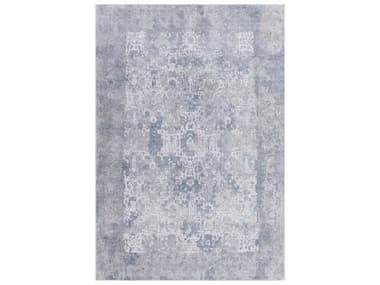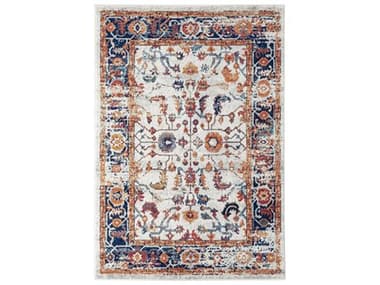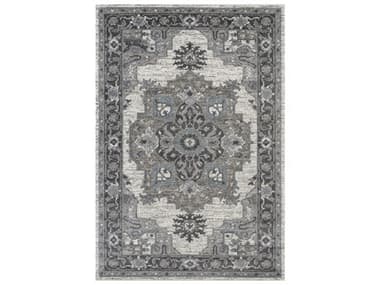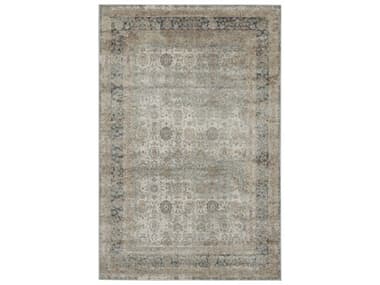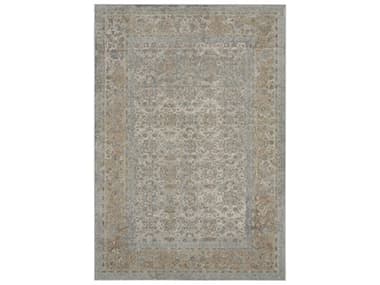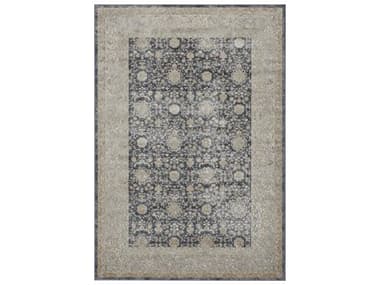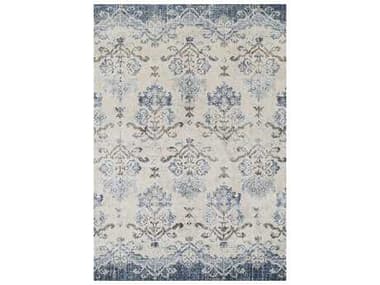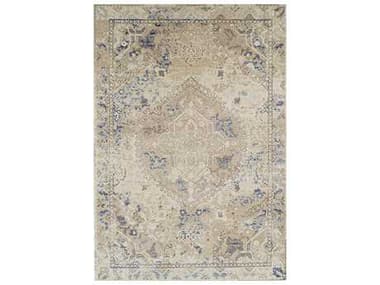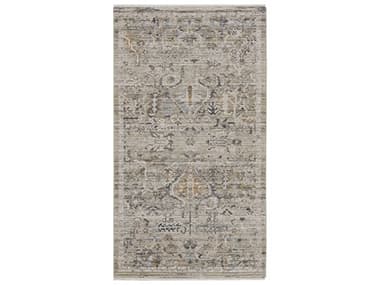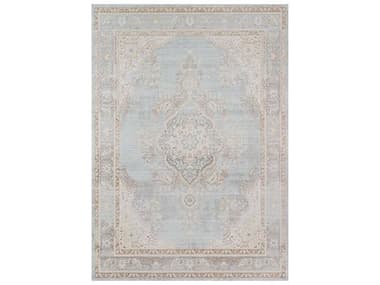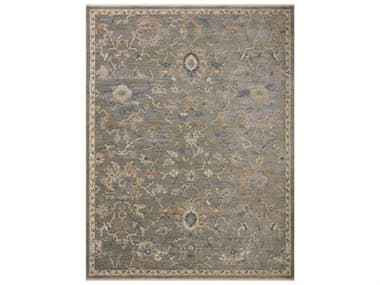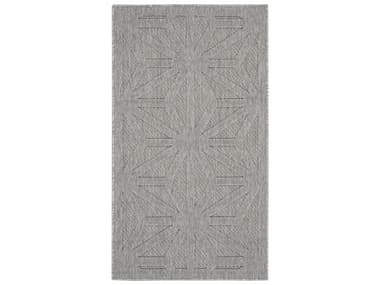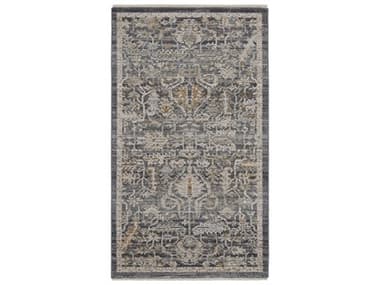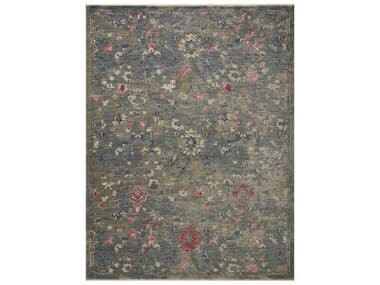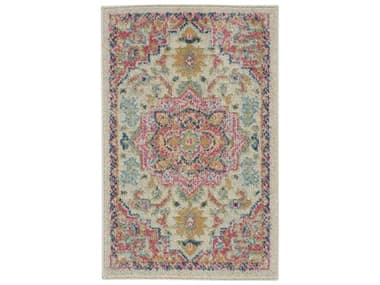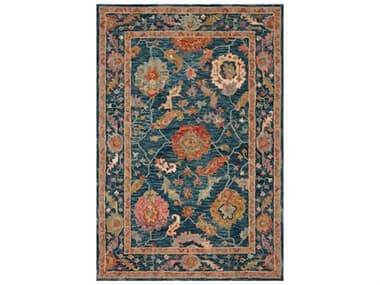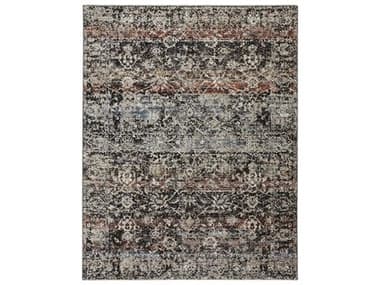


Bordered Rugs define a room by setting the tone for your personal design style. They are available in a multitude of decor styles, so you can choose the perfect rug for your unique vision.
Whether you love clean and contemporary, classic and traditional, or eclectic and funky, you will find a bordered area rug to fit your design style perfectly. A gorgeous area rug with a border will enhance your style, add a softness to your room, and create the coziest of living spaces.
Before you buy a rug with a border, consider your room and the design goal you want to achieve. Do you want a clean, contemporary look, then solid bordered area rugs with an edging or a single design line in a monochromatic color will work best.
If your style is more traditional, we have a wide selection of floral motif rugs in a broad range of colors and patterns that will set off your classic design style. If your home has a more eclectic style, you will find a huge selection of options to bring your desired look to fruition.
Size, of course, is an important detail with any rug purchase. It is particularly important with a bordered area rug. With the placement of your furniture in mind, you should select a rug size that will showcase the beautiful border detail.
One option to consider is our custom border area rugs, we can create the perfect size, color, and pattern using the best material to suit your needs. A custom designed rug can be the best solution to bringing your finished room's vision to life.
Bordered rugs are available in many options with a selection of shapes and sizes to perfectly fit your space. You can find a ready-made rug with a border to give your room a custom look. Alternatively, you can select the custom designed option for a hard to fit space.
With so many options readily available along with the unlimited custom border area rugs you can design yourself, enhancing your room's style is simple and rewarding.
Bordered carpet rugs work in every design style. They add a custom look to your room by anchoring the furniture area with a beautifully framed anchor piece. Choose a solid bordered area rug for a clean, unobtrusive design, or a riot of pattern and color for your bordered area rug that will reinforce your more traditional style. Eclectic designs also benefit from an area rug, it will ground your room with a soft and cozy, space defining frame.
Budget is the driving factor in many furnishing decisions. When selecting a rug or carpet for your home, it is important to consider the budget and the life expectancy of your purchase. When you choose a quality rug, you will be confident that you will enjoy many years of beautiful room decor.
How much traffic your rug needs to stand up to is an important consideration when choosing a rug. A tough fiber content will improve the longevity of your rug. You have lots of options when selecting fiber content. Cotton, synthetic, and other material options allow you to select a rug that is perfect for your desired location. For instance, selecting border rugs wool fiber based will speak to a traditional and classic design, where border rugs made from sisal offer a more relaxed, casual feel.
A rug should enhance the color palate of your room's design. Sometimes, the rug is the inspiration for the color story, other times the rug becomes a background note in a supporting role. For instance, a grey border rug is a beautiful foil for a monochromatic, modern grey and white minimalist design scheme. Other times, a lively, bordered area rug in a bright and vibrant hew can set the tone for a fun, energetic design style.
One fun option to consider is to purchase two rugs. A deep, rich cozy carpet for the winter and fall seasons and a light, bright cheery carpet for the spring and summer seasons. Changing out your carpet seasonally will give your room a fresh look and will add to the longevity of your carpets wear and tear.
Bordered Rugs are available in a multitude of design styles. Whether you select a ready-to-order design or a custom made-for-you bordered area run, you will be delighted in the way a beautiful rug completes your room. Once you experience your room with an area rug, you will wonder why it took so long to bring the warmth and style a rug imparts to your daily life.
Our dedicated customer service staff is ready to assist you with the design and purchase of your new bordered area rug. Contact us for help selecting the perfect rug for your room.
Related Categories
Braided Rugs | Oriental Rugs | Moroccan Area Rugs | Animal Print Rugs | Southwestern Area Rugs | Floral Rugs | Chevron Area Rugs