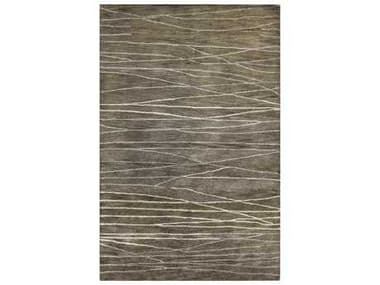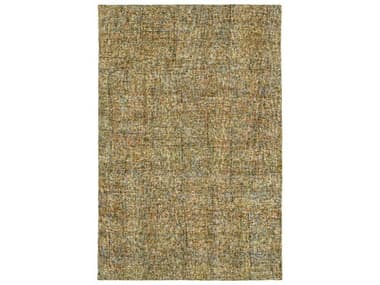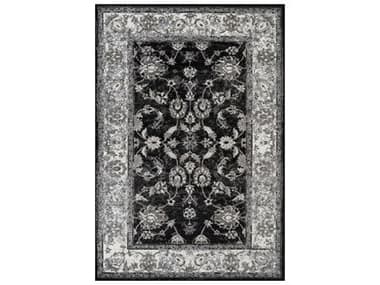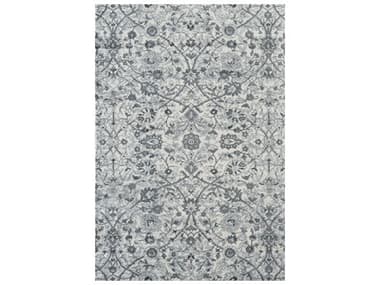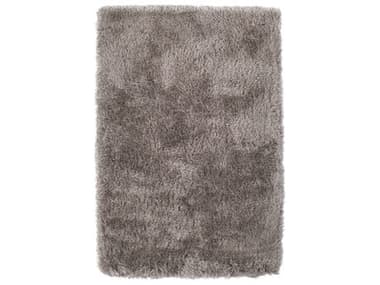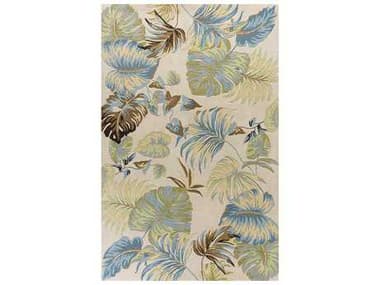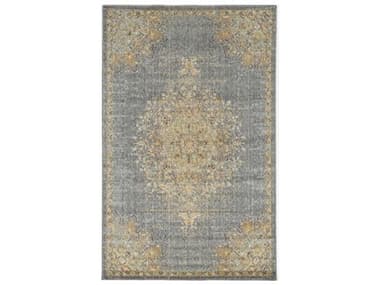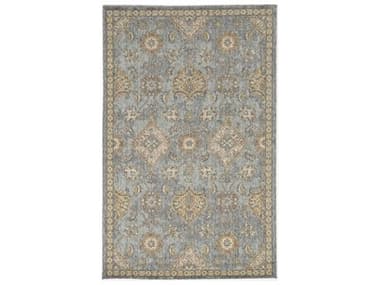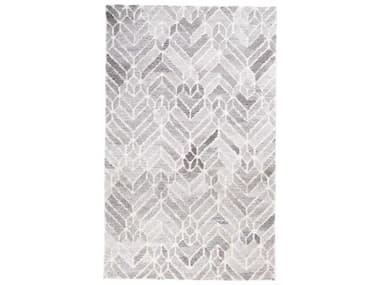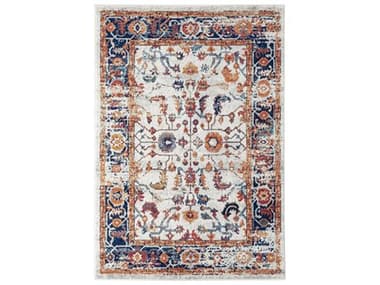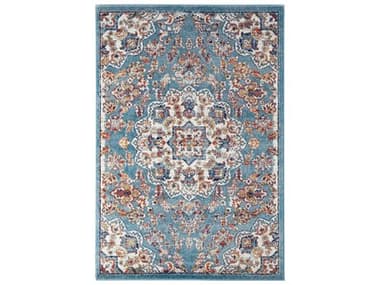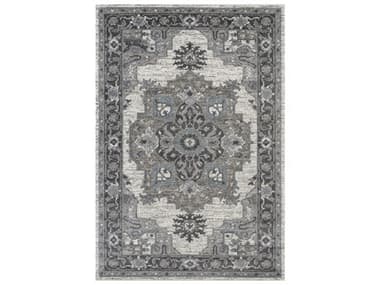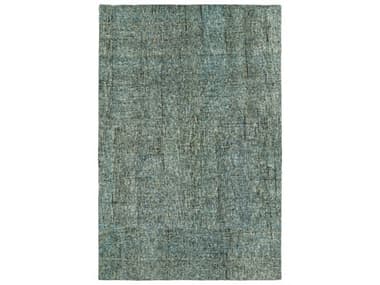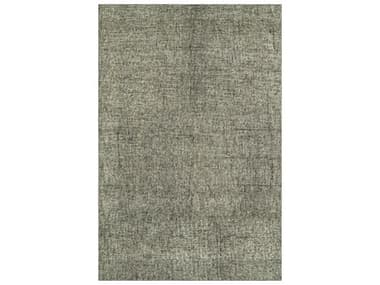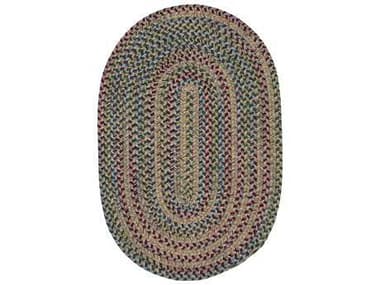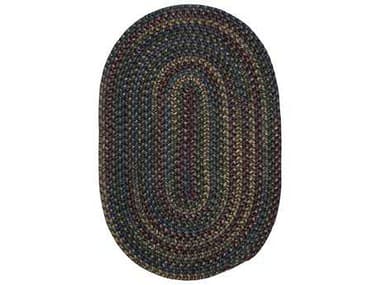


Rugs are an essential accessory seen in nearly every home. They serve the function of adding warmth, soundproofing, and character to rooms.
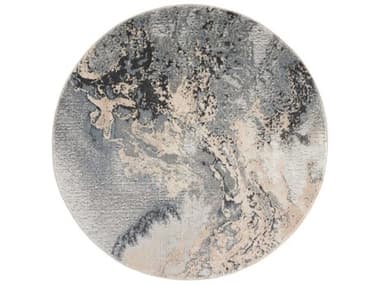
The great thing about rugs is they come in nearly every shape and size you could need for your space, including square and rectangle. Some homeowners, however, love the effect that round rugs can give a space.
That’s because round rugs can help to soften the roughness of harsh or square furniture and angles in a home. Using these rugs under a couch or a sitting area is also a great way to highlight a certain feature in a room.
If you think a round rug could meet the needs of your home, you will have a lot of options to choose from before you select the perfect one. Here’s what you need to know to find the best options to fit your style and needs.
Do you want an 8 foot round rug, round woven rug, or boho round rug? The options can seem endless, even when you’ve narrowed down the shape of the rug that most interests you. Before you get ready to browse, here is what you will need to consider when purchasing a round rug:
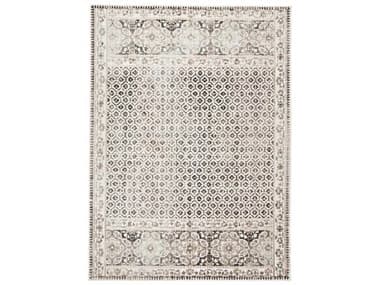
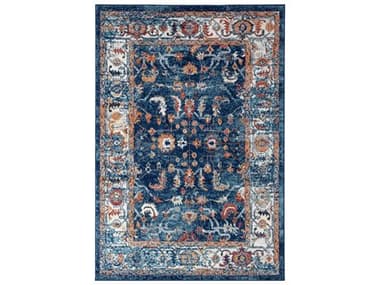
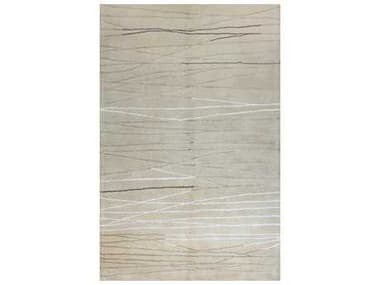
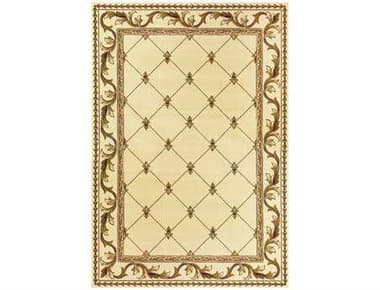
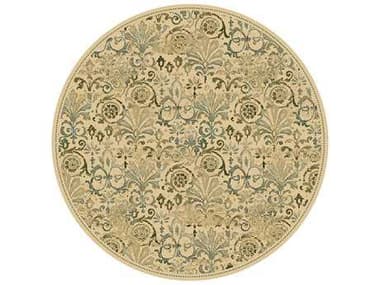
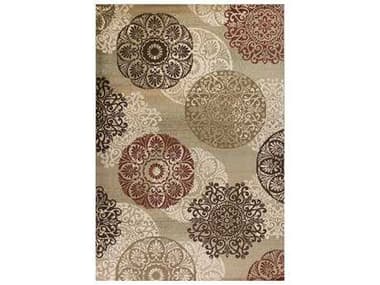
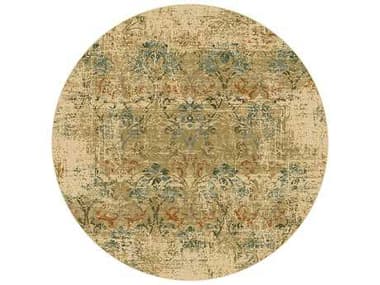
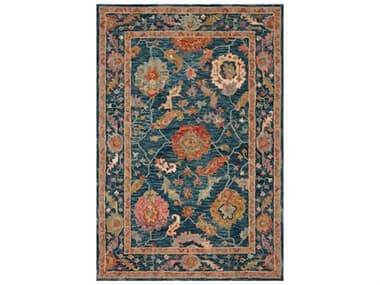
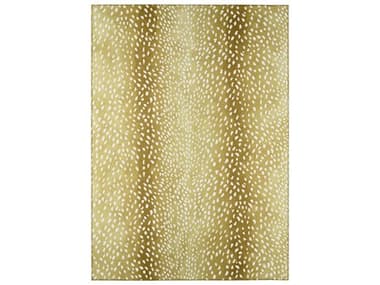
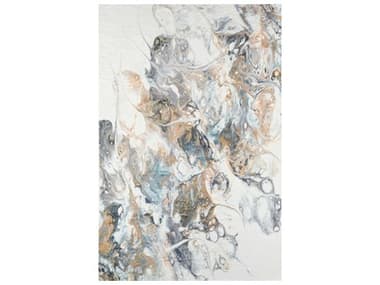
When you are looking at round rugs, you need to consider your style. Is a round boho rug up your alley or is your style more contemporary, Mid-Century modern, or traditional? There are round rugs in every style of design and every pattern that will meet the look and feel that you are creating in your home.
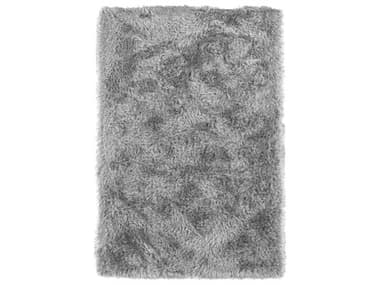
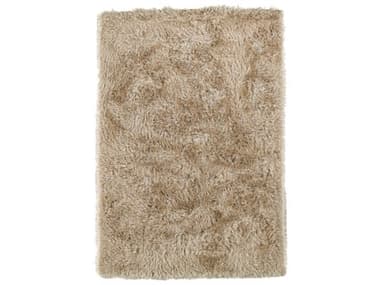
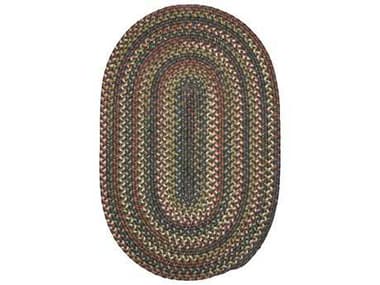
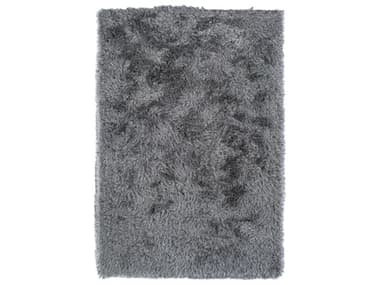
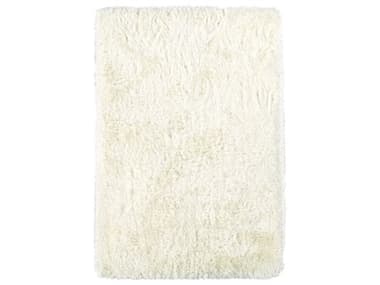
Like all rugs, round carpet comes in a range of materials. Depending on your style and placement, you may want to be on the lookout for a round jute rug, a round shag rug, round braided rugs, or a round fluffy rug. You can only answer the material question once you have decided where in your home you want to place a round rug.
If you are looking for a rug that will help to keep your space warm during the frigid winter months, you should be on the lookout for a round wool rug. And if you are looking at round kitchen rugs, which can be subject to a lot of traffic, you should consider purchasing a round woven rug, which can hold up to wear and tear more easily than other materials.
Where you plan to place your outdoor rug will determine what kind of material you will use. For example, is the rug going on a patio or outdoor living space? If so, you will probably need a round outdoor rug. If the rug going in a bathroom, you should look especially for round bathroom rugs. And if you are in search of round kitchen rugs, you should look for the option that will be easy to clean or that will at least hide spills and stains.
In addition, placement will also help you determine what size rug you will need. Do you need a large round rug or a small round rug? Do you want something that will help to highlight the entire room or are you looking to focus on a specific area? Once you know the answer to this question, you can determine if you need an 8 foot round rug or a 6 foot round rug, or do you need to consider smaller or larger options.
Last, but certainly not least, you will also need to factor in the color of the rug that you are considering. This will contribute to the overall style of the room or area you want to focus on. No matter the color, you will be able to find a rug that will fit — even if you want something multicolored.
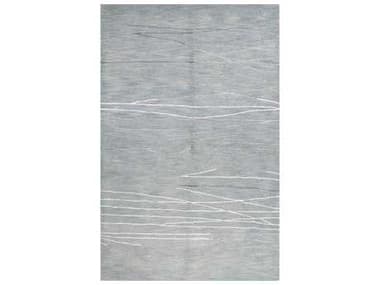
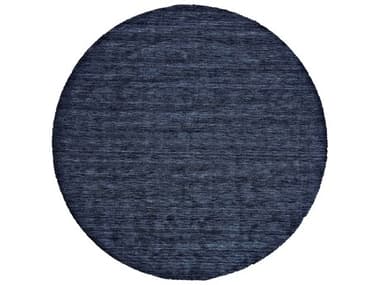
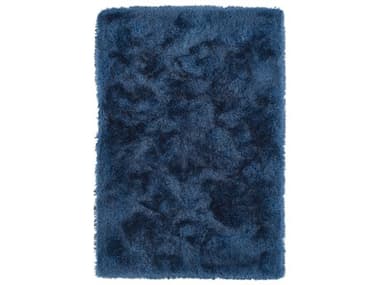
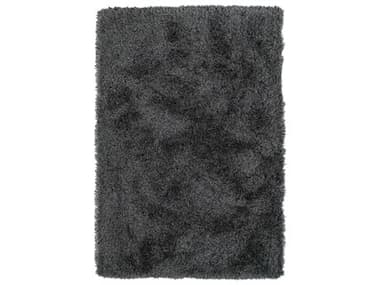
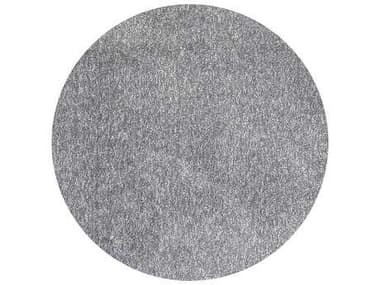
For example, a round pink rug or a white round rug may be light and airy for space and play well off of any natural light that is already streaming in. If you are looking for bedroom rugs, this might be a great chance for you to add dramatic pops of color with a round blue rug. And if you want to make an area sophisticated or moody, try adding a black round rug or a round grey rug.
For many homeowners, one of the biggest questions they have when purchasing a rug of any shape, but especially a round rug, is what size they should get. The calculation is quite simple to determine.
A lot of this will come down to how you plan to place it. Do you want to focus on a specific area in a larger space? If so, the size of your rug might be smaller. If you want a rug that will fit an entire room, you’ll need to think bigger.
When you are thinking about purchasing a round rug, you need to think about size in terms of diameter. That is how round rugs are sold.
To get the diameter of the rug size that you need, start by running a piece of tape from the center of the space or area you want to cover to the outside edge. Measure that piece of tape. This will give you the radius of the circle. To get the diameter simply double the diameter. When you are looking for round rugs or round bath rugs, that is the size of the rug you need to be considering.
Whether you are looking for a round bath mat or large round rugs, there is an endless number of options available that are sure to fit your style and your space. The ultimate price of your rug will always depend on all of these factors, including size and material. But, because of the endless number of options, you are sure to find one that will fit all of these needs and come within your budget.
To learn more about different rug shapes, read LuxeDecor's Rug Buying Guide.
Related Categories
Braided Round Area Rugs | Hand Made Round Area Rugs | Machine Made Round Area Rugs | Modern Round Area Rugs