Loading products
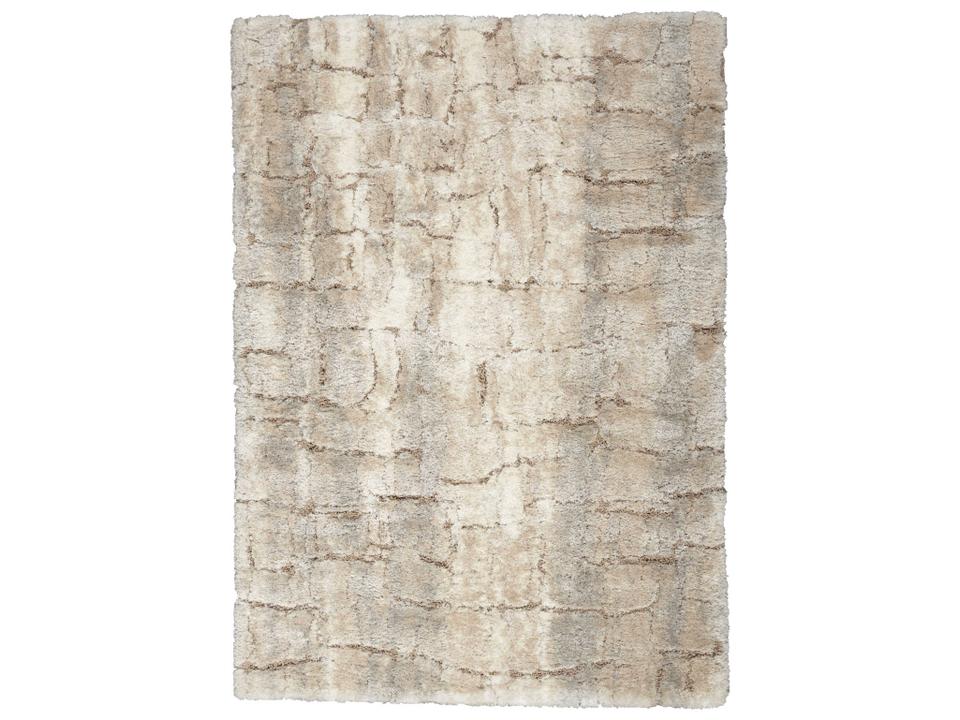
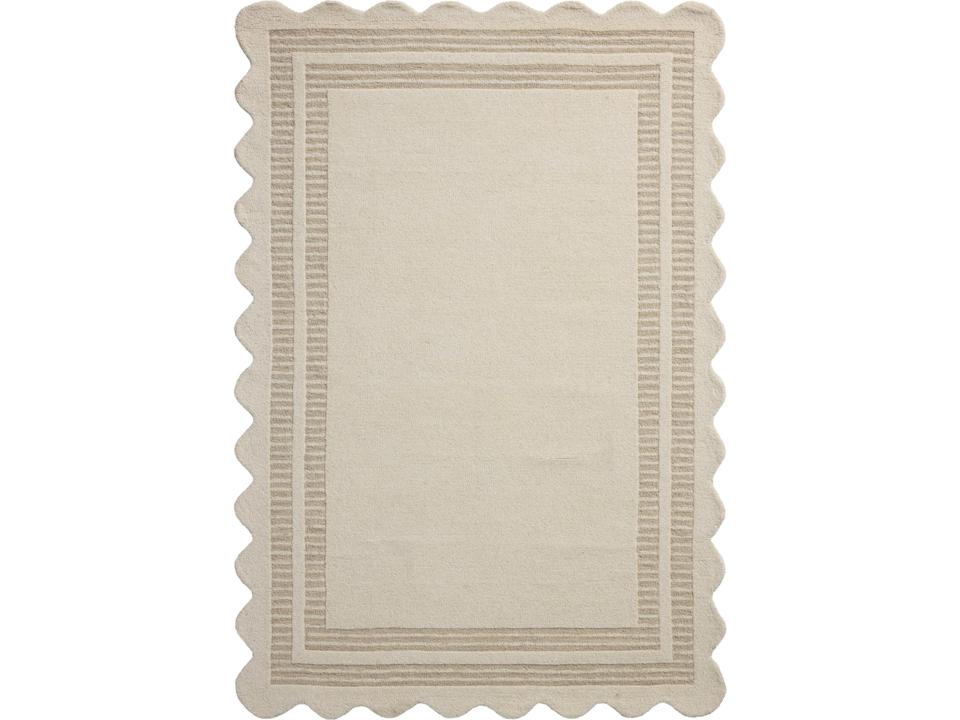
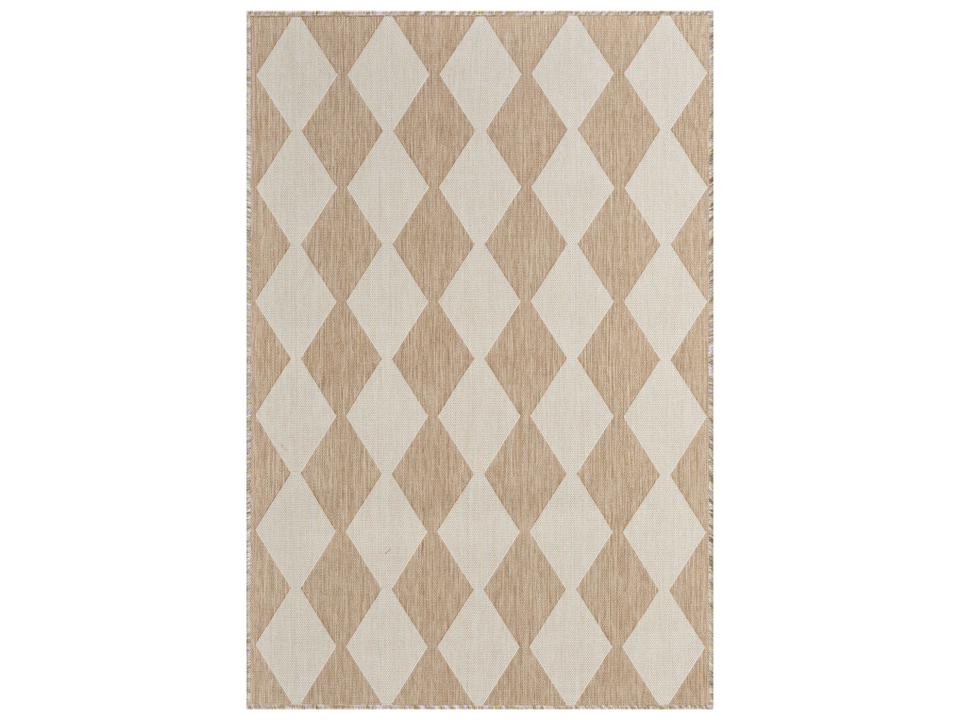
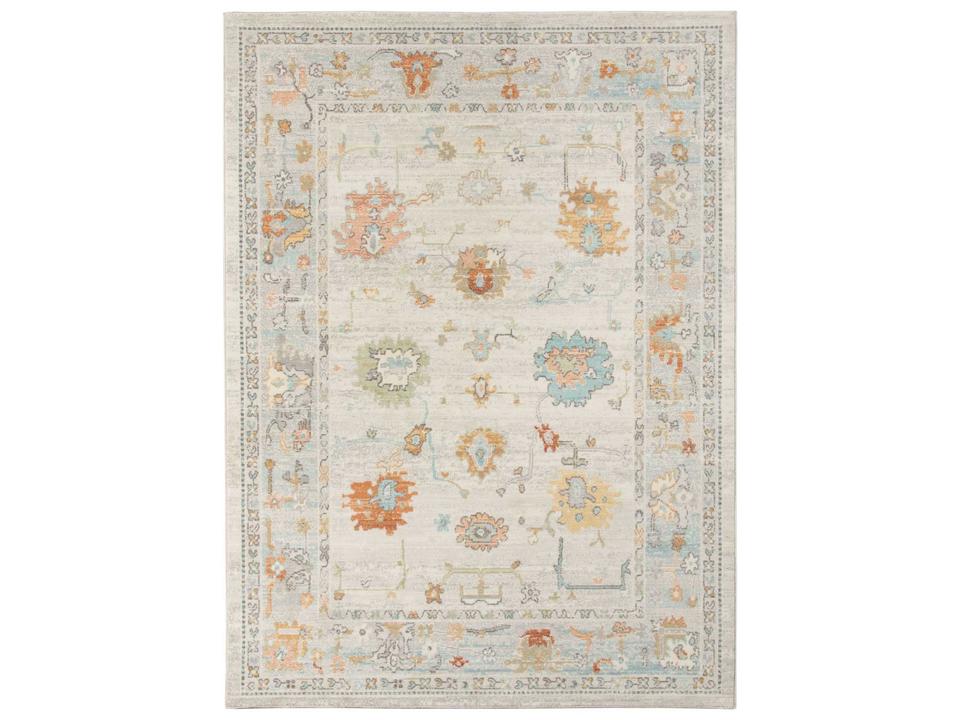
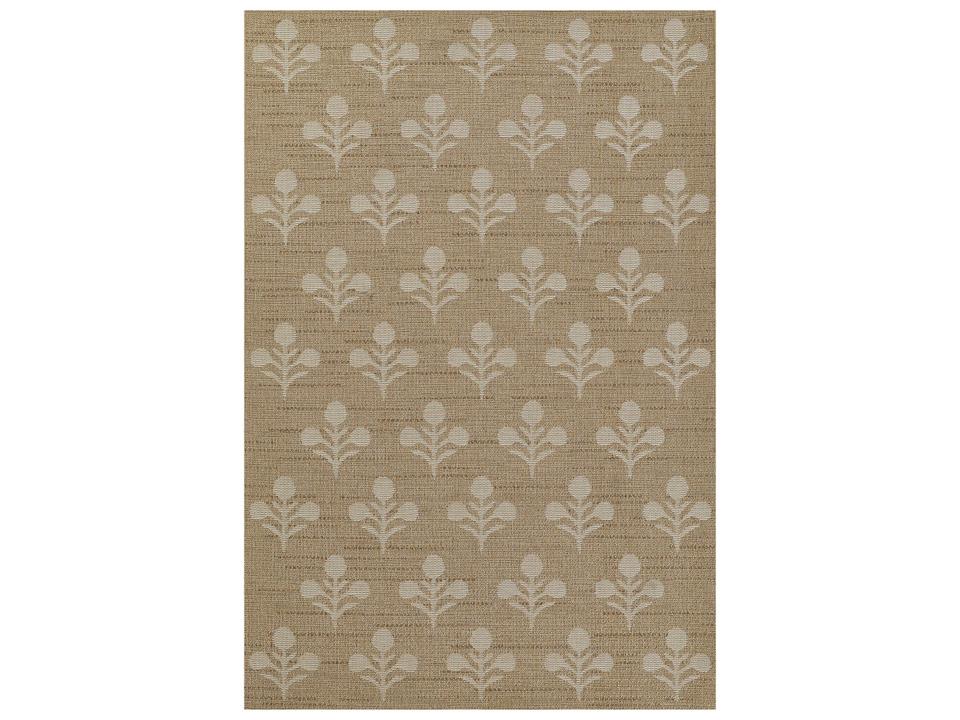
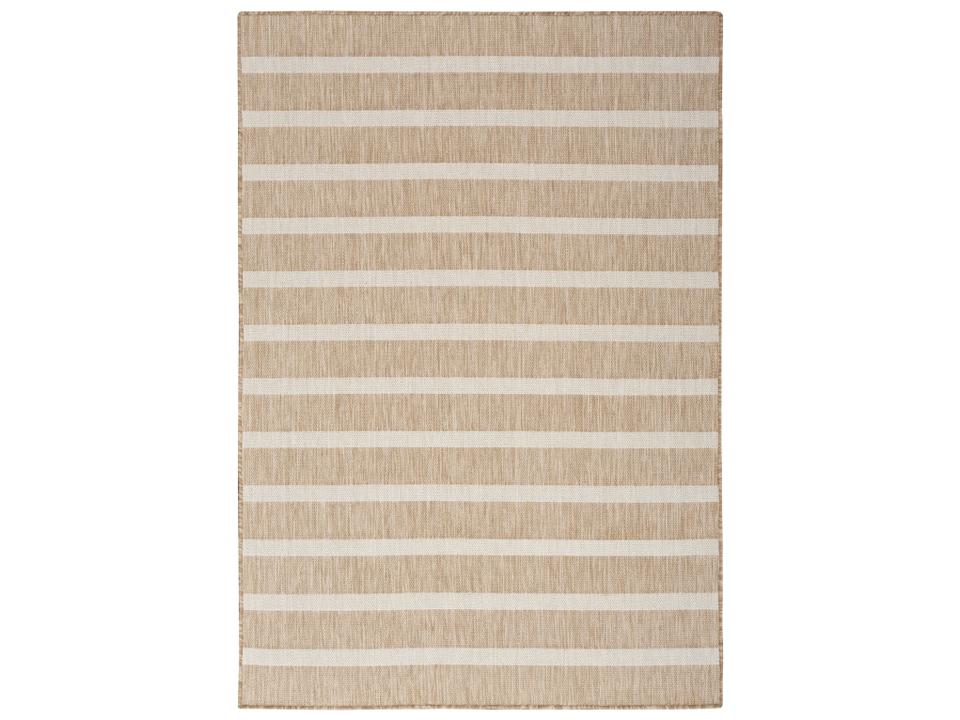
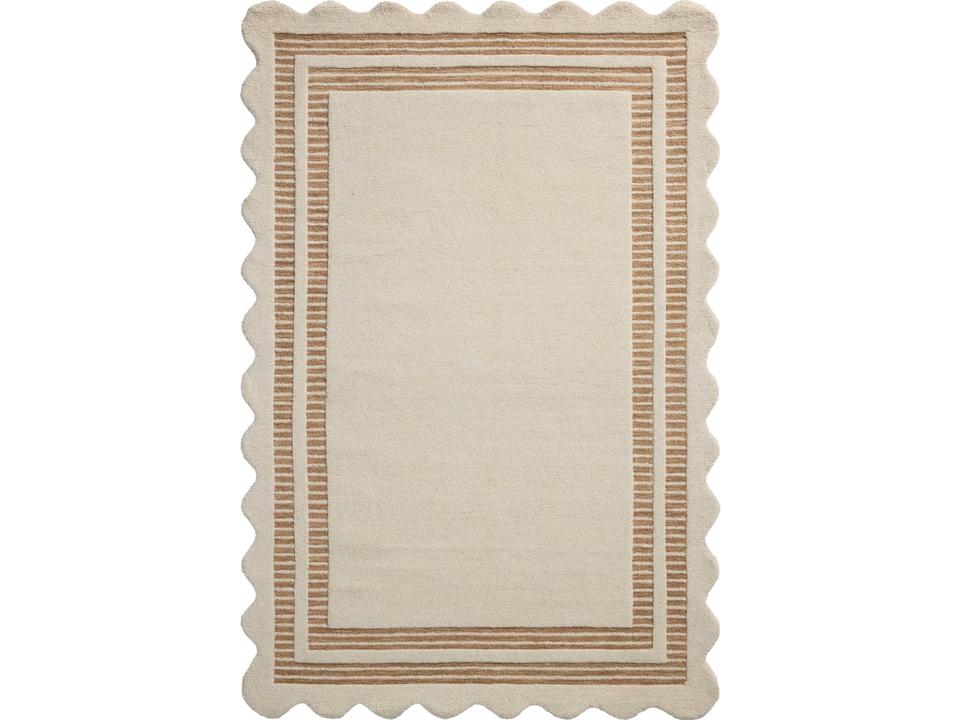
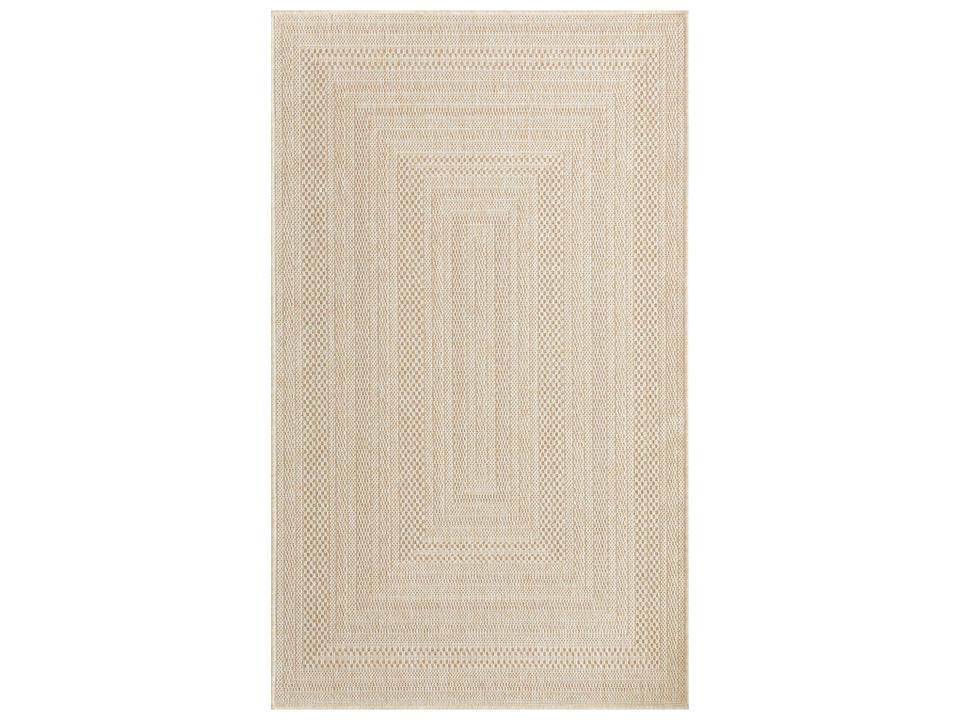
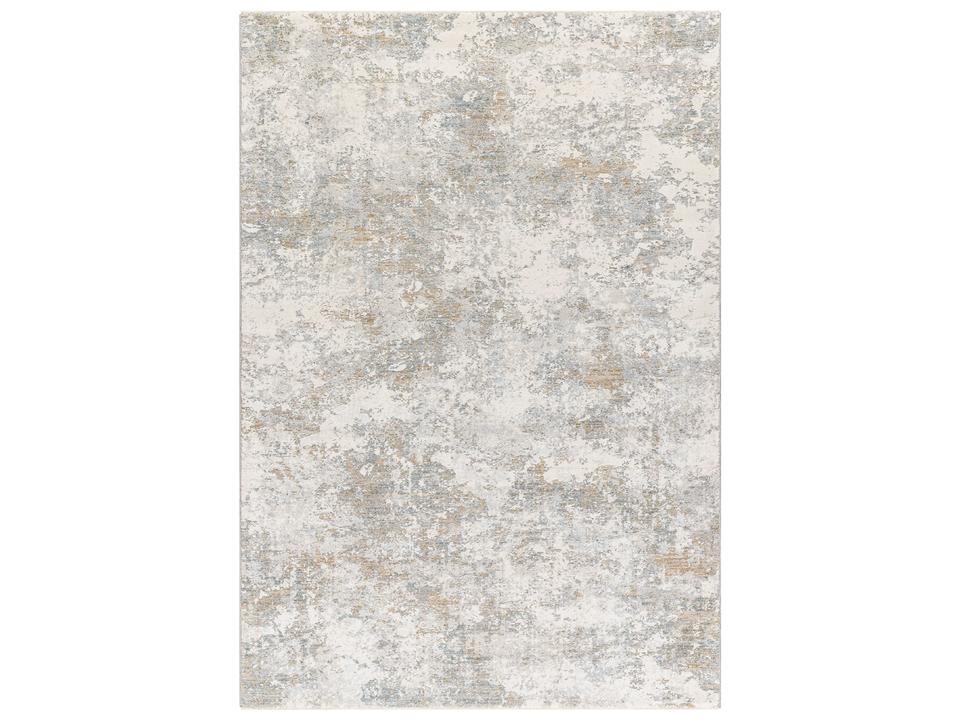
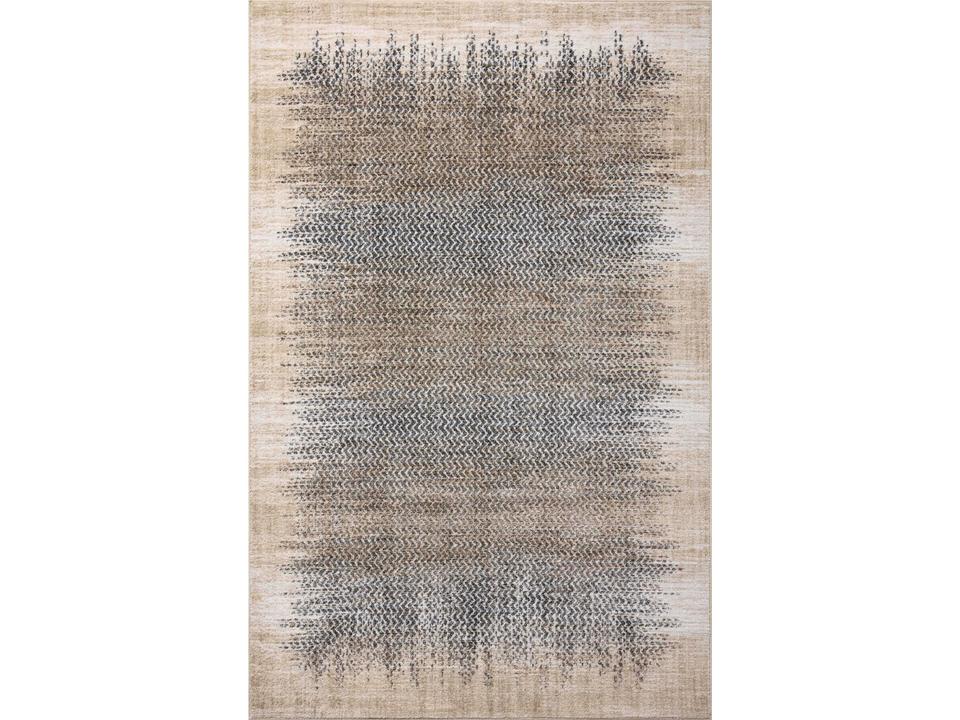
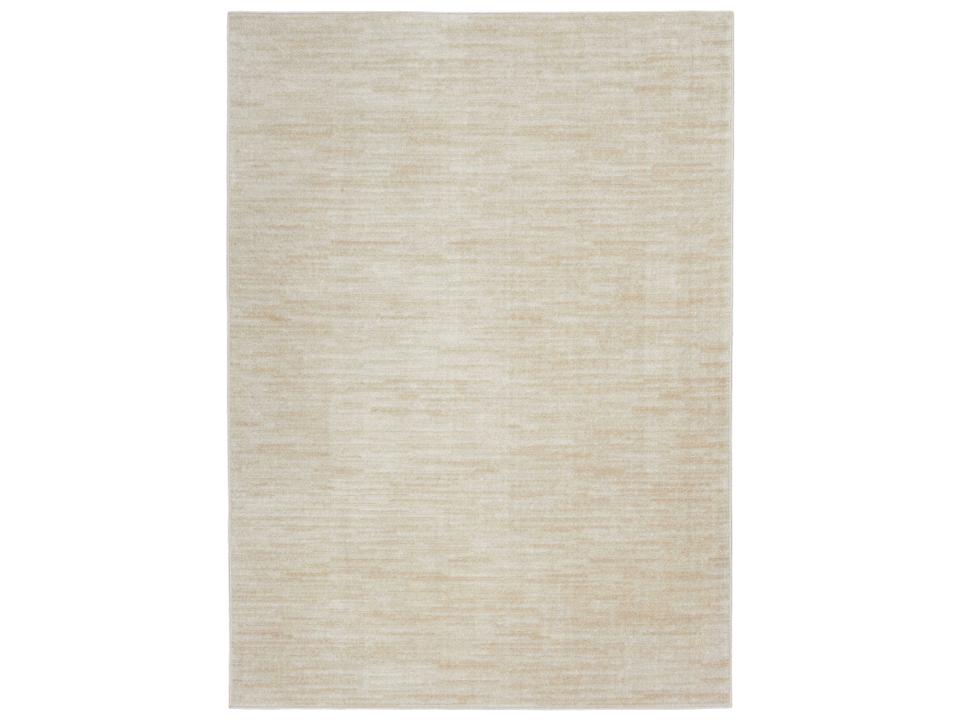
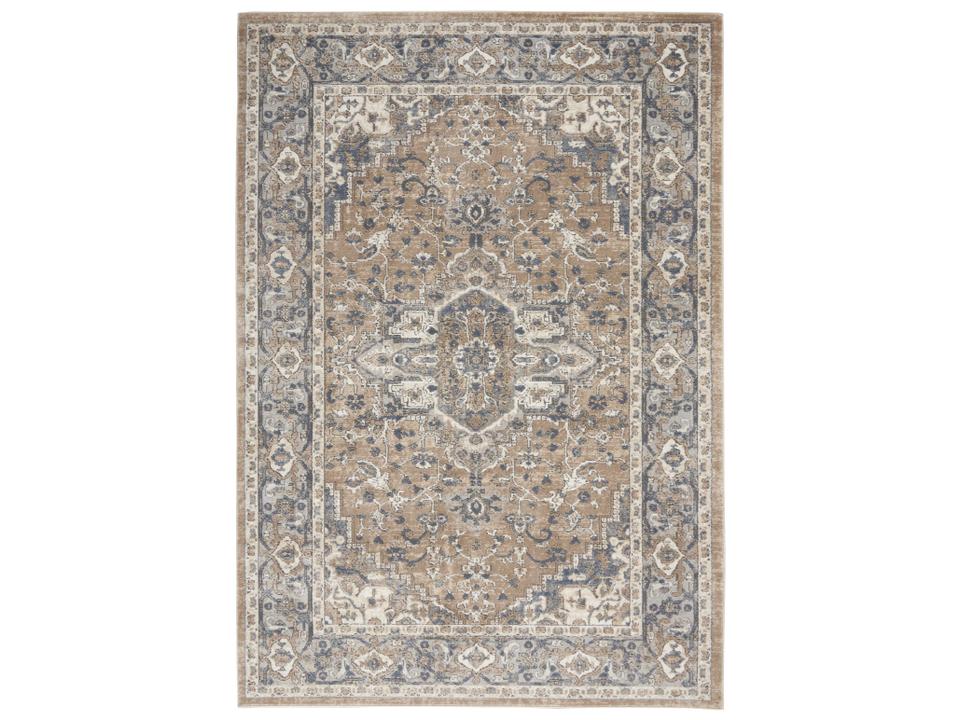
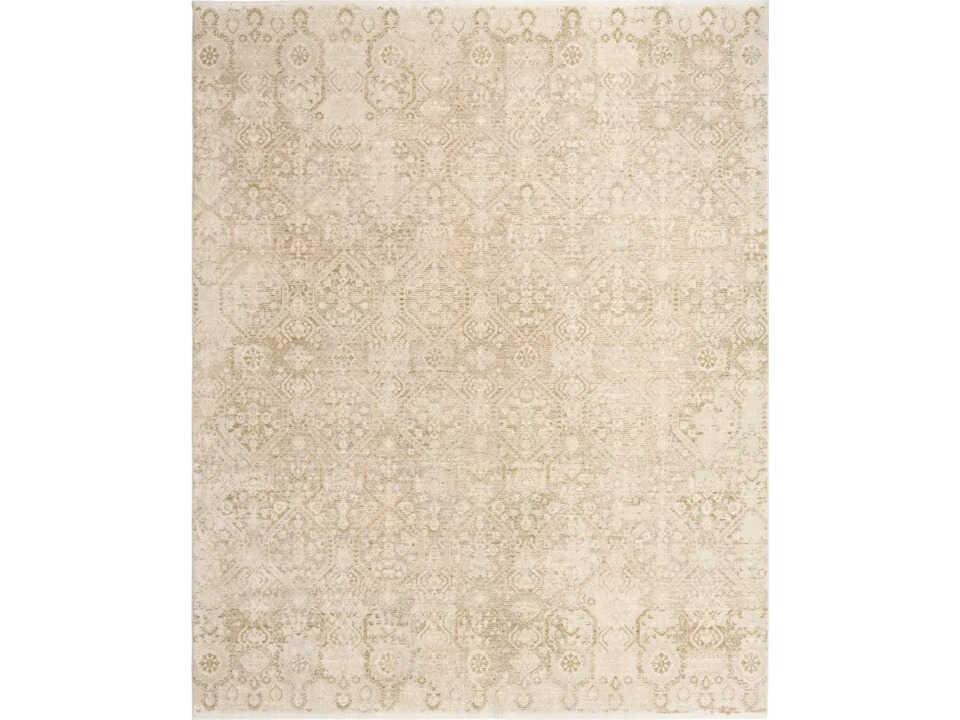
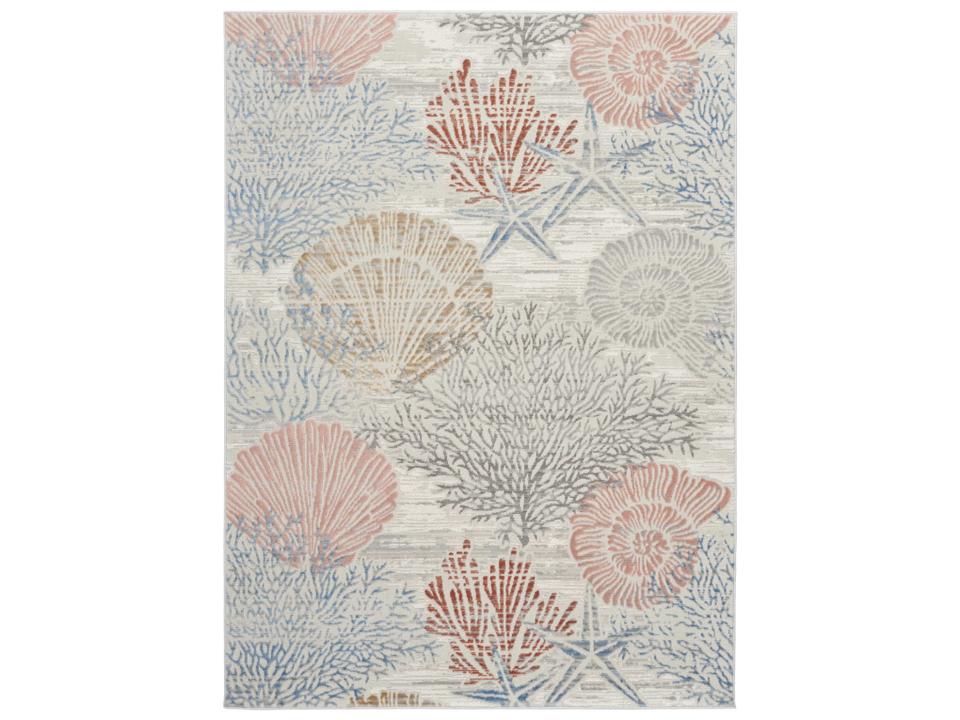
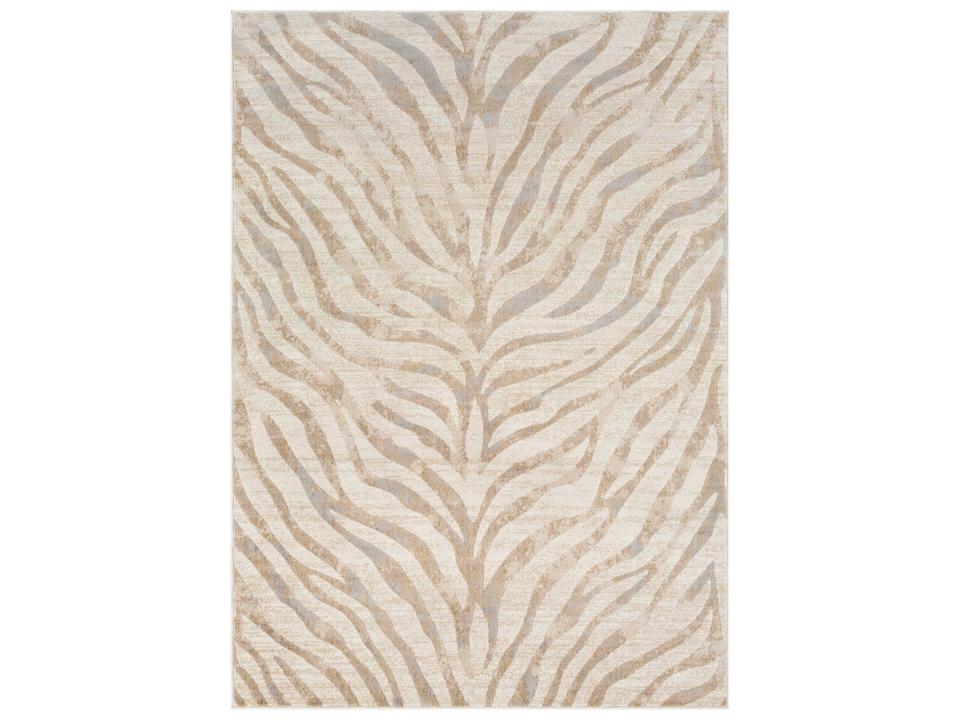
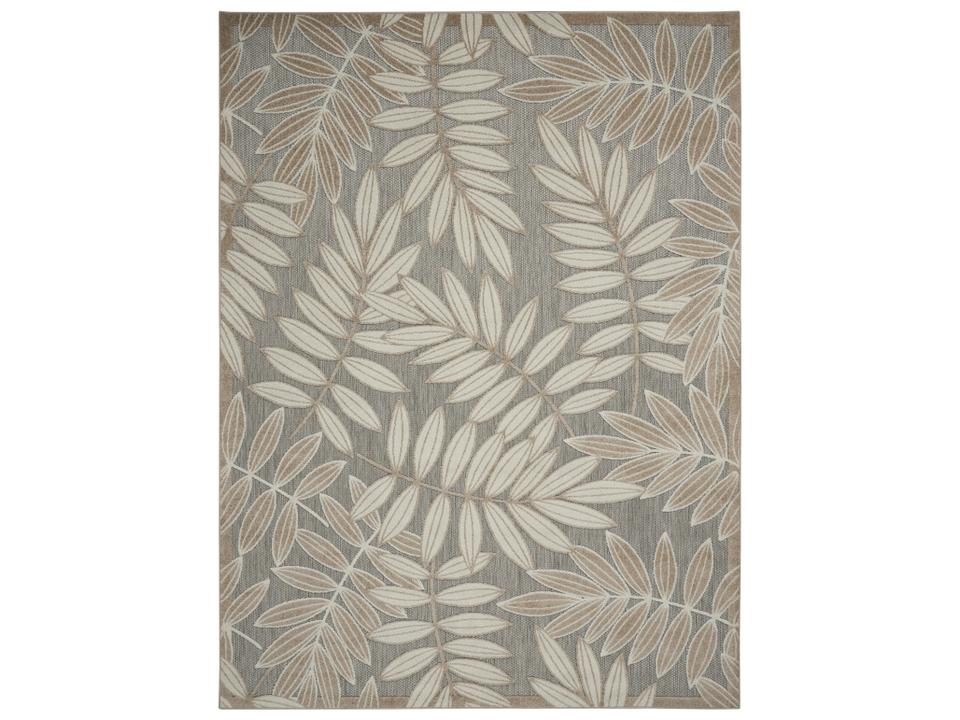
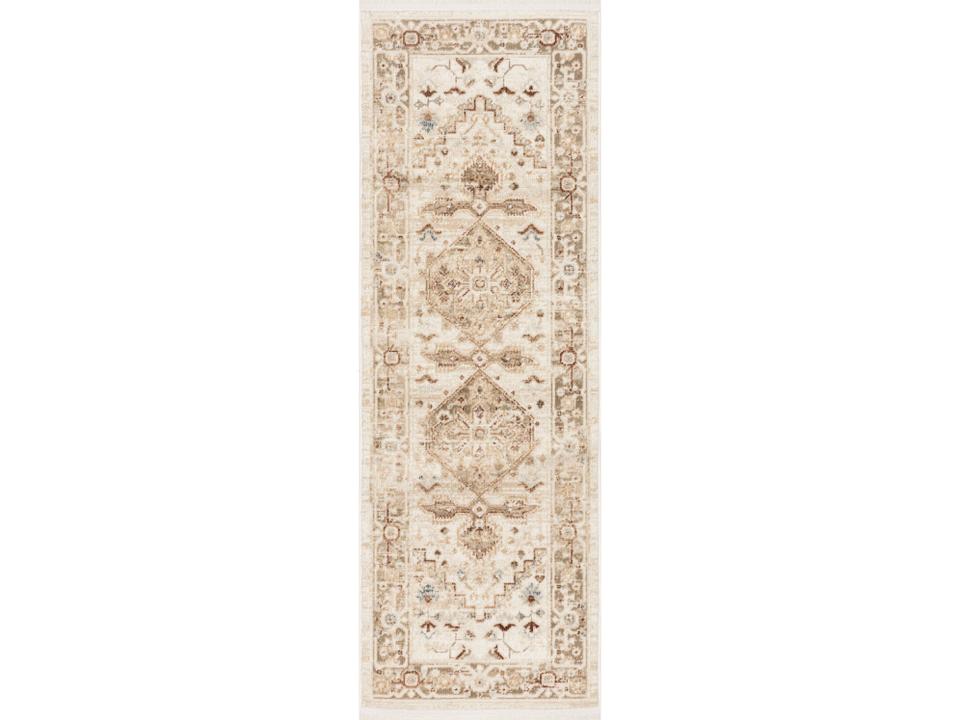
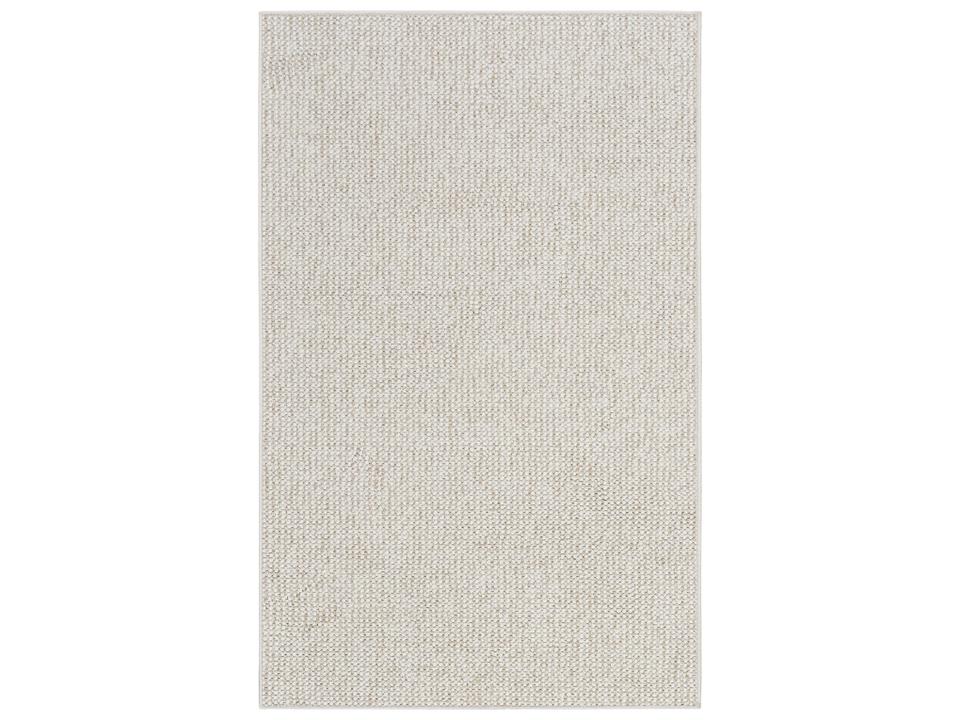
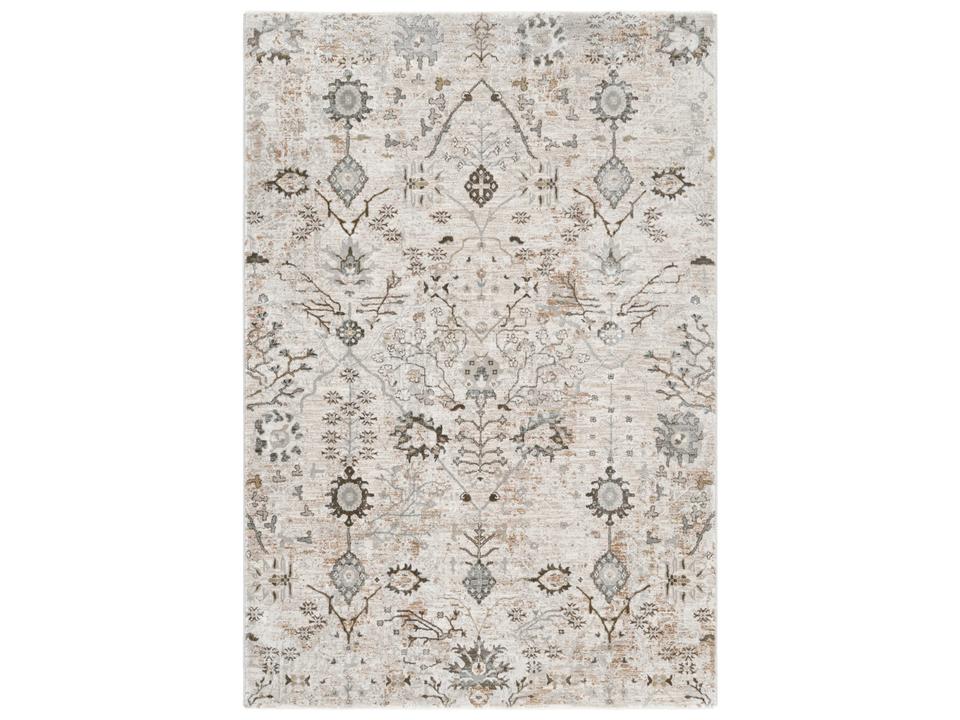
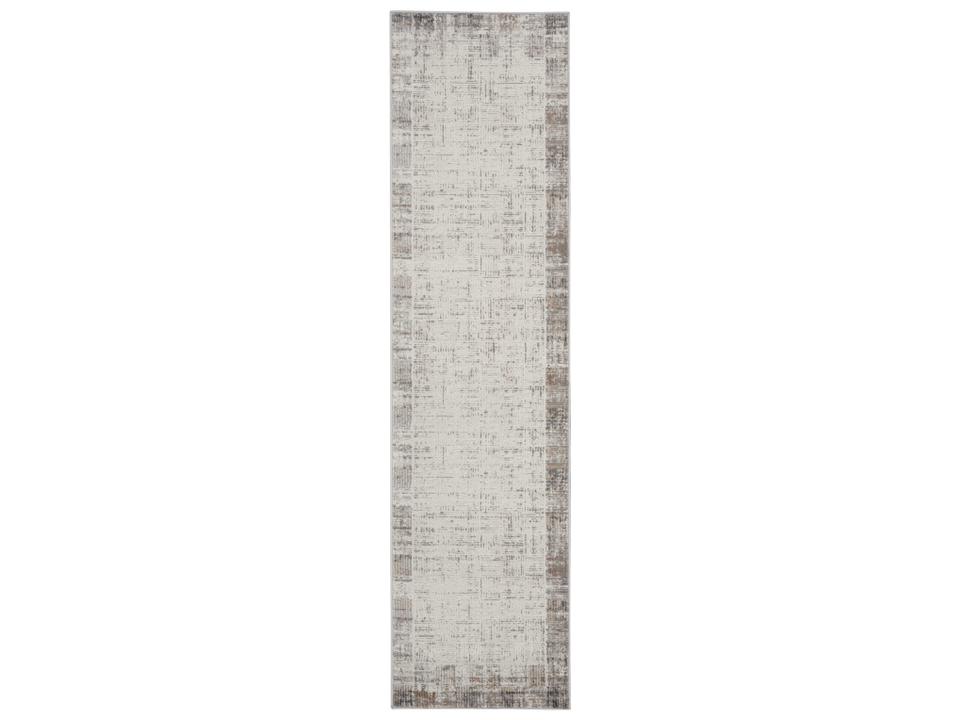
Beige is one of the most versatile rug colors, but the range within it is wider than most buyers expect — from cool sand with gray undertones to warm tan, pale cream, and golden wheat. Undertone matters. A cool-toned beige pairs naturally with white oak floors and blue-gray walls. Warmer beiges with yellow or peach undertones complement walnut, cherry, and honey-toned interiors.
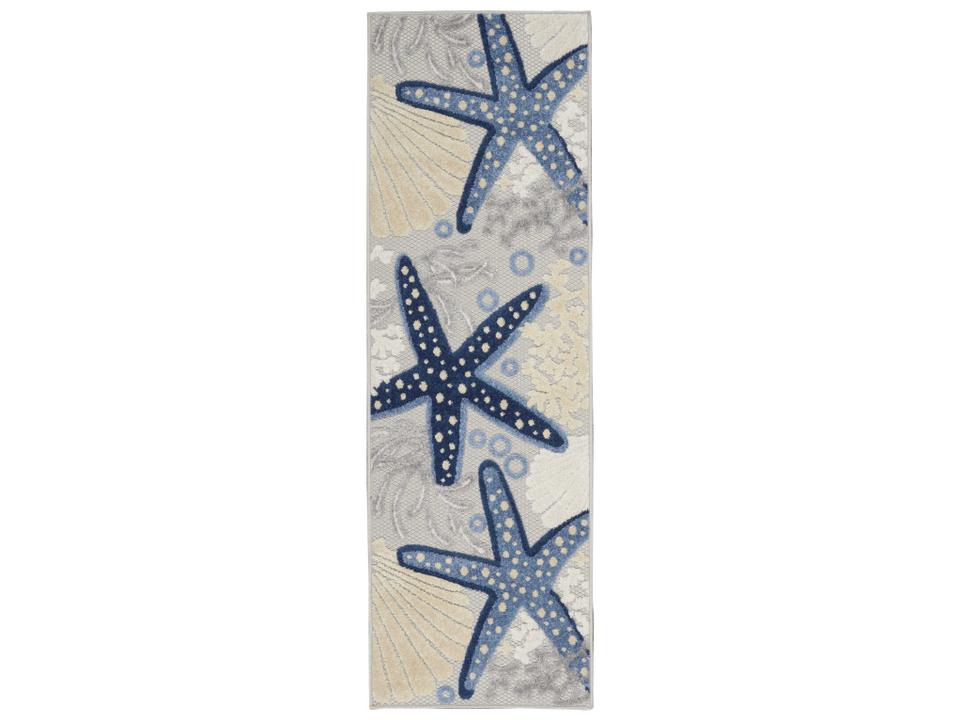
Our luxury collection includes hand-knotted wool rugs, machine-woven polypropylene options, and blended fibers that split the difference between softness and durability. Sizes range from small accent pieces to room-filling 10×14 formats and beyond.
Material determines how a beige rug wears, feels underfoot, and responds to spills.
Getting the size right matters more than pattern or pile. A rug too small for the seating arrangement looks like an afterthought. Here's a practical guide:
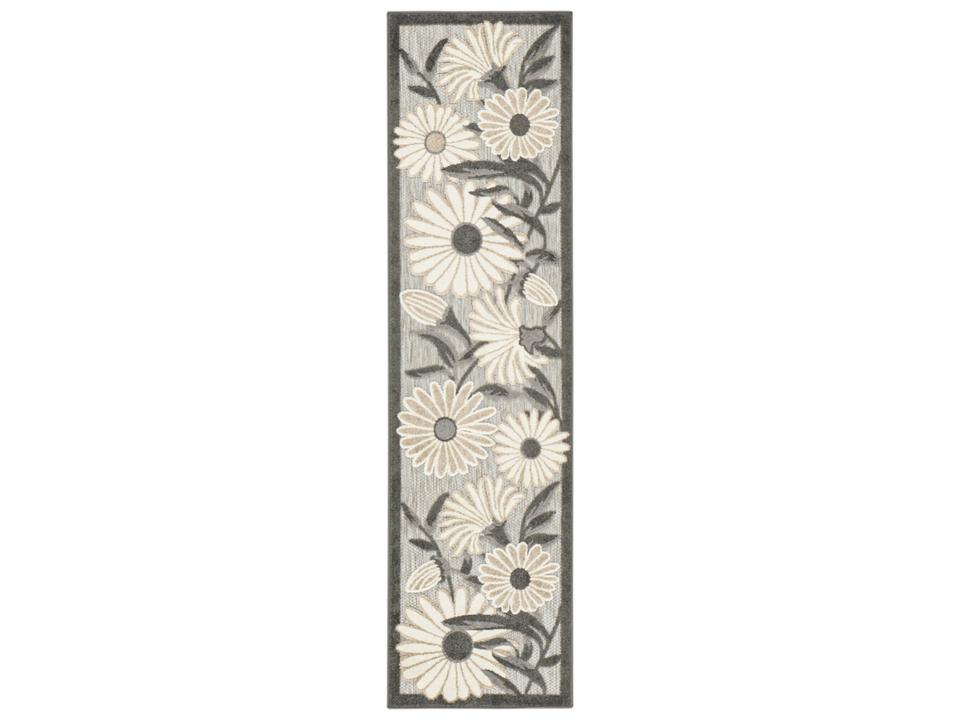
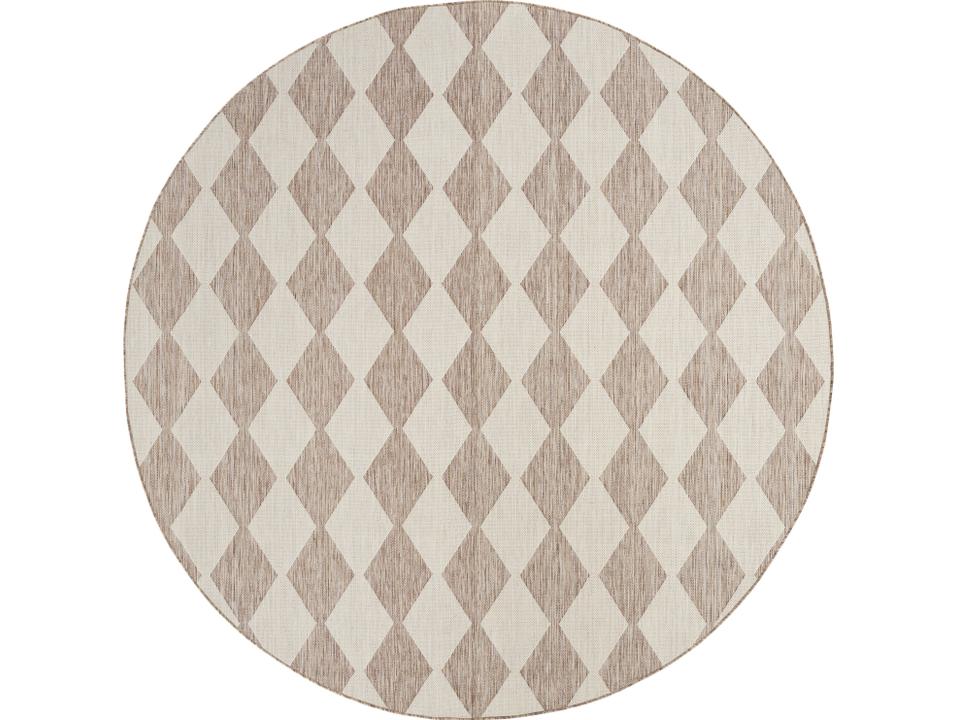
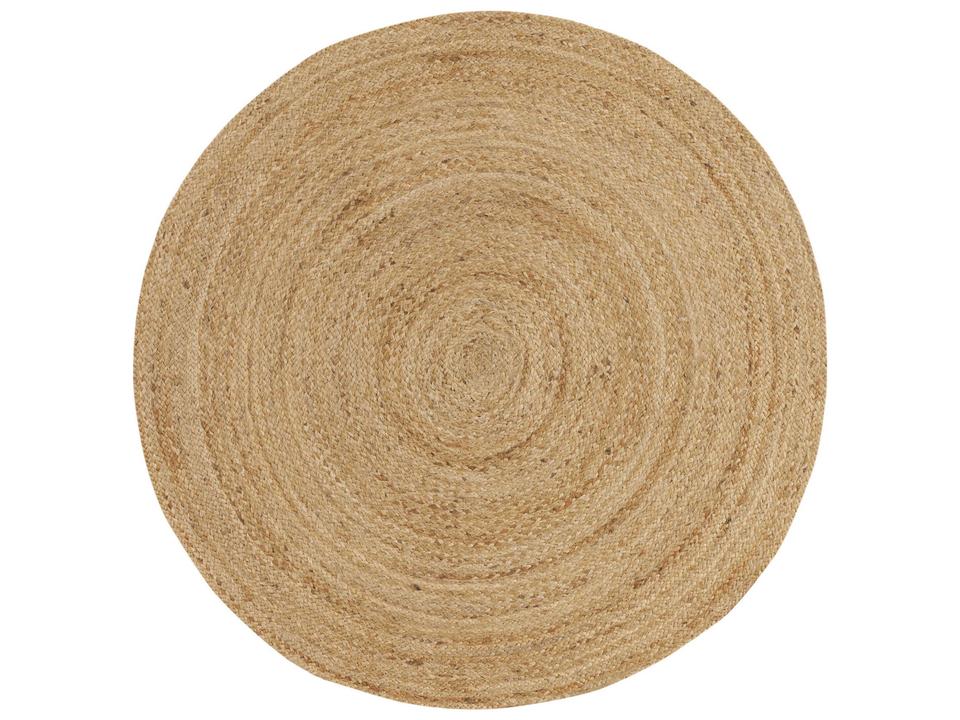
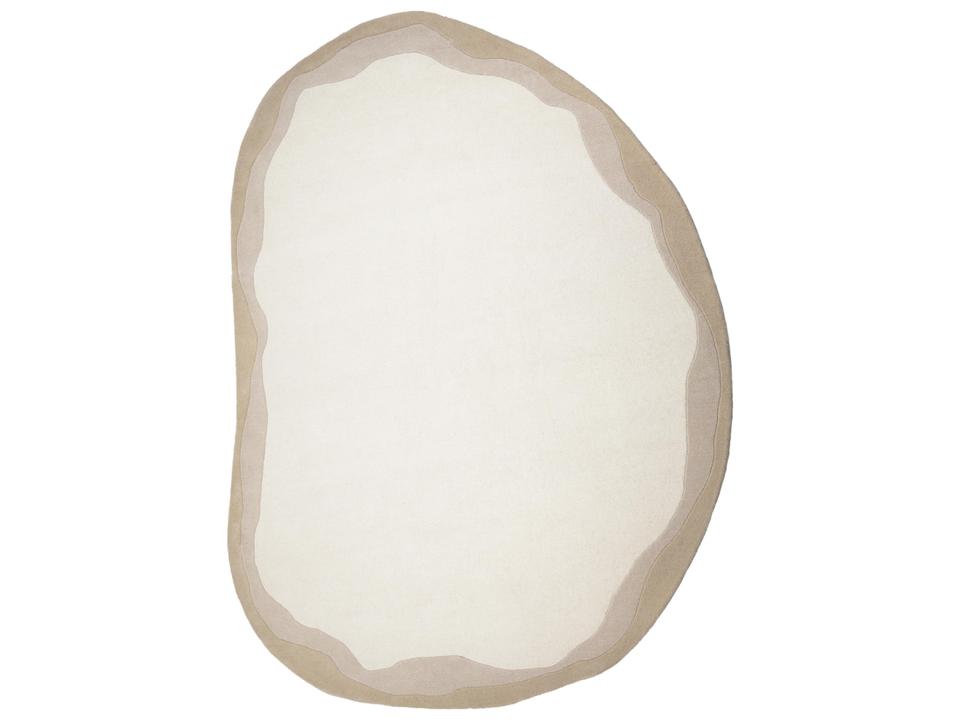
Shape should follow the room. Rectangular rugs suit most layouts. Round rugs work under circular dining tables or at the center of a curved furniture arrangement. Oval options soften long, narrow rooms.
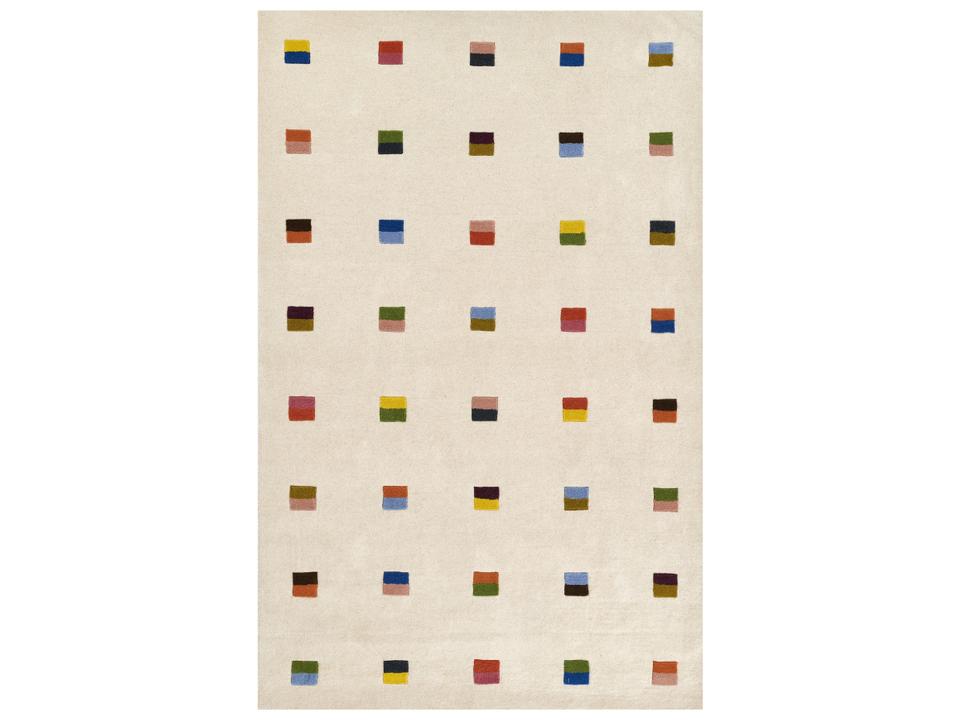
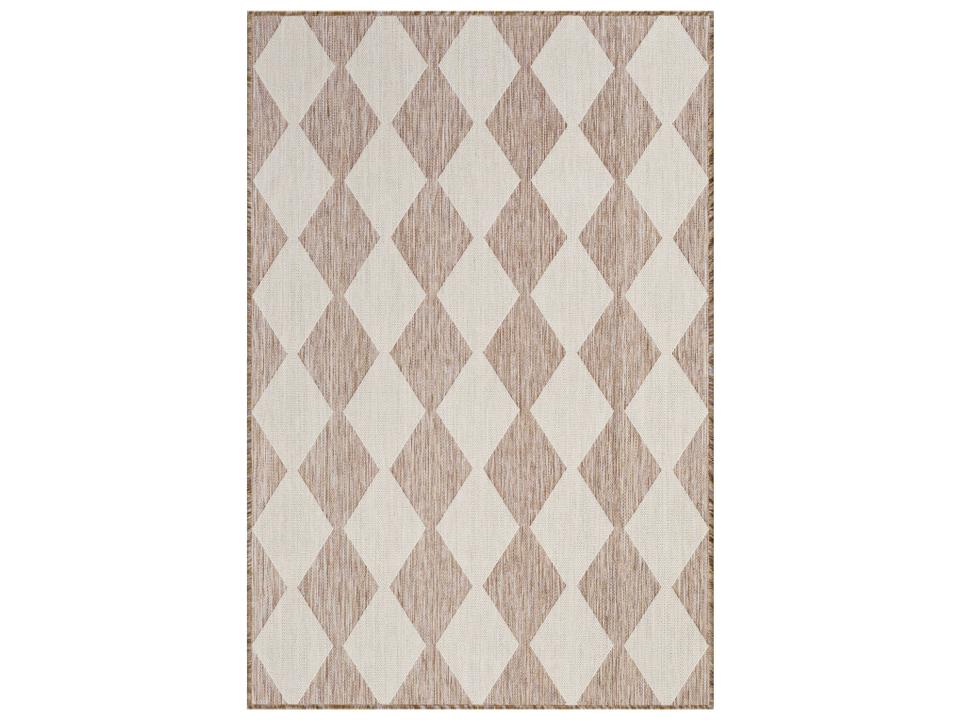
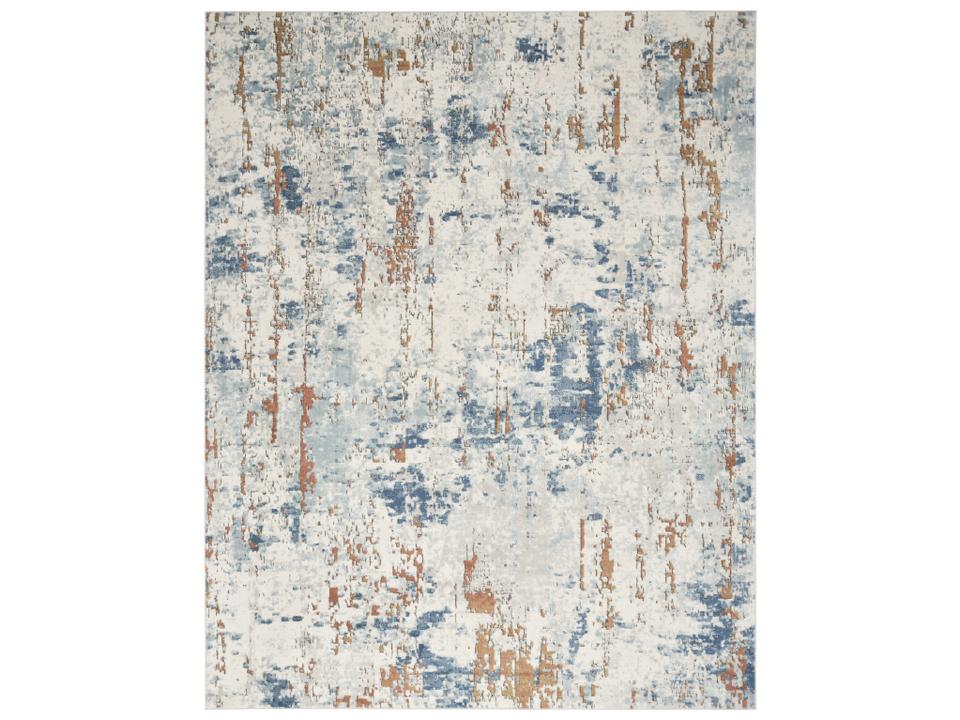
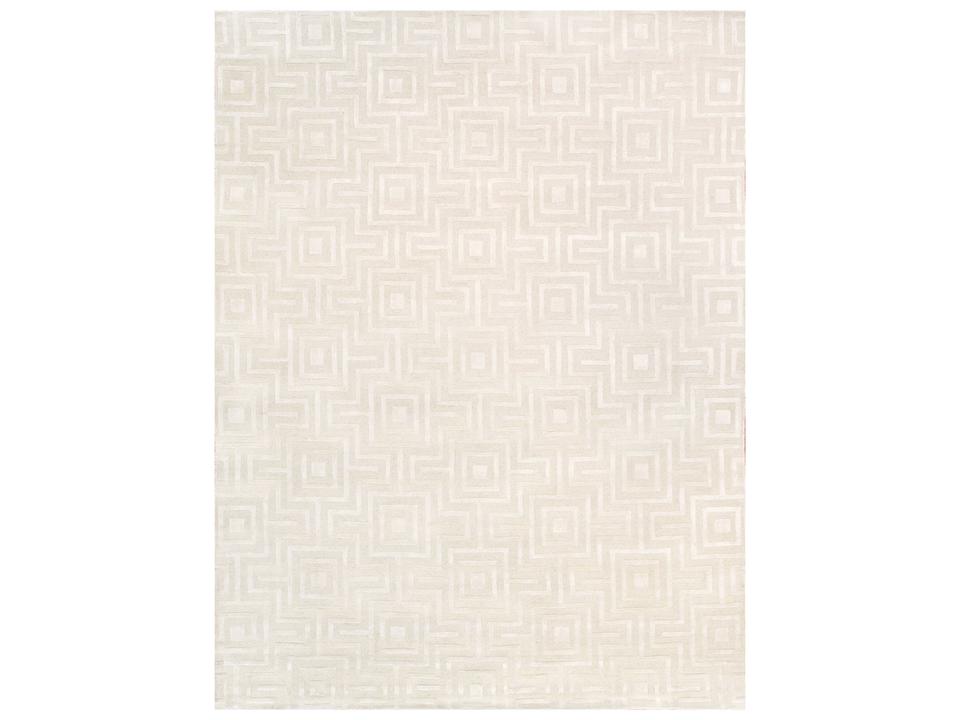
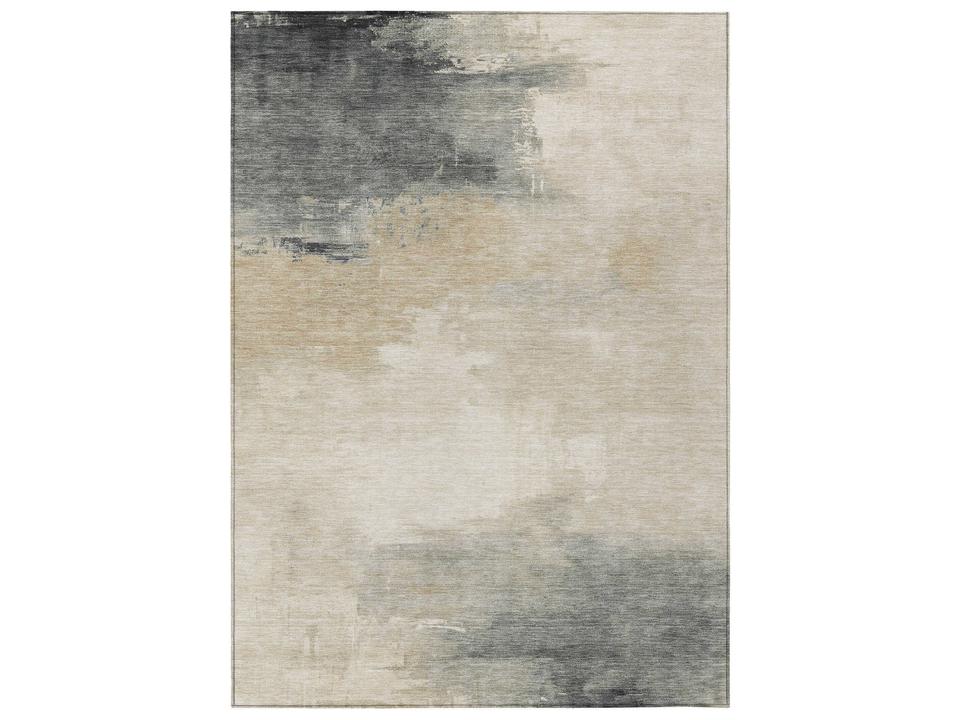
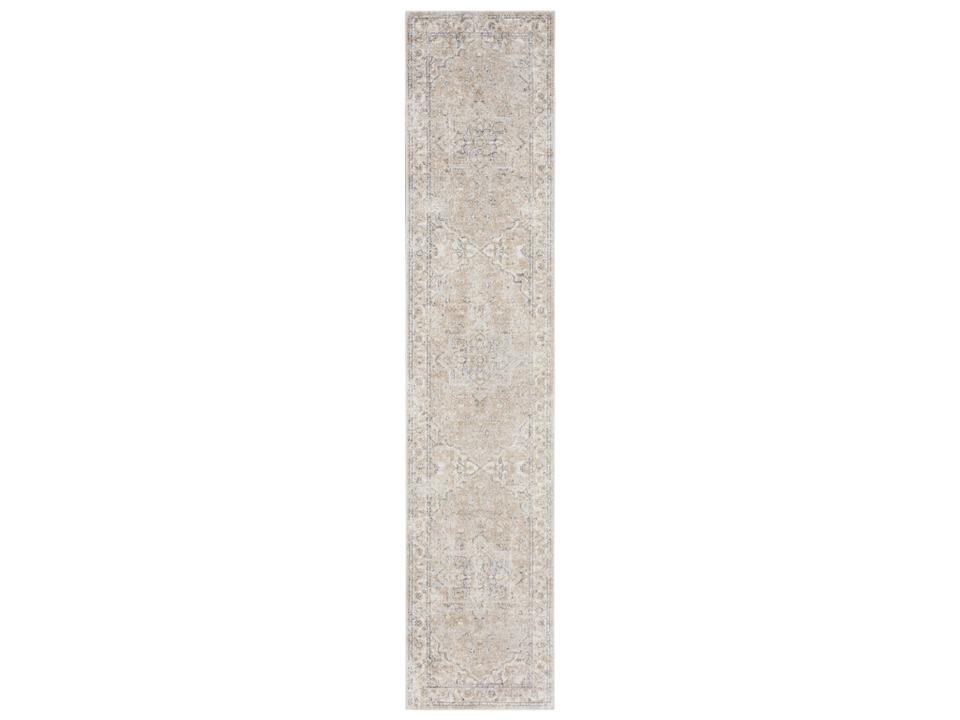
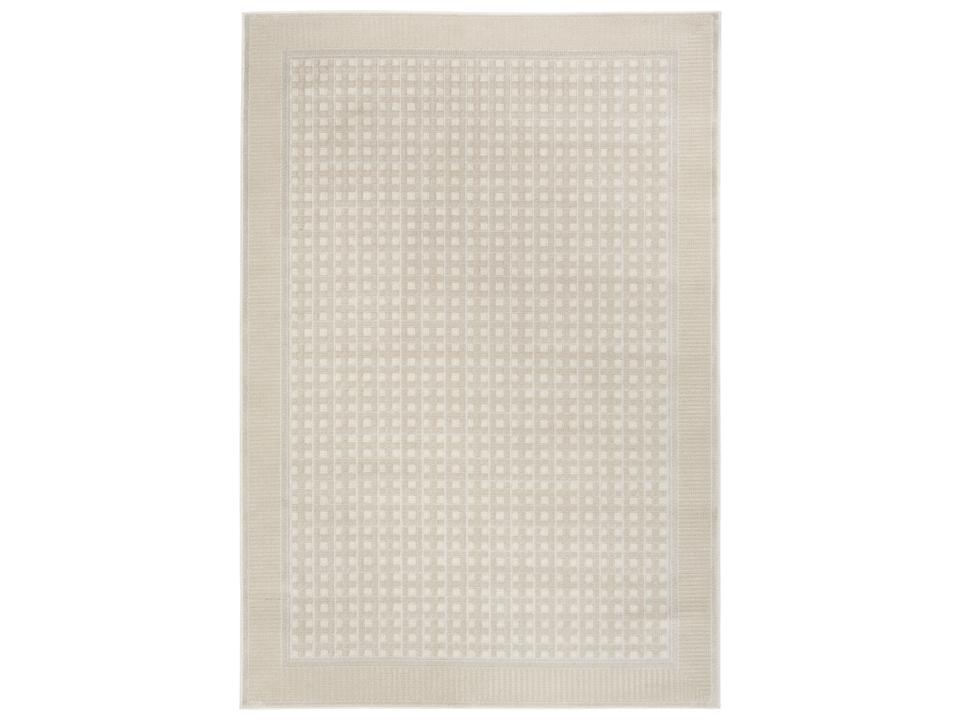
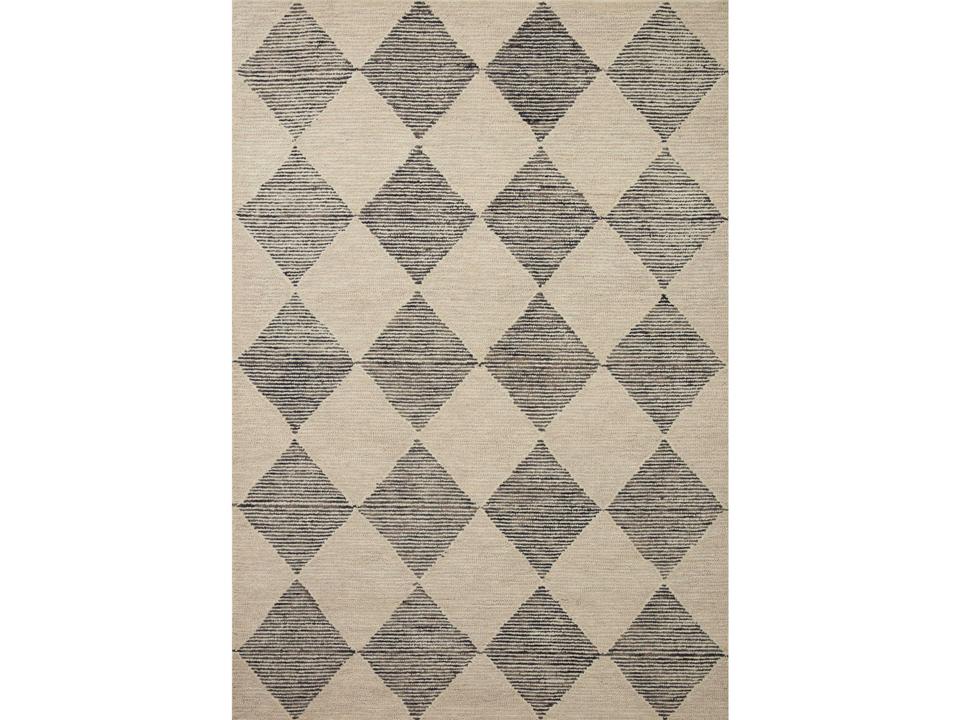
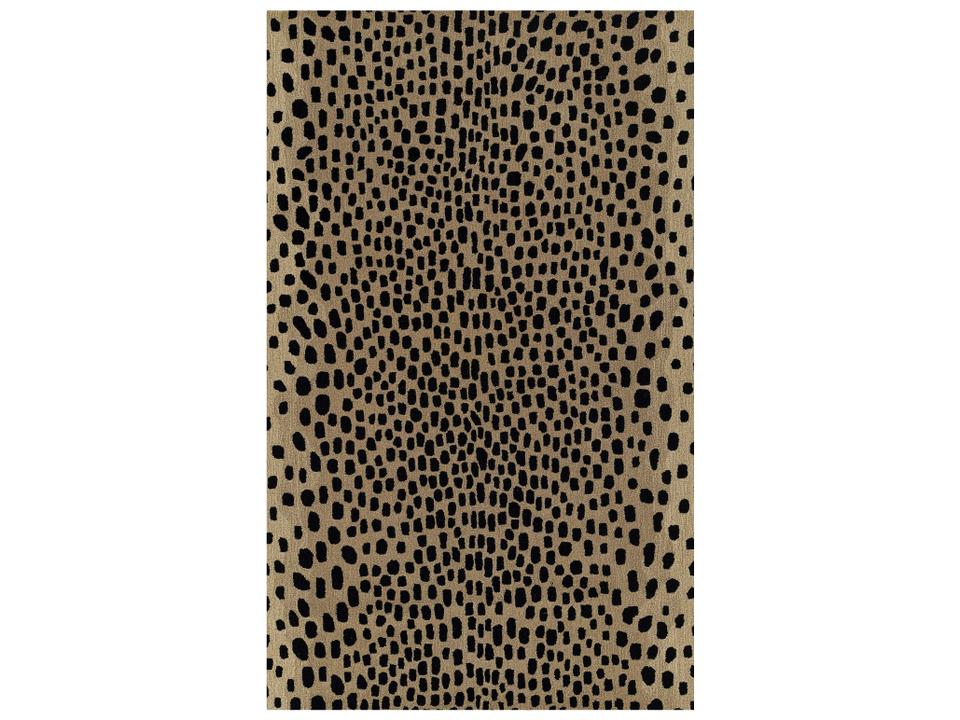
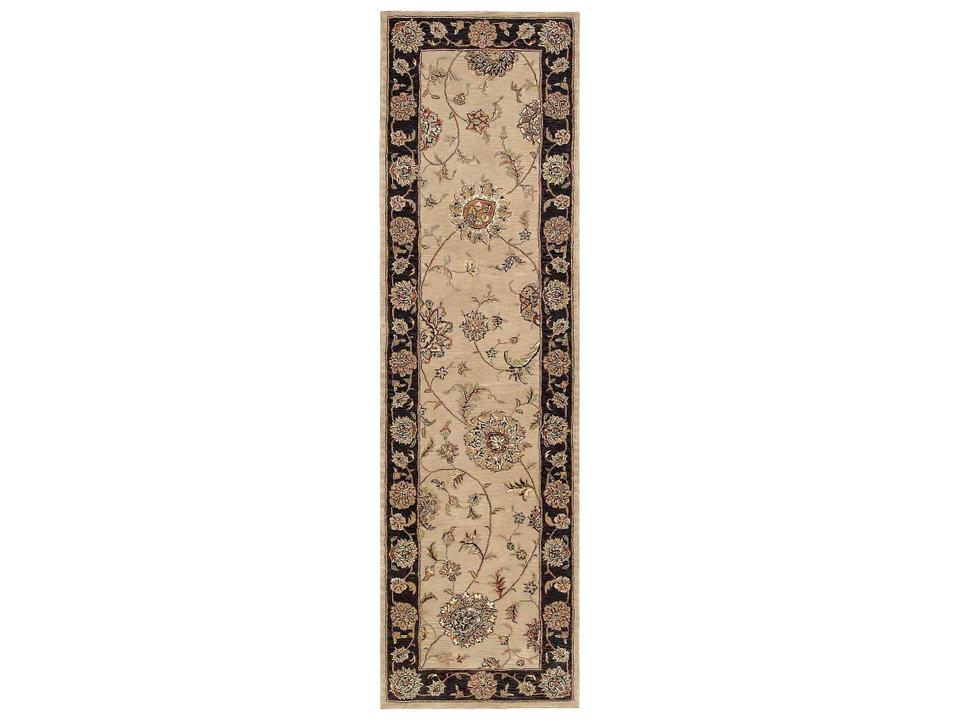
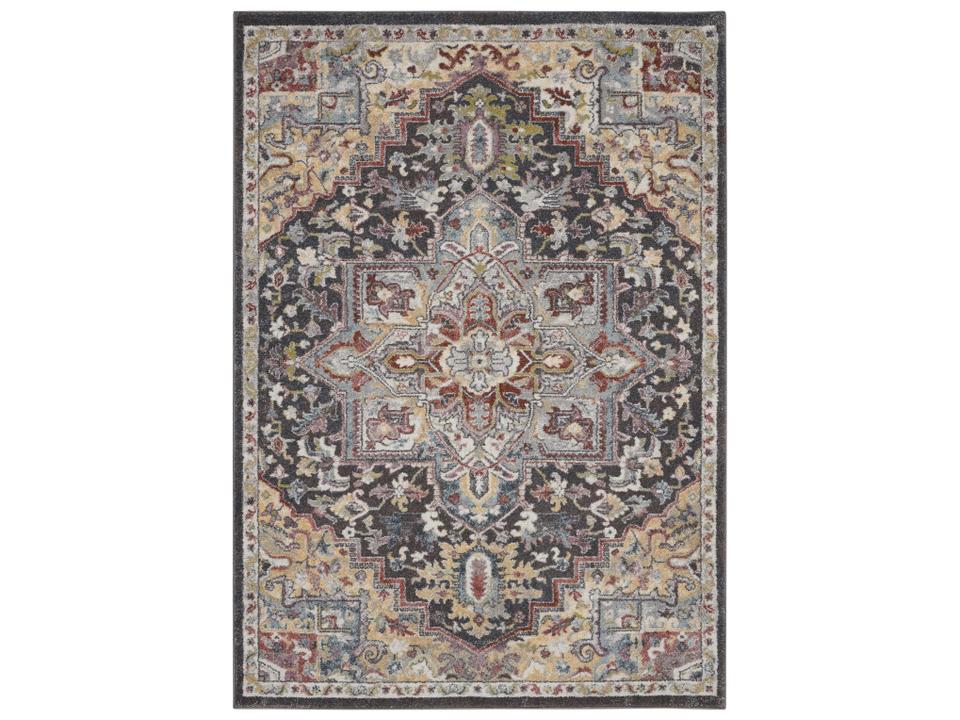
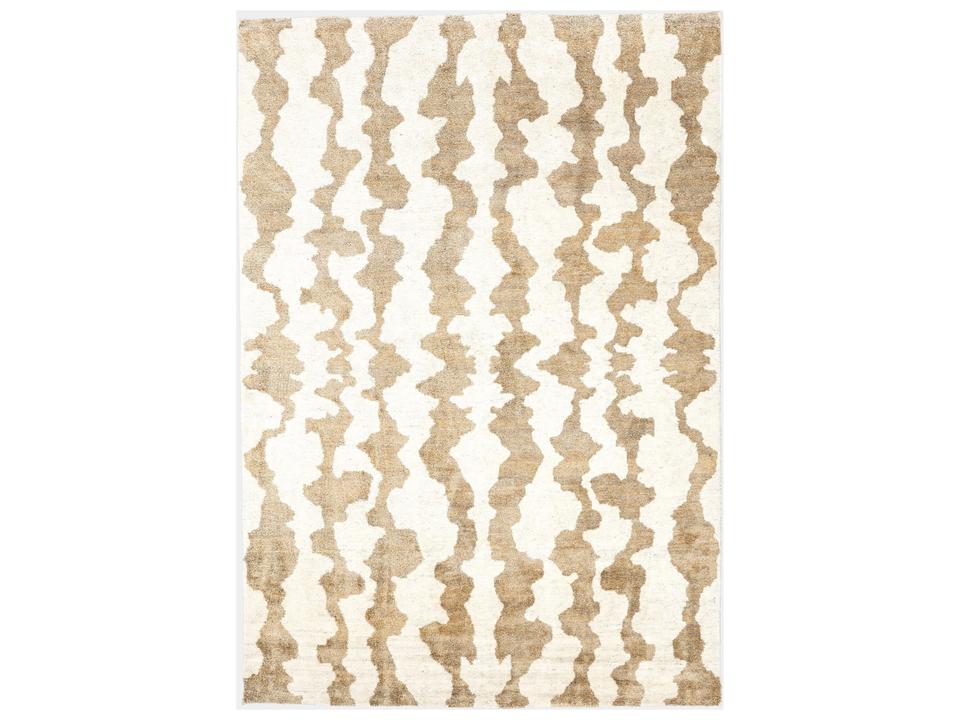
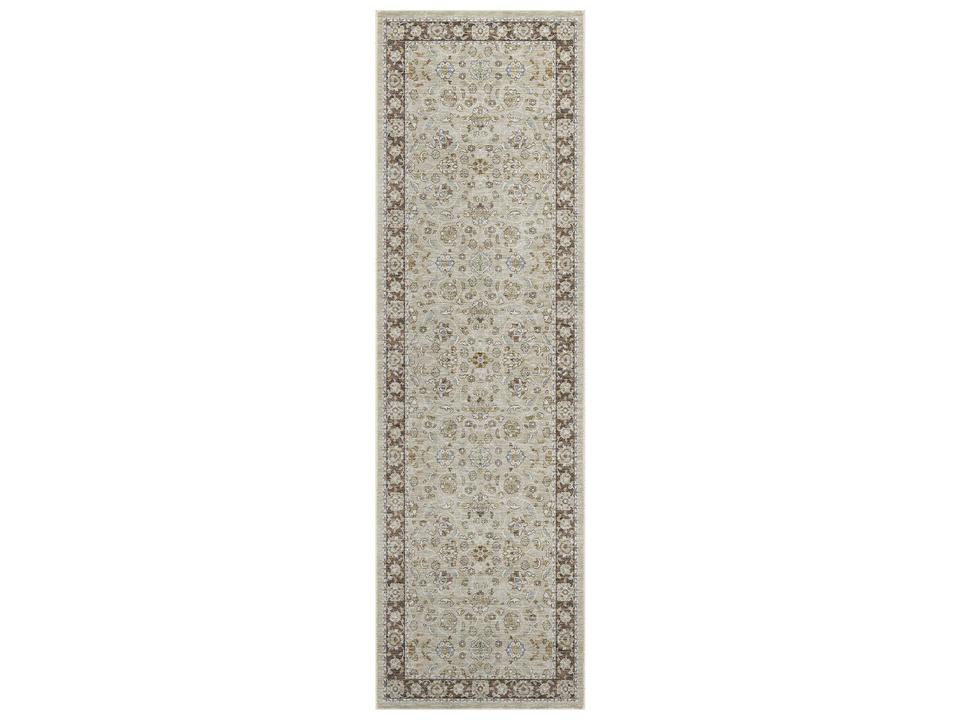
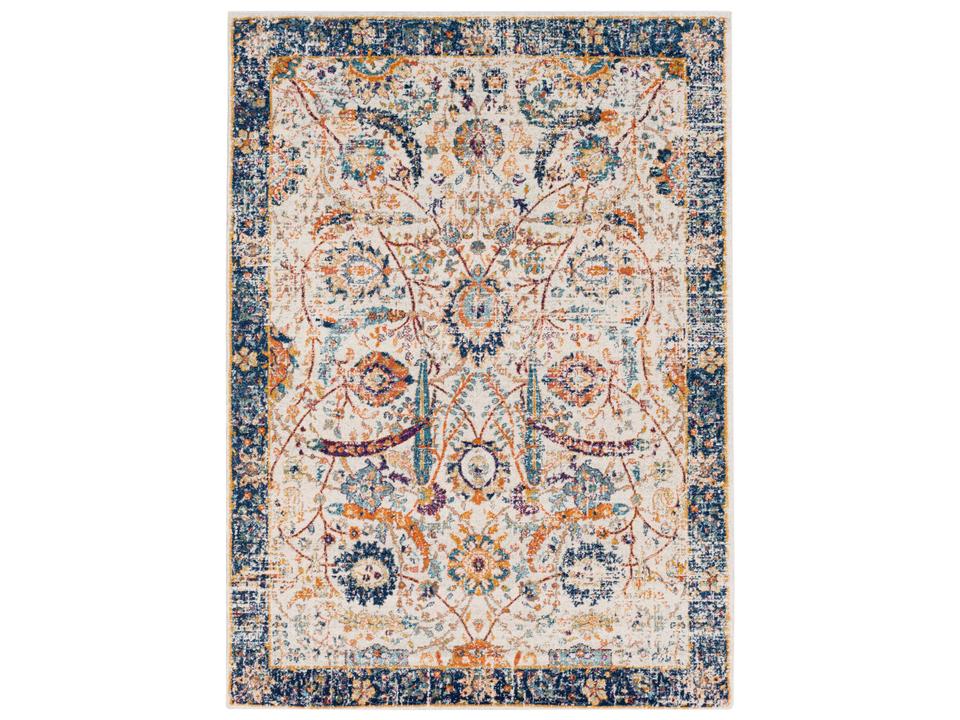
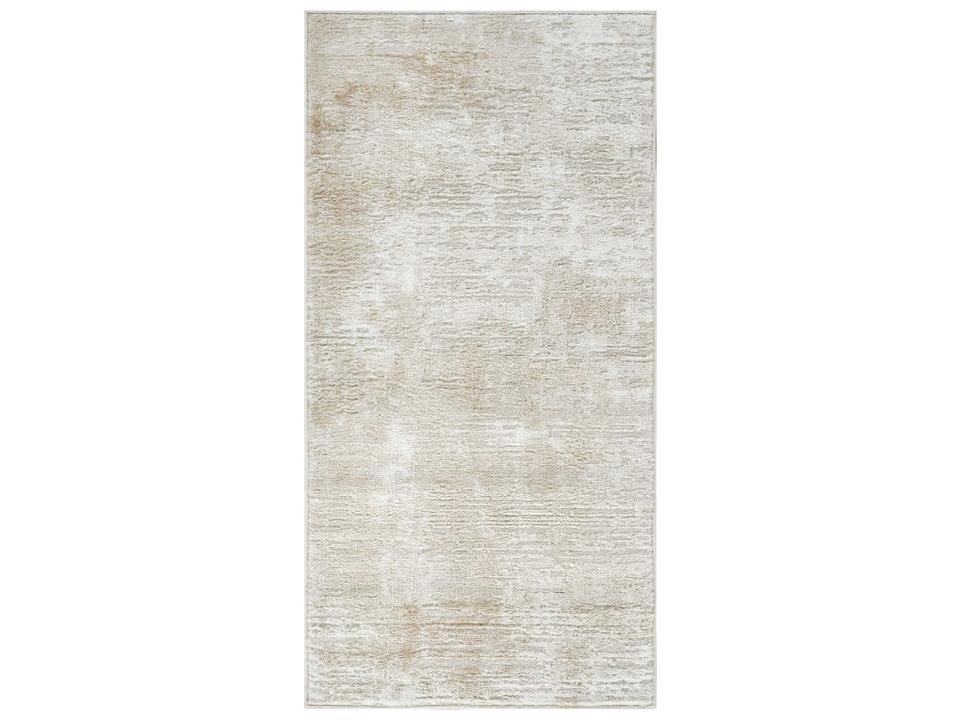
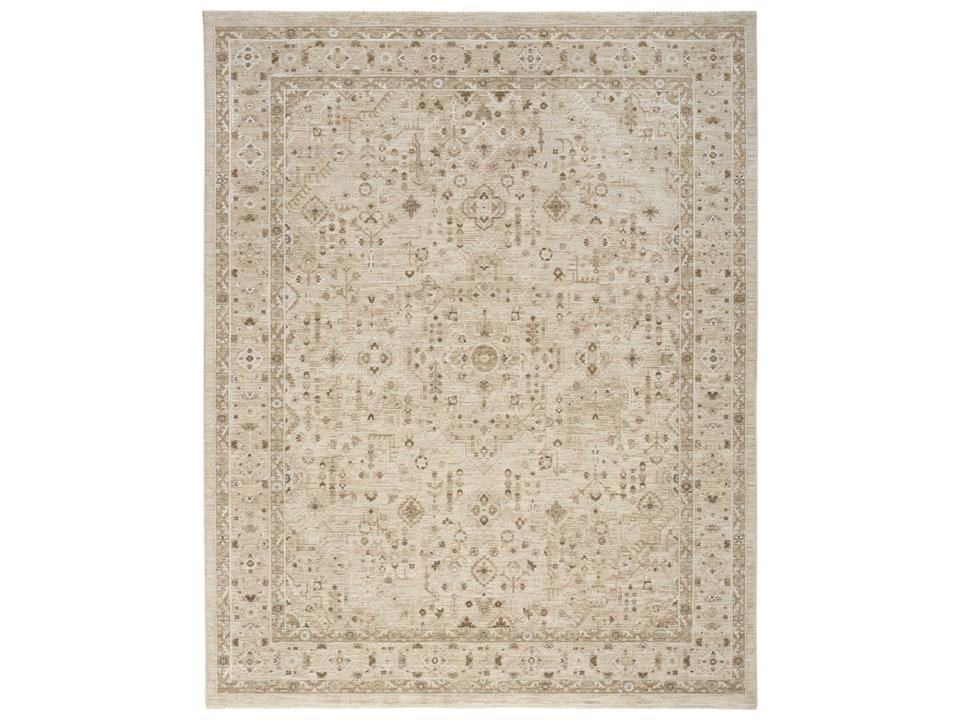
Beige rugs work best as a grounding layer. They don't compete with bold art, patterned upholstery, or colorful pillows — they let those elements breathe. A solid beige rug creates calm in a room full of pattern. A patterned beige rug — geometric, abstract, or traditional — adds structure to minimalist spaces with mostly solid furnishings.
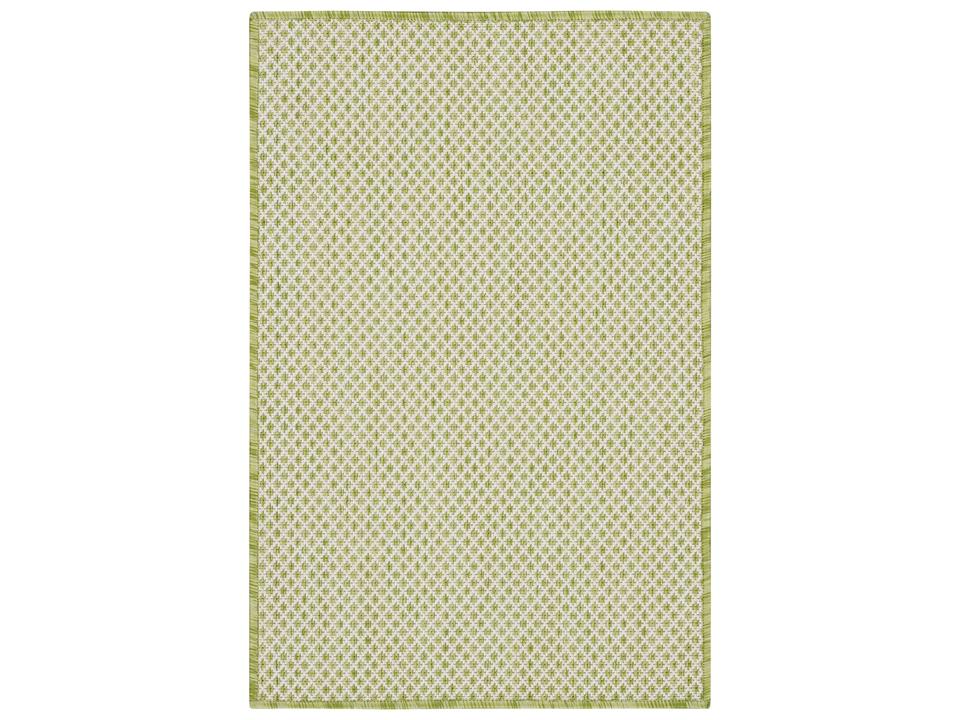
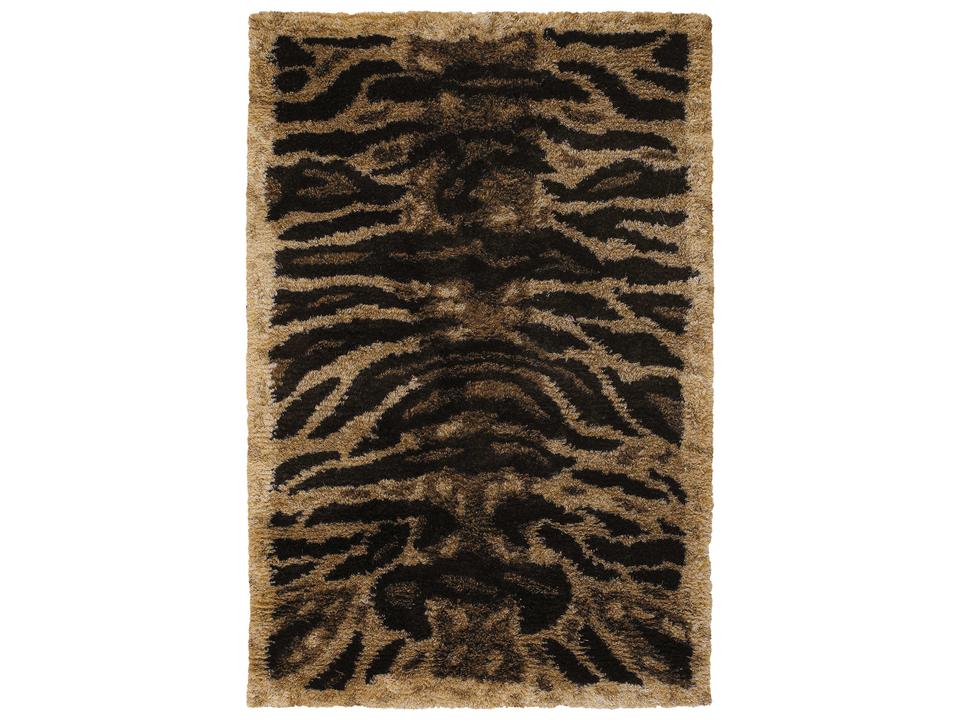
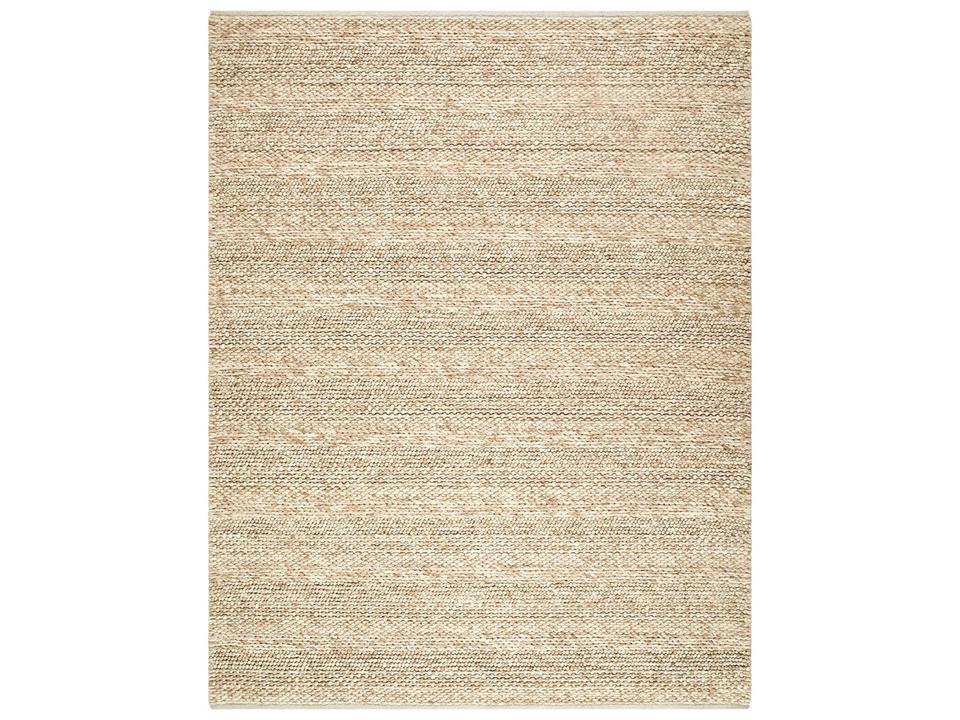
Pile height shapes the mood. Low-pile and flatweave beige rugs feel modern and practical; they vacuum easily and sit flat under furniture legs. Higher-pile or shag options bring warmth, especially in bedrooms where comfort underfoot is the priority.
One final note: a quality rug pad extends the life of any luxury rug, prevents slipping on hard floors, and adds cushion. Felt-and-rubber pads work on wood and tile. Thinner grip pads keep rugs in place over carpet.