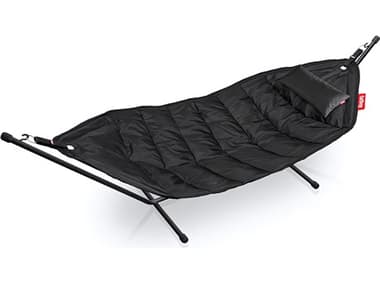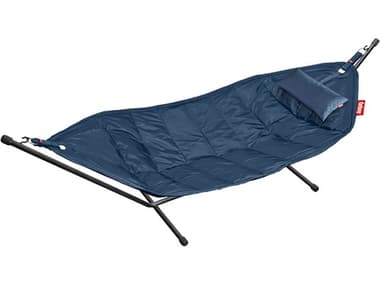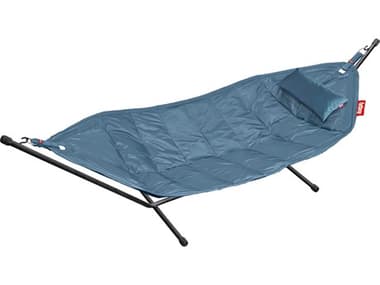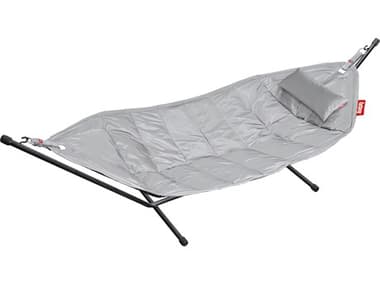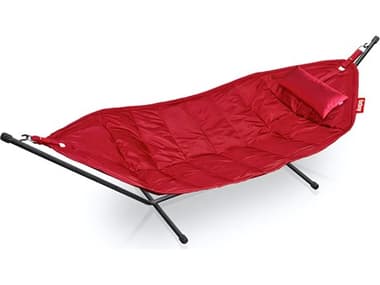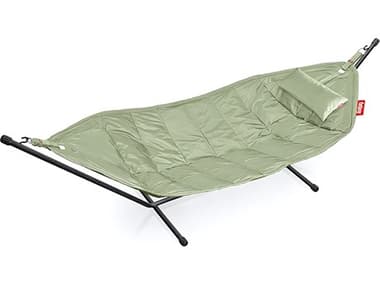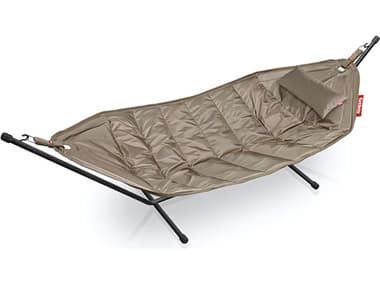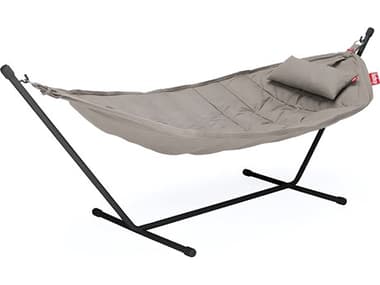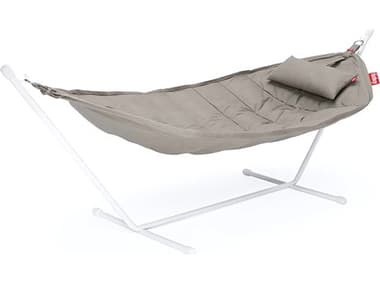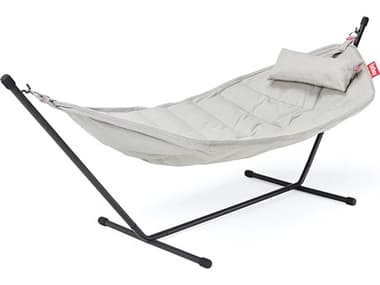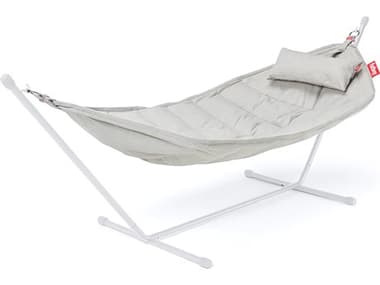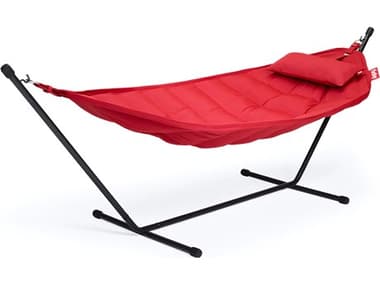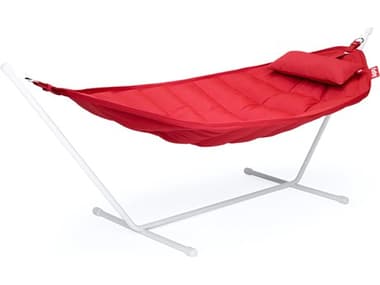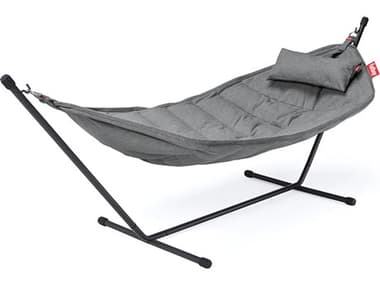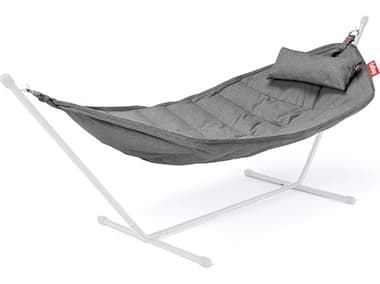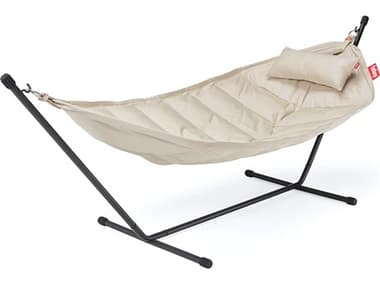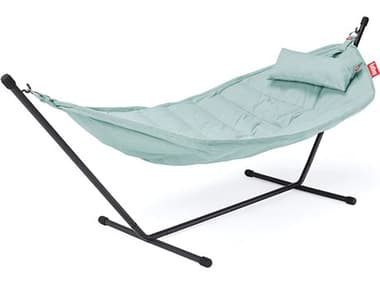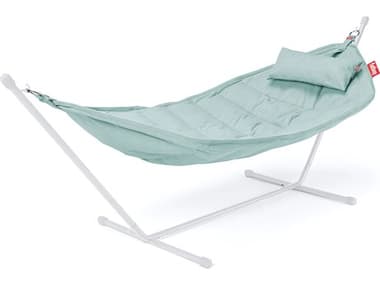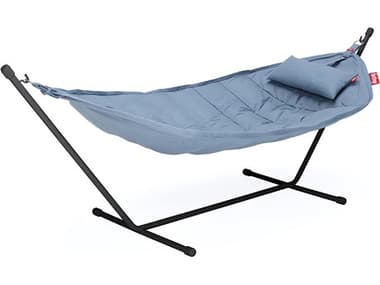
What better way to relax after a long day than by laying in an outdoor hammock? After you settle into the fabric that supports your body, you can get lost in a book, commune with nature as you sway to and fro, or even take a nap. Some hanging hammocks are either for sharing space with someone close to you or even a pet!
There's no time like the present to purchase a hammock for your yard. And if you think a hammock won't work in your space, perhaps because you have no sturdy trees, think again. A hammock stand might be just the answer to help make this relaxing dream come true.
Determine where and when you want to use your hammock. Do you want something permanent, portable, comfortable, or easy to clean? What's your budget? Enthusiasts often say that you can't get it all if you're on a budget. A cheaper hammock can be lightweight or durable, but not both. However, if you're willing to spend more, you can get all three in one product. Finally, do you need additional supplies as is often the case for hammock campers?
Hammocks aren't just for yards. Many people enjoy taking portable hammocks with them as they camp. Whether you want to sleep off the ground or simply to relax while on vacation, a hammock is the answer! A patio hammock is another option for those who have smaller trees, lack yards or want shade while lounging. If you really want to impress your guests, find the perfect corner to hang a hammock inside your home. You can create an oasis inside your home and sit in the lap of luxury without having to worry about the weather, pests, or nosy neighbors!
When choosing a hammock, the most important question might be whether you purchase a hammock with stand or without one. Hammocks without stands may include straps intended to secure around trees or hardware that you can attach to a sturdy structure, such as your home or the hammock stands that are becoming more commonly available in parks and campgrounds. Buying the hammock sling alone might be the more versatile option if you plan to use it in multiple locations.
The rise in popularity of hammocks with base may indicate that more people realize that hanging a back yard hammock from your trees, even if those trees appear quite sturdy, can damage the trees by cutting and stripping the bark. Fortunately, many garden hammocks are now made with "leave-no-trace" straps that do less damage to trees. You can also wrap padding around the tree before securing the hammock's strap in place or tie the hammock straps to protective straps that you then wrap around the tree.
Although many stands hold traditional hammocks that attach at either end, a modern hammock may have only a single attachment point directly above you. These hammocks are typically more like swinging chairs or seats and may even be cushioned for comfort.
Other hammocks skip the straps altogether and hang the sling from chains or even suspend the fabric seat directly from the metal base. The former is a great option if you struggle with how traditional hammocks bunch up at the ends, becoming too tight around your shoulders. Of course, buying a base means you can use the hammock anywhere, even if you move in the future, and some bases even come with wheels. This makes moving your hammock a breeze!
Many bases are made from hollow steel tubing, which is easy to put together and clean. Some designs use only wingnuts and screws, so you need no additional tools to put together your hammock stand. You'll also find hammocks with custom wood stands.
Once you decide where you want to use your hammock, you've got plenty of options for materials:
If cleaning your hammock is a concern, look for one that allows you to detach and wash the sling.
Aside from fabric function and design, there are a few other considerations for buying a hammock. Some modern options come with matching pillows that attach in place, so they'll never slip when you use them. For those people who want to enjoy a hammock while lounging poolside or easily sunburned, a hammock with a built-in canopy might be the perfect solution.
You'll also find double hammocks that are wide enough for two people if you want to cuddle up with a loved one. While you can add your own pillow and accessories and squeeze a second person into many hammocks, it may be convenient to buy one that offers it all.
Once you find the perfect hammock, there are a few things you can do to make it even better.
Whether you want a hammock for your yard, patio, or camping, we have a model for you. There's no better day than today to buy a hammock that allows you to relax blissfully.
Related Categories
Outdoor Lounge Furniture Sets | Outdoor Lounge Chairs | Outdoor Chaise Lounge s | Adirondack Chairs | Outdoor Loveseats | Outdoor Sofas | Outdoor Ottomans