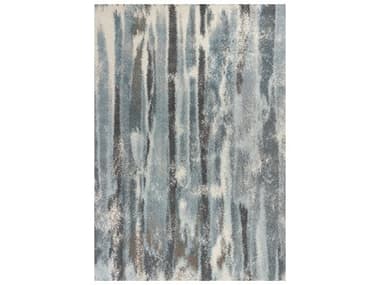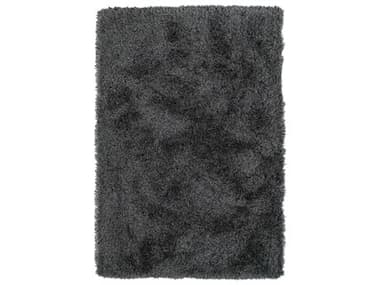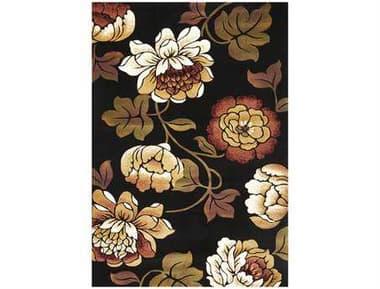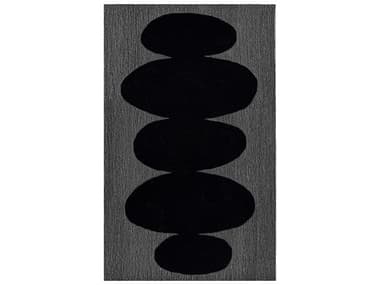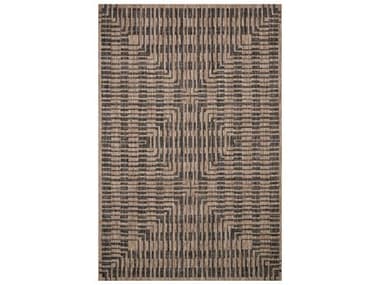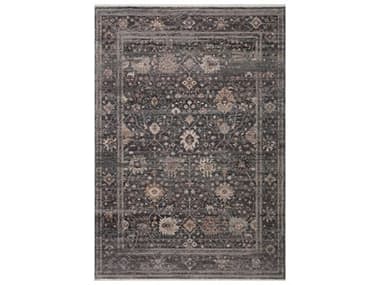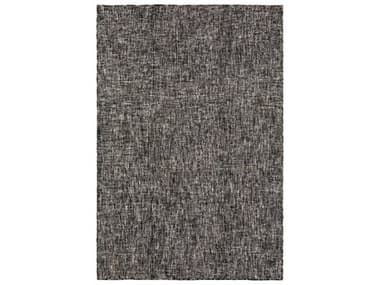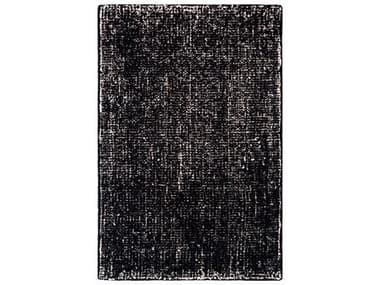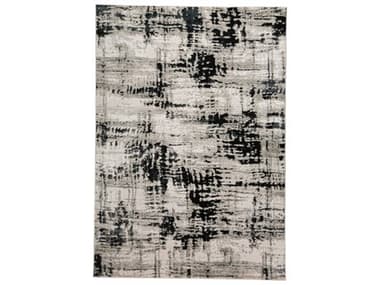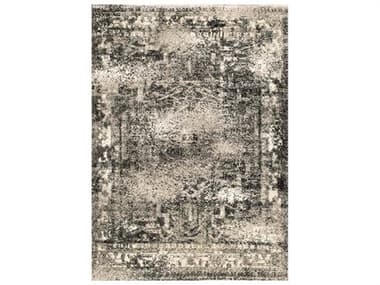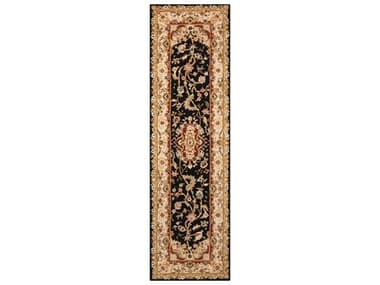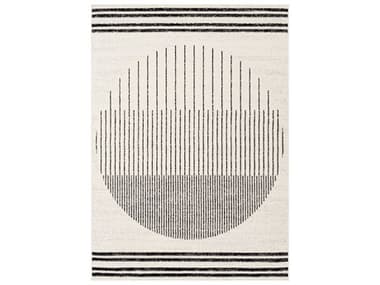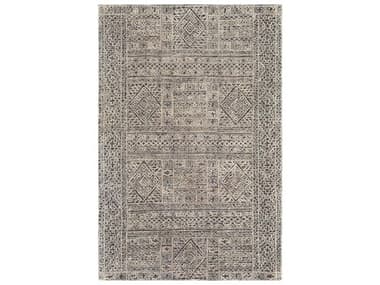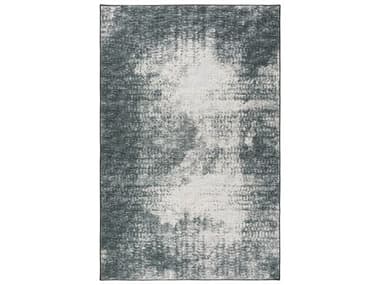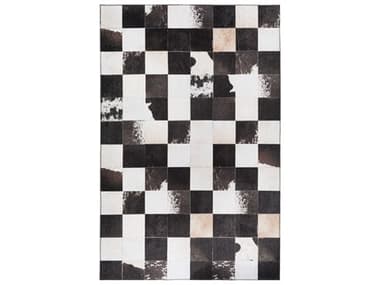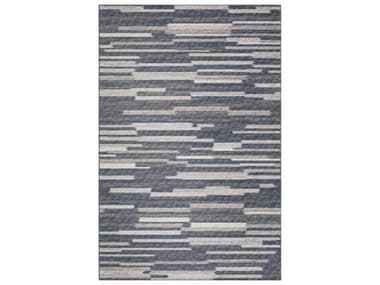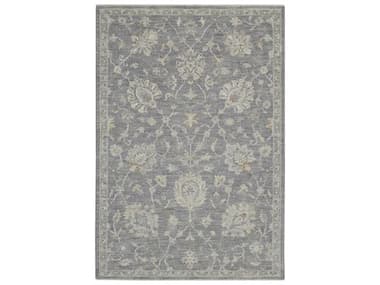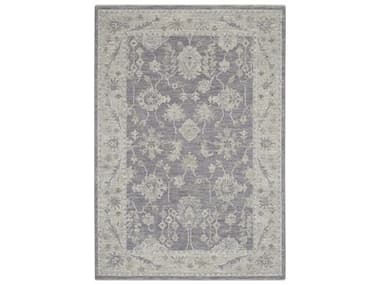


Area rugs define your decor, and black area rugs add a grounding effect that anchors your furniture and makes a bold style statement in any room in your home. When you add area rugs with black foundational colors, you are creating a well-defined living space that is elegant and sophisticated.
Style is the first consideration when you are in the market for an area rug. As the foundation of your room, the rug you select will set the tone for the rest of your furniture.
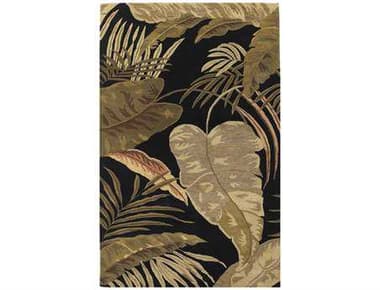
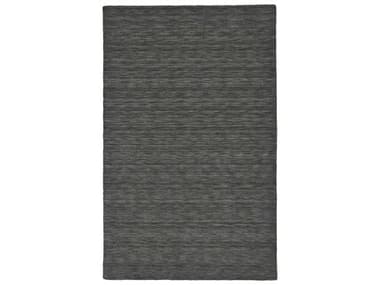
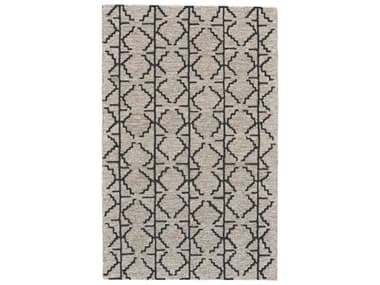
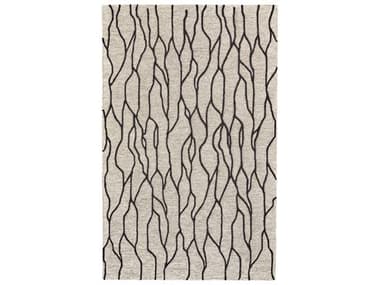
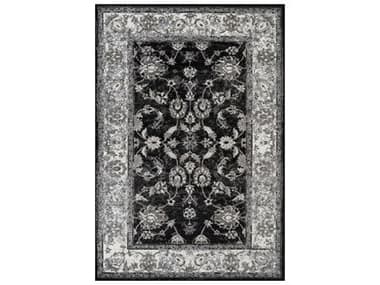
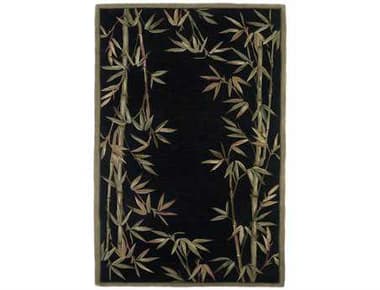
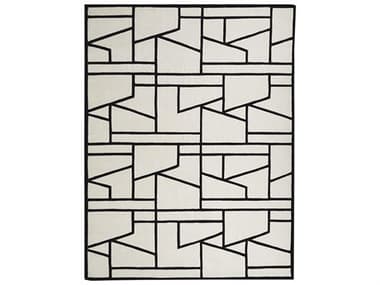
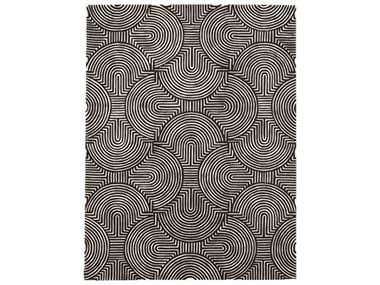
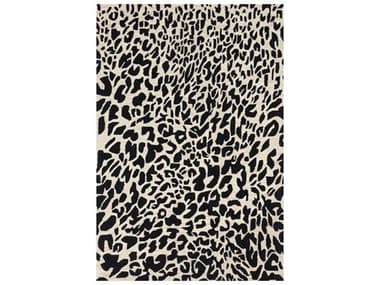
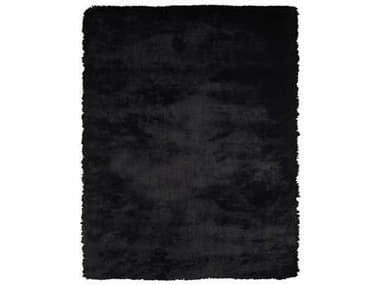
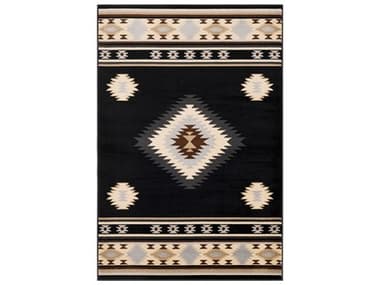
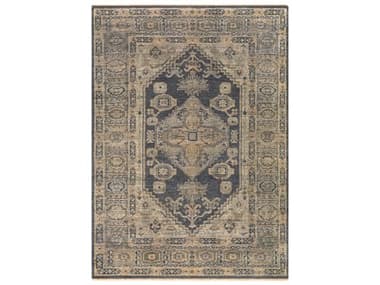
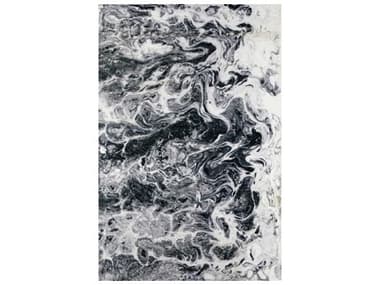
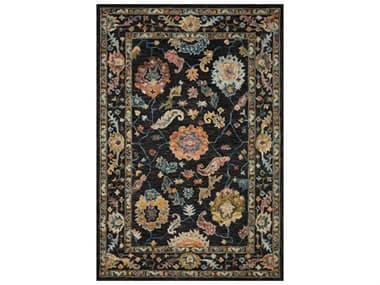
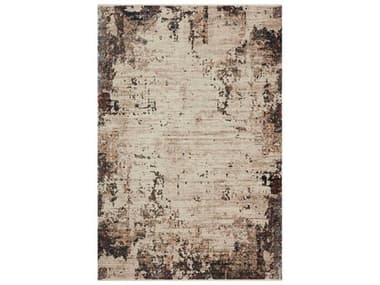
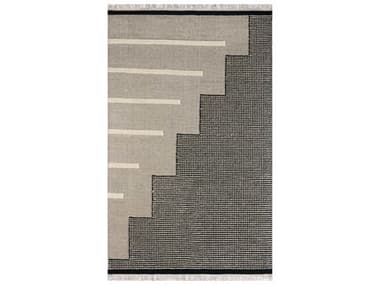
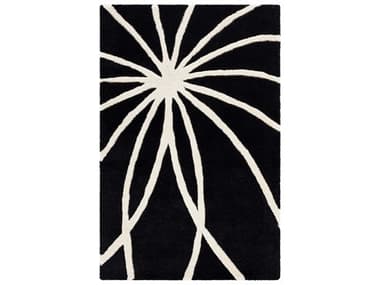
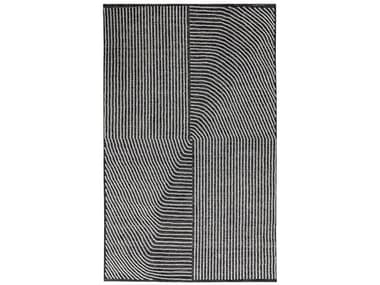
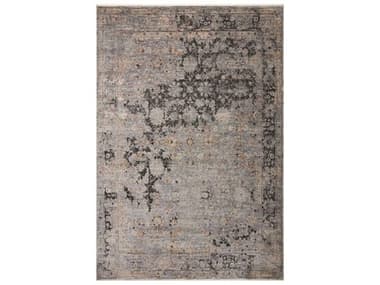
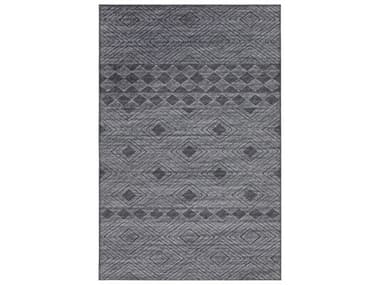
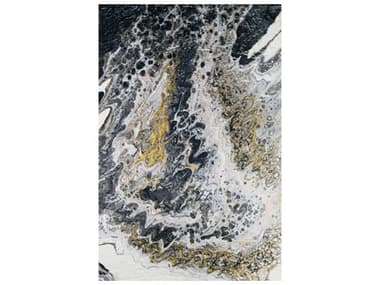
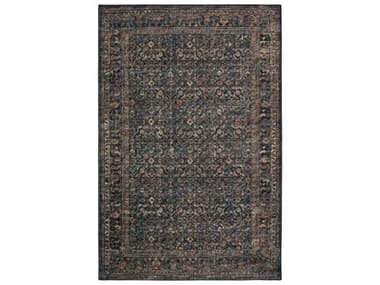
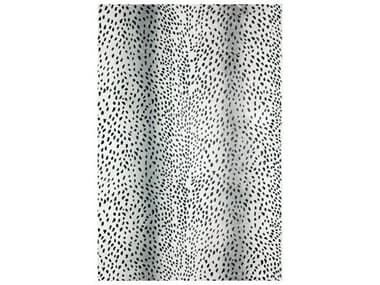
A black contemporary rug will give your room a hip, sophisticated style. It will give vibrant life to your room and works perfectly with a modern, minimalist style. If you select a solid black area rug, you will have the foundation for a rich, luxurious feel to your room. Glamorous and sophisticated, a solid black rug is the perfect basic piece to anchor a nicely decorated room. A classic, black patterned rug brings a sense of enduring timelessness to your style. Elegant and graceful antiques will shine against a classically patterned black rug.
In addition to the style of your decor, there are practical features to consider when purchasing an area rug, including:
A room size rug, particularly area rugs with black backgrounds make a bold statement. Your rug should define your furniture placement without overwhelming your room. It should be the foundation of your tableau.
When using small area rugs, you can strategically scatter several throughout the room to reinforce your decorative style.
Determine how much foot traffic your rug will need to support. A high traffic area like the front hallway will need an area rug that has a sturdy weave.
For dining rooms, bedrooms and less busy areas, you can select a silk or other finely woven piece for your black carpet statement.
Of course, the style of your room is of the utmost importance when selecting your rug.
Decorating with rugs gives you the flexibility to change out your decor as your tastes and furniture styles change. When you install a large carpeted area in your home, you are dedicated to keeping that carpet color and texture for many years. When you choose to decorate with area rugs, you are making an economically sound decision that offers decorating flexibility.
With the installation of large and small area rugs, you can change the look and feel of a room easily giving you a canvas for the rest of your furniture to shine against.
You can also change your rugs out seasonally with area rugs. It is so refreshing to have a light, airy rug in the spring and summer months. When cooler months roll around, shift to a dark, cozy color in the fall and winter months.
A room size black area rug imparts a warm, modern look and feel. When paired with contemporary leather pieces, fine cabinetry, and artful accessories, your room will embody a sense of wealthy and exquisite taste. Additionally, when paired with timeless antiques, your living room anchored in a patterned black rug will look rich and elegant.
By using room size soft black rugs in your bedroom, you can create a glamorous space. When paired with luxurious bedroom furniture like large tufted headboards in leather, chandelier lighting, and dark wood casement pieces, your room comes together to create a fit-for-a-movie-star bedroom.
Elegant dining rooms are spaces where we love to entertain our friends and family. An area rug that encompasses the table and chairs highlights the main focus of the room, the dining room set. With a modern black rug anchoring a stylish contemporary table, your dining room will be a showstopper.
Imagine hosting a candlelit dinner giving your table scape a glamorous romantic glow. The floor will almost fade away when lit by dancing candlelight. Decorating with black dining room rugs sets the stage for many memorable meals.
Small black area rugs scattered about the kitchen add a sense of modern maturity to an otherwise utilitarian space. The dark rugs play off modern and sophisticated cabinetry in a way that projects a chic urban style. When you decorate your kitchen in classic neutrals like black and white you have the opportunity to add vibrant pops of color around the room giving it a hip look. We spend a lot of time in the kitchen, we want to love the way it looks and functions.
When you are selecting your rug, you need to consider several factors.
How much traffic will this dark area rug need to endure? Is it in a high traffic area like the front hall or a dining room where stain resistance should be a consideration.
A large black area rug imparts a solid flooring that will give your room a sophisticated, modern feel. It gives the room a large solid base that the furniture will live on. Adding a small black rug will hint of a more casual feel, while still grounding the room in a dark color.
Our rugs are some of the finest quality rugs on the market. We are available to assist you in finding the best area rug for your decorating needs.
Once you have decided to add a black area rug to your room, it's time to choose a rug that you will love for years to come. Whether you select a luxurious solid black rug, a contemporary patterned rug, a classically patterned piece, or any other style we offer, you can rest assured that our rugs are the highest quality on the market. They come with our 30-day return policy for your peace of mind.
Our customer service representatives are available to answer any questions you may have about selecting the perfect black area rug for your home decor
Related Categories
Blue Rugs | Gray Rugs | White Area Rugs | Teal Area Rugs | Purple Rugs | Orange Rugs | Beige Rugs