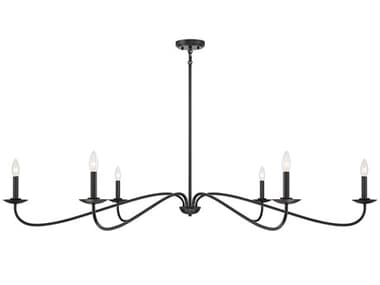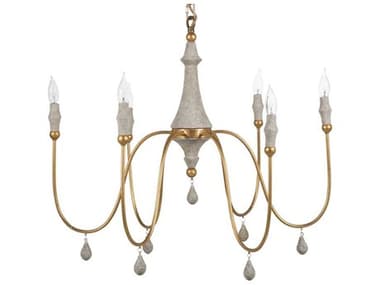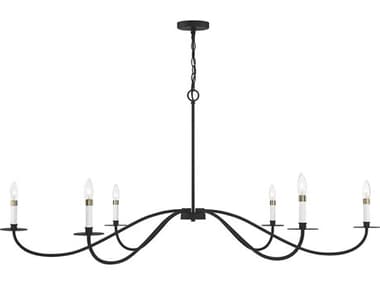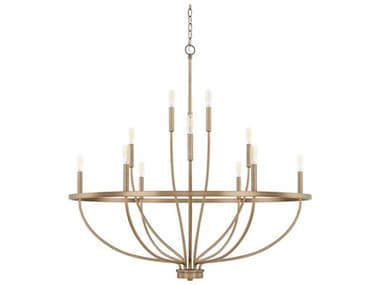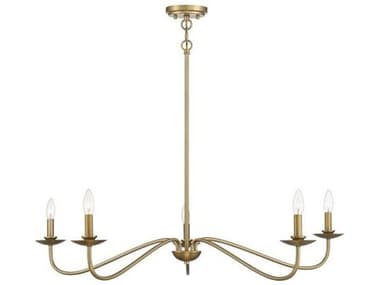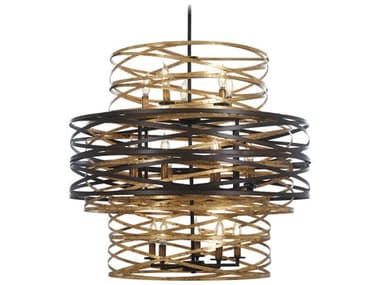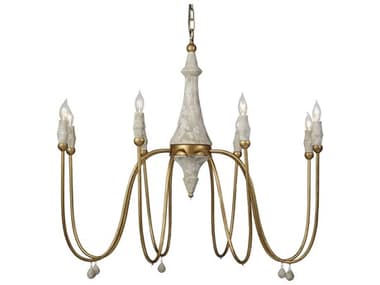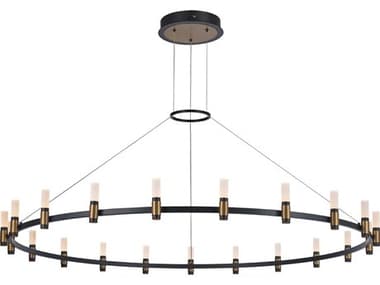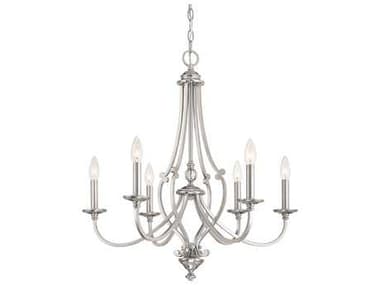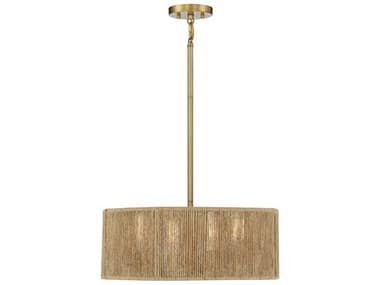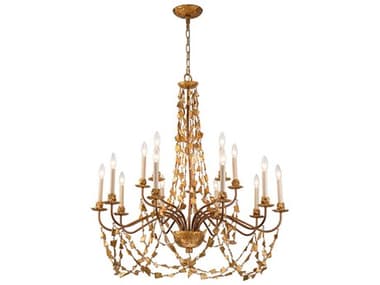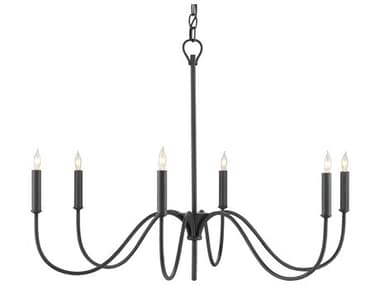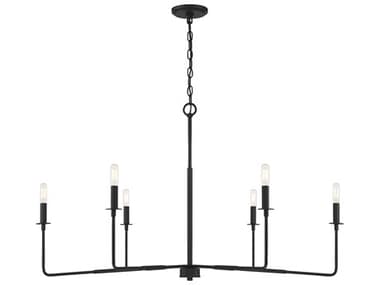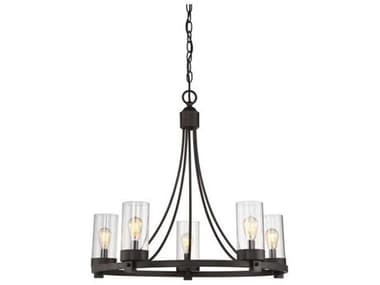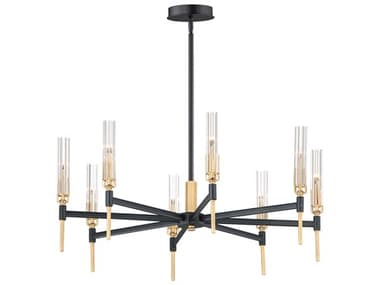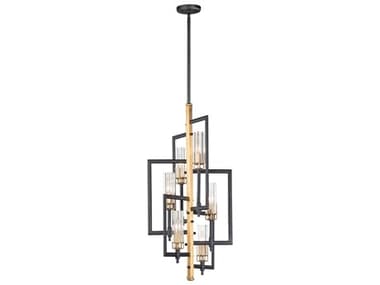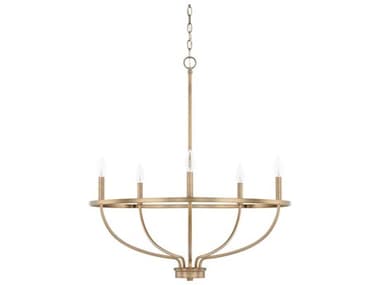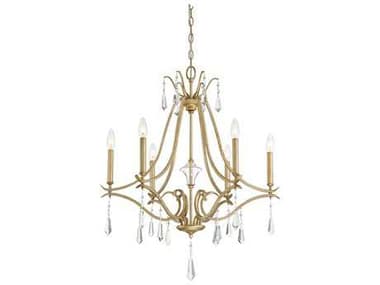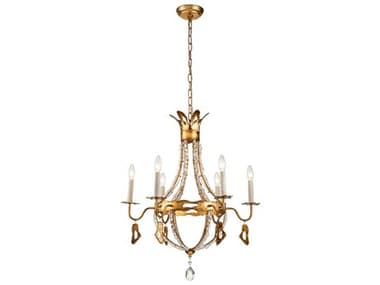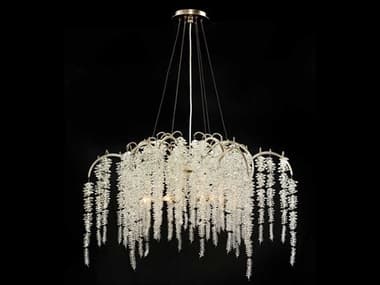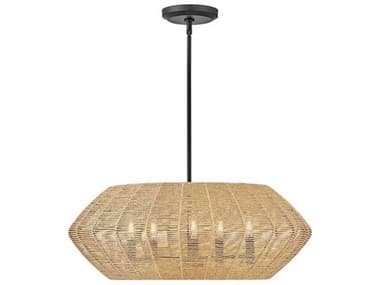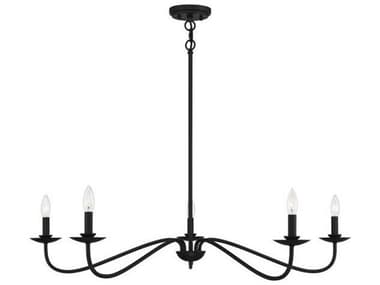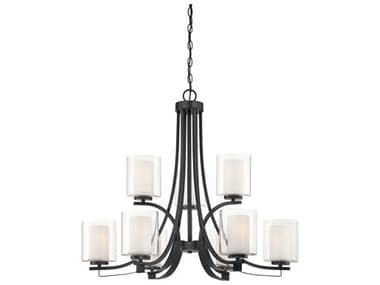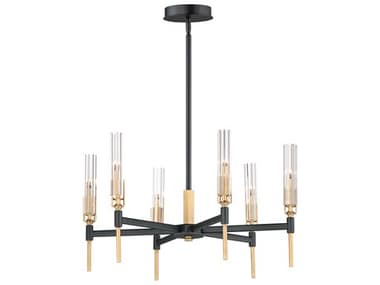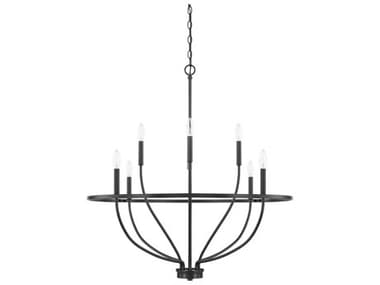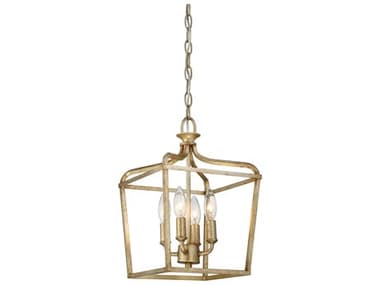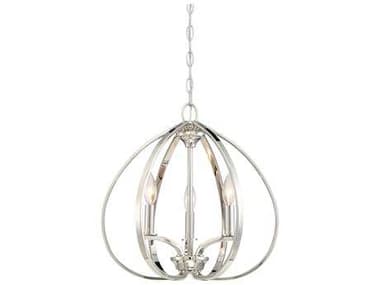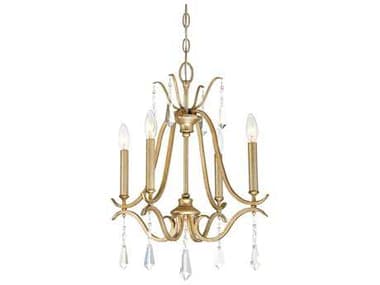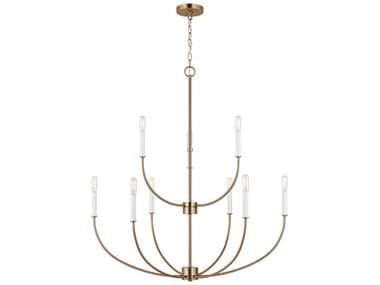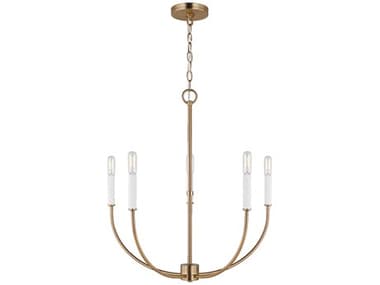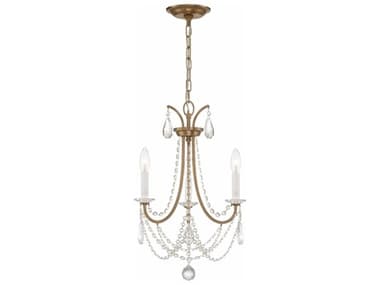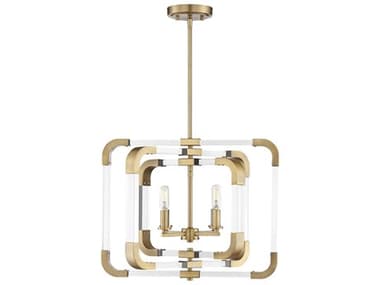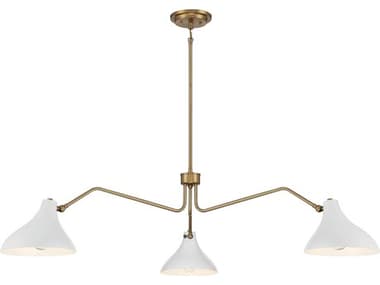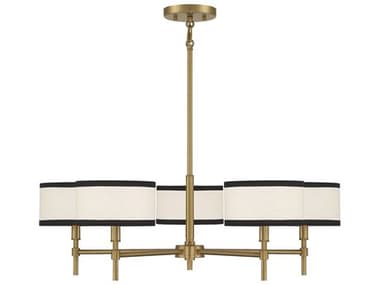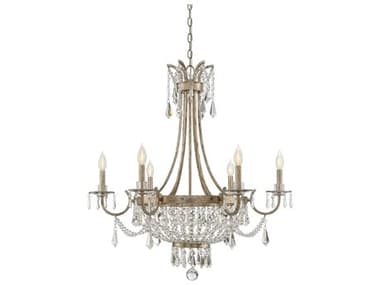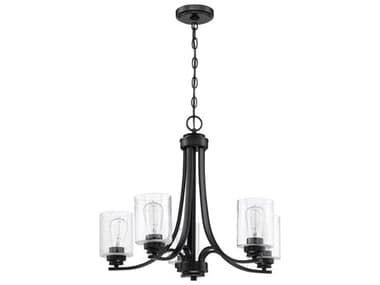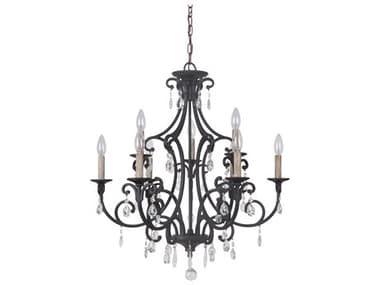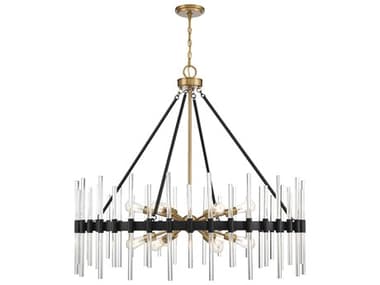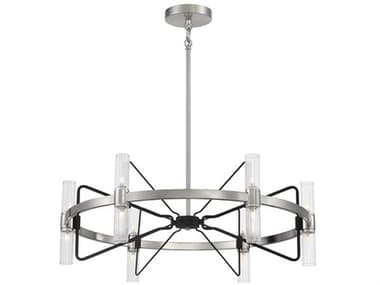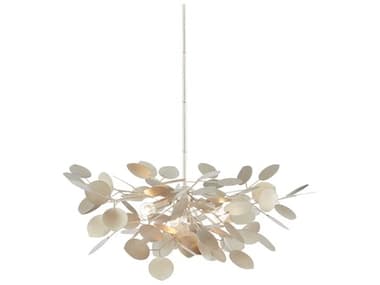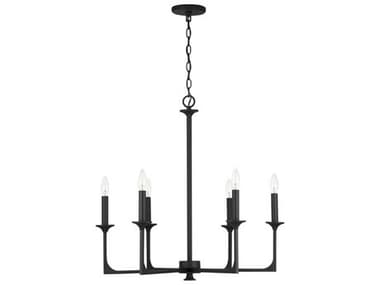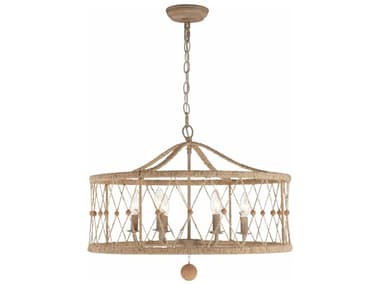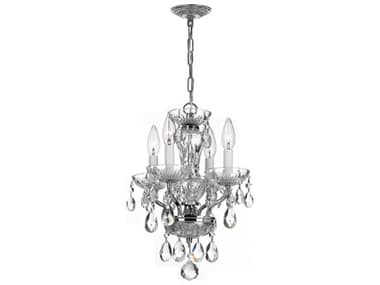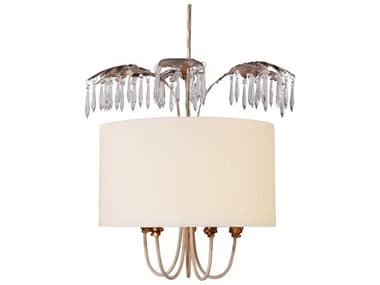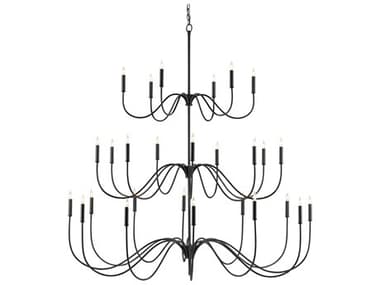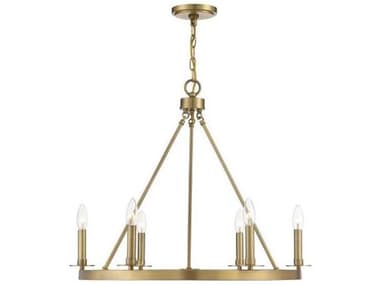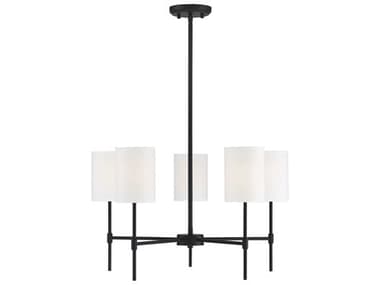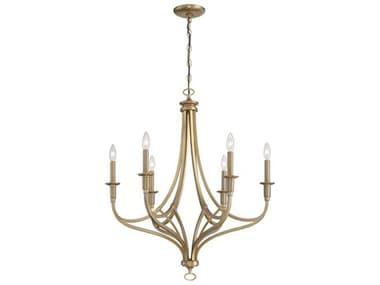
The chandelier is a classic ceiling lights piece of decor that is seen in many homes. It is a pendant light that has been around for centuries and has evolved with new technology and design trends over the years. The traditional chandelier still remains popular today, but now there are more modern designs to choose from as well.
If you're looking for something classy and elegant for your home, then adding a chandelier to your space would be perfect. They come in all different styles, shapes, sizes, and colors. There is a chandelier out there for everyone!
Although chandelier light fixtures are a sign of luxury and elegance, it's possible to find one in your price range. Make sure to do your research to find the best chandelier for you within your budget so that you can get the most value out of your purchase.
Chandeliers come in a variety of styles. If you have an older home, with more traditional style décor, then a crystal chandelier would be a perfect choice. If you have a more modern home, then go for something with clean lines and mirrored surfaces that will reflect light around the room. You can find beautiful chandeliers for every space since there are so many design styles available.
Chandelier light fixtures come in many sizes. The larger fixtures will require more space and the smaller ones can work in smaller spaces. The size of your chandelier lamp will also affect how bright it is.
Chandeliers are a beautiful accent for many rooms be it a living room chandelier or a dining room chandelier. A bathroom crystal chandelier adds sophistication to the space, while a drum chandelier helps create an inviting atmosphere. A mini chandelier for bathroom lighting is a great way to have a splash of elegance without too large of a lighting fixture. A chandelier over a kitchen table would be a great addition to your kitchen island lights.
Dining chandeliers make mealtime more festive, while a bedroom chandelier offers the perfect amount of illumination. Chandelier lighting for dining rooms is one of the most classic uses of this light fixture. There is truly no limit to what you can do with them!
The adjustable arm is a way to change the height of your chandelier. They are generally best for people who have high ceilings and cannot reach them without a ladder or other device. The adjustable arm can be found on many of the modern designs that are available today and many times it will automatically come with the chandelier when you purchase it. It is usually located near the bottom of the chandelier where you can adjust its height by using an Allen wrench.
The bulb is something to take into consideration when you purchase hanging chandeliers. There are three types of bulbs that you should be aware of. Incandescent, halogen, and LED. Incandescents give off more light than the other two but they also use up your electricity faster because they produce heat. Halogen light bulbs are more expensive than incandescent but they last longer and use a little less electricity, which means you will save money in the long run. LEDs are becoming much more popular because of their energy efficiency, so if you want to be environmentally friendly then it would be best to choose that kind of bulb over something else.
The wattage of the bulb is also something to consider. You want it to be just bright enough for your needs but not too much that it will cause a fire hazard or burn out quickly from overuse.
The wattage of the bulb is also something to consider. You want it to be just bright enough for your needs but not too much that it will cause a fire hazard or burn out quickly from overuse.
You want to make sure that the chandelier lighting is adequate for your needs. If you plan on hosting parties, then you'll need a brighter light, but if it's just used as an accent piece then something dimmer would be better so that other features of the living space can also be seen. Hanging chandelier lamps are great for social occasions because it's much less likely that they will be knocked over during an event.
A dimmable light is one of the best lighting options you have because it gives you complete control over just how bright or dim your living area will be.
Different colors emit different types of light, so if this matters to you then make sure to pay attention to what color temperature a certain bulb has.
The three main types are warm white (2700K), neutral white (4000K), and cool white (6500-7500). Warm whites are perfect for a living room where you want to create an inviting, homey vibe and to add some ambiance. Neutrals are great in bedrooms or hallways because they provide even lighting across the entire area without any harsh shadows. Cool colors would be best in a modern-looking space for a sleek and elegant feel.
This is something to keep in mind if you have a sloped ceiling as most people do nowadays. Many chandeliers are very high up and it can be difficult to reach them without the use of a ladder, so an adaptable one is perfect for this situation because the arm will extend towards your ceiling as needed or you can adjust it manually using an Allen wrench.
The mounting option is also something to consider when you buy a chandelier because not all of them come with their own hardware and it can be difficult to find the right one if you don't know what type or size you need beforehand. Fortunately, most retailers have this information on the product description page so that you can purchase the right one before you buy.
Chandeliers are one great way to add a touch of elegance to any room in your home. They look spectacular, so you can use them as an accent or focal point for your space. If you're interested in purchasing chandelier light fixtures for your home decor, LuxeDecor has a great assortment of chandelier styles, finishes, and brands you could want in different shapes and sizes. For more information about chandeliers, including construction, placement, and care, read LuxeDecor's Chandelier Buying Guide
Related Categories
Crystal Chandeliers | Traditional Chandeliers | Transitional Dining Room | Rustic Chandeliers | Brass Chandeliers | Tiffany Chandeliers | Pink Chandeliers | Small Bathroom Chandeliers | John Richard Lighting | Bronze Chandeliers