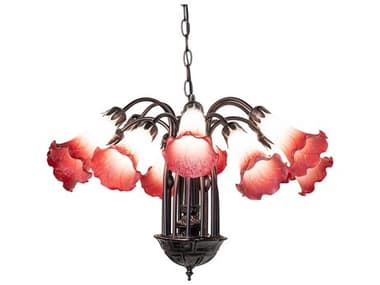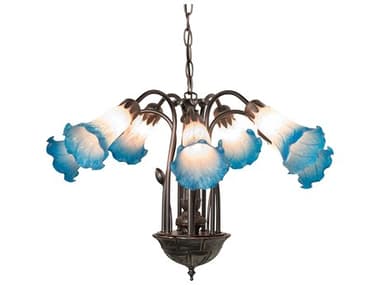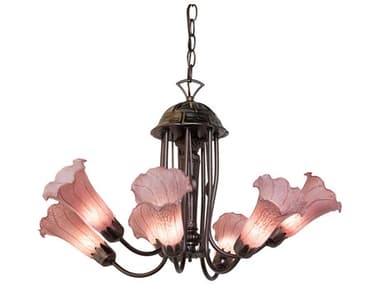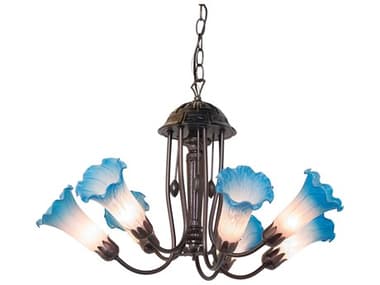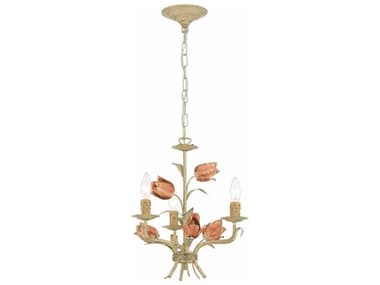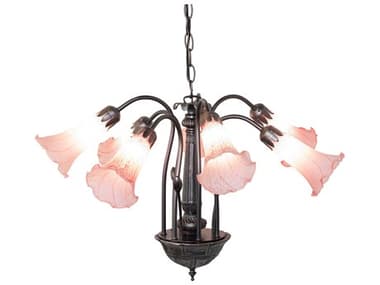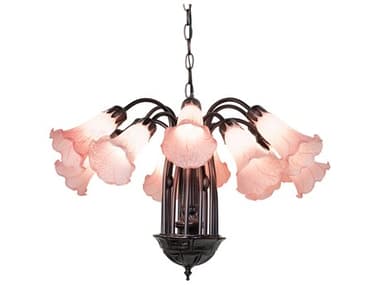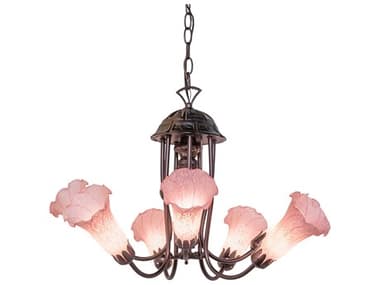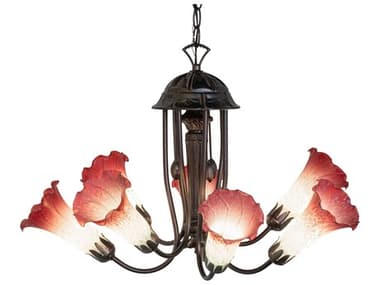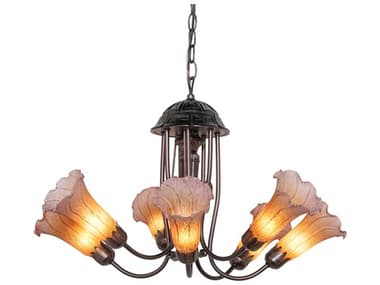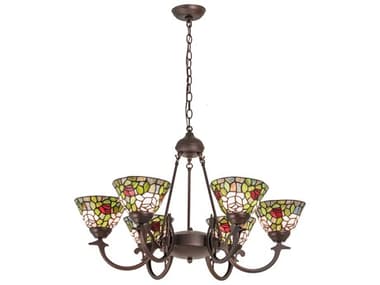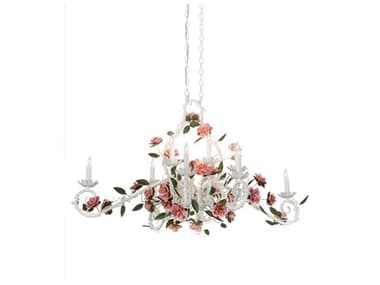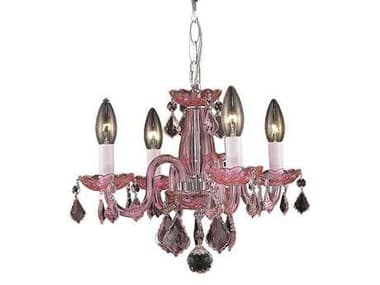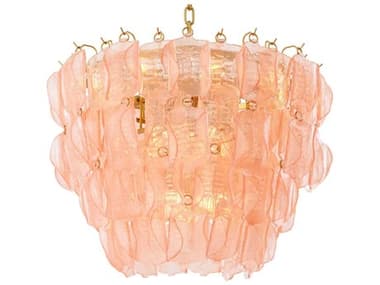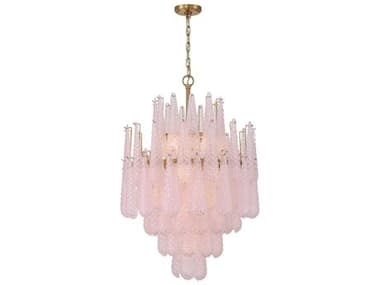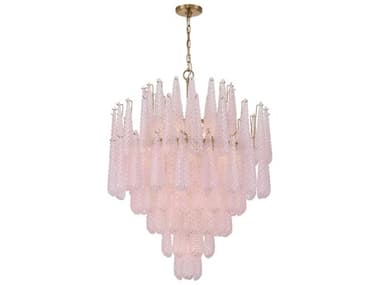
Pink chandeliers come in a wider range than most buyers expect. The color alone varies from pale blush and dusty rose to bold fuchsia and deep magenta — and the material determines how that color reads in a room. A crystal chandelier with pink-tinted prisms throws soft rosy reflections across walls. A painted iron chandelier in matte pink reads more architectural and modern. Knowing which effect you want narrows the field quickly.
Most luxury pink chandeliers fall into a few distinct categories:
Bedrooms are the obvious answer, but pink chandeliers hold their own in dining rooms, powder rooms, and entryways too. In a dining space, a luxury blush crystal chandelier adds unexpected warmth to evening gatherings — especially paired with brass or gold-tone hardware. In a powder room, the smaller scale of a mini chandelier in rose or coral makes the space feel considered without taking up too much visual weight.
For nurseries and children's rooms, look for fixtures rated for dry locations with secure mounting hardware. Many designer pink chandeliers feature adjustable chain lengths, which matters in rooms with varying ceiling heights.
A few practical points worth noting. Pink reads warmer under incandescent or warm-white LED bulbs (2700K). Under cool-white lighting, blush tones can shift toward lavender — not always the intended effect. Match your bulb temperature to your fixture's color undertone.
Scale matters as much as color. A general guideline: add the room's length and width in feet, then convert that number to inches for approximate fixture diameter. A 12×14-foot room suggests a chandelier roughly 26 inches across. Going slightly larger creates drama; going smaller risks the fixture looking lost overhead.
Pair pink chandeliers with complementary metallics. Rose gold and brass enhance warm pink tones. Chrome and polished nickel work better with cooler pinks that lean toward mauve. The frame finish on your chandelier should echo at least one other metallic element in the room — a mirror frame, cabinet pull, or curtain rod — so the fixture feels intentional rather than isolated.