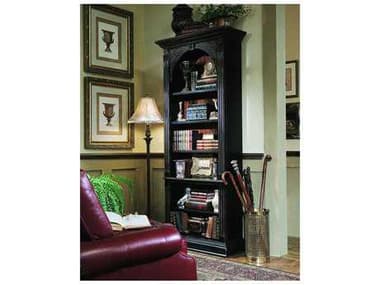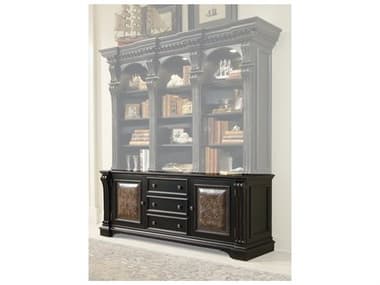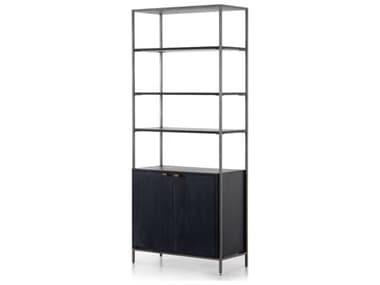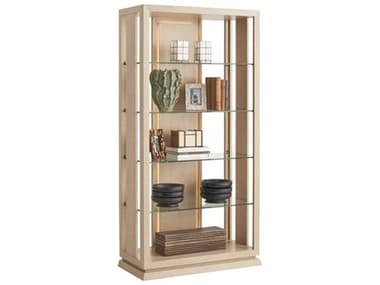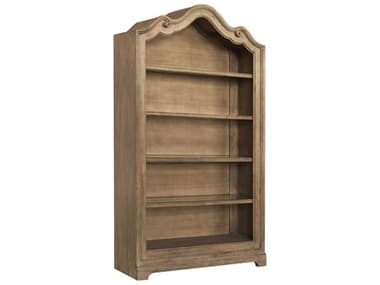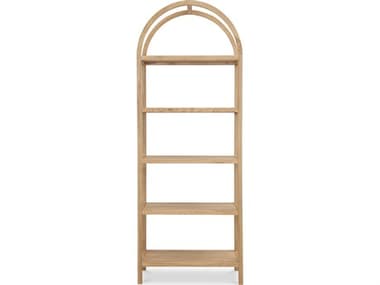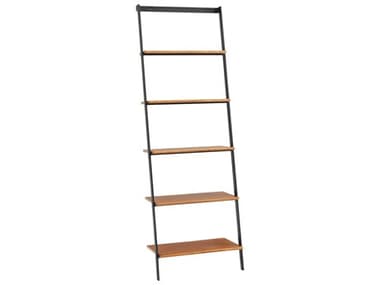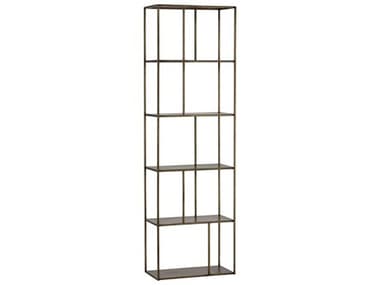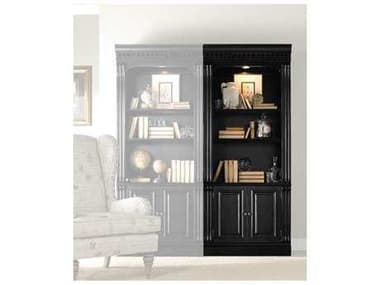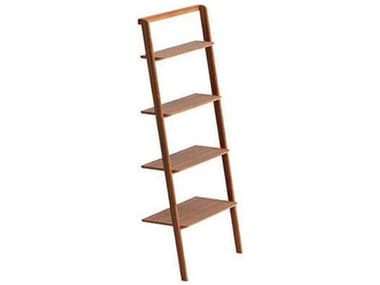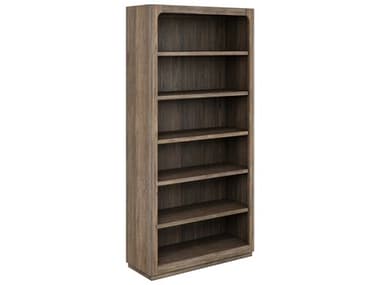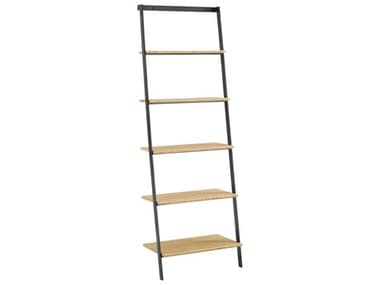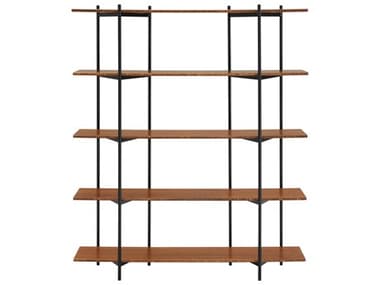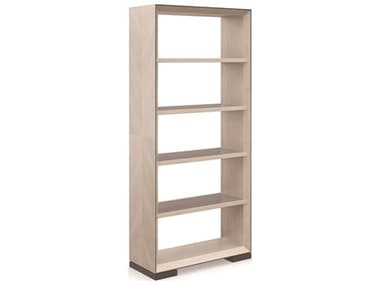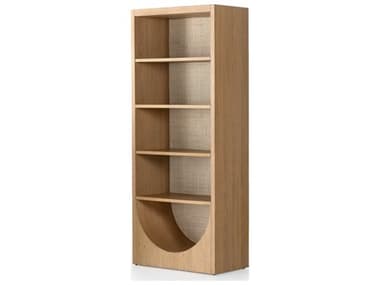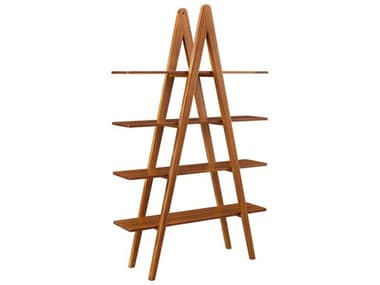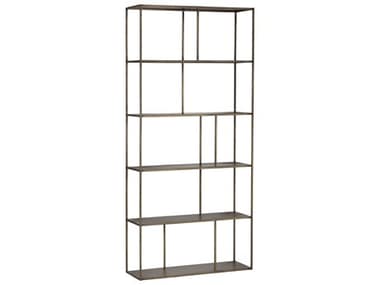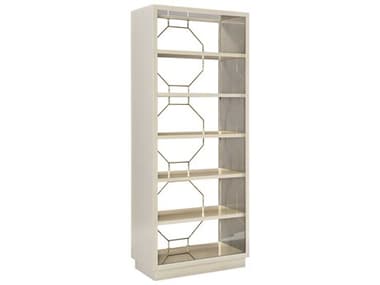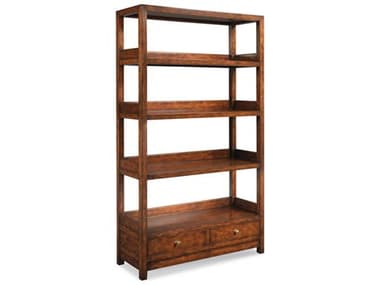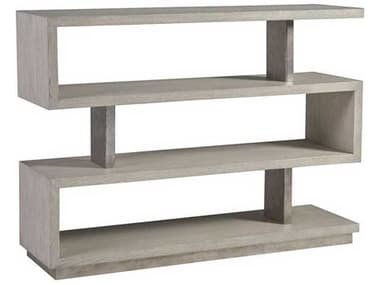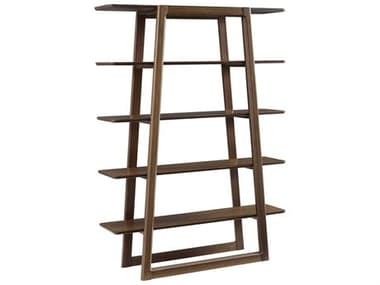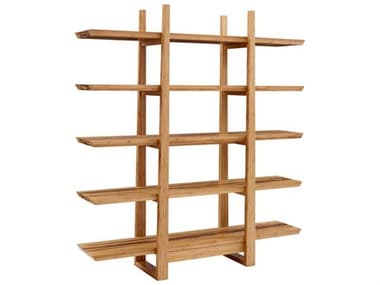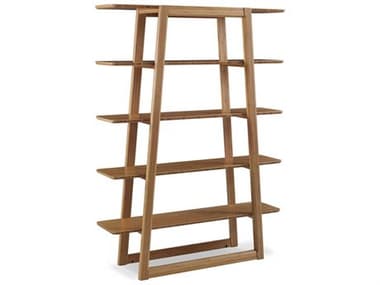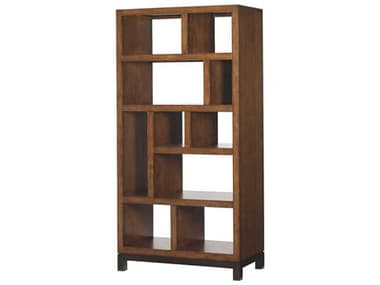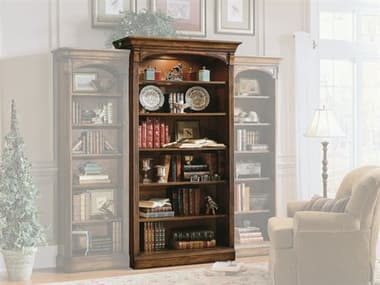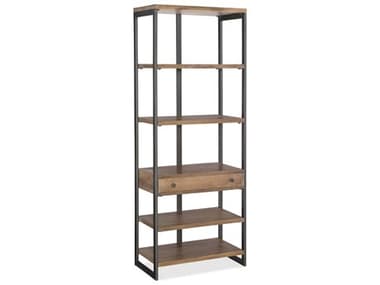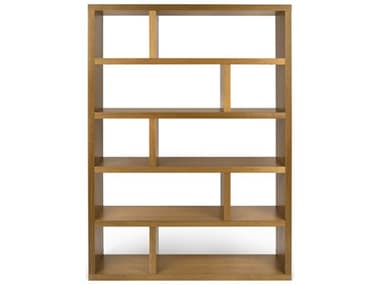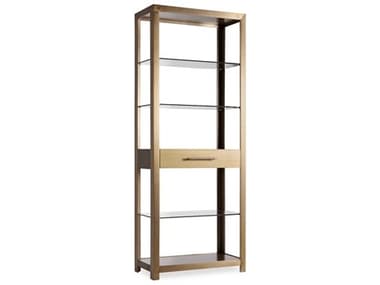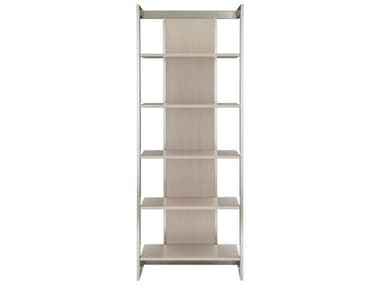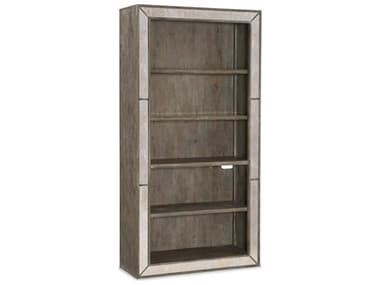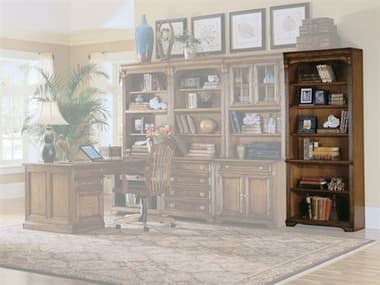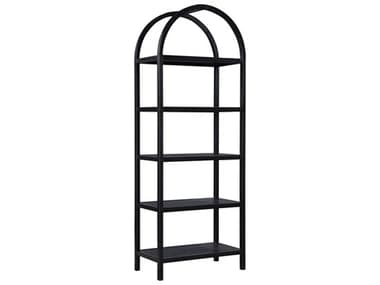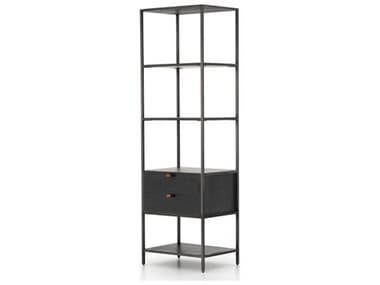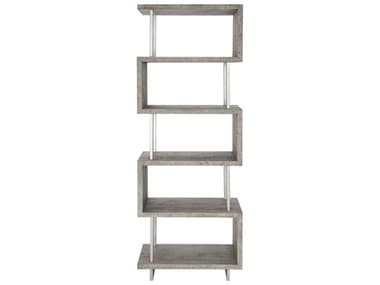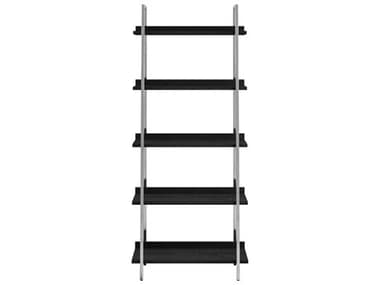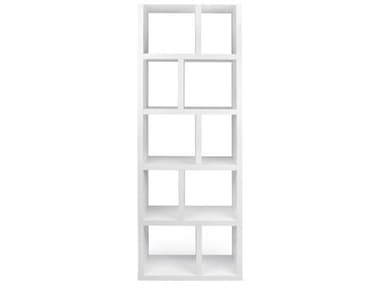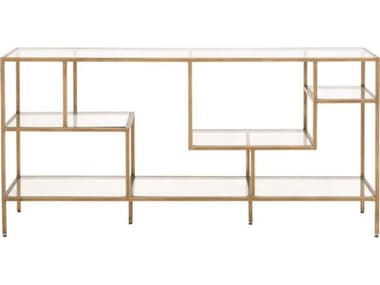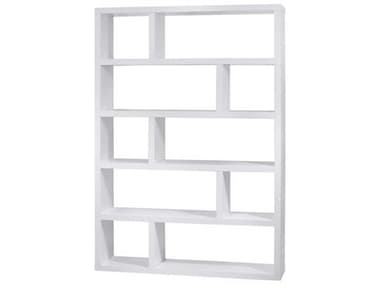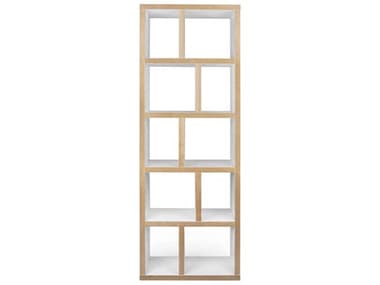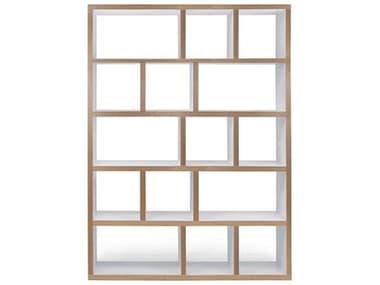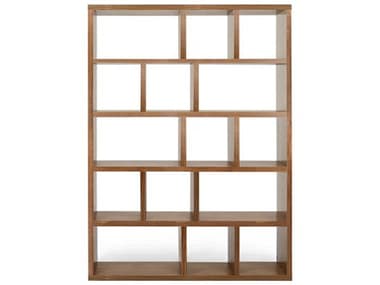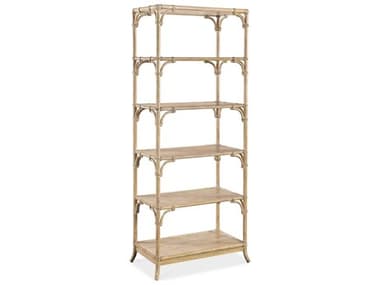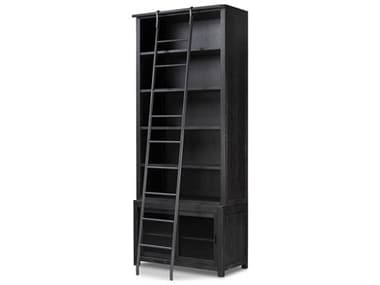


There are many different styles of bookcases that you can use to decorate your home. The idea is to find a style that will work with the other furniture in your house and compliment it. There are traditionally styled bookcases, modern-styled bookcases, an etagere bookcase, or even sleek black leather ones like what you would see in a high-end office space. Whatever type you choose, getting the right sized one for all of your books and knick-knacks is important.
When you're buying a new bookcase for your home, you'll want to decide how much money you plan on spending. The price of bookshelves will vary greatly depending on the materials used and the size. Think about how long you want your bookcase to last. If you want a long-lasting piece of furniture that will last through generations, then you're going to need to invest in a more expensive bookcase.
If you are on the tight end with your budget and want a lightweight option for moving from room to room or if it is just not something that's a high priority for your home design, then less pricey bookcases can be a great option.
When you're buying a new bookcase, it is important to think about the size of your home and what will work best in it. If you are looking for something tall with plenty of space or even an etagere that has multiple shelves, then more room may need to be allocated in your home for it to work.
If you are looking for something smaller and more compact, then this is also an option that can be available depending on the size of your space.
Another important factor to consider when buying a bookcase is what type of material will work best in your current décor or if you're just starting with a new home. If you have a more traditional home and want to keep with the theme, then traditionally styled bookcases or natural wood-covered ones are perfect.
If you're looking for something modern that will work best in an office space, sleek black leather is also another option that works well in this type of environment.
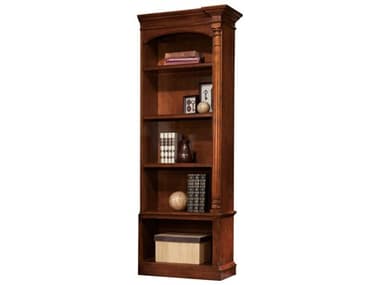
There are many different styles of bookcases that you can use to decorate your home. The idea is to find a style that will work with the other furniture in your house and compliment it. If you have a minimal contemporary home, you may want something that is sleek and minimalist, like a modern-styled bookcase. If you have an antique home full of beautiful wooden furniture or want something more traditional with lots of detail, then traditionally styled bookcases are perfect for this style.
The idea behind finding the right type of bookshelves to decorate your house is not only about having somewhere to display your books, but also choosing the right style, budget, and making sure your purchase suit your needs.
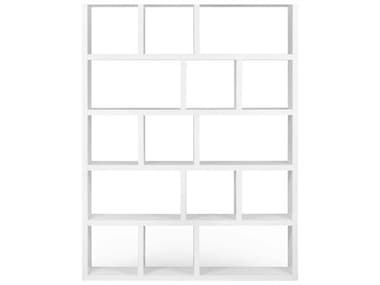
There are many different styles of bookshelves that can work well for your home. If you want something light and simple that doesn't add any heaviness to your home, a white bookshelf is a great choice. You can also achieve a simpler, more open look by purchasing a small bookcase.
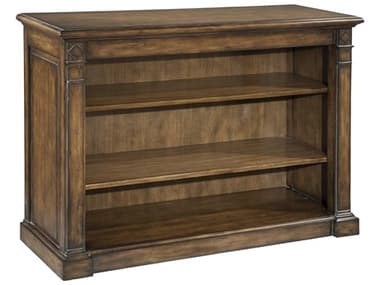
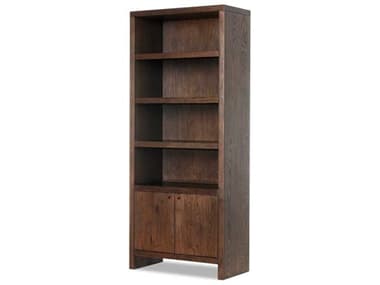
Wooden bookshelves are great for a distinguished, timeless look. They also work well for any home type and are perfect if you want to showcase your leather-bound collections.
Bookshelves with drawers, made of metal or glass, can be a great option because they offer storage space that many other bookcases don't have. This makes them an excellent choice for someone who wants their home to have less visual clutter and more organization.
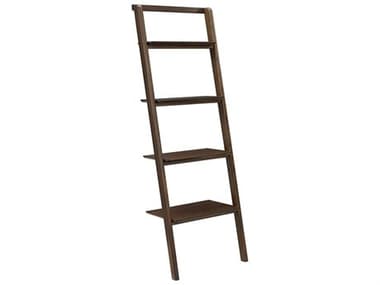
Where will your bookshelf fit best in your room? Is it a focal point, or is it off to the side? If you don't have a lot of floor space, are wall mounted bookshelves a good solution for you? A corner bookshelf is a great idea for small spaces as well, and a white ladder shelf will have a clean and simple appearance when leaned on an accent wall.
No matter where you decide to place your bookshelf, make sure that there will be enough space for it by measuring out an area before purchasing one. This way you won't have to go through the hassle of returning it after you have bought it.
When measuring your books, make sure to measure both the height and width. This will ensure that there is enough space for all your books without making them look clustered together on one side or not having any room on the other side for a good gap between each book. Some people double stack their books if their shelf is deep enough, but this may not be an option if you have a narrow bookshelf.
There are many different styles of bookshelves that you can purchase for your home. You may only need one, or more than one, depending on how much storage space and type of style you're looking for.
You should also decide if the bookcases will be spaced evenly throughout your house in order to have a balanced décor or if they will be in specific places. If they are spaced throughout the house, you should choose a type of bookshelf that is appropriate for each room it will go into and ones that also suit your needs.
Bookcases can be used to display artwork as well, so think about what size bookcase would work best for this task. You can also display your favorite items in your bookcase by using space creatively. For example, you can attach a few hooks to the side of a bookshelf and use it as an area for displaying photos or other memorabilia that doesn't fit on shelves.
Choosing the right bookshelf is all about finding one that fits with what you're looking for style-wise, as well as considering the size and budget constraints. Once you have your bookcase in your home, now it's time for the fun part - displaying your beautiful books!
LuxeDecor carries a wide variety of high-quality bookcases designed for every home, budget, and function. Shop our collection now.
Related Categories
Hooker Bookcases | Metal Bookcase | ART Furniture Bookcases | BDI Bookcases | Traditional Bookcases | Tommy Bahama Bookcases