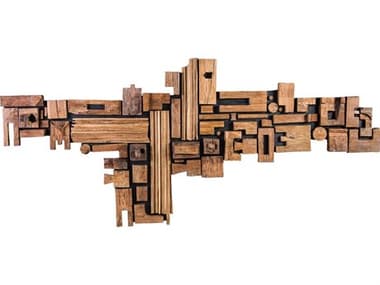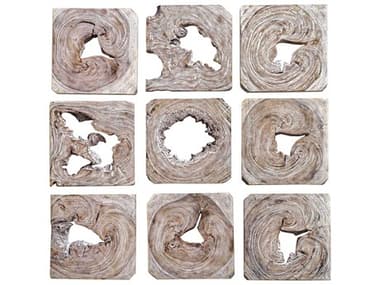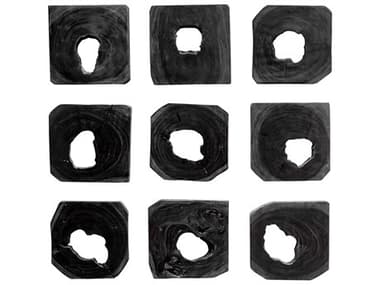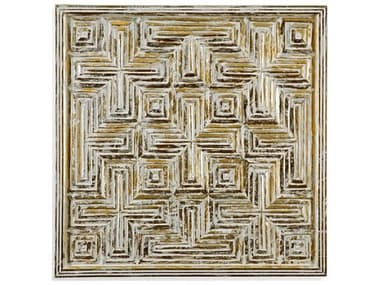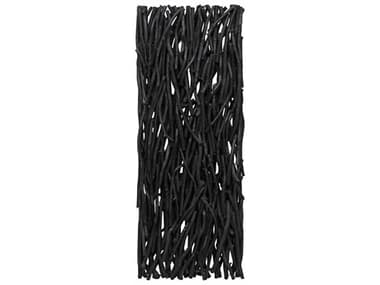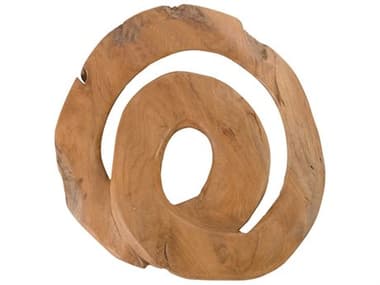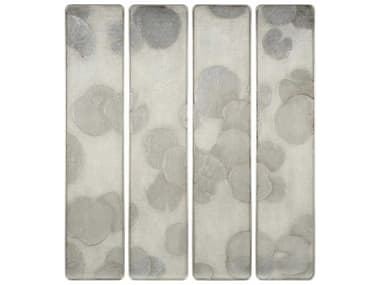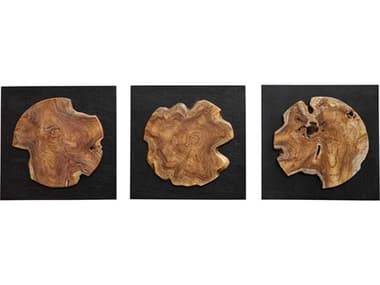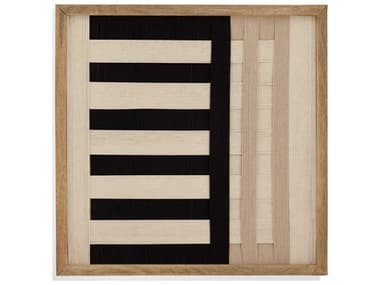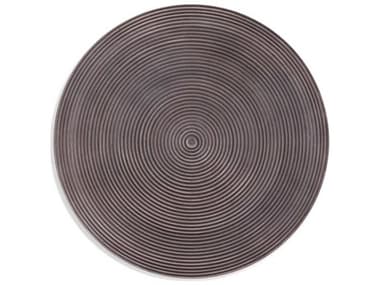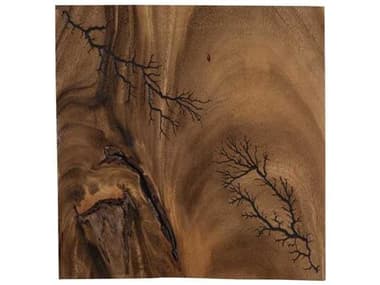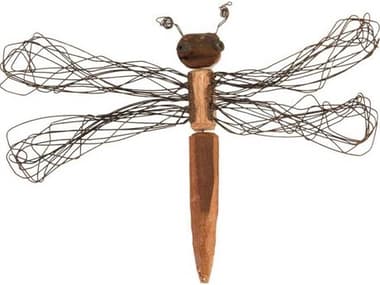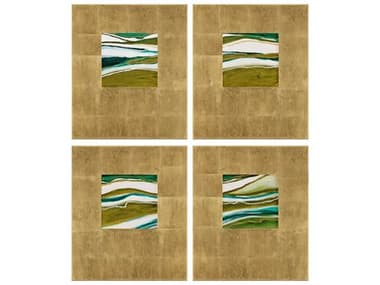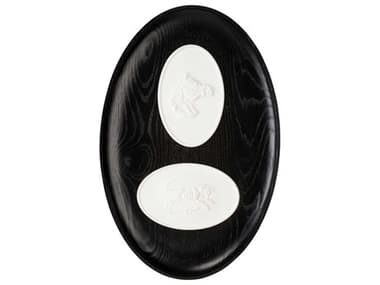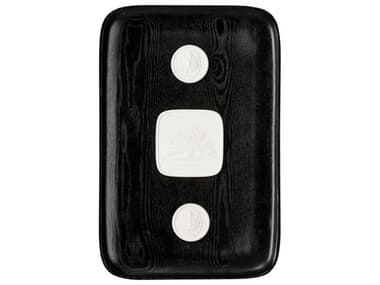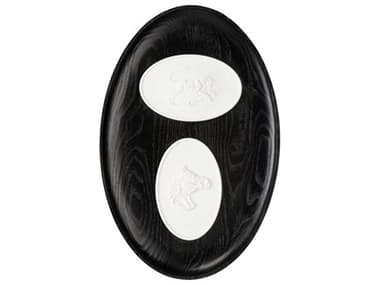
Art calms, heals, and soothes; it can also inspire, thrill, and empower. The art that you purchase for your home should not only embody your personality, it should in part define it. The main purpose of art should be to bring character to your home. And in doing so, you will get to express who you really are.
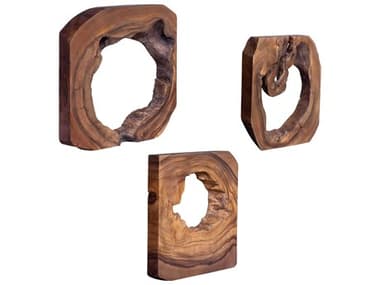
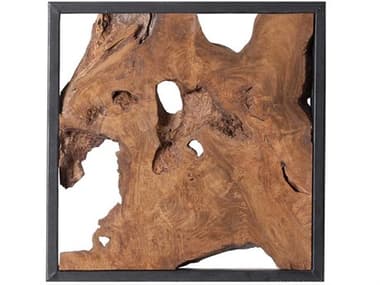
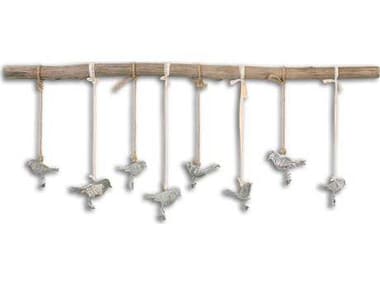
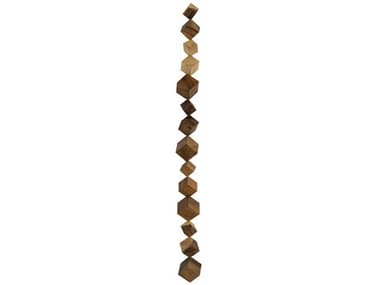
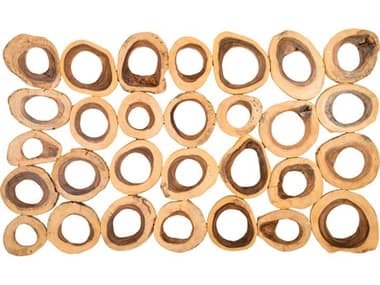
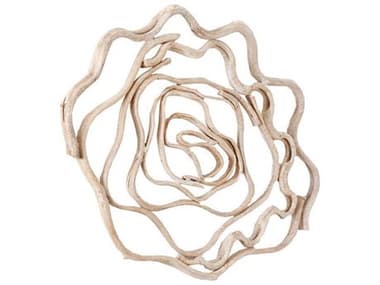
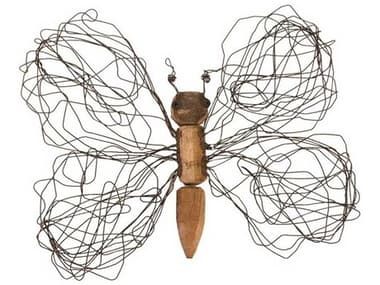
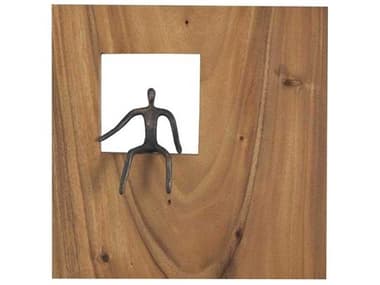
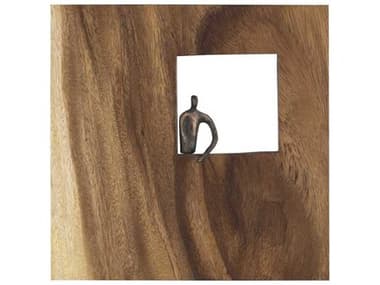
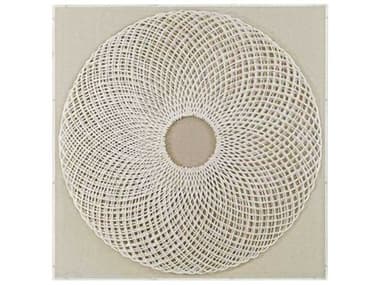
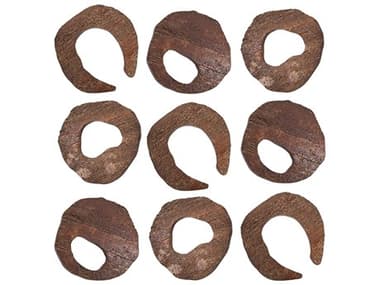
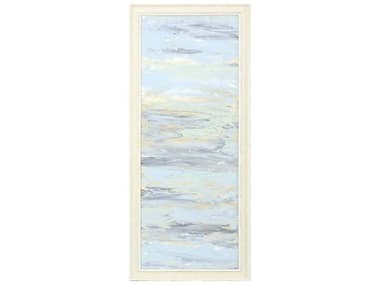
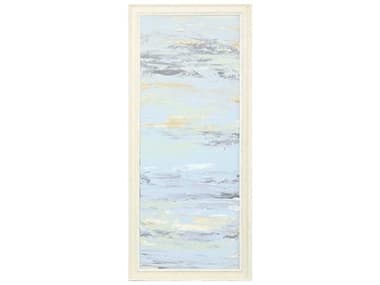
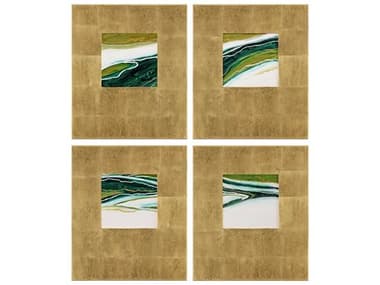
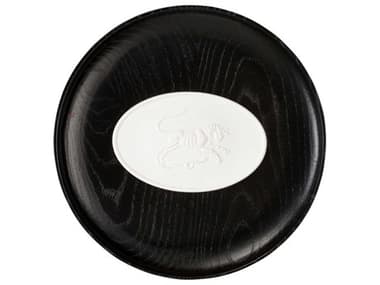
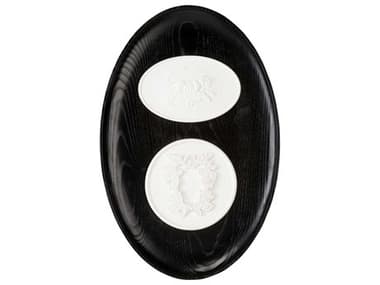
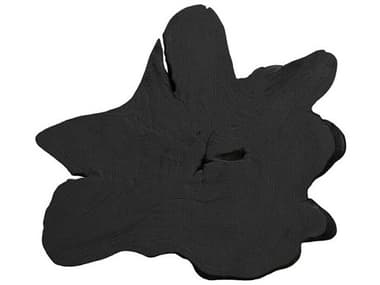
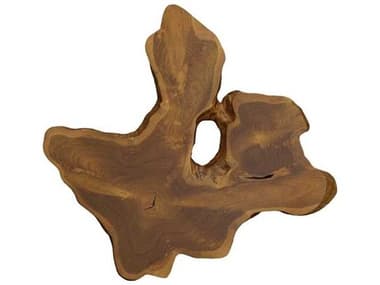
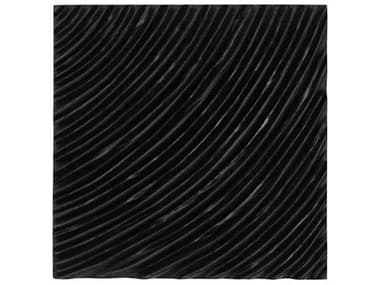
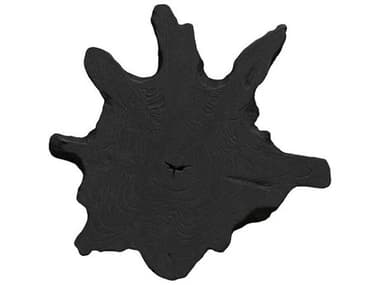
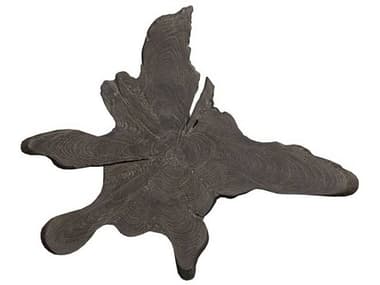
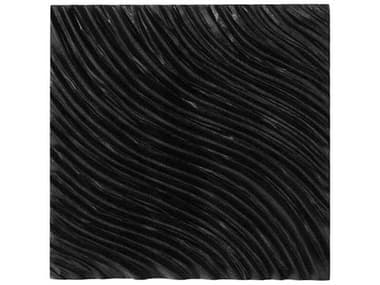
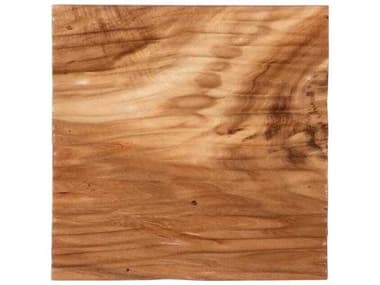
Wooden wall art is popular among modern homeowners. There is plenty of it on the market, and there are a range of designs to choose from.
A piece of art is the most personal thing you can put up in your home. You should ensure that it not only reflects your aesthetic taste but has the right aesthetic effect. One of the great things about wooden wall art is that it is an investment—in both the aesthetic and financial sense. The value of it can grow over time. That is why you want to make the right choice before you make the final decision.
Wooden wall art has different effects in different spaces. Most wooden wall art is not designed to be put into a specific room in your home. You are the one who must make such a choice. Here are some of the things you should consider when buying art for the different rooms in your house.
If you hang art in your living room, you should try to draw as much attention to it as possible. A large, or even extra-large, piece will be most appropriate for this room.
There are many types of wooden wall art—too many to provide an exhaustive list here. Below are some of the types of wall art you should consider:
There are many decisions to make about the wooden wall art you want to buy. It is best to think through a certain set of criteria when choosing. You should buy your wooden wall art according to:
The art that you hang in your house will help define it. You should purchase wooden wall art that you will love and enjoy. Check out our great selection of wall art today!
Related Categories
Traditional Wood Wall Art | Casual Wood Wall Art | Modern Wood Wall Art | Glass Wall Art