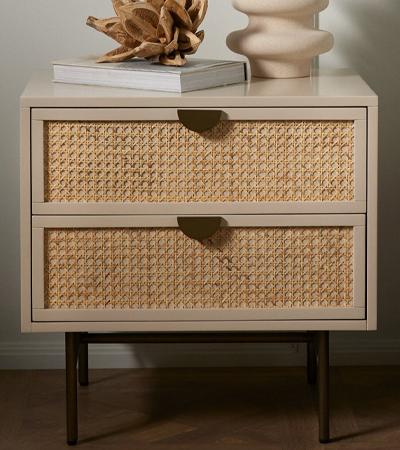
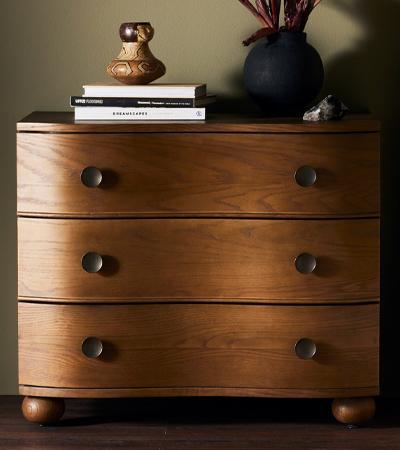
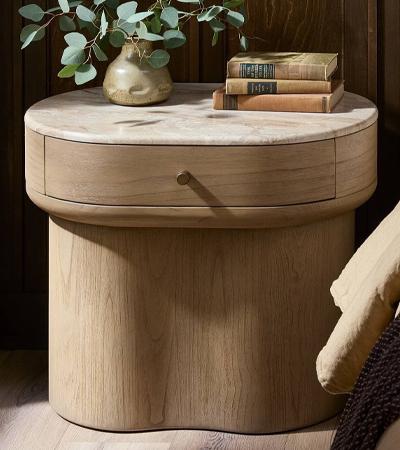
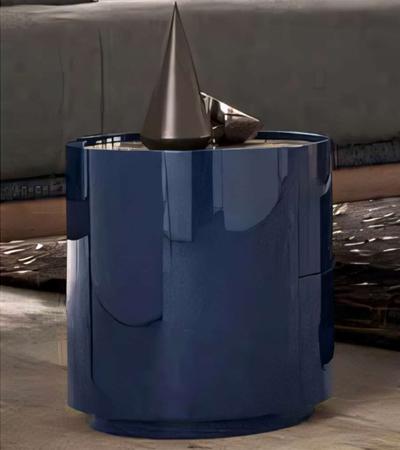
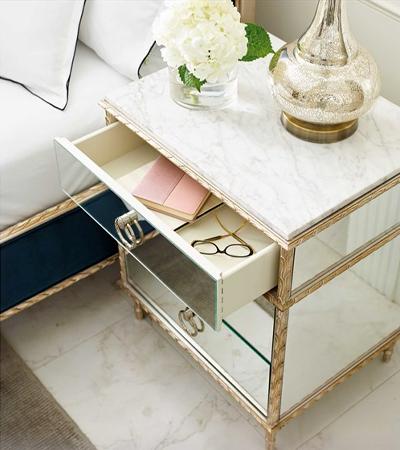
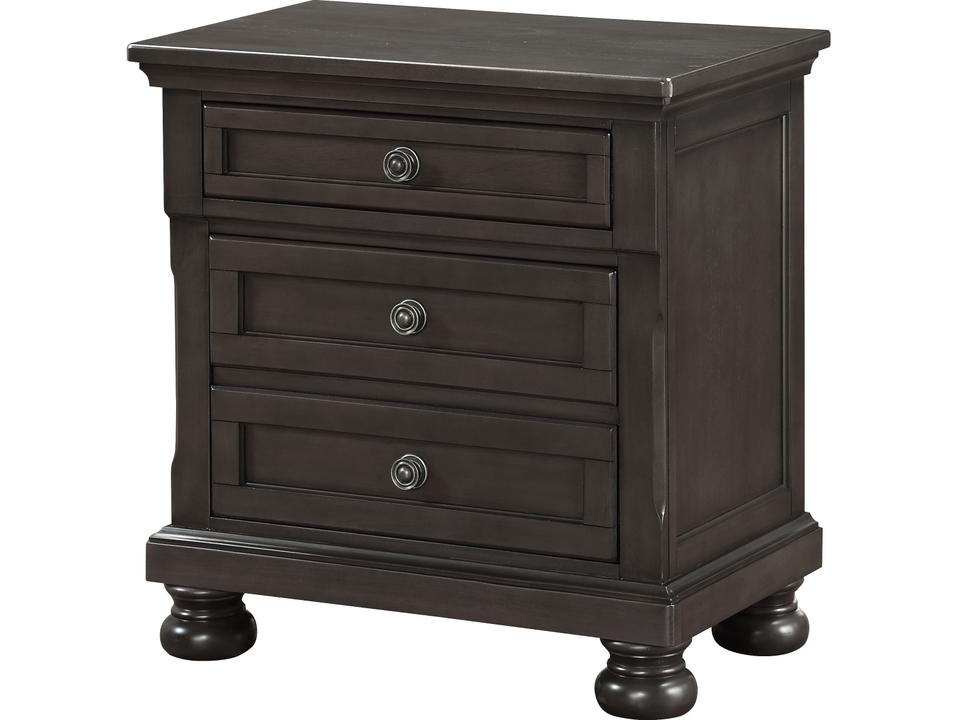
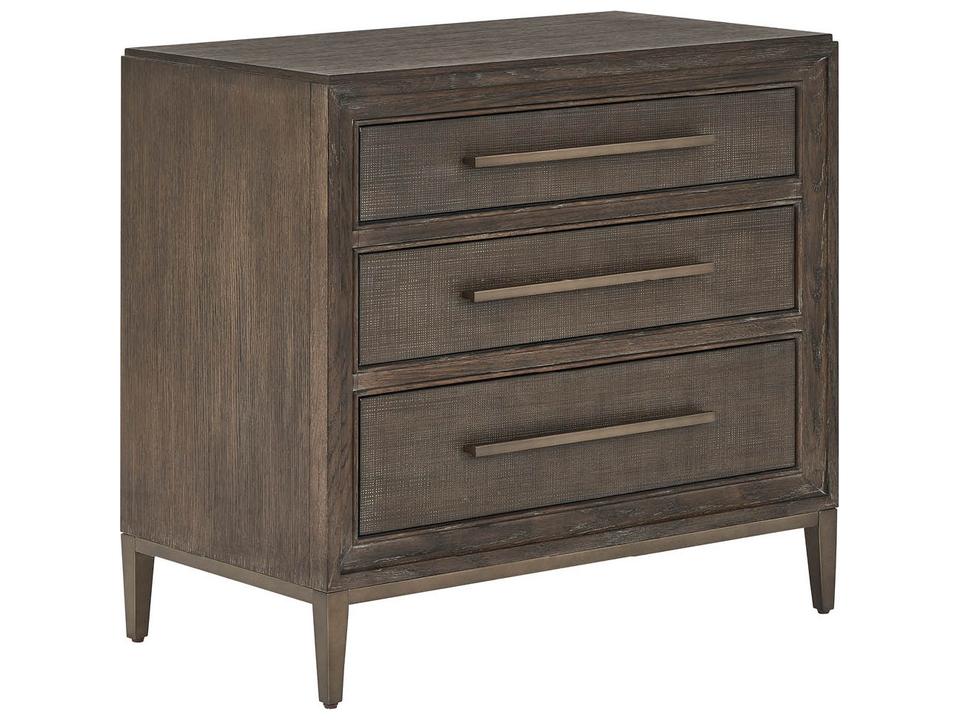
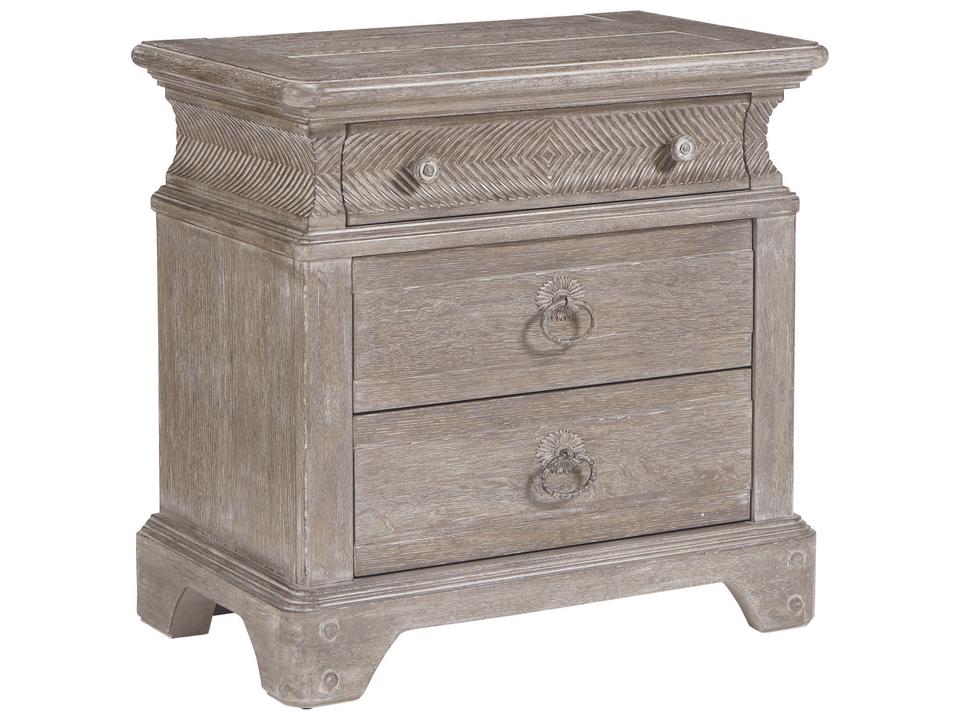
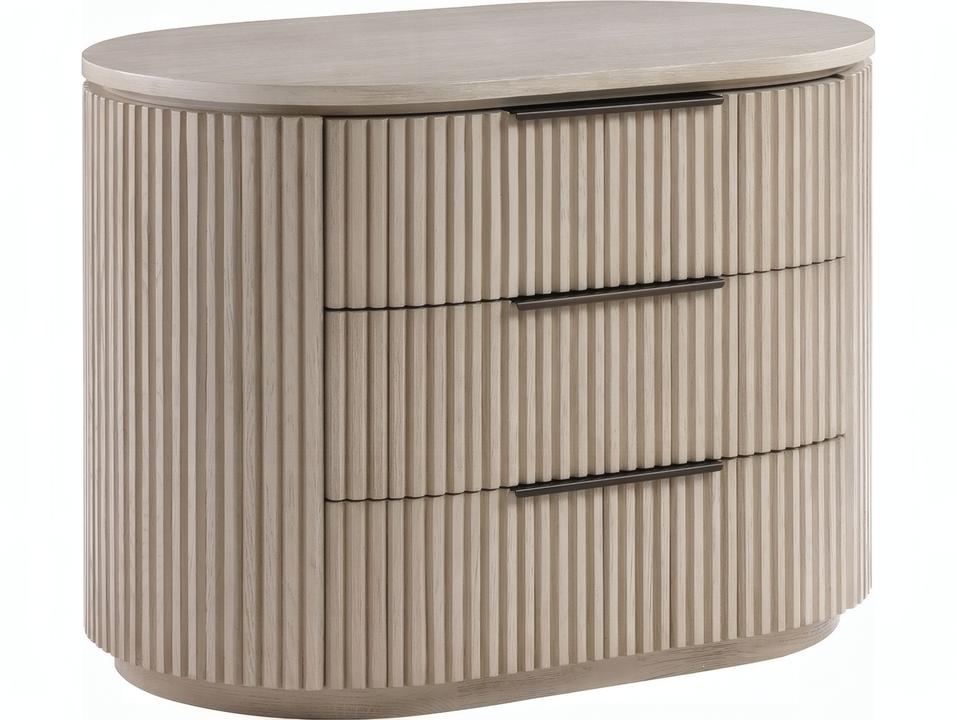
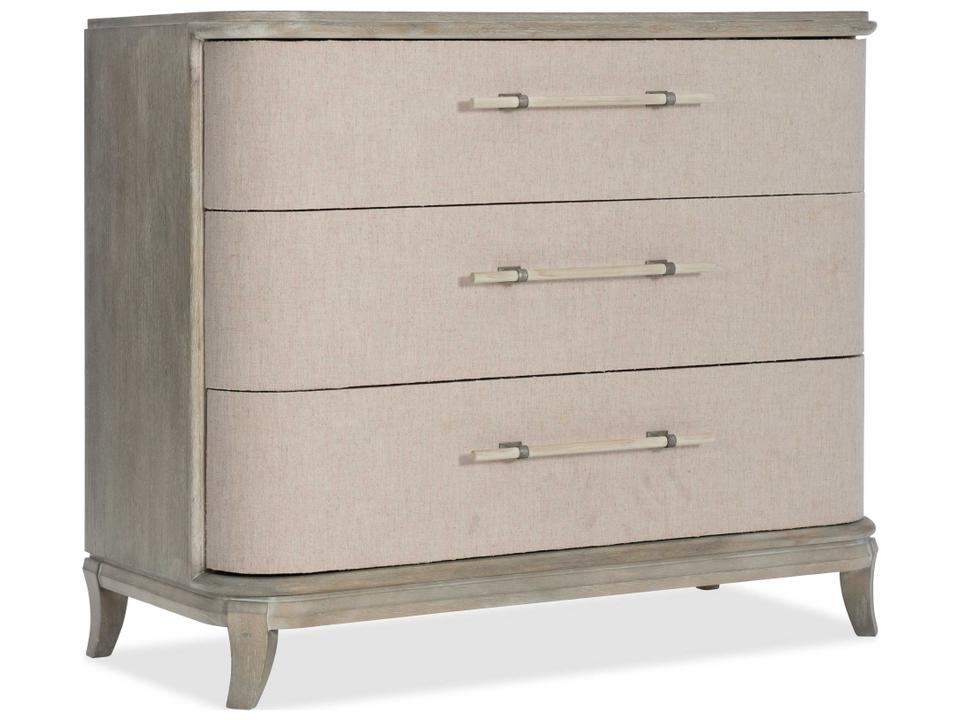
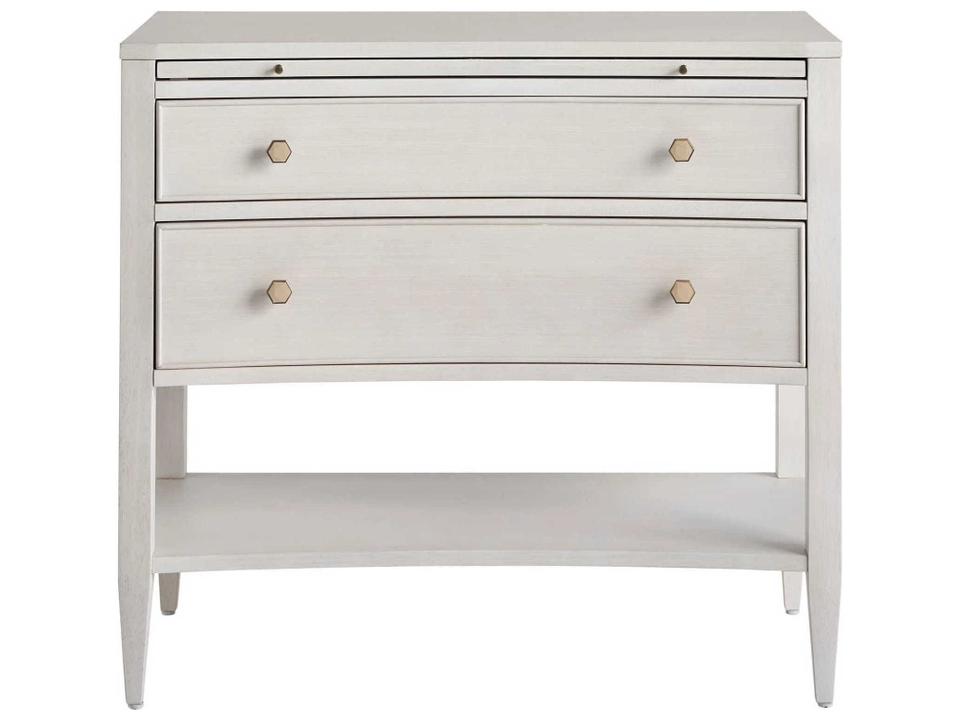
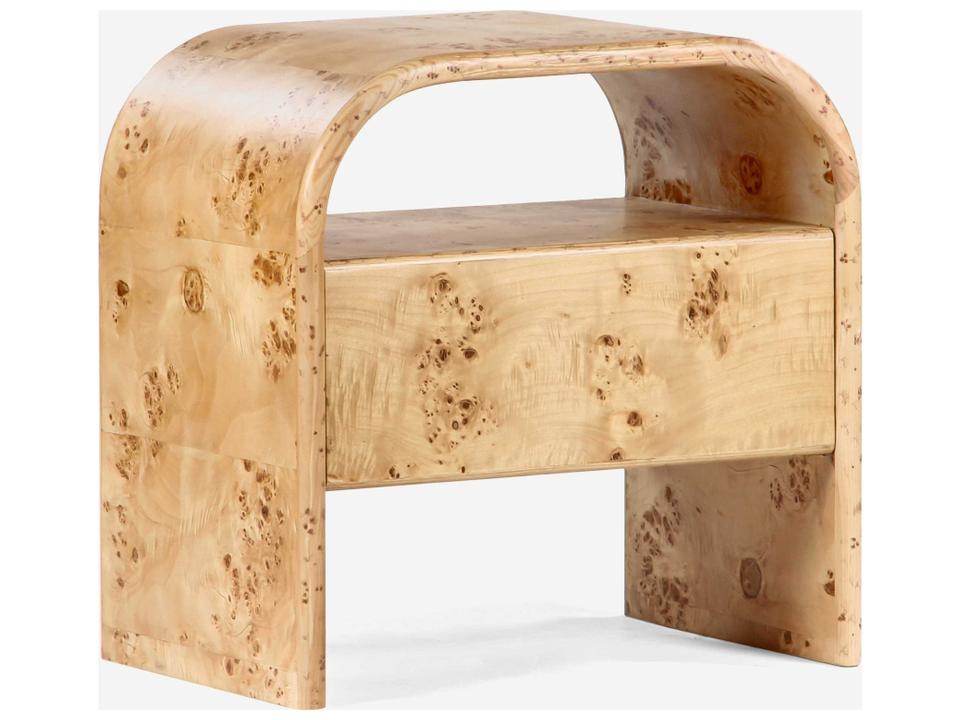
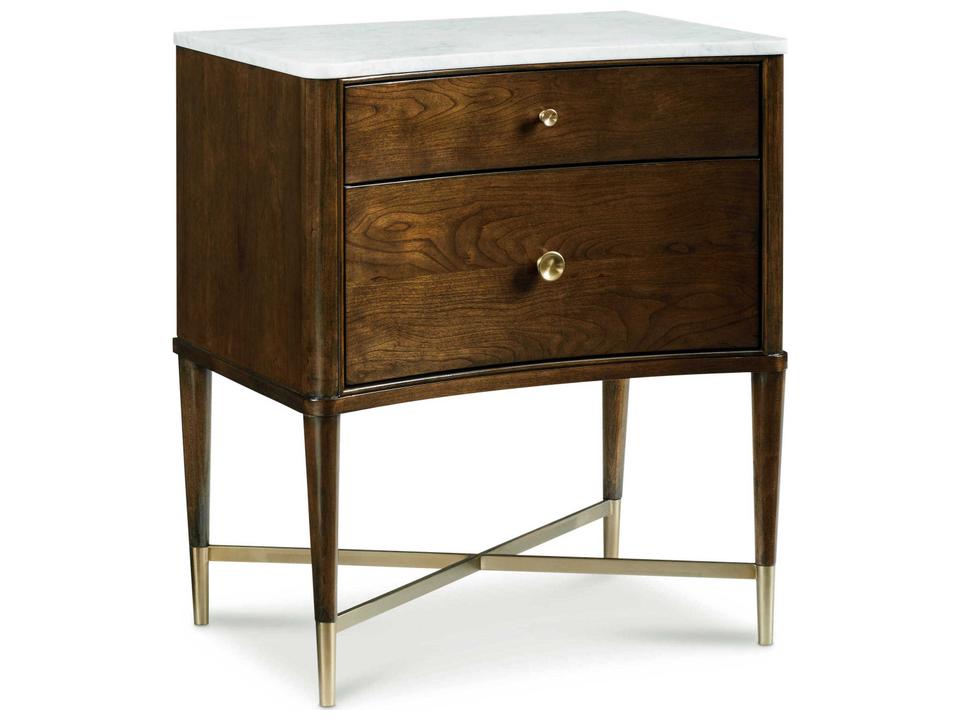
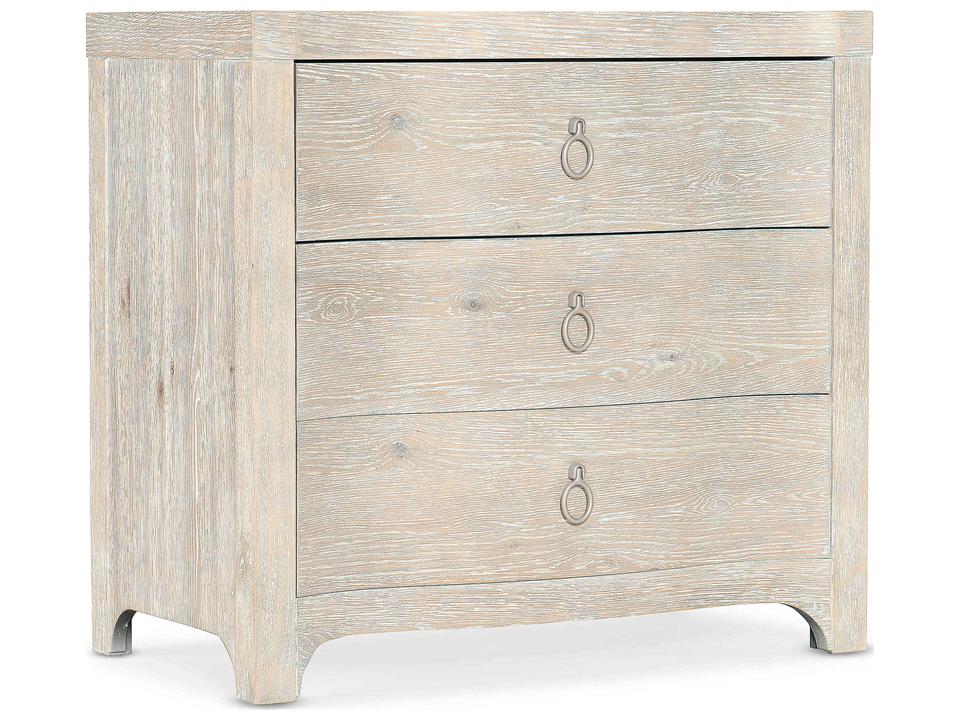
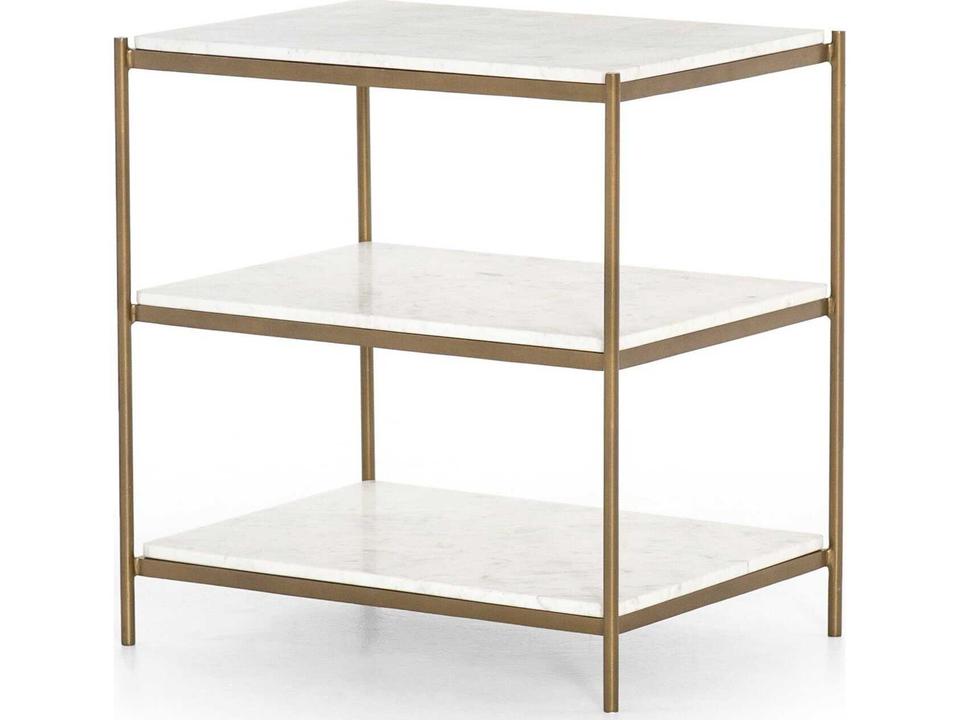
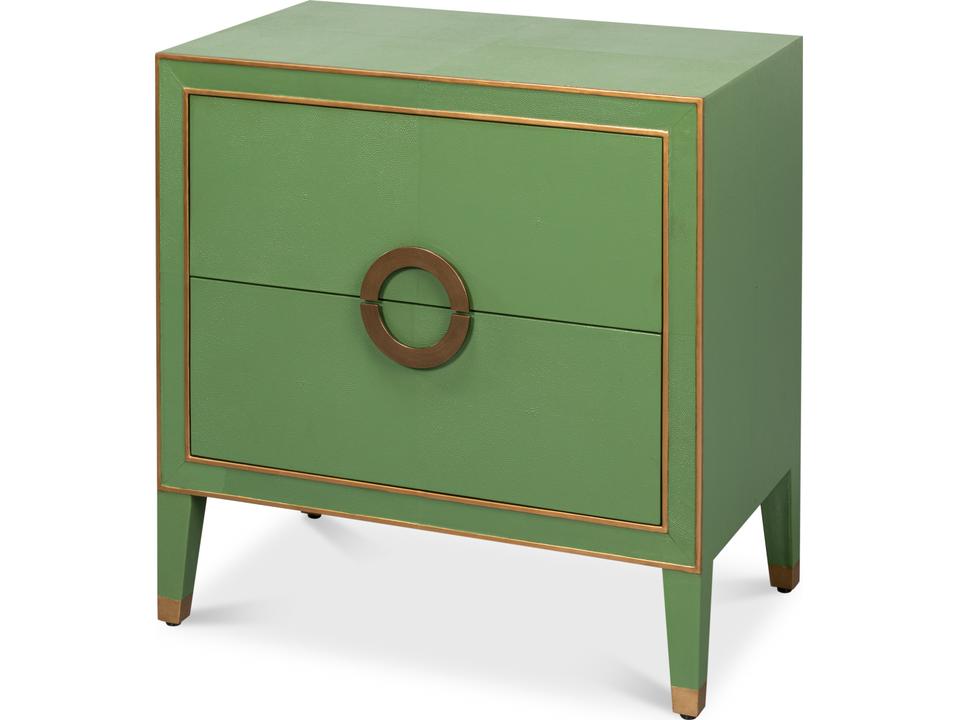
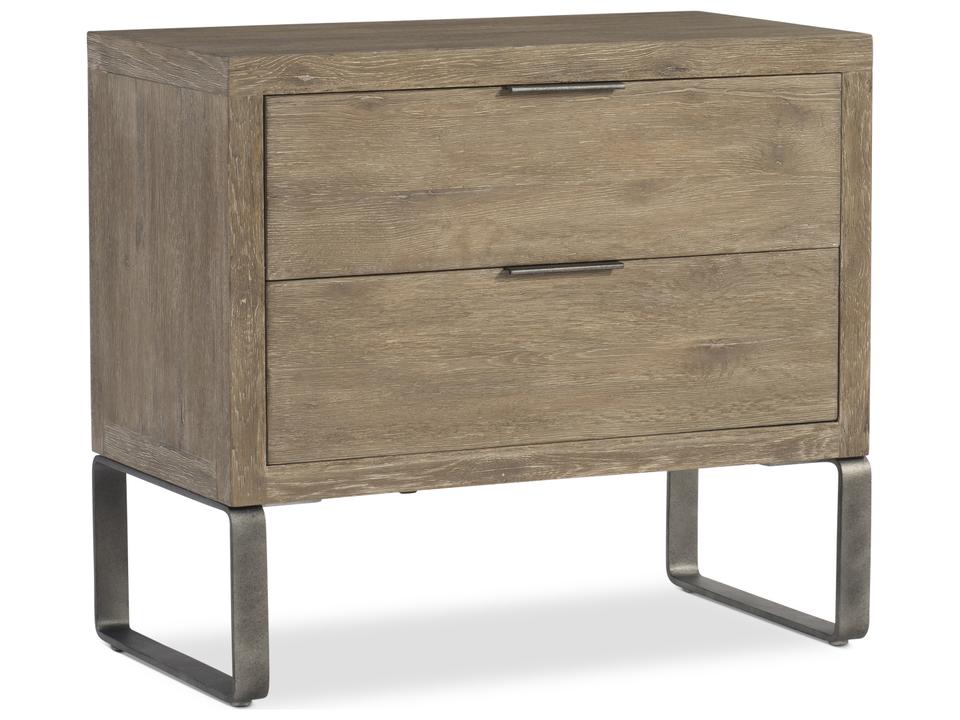
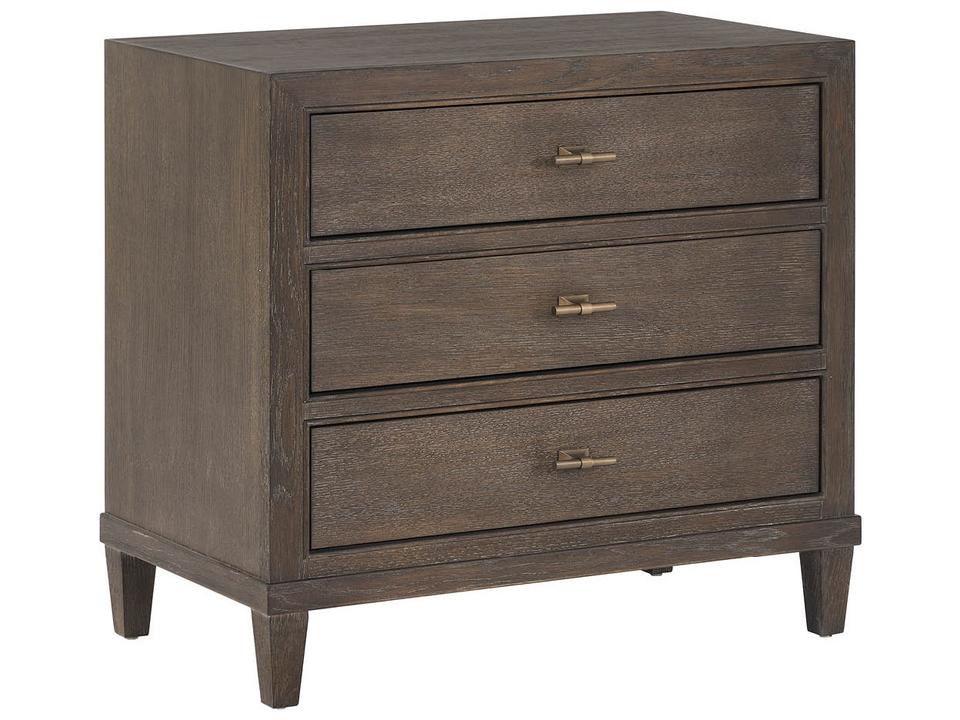
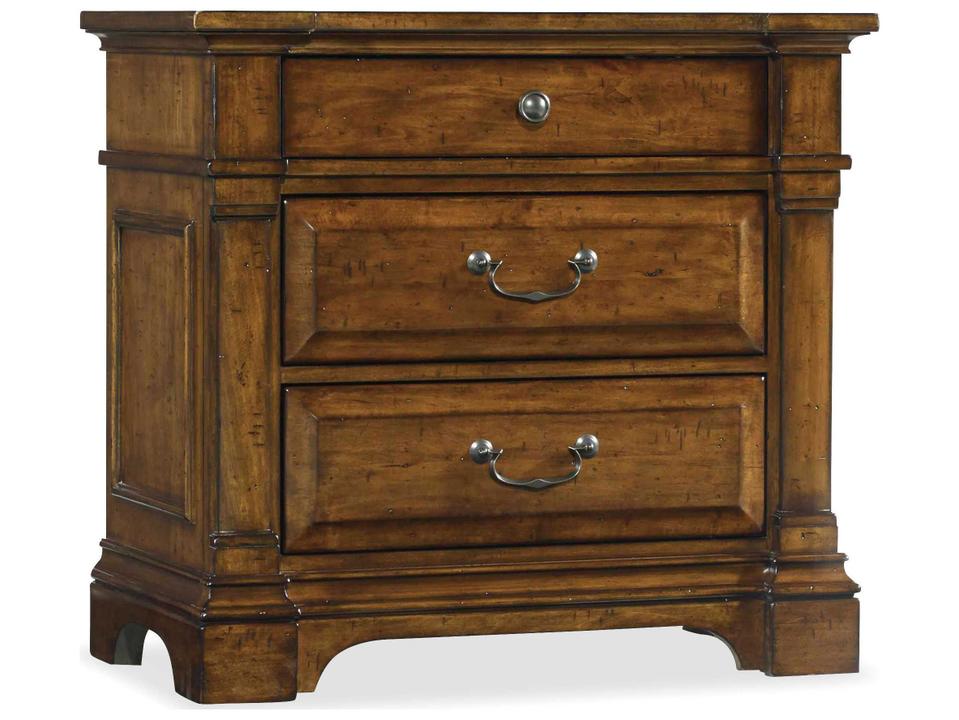
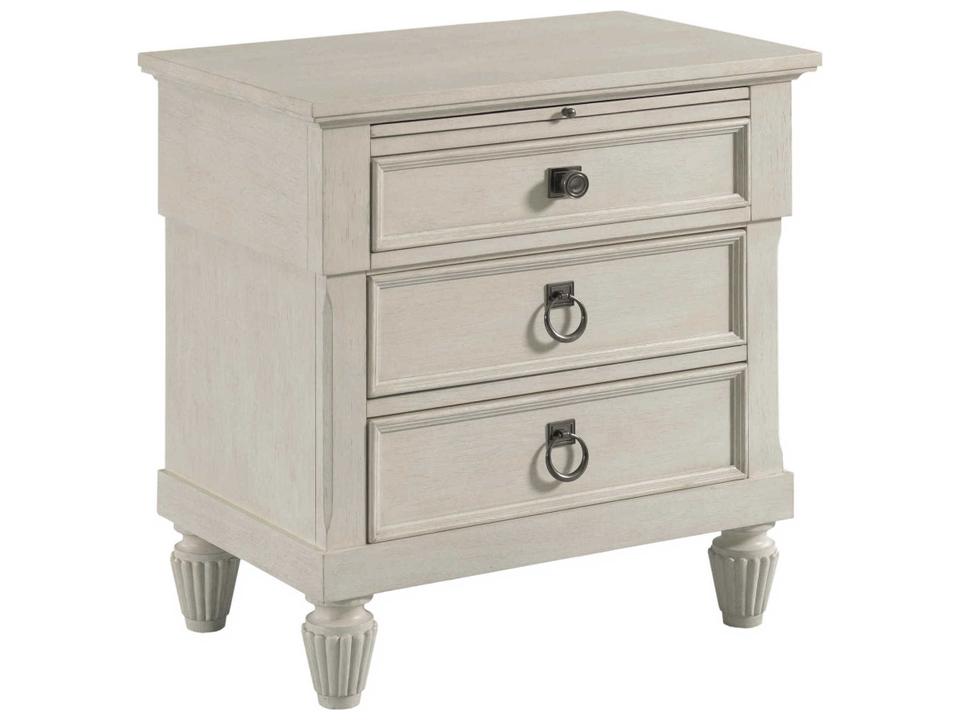
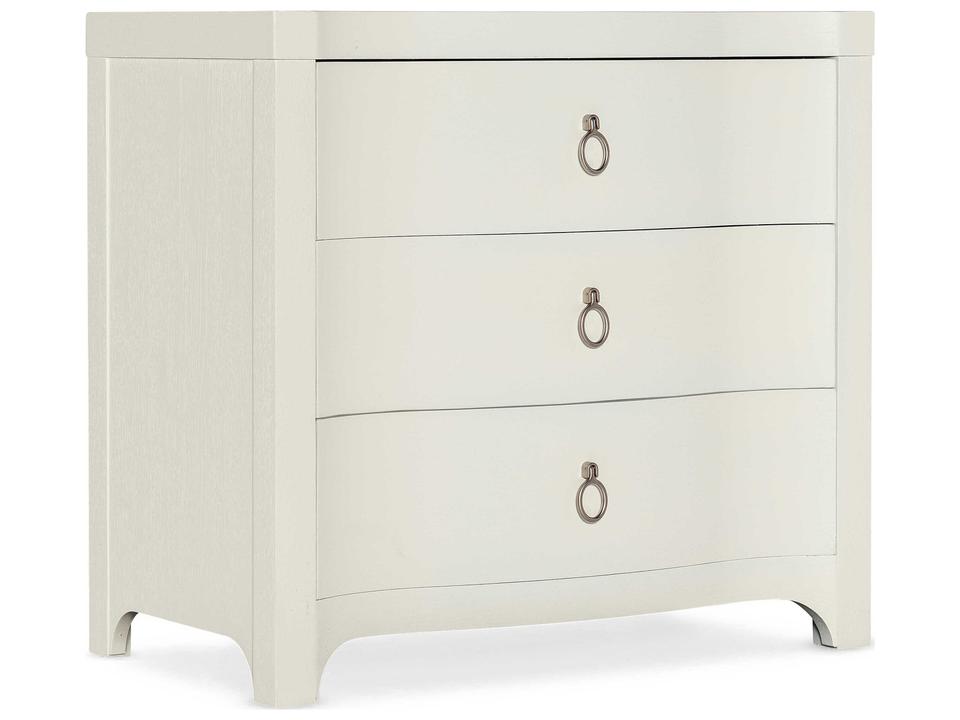
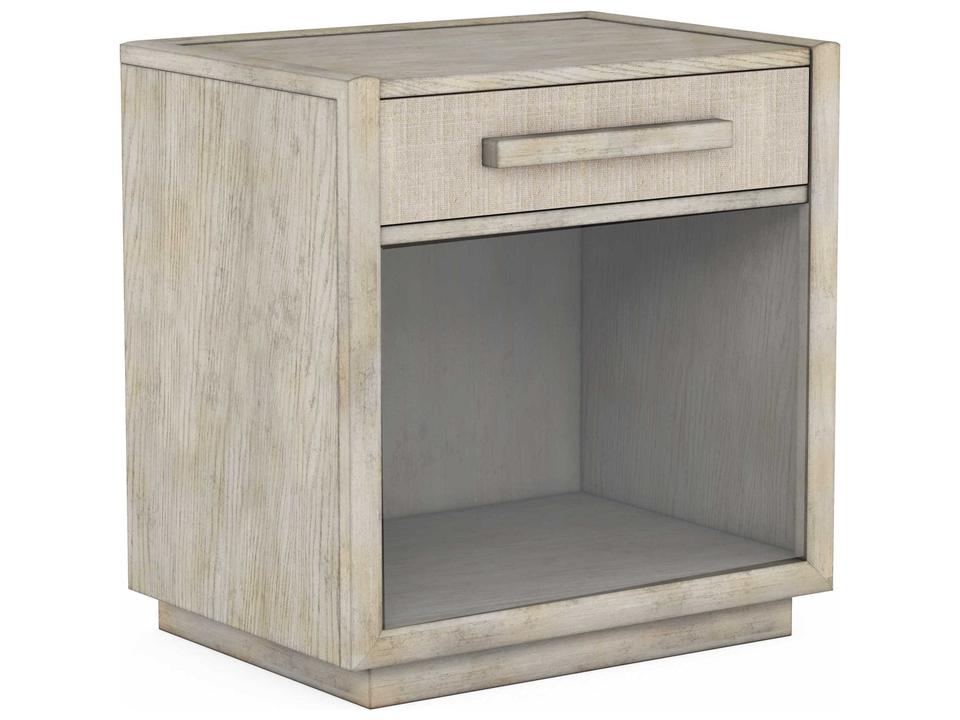
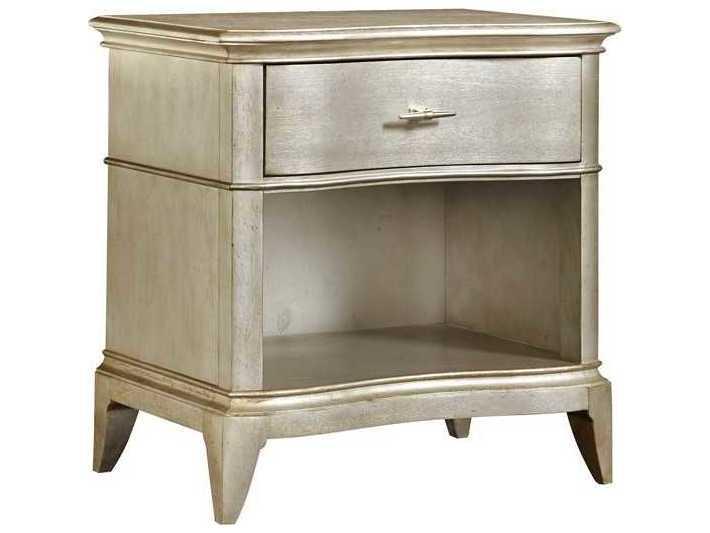
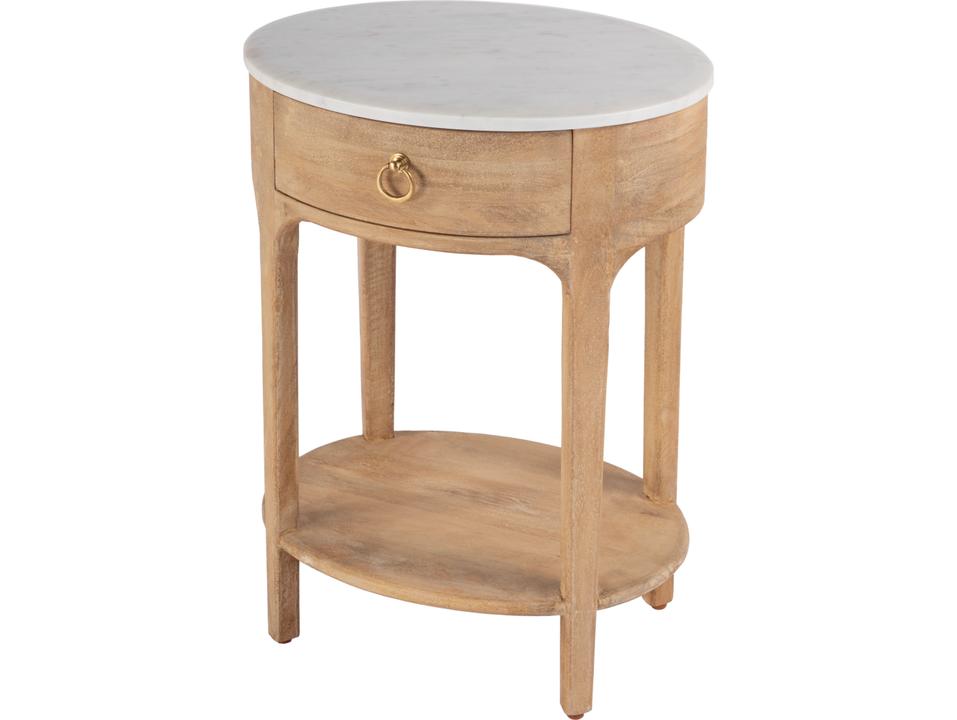
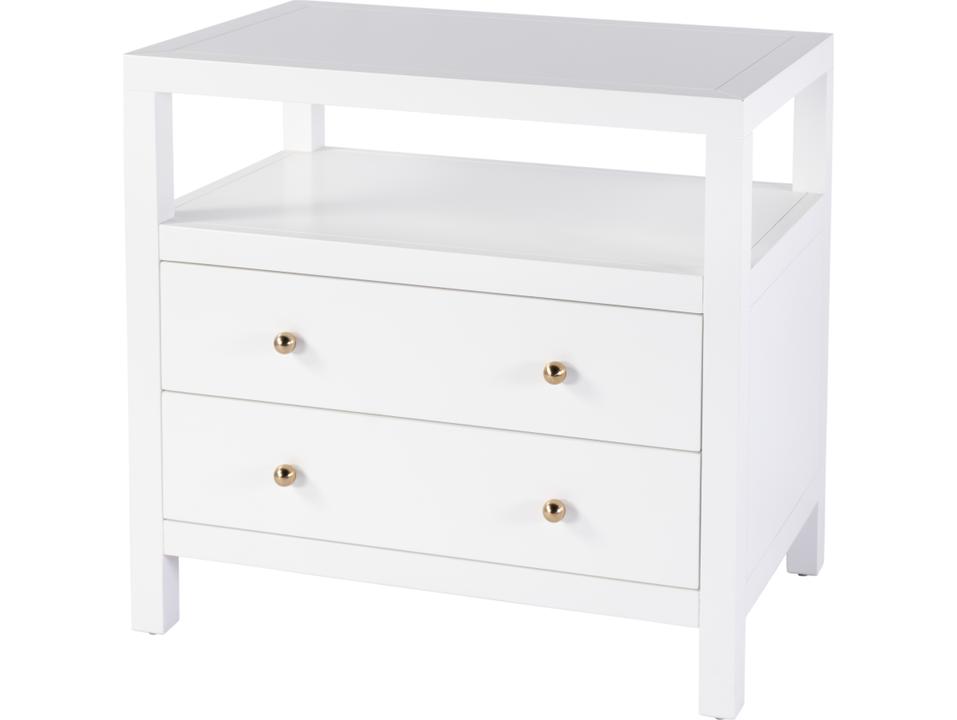
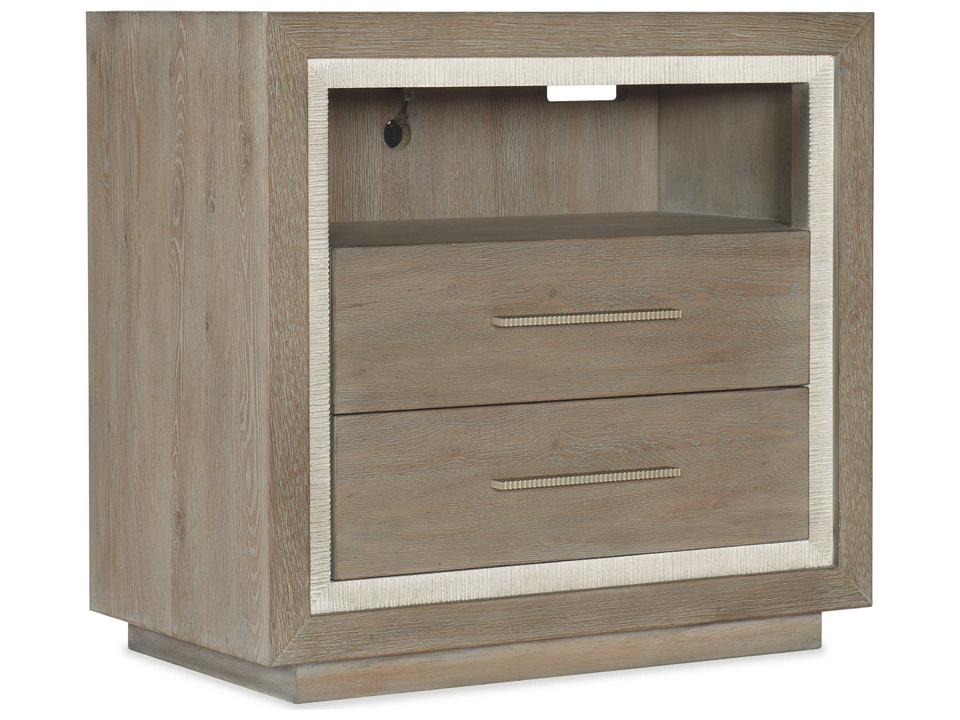
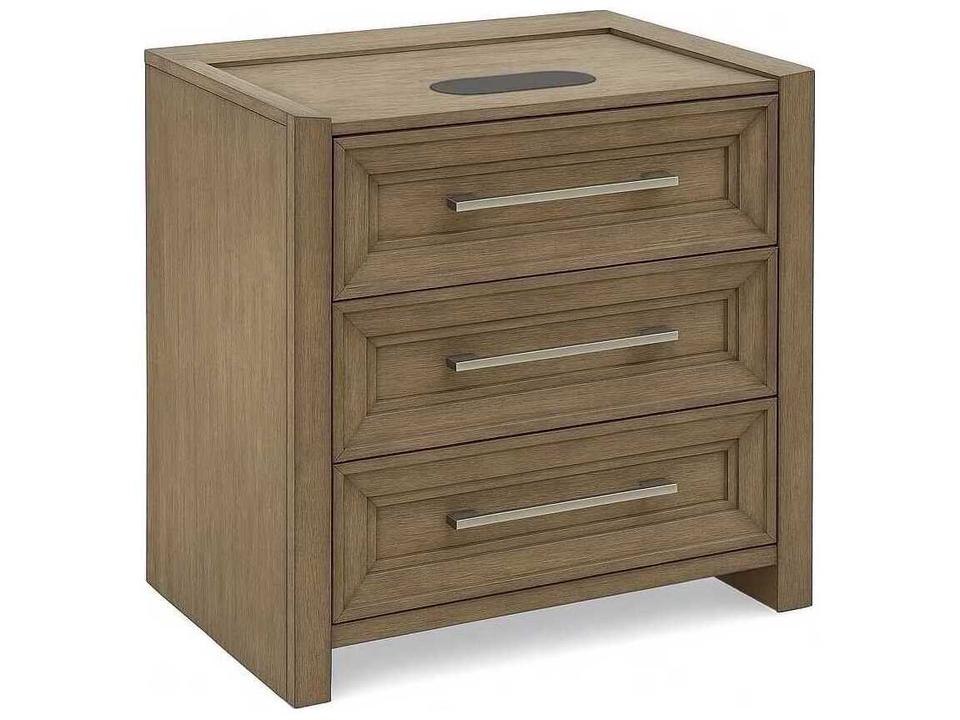
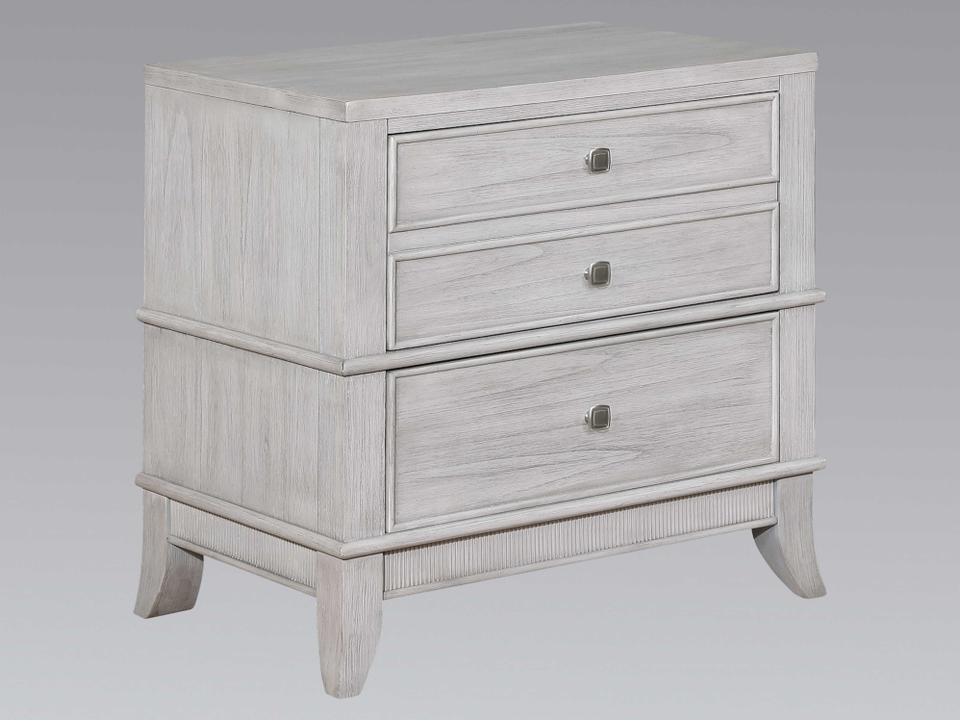
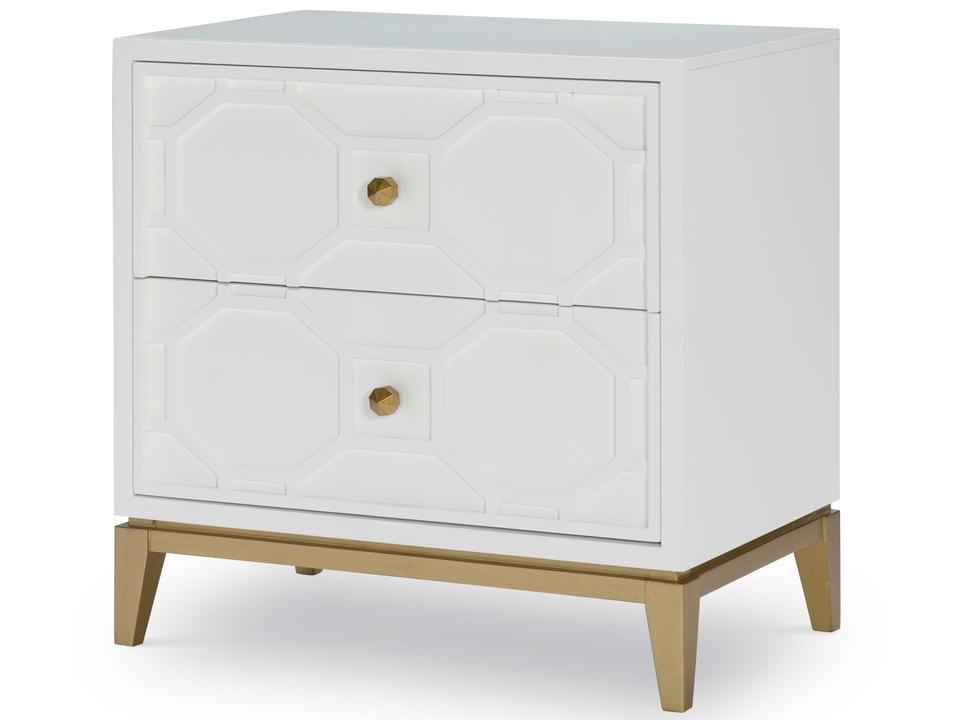
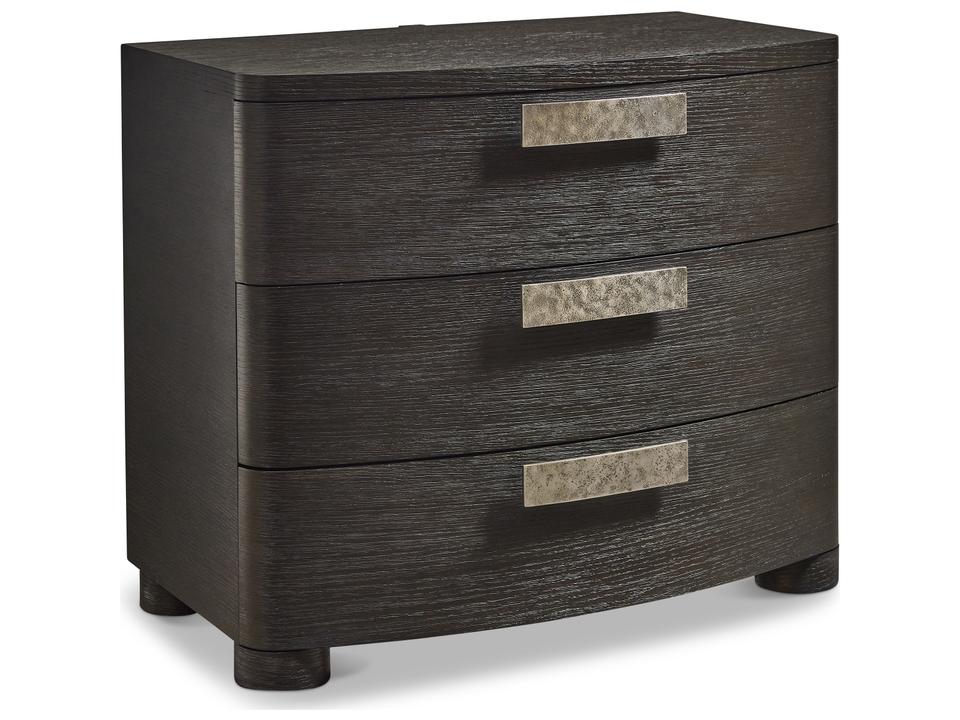
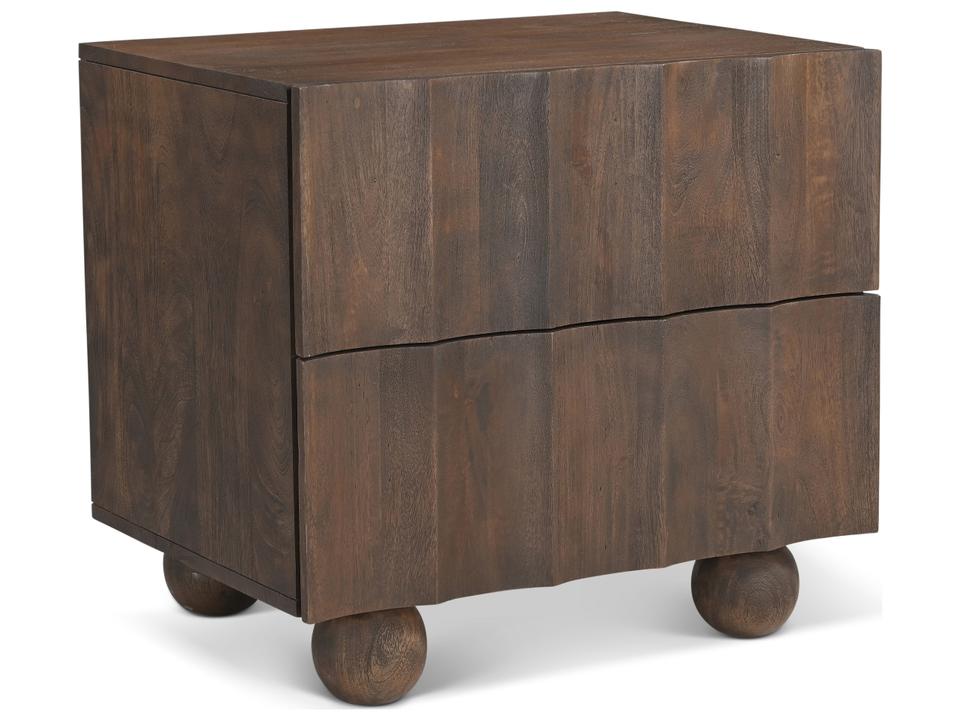
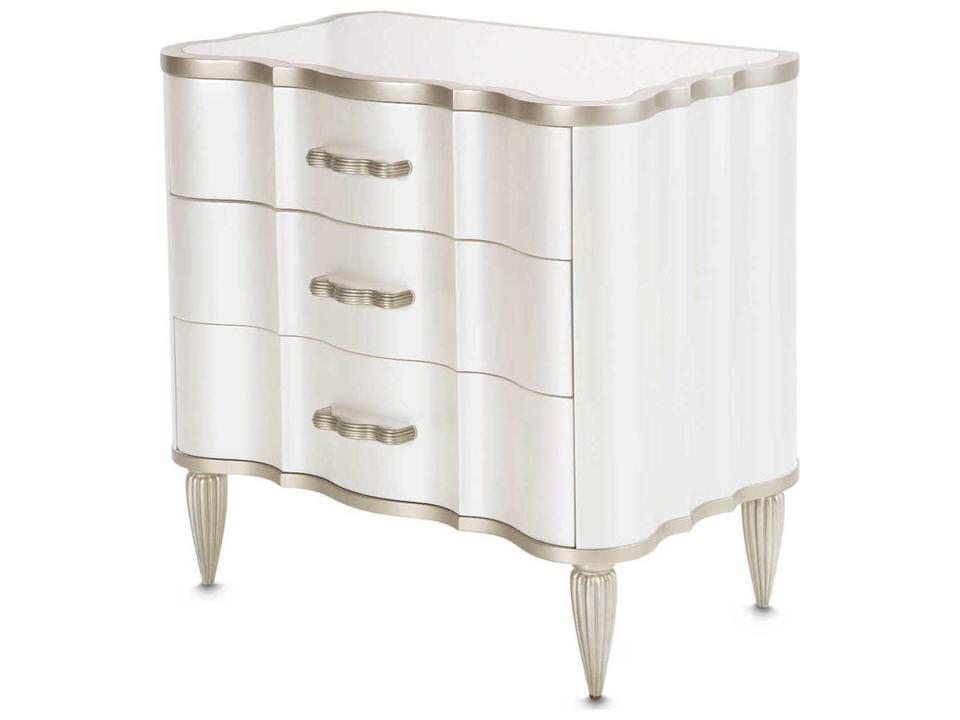
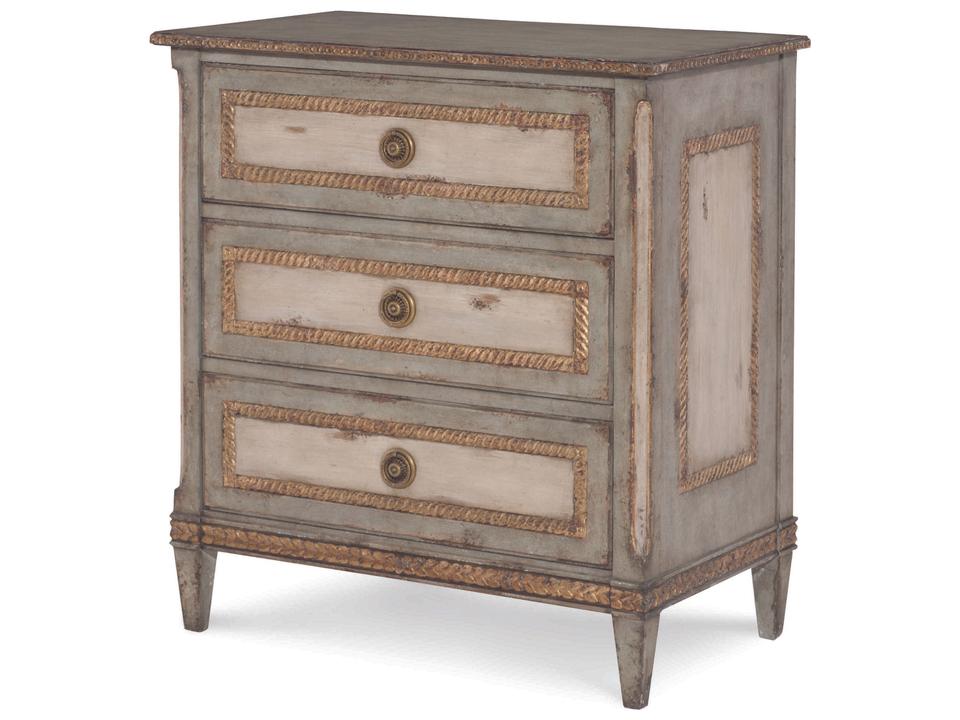
Solid hardwood nightstands — walnut, oak, cherry, mahogany — deliver the most durability and develop a richer finish over time. They're heavy, they age well, and they pair naturally with wood bed frames. Engineered wood with quality veneer keeps the cost lower while still reading as polished, though it won't develop the same patina over decades. Mirrored and lacquered nightstands suit contemporary bedrooms where you want light-reflecting surfaces. Metal-and-glass designs lean industrial or modern. The material you choose should respond to two things: how your bed frame reads in the room, and how much daily wear the nightstand surface will absorb.
Height matters more than most buyers expect. Your nightstand surface should sit roughly level with the top of your mattress — within two inches either way. Too tall, and reaching for a lamp or glass of water feels awkward. Too short, and the proportions read off against a taller bed.
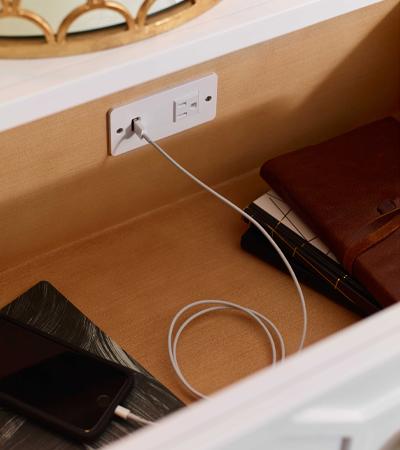
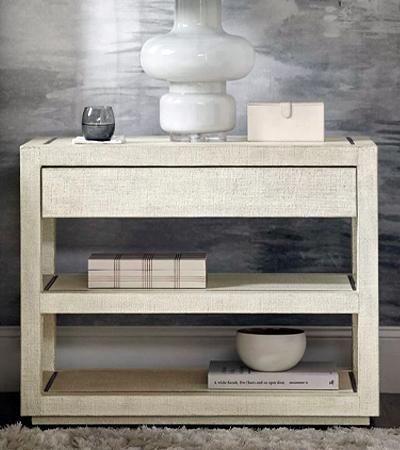
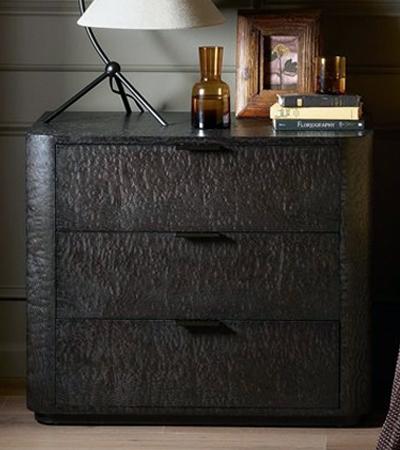
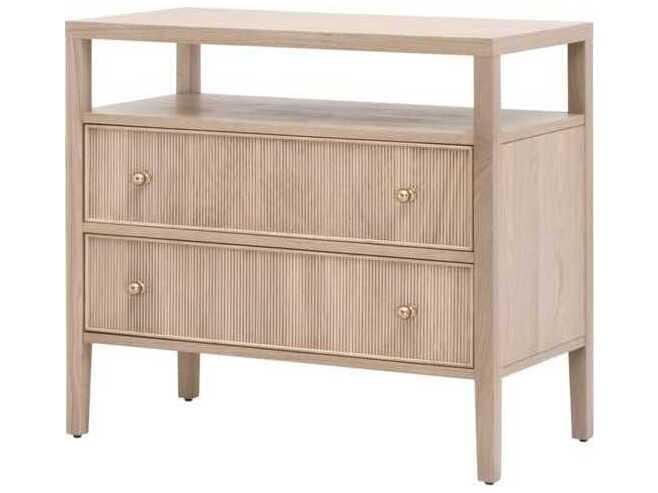
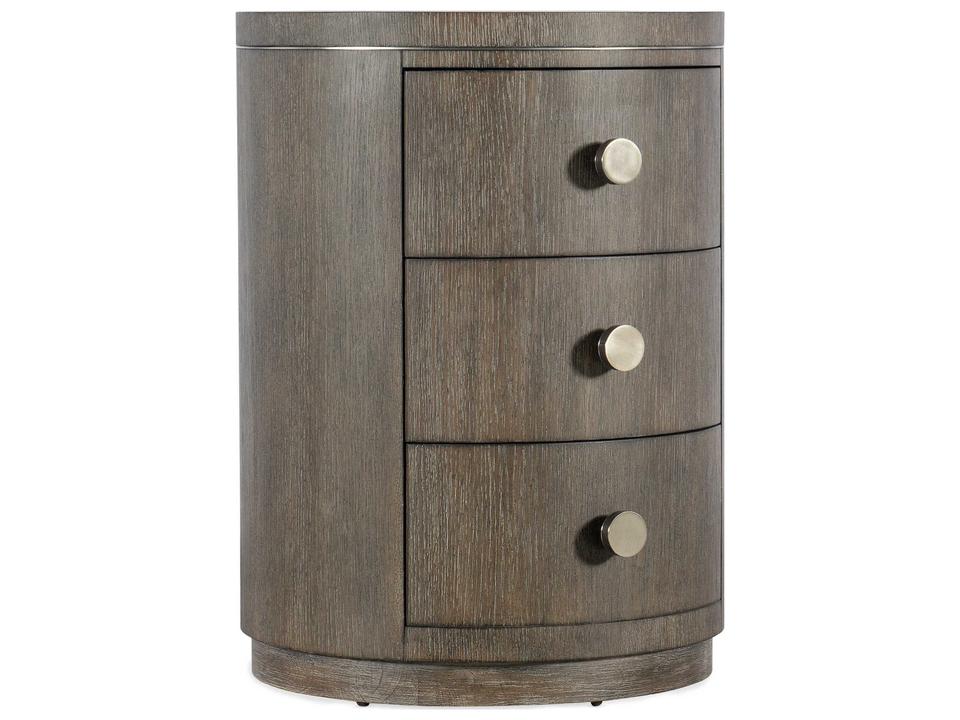
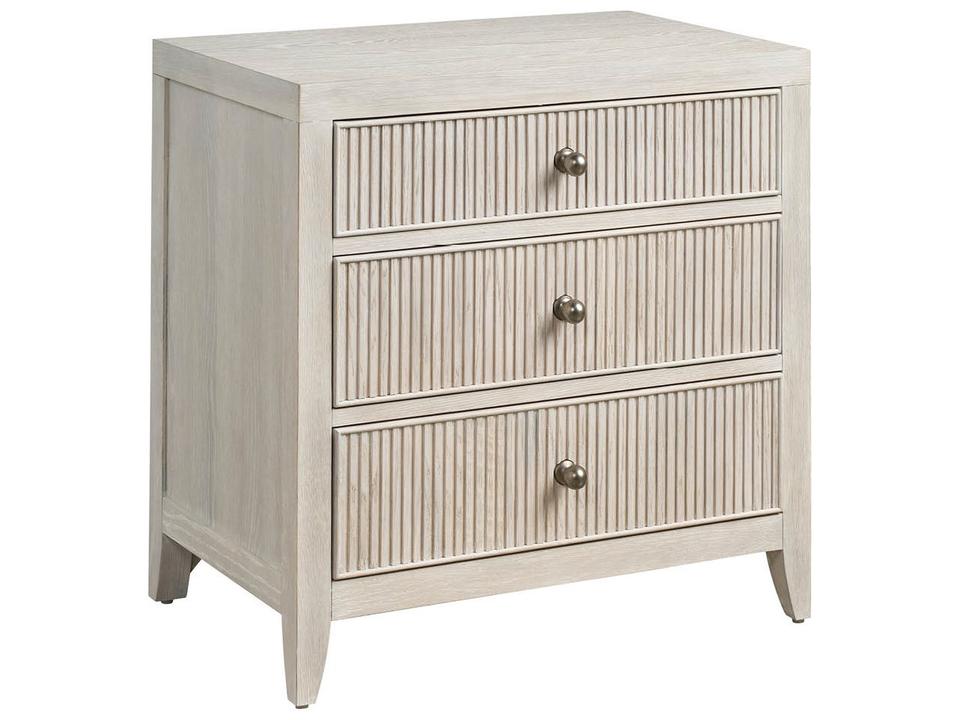
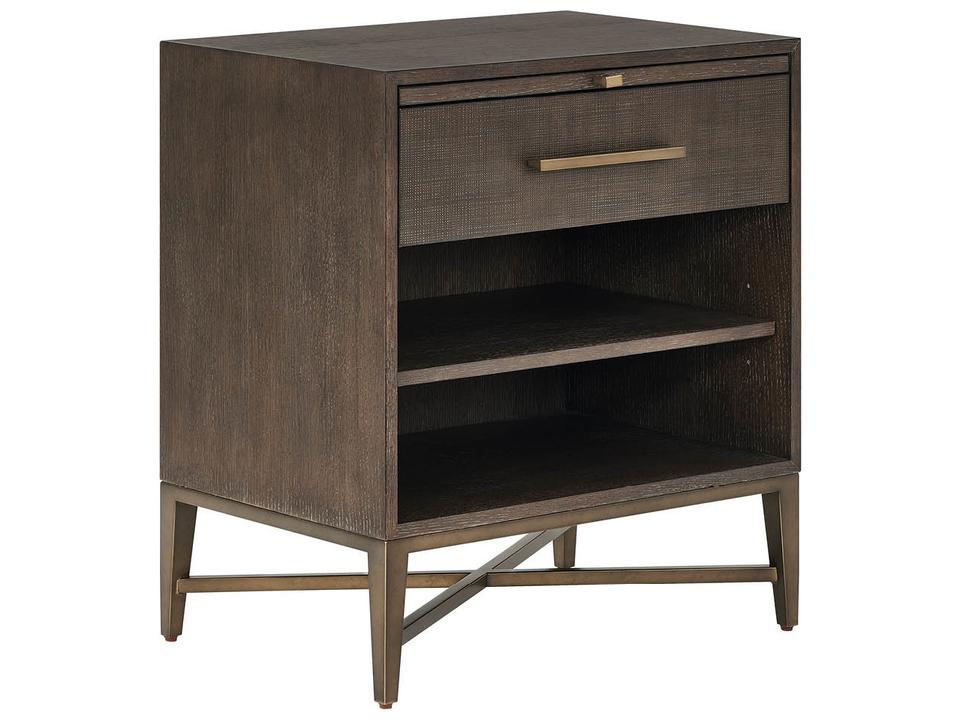
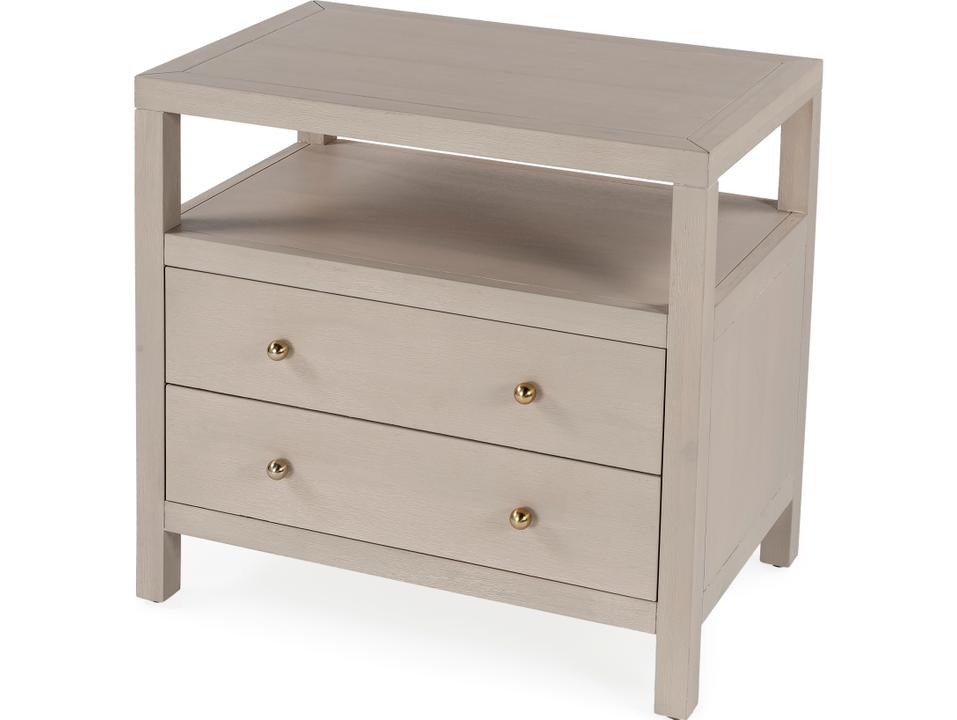
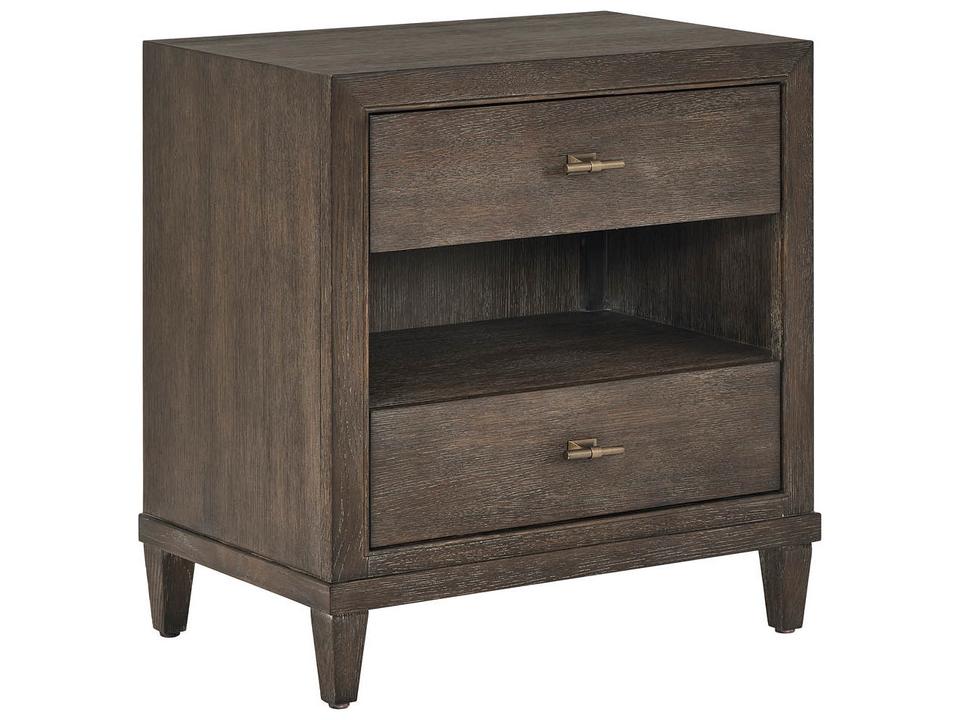
Storage depends on what you actually keep bedside. A single-drawer nightstand with an open shelf handles most needs: phone, book, reading glasses, a lamp. Need more concealed space for medications, chargers, or journals? Look for two- or three-drawer models. Open-shelf designs keep items accessible but visible — ideal for minimal, uncluttered bedrooms.
Width deserves attention too. Leave at least a few inches between the nightstand edge and your bed frame. In tighter rooms, a narrow model under 20 inches wide prevents the space from feeling crowded.
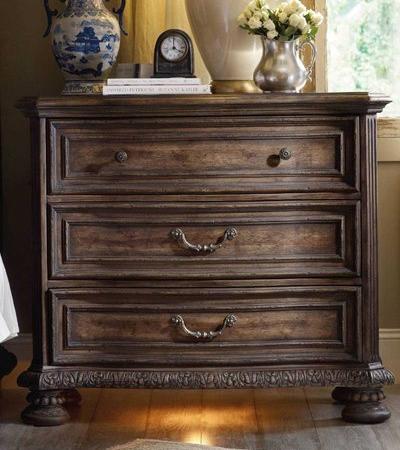
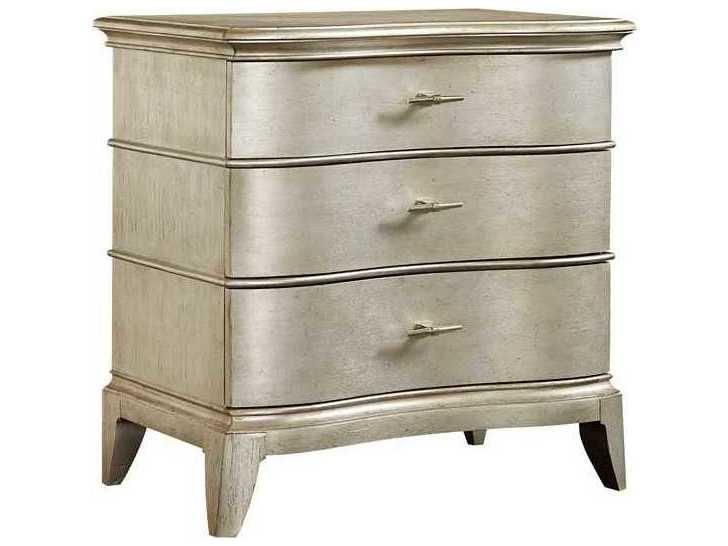
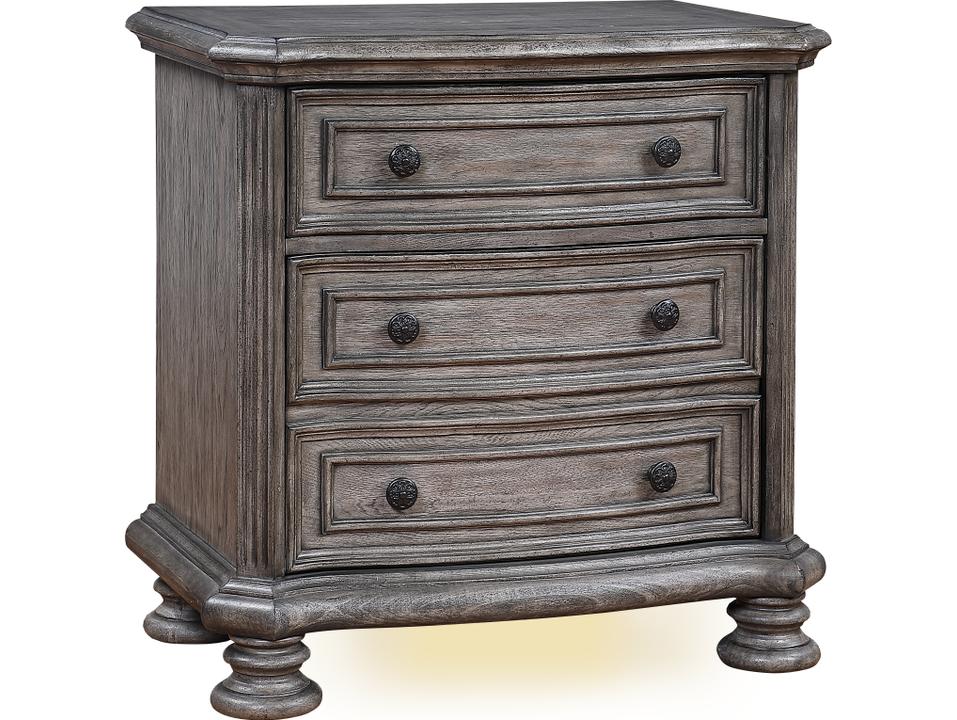
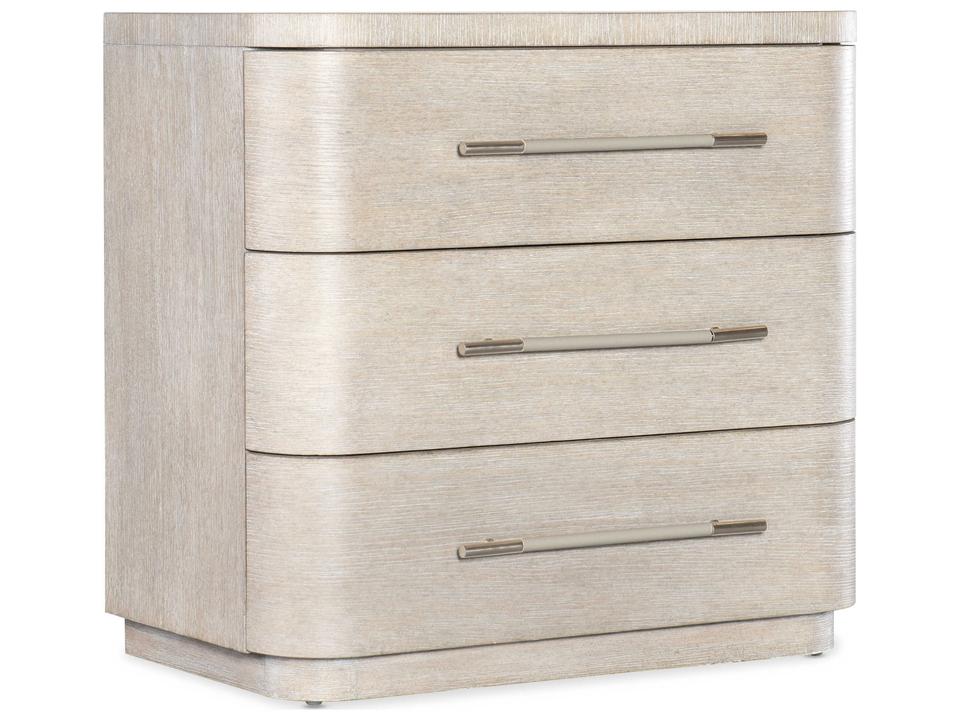
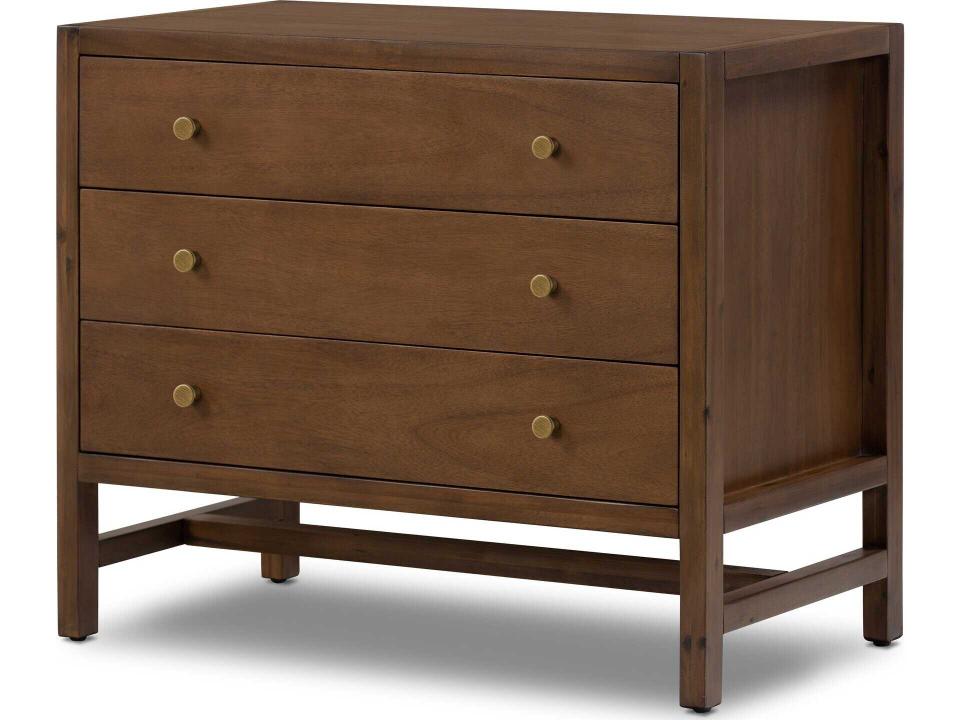
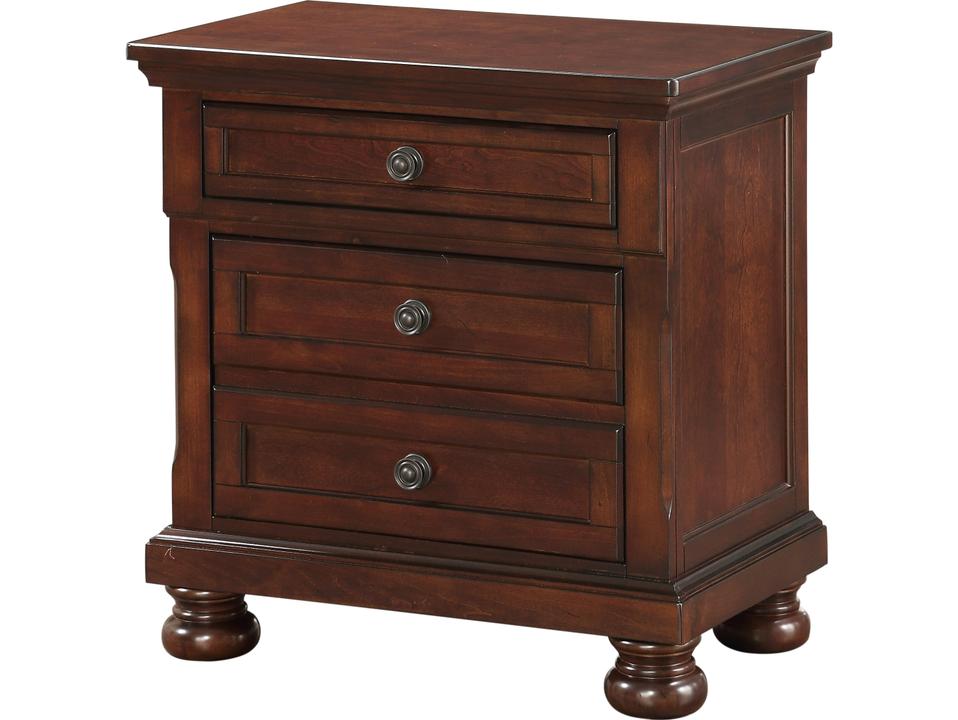
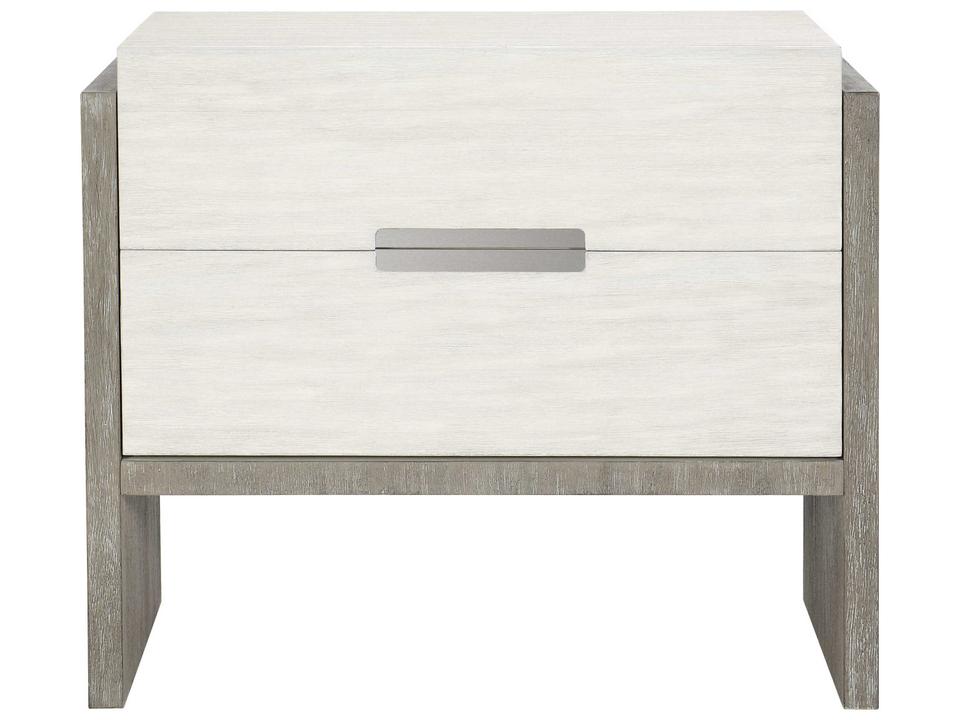
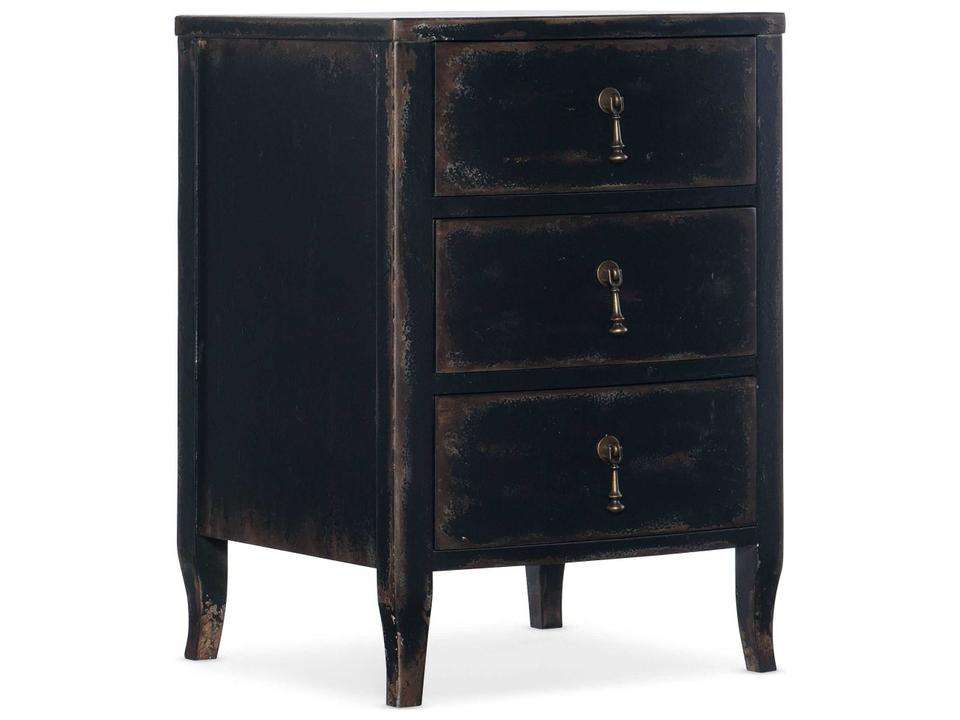
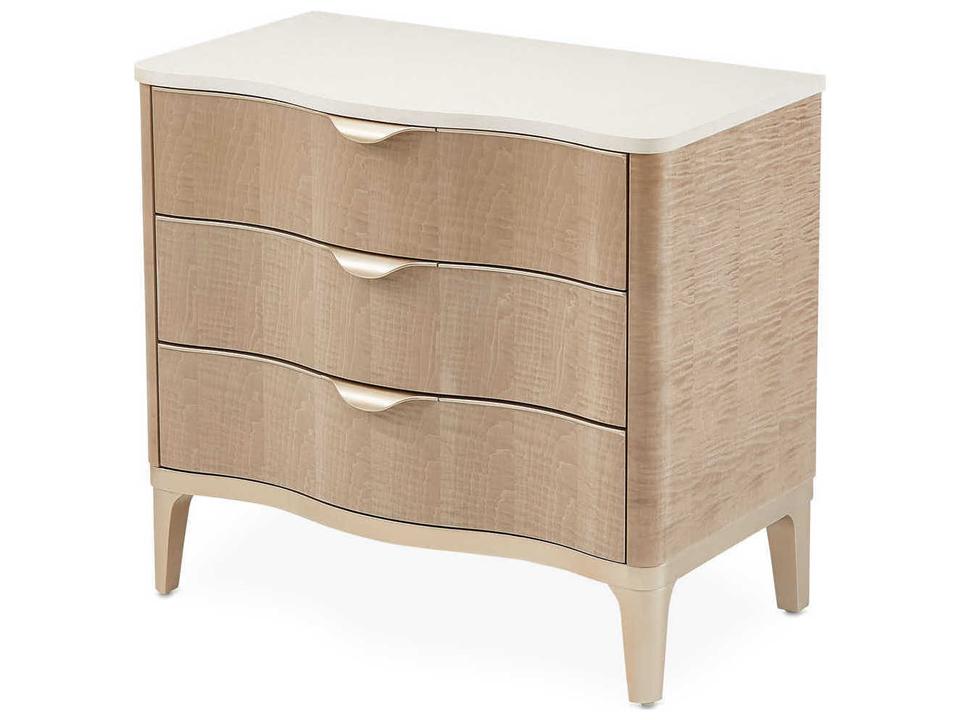
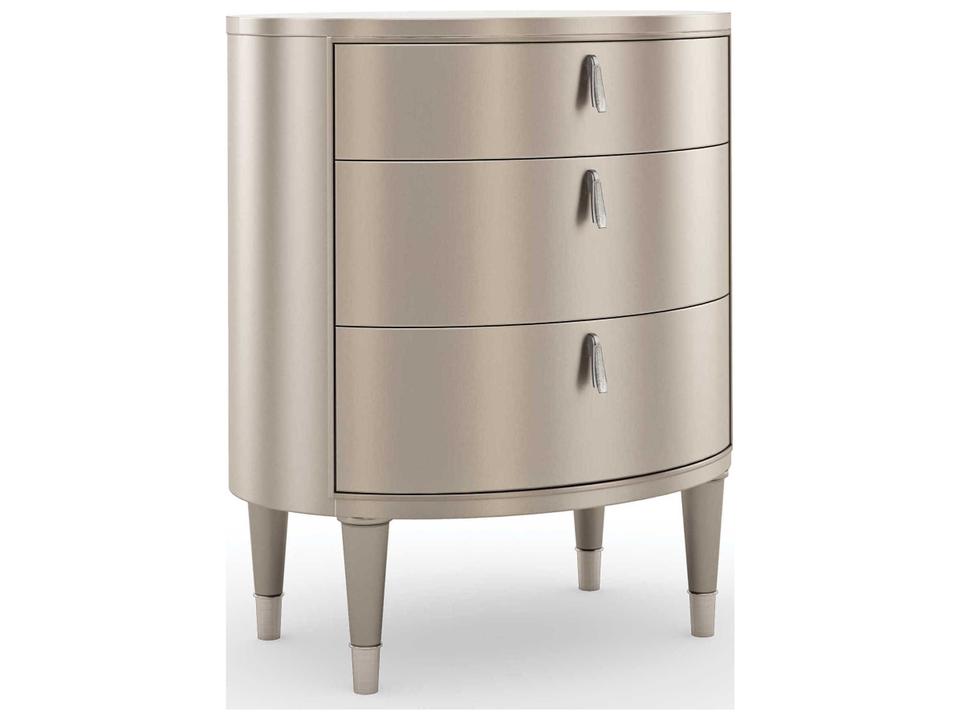
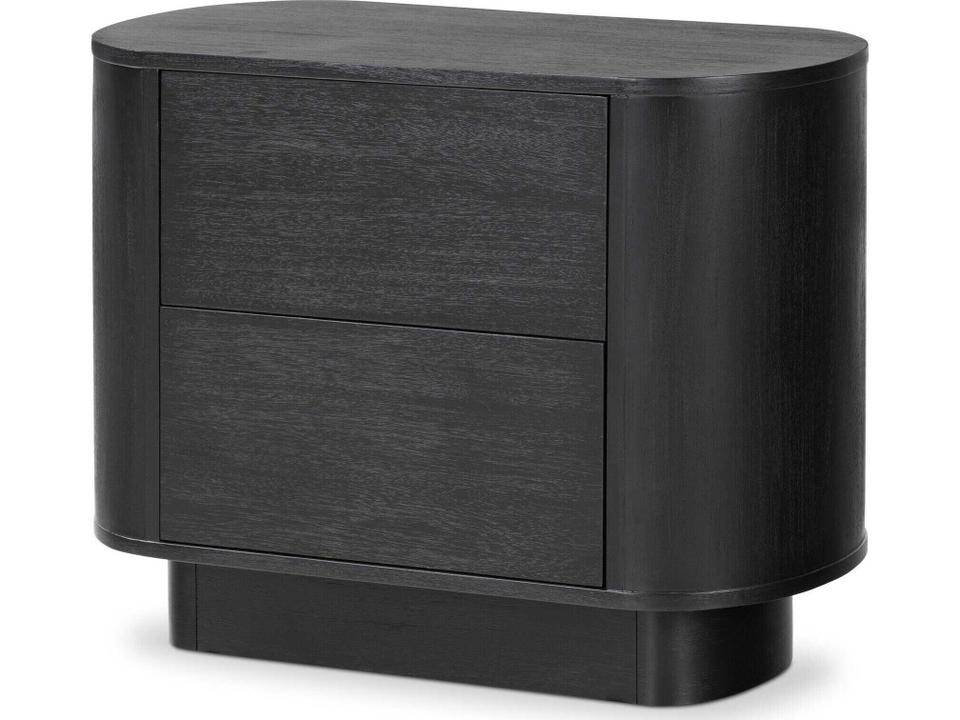
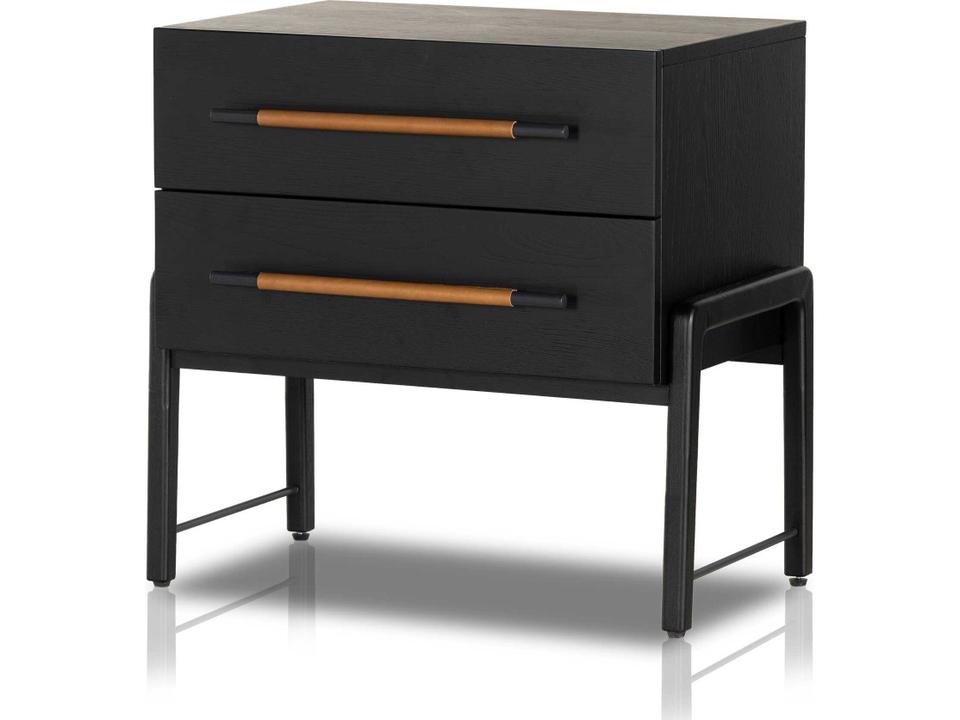
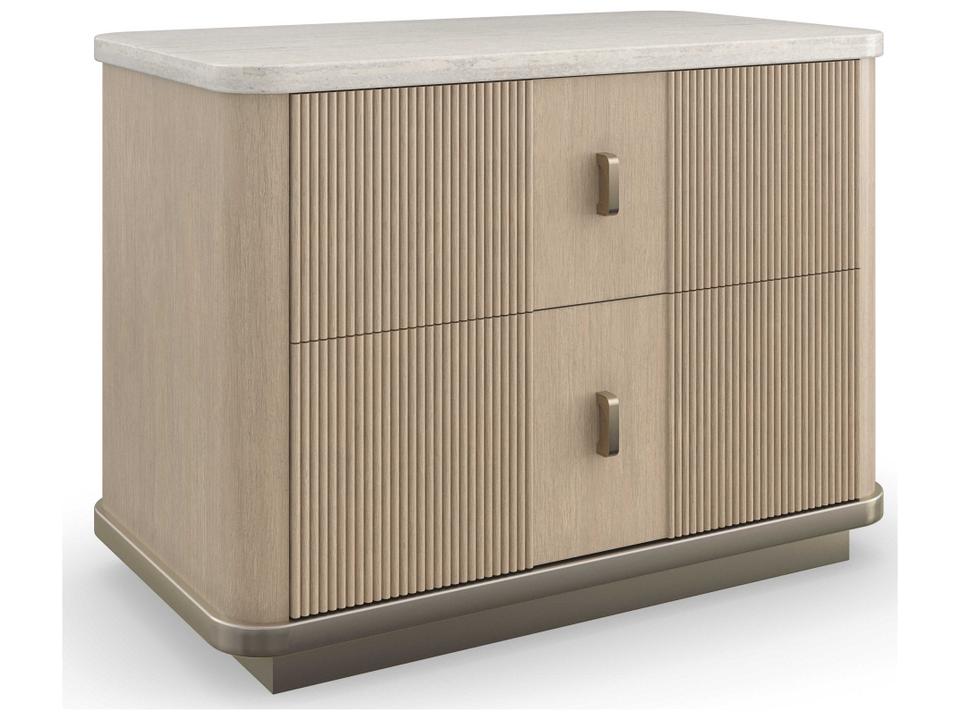
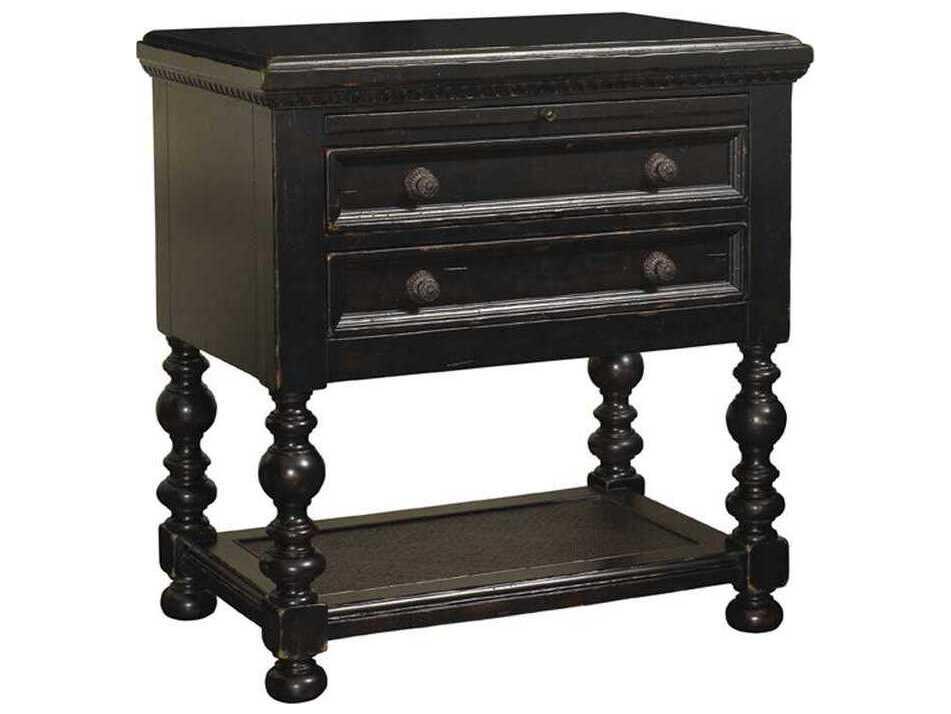
Our luxury nightstand collection spans traditional, transitional, modern, and contemporary designs. Traditional styles feature raised panel drawer fronts, turned legs, and warm wood tones — cherry, espresso, deep walnut. Transitional pieces simplify those details with clean drawer faces, tapered legs, and understated hardware. Modern nightstands push further: flat fronts, geometric metal bases, high-gloss or matte lacquer in white, gray, or black.
Hardware shifts the character more than you'd think. Brass pulls read warm and slightly classic. Polished nickel or chrome leans contemporary. Integrated handles — recessed or push-to-open — produce the cleanest line.
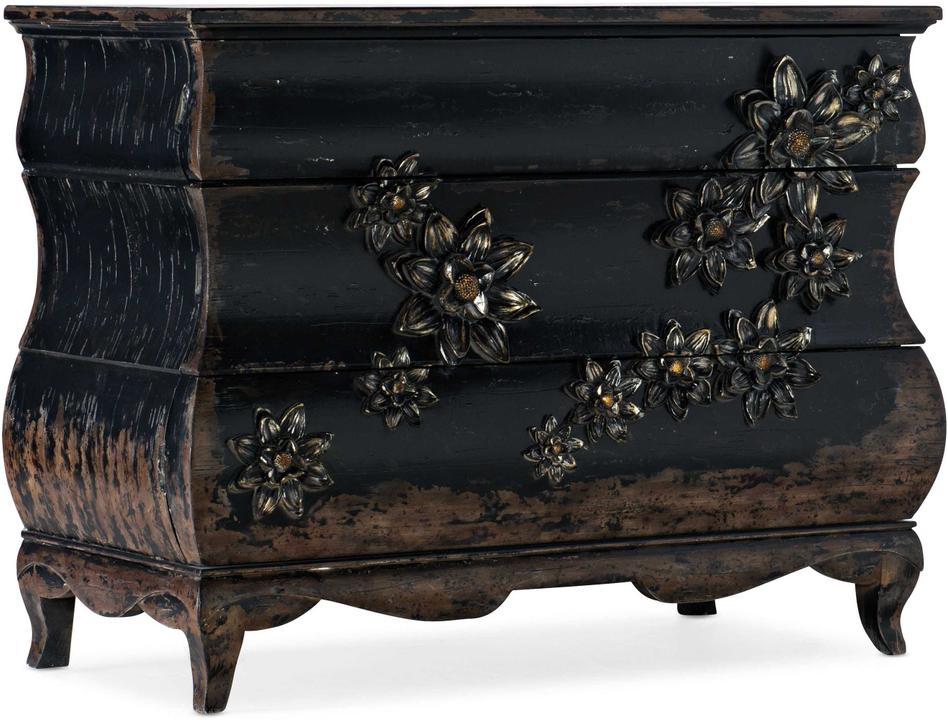
Matching nightstands flanking the bed create symmetry — still the approach that reads most finished. Mismatched pairs work in eclectic bedrooms, but keep them within the same height range and visual weight so the room doesn't feel lopsided.
What goes on top matters. A lamp with the shade hitting roughly at eye level when you're propped up gives the best reading light. Beyond that, keep surfaces clear — one or two objects. A crowded nightstand undermines the purpose of having refined furniture in the first place.
For guest rooms or children's bedrooms, a single luxury nightstand often suffices. Choose one with enough surface for a water glass and a lamp, and you've covered the essentials without overwhelming a smaller space.