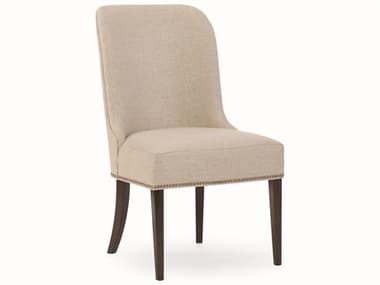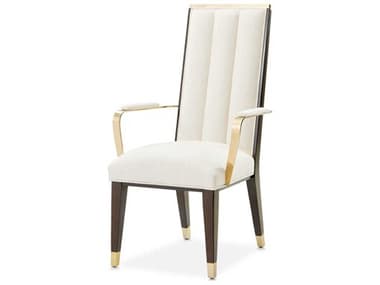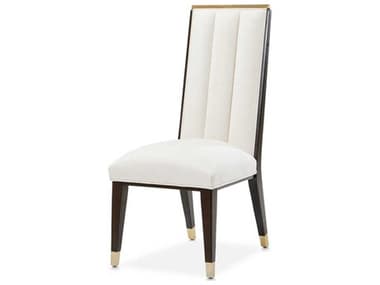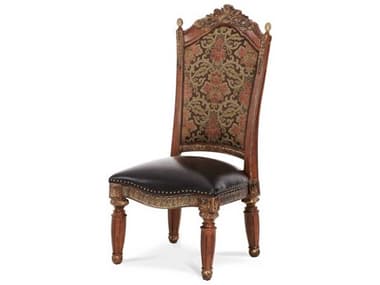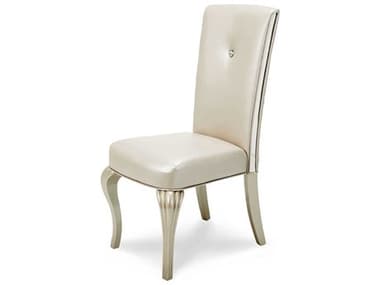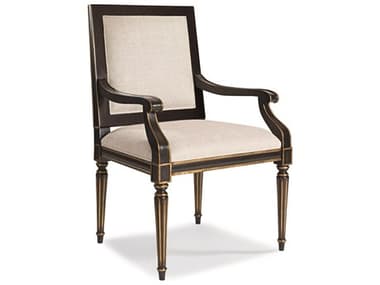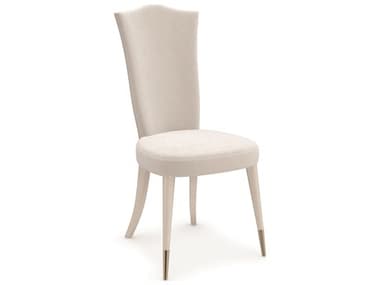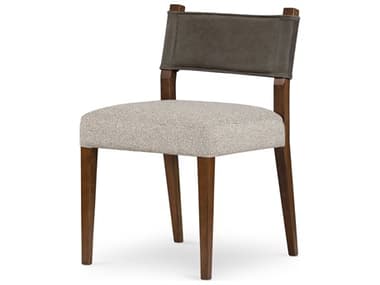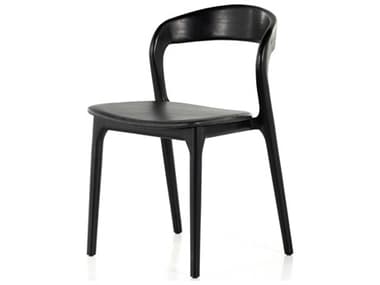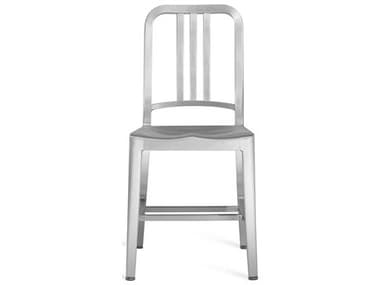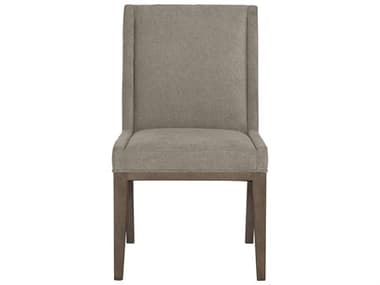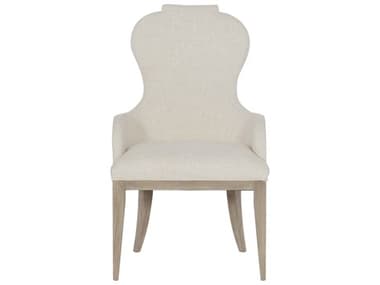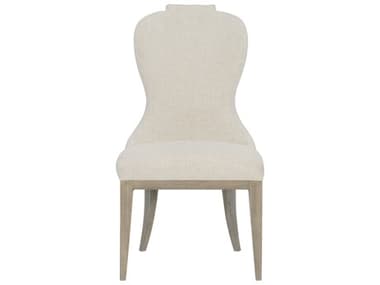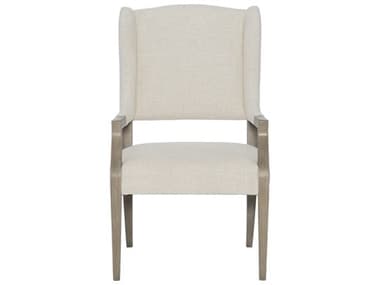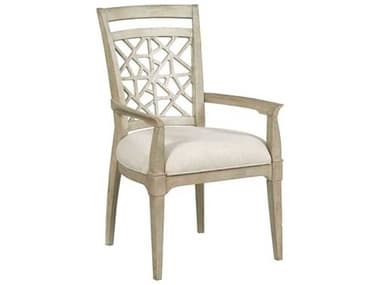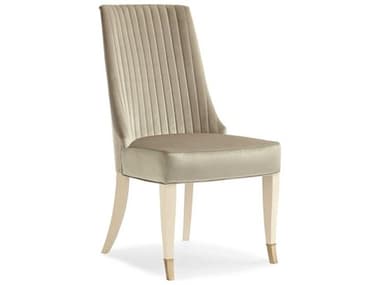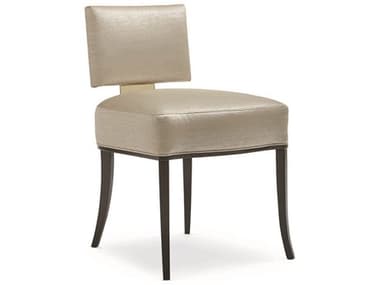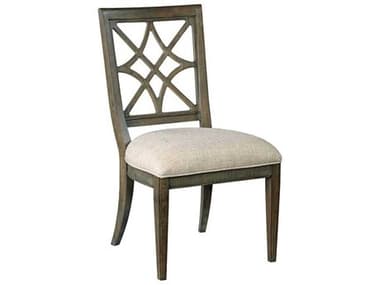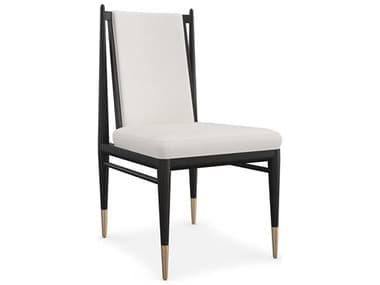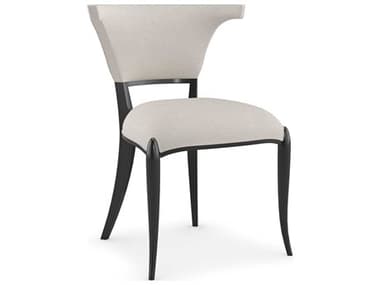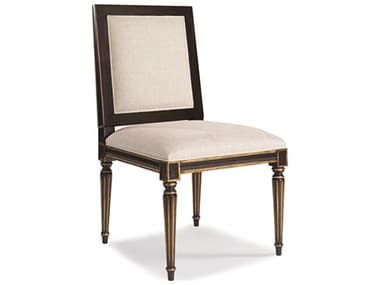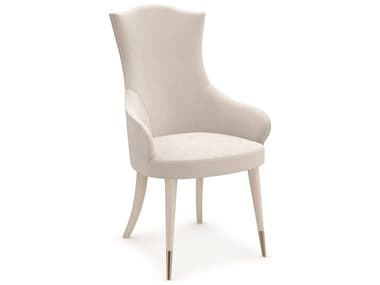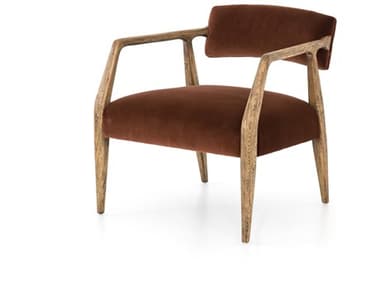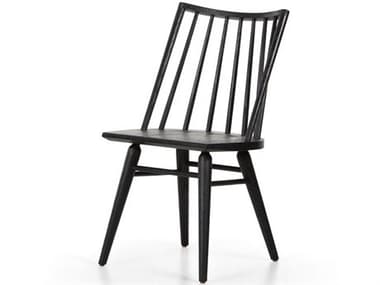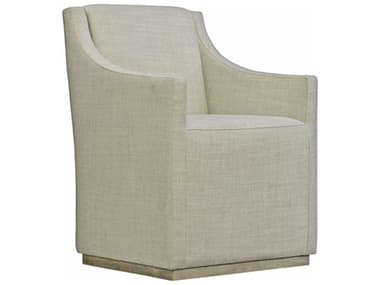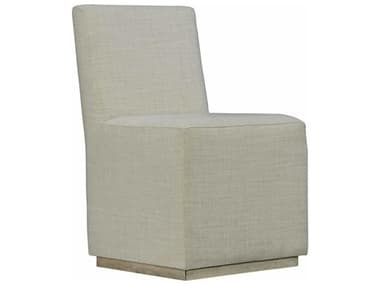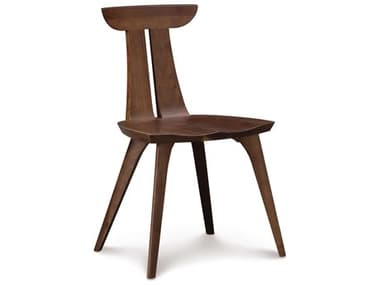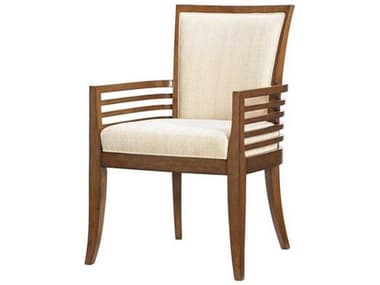

A dining room is a special place that brings people together. It’s a place where family and friends can retreat from the outside world to sit and enjoy a nice meal and each other’s company.
For this reason, your dining room must be a space where you love spending time. It is a place where you want to gather your family and friends in comfort while still reflecting your unique aesthetic. Naturally, given that your loved ones will spend most of their time in this room seated, it’s super important that you select the right dining room chairs for your space.
There are various things to consider before you buy dining room chairs. They are an investment, and you will probably hang on to them for many years. So first off, you need to determine your budget or how much you are willing to spend.
Secondly, you need to look at how many chairs you need (if you already have a dining room table) and how big or small your space is.
Finally, you should take into account the existing décor in the room and what colors and textures will suit it best.
Bearing the following factors in mind can help you determine what you are looking for when buying dining room chairs. You want to find something that is both functional and aesthetically pleasing and works well with your existing furniture and décor.
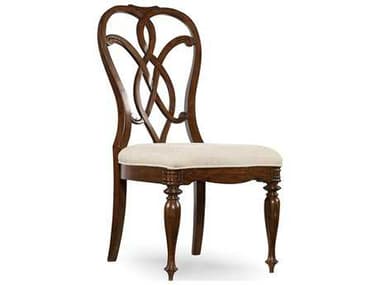
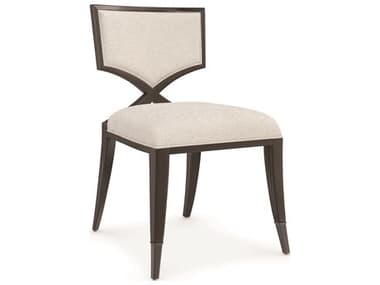
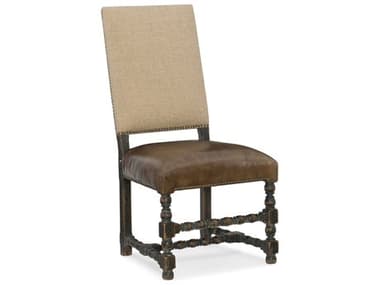
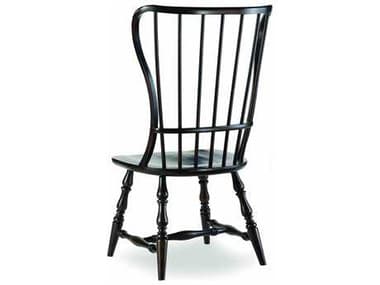
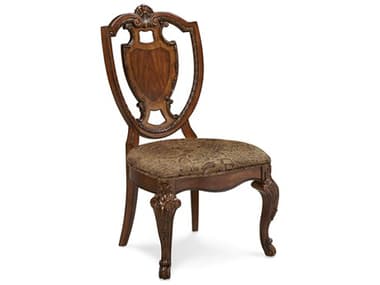
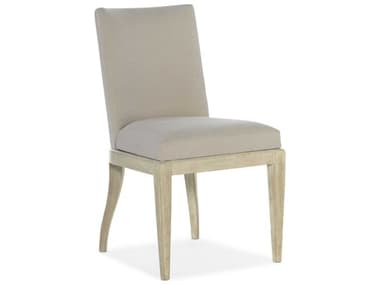
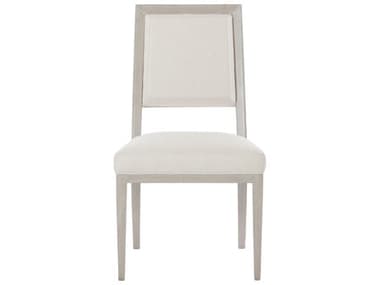
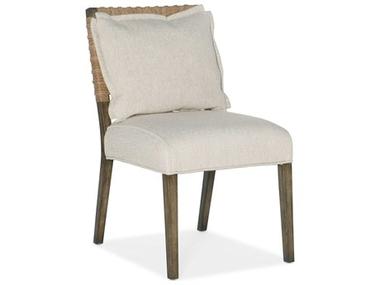
How high is your dining room table, and how many people does it seat? Ask yourself if you are looking for contemporary chairs or more classic ones. Do you want your chairs to blend into their surroundings in an unapparent manner, or do you want them to stand out as feature pieces in your dining area?
Is comfort your chief objective, or are you willing to sacrifice a little bit of that in favor of aesthetics? Whatever you decide, the choice you make will say a lot about your style.
Understand what features you are looking for, in other words, comfort, design, color, texture, and so forth, before purchasing your dining room chairs.
When it comes to dining room chairs, there are so many options to choose from. Therefore, it’s good to have an overview of what is out there so that you can make an informed decision.
Keep the following factors in mind to make sure you choose dining room chairs that will suit your home.
Choosing dining room chairs might feel like a daunting task at first, purely because there are just so many options. Fortunately, by keeping a few simple factors in mind, the buying process becomes a breeze. Always consider the features and benefits of each style of dining chair before making your decision.
Related Categories
Leather Dining Chairs | White Dining Chairs | Fabric Dining Chairs | Gray Dining Chairs | Bernhardt Dining Chairs | Swivel Dining Room Chairs | Hooker Dining Chairs