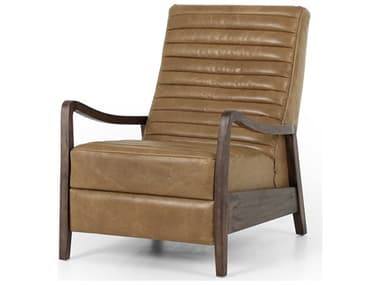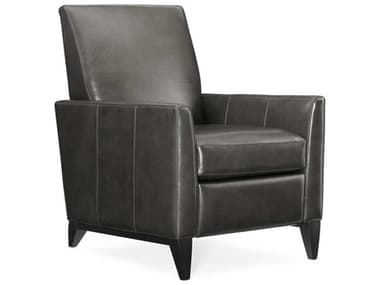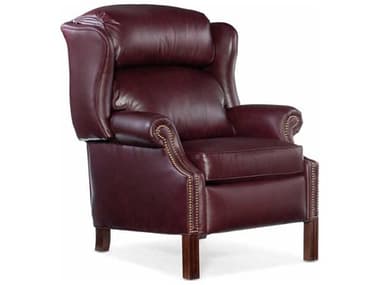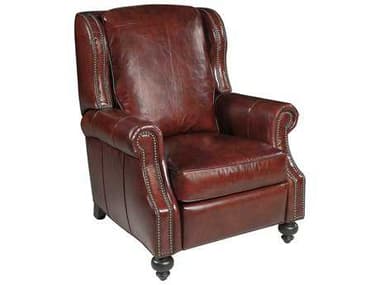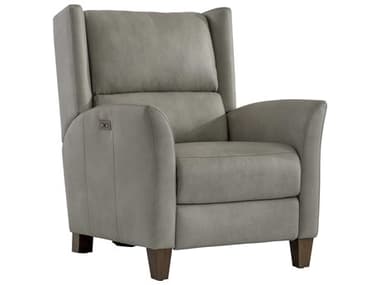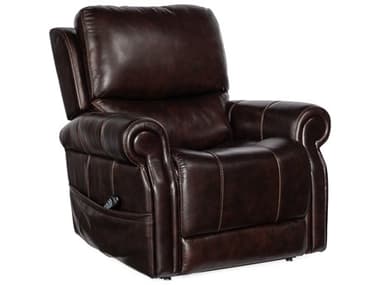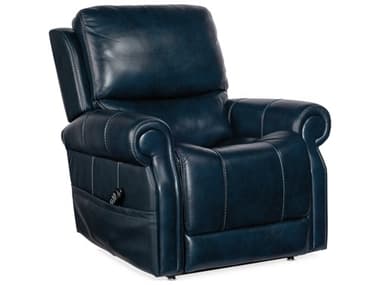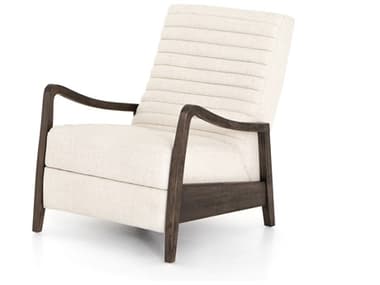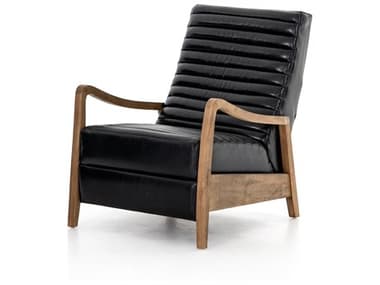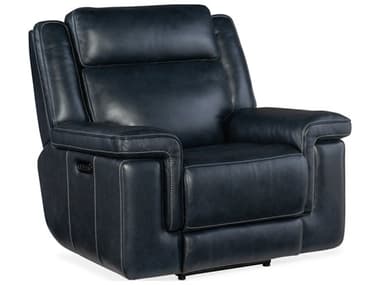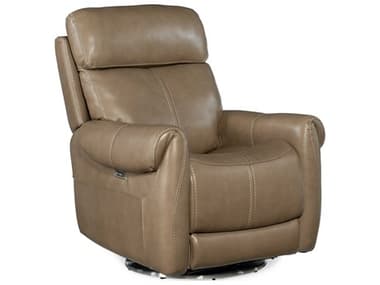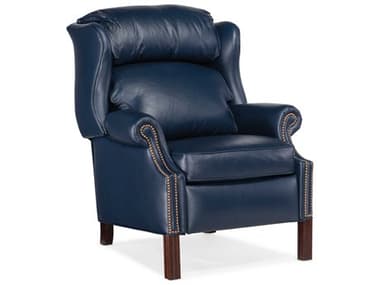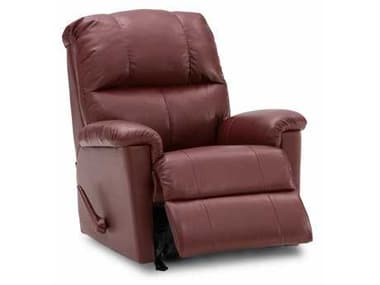





Introduction to Recliner Chairs
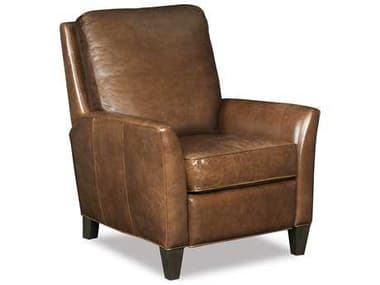
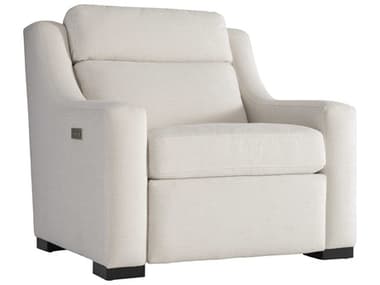
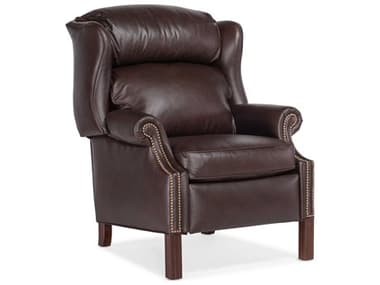
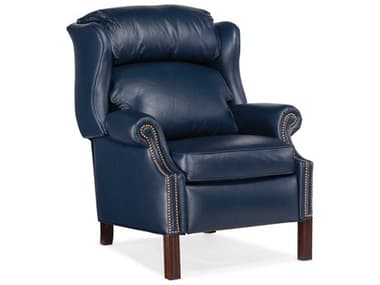
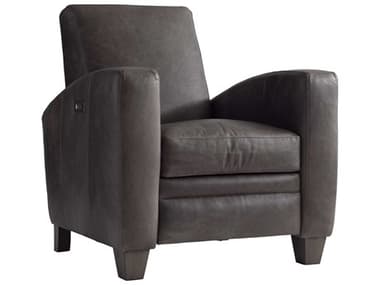
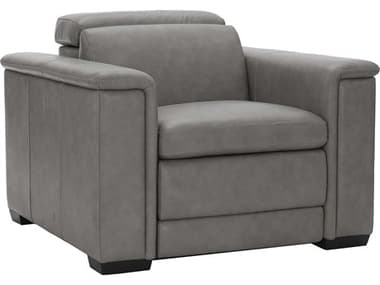
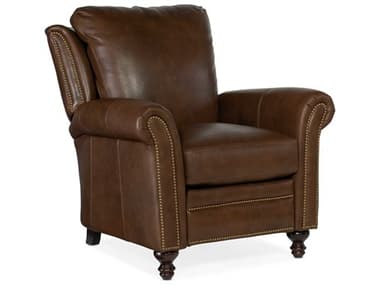
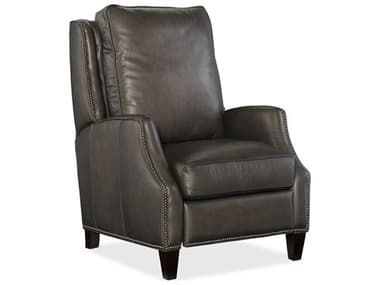
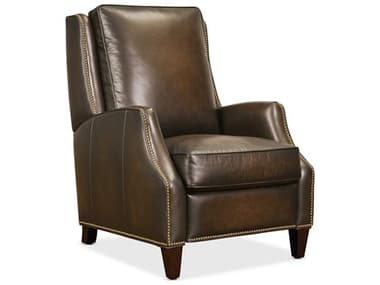
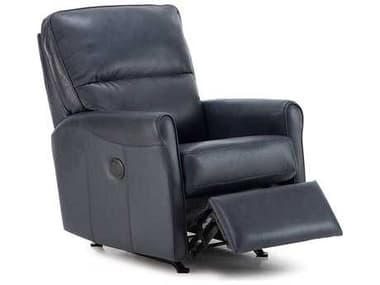
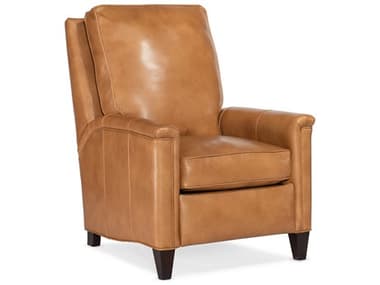
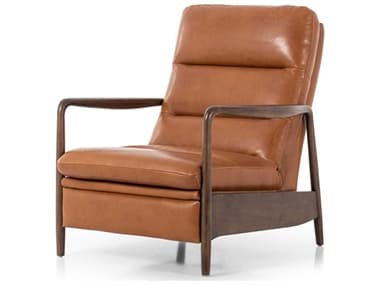
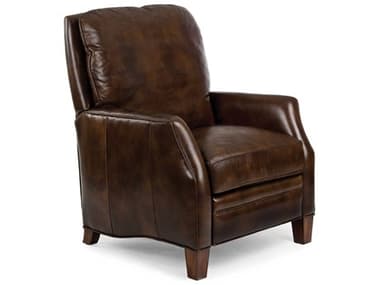
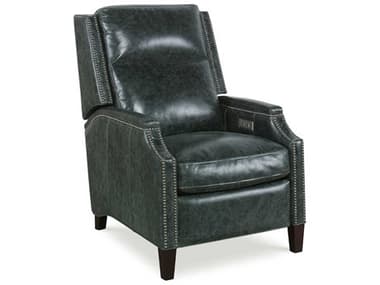
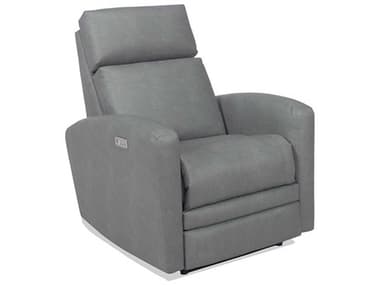
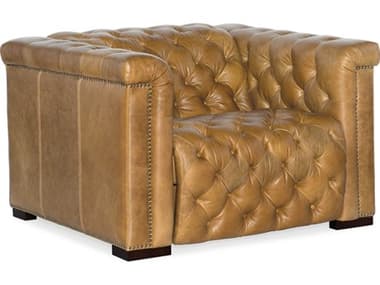
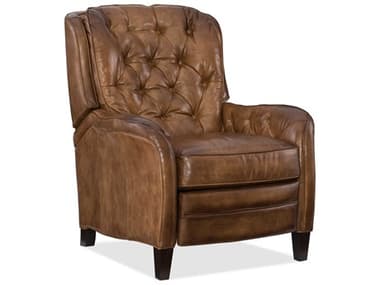
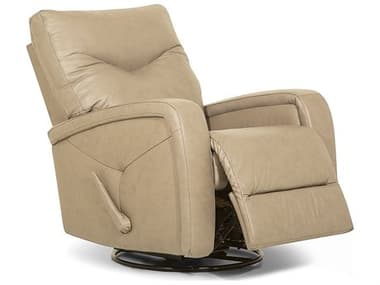
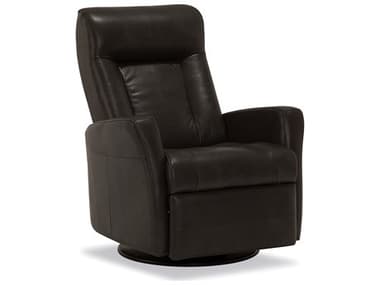
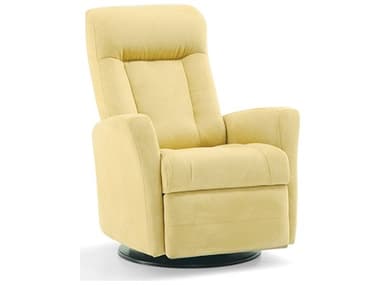
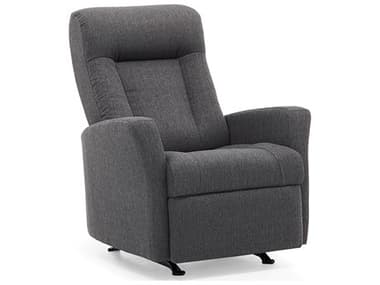
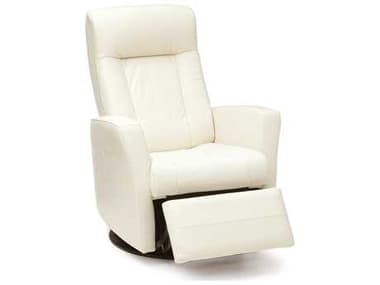
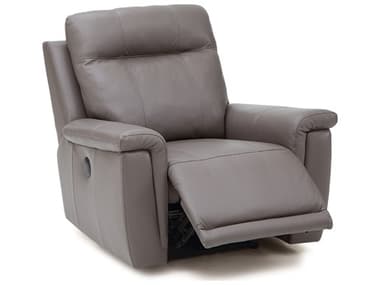
If you’re looking for a piece to help you kick back and relax, then look no further than recliners, which allow you to kick up your feet and stretch your entire body. Incredibly versatile, recliners are armchairs that can be adjusted to tilt backward so that the chair’s back is lowered and a foot rest extends forward, granting you a place to both sit and sleep. You can lounge comfortably while reading or watching television, or perhaps, to enjoy the warmth of a fireplace while you jam some music. Engineered for supreme versatility and comfort, a modern recliner chair provides broad, gentle support so that you can extend your whole body (almost accommodating a near supine position), while also conveniently allowing you to return to a natural upright position for multipurpose seating that is highly adaptable in any space. Once you get a chance to sprawl out on a recliner, you may just find yourself taking a few extra moments to relax.
Different Styles of Recliner Chairs
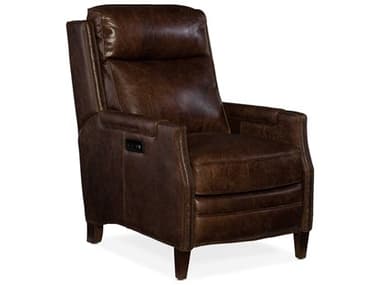
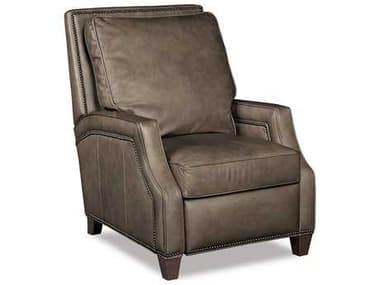
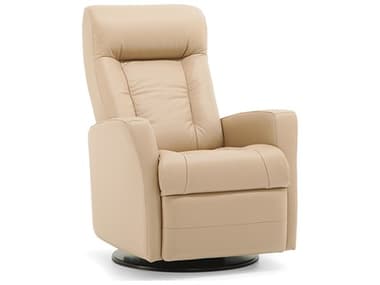
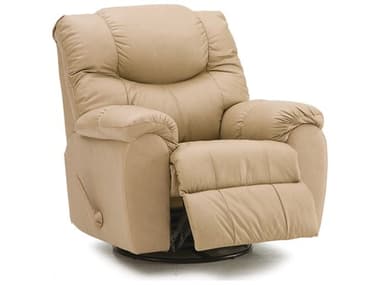
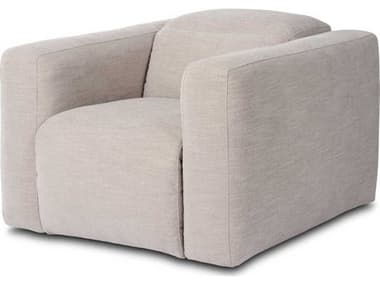
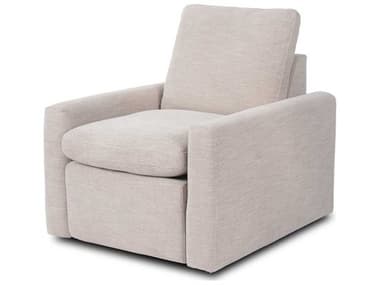
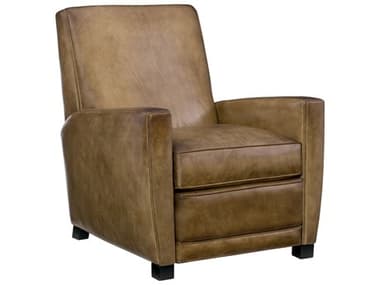
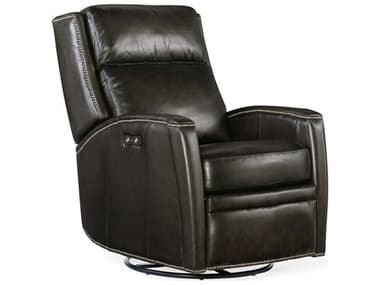
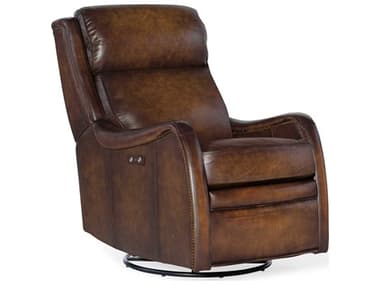
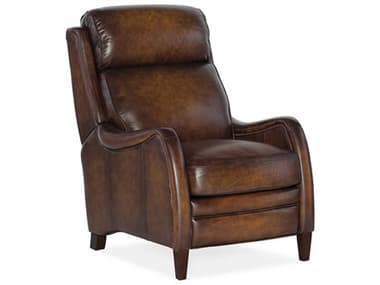
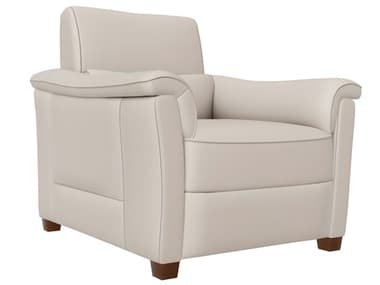
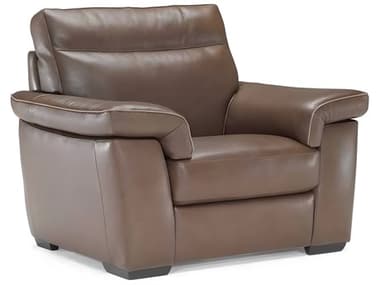
LuxeDecor has an inventory of more than 150 chair recliners available from top-quality furniture brands including Classic Leather and Palliser. Our extensive range of recliner models includes stationary recliner chairs, swivel recliner chairs, rocker recliner chairs, glider recliner chairs, and power recliner chairs (which include electric recliner chairs and lift chair recliners) for statement making comfort. Most models are leather recliner chairs with styles that range from traditional to casual to modern, although there are some models that are upholstered in high-quality fabric if leather isn’t your top choice. For stately seating that is elegant yet relaxed, we like the leather recliner chairs from the India collection by Palliser which is a pushback model available in 30 choices of upholstery. For something more traditional, the leather recliner chairs, for example from the Gisele collection from Palliser are also a reclining rocking chair model so that you can rock gently back and forth, while also reclining back. Browse through LuxeDecor’s wide selection of reclining chairs by length and width, motion type, and style to find the perfect chair to kick back and relax in.
Decorating With Recliner Chairs in Your Home
Recliner lift chairs are the perfect way to update a room if you’re looking to upgrade your accent seating. They are ideal in various settings for the comfort they provide in any space. Deep contoured seating makes it impossible to resist the cozy appeal and relaxation of recliners. Because it is designed with versatility in mind, be sure to place your recliner in an area with enough room to extend fully when you decide to stretch out. These types of chairs are perfect as a pair opposite a sofa to create a well balanced seating area in an open space floor plan.
To learn more information about accent chairs such as recliner chairs, including different upholstery materials, styles, and care, read LuxeDecor's Accent Chair Buying Guide.