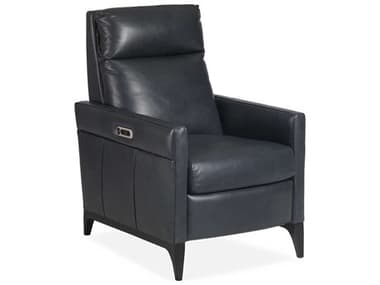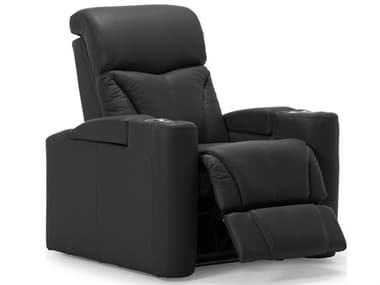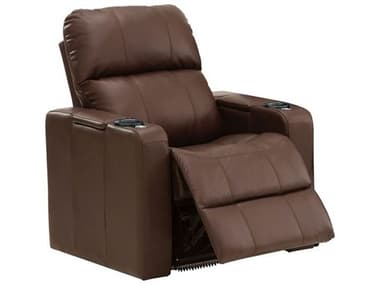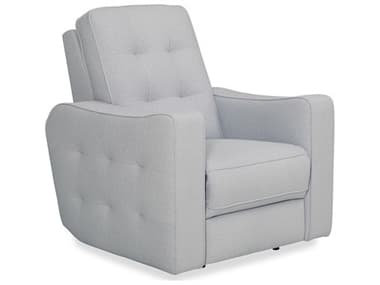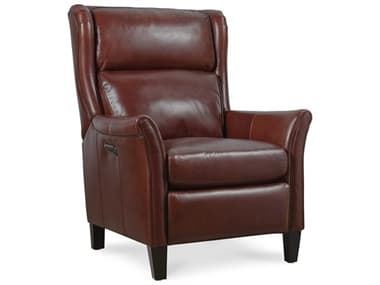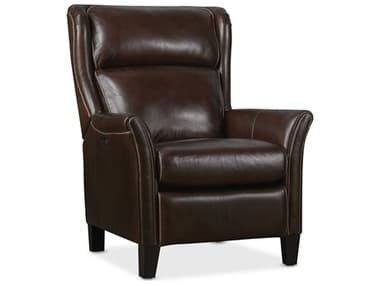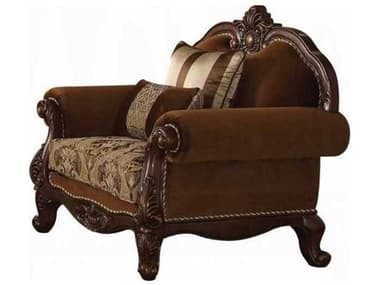
Are you looking for a unique chair to add to your existing furniture? A stationary recliner chair is an ideal option because it will serve a functional and decorative purpose. The seat is functional because it offers a lot of back and shoulder comfort. If you buy a recliner seat, you will no longer complain of back pain and shoulder pain. These chairs will also serve a decorative purpose because they come in different designs and colors.
When buying a recliner seat, you need to choose one that has a solid base. This will enhance the seat's stability and ensure that it is safe for use even by children. The cushions should also have an even stuffing to provide you with the necessary comfort. If the cushions do not have even or enough stuffing, your chair might not be as comfortable as expected. It will also look old within a short period. You also need to choose a recliner chair that can easily adjust to suit your seating needs. Before you decide to buy a recliner chair, you need to ensure that you have enough space where you can place it. A recliner chair is designed to offer you comfort, which means that you cannot always keep it upright. If you keep it in such a position, it will make no difference to other types of chairs. Therefore, you will need enough space for reclining it fully for you to enjoy its functional purpose. You also need to choose a color that matches the room's décor. This will prevent you from buying a chair that will look out of pace.
Finally, you need to consider the price to ensure that it meets your budget. Our recliner seats come in different designs and prices to allow you to choose one that will suit your preferences and budget.