Loading products
Transitional area rugs borrow from both traditional and modern design vocabularies — classical motifs rendered in updated colorways, or familiar geometric patterns scaled up for contemporary rooms. If a Persian-style medallion rug feels too formal and a solid flat-weave feels too minimal, a transitional rug sits right between them. That flexibility is what makes the category so useful: these rugs adapt to rooms that already mix furniture styles, and they tend to stay relevant through multiple redecorations.
How a transitional rug is built determines how it feels underfoot and how long it keeps its shape.
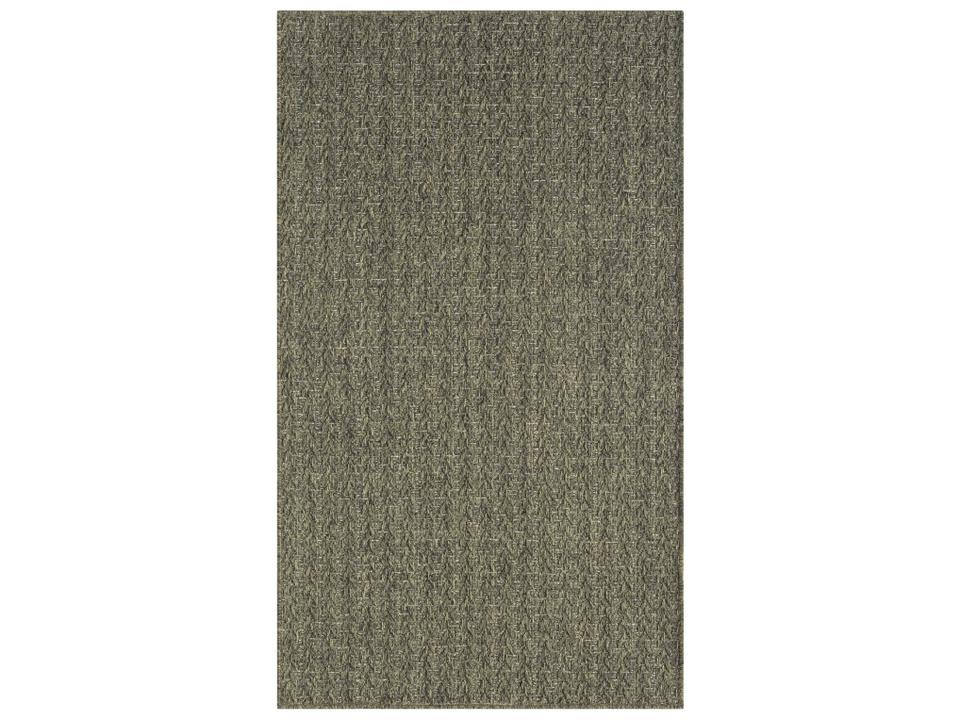
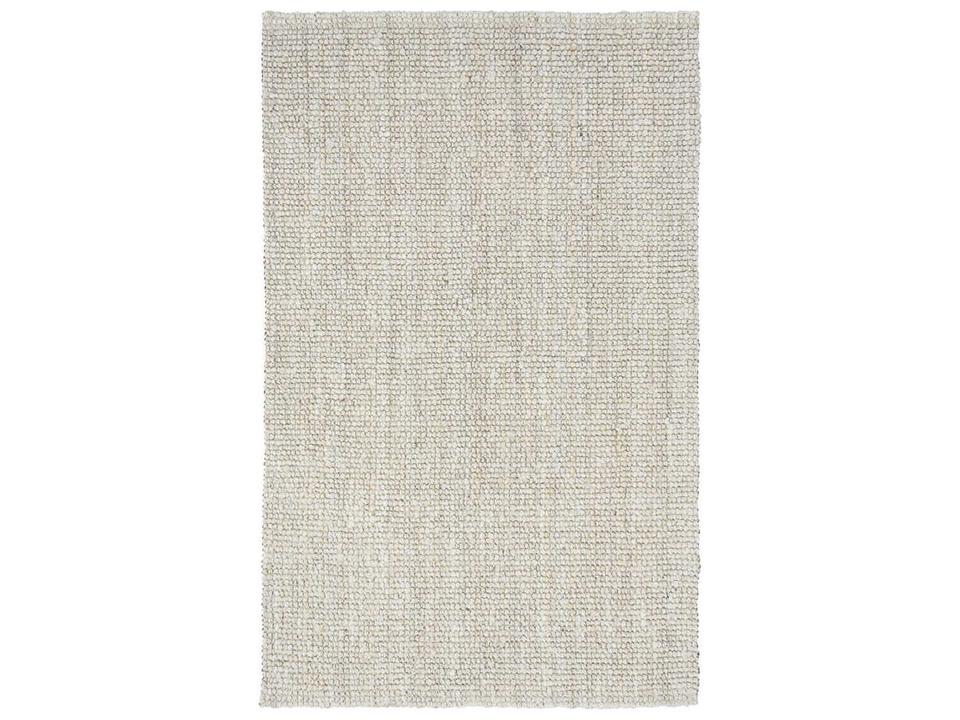
Material matters just as much. Wool is the workhorse of luxury rugs — naturally stain-resistant, resilient, and able to hold dye beautifully. Silk adds sheen and allows for intricate pattern work, though it's more delicate and best suited to low-traffic areas like bedrooms or studies. Synthetic fibers like polypropylene and viscose mimic the look of natural materials at a lower price point and clean up easily, making them practical for family rooms or covered outdoor spaces.
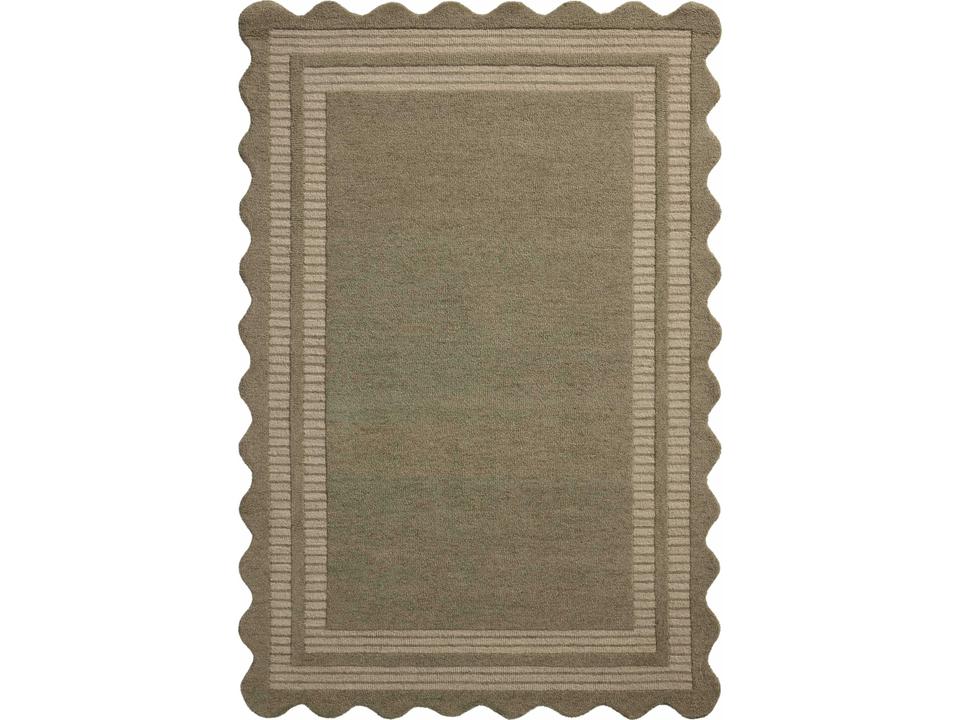
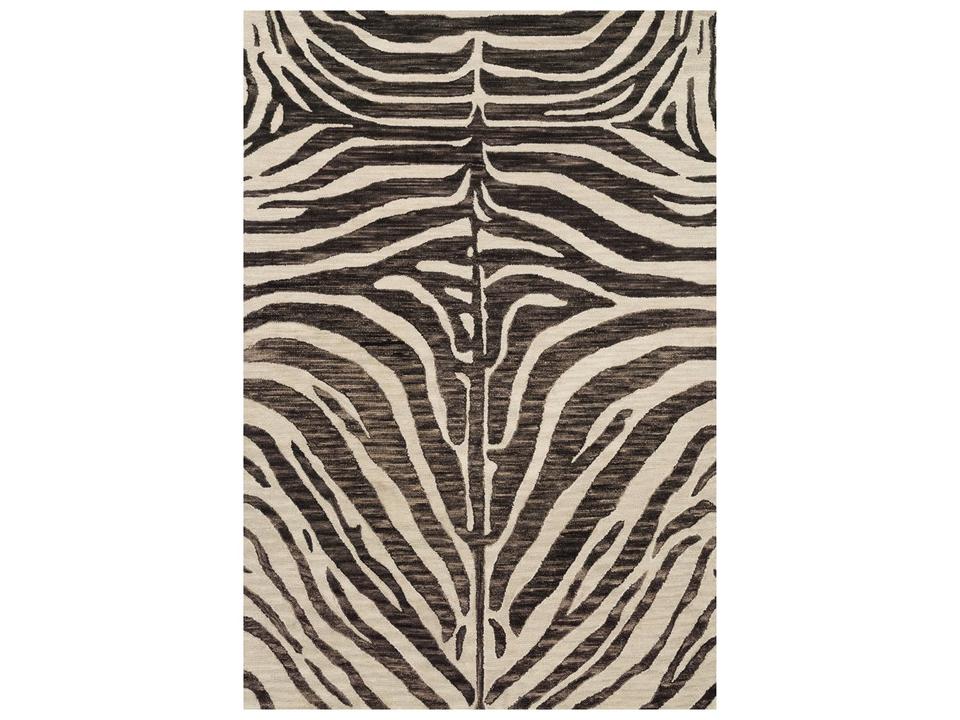
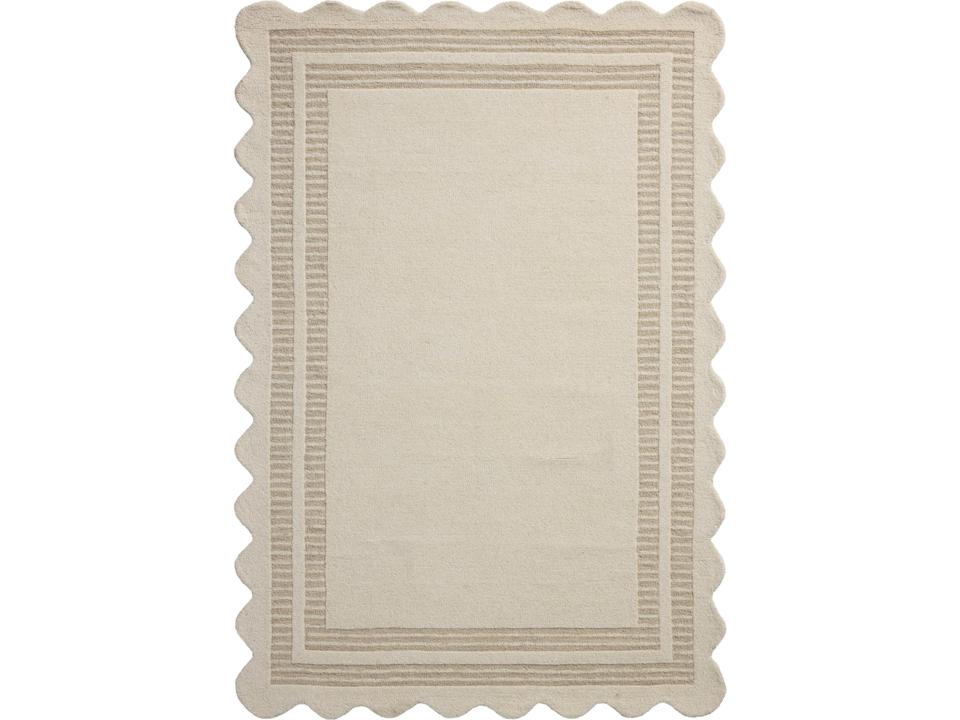
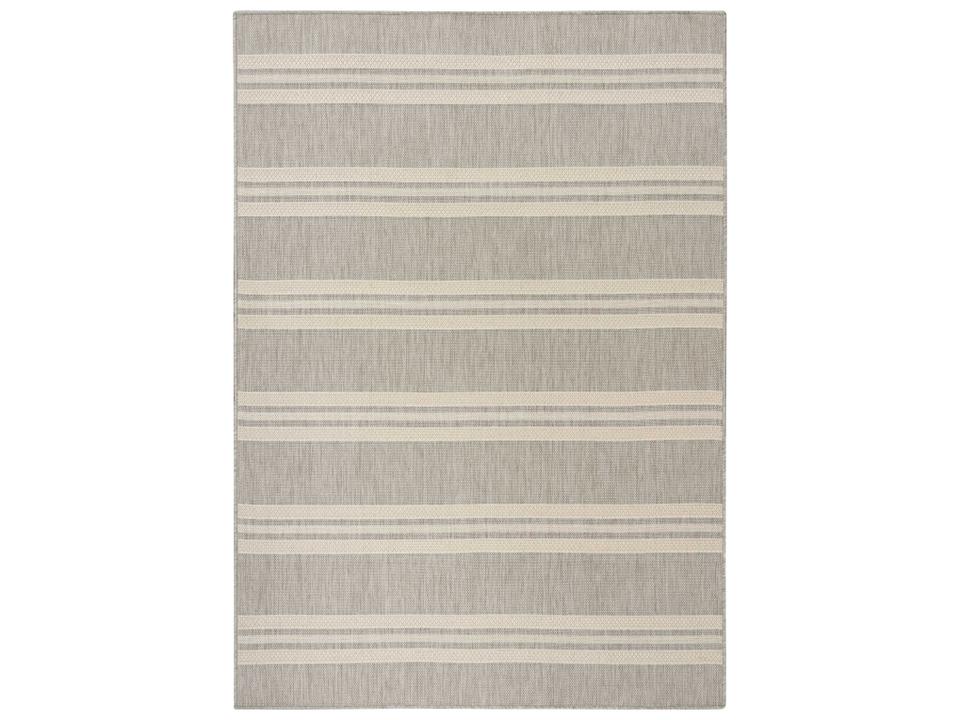
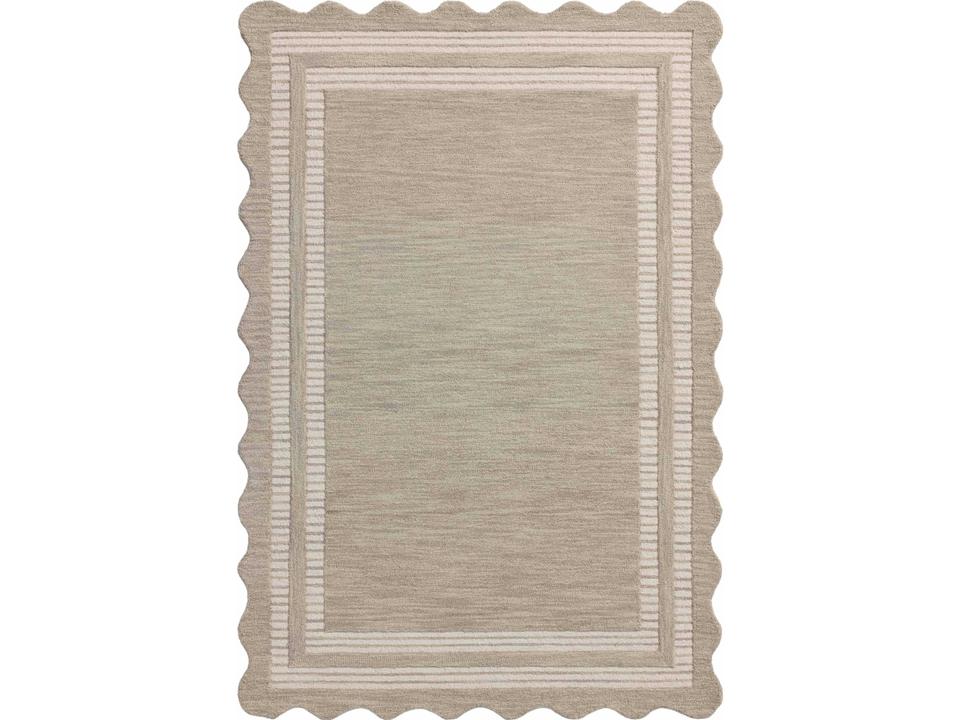
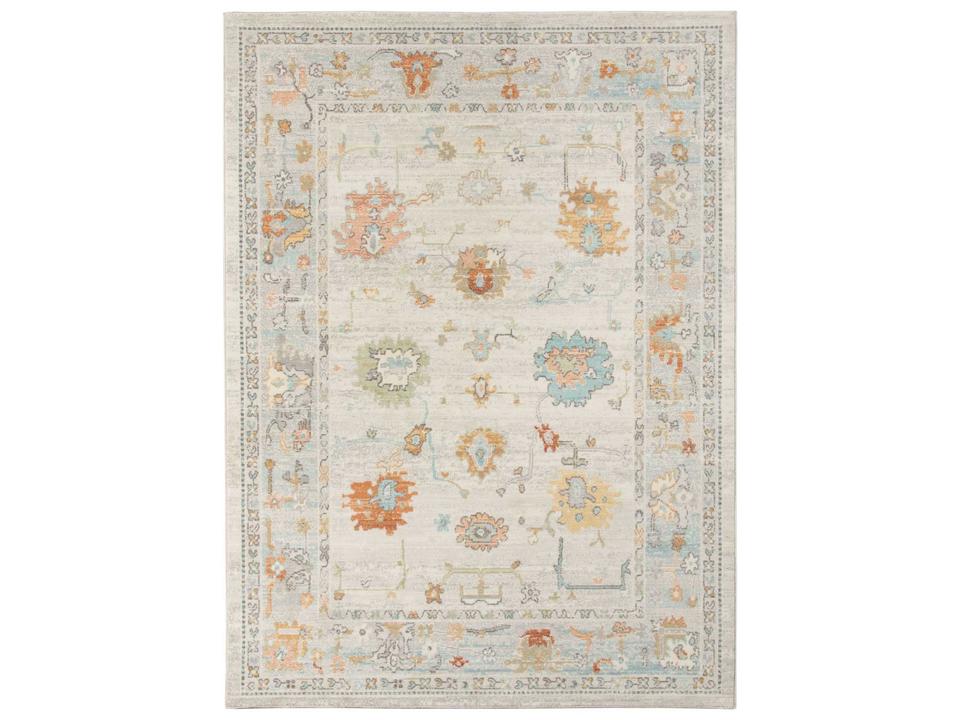
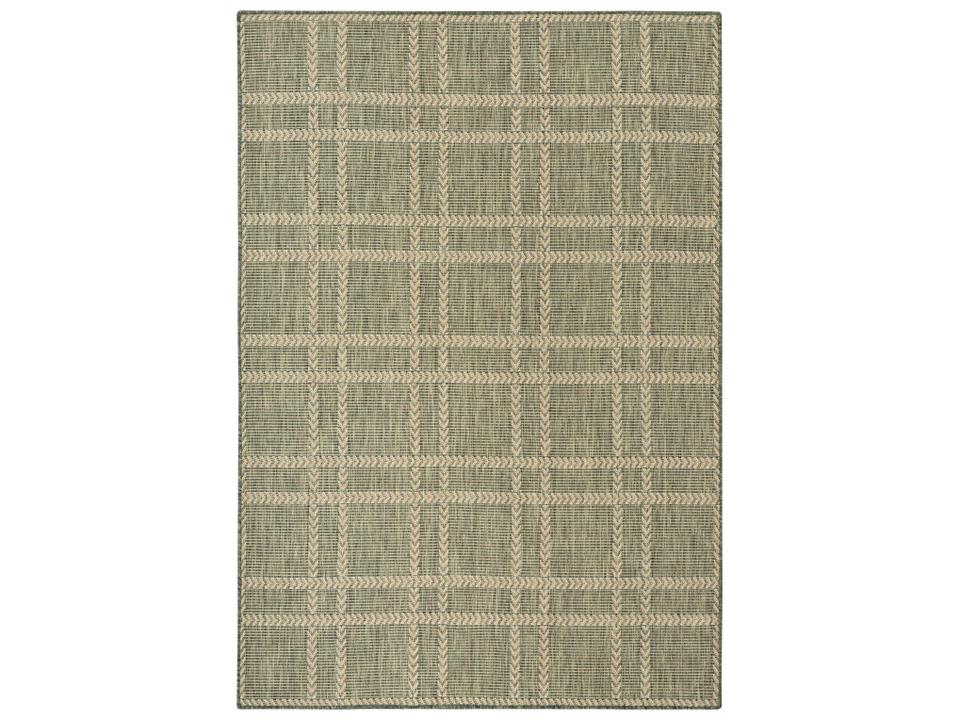
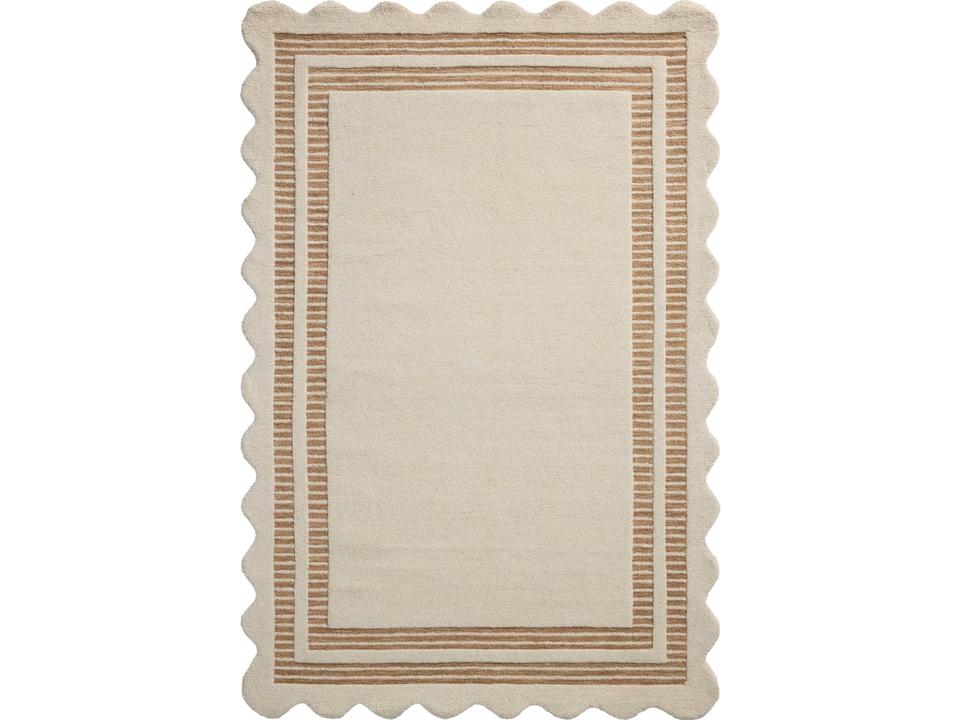
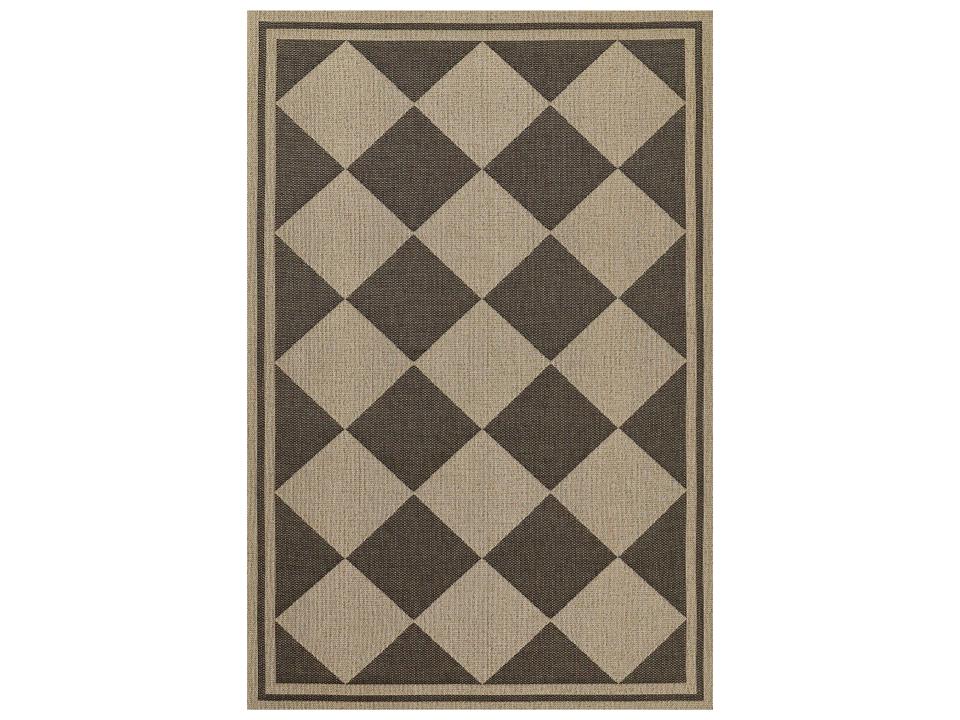
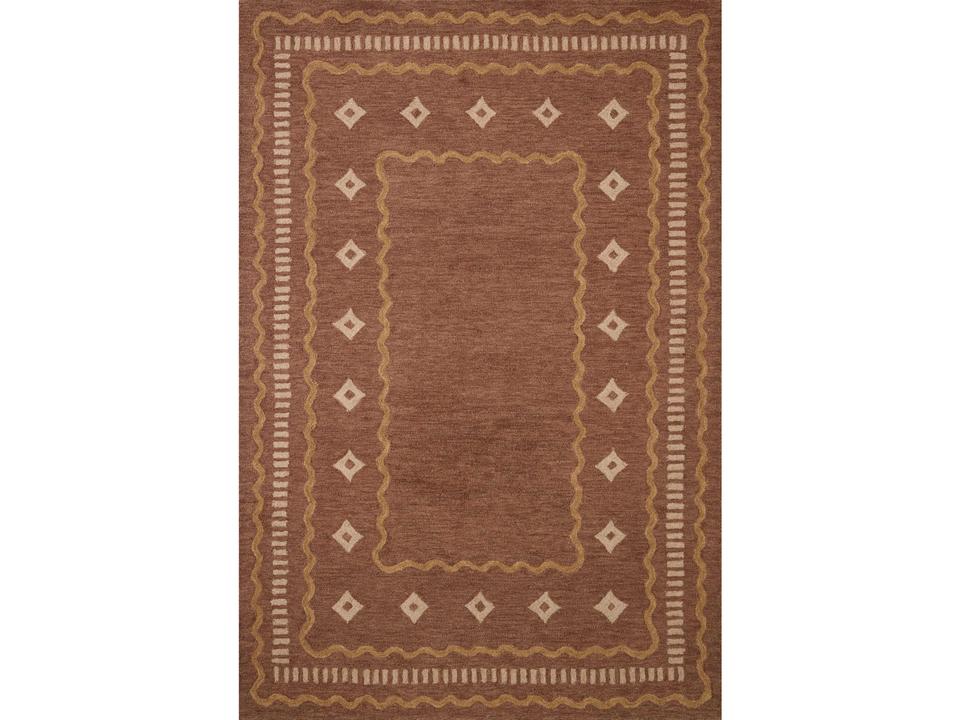
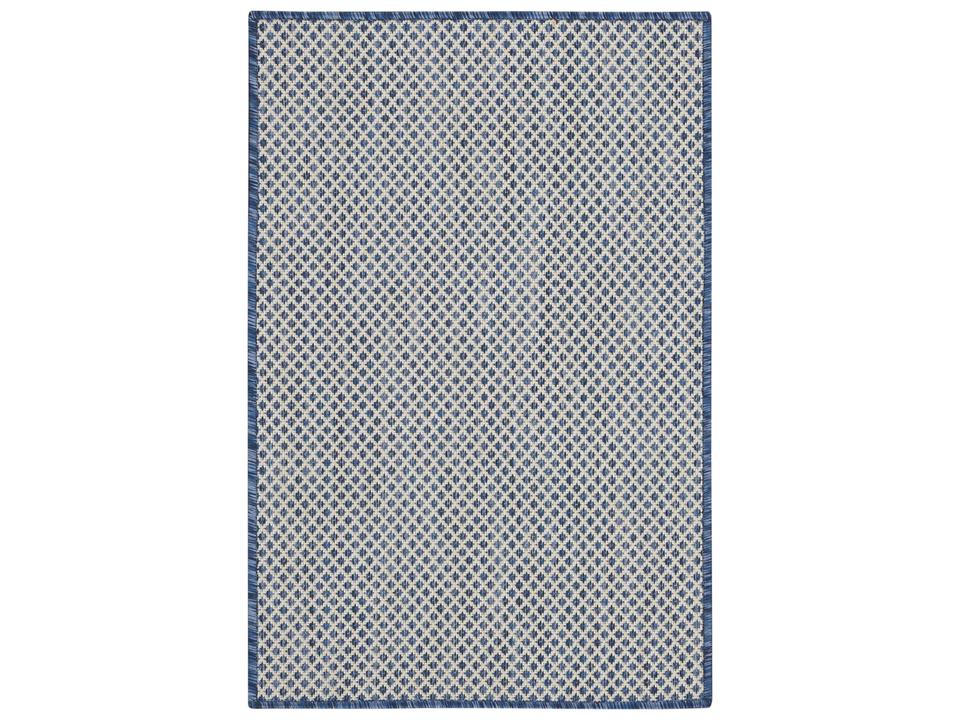
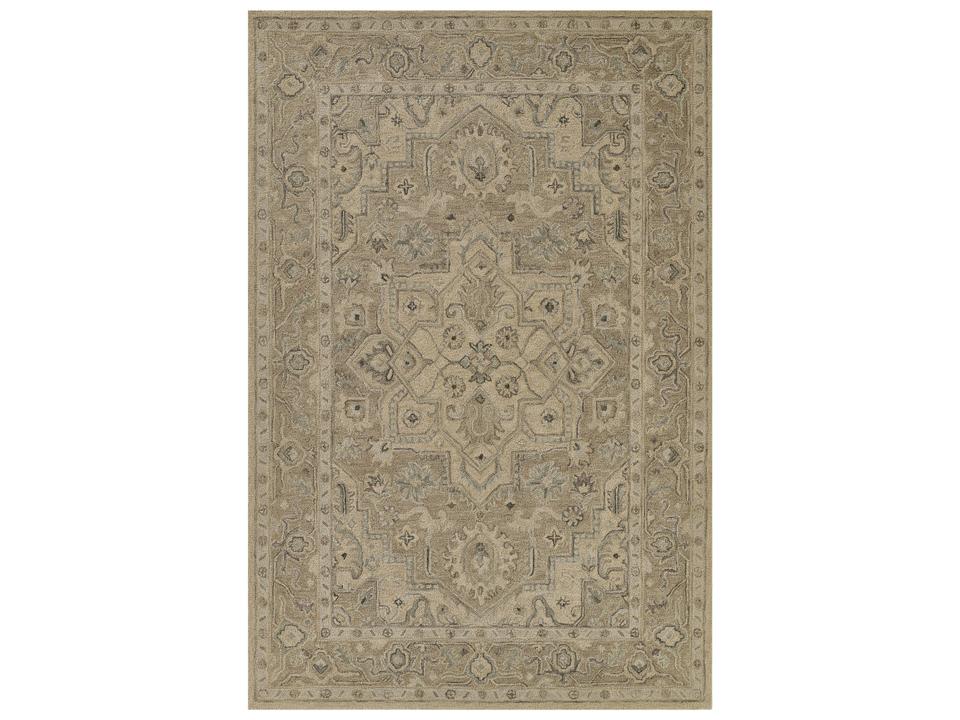
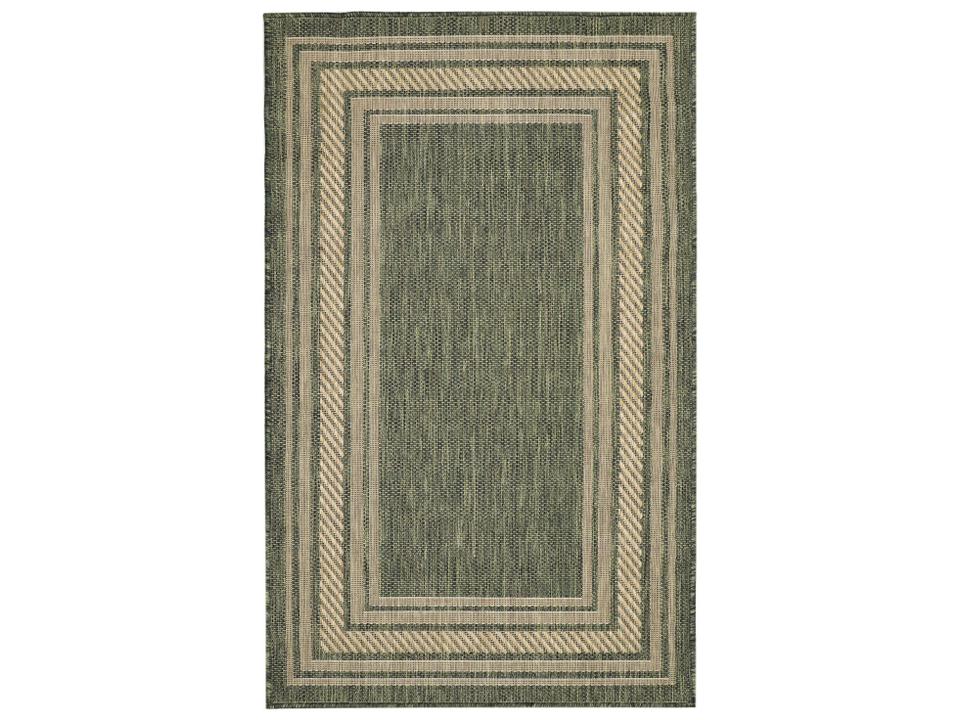
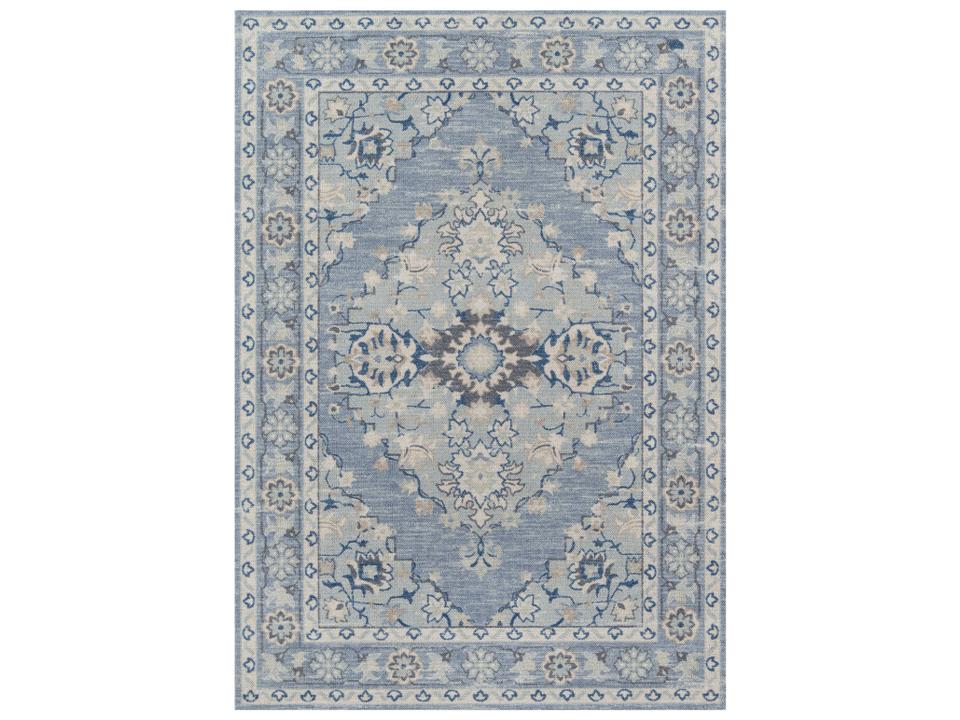
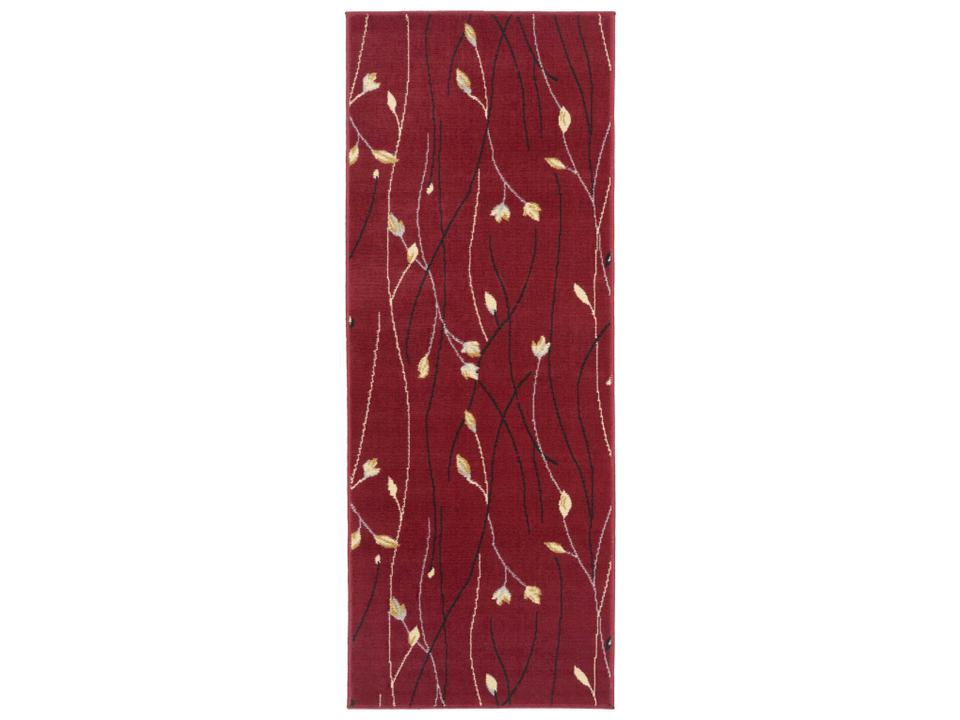
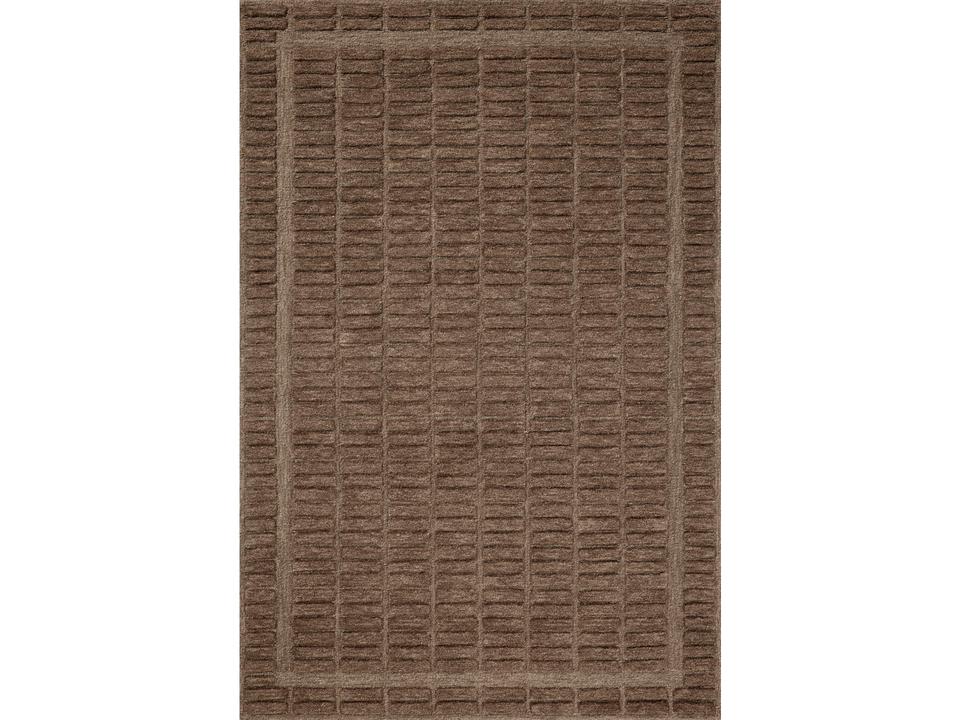
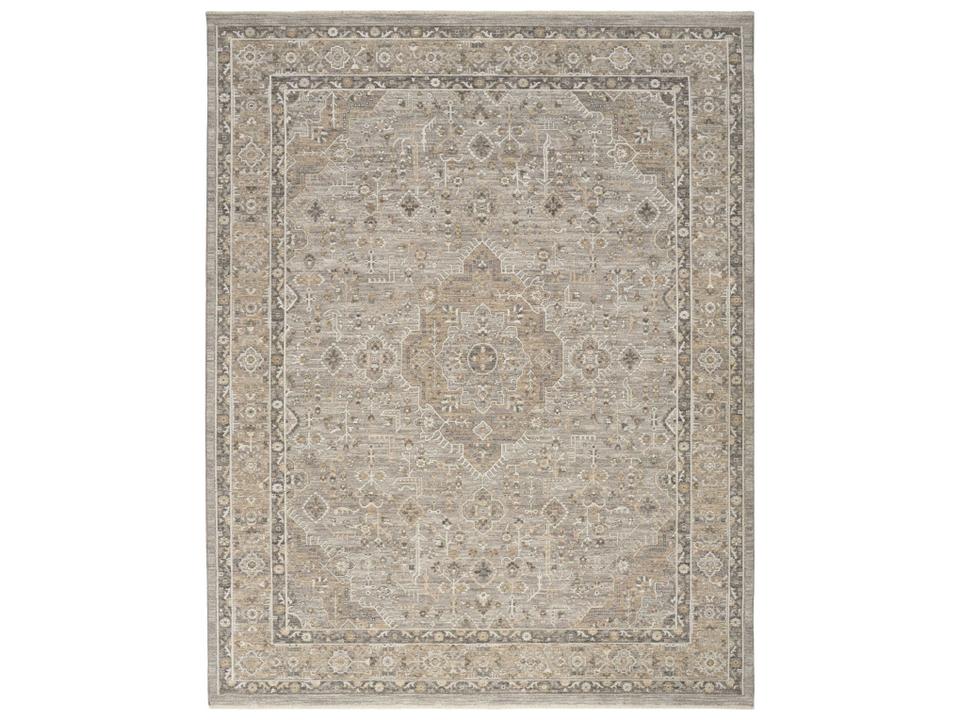
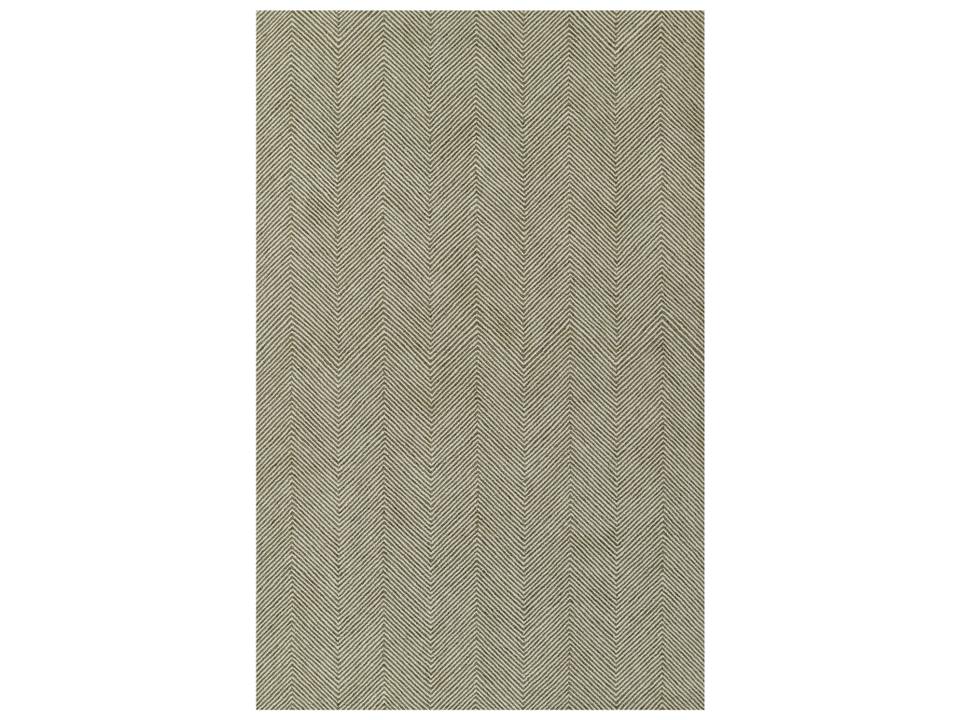
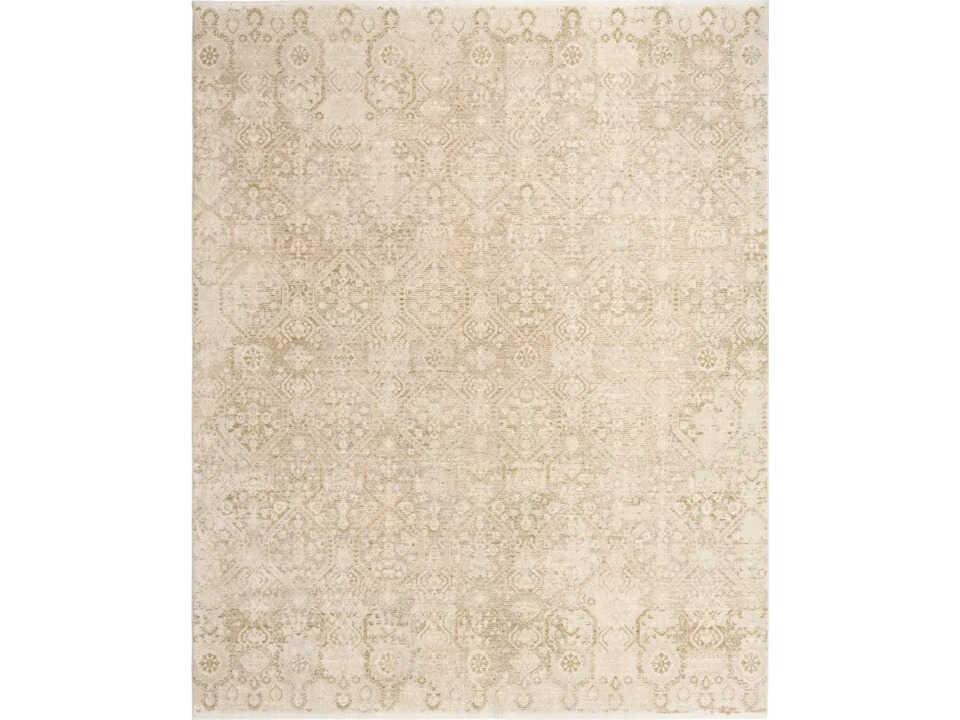
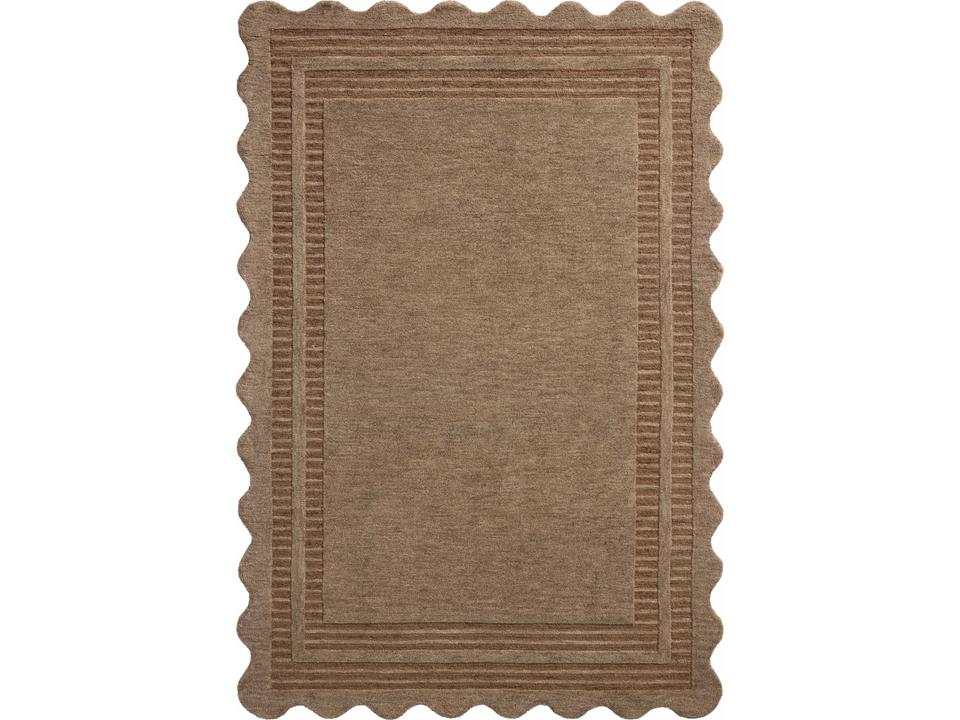
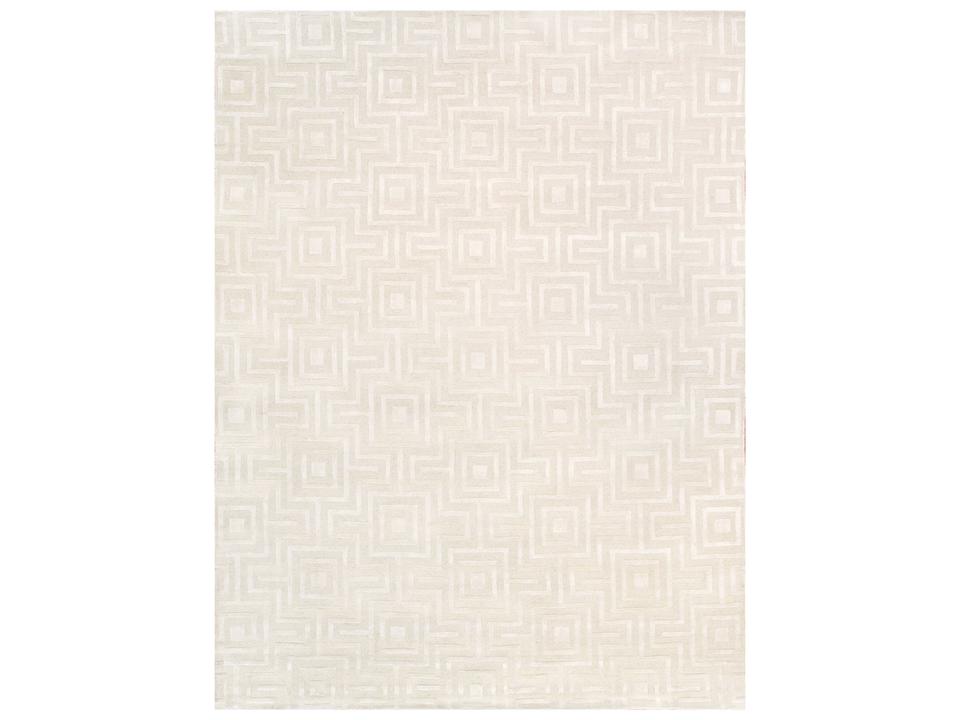
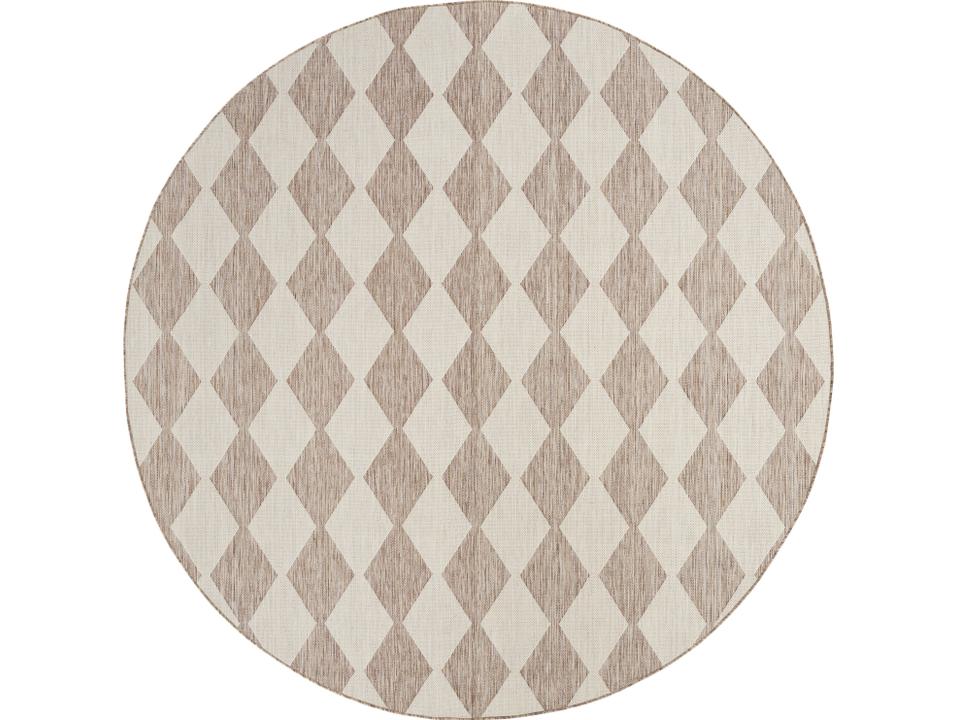
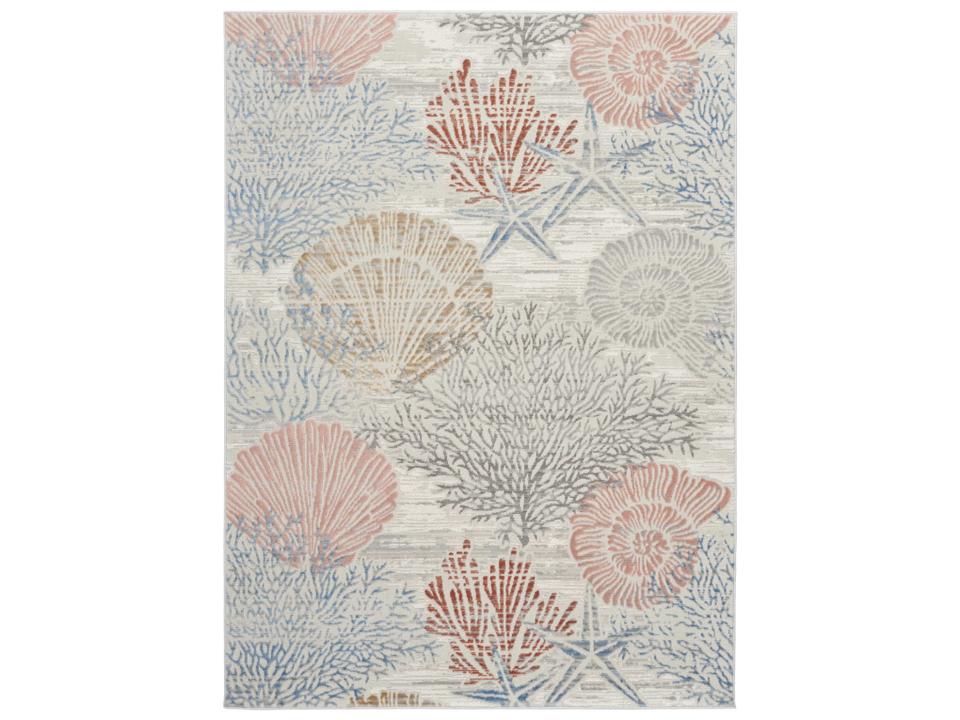
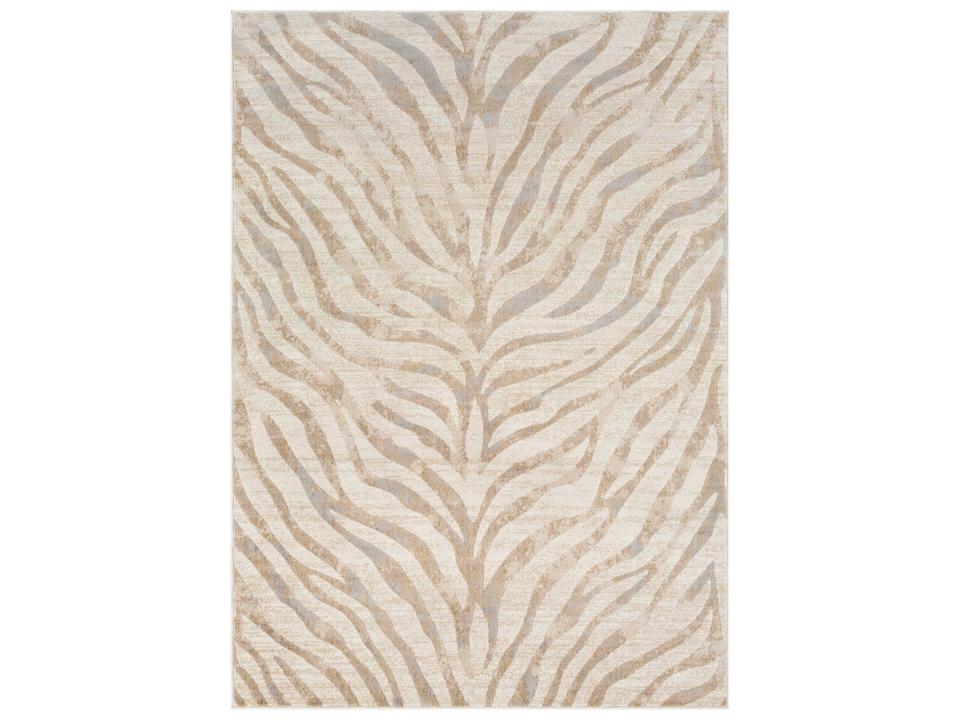
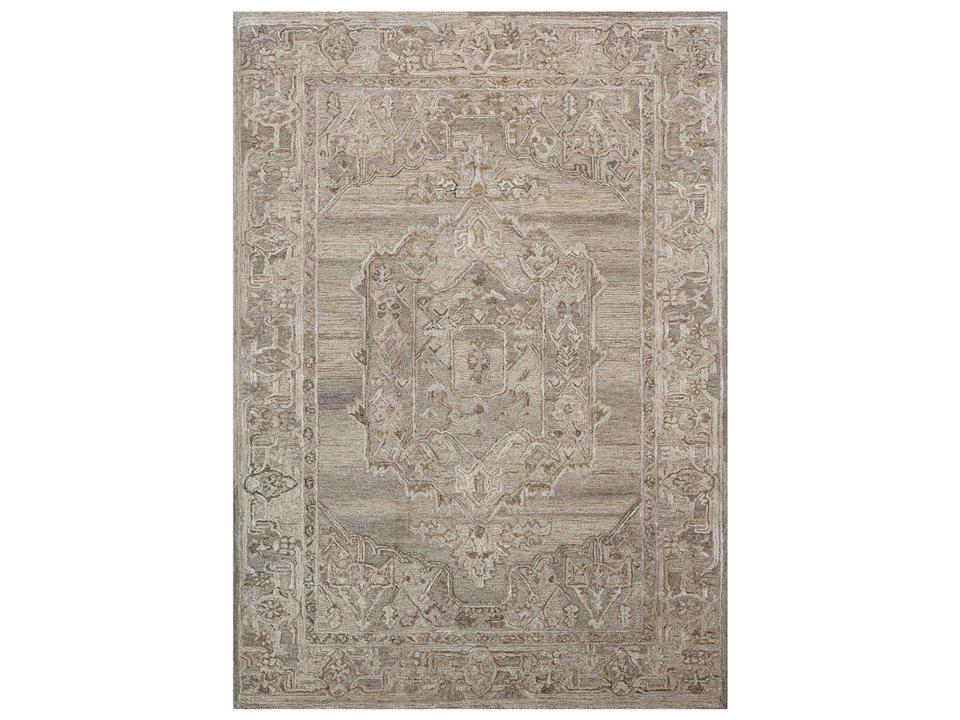
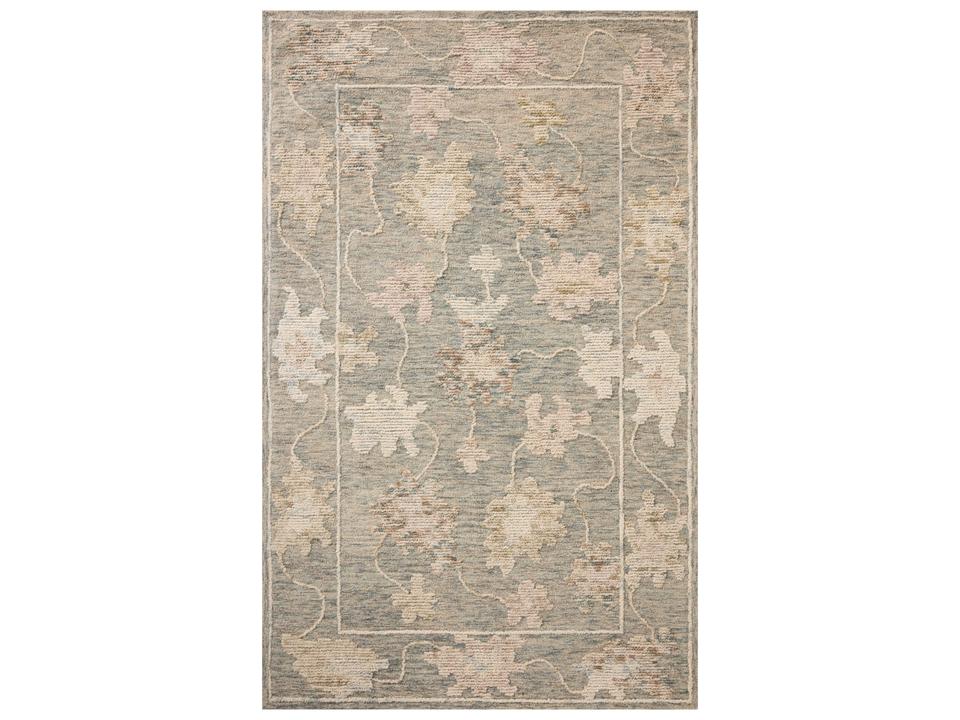
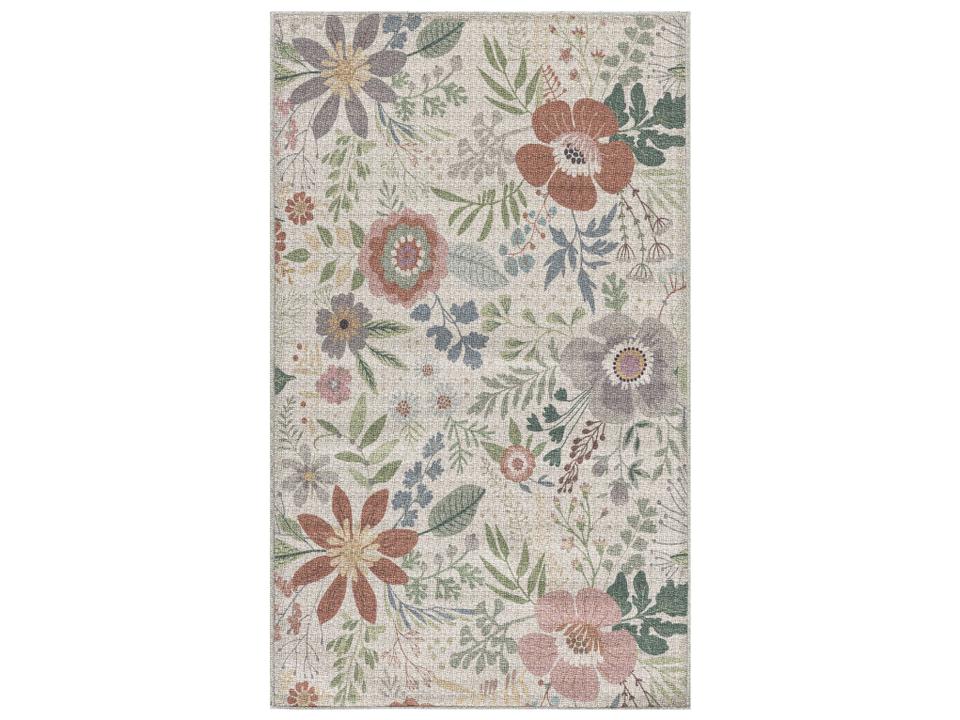
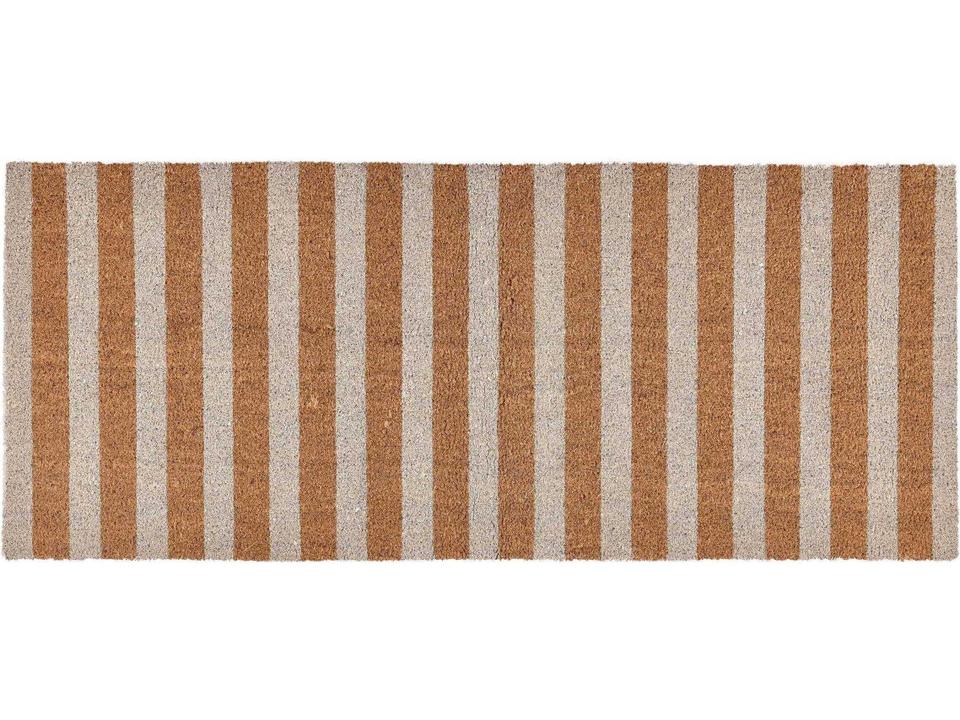
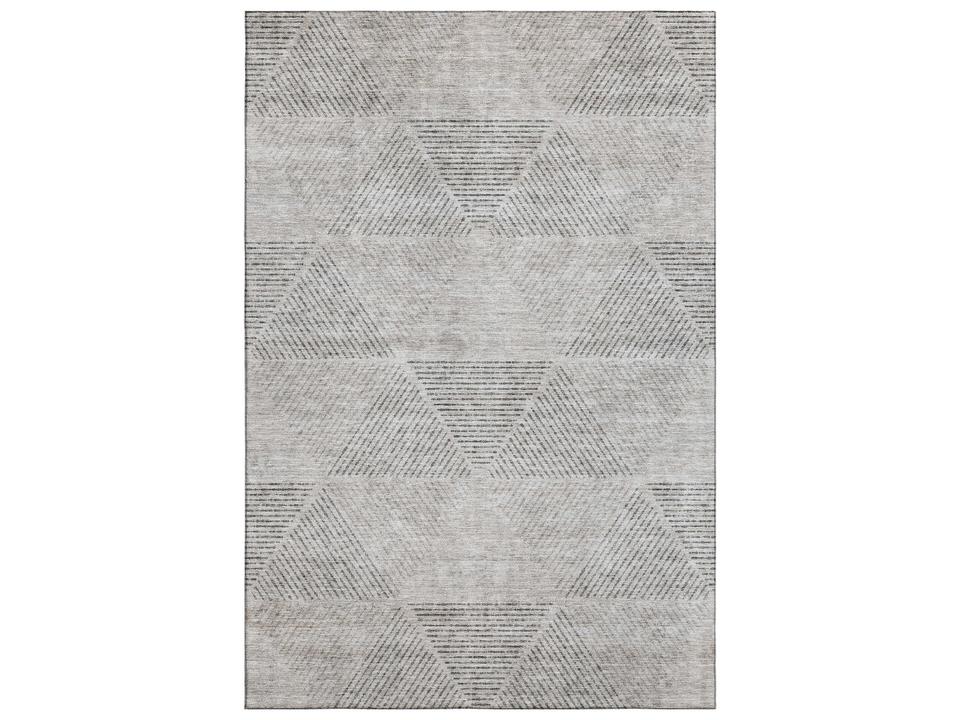
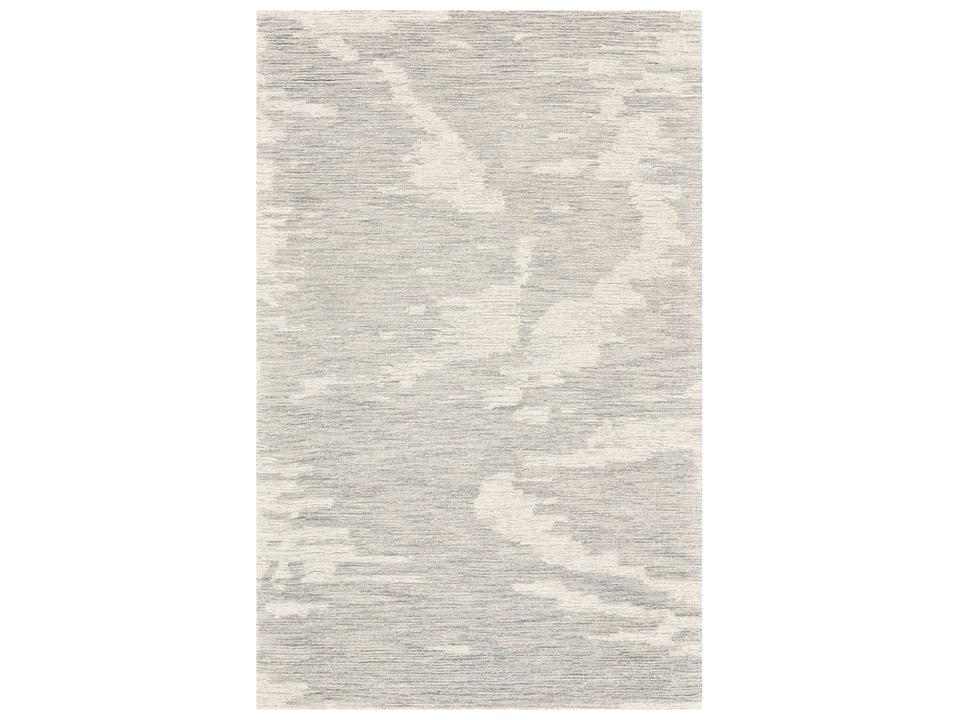
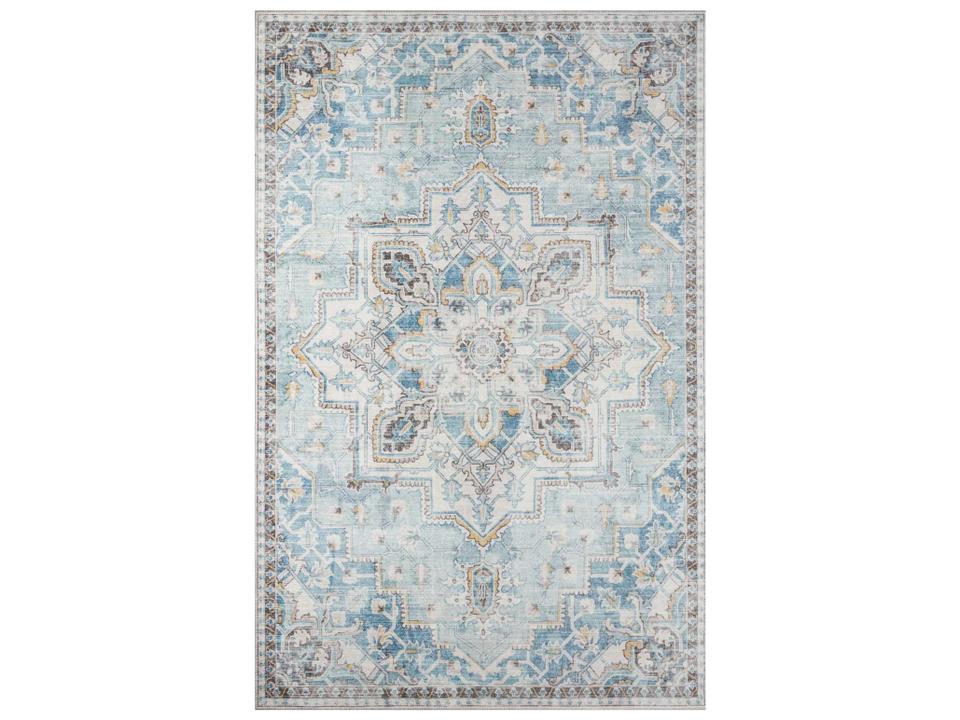
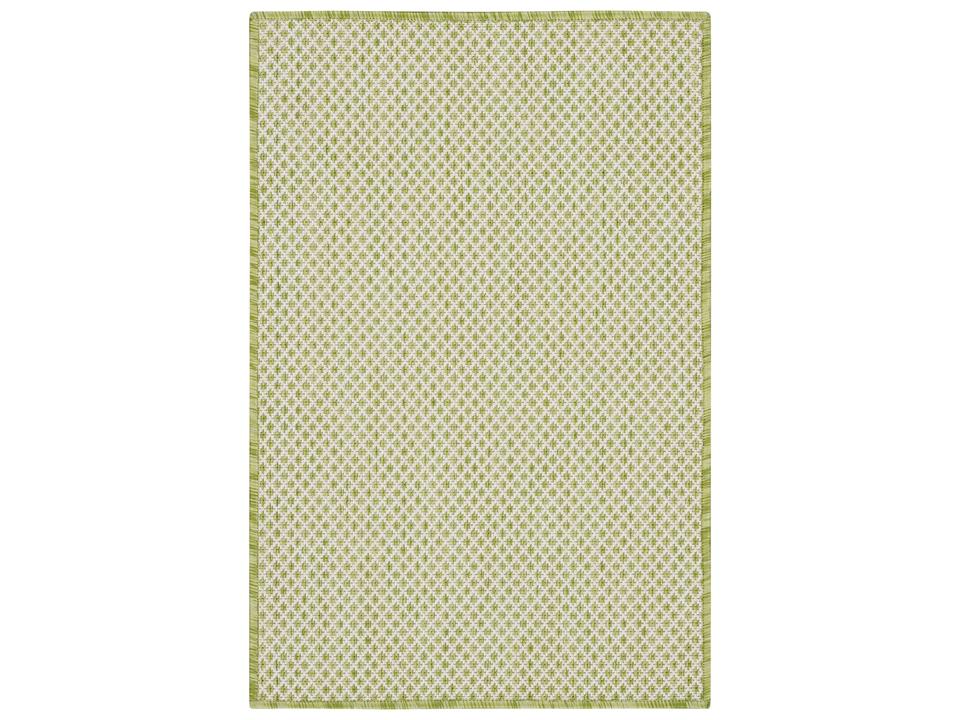
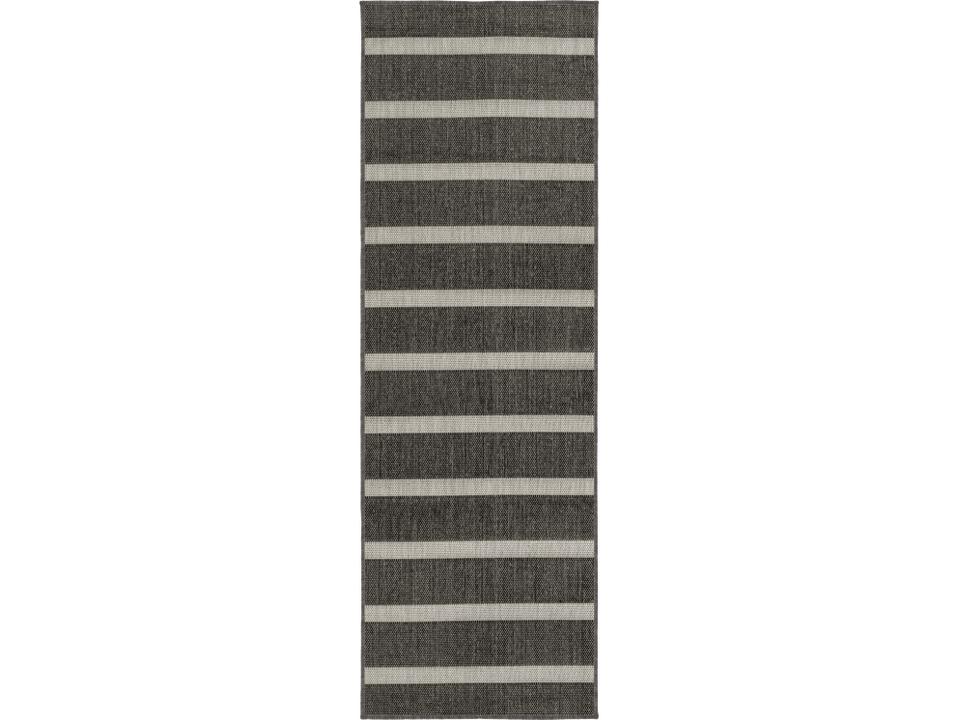
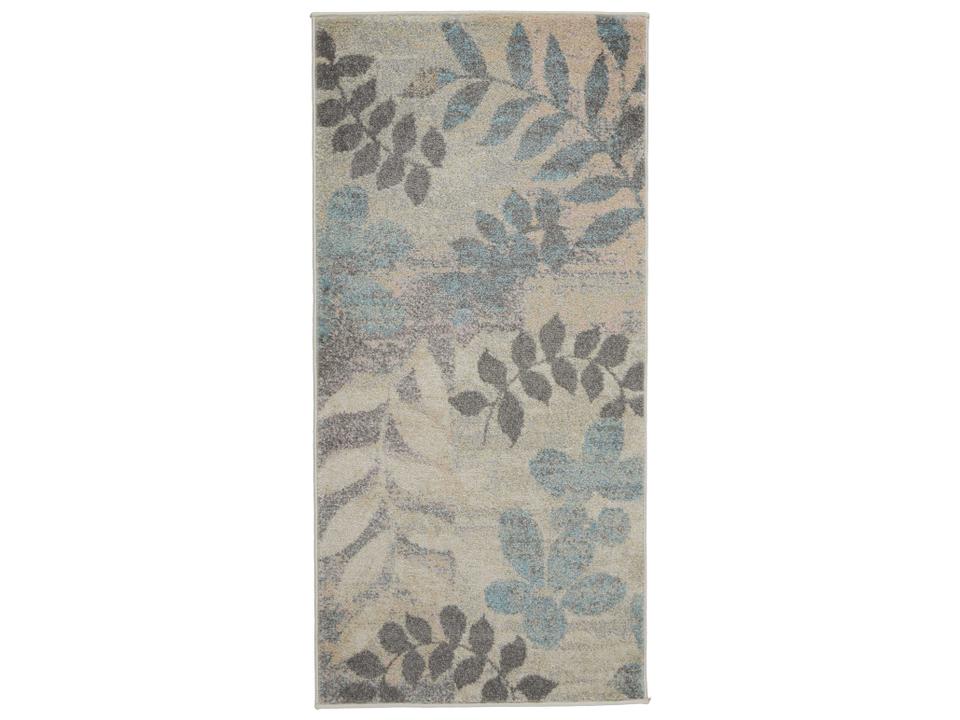
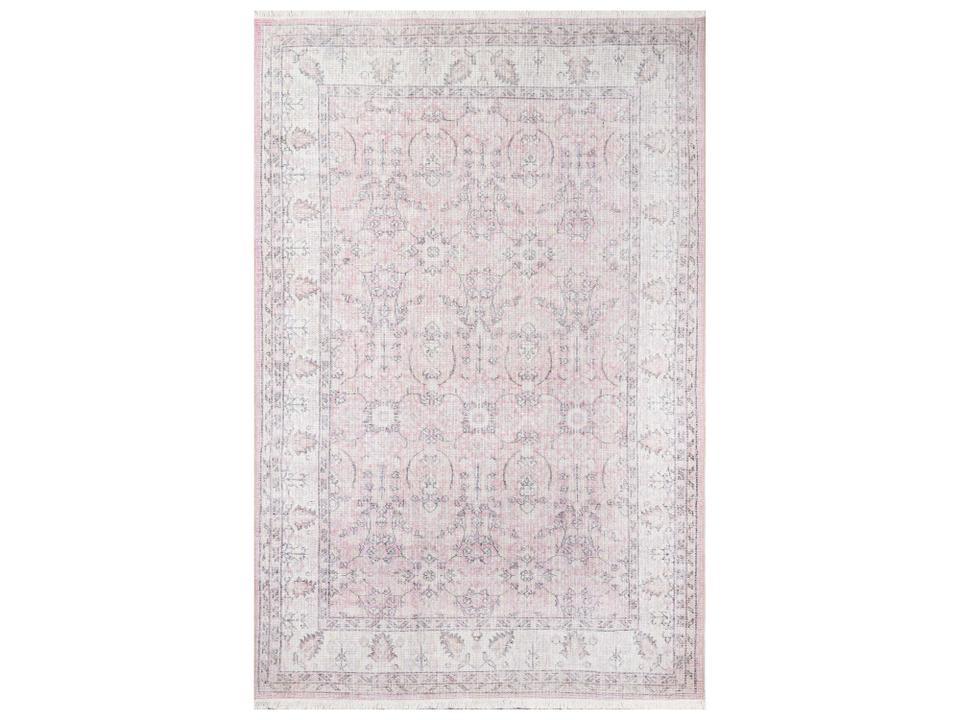
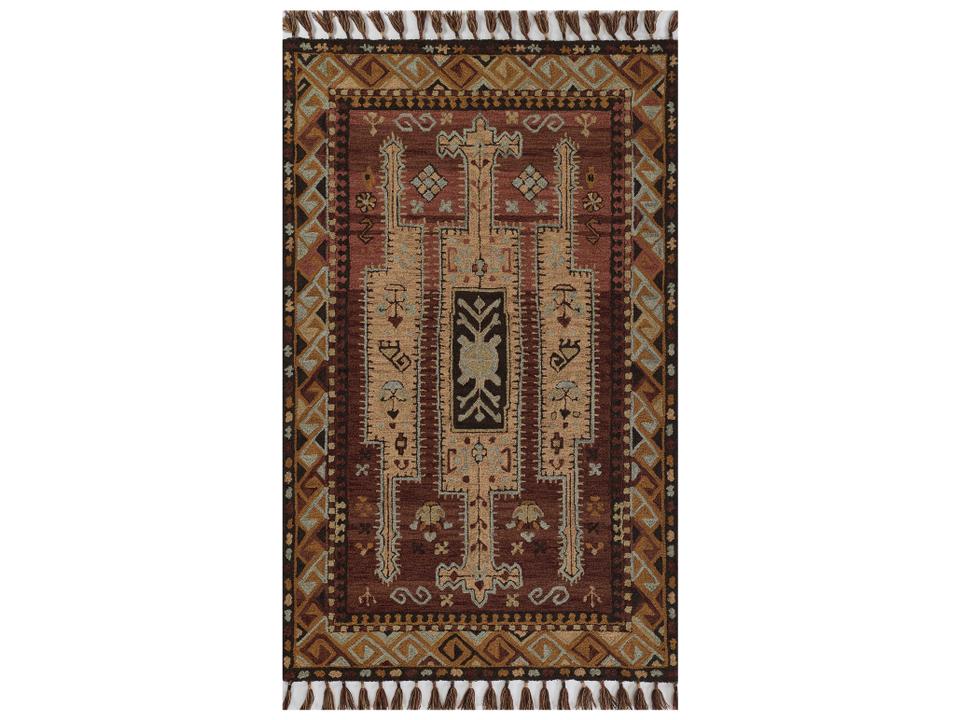
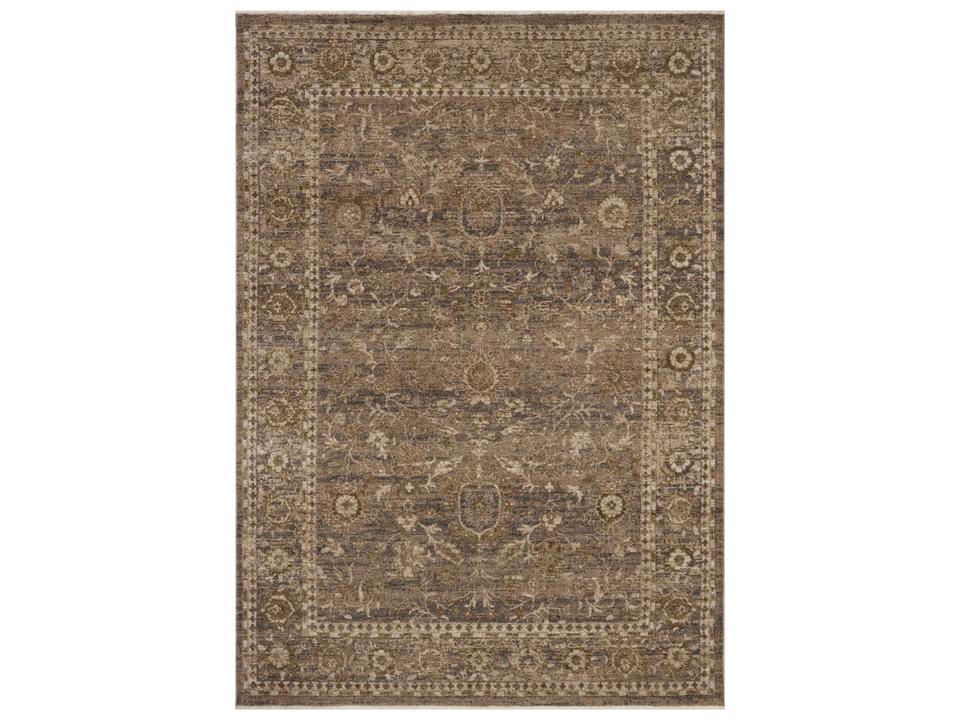
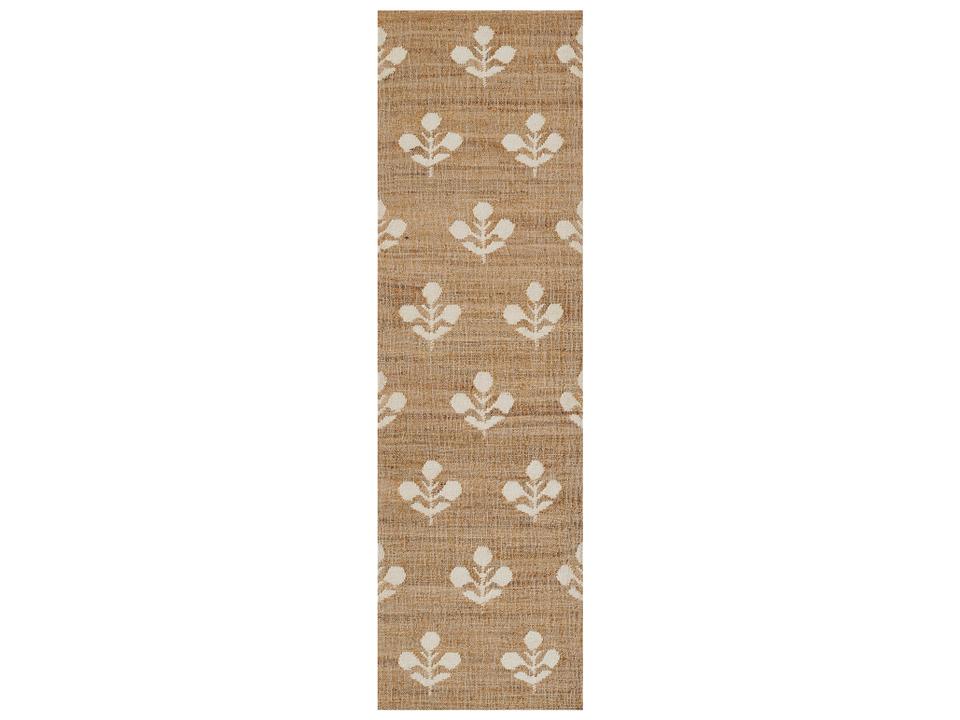
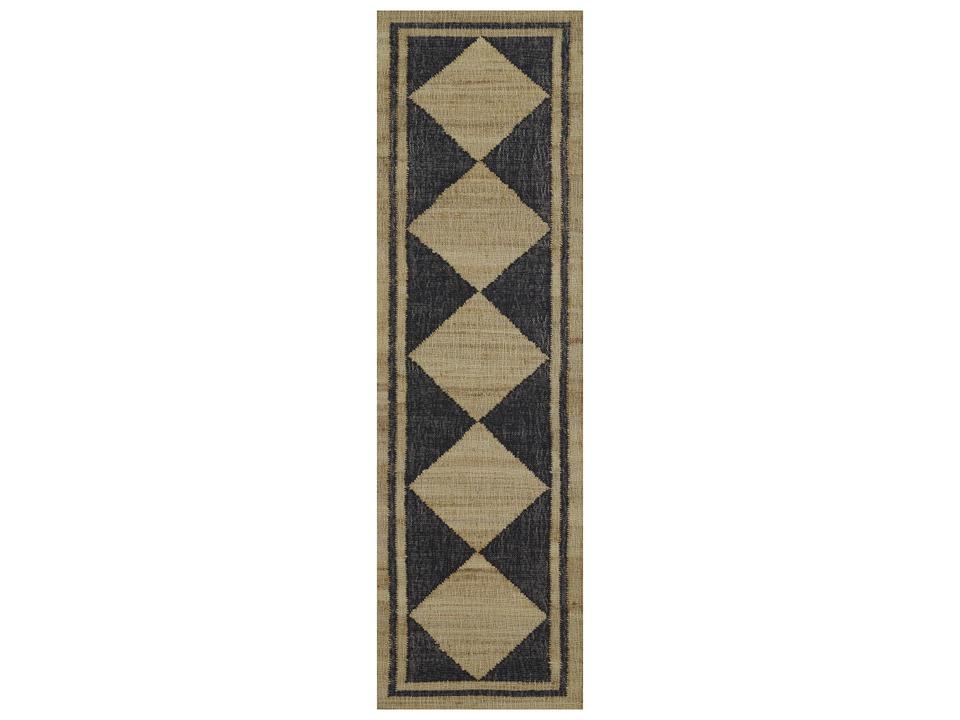
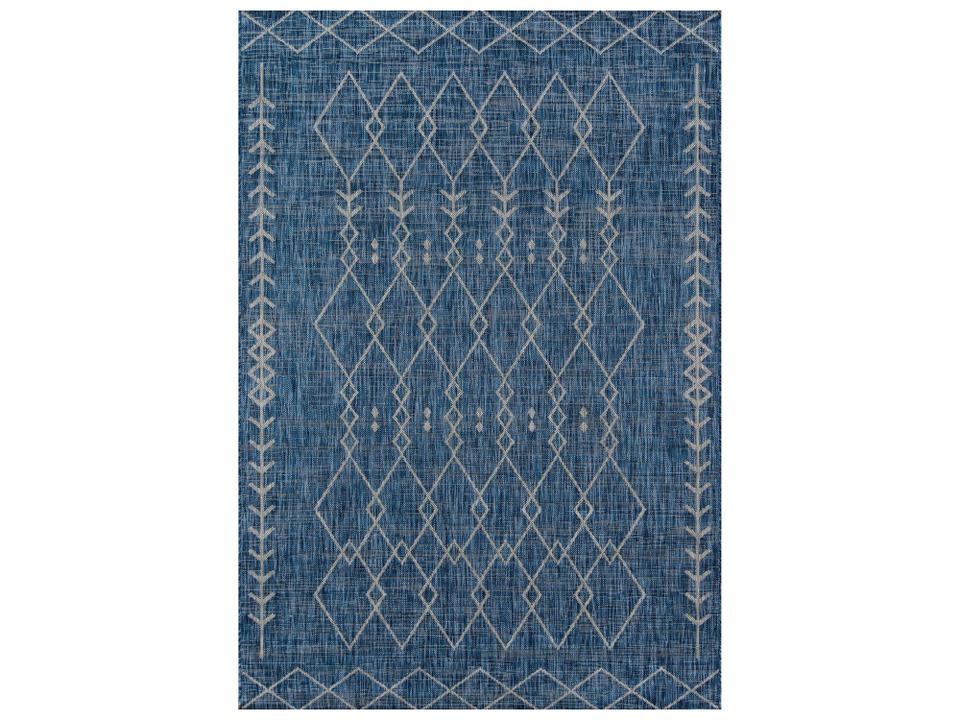
Transitional rugs span a wide design range. Some lean traditional — softened Persian medallions, floral scrollwork with muted edges, damask-inspired repeats in neutral tones. Others push toward modern territory with oversized geometrics, abstract color washes, or distressed vintage effects achieved through deliberate fading techniques.
A few practical notes on placement:
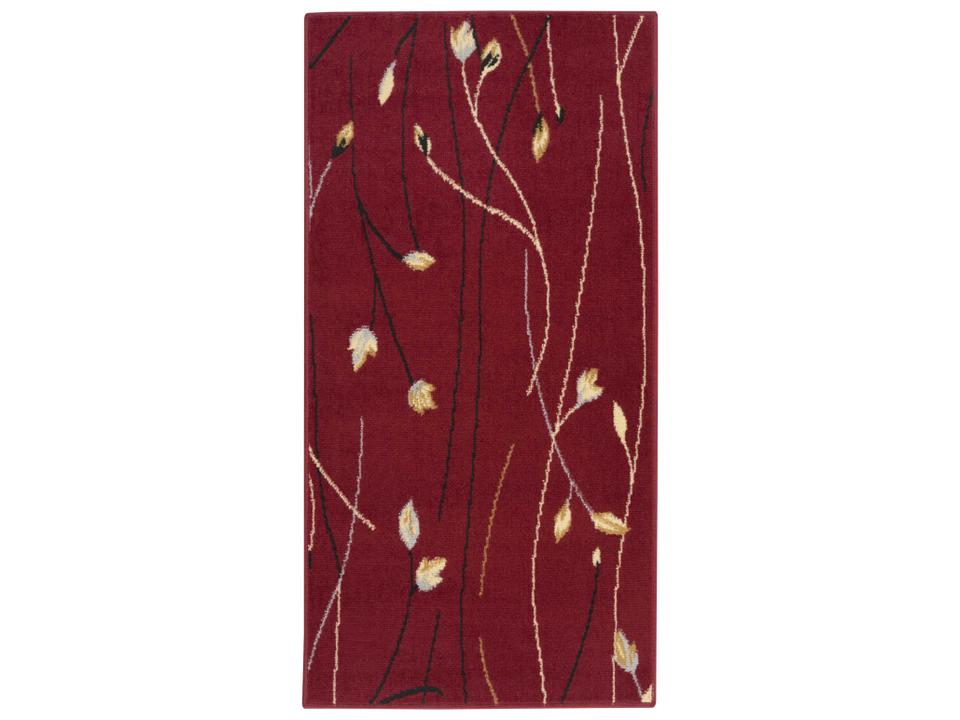
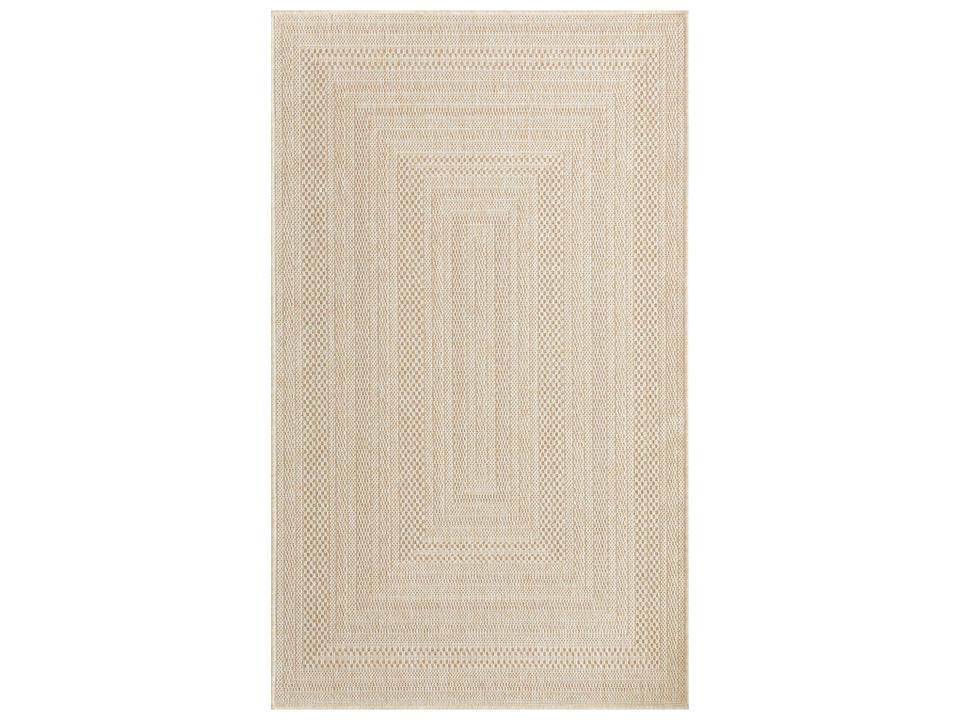
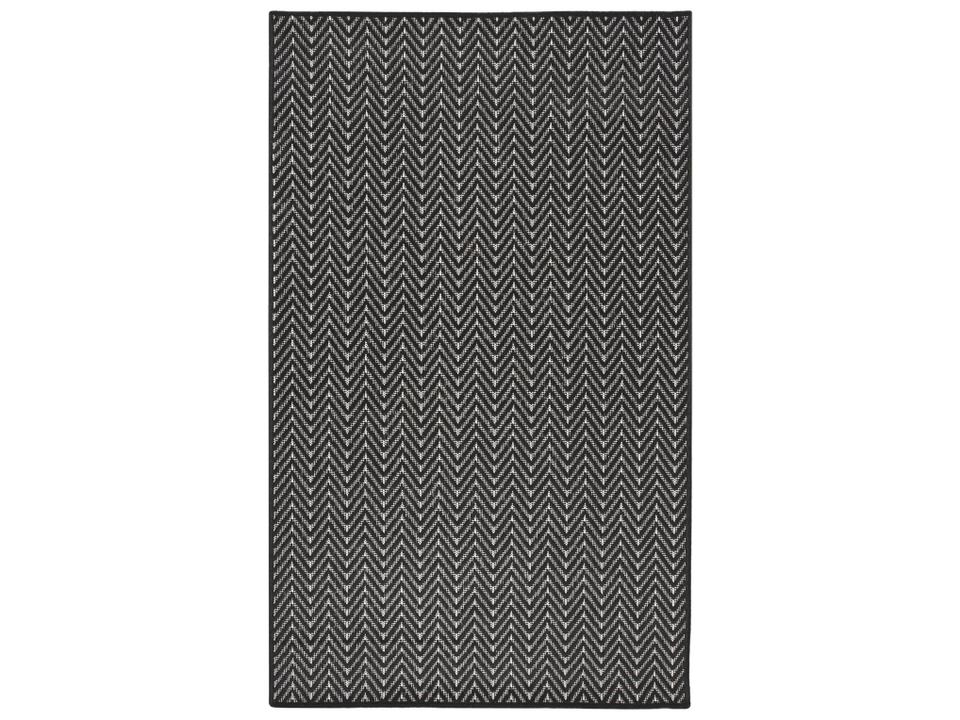
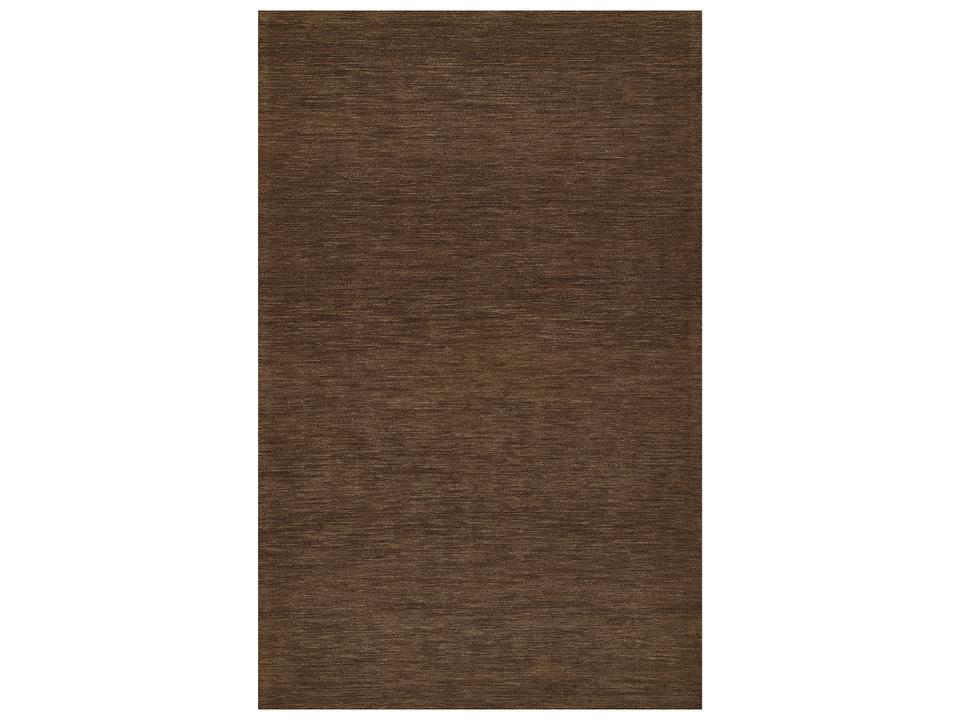
Color flexibility is one of the real strengths here. You'll find deep navy and charcoal, blush and gold, warm ivory — plus multi-tonal rugs that pull several shades together in a single piece.
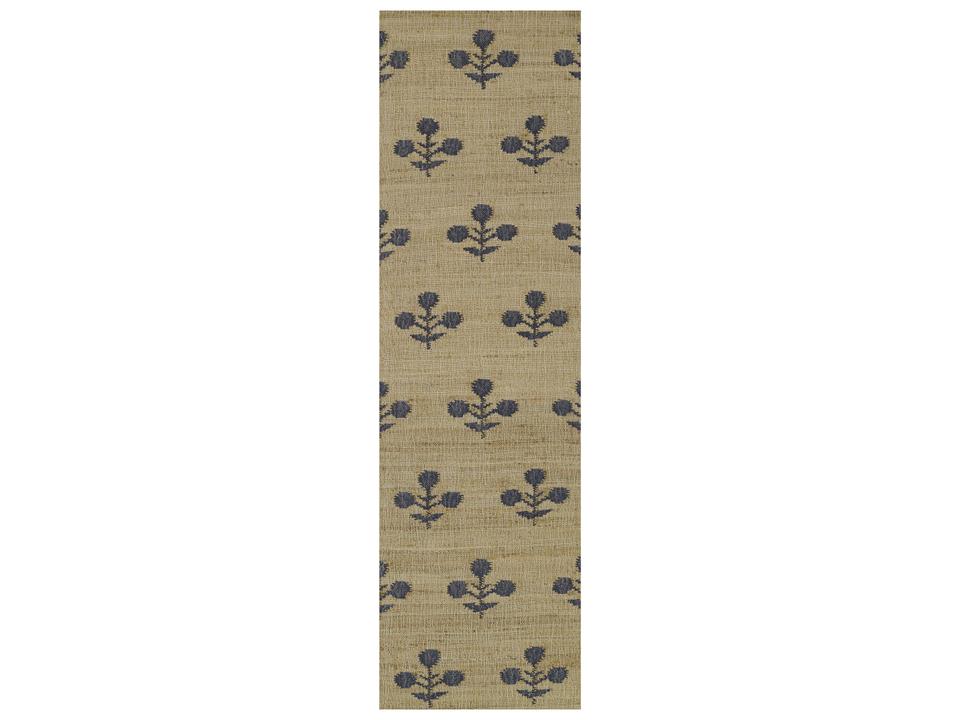
Getting the size right matters more than most people expect. In a living room, all major seating should rest at least its front legs on the rug — an 8' × 10' or 9' × 12' typically works for full-size arrangements. Under a dining table, leave at least 24 inches of rug beyond each side so chairs stay on the rug when pulled out. Hallway runners should leave 4–6 inches of exposed floor on each side for a clean, framed look.
For everyday care, vacuum regularly without the beater bar on hand-knotted or hand-tufted rugs. Rotate every six months to even out wear and sun exposure. Blot spills immediately — never rub. Professional cleaning every 12–18 months will keep a luxury transitional rug looking sharp for years to come.