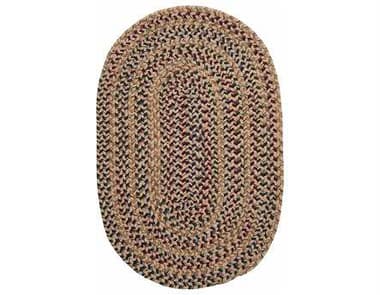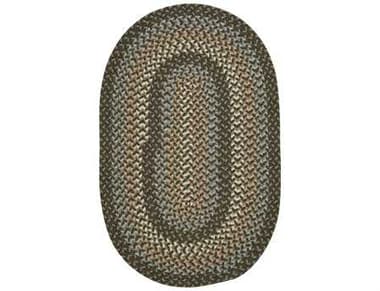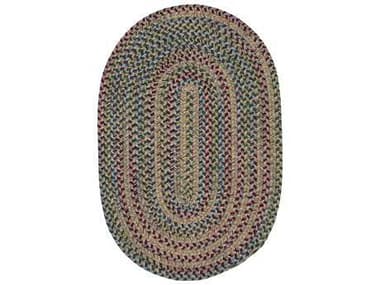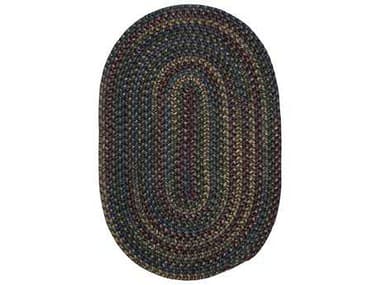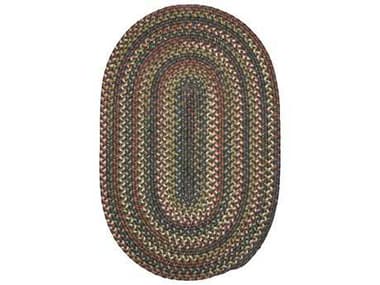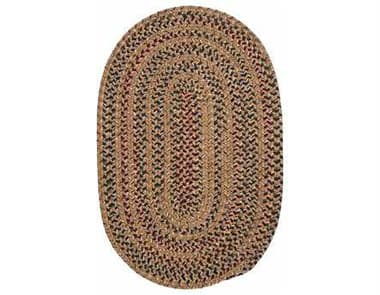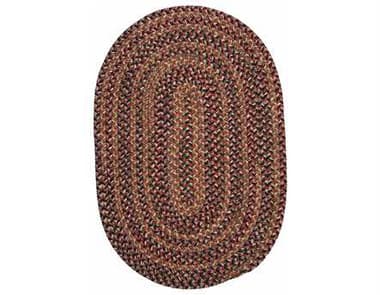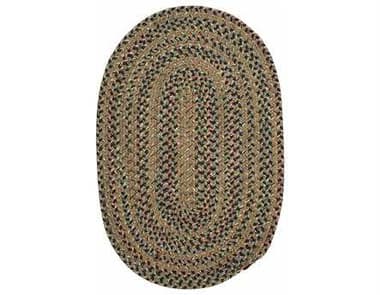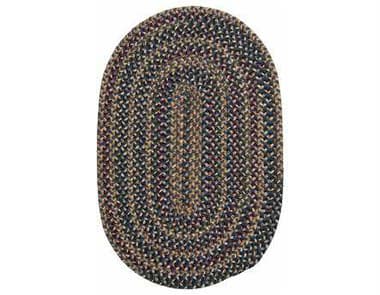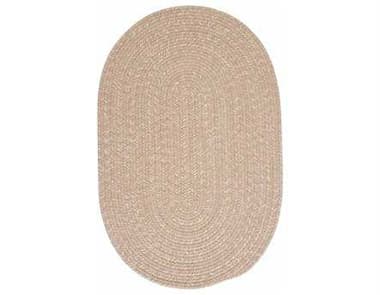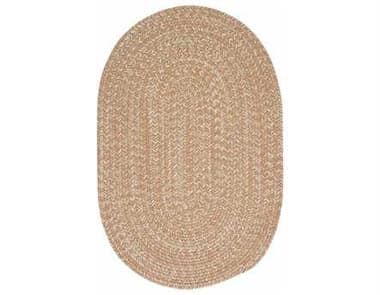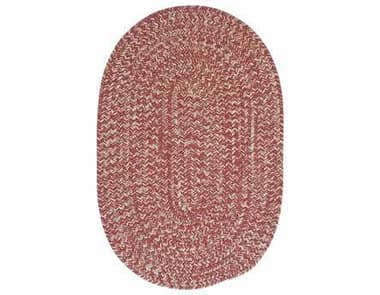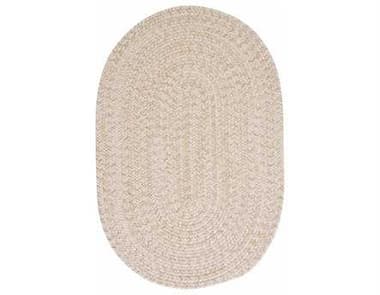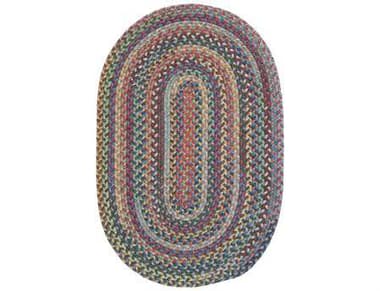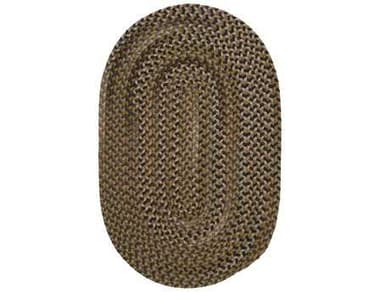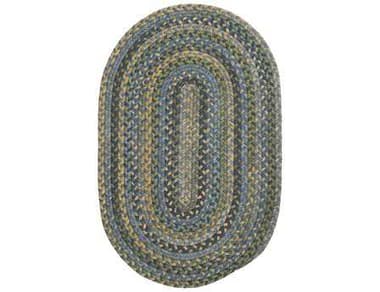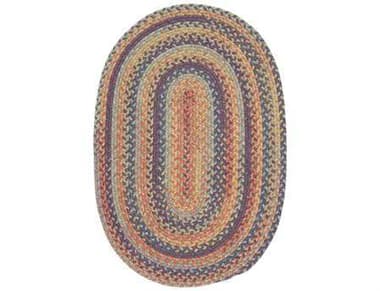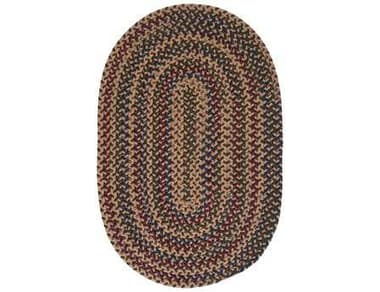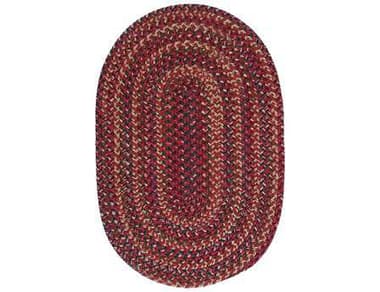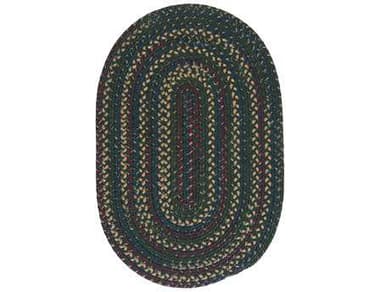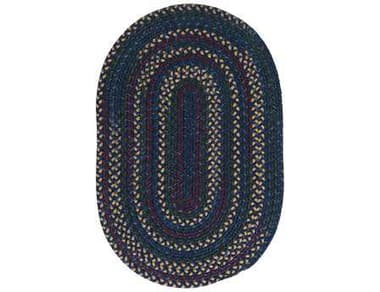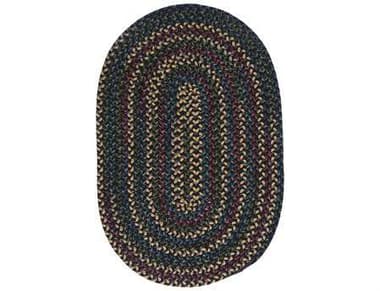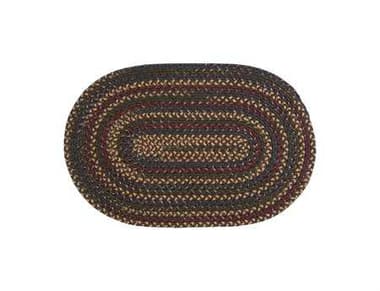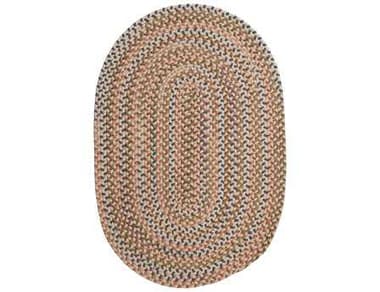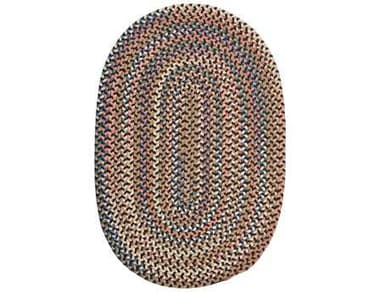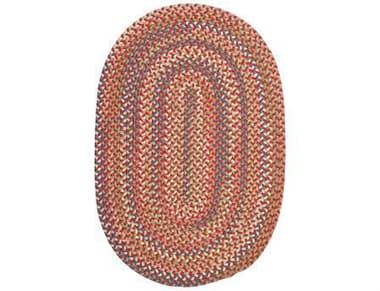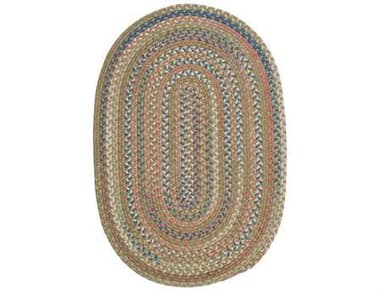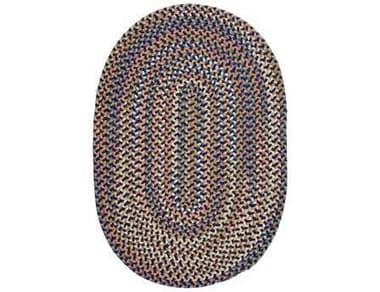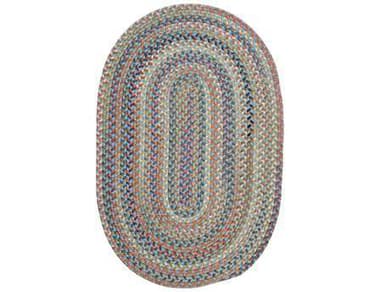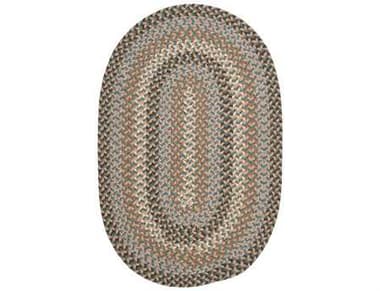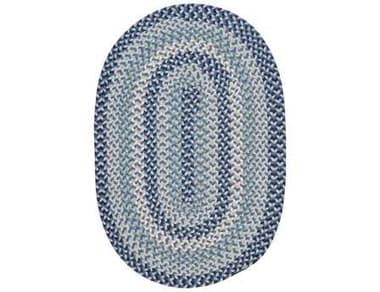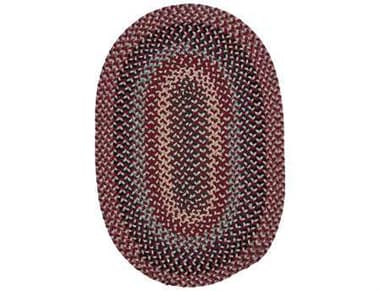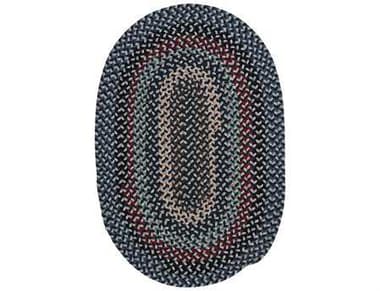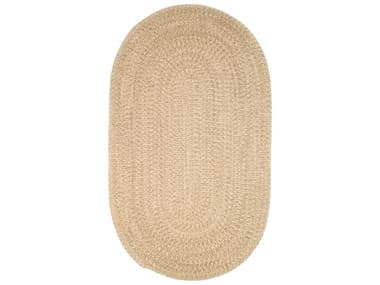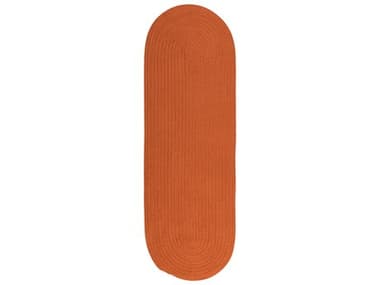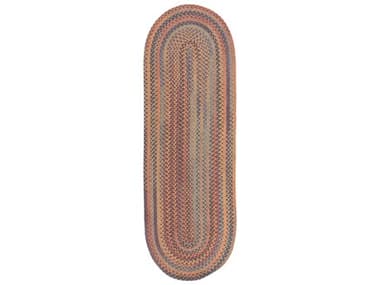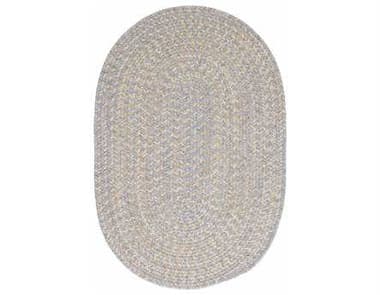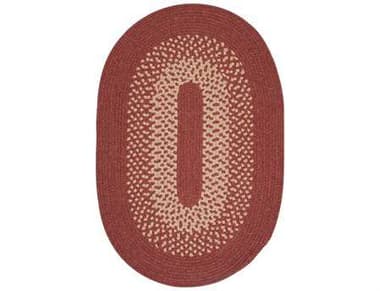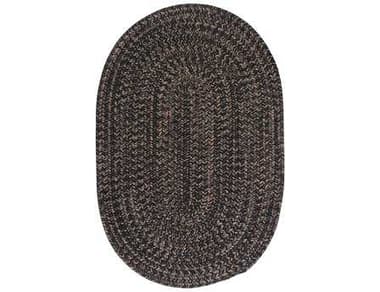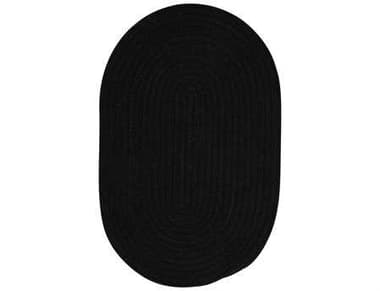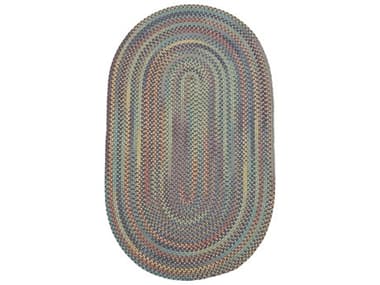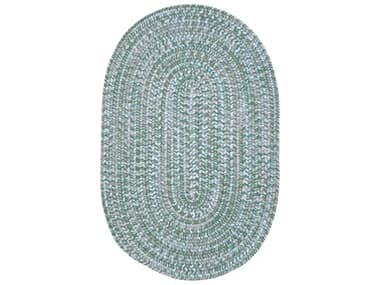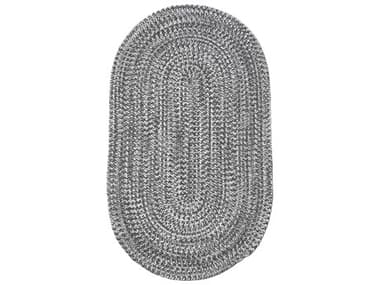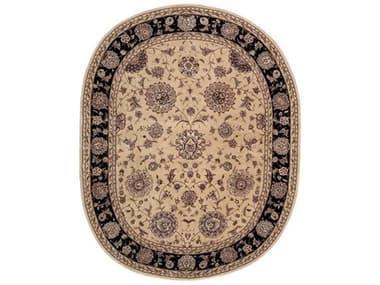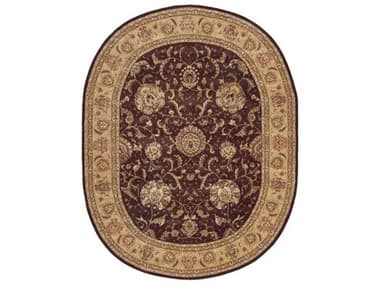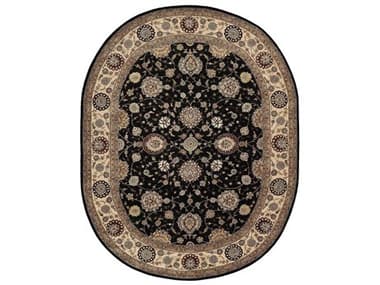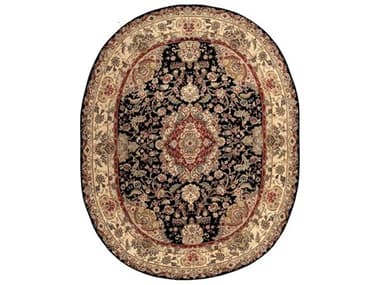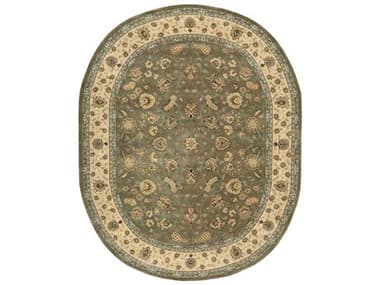
Rugs can add character and warmth to your home.
Laying down oval rugs is an especially good way to enhance the overall look and feel of your interior. If you are interested in purchasing an oval rug, then you probably have very particular tastes. You should take your time when searching for a rug. It is better to get your purchase right than to regret it later on.
You may have a vague idea of the kind of oval rug you want and the general effect it should have in the space where it will be laid down. Style, design, pattern, color, and material are some of the factors you should consider before you buy an oval rug.
Oval rugs help soften the straight lines and sharp corners in a room. They can add harmony and sophistication to an interior space and do much to create a harmonious environment. At the same time, an oval rug can increase the apparent size of a room. The roundish shape of such a rug attracts attention and gives a dash of style to your room. One other benefit of buying a rug with this shape is that it takes up less space than square or rectangular rugs.
Here are some of the features you should consider when buying an oval rug:
Before you buy a rug, you should know where you will put it. You will then need to measure the dimensions of the space to ensure you get the right size rug. A smaller rug is ideal for defining certain functional areas. If you plan to put a sofa or armchair on the rug, then you will need to buy an oval rug that is wider than the furniture piece.
You must pay close attention to the texture and colors of the rug. There are rugs that are appropriate for living room, bedroom, and dining respectively. Rugs with thick piles are best suited for a bedroom or living, but will look awkward in the hallway or dining room.
As for color, it should complement the color scheme of the interior. However, there are different ways of doing this. If you have painted your walls in a neutral color, then you may want to buy a bright oval rug to spice things up a bit. If you already have a colorful room, then your rug can be used to add fresh and vivid accents to this atmosphere. If you select a rug that blends with the color scheme of the interior, then you should choose one that differs in saturation and shade. Remember that lighter colors make the room look bigger.
The material of the rug will have significant bearing on its overall quality. You have a choice between natural or synthetic fibers. Wool, cotton, silk, jute, and viscose are just some of the many kinds of material you have to choose from.
Wool oval retain heat well. You should seriously consider this option if you live in a colder climate and in a home with poor heating and moist air. Cotton rugs, on the other hand, are more lightweight and resistant to fading.
If you are more interested in style and appearance, a silk rug may be more to your taste. They are gorgeous in appearance and shine with particular gloss and brilliance. They are also highly durable.
Rugs made from synthetics such as polypropylene and viscose are highly resistant to damage, easy to clean, and retain their shape and color. The only downside is that they are not environmentally friendly.
There are many different types of oval rugs in addition to the ones described above. These include:
If you are looking for an oval rug with a crafty look, then this may be perfect to you. Such rugs come in a variety of colors and patterns. They can enhance a room that has been painted and furnished in neutral colors.
These rugs are also crafty in appearance and tend to have bright colors and patterns. Jute rugs are made from the herbaceous plant whose fibers are combined with wool fibers. The material in these rugs is resistant to wear and tear and absorbs moisture.
These rugs can serve in a variety of spaces. They can be used to decorate an otherwise dull and colorless hallway. They can also be used to protect hardwood floors against chairs and other items that can scratch them.
You should select your oval rug through a patient and methodical process. Here are some of the things you want to think about:
If you plan to live in your house for a long time, then you want oval rugs that will survive. Even if you do periodic renovations, you should be able to use the rugs that you buy in different rooms. The highest quality rugs can even be passed down as a family heirloom. If you are into that sort of thing, then you may want to buy a brand of rug that is well-known for its durability.
You should be able to get an oval rug without paying excessive amounts of money. There are plenty of retailers that offer great deals on oval rugs all the time. Even if you are willing to spend a hefty sum on the best rugs on the market, you should still make sure that you are not being overcharged.
Defects and damage in an oval rug are unacceptable. If you find such discrepancies in the rug that you have purchased, then you should be able to return it for another rug or your money back. Do not leave the shop without a solid warranty.
Oval rugs can greatly improve the look of your home. To get the best rugs, you must take your time and assess the various features and categories discussed above.
To learn more about different rug shapes, read LuxeDecor's Rug Buying Guide.
Related Categories
Rectangle Rugs | Square Rugs | Round Area Rugs | Octagon Area Rugs | Braided Oval Area Rugs | Flatweave Oval Area Rugs