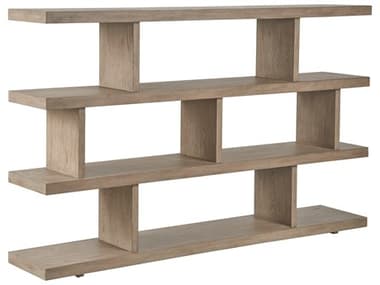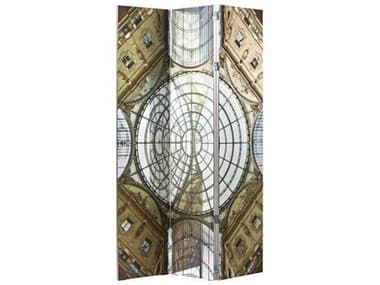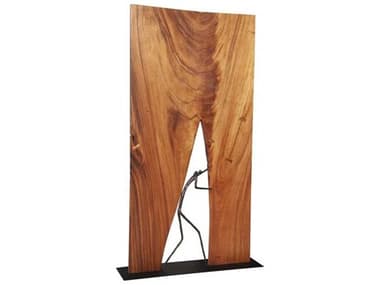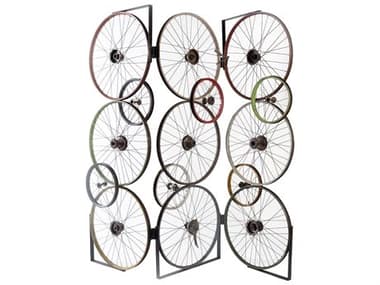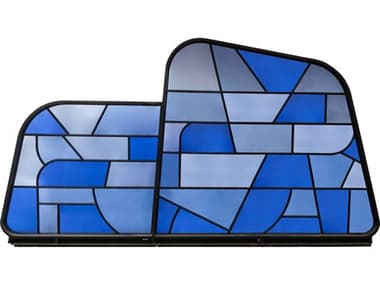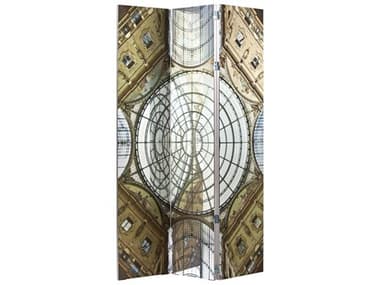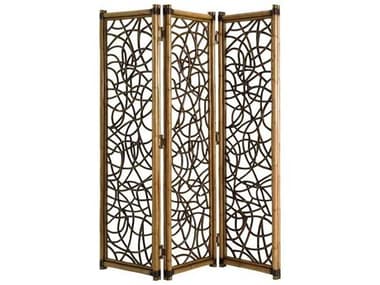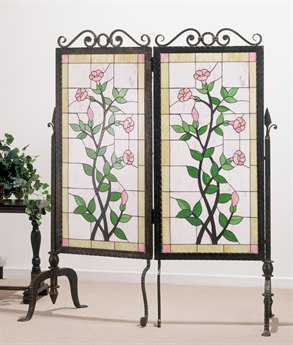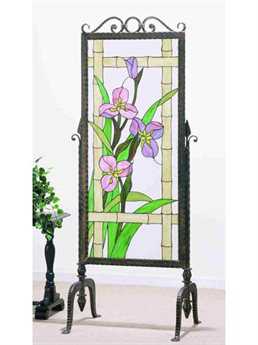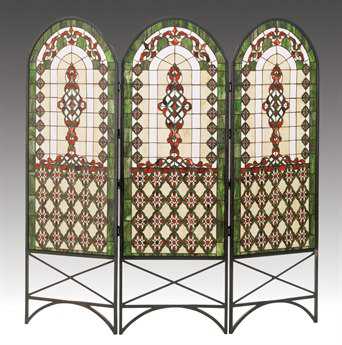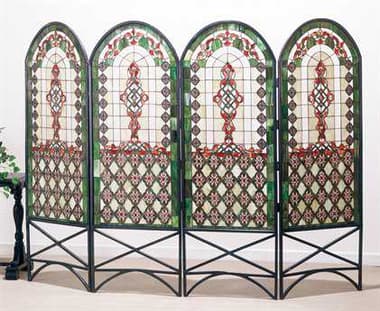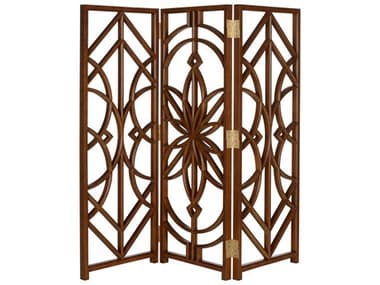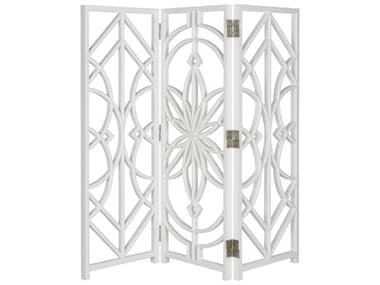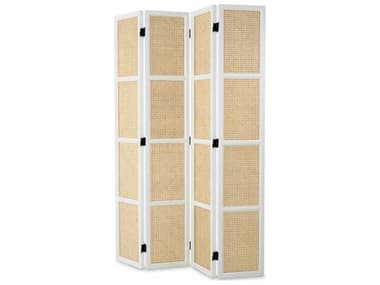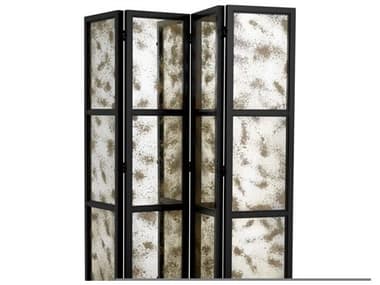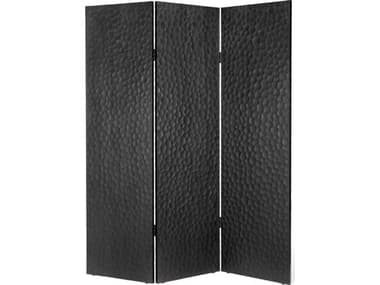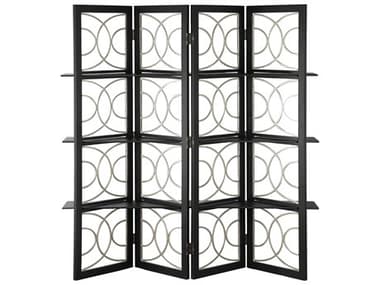


Wall room dividers have long played a role in interior design. In the distant past, these items were essential privacy screens, while the queens and kings of England sought them out as a statement of style or even status.
Today room dividers have become decorative elements that span both form and function. Young people living in small apartments — especially studios — often use them to create definition in their space, while others place a room divider screen in their living room or bedroom as a showpiece that helps to define their overall interior design style
The options for room partitions are endless. If you are on the hunt for one for your home — or if you’re tired of relying on dividing rooms with curtains, here is everything you need to know about room dividers, so you can select the best one for your needs.
If you are looking for a room divider for your home — whether it’s a traditional two-story modern loft or other type of home — there are some essential questions you will need to have answered.
The great thing about room dividers is they work for any space. However, there are still options you must consider. If you have a home with especially low or tall ceilings, think about the height of the room divider that will work best.
For the most part, you will likely use a fold room divider that can be set up standing on the floor. However, there are other options you make want to consider, including sliding dividers for your rooms or a hang room divider. Whether or not these options are right for you will come down to where and how you plan to use them.
Room dividers come in all materials and styles. You should think about what works best and where you will place it. Do you want a wood folding screen room divider to go with the rustic design of a space or are you looking for a screen for bedroom that will add color or pattern or texture to the space where you will spend a lot of your time?
You can find room dividers made out of everything from rice paper to wood to faux leather. It all comes down what is right for your home.
Like with all home furniture and accessories, there is a wide range of what you can spend. You will probably spend at least $50 on a free-standing one. Keep in mind, however, that the price of these pieces will increase based the construction and size, with larger-paneled options costing more than smaller-paneled models. At the end of the day, however, you can find a room divider that fits your budget.
A room separator can play many important roles in a home, including:
These pieces can help to break up a room or create a privacy area.
Adding walls tend to take more space which further creates issues while replacing them. Room dividers, on the other hand, are simple investments and can come and go as you decide you like them (or don’t). If your style changes, so can your room divider. And, if you have a pet or child that does any damage to your room divider, you can easily put a new one in its place.
Portable room dividers can be easily moved from one place to another without any hassles. They can also be folded and comfortably fit in your closet, under your bed or in a storeroom when they are not in use.
Dividing room screens are affordable and cost-effective, especially when compared to other potential solutions such as adding a wall.
In addition to being affordable, room dividers can also often be easily and inexpensively expanded or extended. For example, when using a panel room divider, you can add a panel as needed.
And if you don’t need it, or if it’s too wide, you can fold it up. For a little more stability, you may add small stands at the base to help the room divider stand up completely straight without falling.
Most room dividers are made of materials that are durable yet lightweight. This ensures they can easily be moved from room to room or even house to house, and they will not be easily damaged and will last for years to come.
Whether your style is contemporary, tradition, or mid-century modern, you will be able to find fashionable room dividers options that will fit your style and your home. Room dividers are available in a variety of designs, materials and colors, making them apt for any space.
For the most part, you can easily clean your room divider, especially when you select a hassle-free material. And should you need to do any cleaning, these lightweight pieces are small and easy to carry, making any clean up time quick.
Ready to find your perfect room dividers? Shop our great selection now!
Related Categories
Accent cabinets | Throw pillows for couch | Accent chests | Gold chairs | Accent stools | Purple accent chairs | Blue accent cabinets | Poufs for sale | Modern accent cabinets